The Mulch California Homeowners Should Never Use Near Their House This Fire Season
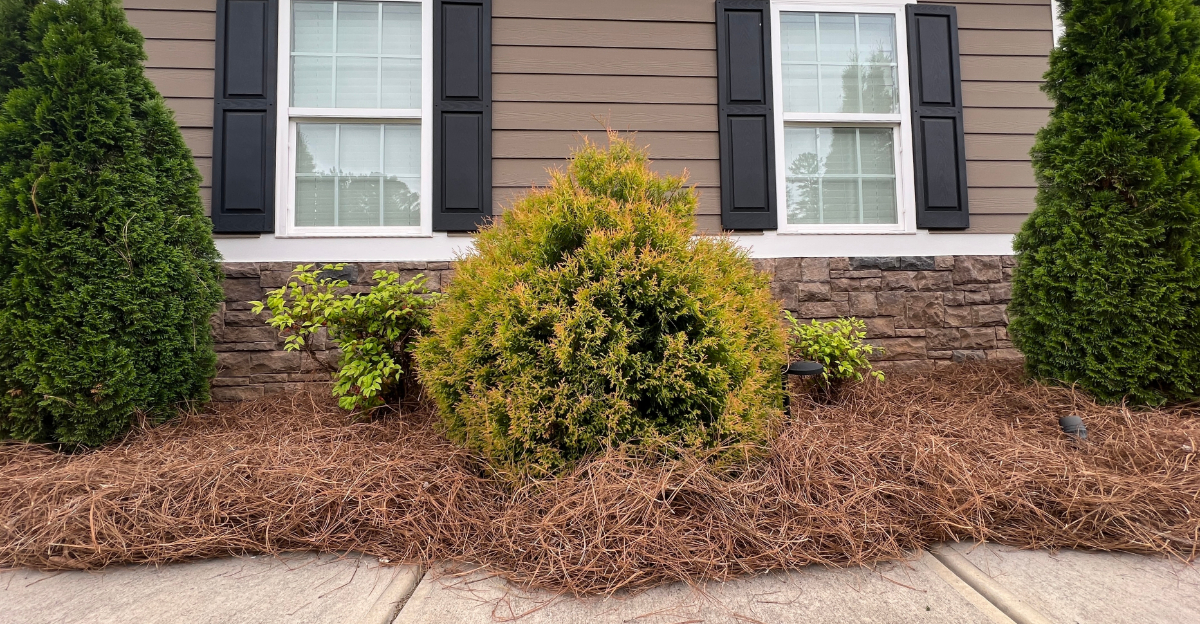
That tidy, freshly mulched strip along the house may look like curb appeal doing its job, but during California fire season, the wrong material can turn into a serious problem fast.
Some mulches dry out, trap heat, and create a fire-friendly path right along siding, vents, decks, and fences.
One of the biggest offenders is gorilla hair mulch, the shredded redwood or cedar product that forms a dense, fibrous mat as it settles.
It may seem neat and natural, but once it gets dry, it can behave more like kindling than protection.
That is a risky look near any home in wildfire country. The better move is to keep combustible mulch away from the house, especially in the first few feet, and choose safer materials for those high-risk zones.
Your landscaping can still look clean and polished without giving fire an easy welcome mat.
1. Gorilla Hair Mulch Is The Risky Choice
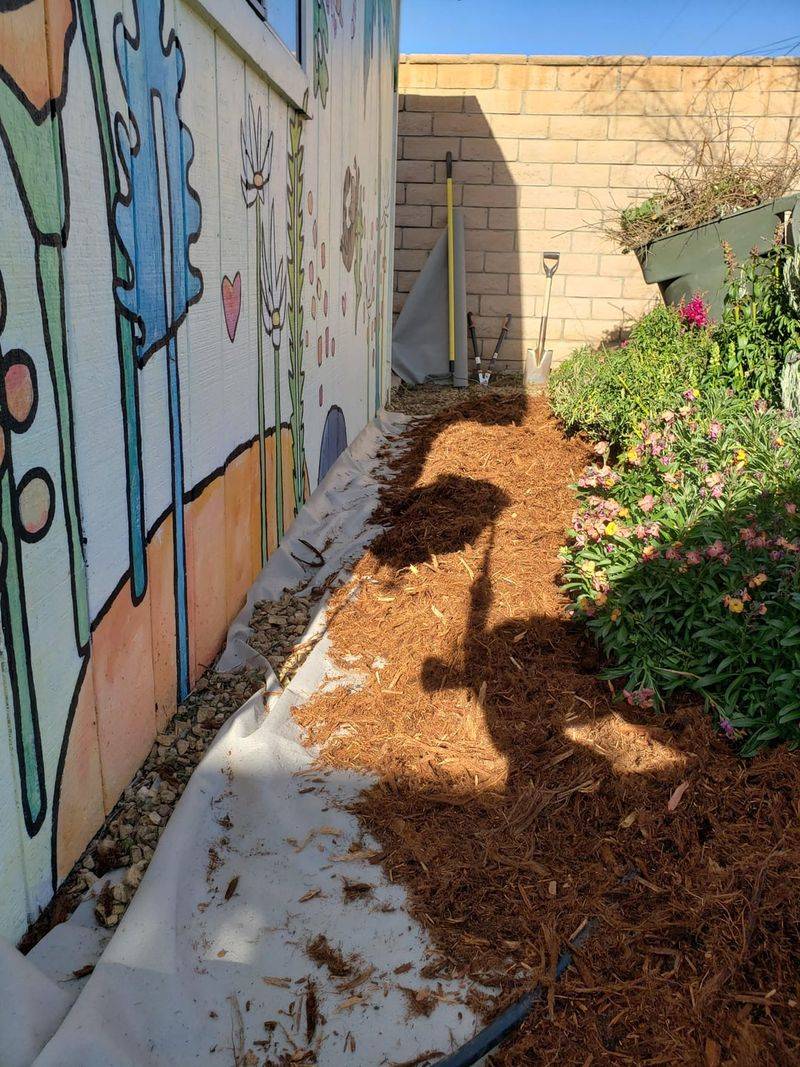
Not all mulch is created equal, and gorilla hair mulch sits at the top of the danger list for homeowners during fire season.
Made from shredded redwood or cedar bark, it has a stringy, fibrous texture that looks attractive in garden beds. But that same texture is exactly what makes it so hazardous.
The fibers tangle together and trap air between them. That air acts like oxygen feeding a flame.
When a spark or ember lands on gorilla hair mulch, it does not just sit there. It catches, smolders, and spreads in ways that denser mulch materials simply do not.
Fire officials across California have tested many types of mulch for ignition risk. Gorilla hair consistently ranks among the easiest to ignite.
Even a small ember blown from a neighbor’s property or a nearby hillside can start a chain reaction in this material.
Many homeowners choose it because it looks rustic and stays in place on slopes. Those are real benefits in certain parts of the yard.
But near your house, those benefits are not worth the fire risk. You need to know what you are working with before fire season arrives in full force.
Swapping this mulch out now, while conditions are manageable, is one of the smartest and easiest protective steps you can take this season.
2. Its Shredded Texture Dries Out Fast
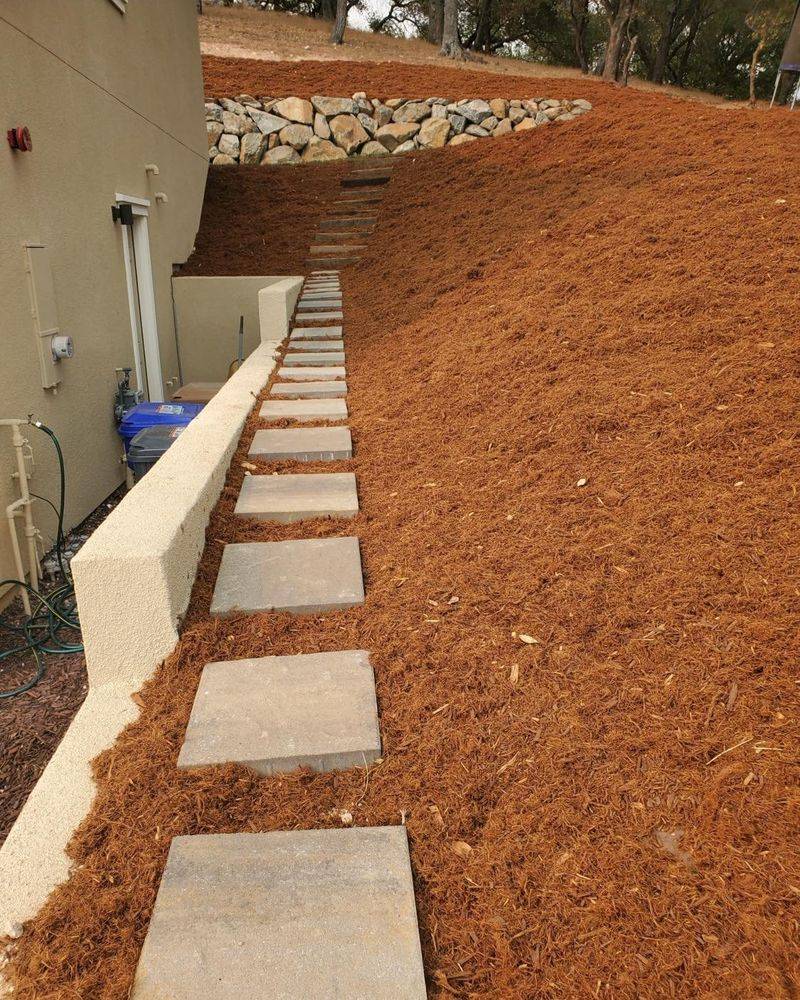
One of the biggest problems with gorilla hair mulch is how quickly it loses moisture. During the hottest months across California, humidity drops and temperatures climb.
That combination pulls every bit of water out of this material within days, sometimes within hours.
When mulch dries out completely, it becomes more flammable. Think of it like kindling in a campfire.
Dry wood catches fast. Dry gorilla hair mulch behaves the same way, except it is sitting right next to your house.
Other mulch types, like wood chips or bark nuggets, hold onto moisture longer because of their shape and density. Gorilla hair’s thin, shredded fibers have a large surface area.
More surface area means faster moisture loss. That is just basic science, and it works against you during fire season.
Your California Garden Changes Every Week. Your Plan Should Too.
Gardening in California changes quickly throughout the season. Every Friday you’ll receive a simple weekly plan showing exactly what to plant, prune, fertilize, harvest, and protect so you never miss the right timing.
Even if you water your garden beds regularly, gorilla hair dries out again quickly in the sun and wind. You cannot keep up with how fast it loses moisture during a heat wave.
Homeowners in the Central Valley, the Inland Empire, and dry foothill communities feel this more than most.
Replacing it with a moisture-retaining alternative is not just about fire safety. It is also better for your plants and your water bill.
Choosing the right ground cover material is a win on multiple levels when the weather turns hot and dry.
3. Windblown Embers Can Land And Smolder
During fire season, wind is one of the biggest dangers. Strong gusts can carry burning embers miles away from an active fire.
Those embers land on rooftops, decks, and garden beds without warning. If gorilla hair mulch is nearby, you have a problem.
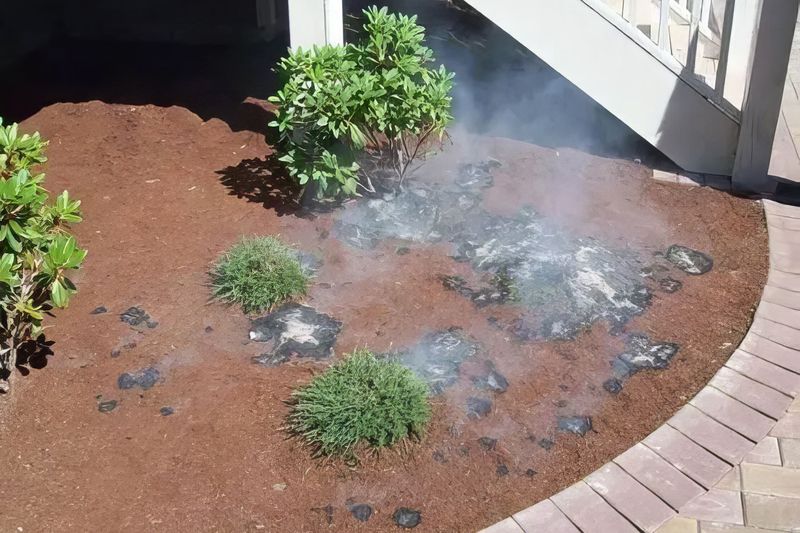
Embers do not always burst into open flame right away. They smolder.
That smoldering can go unnoticed for a long time, especially in thick layers of gorilla hair mulch. By the time you see smoke, the fire may already be spreading toward your foundation or siding.
This is why fire scientists call ember intrusion one of the leading causes of home loss during wildfires. It is not always the main fire front that destroys a home.
Often, it is a tiny ember that lands in the wrong place and grows slowly while no one is watching.
Gorilla hair mulch is especially dangerous in this scenario because its tangled fibers hold embers in place. Denser materials like gravel or decomposed granite do not hold embers the same way.
They let embers cool or blow away without catching.
If your area is prone to strong winds during fire season, like communities near mountain passes or coastal gaps, this risk is even higher.
Removing gorilla hair mulch from around your home is a direct way to reduce ember ignition risk and protect your property.
4. The First Five Feet Need Safer Materials
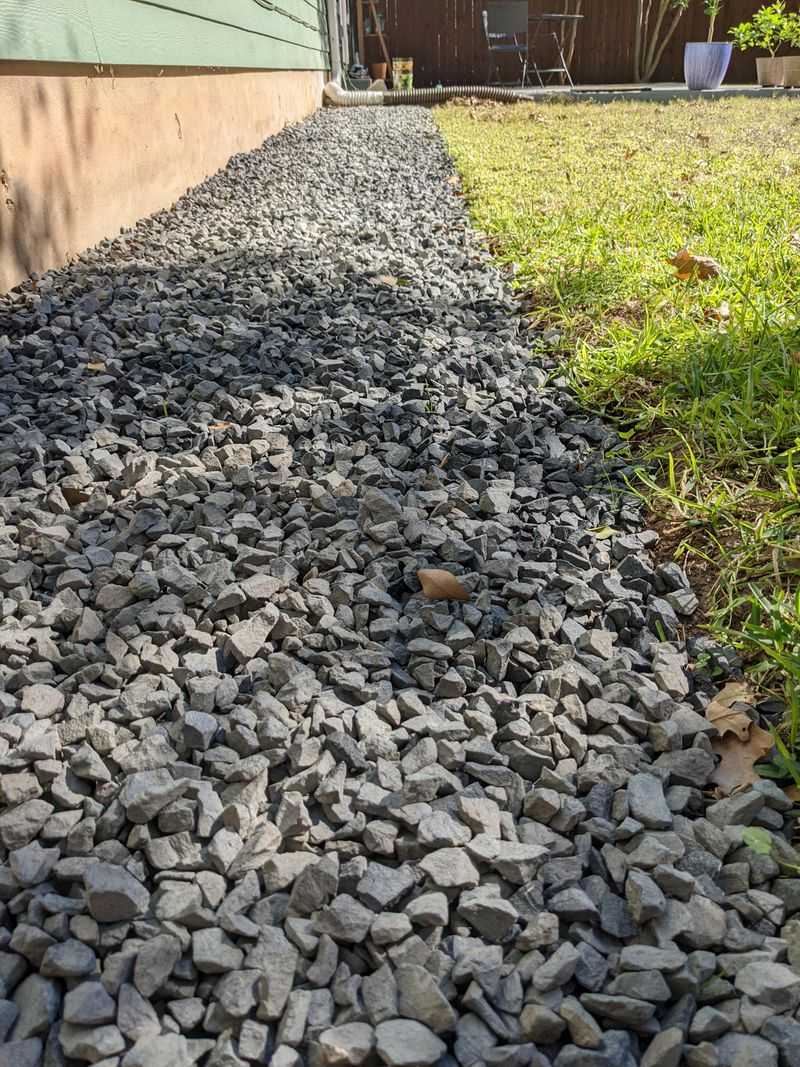
Fire safety experts call it the Zone Zero. It is the area within the first five feet around your home, and it is the most important zone to protect.
What you put in that space can mean the difference between a close call and a devastating loss.
Gorilla hair mulch should never be used in this zone. In fact, no combustible organic material should be placed within five feet of your house during fire season.
This includes wood chips, straw, dried leaves, and bark. All of it can catch fire.
The best materials for Zone Zero are non-combustible ones. Gravel, river rock, decomposed granite, and concrete pavers are all solid choices.
They do not burn. They do not hold embers. And they still look clean and intentional in a well-designed yard.
California’s fire agencies have updated their guidelines in recent years to emphasize Zone Zero. Some counties now require homeowners in high-risk zones to follow these rules.
Even if your area does not have a mandate yet, following this guidance voluntarily is a smart move.
Think of it as building a buffer. Every foot of non-combustible ground between your house and any flammable material gives firefighters and you more time to respond.
Five feet is not much space, but it makes a real difference when embers are flying and conditions are extreme.
5. Rock Mulch Belongs Closest To The House
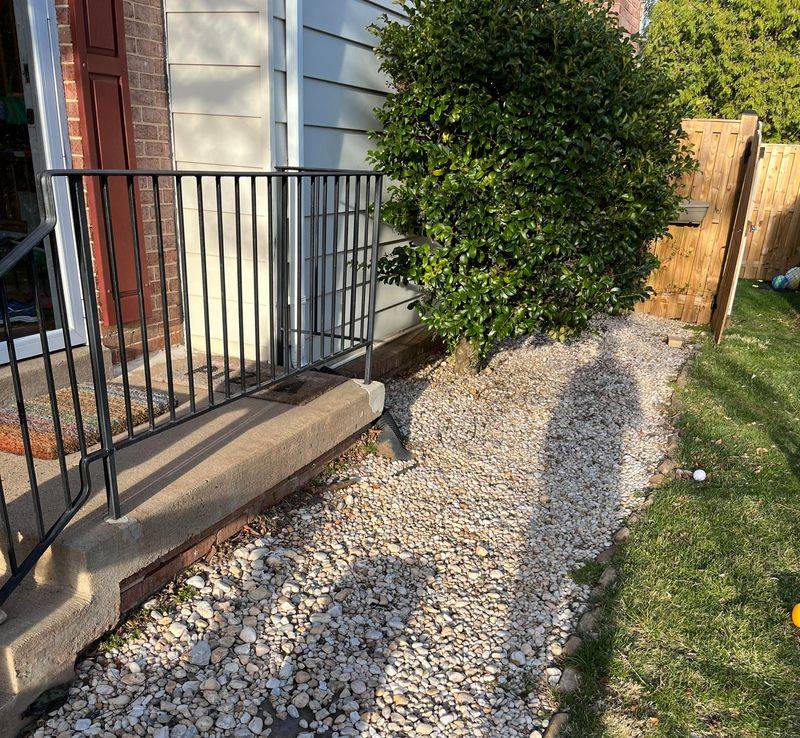
Rock mulch is one of the best swaps you can make if you currently use gorilla hair near your foundation. Gravel, decomposed granite, and river rock do not burn.
They do not dry out and become kindling. They just sit there and do their job.
Beyond fire safety, rock mulch has other real benefits. It suppresses weeds without adding fuel to a potential fire.
It reflects heat away from your soil during hot days. And it holds up through seasons without needing to be replaced or refreshed.
Some homeowners worry that rock mulch looks too industrial or plain. But there are many attractive options available at garden centers and home improvement stores.
River rock comes in warm earth tones. Decomposed granite has a natural, sandy look that suits drought-tolerant landscaping well.
Pairing rock mulch with fire-resistant plants like succulents, lavender, or native bunch grasses creates a yard that looks intentional and beautiful. You do not have to sacrifice curb appeal to make your home safer.
In fact, many fire-safe landscapes are striking and low-maintenance at the same time.
The rule of thumb is simple. Keep rock mulch in the first five feet closest to your house.
Then, if you want to use organic mulch further out in the yard, you can do so more safely with greater distance from any structure.
6. Keep Gorilla Hair Away From Siding
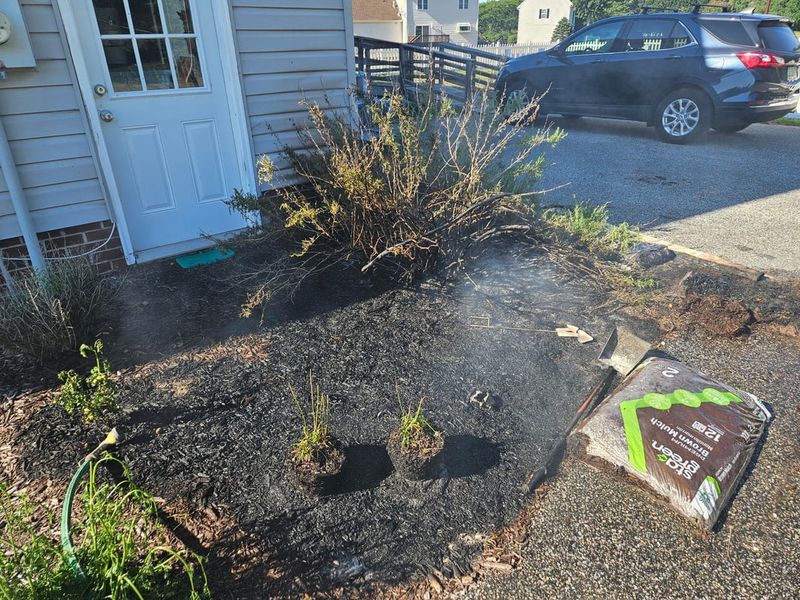
Your home’s siding is one of its most vulnerable surfaces during a fire in California.
Whether it is wood, fiber cement, vinyl, or stucco, having flammable material pressed up against it creates a direct path for fire to reach the structure.
Gorilla hair mulch is one of the worst offenders. When this mulch sits right against siding, it creates a wick effect. Fire or embers in the mulch travel straight up toward the wall.
Once the siding ignites, the fire moves into the wall cavity, and at that point, it becomes extremely difficult to stop.
Many homeowners accidentally pile mulch too close to their house when refreshing garden beds each spring. It seems harmless at the time.
But during fire season, that small mistake can have serious consequences. Keeping at least a four-inch gap between any mulch and your siding is a minimum precaution.
For gorilla hair mulch specifically, a four-inch gap is not enough. The fibrous material can still catch and spread fire quickly even from a short distance.
The safest approach is to remove it entirely from the area near your home and replace it with rock or gravel.
Walk the perimeter of your home this week. Look at what is touching your siding.
If gorilla hair mulch is there, pull it back or remove it completely. It is a quick task that takes less than an hour and could protect your home all season long.
7. Don’t Pile It Against Wood Fences
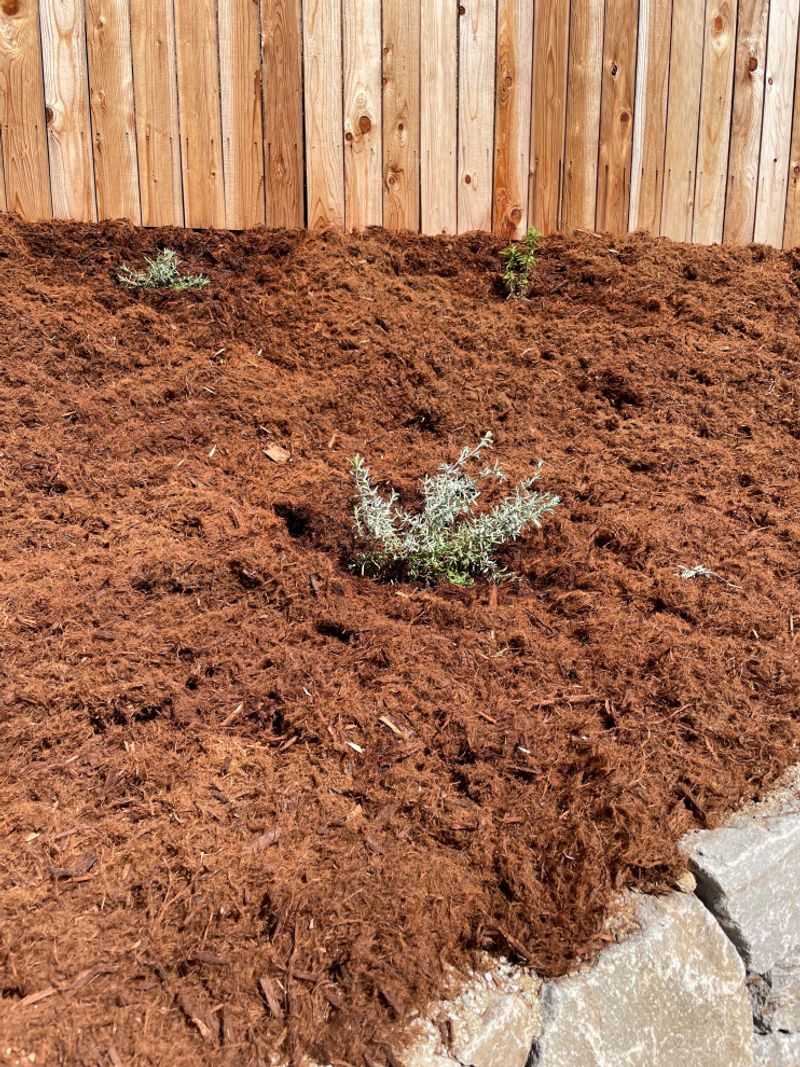
Wood fences are already a fire risk on their own during a dry season. They act like a long fuse, carrying fire from the street or a neighbor’s yard straight to your house.
Adding gorilla hair mulch along the base of a wood fence makes that risk much worse.
When mulch sits against a wooden fence, it creates what fire experts call a fire bridge. The mulch catches first, then the fence, then whatever the fence connects to, which is often your home or a garage.
This chain can happen faster than most people expect.
California homeowners in suburban neighborhoods often use gorilla hair mulch along fence lines because it looks tidy and keeps weeds down. That is understandable.
But the trade-off in fire risk is significant, especially in communities that sit near open land, dry hills, or wildland-urban interface zones.
If you have a wood fence and want to mulch along its base, use gravel or decomposed granite instead. You can still keep the area looking clean and weed-free without the added danger.
Some homeowners also choose to replace sections of wood fencing with metal or masonry near the house for added protection.
Small changes in how you landscape around fences can significantly reduce your home’s ignition risk. Fire does not need much to get started.
Removing easy fuel sources like gorilla hair mulch from fence lines is a straightforward and effective precaution.
8. Thin Layers Still Need Regular Cleanup
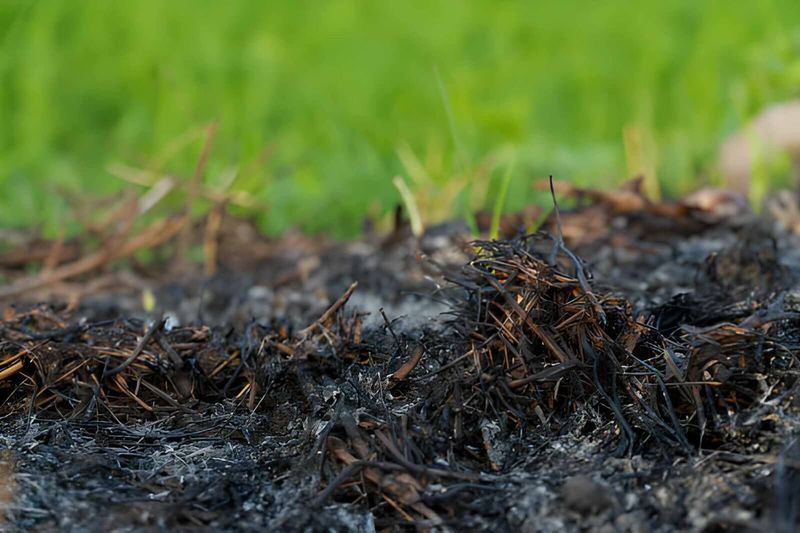
Some homeowners think that using a thin layer of gorilla hair mulch makes it safer. The logic makes sense on the surface.
Less material means less fuel, right? But even a thin layer of this fibrous mulch can catch and spread fire, especially when it is bone dry.
The real issue is not just the mulch itself. It is what collects on top of it over time.
Dried leaves, pine needles, seed pods, and other debris settle into gorilla hair mulch and create an even more flammable layer. That debris is often drier and lighter than the mulch beneath it.
Regular cleanup is essential if you keep any organic mulch in your yard during fire season. Rake out debris at least once a week during high-risk months.
Do not let withered plant material accumulate in mulched areas near your home.
Even with regular cleanup, gorilla hair mulch holds onto fine particles that are hard to remove completely. Those particles dry out and contribute to fire risk.
Switching to a non-combustible ground cover eliminates this maintenance burden entirely.
Think of yard cleanup as part of your fire preparedness routine, just like checking smoke detectors or clearing gutters. It does not take long, but it matters.
A clean yard with low-fuel ground cover is far easier to defend than one filled with dried organic material that has been building up since spring.