The Real Reason Why Your New Jersey Pepper Plant’s Leaves Turn Yellow
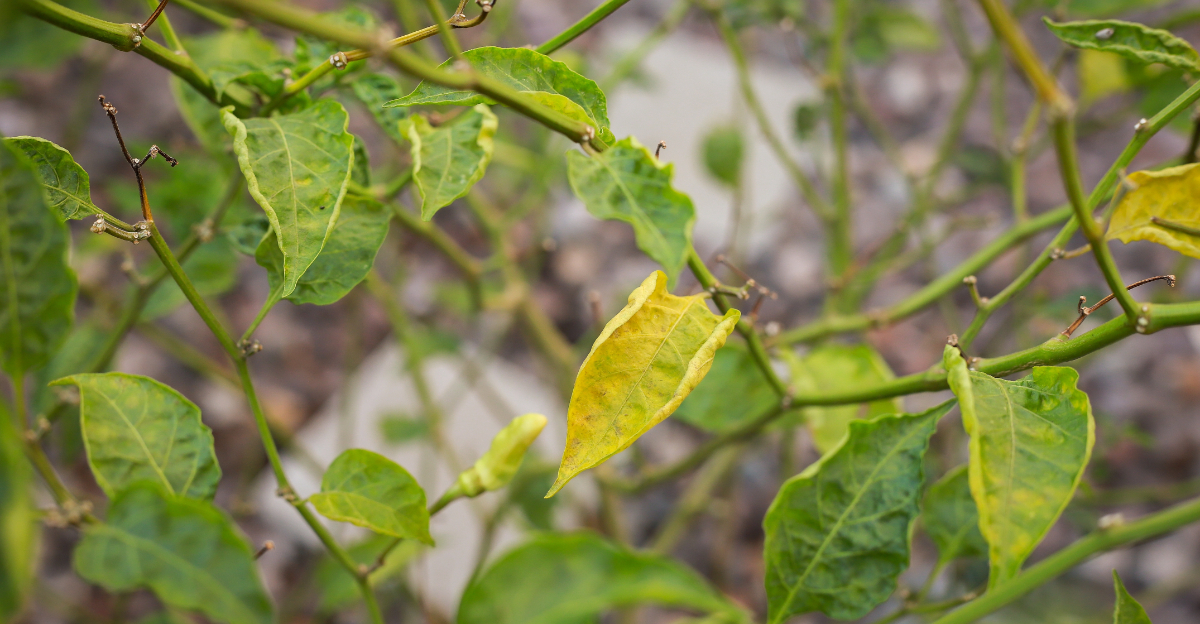
Your pepper plants looked perfectly fine last week. Now half the leaves have turned a pale, sickly yellow, and you are left wondering what changed almost overnight.
New Jersey gardens make this mystery even trickier. Clay-heavy soil holds onto water like a stubborn sponge, and summer storms roll in without warning, leaving your plants caught between too much and too little at the same time.
Pepper plants have a peculiar way of asking for help. Instead of wilting dramatically or dropping leaves outright, they signal distress through color, turning their foliage yellow long before anything looks seriously wrong.
Every shade of yellow tells a slightly different story. Spend a few minutes decoding it, and your pepper plants stop feeling unpredictable altogether.
The Common Misconception About Nitrogen and Fertilizer
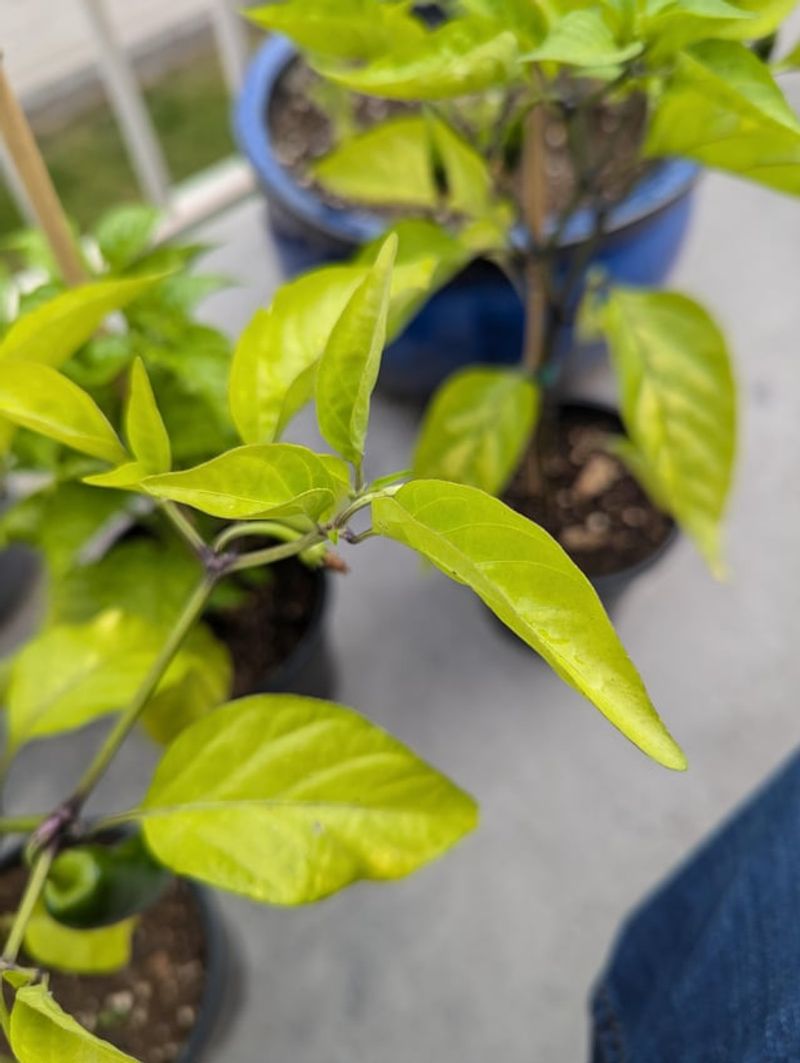
Yellow leaves scream one thing to most gardeners: feed me. Grabbing a bag of fertilizer feels like the obvious fix.
Nitrogen deficiency does cause yellowing, but it follows a specific pattern. Older, lower leaves turn pale yellow first, while upper leaves stay green and healthy-looking.
Most home gardeners already add fertilizer regularly throughout the season. Adding more on top of a watering problem rarely solves anything, and it may actually make things worse.
Too much nitrogen pushes leafy growth but stresses roots that are already struggling. A stressed root system struggles to absorb nutrients, regardless of how much fertilizer surrounds it.
Before you assume your pepper plant is starving, take a step back and look at the full picture. Check your soil moisture, your drainage, and how often you have been watering.
Fertilizer is not always the hero of this story. When pepper plant leaves turn yellow in New Jersey gardens, overwatering is usually the real villain hiding in plain sight.
Misdiagnosing the problem wastes time, money, and energy. Worse, it delays the actual fix your plant needs.
Soil tests from your local cooperative extension office can confirm whether nutrients are actually low. That one small step saves you from chasing the wrong solution all season long.
Excess Water Is Doing More Harm Than Good
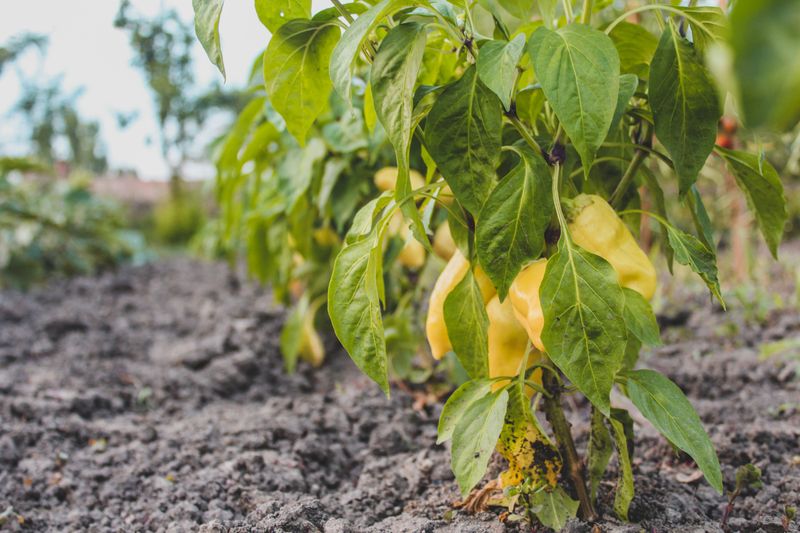
Watering your plants feels like an act of love. But too much love can be just as damaging to a pepper plant as neglect.
Overwatering is one of the most common reasons pepper plant leaves turn yellow in home gardens. It happens quietly, slowly, and looks almost identical to a dozen other problems.
When roots sit in soggy soil, they struggle to get enough oxygen. Pepper plant roots need both moisture and oxygen to function properly, and waterlogged soil steals the oxygen right out from under them.
Without oxygen, roots begin to break down and rot. A rotting root system struggles to pull water or nutrients up into the plant, even when both are sitting right there in the soil.
The leaves respond by turning yellow because the plant is essentially shutting down non-essential functions. It is triage mode, the plant is trying to survive, not thrive.
Many gardeners water on a fixed schedule without checking soil moisture first. Sticking your finger two inches into the soil is a quick and reliable way to check.
Your New Jersey Garden Changes Every Week. Your Plan Should Too.
Gardening in New Jersey changes quickly throughout the season. Every Friday you’ll receive a simple weekly plan showing exactly what to plant, prune, fertilize, harvest, and protect so you never miss the right timing.
If the soil feels wet or even damp, skip the watering session that day. Pepper plants prefer soil that dries out slightly between waterings, that brief dry period is actually healthy.
Recognizing overwatering early can save your entire crop. Catching it before root rot sets in gives your pepper plant a real fighting chance at recovery.
Soggy Soil Suffocates Pepper Plant Roots
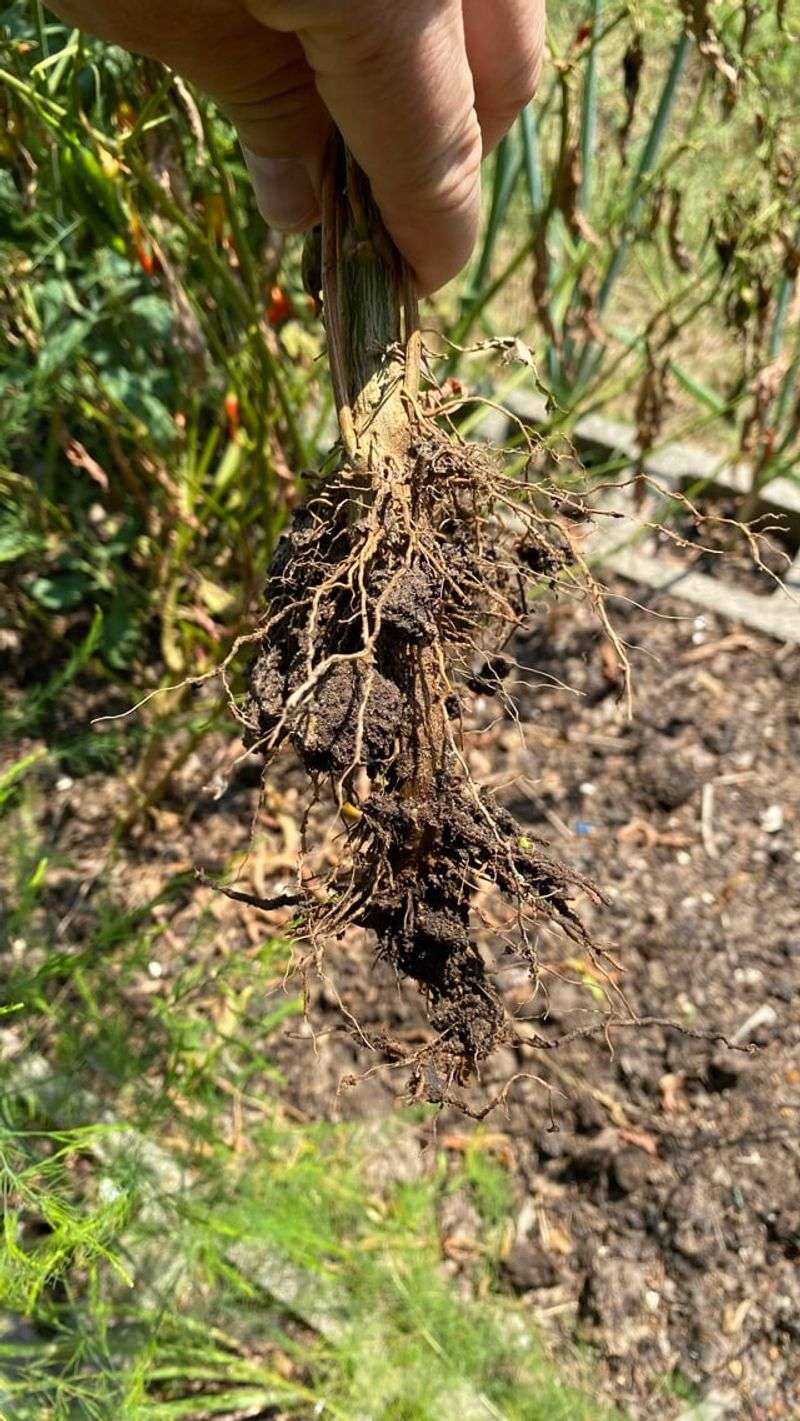
Picture your roots gasping for air beneath a heavy, wet blanket of soil. That is exactly what happens when drainage fails.
Healthy pepper plant roots are white or light tan and feel firm to the touch. Roots suffering from soggy conditions turn brown, feel mushy, and carry a sour or unpleasant smell.
Root rot is a fungal condition that thrives in consistently moist soil. Once it takes hold, it spreads quickly and can severely damage a plant’s root structure in a short time.
The connection between soil health and leaf color is strong. A compromised root system struggles to deliver the nutrients that keep leaves green and photosynthesis running smoothly.
Pepper plants grow best in well-draining, loose soil with plenty of organic matter mixed in. That structure creates air pockets that allow roots to breathe even after a heavy watering.
Compacted soil has no air pockets and holds water like a sponge. Each time it rains or you water, that moisture has nowhere to escape, so it sits and suffocates.
Raised beds are a popular solution among experienced gardeners because they offer superior drainage. Elevating your plants even six inches above ground level makes a noticeable difference in how water moves through the soil.
Healthy roots are the foundation of a healthy plant. Fix the soil situation underground, and the leaves above will follow with renewed green color and vigor.
Spotting The Difference Between Overwatered And Underwatered Leaves
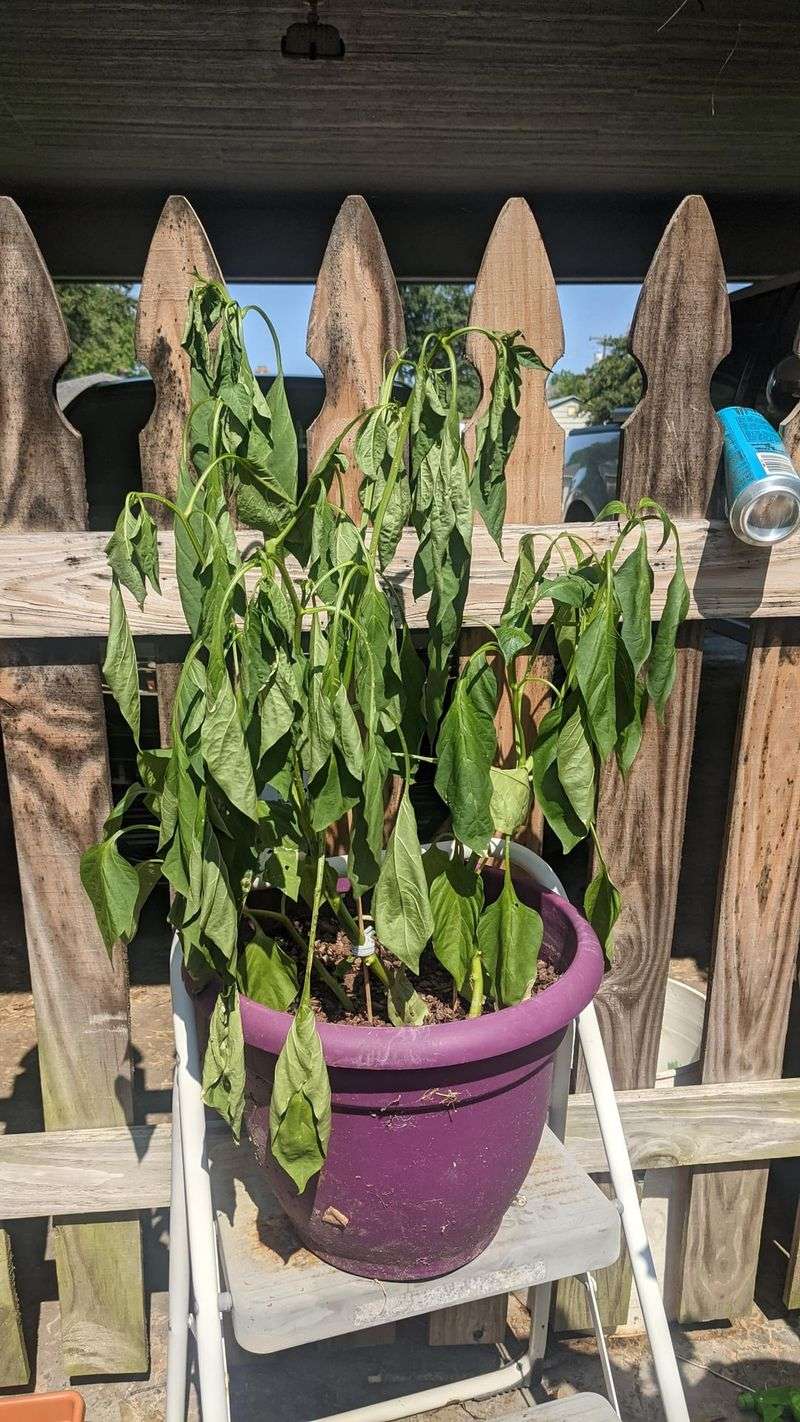
Both problems wear yellow as their signature color, which makes telling them apart genuinely tricky. Knowing the subtle differences can save you from making the wrong move.
Overwatered leaves feel soft and limp, almost like wet tissue paper. They may look swollen or translucent near the edges, and they often fall off without much resistance when touched.
Underwatered leaves, by contrast, feel dry and slightly crispy along the margins. They curl inward as if trying to conserve whatever moisture is left inside the plant.
Another clue is the soil itself, worth checking before drawing conclusions. Overwatered soil feels wet or cold to the touch, while underwatered soil pulls away from the pot edges and feels like dust.
Stem color also tells a story worth reading carefully. Overwatered plants often show dark or discolored stems near the soil line, which signals rot moving upward from the roots.
Underwatered plants tend to wilt dramatically during the hottest part of the afternoon. They perk back up quickly once watered, which overwatered plants almost never do.
Speed of yellowing matters too, overwatering tends to yellow leaves gradually across the whole plant. Drought stress tends to yellow leaves from the bottom up or in patches exposed to direct sun.
Once you identify which problem you are dealing with, you can act with confidence. Guessing wrong wastes precious time during the growing season.
New Jersey’s Clay Soil And Summer Rain Make This Worse
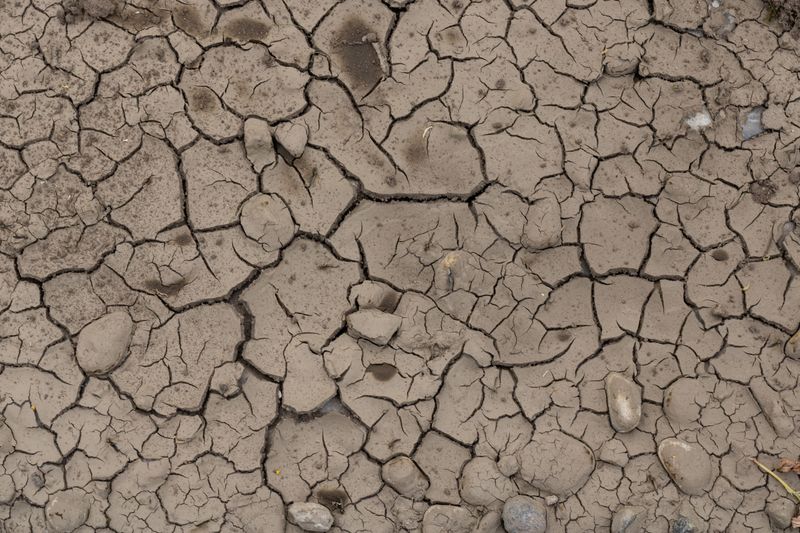
New Jersey gardeners are not imagining it, the local conditions genuinely stack the deck against pepper plants. Clay soil and summer storms are a difficult combination to manage.
Clay soil is incredibly dense and holds water for an unusually long time. After a typical July rainstorm, clay-heavy beds can stay saturated for several days.
Pepper plants thrive in loamy, well-draining soil with a slightly acidic pH between 6.0 and 6.8. Clay soil can meet that pH range but still cause problems, since it compacts further with each rainfall or foot traffic.
New Jersey summers bring unpredictable bursts of heavy rain followed by stretches of heat and humidity. That cycle of flood-and-bake keeps soil structure unstable and roots constantly stressed.
Pepper plants in the Garden State often look great in June but start declining by late July. That timing tends to line up with peak summer storm season.
Amending clay soil with compost, perlite, or coarse sand dramatically improves drainage. Working several inches of organic matter into your beds before planting makes a measurable difference by midsummer.
Mulching around plant bases also helps regulate soil moisture and temperature. A two-inch layer of straw or wood chips slows evaporation and buffers against sudden heavy rains.
Understanding your local climate is just as important as understanding your plant. Working with New Jersey’s quirks instead of against them is the key to a thriving pepper harvest.
Fixing Drainage And Watering Habits To Bring Leaves Back To Green
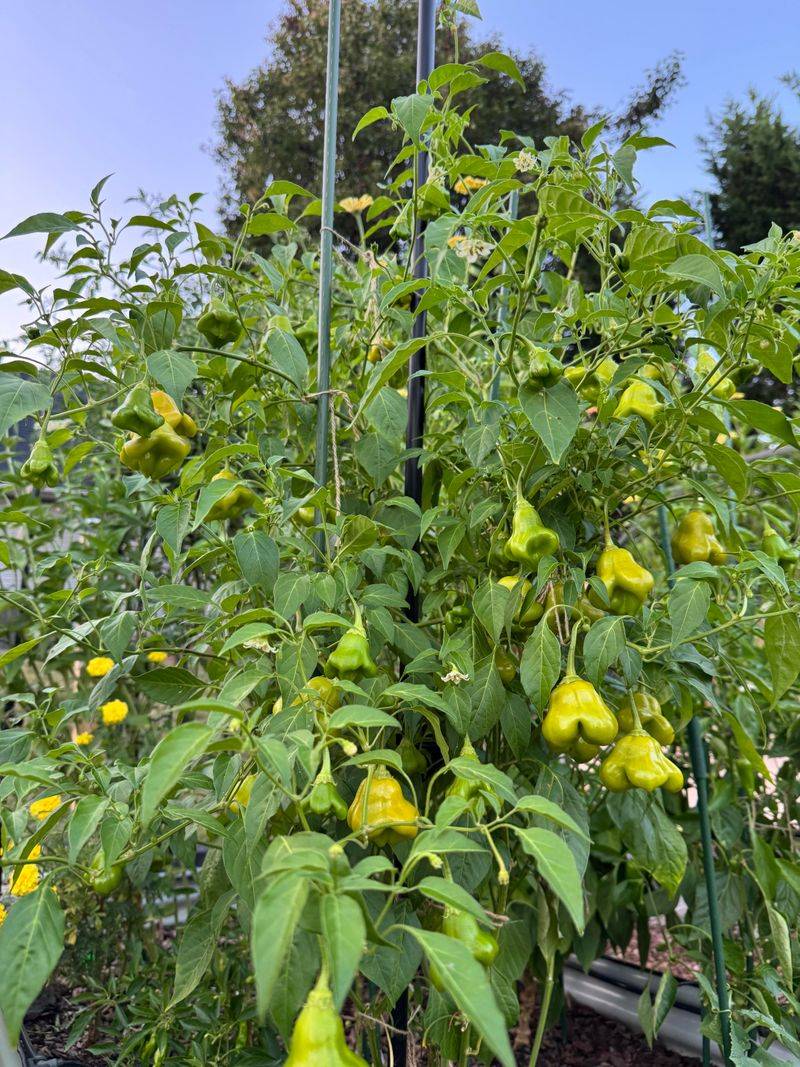
Most overwatering damage is reversible if you catch it early enough. A few targeted changes to your routine can turn things around within a couple of weeks.
Start by letting the soil dry out fully before watering again. Hold off for several days, even if the leaves look sad, that rest period allows roots to begin recovering.
If your plant is in a container, check that the drainage holes are open and unblocked. Blocked holes trap water at the bottom and create the same soggy conditions as poor outdoor drainage.
For in-ground plants, consider digging in perlite or coarse sand around the root zone. These amendments open up the soil structure and let excess water escape more efficiently.
Switching to a deep but infrequent watering schedule is one of the best habits you can build. Water thoroughly once, then wait until the top two inches of soil dry before watering again.
Morning watering is ideal because it gives the soil time to absorb moisture before afternoon heat arrives. Evening watering leaves soil wet overnight, which encourages fungal growth and root problems.
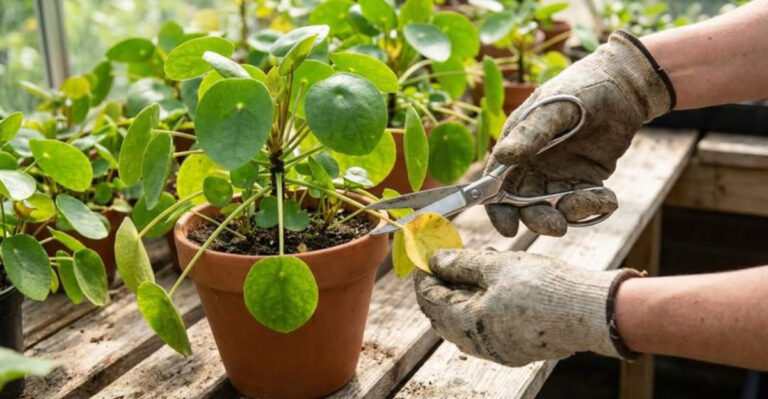
Remove any severely yellow or rotted leaves to redirect the plant’s energy toward healthy growth. Pruning damaged foliage also improves airflow and reduces the risk of fungal spread.
Your pepper plant’s leaves turning yellow was a cry for help, and now you know how to answer it. With smarter watering and better drainage, a green recovery is well within reach.