What Tennessee Property Owners Must Know Before Tree Removal Near Boundary Lines
That maple in your backyard looks harmless enough, until you realize its trunk sits right on your property line and your neighbor has strong opinions about it.
Boundary trees turn ordinary Saturday chores into legal headaches fast. One wrong cut and you could be facing a lawsuit, a hefty fine, or a relationship with your neighbor that never quite recovers.
Tennessee has specific rules about who owns a tree that grows across a shared line, and most homeowners find out the hard way, usually after the damage is done.
A chainsaw doesn’t care about property law, but courts do. Before you touch that tree, you need to know whether it legally belongs to you, your neighbor, or both of you jointly.
Tennessee courts have addressed boundary tree disputes before, and understanding the general legal principles can protect you. Stick around, because what you learn next could save you thousands.
Know Who Owns The Tree Before You Cut
That giant oak leaning over your fence might feel like your problem, but ownership is a different story.
In Tennessee, a tree belongs to whoever owns the land where the trunk originates. If the trunk sits entirely on your neighbor’s side, that tree is legally theirs.
Many homeowners assume that because branches hang over their yard, they have full rights to the whole tree. That assumption can lead to legal complications.
The law cares about the trunk’s base location, not where the limbs grow. Before any cutting happens, walk the yard and look closely at where the trunk meets the ground. Even a few inches can determine ownership.
When in doubt, pull out a property survey or call a licensed surveyor to confirm the exact line.
Ownership matters because it determines who pays for removal and who carries legal responsibility.
Acting without confirming ownership is one of the most common mistakes Tennessee property owners make near boundary lines. A five-minute check can prevent a five-year dispute.
Tennessee Property Line Tree Laws And Boundary Rules
Tennessee follows what legal experts call the “trunk rule.” The tree belongs to the landowner where the trunk base stands. This rule sounds simple, but boundary trees add a layer of complexity that trips up many homeowners.
A boundary tree is one whose trunk straddles the property line. Both neighbors technically co-own that tree.
Neither owner can typically cut it down without the other’s agreement, based on common law principles widely applied to boundary trees. Removing a shared boundary tree without consent can result in a lawsuit.
Courts can order homeowners to pay damages for cutting co-owned trees without consent. The financial penalties are real and can exceed the cost of professional tree removal.
Local ordinances can also add extra rules on top of state law. Some Tennessee cities and counties require permits before removing large trees near property lines.
Checking with your local planning or zoning office before removal is always a smart move when dealing with boundary lines. Knowing the rules specific to your area protects you before you ever pick up a saw.
Your Tennessee Garden Changes Every Week. Your Plan Should Too.
Gardening in Tennessee changes quickly throughout the season. Every Friday you’ll receive a simple weekly plan showing exactly what to plant, prune, fertilize, harvest, and protect so you never miss the right timing.
Who Is Responsible If A Boundary Tree Causes Damage
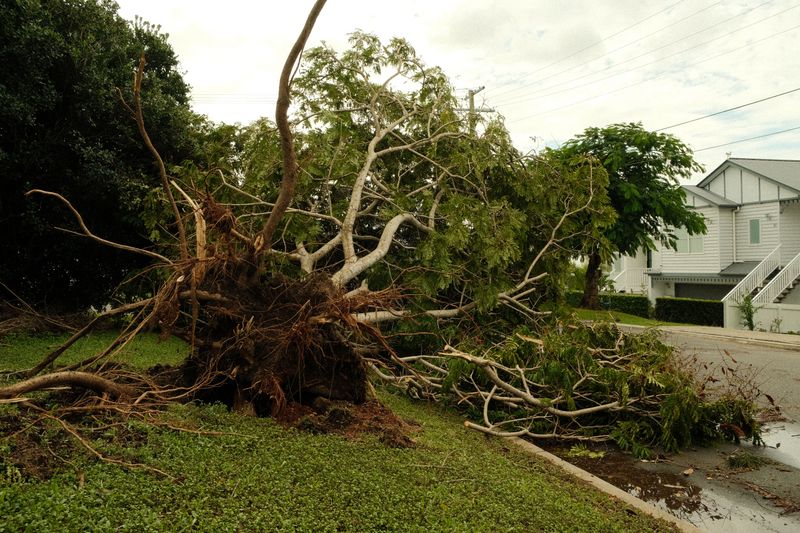
A tree falls during a storm and crushes your fence. Now comes the real question: who pays for it?
Responsibility depends on several factors, and Tennessee courts look at each case individually.
If a tree was clearly decayed or diseased and the owner ignored warnings, that owner may be held liable for damage. Negligence plays a big role in how courts assign responsibility.
Ignoring a hazardous tree after a neighbor complains creates legal exposure you want to avoid.
For healthy trees that fall due to unexpected storms, the general rule is that each property owner handles damage on their own side.
Your homeowner’s insurance typically covers damage caused by fallen trees on your property. Filing a claim promptly after storm damage is the fastest path to getting repairs started.
Sending a written notice to your neighbor about a hazardous tree creates a paper trail. That documentation can protect you if the tree later causes damage and you end up in court.
Keep copies of all correspondence, photos of the tree’s condition, and dates of every communication you send. Being proactive about a dangerous tree near boundary lines shows good faith and legal awareness.
Do You Need Your Neighbor’s Permission To Remove A Boundary Tree
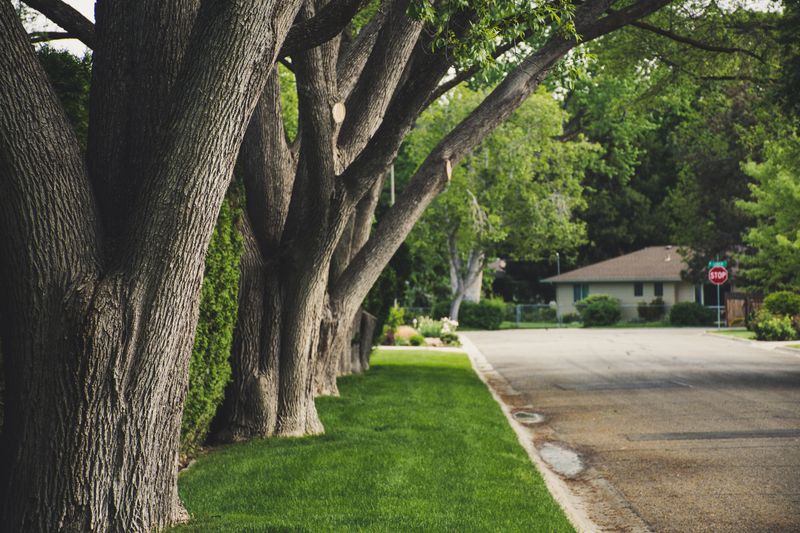
Short answer: yes, if that tree straddles the property line. A boundary tree is legally co-owned, which means both parties must agree before removal can happen.
Acting alone puts you at legal risk. Getting permission does not have to be awkward. A calm, friendly conversation often resolves the issue faster than any legal process.
Bring photos, explain your concerns, and listen to what your neighbor has to say about the situation.
If your neighbor refuses removal but the tree poses a genuine safety hazard, you may have legal options. Tennessee courts can sometimes order removal of a dangerous tree even over a neighbor’s objection.
Consulting a local property attorney helps you understand what options apply to your specific situation.
When both parties agree, put the agreement in writing. A simple signed letter stating both owners consent to removal protects everyone involved.
Include details like the date, tree location, and who will handle the cost of professional removal.
Skipping this step is where most boundary disputes begin. A quick conversation and a written agreement take less than an hour. That small effort can prevent months of legal headaches near Tennessee boundary lines.
Steps To Take Before Cutting Down A Tree On The Property Line
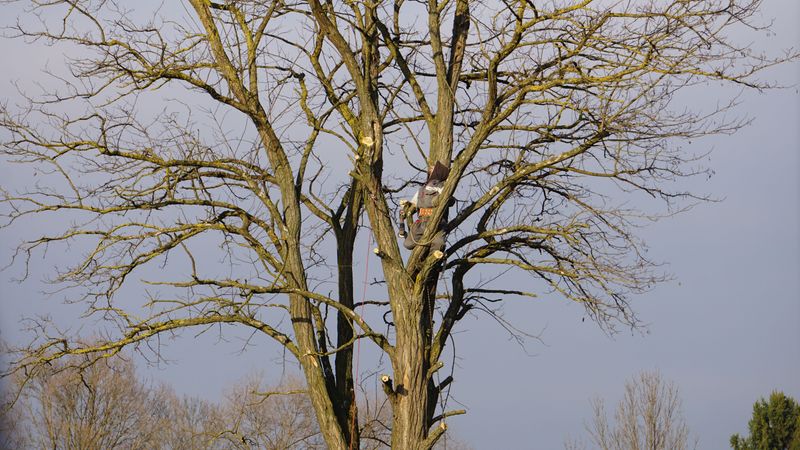
Preparation before cutting is not optional when a property line is involved. Skipping steps exposes you to legal liability that could have been easily avoided.
A little planning upfront saves enormous trouble later. Start by confirming the exact location of your property line. Survey flags or a recorded plat map can show you where the boundary actually sits.
Do not guess based on fences or old habits because those are often inaccurate. Next, identify who owns the tree using the trunk base rule. If the trunk crosses the line, treat it as shared property and loop in your neighbor before moving forward.
Document your findings with photos and written notes. Check local ordinances for any permit requirements before scheduling removal.
Some Tennessee municipalities require a permit for trees above a certain size. Your city or county planning office can tell you exactly what applies in your area.
Hire a licensed and insured tree removal professional for the actual work. Never attempt to cut a large boundary tree yourself, especially near structures or power lines.
A certified arborist can assess the tree safely and handle removal with the right equipment. Following each step protects both your property and your relationship with the people next door.
Hiring A Licensed Surveyor Or Arborist In Tennessee
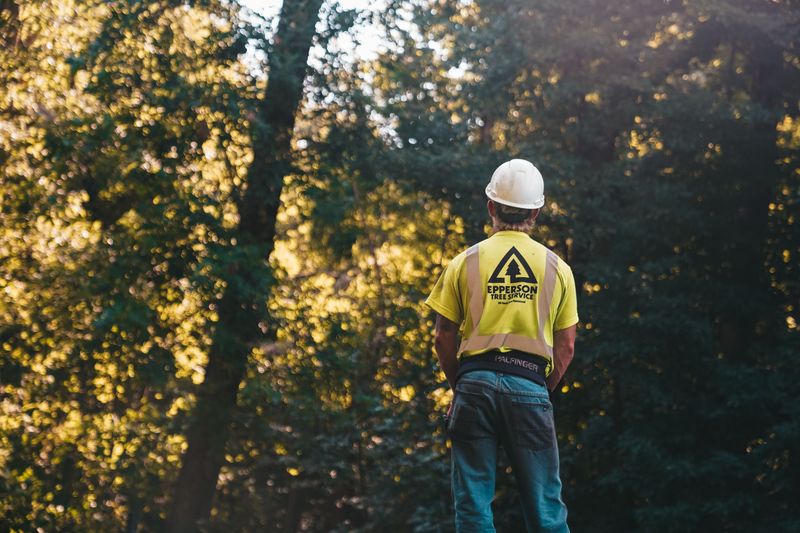
Professionals exist for a reason, and boundary tree situations are exactly why. A licensed surveyor gives you a legally defensible answer about where your property line sits.
That clarity alone can prevent disputes before they start. Surveyors in Tennessee must be licensed through the state board. Their work produces a formal document that can hold up in court if a dispute arises.
Spending a few hundred dollars on a survey is far cheaper than fighting a lawsuit. A certified arborist brings a different but equally valuable skill set. Arborists can assess whether a tree is structurally sound, diseased, or at risk of falling.
Their written report gives you documented evidence to support a removal request. When hiring either professional, check their credentials through Tennessee’s licensing databases.
Ask for proof of insurance before any work begins on or near your property. An uninsured contractor working near a boundary line creates liability you may be responsible for.
Getting both a property expert and an arborist involved may feel excessive for one tree. However, boundary tree removal near Tennessee property lines carries enough legal weight to justify both.
The combined expertise protects your wallet, your property, and your peace of mind long after the tree is gone.
What Happens If You Remove A Neighbor’s Tree Without Consent
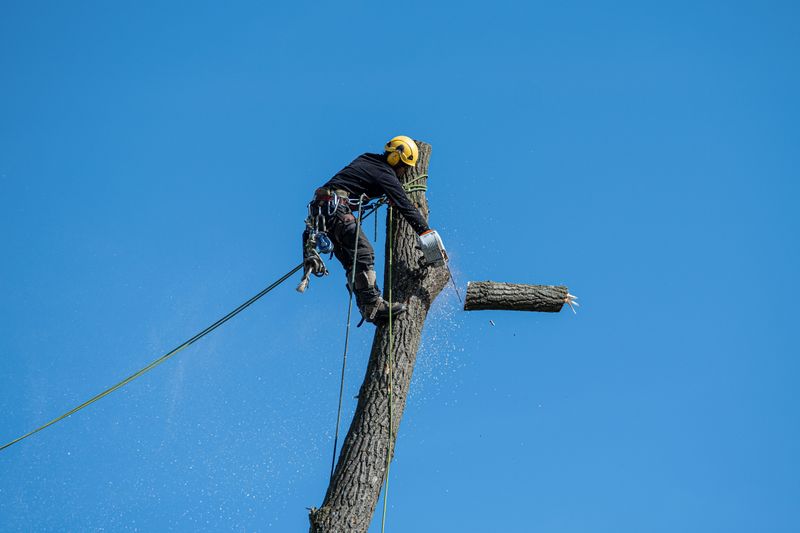
Cutting down a neighbor’s tree without permission is not just rude. It is illegal and can result in serious financial penalties under Tennessee law. Courts take unauthorized tree removal seriously.
Tennessee Code Annotated Section 43-28-312 allows courts to award damages for wrongful timber cutting.
In some cases, courts have ordered defendants to pay double or even triple the value of the removed tree. That value is not just the cost to replant. It includes the mature value of the tree itself.
Beyond financial penalties, unauthorized removal can strain your relationship with neighbors long-term. Property disputes that start over one tree often escalate into ongoing conflicts.
Protecting that relationship is worth far more than the convenience of skipping a conversation.
If you already removed a tree and are now facing a complaint, contact a property attorney immediately. Early legal advice helps you understand your exposure and possible resolutions.
Waiting and hoping the issue disappears rarely works in your favor. The smartest move is always to get consent before any cutting near boundary lines.
No tree removal is urgent enough to risk a lawsuit, damaged credit from a judgment, or years of hostility with the person living next door. Tennessee property owners who follow proper steps protect themselves completely.
Local Permits And HOA Rules That Affect Tree Removal
Even when you and your neighbor agree on removal, local rules might still slow things down.
Many Tennessee cities and counties have tree ordinances, though most target larger trees, commercial properties, or trees near public land rather than routine residential removals.
Nashville’s ordinance mainly applies to “heritage trees” with a trunk diameter of 20 inches or more, along with trees on commercial property or in conservation zones.
Chattanooga generally does not require a permit for residential tree removal on private property, except when the tree sits on or near a public right-of-way, sidewalk, or street.
Skipping a required permit can still result in fines, so checking with your local planning department before scheduling a crew is a smart step, especially for larger or older trees.
Homeowners associations add another layer of approval. Many HOAs require written permission before any tree removal, regardless of ownership, and violating those rules can mean fines or mandatory replanting at your own expense.
Read your HOA’s CC&Rs carefully before contacting a removal crew. Some associations even dictate which species can be planted as replacements, so knowing these details upfront keeps your project on track.
Gathering all required permits and approvals before work begins shows responsibility and protects you if a dispute arises later about whether proper steps were followed.
Tennessee property owners who handle tree removal near boundary lines the right way rarely end up in court. Doing it correctly the first time is always the easier path forward.