Florida Nursery Plants That Look Identical To Big Box Store Plants But Establish Twice As Fast
Two plants, same species, same pot size, similar price. One came from a specialty Florida nursery.
The other from a big box garden center. Put them both in the ground on the same day and check back in six weeks.
The difference is not subtle. Most Florida gardeners have no idea that where a plant was grown before they bought it determines how quickly it establishes after they plant it.
Big box plants travel long distances, sit in distribution centers, and arrive at the store already stressed in ways that are invisible at the point of sale. Nursery-grown plants hit the ground with a root system and climate familiarity that big box versions often lack.
That is especially true when they were grown in Florida for Florida conditions. Same plant on the label.
A completely different experience in the ground. Knowing the difference changes where the next trip to buy plants actually happens.
1. Local Firebush Settles In Faster Than Stressed Stock
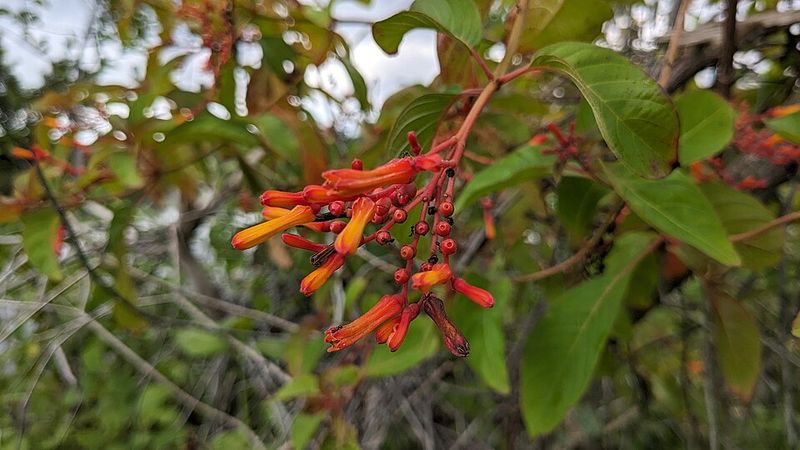
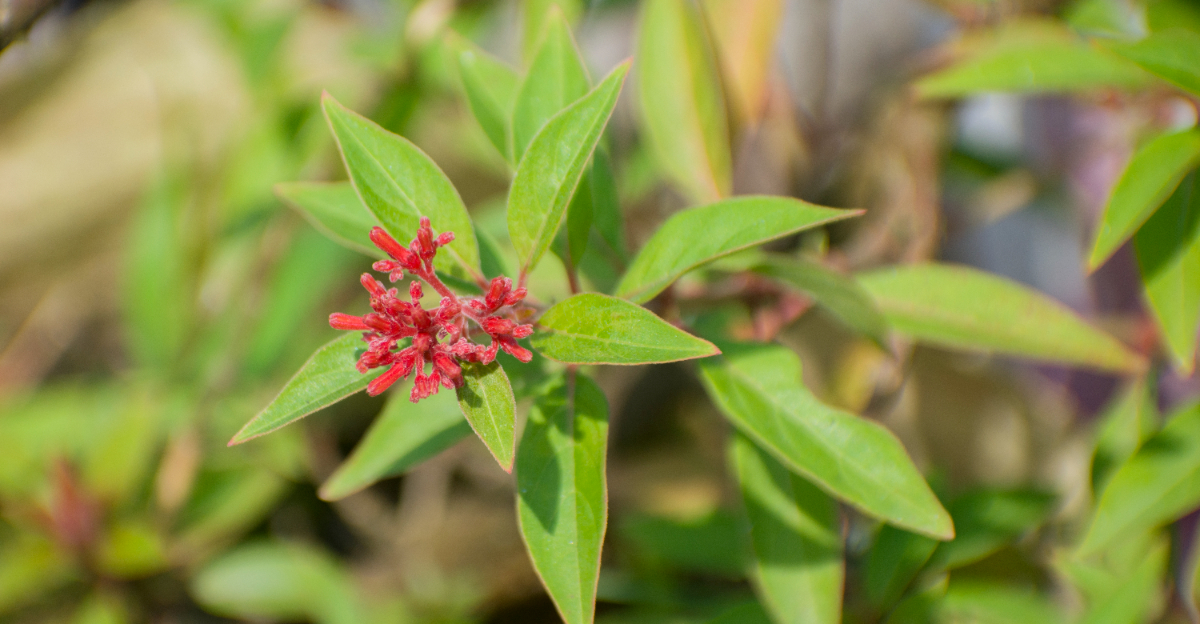
Walk through any good local nursery in summer and you will likely spot firebush glowing with orange-red tubular flowers near the entrance. Hamelia patens is a warm-season shrub that earns its spot in warm-weather yards.
It feeds hummingbirds, butterflies, and other pollinators while shrugging off intense heat. When it comes from a source that grew it in similar conditions, it tends to hit the ground with roots that are ready to spread.
A firebush that looks identical in two different pots may perform very differently after planting. Stressed or rootbound plants spend their first weeks recovering rather than establishing.
A plant that was grown locally, hardened properly, and not sitting in a cramped container for too long has a real advantage once it meets your soil.
Firebush needs full sun and well-drained soil to perform its best. In southern and central regions, it often behaves like a semi-woody perennial or evergreen shrub.
In cooler northern regions, cold exposure can cut it back to the ground, so planting in a protected spot helps it bounce back each spring.
During the first few weeks after planting, water the root ball deeply and consistently. Mulch around the base, but keep mulch a few inches away from the stem to avoid rot.
Check the roots before you buy. Avoid plants with roots circling tightly inside the pot or pushing out the bottom drainage holes.
Firebush is not a plant you rush. Give it the right site, healthy roots, and steady establishment water, and it will reward you with color and wildlife activity season after season.
2. Coontie Looks Small But Roots In Strong
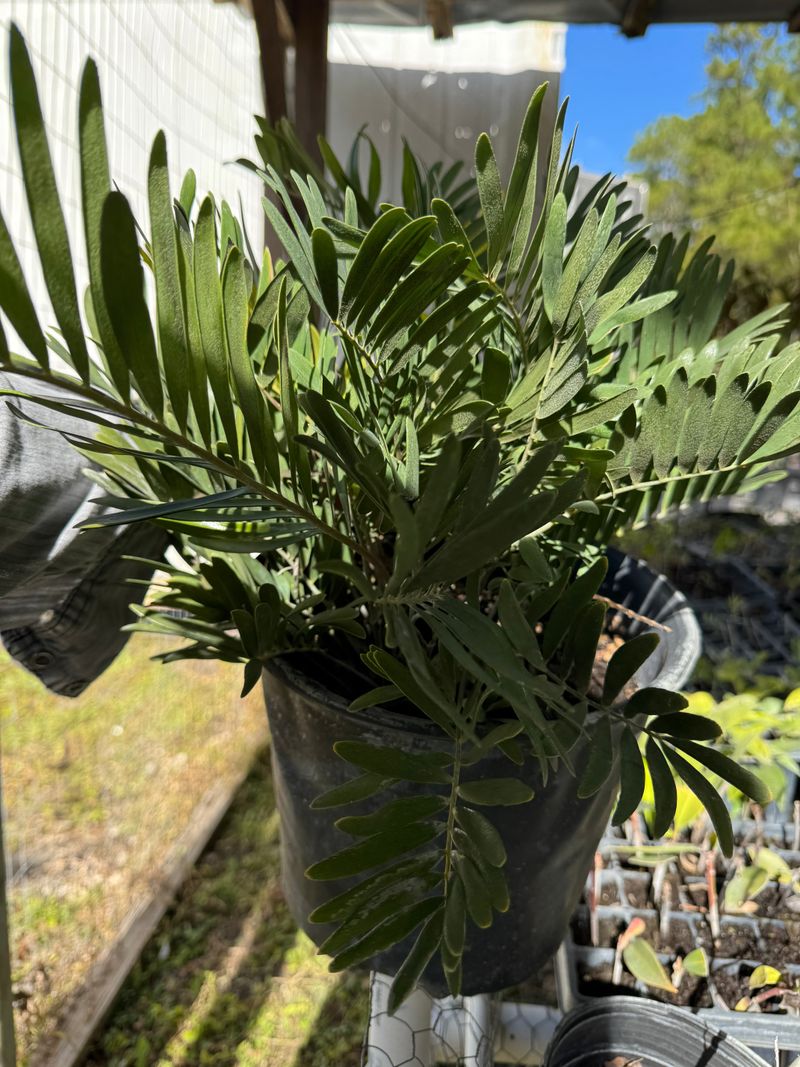
Picking up a coontie at a nursery can feel a little anticlimactic. It sits low in its pot, does not tower over anything, and does not show off flowers or dramatic color.
Zamia integrifolia is one of the toughest, most dependable native plants you can put in the ground across this state. Its modest appearance above the soil tells you nothing about what is happening below it.
Your Florida Garden Changes Every Week. Your Plan Should Too.
Gardening in Florida changes quickly throughout the season. Every Friday you’ll receive a simple weekly plan showing exactly what to plant, prune, fertilize, harvest, and protect so you never miss the right timing.
Coontie is a cycad, not a true fern or palm. It grows a thick underground stem that stores energy and anchors the plant through drought, heat, and even occasional flooding.
A well-grown coontie from a reputable nursery brings that root structure with it. A stressed or poorly handled plant may look the same in the pot but take far longer to settle in because its underground reserves are depleted.
One of the most celebrated things about coontie is its role as the sole larval host plant for the Atala butterfly. That butterfly was once thought to be extinct in the state.
Planting coontie in your yard supports that relationship directly. This is a case where plant sourcing matters beyond just establishment speed.
Coontie does best in well-drained soil with full sun to partial shade. It does not need heavy watering once established, but consistent moisture during the first few months helps the root system settle.
Keep mulch away from the base of the plant. Do not bury the crown when planting, as that can slow the plant down significantly.
Slow growth is not the same as poor establishment. A healthy coontie planted in the right spot is quietly building something lasting underground.
3. Simpson’s Stopper Handles Heat With Less Fuss
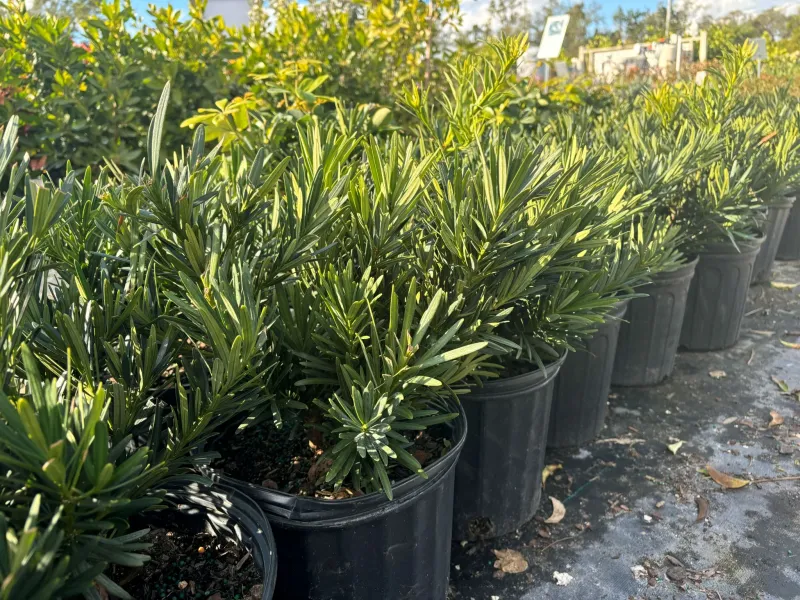
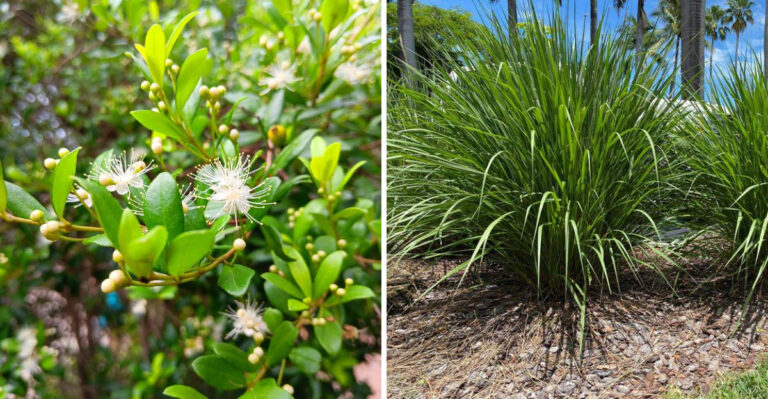
Some plants earn their place in a landscape by being quietly reliable. Simpson’s stopper, known botanically as Myrcianthes fragrans, is exactly that kind of plant.
It does not demand constant attention, and it handles the heat of long summers without wilting dramatically. It also offers flowers, berries, and evergreen structure that make it useful year-round.
This native shrub or small tree is a strong candidate for hedges, privacy screens, and specimen plantings in a variety of yard sizes. Wildlife value is real and well-documented.
The small white flowers attract pollinators, and the red to orange berries draw birds. When you source a Simpson’s stopper grown under local conditions, you are bringing home a plant already calibrated for this climate.
That advantage is stronger when it has been handled well from propagation to sale.
A plant may look identical on the shelf but come from a very different environment. If it was shipped long distances or held too long in a container, it may take much longer to push new roots into your soil.
That lag is not always visible at purchase. Checking the roots before you buy is one of the most useful habits a gardener can develop.
Gently tip the plant out of its pot if you can, or check the drainage holes. Roots that are white or light tan and not severely circling are a good sign.
Roots that are tightly wound, dark, or matted around the outside of the root ball suggest the plant has been in the container too long.
Match Simpson’s stopper to a spot with well-drained soil and full sun to partial shade. Give it regular water during the first few months, and it will reward you with structure and wildlife activity for years.
4. Muhly Grass Establishes Best When Roots Are Healthy
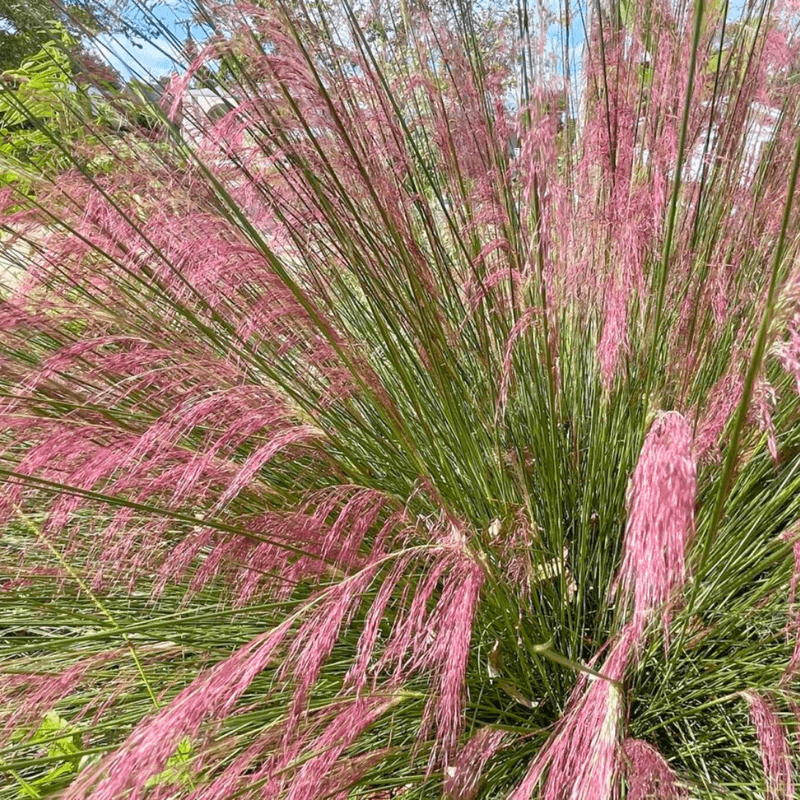
Every autumn, muhly grass puts on one of the most eye-catching displays in the Florida landscape. Muhlenbergia capillaris sends up clouds of pink to purple plumes that catch the light and move with every breeze.
It is a plant that looks spectacular in a photo and in person, which is exactly why it shows up in both local nurseries and big box garden centers every fall.
Here is the thing about ornamental grasses: two clumps can look nearly identical above the soil line while being very different plants below it. Root density, crown health, and container time all affect how quickly muhly grass settles into your yard.
They also influence how reliably it blooms the following season. A well-grown clump with a firm, healthy crown and unmatted roots will push into new ground far more readily than one that is stressed or overcrowded in its pot.
Muhly grass needs full sun and well-drained soil. It is not a plant for soggy areas or spots with standing water after rain.
One of the most common mistakes is planting it too deep or piling mulch against the crown. Keep the crown at or just above soil level, and keep mulch a few inches away from the base.
After planting, water consistently for the first four to six weeks, then ease off as the plant establishes. Do not fertilize heavily during establishment.
Once muhly grass is settled in the right site, it is remarkably low-maintenance and drought-tolerant.
Choose plants with firm crowns, visible healthy leaf bases, and no signs of rot or excessive dryness. The fall plumes are worth the patience.
5. Dwarf Walter’s Viburnum Rewards The Right Source
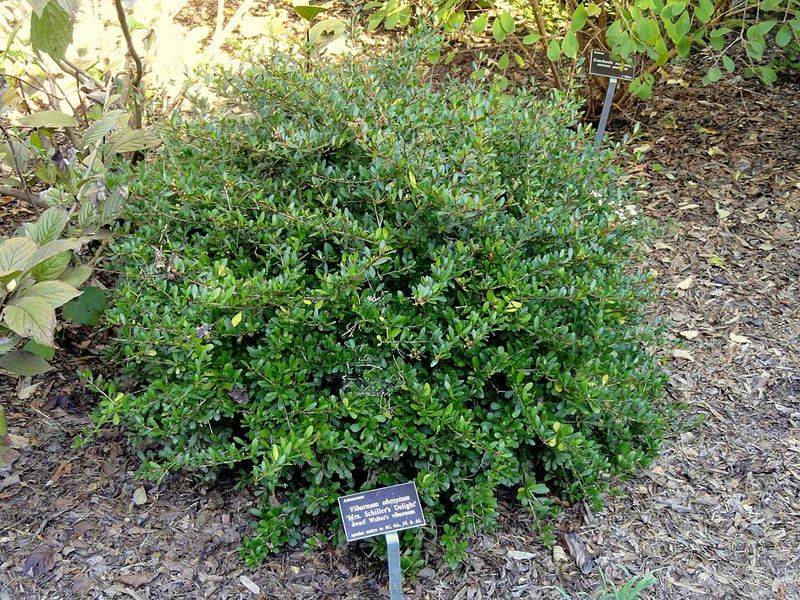
Compact shrubs with dense foliage and manageable size are always in demand for foundation beds, low hedges, and wildlife-friendly borders.
Dwarf Walter’s viburnum fills that role well, but it comes with a label-reading challenge that every buyer should know about before heading to the checkout line.
Viburnum obovatum is the native species, and several dwarf or compact cultivars have been selected over the years for use in residential landscapes. Not every plant sold under a similar common name will behave the same way.
Some selections stay genuinely compact. Others grow larger than expected.
Asking for the specific cultivar name and checking it against reliable sources before you buy can save a lot of pruning frustration later.
A well-sourced dwarf Walter’s viburnum is more likely to be correctly identified and properly grown. That is especially true when it comes from a nursery that specializes in native or Florida-appropriate plants.
Establishment speed and long-term performance both benefit from that head start. A plant that spent its early life in conditions similar to your yard arrives with less adjustment to make.
Site selection matters here. Walter’s viburnum can handle a range of conditions, from full sun to partial shade, but it does best with good drainage and room to breathe.
Space plants correctly from the start rather than crowding them and hoping for the best. Pruning too aggressively after planting can set back establishment.
Water the root ball consistently for the first two to three months. Check roots before buying, look for healthy white roots with no severe circling, and confirm the plant name.
A correctly identified, well-grown viburnum from a trusted source is a long-term investment that pays off every season.
6. Sunshine Mimosa Spreads Better From Strong Starts
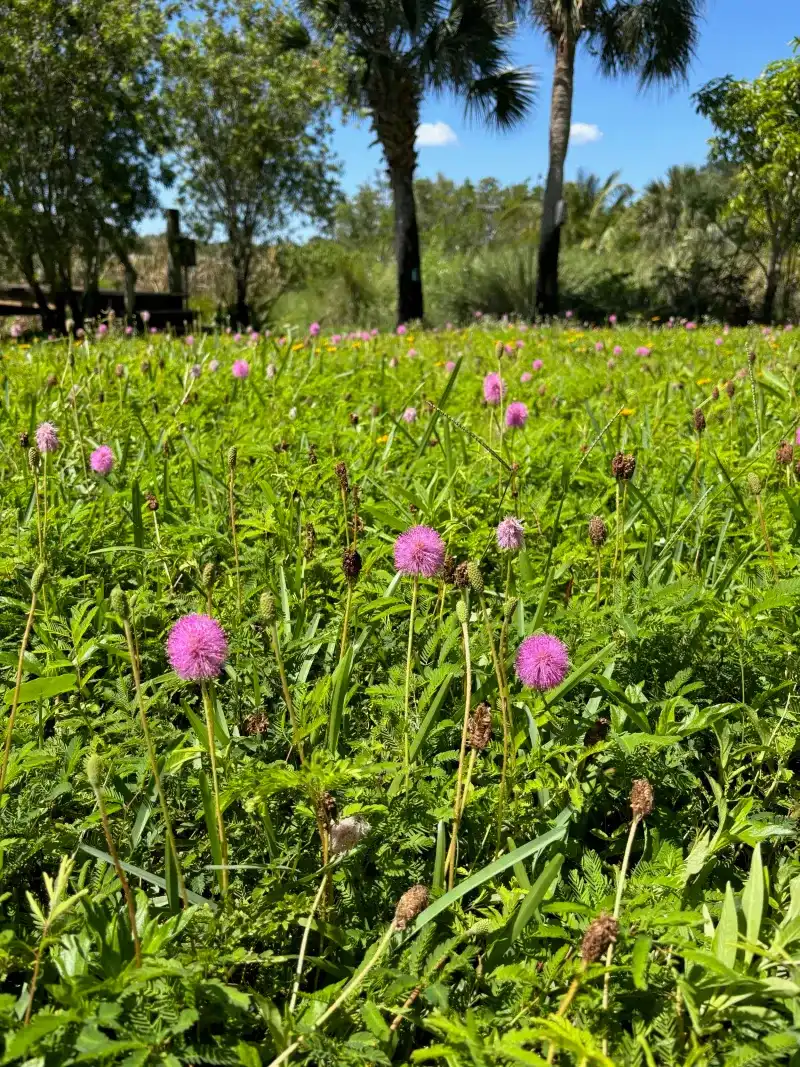
Groundcovers have a reputation for being simple. Anyone who has planted one and watched it struggle through establishment knows that the first few months are critical.
Sunshine mimosa, Mimosa strigillosa, is a low-growing native groundcover for sunny, open areas. It works well where a traditional turf lawn is difficult to maintain or simply not the right fit.
Sunshine mimosa appeals because it can spread and fill in over time. It creates a soft carpet of feathery foliage topped with small pink powder-puff flowers.
Pollinators visit the blooms, and the plant handles moderate foot traffic better than many groundcovers. But it does not fill in overnight, and a weak start from stressed or rootbound plants will slow that process considerably.
A healthy nursery start means roots that are ready to run rather than roots that need weeks just to recover from container stress.
When you buy sunshine mimosa from a source that has grown it in well-draining conditions with appropriate sun exposure, you are giving it the best possible foundation.
Spacing plants correctly at installation is just as important as root quality.
Plant sunshine mimosa in full sun with well-drained soil. It does not perform well in shade or in areas with standing water.
During the fill-in period, weed control is essential because weeds will outcompete young groundcover plants if left unchecked. Consistent establishment watering for the first four to six weeks helps the roots knit into the soil.
Be patient with coverage. A strong start from quality plants gives sunshine mimosa the best chance to spread reliably.
The right site and consistent early care also help reduce the maintenance burden over time.
7. Native Porterweed Needs The Right Local Fit
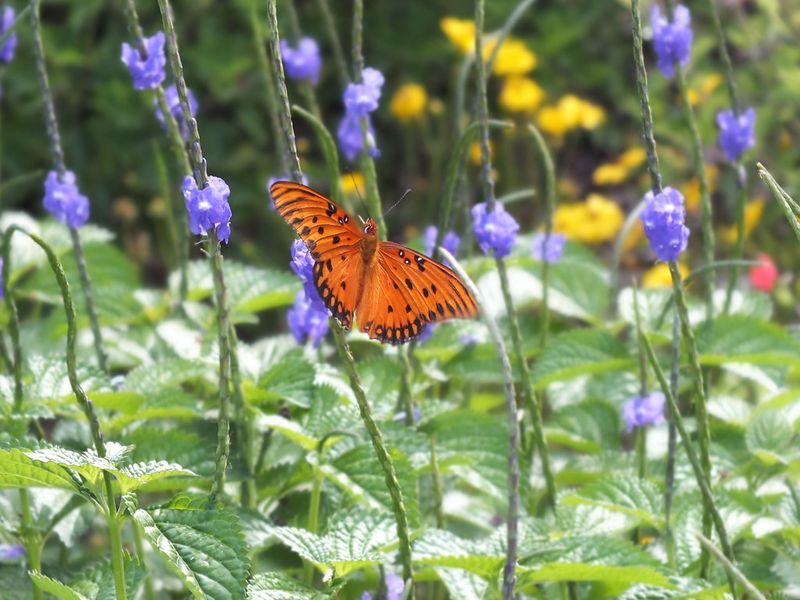
Porterweed is one of those plants where the label at the garden center deserves a second look. The name covers more than one species, and not all of them behave the same way in local landscapes.
Getting clear on which porterweed you are buying matters more than it might seem. So does knowing where it came from when two pots in the garden center look nearly identical.
Native porterweed, Stachytarpheta jamaicensis, is the species with a legitimate place in Florida-friendly landscapes. It produces small blue to purple flowers on elongated spikes and has documented value for native bees and butterflies.
Non-native species in the same genus, such as Stachytarpheta cayennensis, are considered invasive in some parts of the state. They are not appropriate choices for home landscapes.
Asking for the scientific name before buying is a reasonable and useful step.
A correctly identified native porterweed from a reputable nursery has a meaningful advantage over a mislabeled or mismatched plant.
Even among the right species, a locally grown plant that was not overfed with nitrogen or left rootbound will establish more readily.
That gives it an advantage over one that spent months in a warehouse environment.
Native porterweed prefers full sun and well-drained soil. It is not reliably cold-hardy in northern regions of the state, so planting location and exposure matter.
Mature size can vary depending on conditions, so check spacing before planting.
Water consistently during the first few weeks after planting. Keep mulch away from the stem base.
Confirm the plant name, match it to your site, and you will have a pollinator-friendly addition that earns its place in the garden.