A Small Invasive Pest Threatening New Jersey Oak Trees This Summer
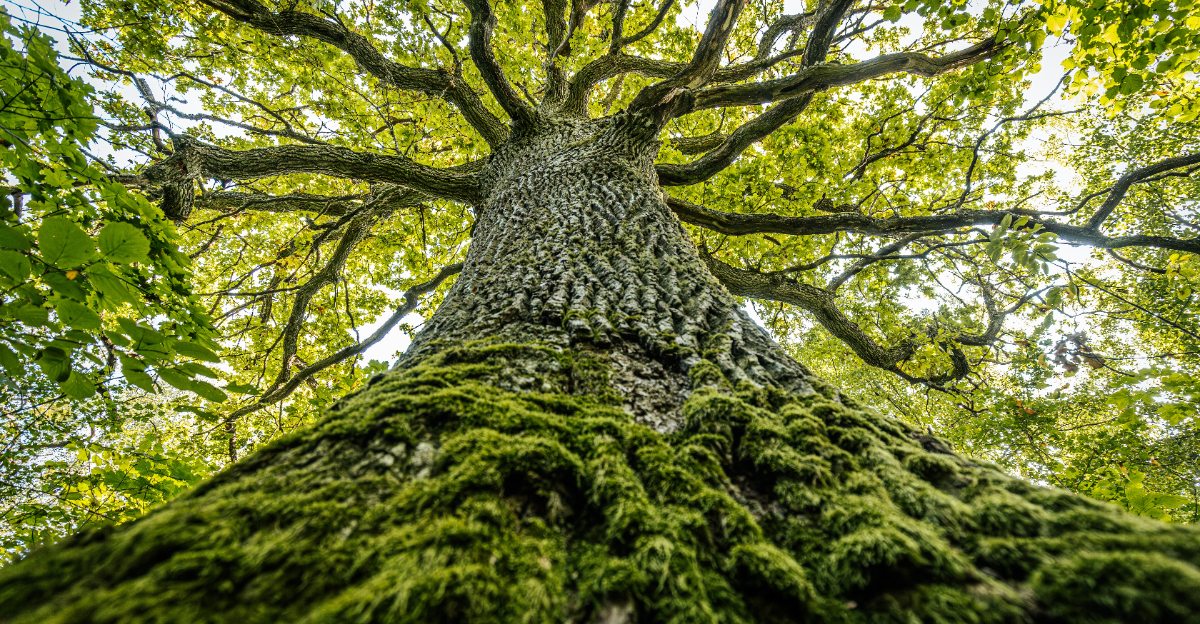
New Jersey’s oak trees have weathered storms, droughts, and decades of urban sprawl without much complaint. This summer, though, something far smaller than a storm is proving harder to shake off.
Across backyards and wooded trails alike, homeowners are noticing patches of oak canopy that look thinner than they should. Leaves are vanishing in odd, uneven patterns, as if something has been working through them branch by branch.
The culprit is not a fungus, a drought, or a passing insect nuisance. It is a persistent invader with a habit of returning year after year, often catching property owners off guard until the damage is already visible.
For anyone with oaks shading their yard, this is worth a closer look before the season moves further along. What is happening in the canopy above might explain more than a few restless summer evenings.
A Familiar Summer Visitor Returns With Renewed Force
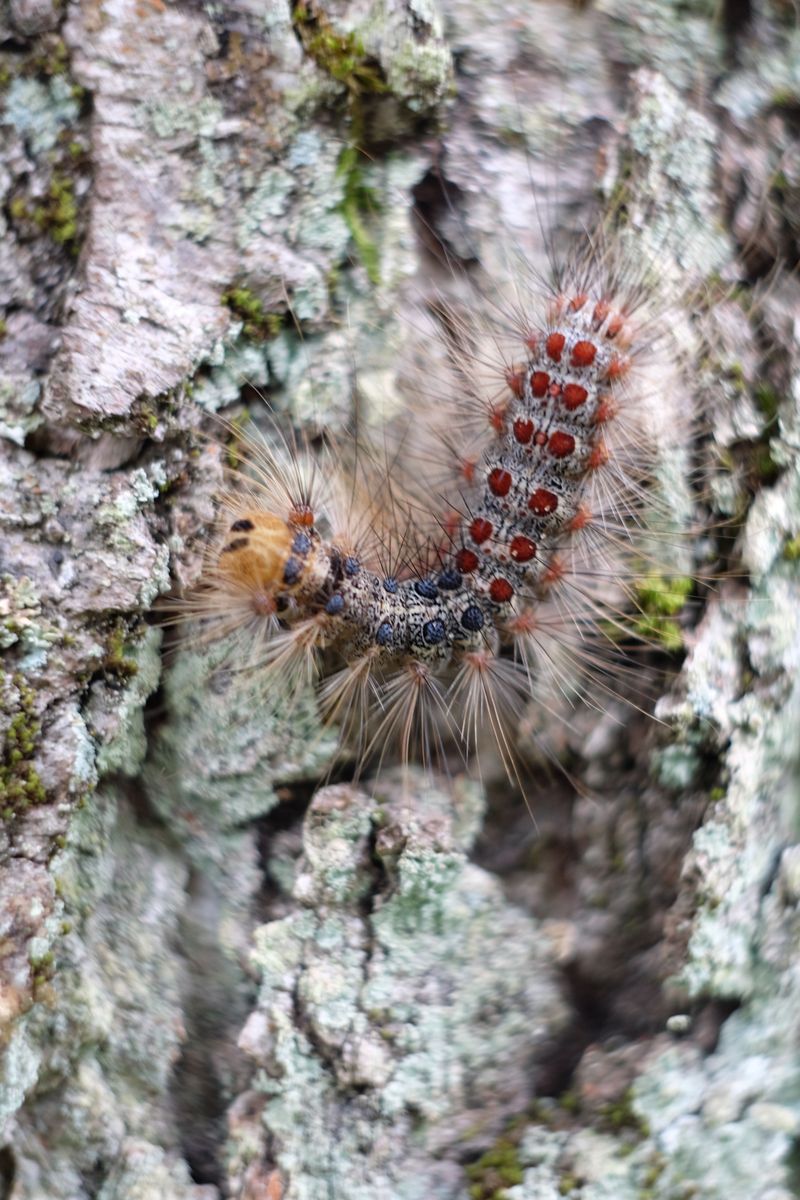
Something is back, and its numbers are growing fast. The spongy moth, a small but destructive invasive pest, has returned to New Jersey oak trees with alarming energy this season.
Forest health monitors have tracked steady population growth in recent seasons. This year’s numbers appear to be following that same upward trend.
The spongy moth was brought to North America in the late 1860s as part of an experiment involving silk production, and it escaped into the wild soon after.
What makes this year feel different is the sheer scale of the spread. Reports from homeowners and foresters are coming in from multiple counties at once.
Warm winters have played a role in boosting survival rates for egg masses. Fewer cold snaps mean more eggs hatch successfully each spring.
Oak trees are the preferred target, though the pest will feed on dozens of other species when populations explode. That preference makes New Jersey’s dense oak canopy especially vulnerable.
Seeing a few caterpillars on your tree might not seem alarming at first. But a single female moth can lay hundreds of eggs in one season.
Understanding why this pest keeps coming back is the first step toward protecting your yard. The more you know about its cycle, the better prepared you will be.
Spongy Moth Caterpillars Target New Jersey Oak Canopies
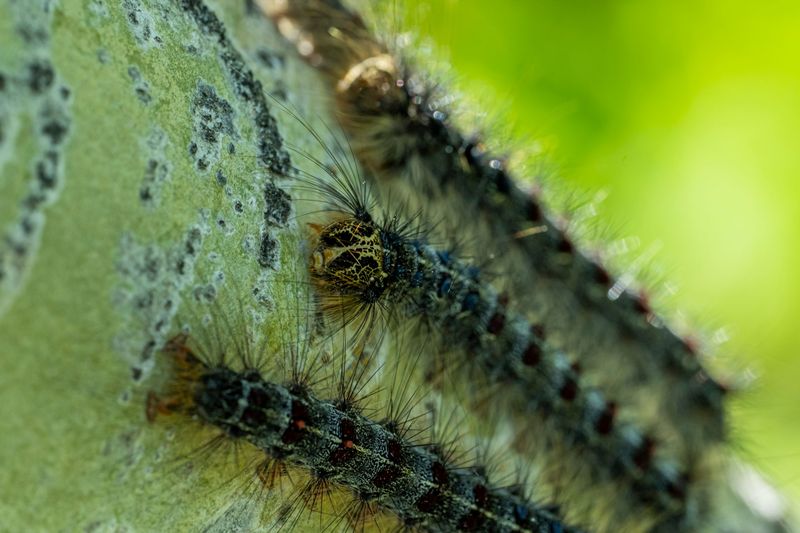
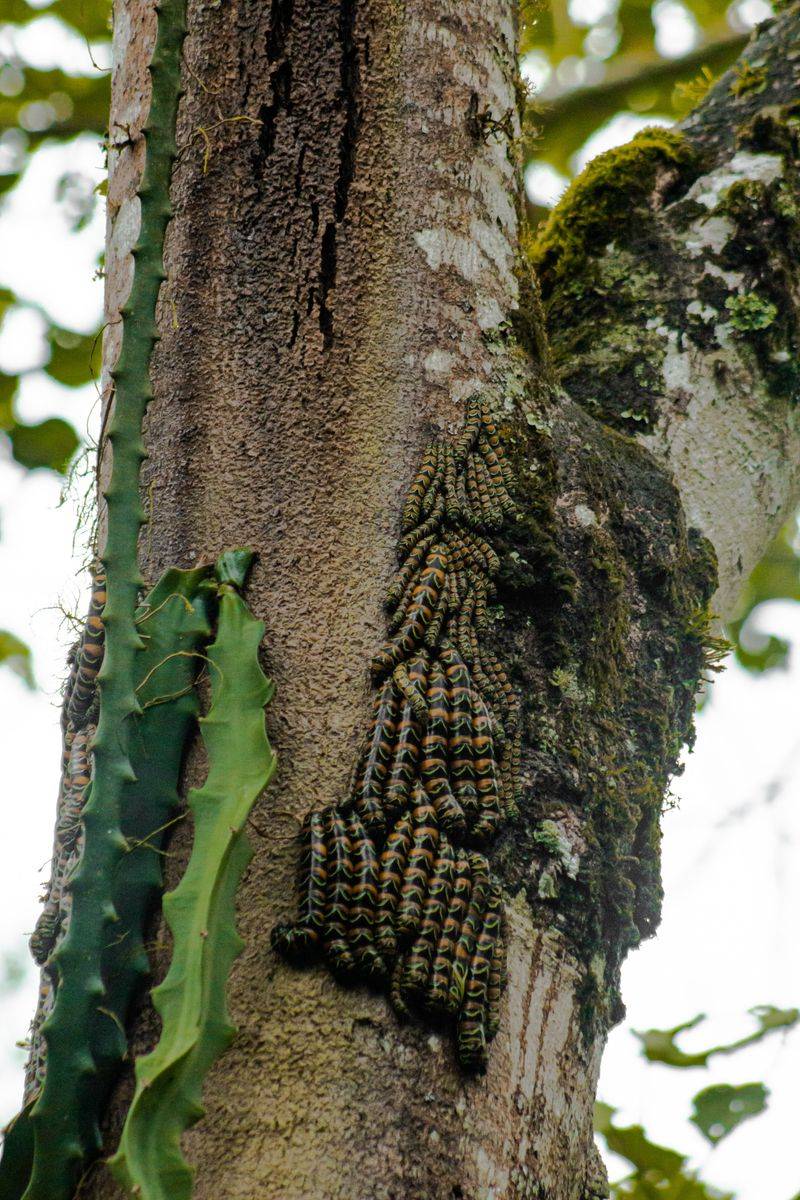
Rows of blue and red dots crawling up your oak trunk? That is the spongy moth caterpillar, and it is hungry. These small invasive pests are the feeding stage that causes the most visible harm to oak canopies.
Each caterpillar spends weeks munching through leaves before it pupates. A heavy infestation can strip an entire oak canopy bare within a few weeks.
Oaks are their top choice because the leaves are rich in nutrients the caterpillars need. A fully leafed-out oak in June is basically a buffet for these insects.
The caterpillars tend to feed at night, which makes them easy to miss during daytime yard checks. By morning, the damage is already done.
Look closely at leaf surfaces and the undersides of branches. You will often find clusters of caterpillars resting there during the heat of the day.
Your New Jersey Garden Changes Every Week. Your Plan Should Too.
Gardening in New Jersey changes quickly throughout the season. Every Friday you’ll receive a simple weekly plan showing exactly what to plant, prune, fertilize, harvest, and protect so you never miss the right timing.
Younger oaks face a tougher fight because they have fewer energy reserves stored in their roots. Repeated defoliation weakens them faster than it weakens mature trees.
Larger, older oaks can sometimes bounce back after one bad season. But two or three consecutive years of heavy feeding can push even a healthy tree toward serious decline.
Knowing what the caterpillar looks like helps you catch the problem early. Once you spot them, you have options that can actually make a difference for your trees.
Signs Of Trouble Homeowners Might Notice On Their Property
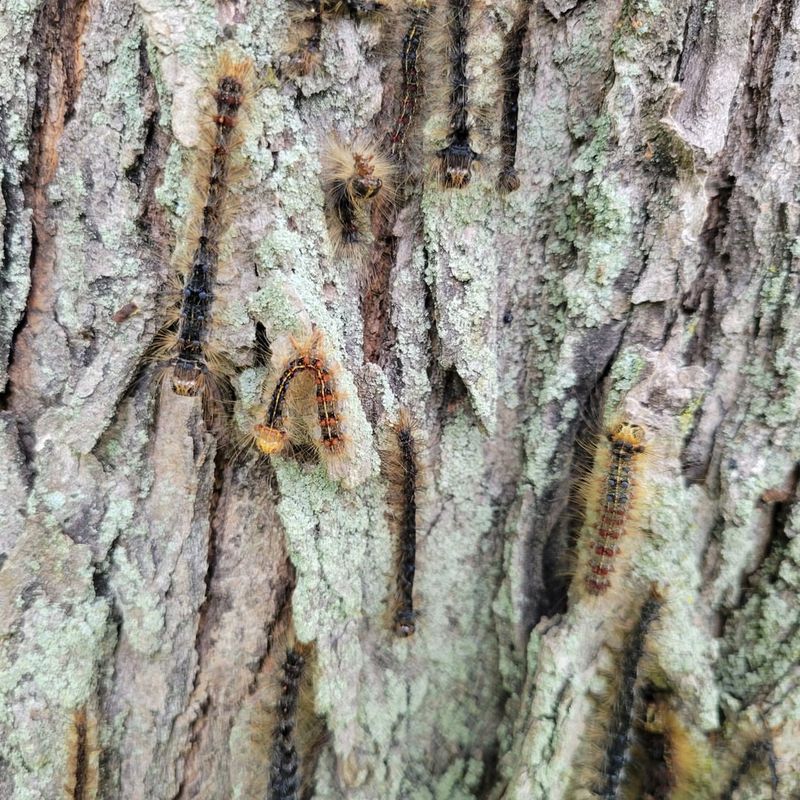
Your New Jersey oak looked fine in May, but now it looks like it skipped summer. Sudden, patchy leaf loss on an oak during warm months is one of the clearest warning signs of a spongy moth outbreak.
Frass, which is the scientific term for insect droppings, is another giveaway. You might notice small dark pellets collecting on your deck, patio furniture, or soil below the tree.
The sound of frass falling through dry leaves can actually be heard during a heavy infestation. Some homeowners describe it as a faint, steady rain with no clouds in sight.
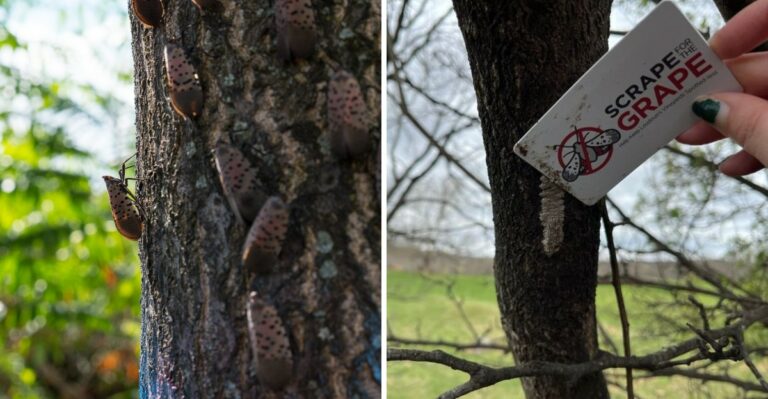
Egg masses are another clue worth looking for on your property. They appear as tan, fuzzy patches roughly the size of a quarter, often stuck to bark, fences, or outdoor furniture.
Caterpillar silk threads hanging from branches are also common during peak feeding season. These threads catch the light and can make the tree look slightly draped in gauze.
Check your tree trunks in the early morning hours. Caterpillars often migrate down the bark overnight and cluster near the base as temperatures rise.
Noticing these signs early gives you a real advantage. Waiting too long makes treatment harder and recovery slower for the affected trees.
A quick walk around your yard once a week during summer can reveal a lot. Your eyes are genuinely one of the best tools you have right now.
The Seasonal Pattern Behind This Recurring Outbreak
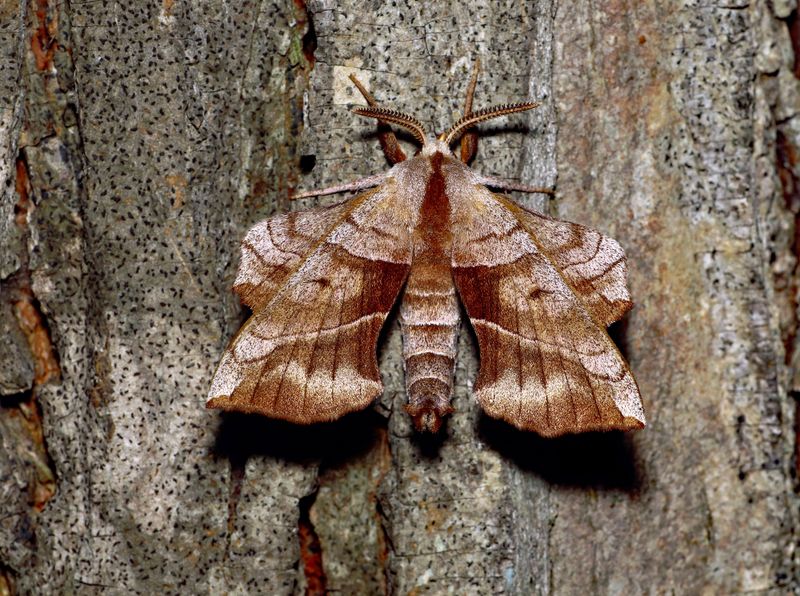
Spongy moth outbreaks do not happen randomly. They follow a predictable cycle that builds over several years before collapsing, then quietly rebuilds again.
Egg masses overwinter on tree bark and hatch in early spring, usually when oak buds begin to open. The timing is not a coincidence since the caterpillars need fresh young leaves to survive.
Feeding peaks in late spring through early summer, which is when the most damage becomes visible. By July, caterpillars have usually pupated and adult moths begin to emerge.
Adult moths generally do not feed during this stage. Their only job is to mate and lay eggs before the season ends.
Populations tend to peak every seven to ten years before natural controls bring numbers back down. Fungal diseases and a specific virus are the main natural brakes on population growth.
A pathogen called Entomophaga maimaiga, a naturally occurring fungus, spreads through caterpillar populations during wet springs. Dry conditions, however, allow more caterpillars to survive and reproduce unchecked.
That is part of why dry spring weather often predicts a worse summer outbreak. Fewer natural controls mean the population keeps climbing.
Understanding this pattern helps homeowners plan ahead rather than react in a panic. Watching weather trends in spring can actually give you a head start on protecting your trees.
Long Term Effects On Oak Health And Forest Recovery
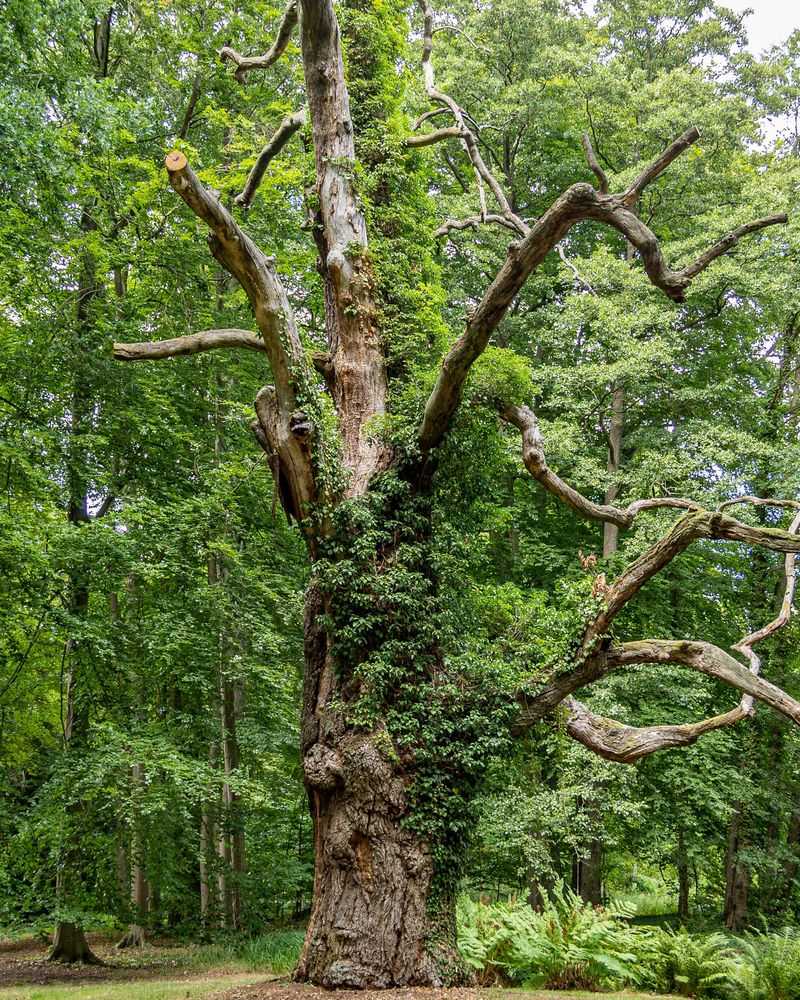
One bad season does not always spell the end for a healthy oak. Most mature oaks can push out a second flush of leaves after defoliation, though it costs them significant energy.
The real danger comes from repeated defoliation across consecutive years. Oaks that lose their leaves two or three summers in a row begin to show serious signs of stress.
Crown thinning, where upper branches stop producing new leaves, is a common result of prolonged feeding pressure. Once the crown starts thinning, the tree becomes more vulnerable to secondary problems.
Bark beetles and other opportunistic insects often move in on weakened oaks. They target trees that are already struggling, making recovery even harder to achieve.
Root systems also suffer when leaves are repeatedly stripped away. Without leaves producing energy through photosynthesis, roots cannot grow or maintain themselves properly.
Forests that experience widespread defoliation also lose important wildlife habitat. Oaks support hundreds of species of insects, birds, and mammals that depend on healthy canopy cover.
Recovery is possible, but it takes time and often requires human support. Watering during dry spells and avoiding unnecessary soil compaction near roots can help stressed trees bounce back.
Healthy oaks that receive good care between outbreaks tend to survive far better than neglected ones. Giving your trees attention now builds the resilience they will need later.
Practical Steps For Protecting Spongy Moth Prone Trees
You do not need to be a professional forester to protect your oaks from this small invasive pest. A few targeted steps taken at the right time can make a genuine difference.
Burlap banding is one of the most accessible methods homeowners can try. Wrap a strip of burlap around the trunk and fold it over to create a hiding spot where caterpillars gather during the day.
Check the band daily and scrape any caterpillars you find into soapy water. Consistency matters more than any single treatment here.
Bacillus thuringiensis var. kurstaki, commonly called Btk, is a naturally occurring soil bacterium used as a spray treatment. It targets caterpillars specifically and is considered safe for most other wildlife when applied correctly.
Timing the Btk application is critical. It works best when caterpillars are young and small, typically in early spring just after hatching.
Spinosad is another option that works similarly to Btk and is available at many garden centers. Both are most effective during the early larval stage, so watch your trees closely starting in April.
For large trees or severe infestations, contacting a licensed arborist is worth the investment. Professionals can apply systemic treatments that reach the entire canopy more effectively.
Protecting your New Jersey oaks from this small invasive pest is not a one-time task. Staying consistent each season is what keeps your trees standing strong for years ahead.