Florida Mulch Choices That Make Roach Problems Worse Around The Foundation
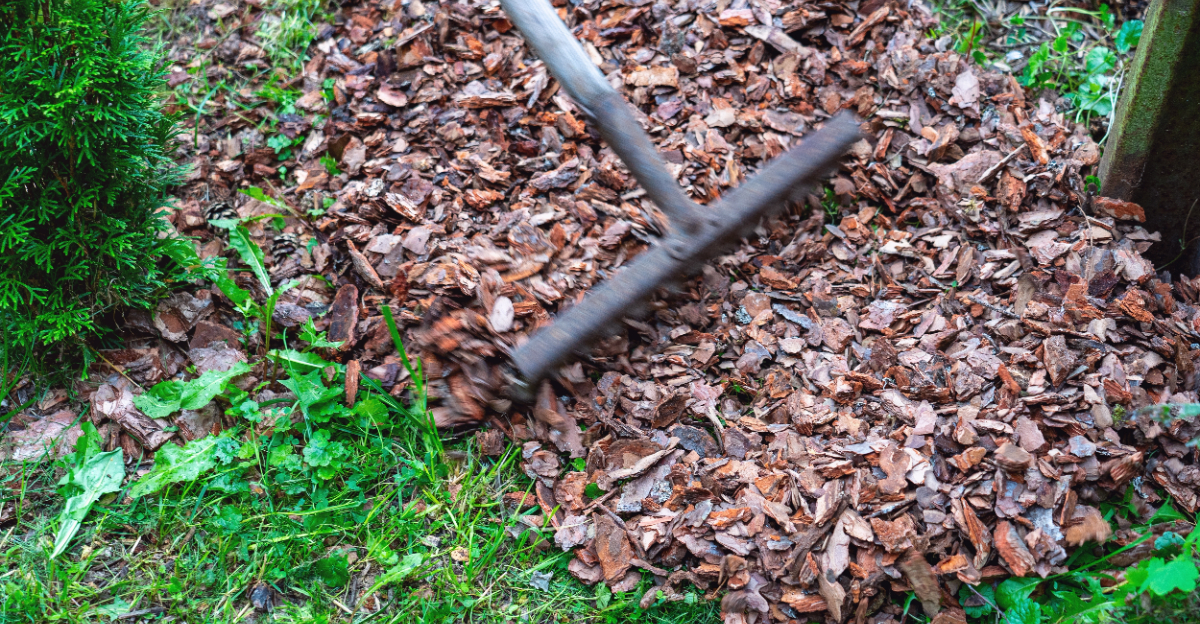
Nobody picks mulch thinking about roaches. They pick it for color, for price, for whatever the garden center had stacked near the register.
That decision, made in about thirty seconds, is quietly creating one of the best roach environments a Florida foundation can offer. Roaches need moisture, warmth, and cover.
Some mulch types deliver all three and hold them through the entire Florida rainy season without breaking down. A perfect setup, right against the house, renewed every spring by the homeowner who installed it.
Pest control professionals spot this immediately. Most homeowners never connect the mulch to the roach activity until they have already treated the inside of the house multiple times.
They still have not fixed what is happening two feet from the foundation. The mulch out there right now may be the problem.
Not a contributing factor. The problem.
1. Fresh Wood Chips Can Hold Moisture Near Walls
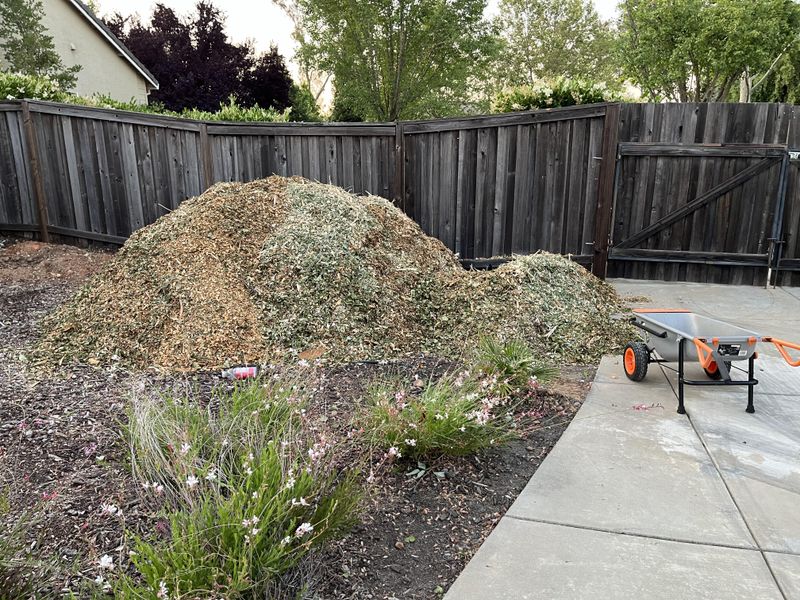
Picture a freshly mulched bed that smells like a sawmill and looks great from the street. That same bed, packed six inches deep and pushed right against the stucco, can stay damp for days after a summer rain.
Fresh wood chips hold moisture well, which is one reason gardeners like them. Near the foundation, though, that moisture retention becomes a problem.
Wood chips are not automatically a bad choice. They help moderate soil temperature, slow weed growth, and protect plant roots.
The issue shows up when the layer gets too thick, irrigation hits it daily, and leaf litter starts mixing in with the chips. That combination creates a cool, damp, sheltered zone right where your wall meets the ground.
Outdoor roaches like the American cockroach are not looking for food in your mulch. They are looking for shelter and moisture.
A deep, wet wood chip bed near a foundation vent or door threshold gives them both. Pulling the mulch back at least six inches from the wall and keeping the layer two to three inches deep helps the foundation edge dry faster between rains.
Raking the surface occasionally also breaks up compacted spots that trap moisture underneath. Good airflow and a drier edge make the area less inviting without removing the bed entirely.
2. Shredded Hardwood Can Mat Into Damp Shelter
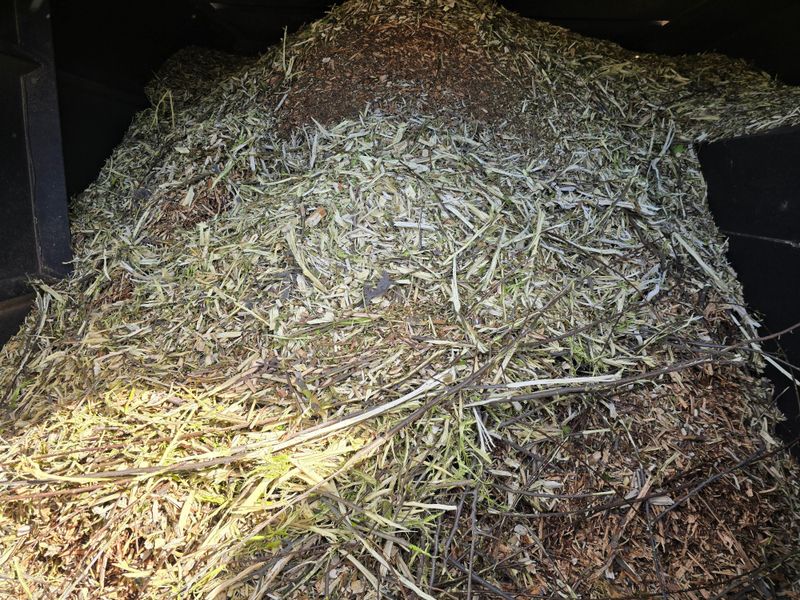
After a few months of rain and foot traffic, shredded hardwood mulch can go from fluffy and loose to packed flat and dense. That matting effect is easy to miss when you are just glancing at the bed from the driveway.
Underneath the surface, though, compacted hardwood holds moisture like a sponge and creates a protected layer that stays cool and damp even on warm afternoons.
The concern near foundations is not the material itself but what happens when old, matted mulch sits too close to the house for too long.
Shredded hardwood breaks down into fine organic matter over time, and as it does, it can lock in moisture and blend with fallen leaves, soil particles, and plant debris.
That mix creates a dense, sheltered zone that stays undisturbed along the wall edge.
Your Florida Garden Changes Every Week. Your Plan Should Too.
Gardening in Florida changes quickly throughout the season. Every Friday you’ll receive a simple weekly plan showing exactly what to plant, prune, fertilize, harvest, and protect so you never miss the right timing.
Fluffing the mulch regularly with a rake helps break up compacted areas and lets moisture escape. If the layer has built up over several seasons, thinning it back to two or three inches makes a noticeable difference.
Replacing heavily matted sections rather than adding fresh mulch on top prevents the problem from stacking up. Keeping the bed edge pulled back from the wall and clearing fallen debris after storms reduces shelter along the foundation.
It does this without sacrificing the benefits that well-managed mulch provides to your plants and soil.
3. Pine Straw Can Hide Activity When Piled Deep
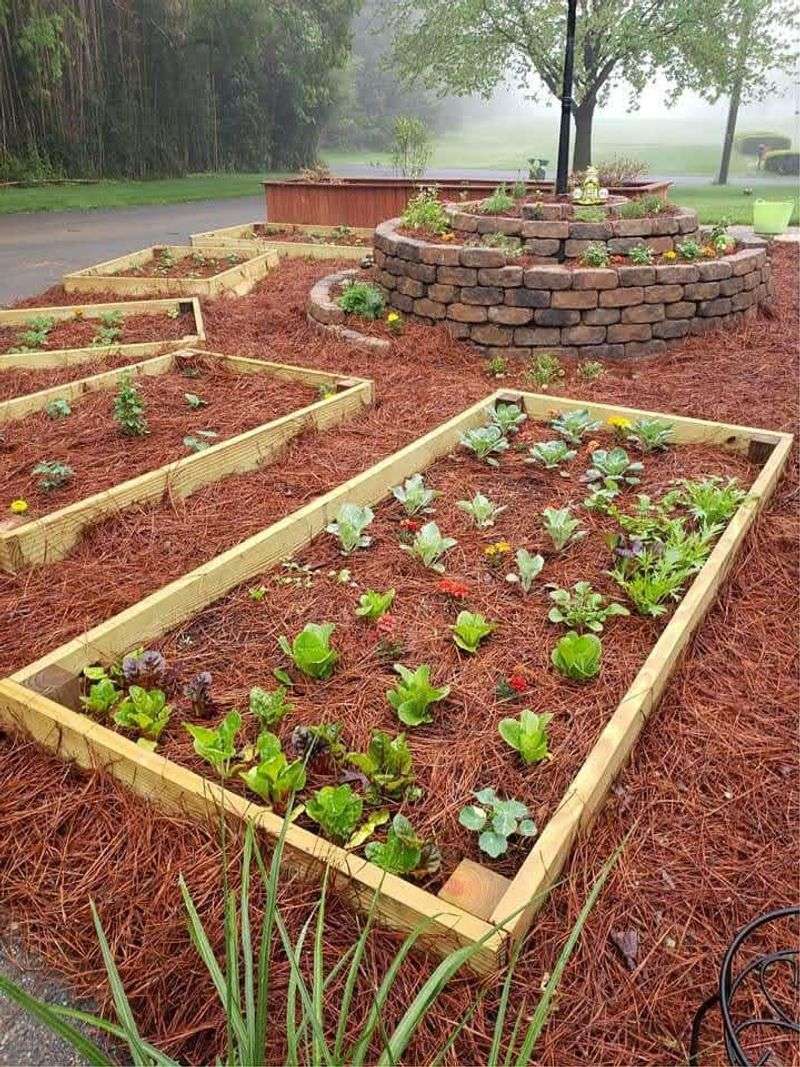
Pine straw is one of the most common mulch choices across Florida, and for good reason. It is affordable, lightweight, easy to spread, and breaks down slowly.
In the right spot and at the right depth, it works well. The trouble starts when it builds up season after season near the house, creating a thick, loose mat that covers the foundation edge completely.
Deep pine straw does not hold moisture the way compacted hardwood does, but it creates a different kind of problem. The loose, airy structure gives outdoor roaches and other insects plenty of cover to move through without being seen.
When pine needles pile up around door thresholds, foundation vents, or the base of shrubs planted close to the wall, they create a cluttered buffer zone. That zone is hard to inspect and easy to ignore.
Fallen needles from nearby pines add to the buildup between mulching sessions, so the layer can grow thicker than intended without much effort.
Keeping pine straw to a two-inch depth near the house and pulling it back from the wall edge helps reduce that hidden cover.
Clearing accumulated needles from around vents, thresholds, and plant stems after windy or rainy periods makes a real difference. Pine straw is not the enemy here.
Depth, placement, and regular cleanup are what determine whether it stays a low-risk option near your foundation beds.
4. Leaf Mulch Can Become Roach Cover Fast
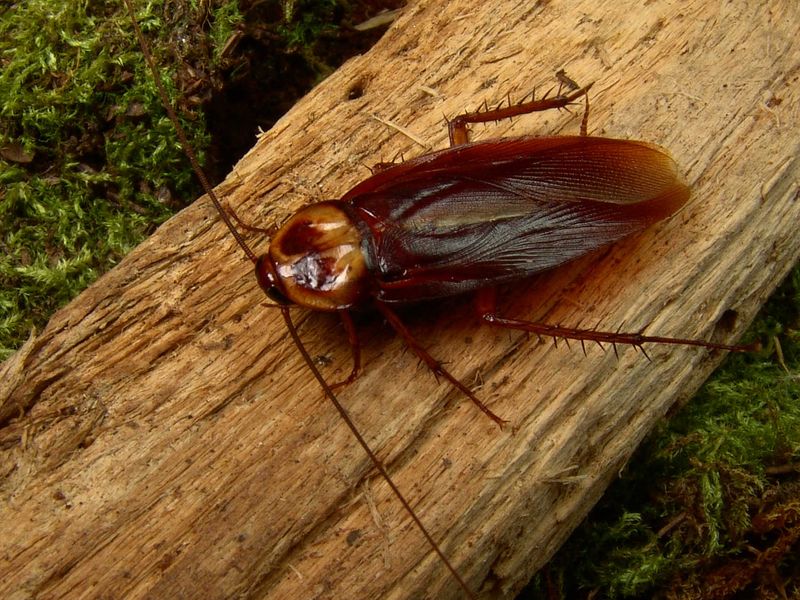
Shredded leaves can be a smart, free mulch option for garden beds away from the house. Composting leaves in place feeds the soil, attracts beneficial insects, and reduces waste.
Near the foundation, though, leaf mulch behaves differently. Decomposing organic matter stays damp, breaks down quickly, and builds up fast, especially during fall and after tropical weather pushes debris against the house.
Leaf mulch near doors, porches, and wall edges creates exactly the kind of environment that outdoor roaches favor.
The Florida woods cockroach, sometimes called a palmetto bug, is well-adapted to living in leaf litter, rotting wood, and moist organic debris close to structures.
When shredded leaves pile up around entry points or collect in corners near the foundation, they offer shelter. They also provide the organic material these insects are comfortable moving through.
Leaf mulch may be a better fit for habitat beds, tree rings, or garden areas farther from the house where decomposition is an asset rather than a liability. Near the foundation, keeping beds cleaner and thinner reduces the risk.
Raking leaf debris away from the wall base after storms and clearing accumulation around downspouts and corners both help. Avoiding thick organic layers near entry points also helps.
The goal is not to eliminate every leaf from the yard but to keep the foundation edge open, dry, and easy to check regularly.
5. Cypress Mulch Still Creates Shelter When Too Thick
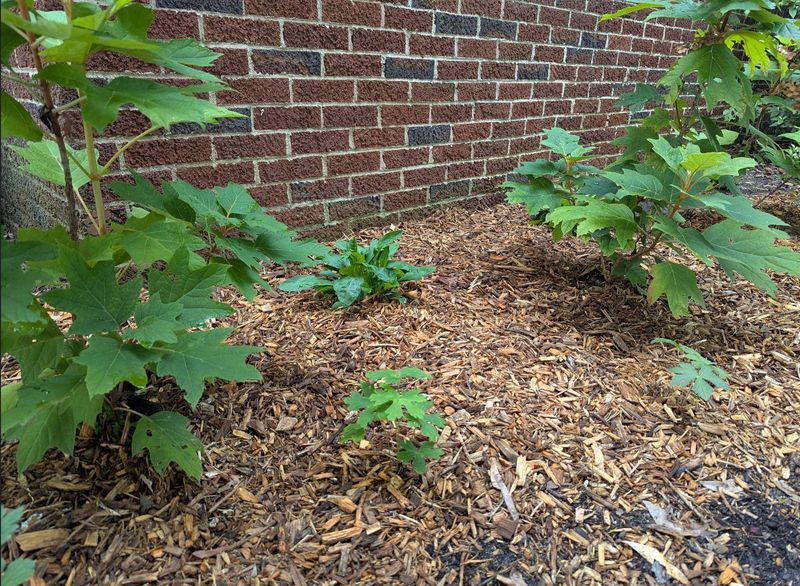
Walk through any garden center in Florida and you will find bags of cypress mulch stacked high with labels that hint at insect resistance. That reputation has made it a popular choice for foundation beds.
The reality is more straightforward. Cypress mulch is a common organic landscape material.
Like any thick organic layer placed close to a foundation, it can hold moisture and create shelter when it is not managed well.
No mulch label makes a foundation bed roach-proof. What matters is how deep the layer sits, how close it is to the wall, how often irrigation soaks it, and how much leaf litter accumulates on top.
A four-inch layer of cypress mulch pushed against the siding and kept wet by a daily irrigation schedule creates sheltered, damp conditions. It can do this just like any other thick organic mulch, regardless of what the bag says.
It is also worth noting that some cypress mulch products come from mixed or lower-quality sources depending on where they are harvested. That means the natural properties can vary.
Managing the layer is more reliable than trusting the material alone. Keep cypress mulch two to three inches deep, pull it back from the wall, and avoid letting it mix with accumulated leaves or soil over time.
Thinning and refreshing the bed periodically keeps it looking clean while reducing the hidden, damp pockets that make the foundation edge more comfortable for roaches.
6. Bark Nuggets Can Trap Damp Debris Underneath
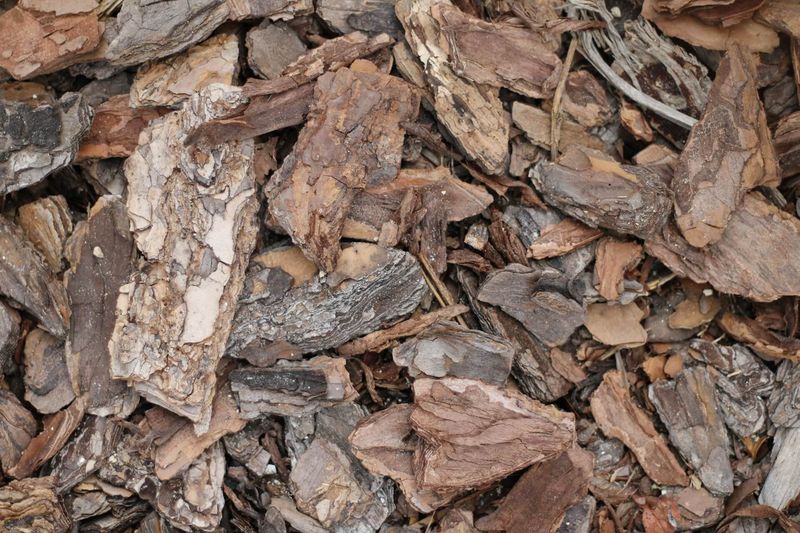
Bark nuggets have a clean, polished look that holds up longer than finer mulches in heavy rain. The large pieces do not wash away easily, and they break down slowly, which means fewer replacements over the season.
That durability is appealing, but it also means the gaps between pieces can quietly collect leaves, soil, and moisture without looking messy from above.
The surface of a bark nugget bed can look dry and tidy while a completely different environment is developing underneath. Fallen leaves blow in and settle between the large pieces.
Soil particles wash in from nearby beds. Irrigation and rain push moisture down into the gaps.
Over time, the layer underneath becomes a compact, damp mat of decomposing debris that sits right at the foundation edge and rarely gets disturbed.
Raking back the edge of a bark nugget bed occasionally and checking what is happening underneath is a simple habit that makes a real difference.
If the undersurface has become a dense, dark, wet layer, thinning it out and clearing the debris removes the hidden shelter.
Keeping bark nuggets spaced away from the wall base and avoiding thick applications near vents or door thresholds reduces the risk.
Bark nuggets can work well in foundation beds as long as cleanup and spacing keep the hidden layer from becoming the part of the bed that roaches find most useful.
7. Rubber Mulch Can Hide Gaps Without Improving Soil
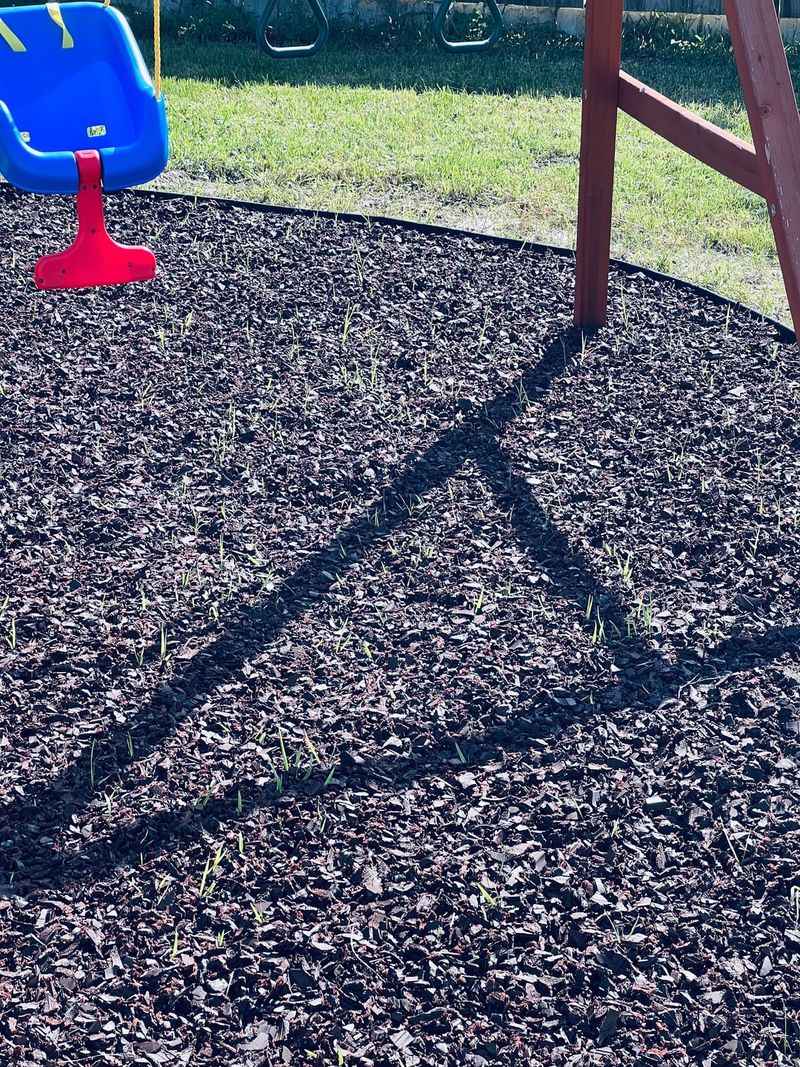
Rubber mulch gets marketed as a low-maintenance, long-lasting alternative to organic options. Some homeowners choose it near foundations hoping it will be less inviting to insects.
It does not break down, it does not feed soil organisms, and it does not contribute organic matter. Those qualities sound practical, but they do not make it a pest-control solution.
The concern with rubber mulch near foundations is not that the material draws roaches on its own. The concern is what hides underneath and around it.
Leaves blow in and settle on top. Soil washes in from edges.
Moisture from irrigation or rain can collect underneath the rubber layer if the bed does not drain well. Cracks, gaps, and foundation openings that might otherwise be visible stay hidden under the surface.
None of that is unique to rubber mulch. The material’s permanence means debris and gaps can go unnoticed longer than they would in a bed that gets refreshed seasonally.
Rubber mulch also retains heat more than organic materials, which can stress plants during warm months. It does not improve drainage on its own, and it offers no soil-building benefit over time.
If you use rubber mulch near the foundation, treat it the same way you would any other material. Pull it back from the wall periodically, check for debris buildup and hidden gaps, and improve drainage where needed.
Do not assume the material is doing the pest-prevention work for you.
8. Stone Mulch Drains Better But Still Needs Cleanup
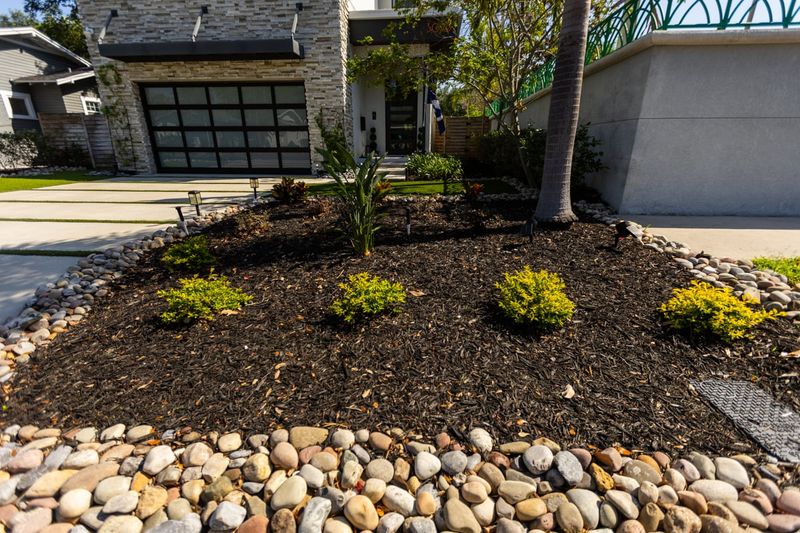
Gravel and stone mulch drain faster than most organic options, and a well-designed stone border can help the foundation edge dry more quickly after rain or irrigation.
That faster drying can make the area less comfortable for roaches compared to a deep, wet organic bed.
Stone is not a guaranteed fix, though, and treating it like one is where many homeowners run into trouble.
Leaves settle into stone beds just as easily as they settle anywhere else. Irrigation overspray soaks into the gaps between pieces and keeps the soil underneath wet.
Weeds push up through the surface. Soil washes in from nearby beds and fills the spaces over time, creating a gritty, organic mix that holds moisture just like the mulch it replaced.
Cracks and gaps along the foundation wall stay just as accessible whether the surface material is stone or bark.
Stone can also reflect heat back toward the house and the plants growing near the foundation, which may not suit every landscape or plant selection. It is heavier to move and harder to adjust when you need to inspect the foundation edge or make repairs.
The best foundation border, regardless of material, stays thin, dry, open, and easy to check.
Keeping irrigation aimed away from the foundation, clearing leaf debris after storms, trimming plants off the wall, and sealing any visible gaps or cracks does more for roach prevention.
The surface material alone will never do as much.