The Oregon Yards Most Likely To Fail Under Water Restrictions And What To Do Before They Hit
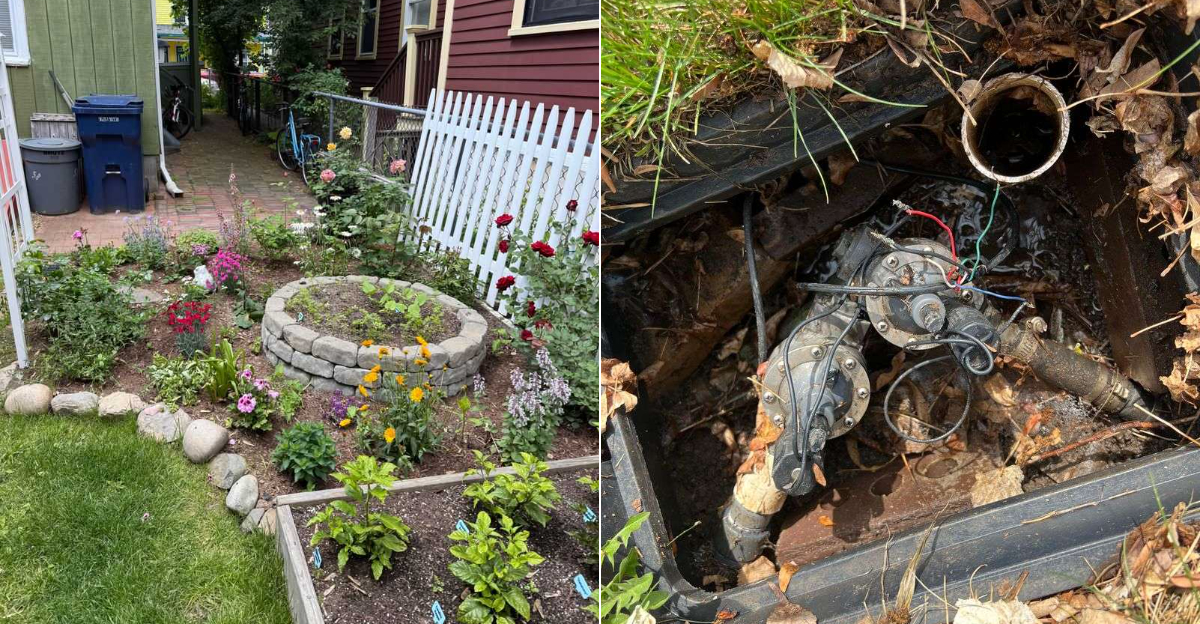
Oregon yards can look perfectly fine until water restrictions show up and expose every needy habit at once. Suddenly, shallow roots, thirsty lawns, poor soil, and crowded beds stop pretending they are low-maintenance.
The yards most likely to struggle are the ones built around constant rescue watering. That is a risky setup when summer gets dry and outdoor watering rules tighten.
The good news is that homeowners can make smart changes before the hose schedule gets bossy. A little prep now can help plants handle less water without the whole yard looking abandoned.
Think deeper roots, better soil moisture, cleaner priorities, and fewer panic-soaks when heat arrives.
Water restrictions do not have to turn your landscape into a crispy cautionary tale. They just reward yards that were planned with dry weeks in mind.
1. Thirsty Lawns Struggle First
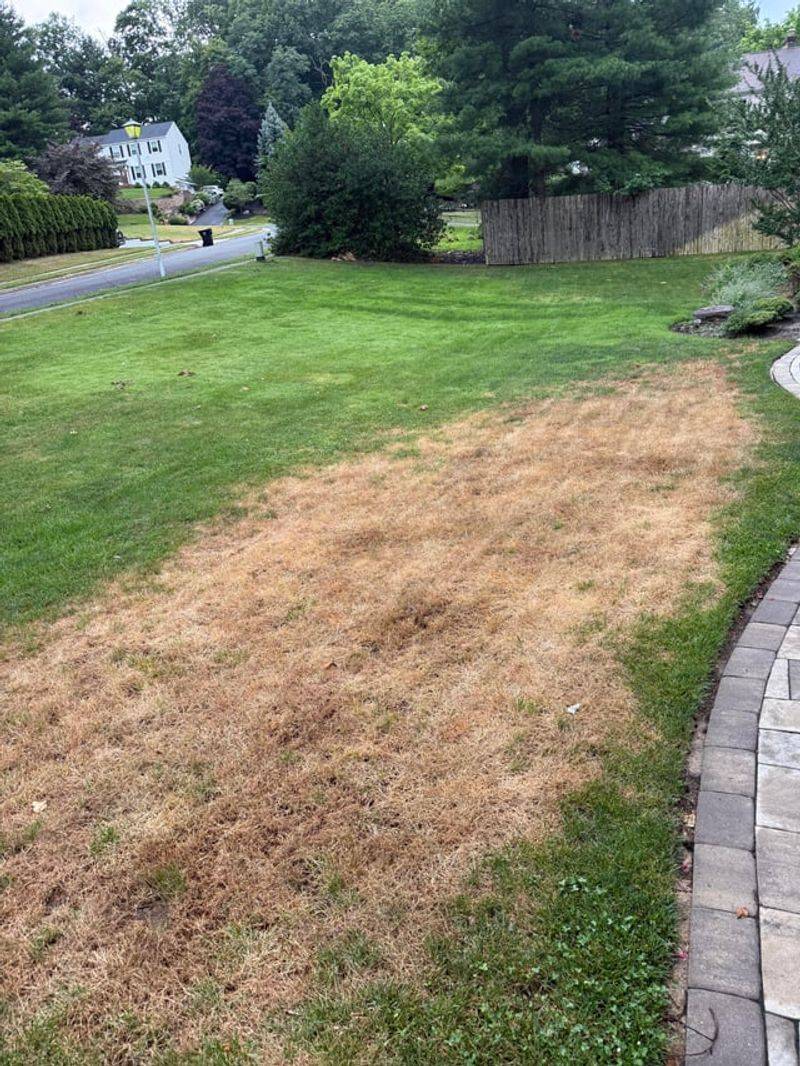
A thick, green lawn can look amazing in spring, but it becomes a serious liability when water restrictions kick in.
Grass is one of the thirstiest plants you can grow, and it shows stress faster than almost anything else in your yard.
When watering days get cut back, lawns are usually the first to suffer.
Most traditional grass types used in Oregon need around one inch of water per week to stay healthy. During a dry summer with restrictions in place, that kind of watering schedule simply may not be allowed.
Grass roots are also fairly shallow, which means they dry out quickly when the soil surface loses moisture.
Before restrictions arrive, consider overseeding your lawn with drought-tolerant grass varieties like tall fescue or fine fescue. These types have deeper root systems and can handle dry spells much better than common bluegrass.
You can also raise your mower blade height, since taller grass holds moisture better and shades the soil underneath.
Another smart move is to aerate your lawn before summer. Aeration creates small holes in the soil that help water soak in deeper instead of running off.
Adding a thin layer of compost after aerating can also improve your soil’s ability to hold onto moisture longer.
These steps won’t make your lawn waterproof, but they will give it a much better chance of surviving when watering days are limited.
2. New Plantings Need A Backup Plan
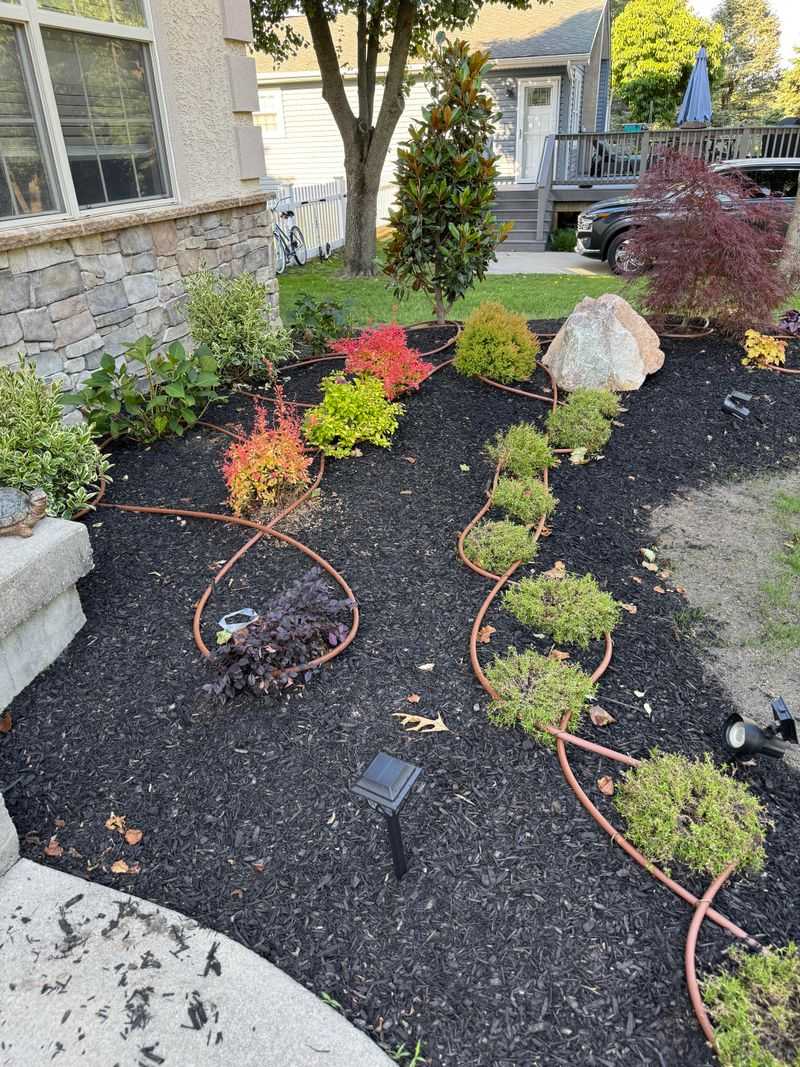
Young plants are in a tough spot even during normal summers. Their root systems are still small and haven’t spread far enough to find water on their own.
When water restrictions limit how often you can irrigate, newly planted trees, shrubs, and perennials are among the most vulnerable things in your yard.
Most plants need their first one to three years to establish a strong root system. During that time, they depend heavily on regular watering to survive dry stretches.
Cut that water back too soon, and the plants may weaken quickly, making them easy targets for pests and disease on top of drought stress.
Planning ahead is the best thing you can do for new plantings. If you know restrictions are coming, try to get your new plants in the ground in early fall instead of late spring.
Your Oregon Garden Changes Every Week. Your Plan Should Too.
Gardening in Oregon changes quickly throughout the season. Every Friday you’ll receive a simple weekly plan showing exactly what to plant, prune, fertilize, harvest, and protect so you never miss the right timing.
Fall planting gives roots several months to settle in before the heat of summer arrives. Plants installed in fall also benefit from winter rain, which helps them get established without needing extra irrigation.
If you must plant in spring or summer, invest in a drip irrigation system. Drip systems deliver water directly to the root zone, cutting waste significantly compared to overhead sprinklers.
Group plants with similar water needs together so one drip line can serve multiple plants efficiently. Adding a thick layer of mulch around each new plant also slows moisture loss from the soil and keeps roots cooler during hot days.
3. Shallow-Rooted Beds Fail Fast
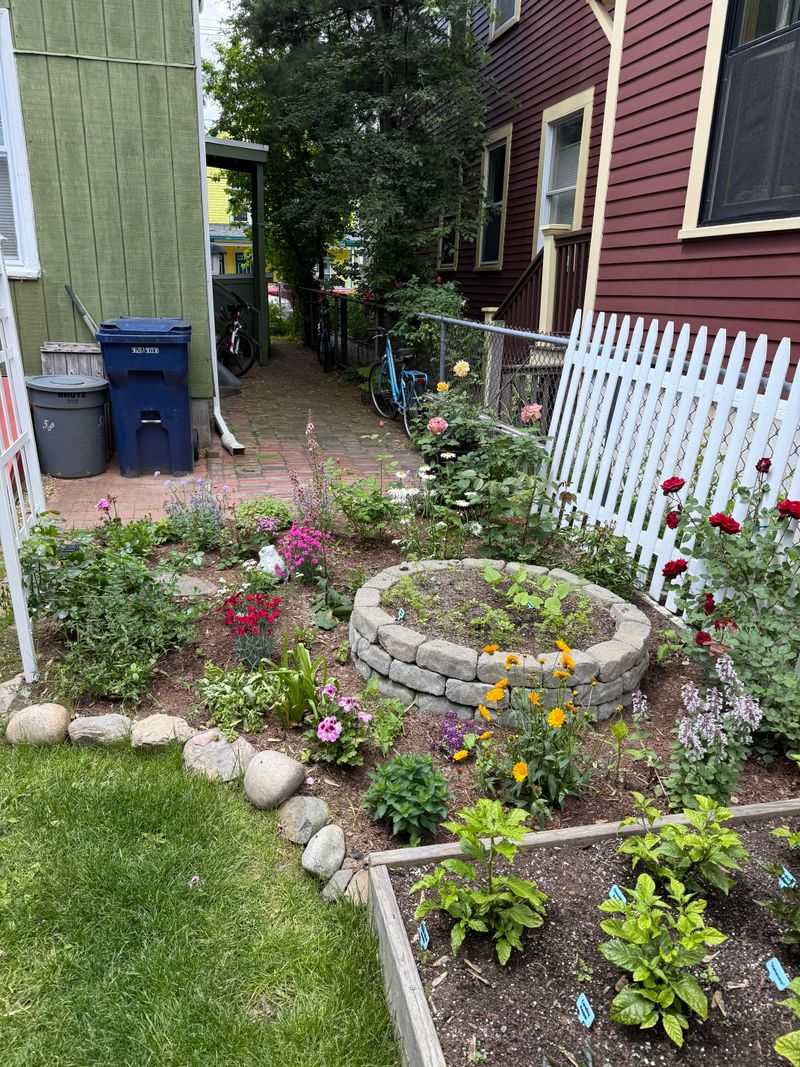
Flower beds filled with annuals and other shallow-rooted plants look gorgeous in early summer. But when the water supply gets cut back, these beds can go from beautiful to struggling in just a few days.
Shallow roots simply cannot reach moisture stored deeper in the soil.
Annual flowers like petunias, impatiens, and marigolds are popular, but they are not built for drought.
Their roots stay close to the surface, which means they depend entirely on frequent watering to stay healthy.
Even a short break in irrigation can leave them looking wilted and worn out.
One of the best fixes is to replace some of your annuals with drought-tolerant perennials. Plants like lavender, salvia, coneflower, and yarrow come back every year and have much deeper, more established root systems.
They can handle dry spells far better and still provide plenty of color and texture in your garden beds.
If you love your annuals and don’t want to give them up, focus on improving the soil in those beds before summer hits. Work compost into the top several inches of soil to improve water retention.
Then add a two to three inch layer of organic mulch on top. Mulch dramatically slows evaporation, keeping the soil moist longer between watering sessions.
You might also consider switching to a drip or soaker hose system for your beds, which puts water exactly where it’s needed and cuts down on waste significantly.
4. Containers Dry Out Before Everything Else
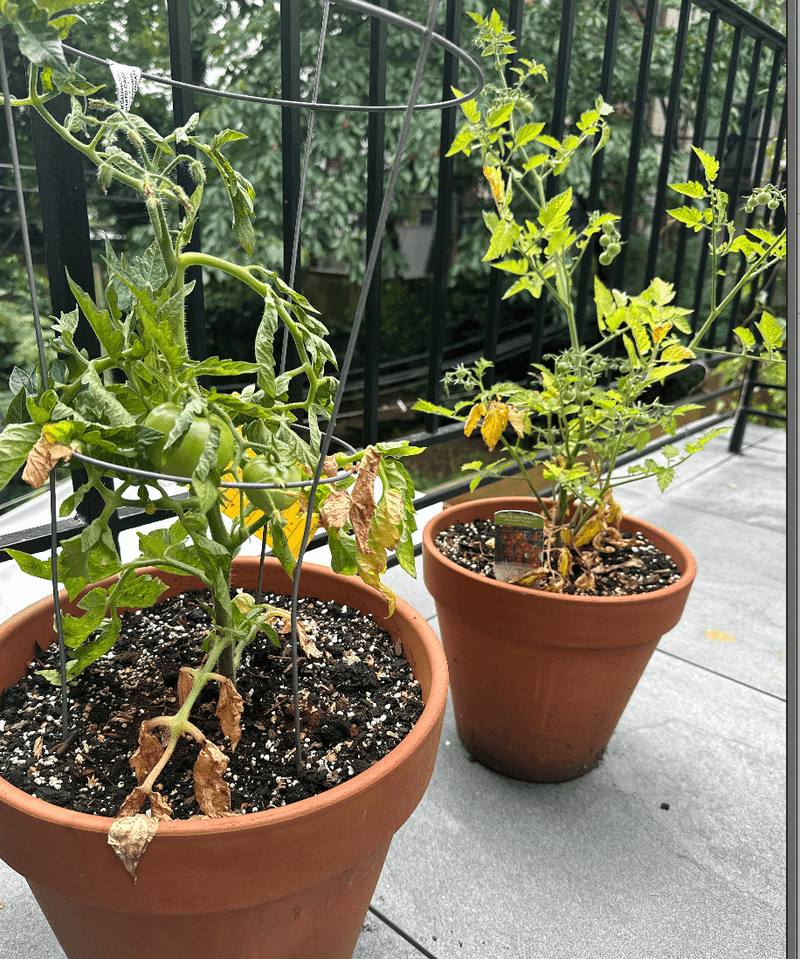
Container plants are charming, flexible, and easy to rearrange, but they have one big weakness: they run out of water faster than almost anything else in your yard.
Pots have limited soil volume, and that small amount of soil can dry out completely in just a day or two during hot weather.
When water restrictions limit how often you can water, containers become extremely hard to keep healthy. The roots inside a pot have nowhere to go searching for moisture.
Once the soil in the container dries out, the plant inside has no backup supply to draw from. This makes containers one of the highest-risk spots in any yard during a water shortage.
Before restrictions arrive, think about which containers are most important to you and consolidate. Fewer, larger containers hold more soil and dry out more slowly than many small pots.
Moving containers to shadier spots during peak summer heat also helps them hold onto moisture much longer throughout the day.
Another helpful strategy is to mix water-retaining crystals or granules into your potting soil. These crystals absorb water and release it slowly over time, acting like a tiny reservoir inside the container.
Self-watering pots with built-in reservoirs are also worth the investment if you have several containers you want to keep alive.
Switching container plants to drought-tolerant succulents, herbs like rosemary and thyme, or ornamental grasses can also make a big difference when every drop of water counts.
5. South-Facing Yards Feel Restrictions Hardest
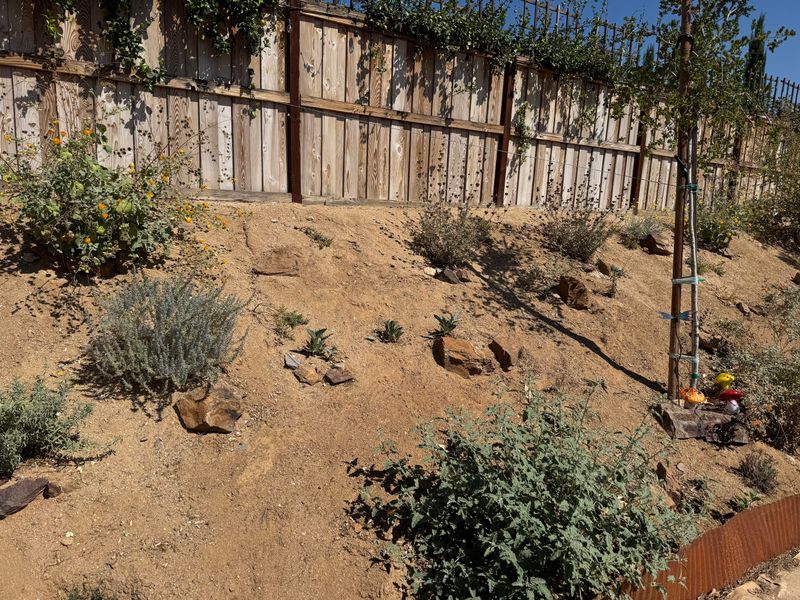
Not all yards get the same amount of sun, and that difference matters a lot when water is limited.
South-facing yards receive direct sunlight for most of the day, which means the soil heats up faster and dries out much more quickly than yards that face north or sit under shade.
In many parts of Oregon, south-facing slopes and open yards can feel five to fifteen degrees hotter than shaded areas nearby. That extra heat pulls moisture out of the soil and out of plant leaves at a rapid pace.
When restrictions limit watering days, south-facing yards simply don’t have enough time to recover between irrigation sessions.
Strategic shade is one of the most effective long-term solutions. Planting fast-growing shade trees on the south or west side of your yard can lower soil temperatures significantly over time.
Columnar trees or large shrubs near garden beds can also block intense afternoon sun and reduce water demand across the whole yard.
In the short term, adding light-colored or reflective mulch to beds and borders can help bounce some of that intense heat away from the soil.
White gravel or light wood chip mulch works better than dark bark in high-heat areas because it absorbs less heat.
Choosing plants that are naturally adapted to hot, dry conditions, like agave, sedum, or ornamental grasses, can also transform a struggling south-facing yard into one that handles restrictions with much less damage.
6. Slopes Lose Water Before Roots Can Use It
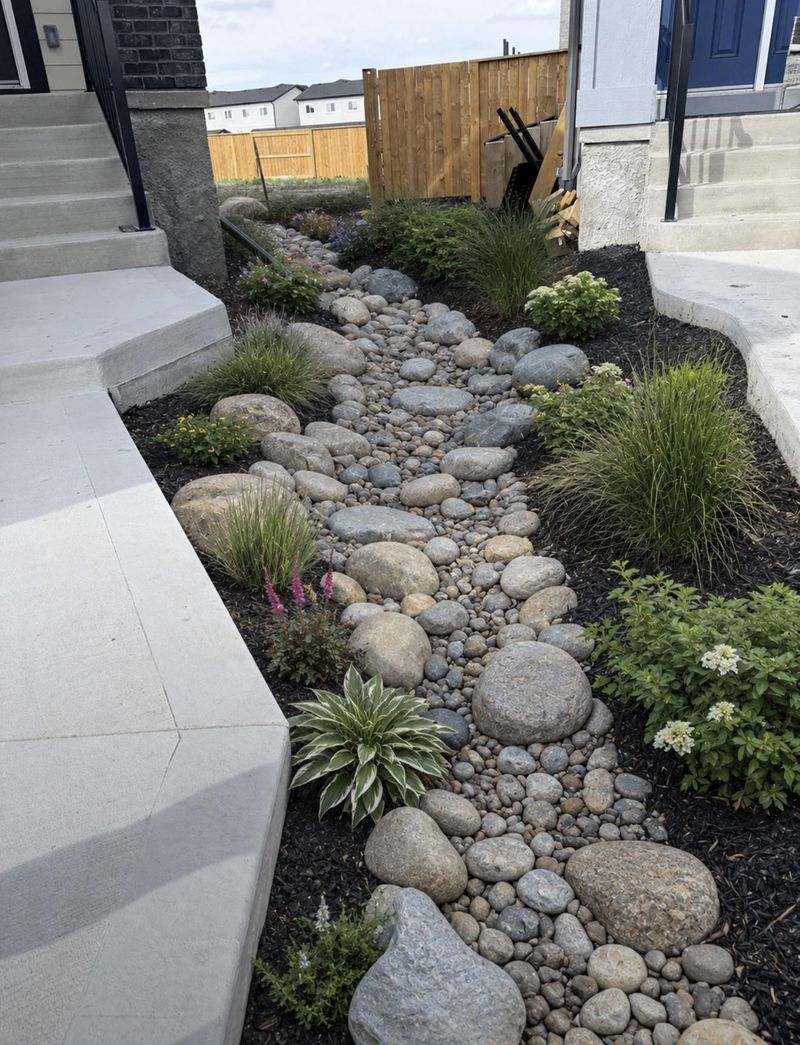
Watering a sloped yard can feel like pouring water into a funnel pointed the wrong way.
Instead of soaking into the soil where roots can reach it, water runs straight down the hill and collects at the bottom, leaving the upper and middle sections of the slope dry and thirsty.
Slopes are a common feature across much of Oregon, and they present a real challenge during water restrictions. Even when you do get to water, much of it never actually reaches the root zone of plants on the hillside.
Traditional sprinklers make this problem even worse because they apply water faster than sloped soil can absorb it.
Terracing is one of the most effective long-term solutions for sloped yards. Creating flat, level planting areas across a slope slows water down and gives it time to soak in.
Even simple terraces made from wood, stone, or concrete blocks can make a meaningful difference in how much water your slope retains.
For a faster fix, switch to drip irrigation on your slopes. Drip systems release water slowly and directly at the root zone, giving the soil time to absorb it before it runs off.
Planting deep-rooted groundcovers like creeping thyme, ice plant, or native bunch grasses on slopes also helps.
Their roots hold soil in place and create channels that allow water to move downward instead of rushing across the surface.
Adding mulch between plants further slows runoff and keeps moisture in place longer.
7. Bare Soil Wastes Every Drop
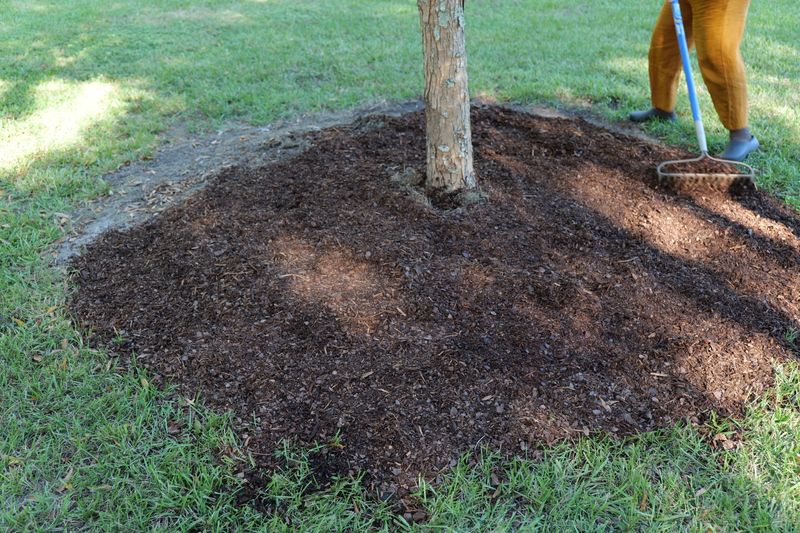
Few things waste water faster than bare soil sitting in the sun. When there is nothing covering the ground, moisture evaporates at a surprising rate.
Studies have shown that uncovered soil can lose up to three times more moisture than soil covered with mulch or plants.
Bare patches are common in yards that are still being developed, in areas where plants have thinned out, or between widely spaced shrubs and trees. During normal watering schedules, bare soil is a nuisance.
During water restrictions, it becomes a real problem because every drop of irrigation water you apply can vanish before roots ever get a chance to use it.
The quickest fix is mulch. A two to four inch layer of organic mulch, like wood chips, straw, or shredded leaves, dramatically reduces evaporation from the soil surface.
Mulch also keeps the soil cooler, which slows moisture loss even further during hot afternoons. It breaks down over time and improves the soil’s ability to hold water in future seasons.
Groundcovers are another excellent long-term solution. Low-growing plants like creeping phlox, clover, or native sedges spread across bare areas and shade the soil naturally.
They compete less aggressively with larger plants than weeds would and require far less water than grass once established.
Even a temporary cover crop planted in early spring can protect bare soil through summer while you plan a more permanent solution for your yard.
8. Mixed Water Needs Create Trouble
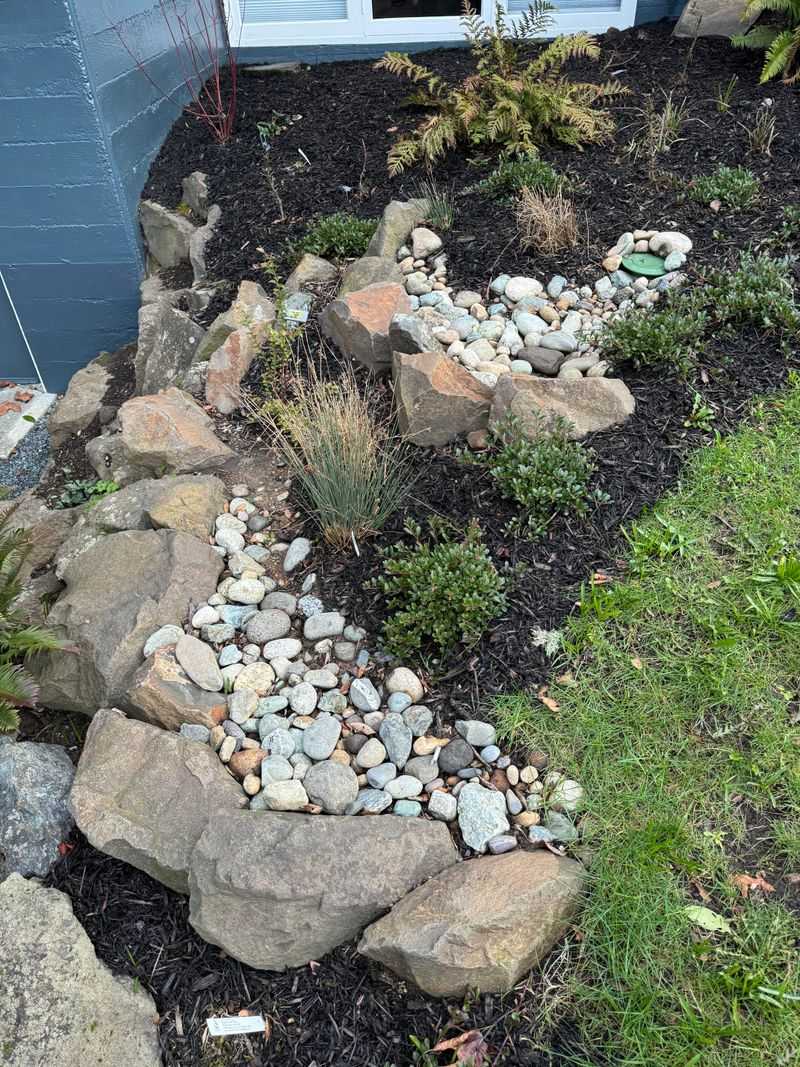
Planting a cactus next to a fern might sound like an odd combination, but mixed water-need gardens are more common than most people realize.
When plants with very different watering requirements share the same bed or irrigation zone, someone always loses out, especially when water is restricted.
Many yards across Oregon have developed over time, with plants added here and there without a clear plan.
The result is often a patchwork of drought-tolerant plants mixed in with thirsty ones, all being watered on the same schedule.
When restrictions force you to cut back, the thirsty plants suffer while the drought-tolerant ones may actually get overwatered trying to keep their neighbors alive.
Reorganizing your yard into water-use zones is one of the smartest things you can do before restrictions arrive. Group plants with similar water needs together in the same beds and on the same irrigation lines.
This lets you water each zone exactly as much as it needs, without wasting water on plants that don’t need it or starving plants that do.
This kind of planning is often called hydrozoning, and landscape professionals across Oregon use it regularly to help homeowners cut water use by twenty to fifty percent.
Start by making a simple map of your yard and labeling which plants need the most water.
Then plan how you can rearrange or reassign irrigation zones to match those needs more closely. Even small changes can add up to big water savings when restrictions are in effect.
9. Old Sprinklers Miss The Root Zone
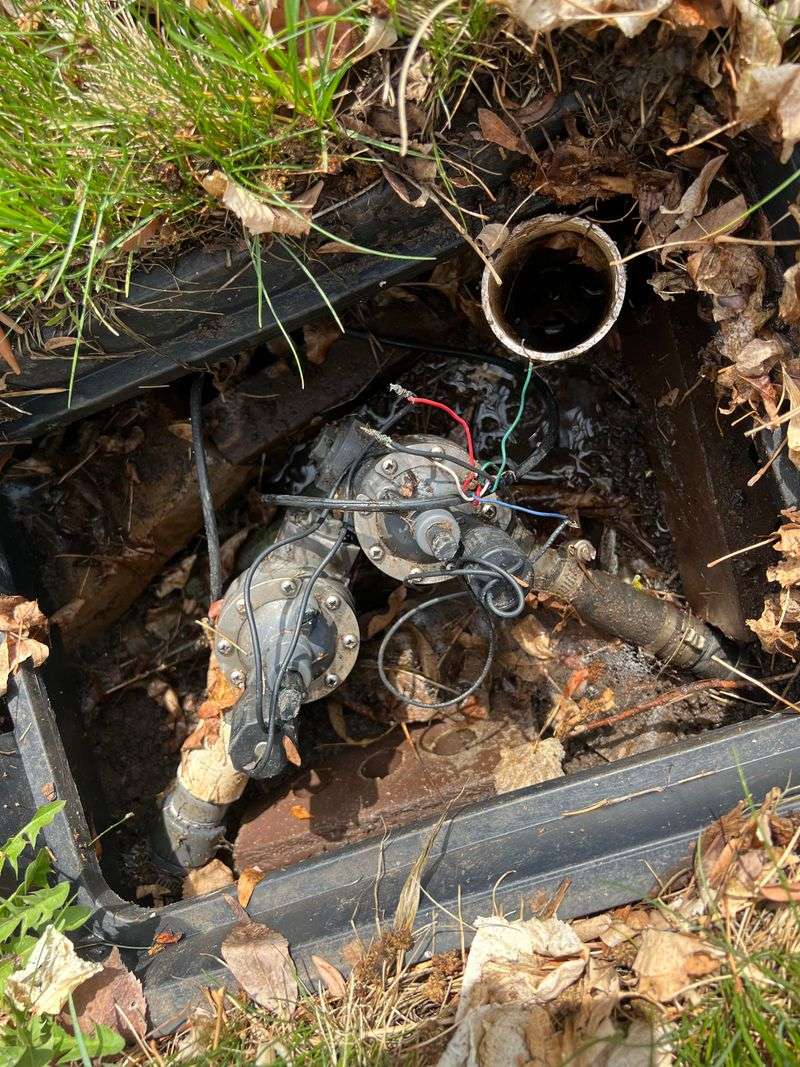
Sprinkler systems that were installed ten, fifteen, or twenty years ago were not designed with water conservation in mind.
Many older systems have heads that spray too wide, rotate incorrectly, or are set at angles that send water onto driveways, sidewalks, and fences instead of into the soil where plants actually need it.
When water restrictions limit how many days or hours you can run your system, every minute of that allowed watering time needs to count.
An old sprinkler system that wastes thirty or forty percent of its output on hardscapes and non-planted areas is a serious problem.
You end up using your full water allowance without actually giving your plants what they need.
Walking your yard while your sprinkler system runs is the easiest way to spot problems. Look for heads that are spraying the wrong direction, broken heads that create puddles, or areas that receive no coverage at all.
Even small adjustments to head direction can make a noticeable difference in how evenly your yard gets watered.
Upgrading to smart irrigation technology is worth serious consideration before restrictions hit. Smart controllers use local weather data to automatically adjust watering schedules based on rainfall and temperature.
Replacing old pop-up heads with rotary or drip emitters in garden beds can cut water use dramatically.
Many water districts across Oregon offer rebates for smart irrigation upgrades, so check with your local utility before purchasing new equipment.
A well-tuned system can stretch your water allowance much further than an old, inefficient one.