What It Really Means When Bats Suddenly Show Up At Dusk In Your Massachusetts Yard
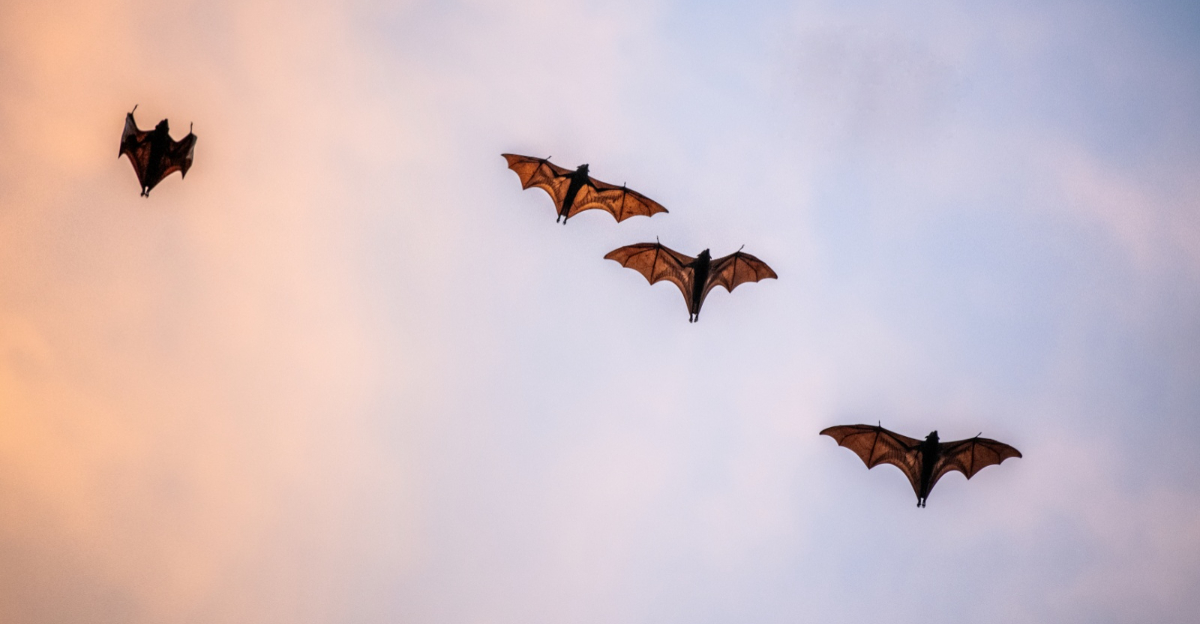
You’re locking up the shed when a shadow cuts across your porch light, quick and silent, gone before your brain even registers a shape. Your dog barks at nothing.
Your neighbor swears she saw the same thing last week over her garden in Massachusetts. That flicker at dusk isn’t a glitch in your evening, it’s a bat, and its sudden appearance in your yard says something worth paying attention to.
Across Massachusetts, homeowners are noticing more of these twilight flybys, and wildlife experts say it’s rarely bad news.
A yard that draws bats is usually buzzing with the exact insects bats love to eat, which means your space has quietly become a functioning little ecosystem.
These creatures get cast as omens in every spooky story ever told, yet what’s actually happening above your head tells a completely different story, one that might just turn you into a bat fan by the end of it.
It Means Your Yard Has Insects, Water, Or Shelter Bats Need
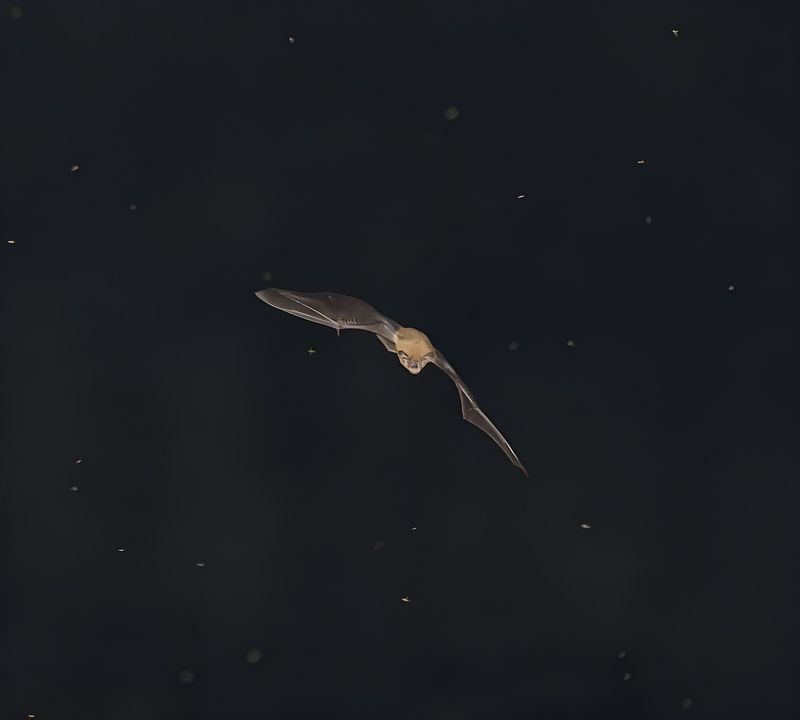
Picture this: bats flying quickly through your yard at sunset. That sight is not random. Bats show up where resources are plentiful, and your yard offers an abundant food source.
Insects are the number one draw. Mosquitoes, moths, beetles, and gnats swarm near lights, standing water, and dense vegetation. Your yard likely has all three.
Water is another magnet. A birdbath, a pond, or even a low spot that holds rain can attract both insects and the bats that chase them.
Bats need to drink too, and they often skim water sources mid-flight. Shelter matters just as much as food and water.
Old trees with loose bark, gaps in soffits, or dense ivy along a fence offer perfect roosting spots. Bats prefer warm, dark, tight spaces where they feel protected from predators.
Your yard may also sit near a natural corridor. Wooded edges, creek banks, and hedgerows act like highways for bats moving between roosting and feeding areas.
If your property lines up with one of these routes, expect regular evening visitors. Knowing what draws bats helps you understand your yard on a deeper level. When bats suddenly show up at dusk in your yard, treat it as an ecological report card.
Your space is alive, balanced, and buzzing with the kind of natural activity that keeps a garden healthy. That flying shape overhead reflects a healthy yard ecosystem.
Common Bat Species Seen In Massachusetts At Dusk
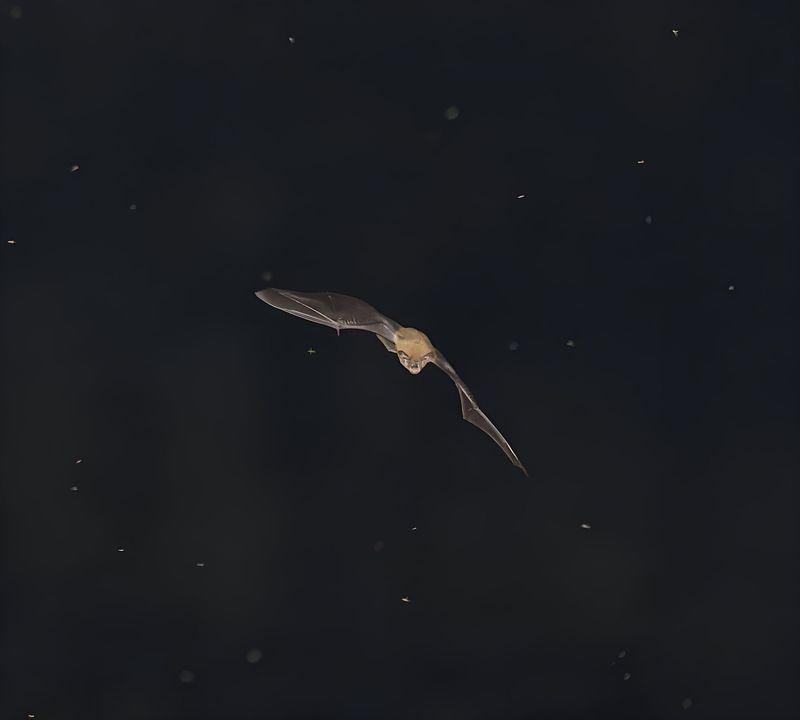
Not every bat zipping through a Massachusetts yard is the same species. The state is home to nine bat species, and a handful of them show up regularly in residential areas.
Knowing which ones you are watching adds a whole new layer of fascination. The Little Brown Bat is the one most people encounter. It is small, fast, and incredibly agile, darting back and forth in tight circles above lawns and gardens.
This species loves to roost in attics and behind shutters, making it a frequent neighbor. Big Brown Bats are slightly larger and tend to fly in straighter, more deliberate paths.
Your Massachusetts Garden Changes Every Week. Your Plan Should Too.
Gardening in Massachusetts changes quickly throughout the season. Every Friday you’ll receive a simple weekly plan showing exactly what to plant, prune, fertilize, harvest, and protect so you never miss the right timing.
They are strong fliers and often emerge earlier in the evening than other species. Spotting one near your roofline at dusk is extremely common across the state.
The Eastern Small-footed Bat is rarer but worth knowing. It is the smallest bat in the Northeast and tends to roost in rocky outcroppings or cliff faces.
If your yard backs up to a ledge or stone wall, this tiny species might be your visitor. Tri-colored Bats, once called Eastern Pipistrellas, are another possibility.
Their fur shifts from dark at the base to a golden brown at the tips, giving them a frosted look. They are among the earliest bats to emerge each evening.
When bats suddenly show up at dusk in your yard, observing their flight pattern and size can help you identify your visitors. Each species tells its own story about the habitat your yard provides.
Why Bats Are Most Active At Dusk
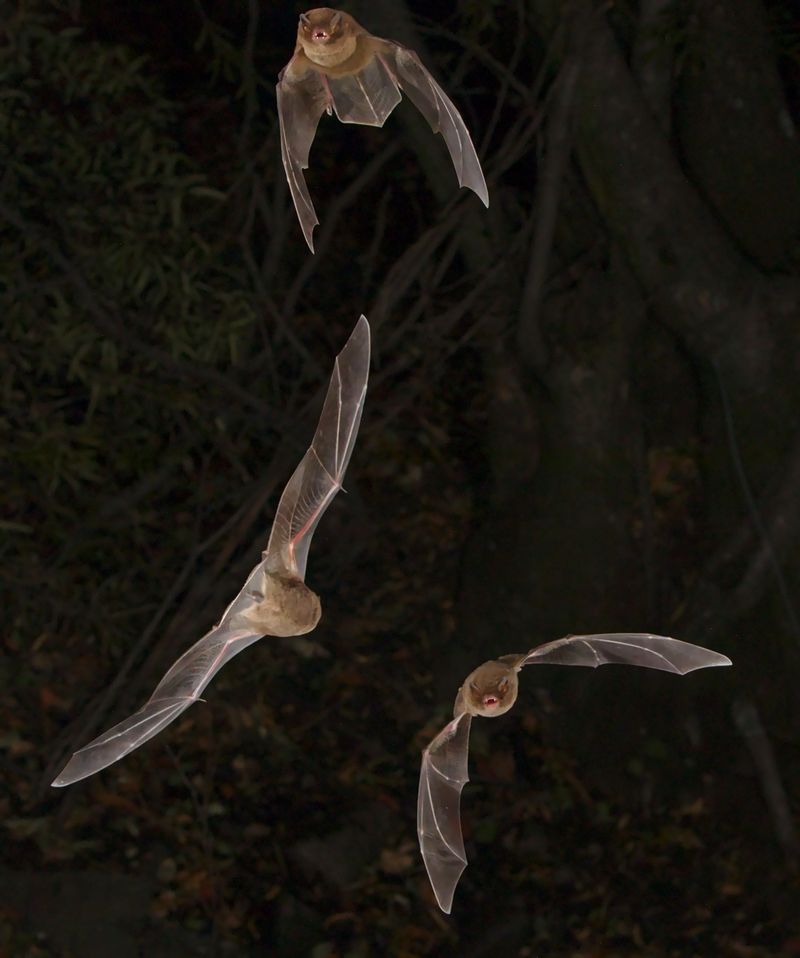
Timing is everything in the bat world. That narrow window between sunset and full dark is not a coincidence.
It is the result of millions of years of evolutionary fine-tuning. Bats are primarily nocturnal, with peak activity typically occurring during the twilight hours around dusk.
Dusk offers a sweet spot where light is low enough to avoid most predators but bright enough for insects to still be active and visible.
Temperature plays a huge role too. Insects are cold-blooded, so they peak in activity when air temps are warm and humidity is moderate. Evening air right after sunset often hits that perfect insect-swarming range.
Bats also use echolocation to navigate and hunt. This biological sonar works best without the interference of direct sunlight and competing sounds from daytime wildlife.
The quieter, cooler dusk environment is ideal for pinpointing a mosquito from 30 feet away. Predator avoidance is another factor. Hawks and falcons dominate the daytime sky.
By waiting until dusk, bats sidestep most aerial threats while still having just enough light to orient themselves before relying fully on echolocation.
Energy conservation rounds out the picture. Bats roost and conserve energy during the hottest parts of the day.
Emerging at dusk lets them hunt efficiently without overheating or wasting calories. When bats suddenly show up at dusk in your yard, they are not being mysterious.
They are well-adapted to this schedule, which developed long before humans built the first backyard fence.
The Pest-Control Benefits Of Bats In Your Yard
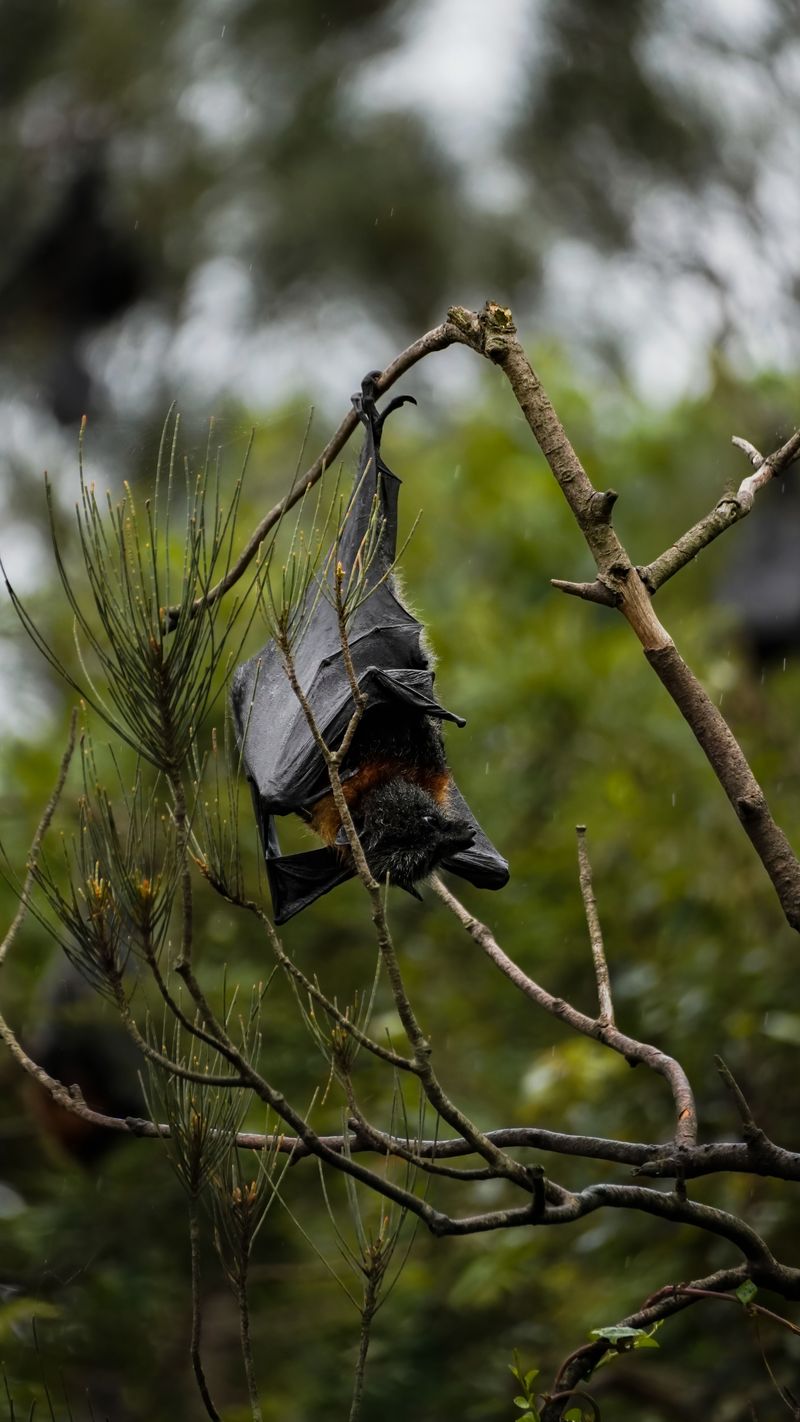
A single bat can eat hundreds of insects, including mosquitoes, in an hour of feeding, though in the wild, mosquitoes make up only part of a bat’s varied diet.
Read that again, because it is one of the most useful wildlife facts a homeowner can know. Your yard’s new twilight visitors are working overtime so you do not have to.
Beyond mosquitoes, bats target moths, cucumber beetles, and leafhoppers. These insects cause serious damage to gardens and crops.
Having bats patrol your yard each evening provides natural pest control at no cost. Farmers have recognized this for decades.
Research estimates suggest bats may save the American agricultural industry several billion dollars annually in reduced pesticide costs, though estimates vary widely.
That same principle scales right down to your vegetable patch and flower beds. Chemical sprays often harm beneficial insects like bees and butterflies along with the pests.
Standing water near your yard breeds mosquitoes at a staggering rate. A bat colony nearby can dramatically reduce that population before it grows into a full infestation.
No sprays, no traps, no effort on your part. The pest-control power of bats is an often-overlooked benefit for homeowners.
When bats suddenly show up at dusk in your yard, consider canceling that exterminator appointment. These small, silent hunters are already handling the job with remarkable speed and no chemicals involved.
Signs A Bat Colony Is Roosting Nearby
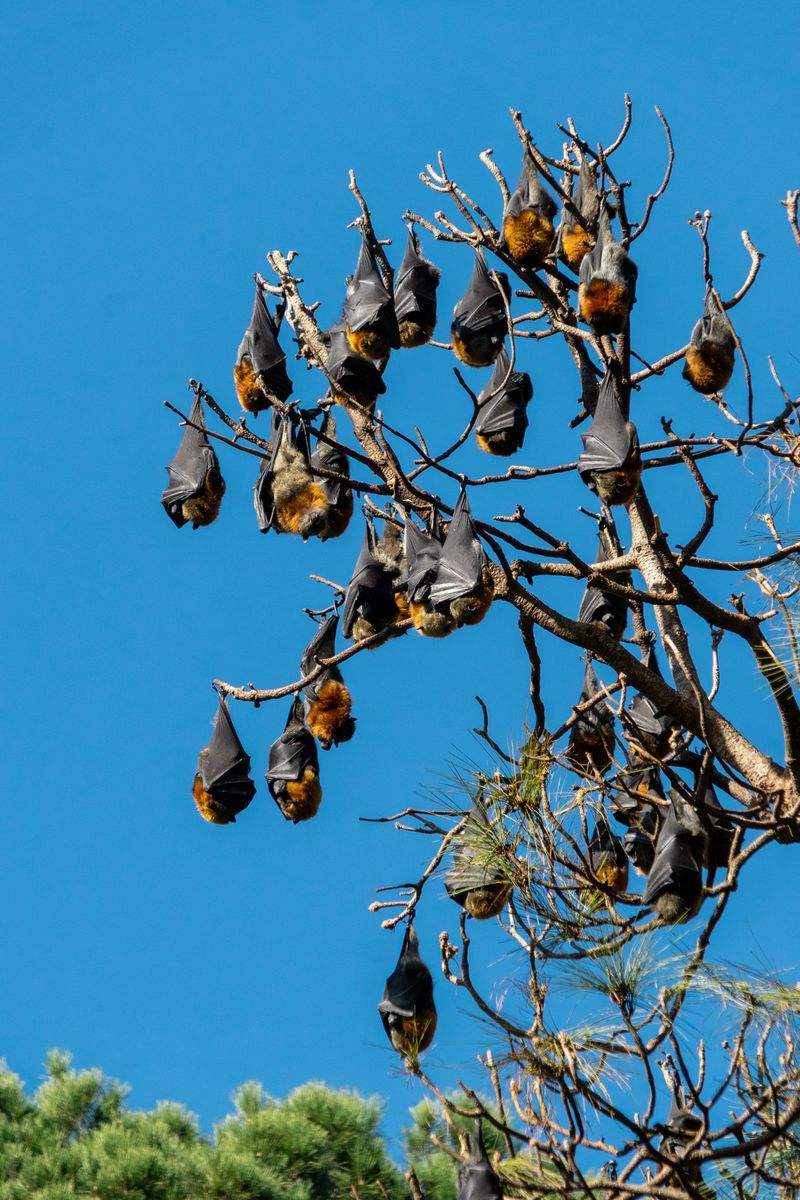
Bats flying through your yard occasionally is one thing. A full colony roosting on or near your property is a different situation that calls for closer attention.
Knowing the signs early makes everything easier to manage. Guano is the most obvious clue. Bat droppings are small, dark, and crumbly, often found in concentrated piles beneath a roost entrance.
Check under your eaves, near vents, and along window ledges for accumulation. Grease marks are another giveaway.
Bats squeeze through tiny gaps, and their fur leaves dark, oily smudges on the edges of entry points. A brown streak near a soffit gap or attic vent is a strong signal of regular bat traffic.
Chittering sounds at dusk or dawn are hard to miss once you know what to listen for. Colonies communicate constantly, especially when they are preparing to exit or return.
That high-pitched rustling from inside your wall or attic deserves a second listen. Odor can also develop over time.
A large colony produces significant guano, and in enclosed spaces like attics, the ammonia smell becomes noticeable during warm months. If your attic smells sharp and musty without an obvious cause, investigate further.
Watching your roofline at dusk for 10 minutes can confirm a colony. Bats typically exit the same gap in a steady stream just after sunset.
When bats suddenly show up at dusk in your yard every single night, that consistency often points to a nearby roost worth locating.
How To Safely Coexist With Yard Bats
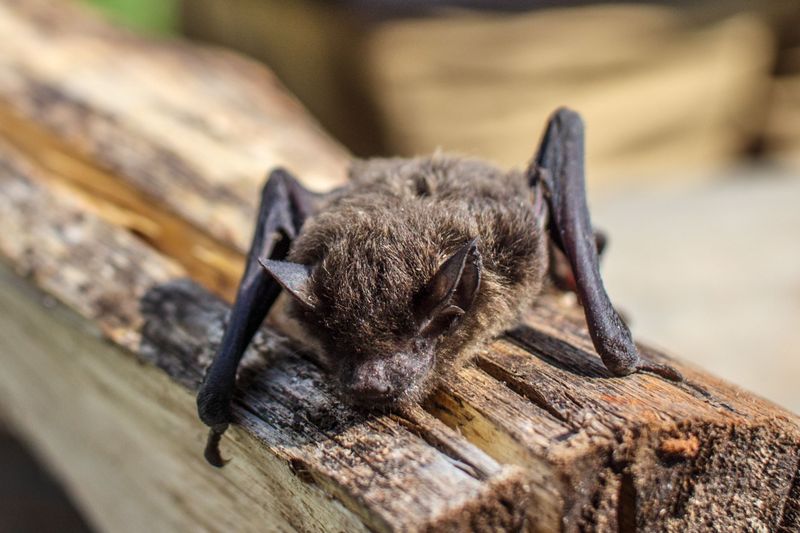
Sharing your yard with bats does not require a wildlife degree or a hazmat suit. A few simple steps make coexistence easy, safe, and genuinely rewarding for both you and your winged neighbors.
Install a bat house. These wooden boxes mimic natural roost sites and give bats a dedicated home away from your attic.
Mount them 12 to 15 feet high on a south-facing pole or structure that gets six or more hours of daily sun.
Reduce outdoor lighting where possible. Bright lights near entry points can disorient bats and disrupt their natural feeding rhythm.
Switching to motion-activated or amber-toned bulbs helps bats navigate without interference.
Leave standing snags in place when it is safe to do so. Hollow trunks and loose bark create natural roost sites that bats have used for centuries.
A standing snag at the edge of your yard is prime bat habitat worth preserving. Avoid handling bats with bare hands under any circumstances. While most bats are healthy, any wild mammal can carry disease.
If you find a grounded bat, use thick gloves or a container to relocate it safely and contact a local wildlife rehabilitator.
Plant a night garden. Evening-blooming flowers like evening primrose, a hardy perennial in Massachusetts, and moonflower, grown as an annual in this climate, attract night-flying moths.
These moths, in turn, draw more bats to your yard. Your garden becomes a self-sustaining ecosystem with very little extra effort on your part.
When bats suddenly show up at dusk in your yard, welcoming them wisely turns a surprising encounter into a lasting, beneficial relationship with nature right outside your door.