What You Must Do To Ohio Ninebark To Keep It From Getting Overgrown
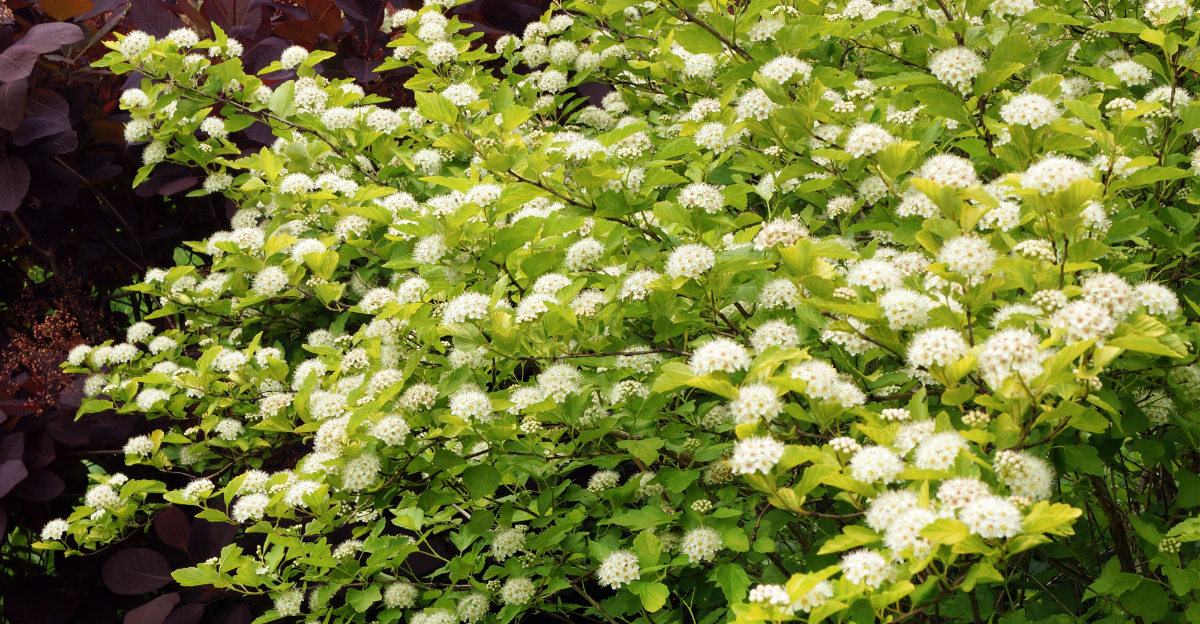
Ninebark is one of Ohio’s most rewarding native shrubs right up until it is not. It establishes fast, fills space with real purpose, and delivers seasonal interest that earns its place in the garden without much argument.
Then a few seasons pass and the plant that seemed perfectly sized starts pushing past every boundary that seemed reasonable when it went in. Overgrown ninebark is one of the more common complaints Ohio gardeners have about a shrub they otherwise love.
The growth habit that makes it so vigorous is the same one that creates the problem when nobody intervenes at the right moment. Keeping ninebark from getting out of hand is not complicated.
It comes down to one task done at the right time, in the right way, before the shrub makes decisions that are harder to walk back later in the season. Most Ohio gardeners find this out one season too late.
1. Cut The Oldest Stems At The Base
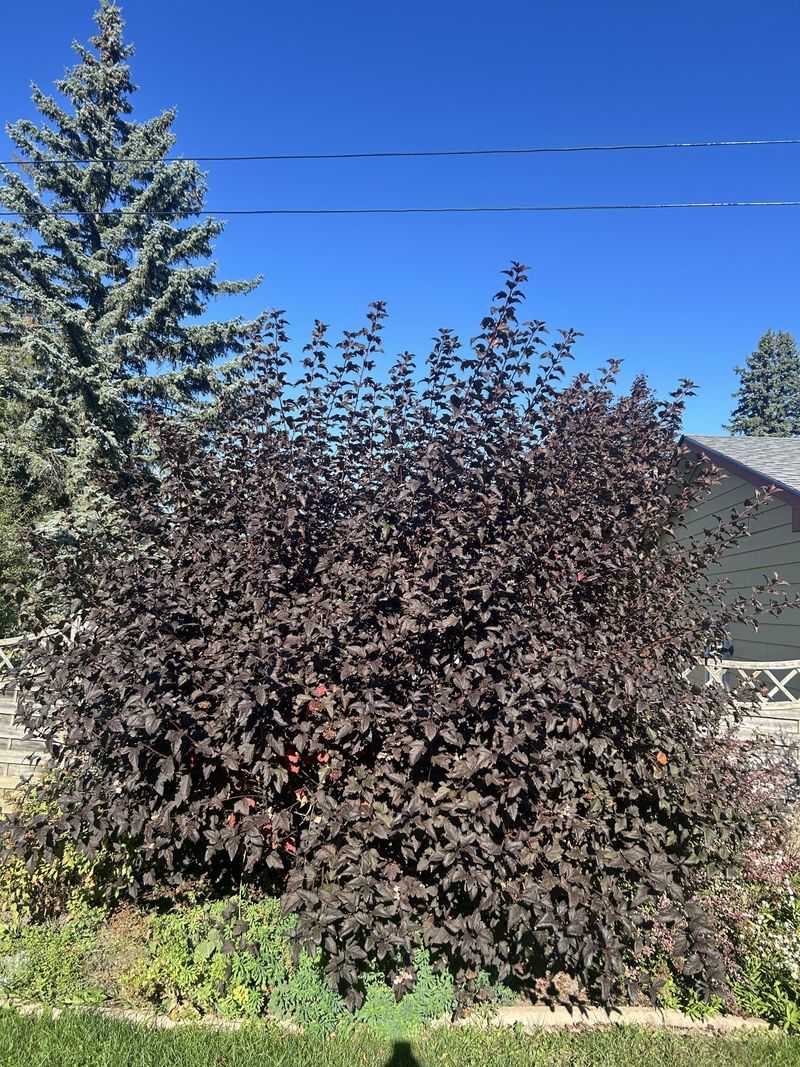
A crowded ninebark usually tells its own story. The oldest canes are the thickest, darkest ones rising from the base, often with deeply furrowed or shaggy bark that peels away in papery strips.
Those are the stems to target first when renewal pruning.
Ninebark is a multi-stemmed Ohio native shrub, and its natural growth habit produces new canes from the base each season. Removing the oldest canes near ground level reduces crowding without stripping the shrub of its shape.
University extension pruning guidance explains that this selective approach is sometimes called renewal pruning. It helps maintain a shrub’s natural form while managing its overall size.
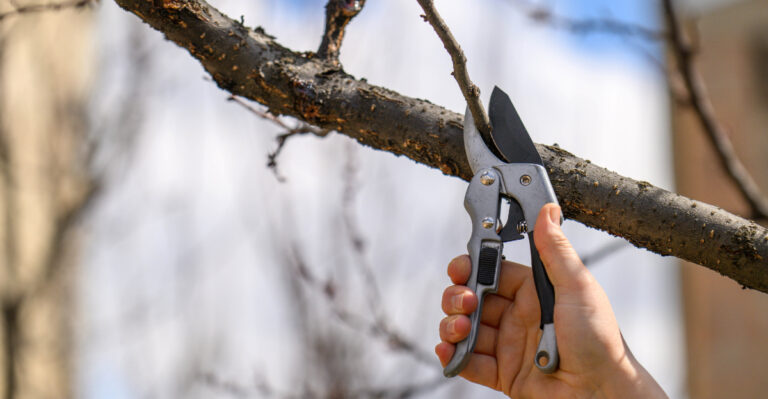
Use sharp loppers or a pruning saw to cut each old stem as close to the base as possible without nicking surrounding canes or damaging the crown. A clean cut heals better than a ragged tear.
Avoid removing more than a few of the oldest stems at one session, especially if the shrub is not severely overgrown. Spreading the work over two seasons can reduce stress on the plant.
This method differs completely from shearing the outer shell, which leaves old congested wood inside and only masks the problem rather than solving it.
2. Skip Shearing Before The Shrub Turns Boxy
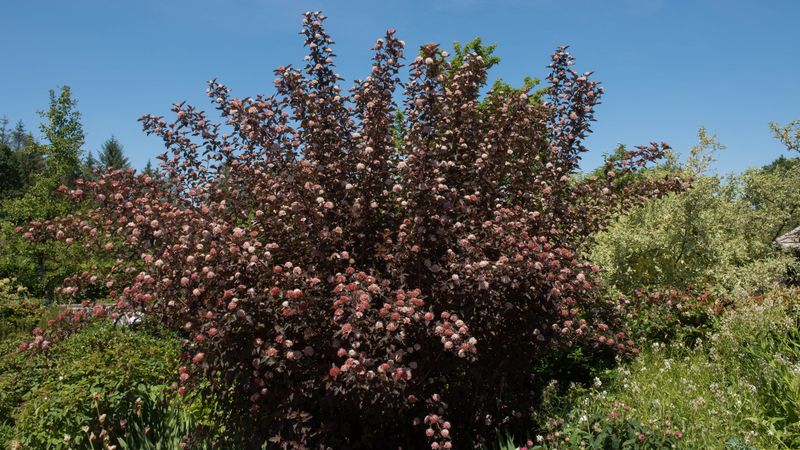
Picking up a hedge trimmer can feel like the fastest solution when a shrub starts pushing past its boundaries. For ninebark, though, shearing the outer layer often creates more problems than it solves.
The flat-top or rounded shape may look tidy for a few weeks, but the dense outer shell it creates traps old, crowded stems inside with very little light or airflow.
Ohio native shrub guidance notes that ninebark naturally grows in a loose, arching, layered form rather than a tight formal mound. Forcing it into a boxy silhouette works against its structure.
Repeated shearing can also stimulate a flush of weak, twiggy growth right at the cut points, making the outer shell even denser over time.
Before reaching for the trimmer, step back and look at the whole shrub. Follow the branch structure with your eyes.
Your Ohio Garden Changes Every Week. Your Plan Should Too.
Gardening in Ohio changes quickly throughout the season. Every Friday you’ll receive a simple weekly plan showing exactly what to plant, prune, fertilize, harvest, and protect so you never miss the right timing.
Notice where stems originate, where they arch outward, and which ones are genuinely in the way. Light tip pruning to remove a wayward branch is not always harmful, but shearing alone does not address a congested interior.
Selective removal from the base does far more to manage size and keep the shrub looking like the graceful native plant it actually is.
3. Prune Right After Bloom To Save Next Year’s Flowers
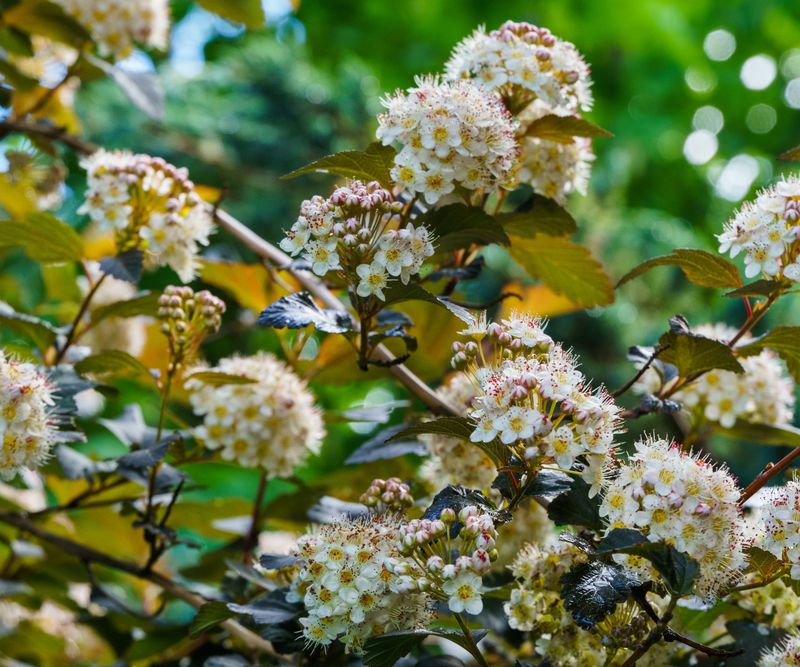
Watching those clusters of white flowers open in late spring is one of the best rewards a ninebark can offer. Protecting next year’s flower display means paying close attention to when you prune.
Horticulture experts note that ninebark blooms on old wood, meaning the buds for next season’s flowers form on stems that grew during the current year after bloom.
Pruning heavily before or during bloom removes those future buds and can significantly reduce the flower show the following spring.
The practical window for routine shaping or renewal pruning is shortly after the flowers fade, usually in late spring to early summer depending on your local conditions.
Doing the work at that point gives the shrub the rest of the growing season to push new stems that will carry next year’s buds.
Withered, damaged, or diseased wood is a different matter. Most horticulture guidance allows for removing that type of material whenever you spot it, regardless of season.
Avoid heavy structural pruning in late summer or fall, as that timing can interfere with bud development and may reduce cold hardiness on new growth.
Keeping timing in mind is one of the simplest ways to enjoy both a well-shaped shrub and a reliable flower display year after year.
4. Remove Crossing Canes Before They Crowd The Center
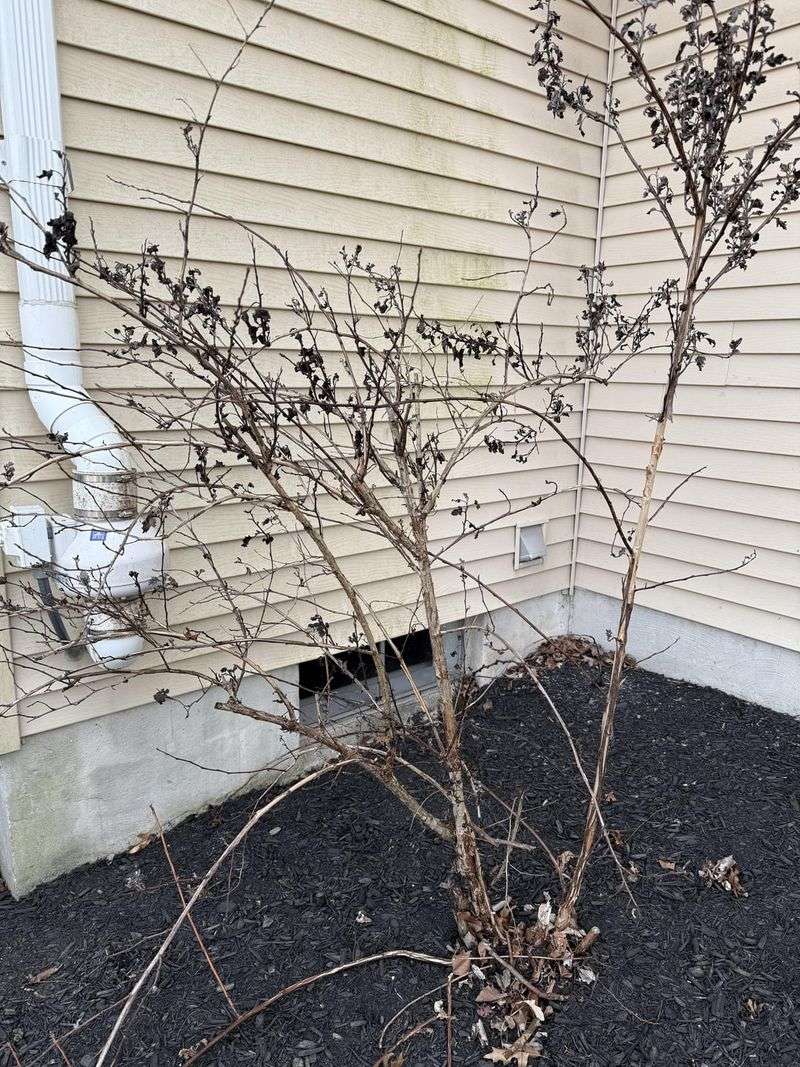
Look inside an older ninebark and you will likely spot stems that rub, cross, or grow back toward the center of the plant instead of arching outward.
Those canes can make the shrub look tangled and create friction points where bark wears away, which can invite pests or disease over time.
Selective cane removal is the steady, thoughtful approach to this problem. Rather than clipping random ends, trace each problem stem back to its origin point near the base or a natural branch junction.
Make a clean cut there using sharp bypass pruners or loppers. This removes the whole cane cleanly instead of leaving a stub that sprouts a cluster of new shoots.
Ohio native shrub guidance recommends working slowly and stepping back often during this process. Removing too many canes at once can leave the shrub looking sparse and unbalanced.
Focus on the most problematic crossers first, especially those that rub against healthy outward-arching stems. A few strategic cuts can open the plant dramatically without stripping it bare.
The goal is a shrub with stems that flow in roughly the same outward direction, giving the center room to breathe. This gives the whole plant a cleaner, more natural silhouette that reflects its true character.
5. Open The Middle For Better Airflow
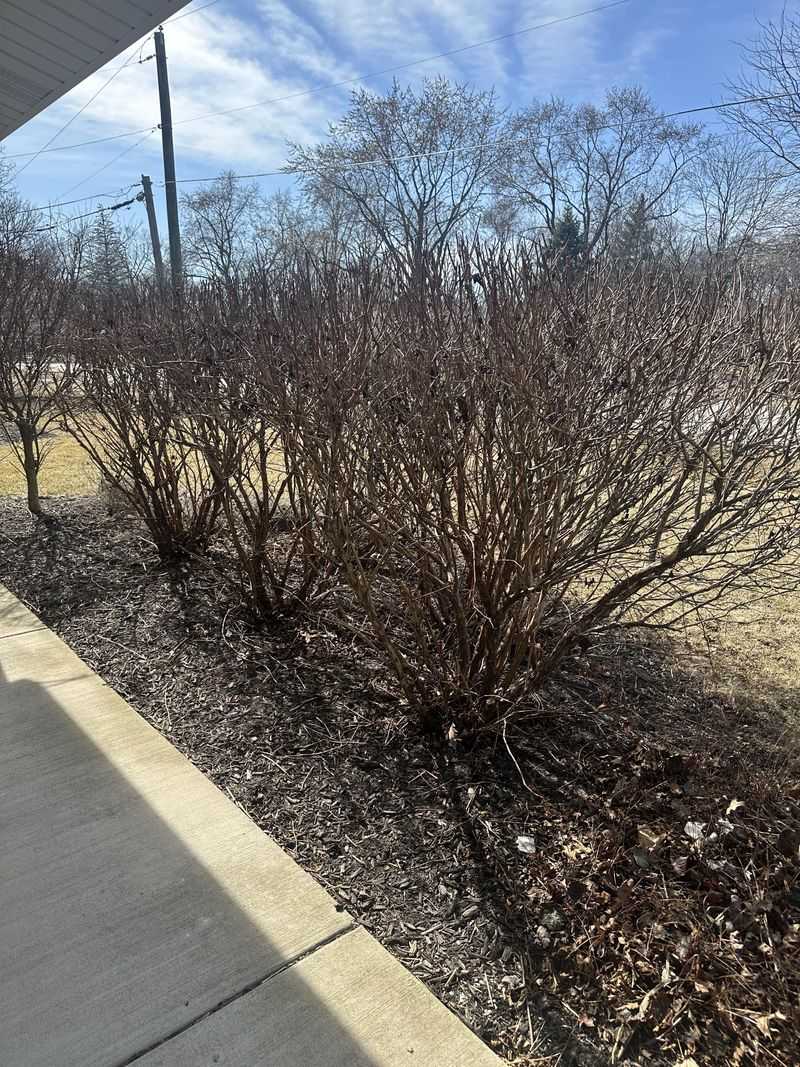
A packed center is one of the quieter problems in an overgrown shrub. When stems press tightly together, leaves in the interior stay wet longer after rain or dew, and that lingering moisture can encourage fungal issues over time.
Opening the center a bit helps air move through more freely.
Horticulture guidance notes that improved airflow helps foliage dry faster and supports overall shrub health. The process is straightforward.
Remove some of the older interior canes that are no longer contributing much to the shape or flowering. Keep the healthy, outward-arching stems that give the shrub its signature layered look.
Avoid removing so much interior growth that the shrub looks hollowed out or skeletal from a distance.
Airflow improvement is not a guaranteed cure for every disease issue a shrub might face. Other factors like soil drainage, sun exposure, and plant spacing also matter.
But opening the center is a reasonable part of good shrub maintenance that pays off in a lighter, more attractive plant. After removing a few interior canes, step back and assess the result before cutting more.
The shrub should look airier and more open without losing its full, graceful form. Small adjustments made consistently do more good than dramatic cuts made once every several years.
6. Thin One Third Instead Of Butchering The Shrub
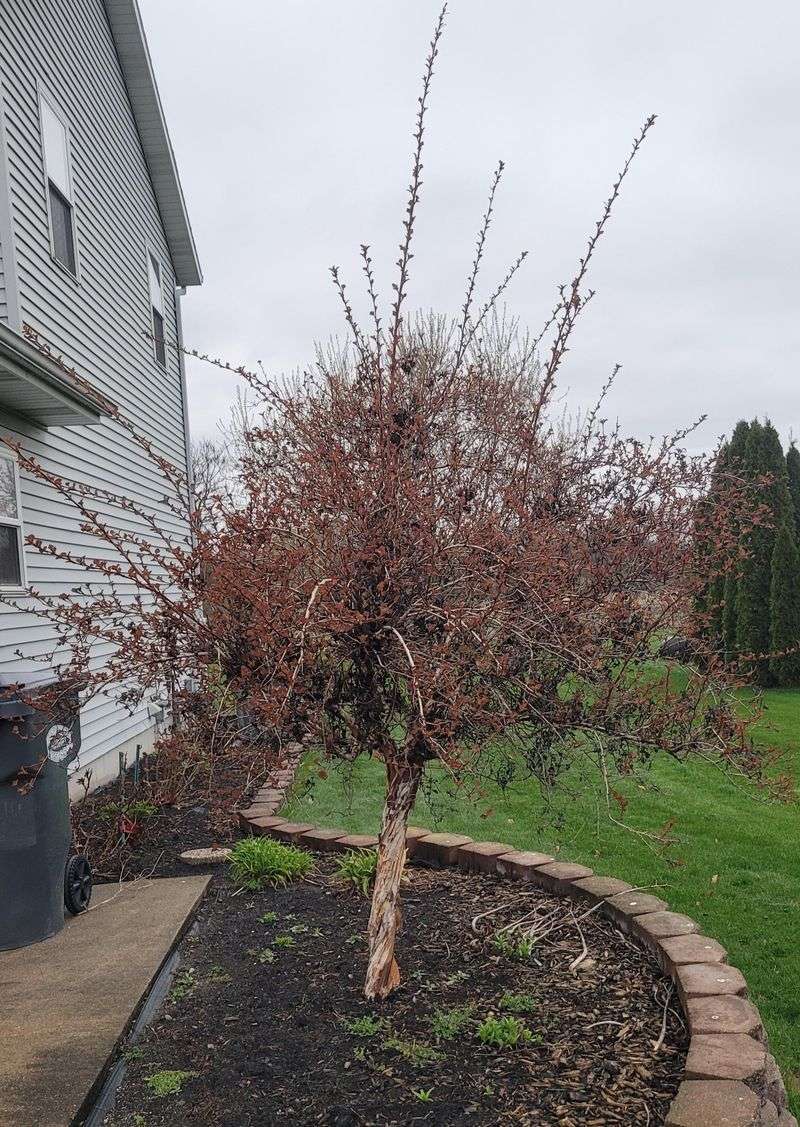
Removing too much at once can shock a shrub and set it back significantly. A widely referenced renewal-pruning guideline from university extension sources in Ohio suggests removing about one-third of the oldest stems per season.
That is better than cutting everything back at once. This gradual approach allows the plant to recover while still making meaningful progress.
For a shrub that has been neglected for many years, spreading the thinning work over two or three growing seasons may be the most sensible path. Remove the thickest, oldest canes in the first season.
Come back the following year to address the next set of problem stems. By the third season, the shrub can have a much younger, more manageable framework without ever looking stripped or abandoned.
Stop before the plant looks bare. That is the most important checkpoint during any thinning session.
Count the remaining stems and assess the overall silhouette before making another cut. The one-third guideline is a helpful starting point, not a rigid law that applies equally to every ninebark in every yard.
A compact cultivar in a small bed may need less removal than a full-sized species growing in an open landscape. Adjust your approach based on what the plant actually looks like after each round of cuts, not just on a fixed number.
7. Use Winter Rejuvenation Only For Severe Overgrowth
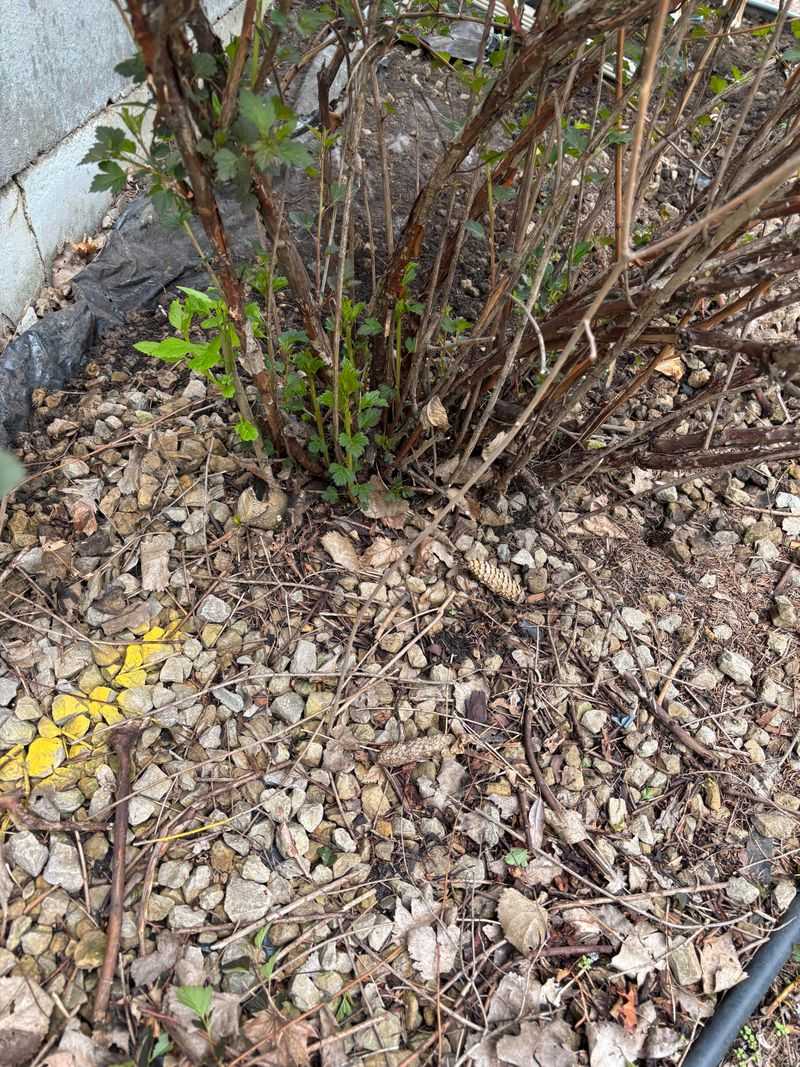
Some ninebarks reach a point where gradual renewal pruning is not enough. A shrub that has gone unpruned for a decade may benefit from a more drastic reset.
The same may be true for one that has been sheared into a dense boxy shell with almost no young growth inside. Rejuvenation pruning, which involves cutting the entire shrub back very low, is that reset.
Botanical garden sources note that healthy, well-established shrubs can often tolerate this type of hard pruning and will push vigorous new growth from the base.
Late winter or very early spring, before new growth begins, is the timing most commonly cited by horticulture guidance for this type of work.
However, blooms will likely be reduced or absent the season immediately after a full rejuvenation cut. That is because the flowering wood is removed along with everything else.
Reserve this approach for shrubs that genuinely need it. A stressed, recently transplanted, or poorly sited ninebark is not a strong candidate for aggressive cutback.
Weak plants need time to stabilize before handling that level of disruption. Rejuvenation pruning is also not a routine annual practice.
Think of it as a one-time or occasional reset for a shrub in serious trouble. It is not a substitute for the steady, gentle renewal pruning that keeps a healthy ninebark manageable season after season.
8. Keep Ninebark Natural With Yearly Editing
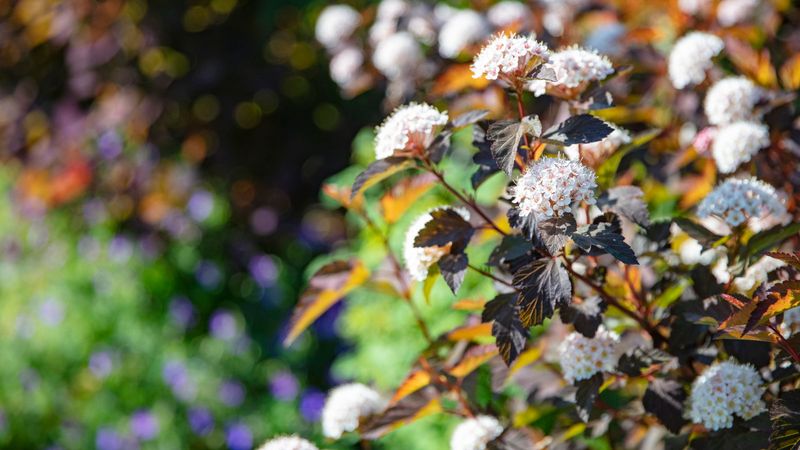
Steady, light editing beats dramatic emergency pruning every time. A ninebark that gets a little attention each year after bloom rarely turns into the hulking wall of stems that homeowners dread.
The key is building a simple habit rather than waiting for a crisis.
After flowers fade each season, walk around the shrub and look it over honestly. Pull out a few of the oldest canes at the base.
Cut away any withered, damaged, or broken wood you notice. Check whether any stems are crossing or pressing against a fence, a window, or a neighboring plant.
Those small adjustments, made consistently, keep the framework young and the silhouette graceful.
Pay attention to the mature size listed for your specific cultivar. Compact varieties like ‘Nanus’ stay much smaller than the straight species, which can reach eight to ten feet tall and wide in favorable conditions.
Giving the shrub enough room to arch naturally from the start reduces how much pruning it will ever need. When a ninebark is sited well, pruned from the base rather than sheared into a box, and checked once a year, it stays exactly what it was always meant to be.
It remains a tough, beautiful native shrub that earns its place in the landscape season after season.