What It Really Means When Hummingbirds Stop Visiting Your Michigan Garden Mid-Summer
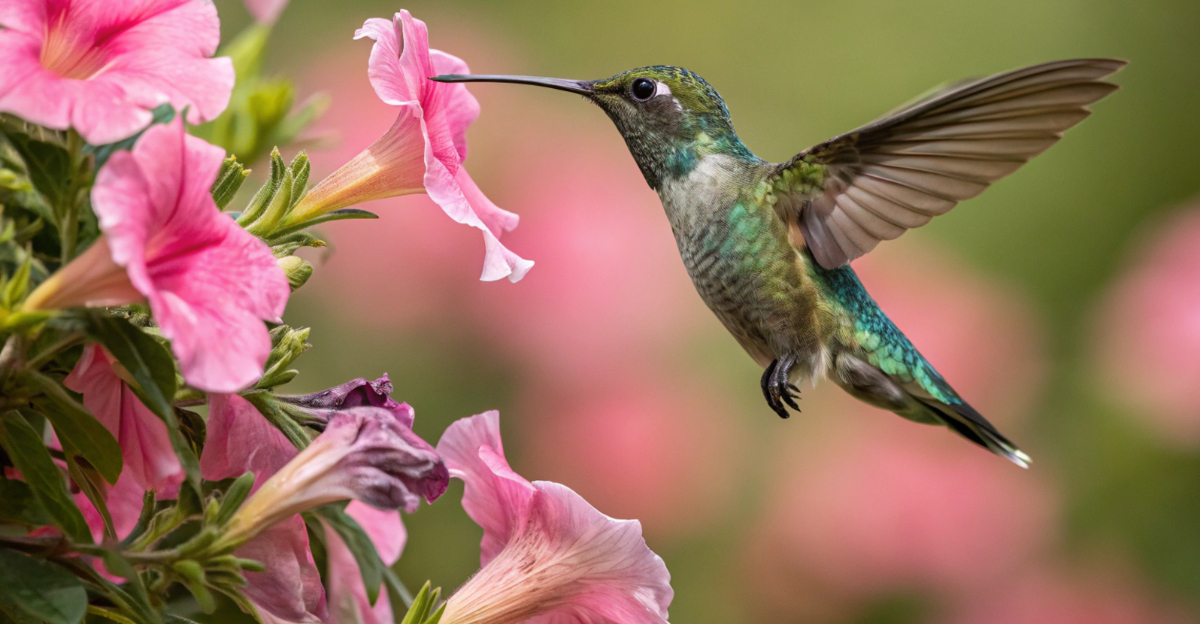
A hummingbird that visited the same garden daily for weeks and then disappeared without explanation is not a mystery without an answer.
Hummingbirds make calculated decisions about where to spend their foraging energy, and when a reliable stop suddenly gets removed from their route, something specific changed to make it less worthwhile.
Michigan’s midsummer shift in bloom availability, nectar concentration, and garden conditions creates predictable changes in hummingbird movement that most gardeners interpret as abandonment when it is actually navigation.
Understanding what drove the departure points directly toward what needs to change in the garden to bring consistent hummingbird traffic back through the rest of the season.
1. They May Be Nesting Nearby But Visiting Less Often
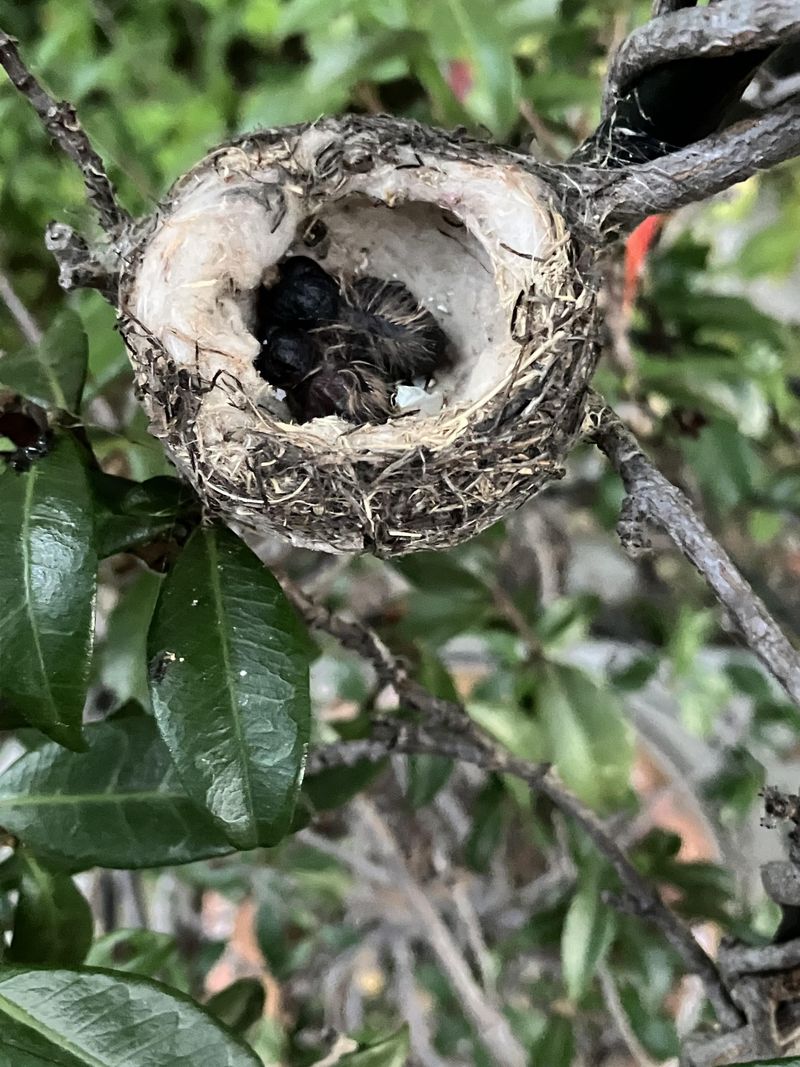
Spotting fewer hummingbirds at your feeder does not always mean they packed up and flew south. In Michigan, female ruby-throated hummingbirds spend a significant chunk of mid-summer focused entirely on nesting.
They build their tiny, walnut-sized nests in sheltered trees and shrubs, often hidden so well that even experienced birders walk right past them.
During nesting season, a female hummingbird shifts her priorities. She still needs nectar, but she also moves between her nest, nearby insect sources, and various flower patches throughout the day.
Her visits to any single feeder become shorter and less predictable. You might only catch a quick glimpse of her early in the morning or right before sunset.
Male hummingbirds, meanwhile, are less involved in raising young. They can wander across a wider territory, so you may see them even less consistently.
Both sexes are still very much around, just operating on a schedule that does not revolve around your feeder anymore.
A good way to spot them is to watch quietly from a distance rather than checking the feeder every few minutes. Look toward the edges of your yard where tall shrubs and small trees meet open space.
Hummingbirds love these transition zones. If you notice fast, low flights through your yard or hear that distinctive high-pitched chatter near a tree, chances are a nesting bird is closer than you realize.
Fewer feeder visits in mid-summer can actually be a sign that your garden is doing exactly what it should.
2. Fresh Flowers May Be Pulling Them Away
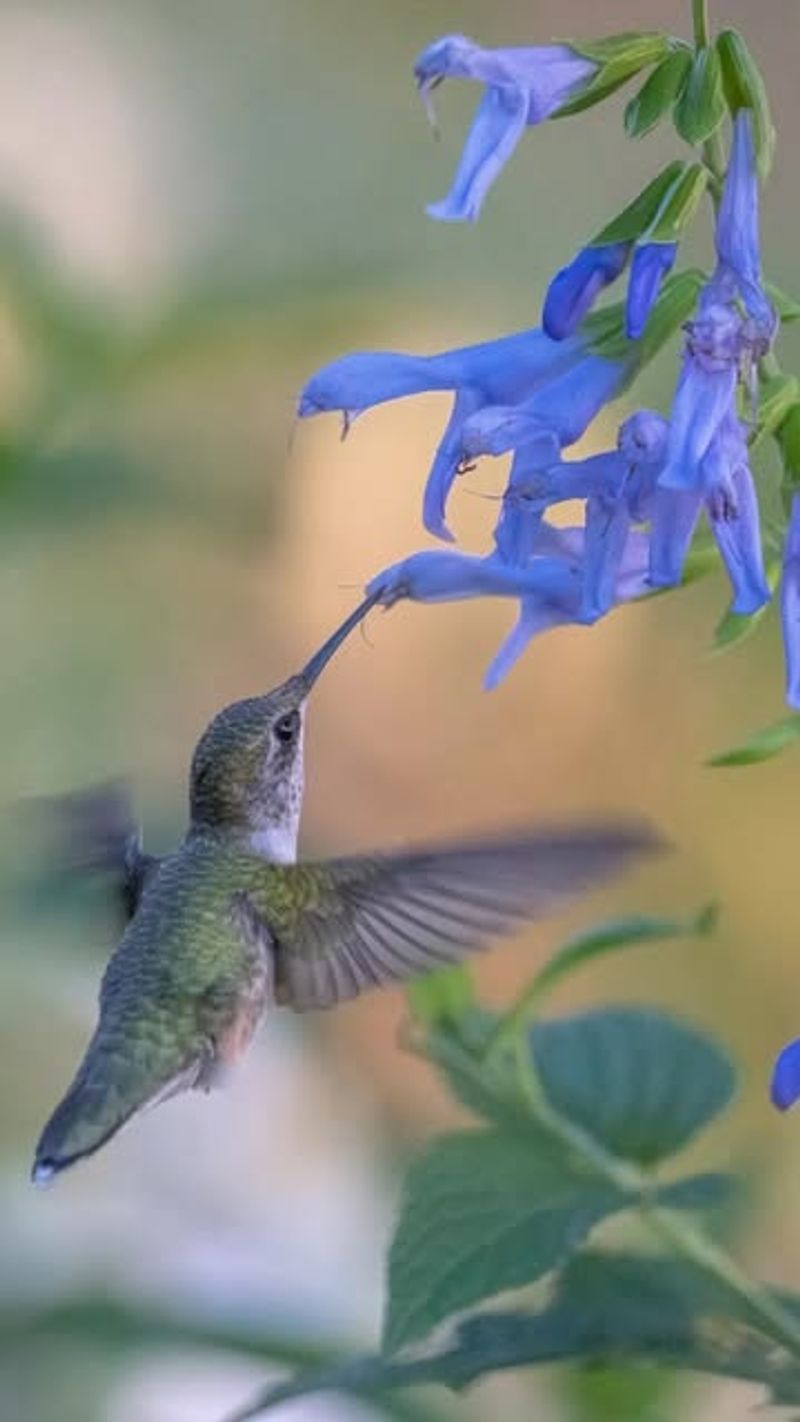
Hummingbirds are not loyal to one food source when something better opens up nearby. In mid-summer across Michigan, a wave of nectar-rich blooms tends to hit all at once.
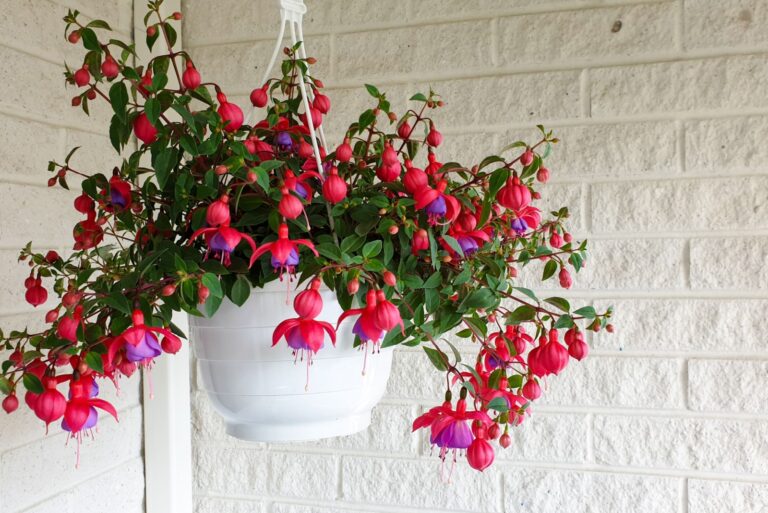
Bee balm, cardinal flower, trumpet honeysuckle, and wild bergamot can all start flowering around the same time, and to a hummingbird, a fresh tubular flower often beats a feeder filled with sugar water.
Ruby-throated hummingbirds are wired to follow blooming cycles. They remember which flowers are producing nectar and adjust their daily routes accordingly.
If a neighbor planted a big patch of bee balm two houses down, your hummingbirds may simply be swinging by there more often right now. It is not personal, it is just efficient foraging.
The good news is you can bring that energy back to your own yard. Planting a rotating selection of nectar-rich, tubular flowers that bloom at different times through the summer keeps your garden competitive.
Your Michigan Garden Changes Every Week. Your Plan Should Too.
Gardening in Michigan changes quickly throughout the season. Every Friday you’ll receive a simple weekly plan showing exactly what to plant, prune, fertilize, harvest, and protect so you never miss the right timing.
Cardinal flower is especially effective in Michigan because it blooms later in the season when other sources start fading. Trumpet honeysuckle climbing a trellis adds vertical interest and attracts hummingbirds from a surprising distance.
Mixing native plants with your feeders gives hummingbirds multiple reasons to keep your garden on their daily route. Think of it as building a hummingbird buffet that stays fresh and interesting all season long.
Once the flowers nearby finish blooming, your garden will likely see more action again. Keeping a variety of plants going is the most reliable way to hold their attention through the whole summer.
3. The Feeder Nectar May Be Spoiling In Heat
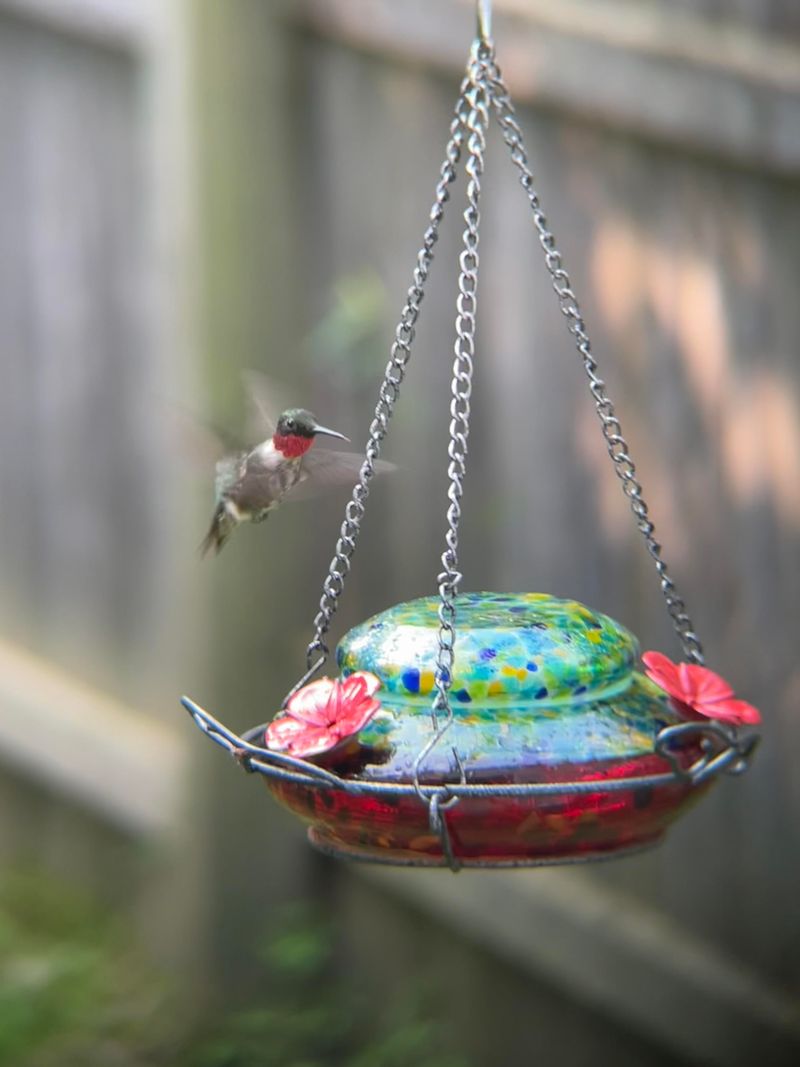
Michigan summers can get surprisingly hot, and that heat does a number on feeder nectar faster than most people expect. Sugar water left in a feeder during warm weather can start fermenting in as little as two days.
When that happens, the nectar turns cloudy, develops a sour smell, and sometimes even grows visible mold. Hummingbirds have a sharp sense of smell and taste, and they will simply stop visiting a feeder that does not smell right.
Checking your feeder regularly is one of the most important things you can do during a Michigan heat wave. On days above 80 degrees Fahrenheit, plan to change the nectar every one to two days.
Rinse the feeder thoroughly with hot water each time, scrubbing out any residue inside the ports and reservoir. Avoid soap if possible, since residue can linger and repel birds.
The right nectar recipe is simple and reliable. Mix one part plain white granulated sugar with four parts water.
There is no need to boil the water, though some gardeners prefer to in order to slow fermentation slightly. Skip the red food dye entirely.
It adds nothing useful and may not be good for the birds. The red color on the feeder itself is enough to attract them.
Placing your feeder in a shaded spot during the hottest part of the day also helps the nectar stay fresh longer. Even partial afternoon shade can make a real difference.
A clean feeder with fresh nectar is genuinely one of the easiest ways to keep hummingbirds coming back consistently all summer long.
4. One Bossy Bird May Be Guarding The Feeder
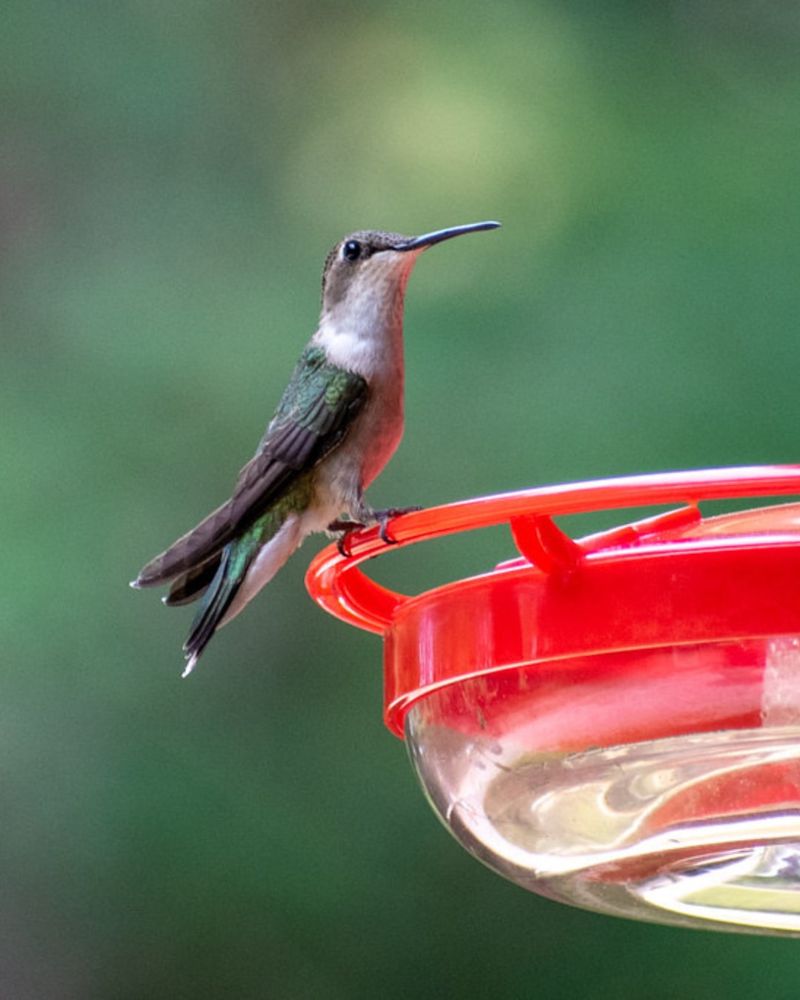
Sometimes the problem is not that the hummingbirds are gone. The problem is that one very determined bird is running everyone else off.
Ruby-throated hummingbirds are famously territorial, and a single dominant male can spend more energy chasing rivals away from a feeder than actually drinking from it. If you only have one feeder, that one bossy bird controls access completely.
From a distance, this can look like low hummingbird activity. You might see just one bird occasionally, while several others are actually waiting in nearby shrubs or trees, watching for their chance.
The dominant bird perches somewhere with a clear line of sight and makes quick, aggressive dives at any hummingbird that comes close. It is impressive behavior, but it does not make for a very welcoming garden setup.
The most effective solution is surprisingly simple. Add more feeders and spread them out. Place two or three feeders in spots where they cannot all be seen from one perch.
A territorial bird can only guard what it can see, so putting feeders around a corner of the house, on opposite sides of the yard, or at different heights makes it physically impossible for one bird to monopolize all of them.
This approach tends to increase the total number of hummingbirds you see rather than just spreading the same birds around. More birds discover your yard, and word seems to travel fast in the hummingbird world.
Multiple feeders in separate locations is one of the most consistently recommended tips from experienced birders and backyard wildlife enthusiasts across Michigan.
5. Insects May Be More Important Right Now
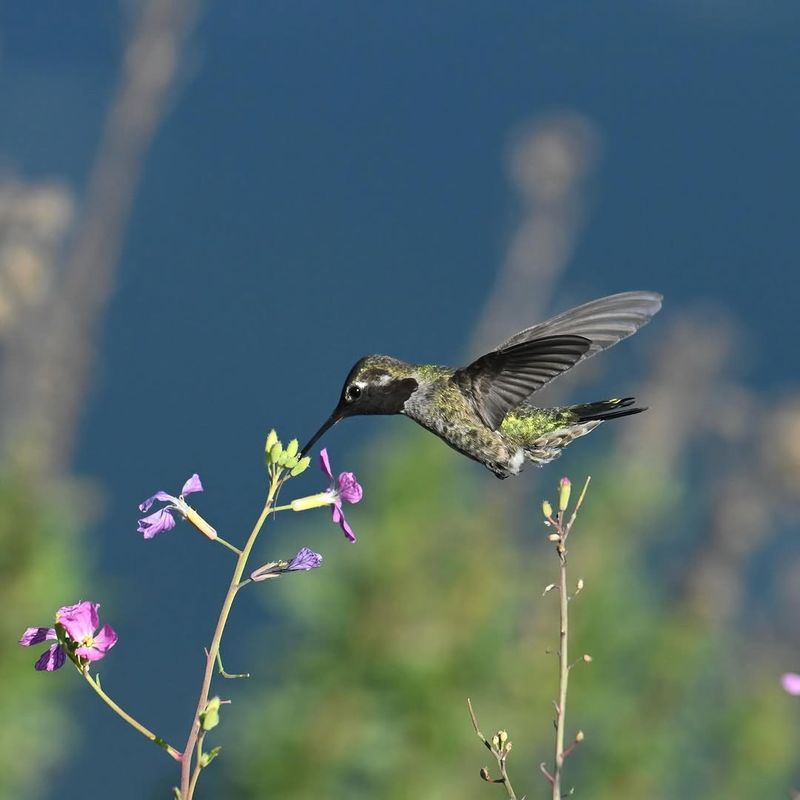
Most people think of hummingbirds as pure nectar drinkers, but the full picture is a lot more interesting. Insects make up a surprisingly large part of a hummingbird’s diet, especially during mid-summer.
They eat tiny gnats, aphids, fruit flies, spiders, and other small insects to get the protein and fat their bodies need. Nectar provides quick energy, but insects provide the nutrition that keeps them strong and supports growing chicks.
During mid-summer, when nesting is active and young birds are developing, hummingbirds shift more of their foraging time toward insect-rich areas.
Shrub borders, woodland edges, damp spots near water features, and areas with leaf litter tend to attract the tiny insects hummingbirds hunt.
Your garden feeder might simply be lower on the priority list right now because the protein hunt is more urgent.
This is a great reason to think carefully about pesticide use around your yard. Broad-spectrum insect sprays can wipe out the exact tiny insects hummingbirds depend on, and the birds learn quickly which areas have reliable food and which do not.
Keeping at least part of your yard pesticide-free creates a healthier foraging environment that hummingbirds genuinely appreciate.
Adding a small water feature or even a shallow dish of water near shrubs can attract more insects and make your yard even more appealing. Hummingbirds also use water to bathe and drink, so a gentle mister or dripper near plants pulls double duty.
Thinking of your garden as a complete habitat rather than just a feeder station makes a real difference in how often hummingbirds choose to spend time there.
6. Early Male Movement May Be Starting
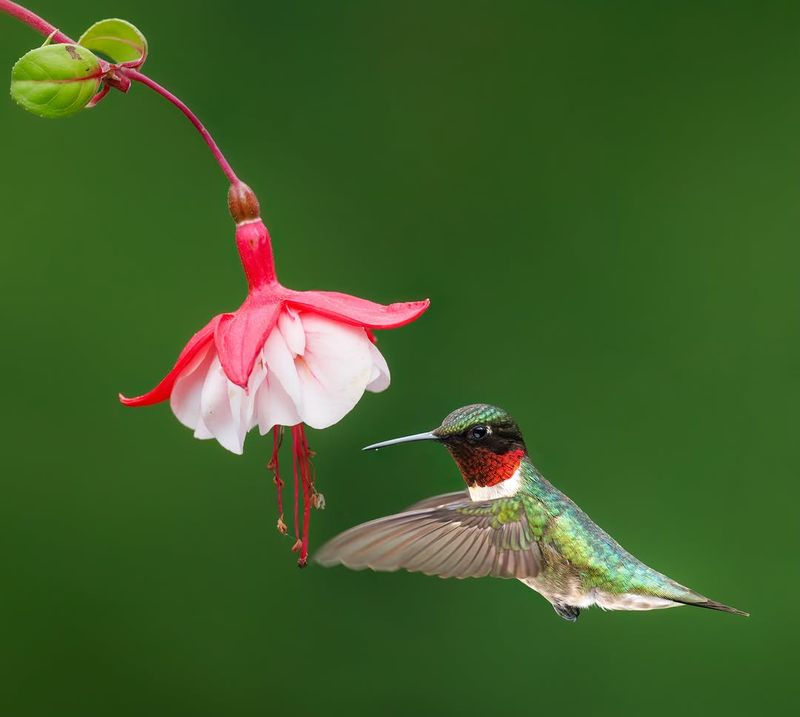
July can feel like deep summer in Michigan, but for some hummingbirds, the internal calendar is already starting to shift.
Male ruby-throated hummingbirds are generally the first to begin moving south, and in some years and some locations, that movement can start as early as mid to late July.
If the male that was visiting your yard regularly suddenly seems less present, this could be part of the explanation.
It is worth being careful about drawing firm conclusions here, because timing varies quite a bit depending on the year, local weather patterns, and individual birds.
Most noticeable migration activity for ruby-throated hummingbirds in Michigan tends to pick up more obviously in August and into early September.
But some males do quietly slip away earlier, and gardeners sometimes notice a gap in activity before the females and juveniles pass through.
Females and young birds from this season’s nests tend to linger longer and migrate a bit later. So even if the flashy males become scarce, you may still have females and juveniles moving through your yard well into September.
Keeping your feeders clean and stocked through that window is genuinely worthwhile.
Watching the pattern over multiple summers gives you a better feel for what is normal in your specific part of Michigan.
Keeping a simple garden journal with notes on when you first see hummingbirds in spring and when visits slow down in late summer helps you track these patterns over time.
That kind of observation turns a backyard hobby into something surprisingly rewarding and informative year after year.
7. The Garden May Need A Mid Summer Refresh
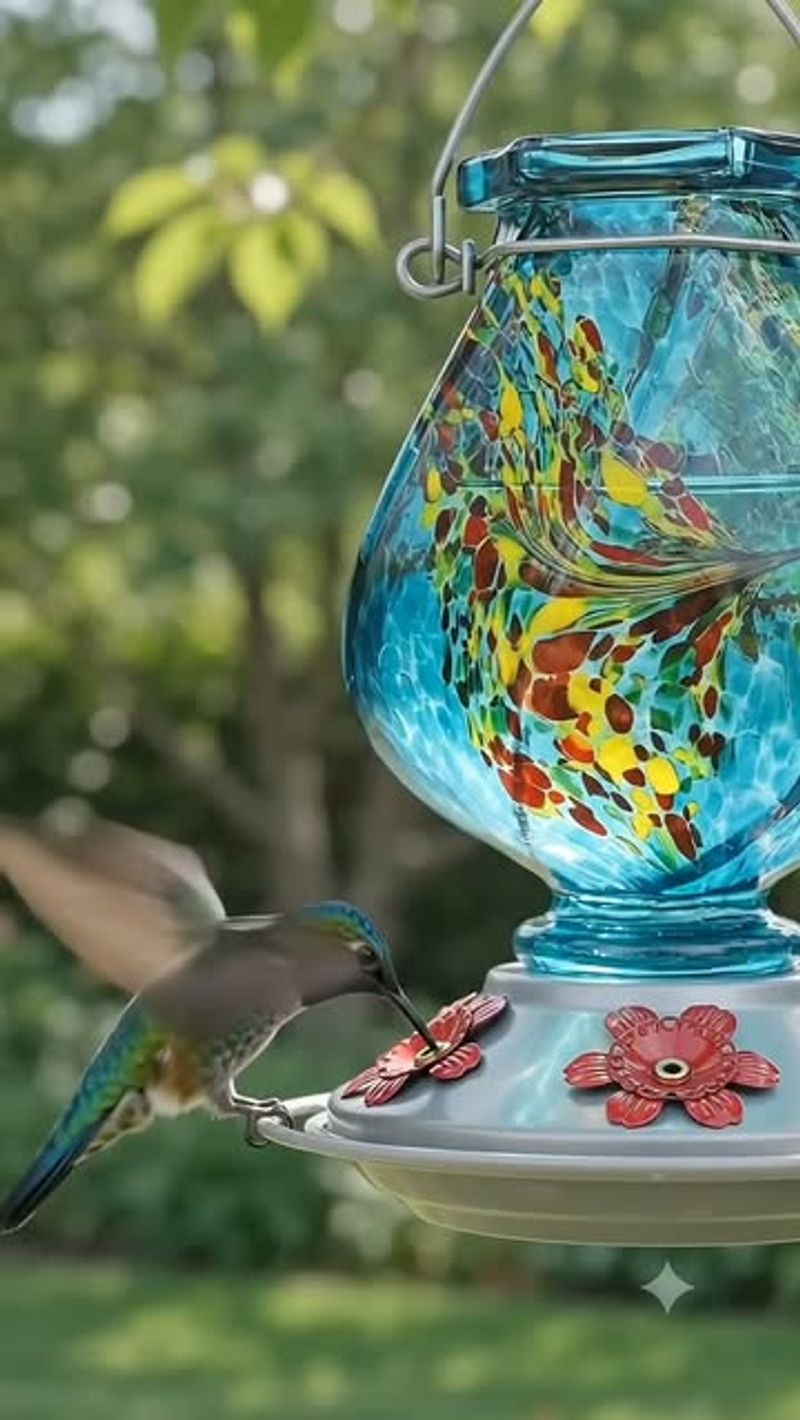
Before you assume the hummingbirds have moved on for good, take a walk around your garden with fresh eyes. Mid-summer is actually a perfect moment to do a quick assessment and make a few easy improvements that can bring the birds back surprisingly fast.
Small changes add up quickly when you approach it with a little intention.
Start with the feeder. Take it down, scrub it thoroughly, and refill it with fresh nectar using the one-to-four sugar-to-water ratio.
Check the ports for any buildup or discoloration. A clean, freshly filled feeder is often all it takes to renew a hummingbird’s interest in your yard.
While you are at it, consider adding a second feeder in a different spot to give more birds access.
Next, look at your plants. Mid-summer is when early bloomers start fading, so adding a few late-season nectar plants like cardinal flower, salvia, or agastache can bridge the gap and keep your garden productive.
Removing spent blooms encourages some plants to produce new flowers and more nectar. A garden that keeps offering something fresh stays on a hummingbird’s radar.
Shelter matters more than people realize. Dense shrubs, small trees, and even tall ornamental grasses give hummingbirds places to rest, hide from predators, and watch over their territory.
A yard with both food and cover feels safe to them. Try watching your garden at different times of day before drawing any conclusions.
Early morning and the hour before sunset tend to be peak activity windows, and you might be surprised at what you have been missing.