The Overlooked Texas Perennial That Makes Rats Less Welcome In Backyard Garden Areas
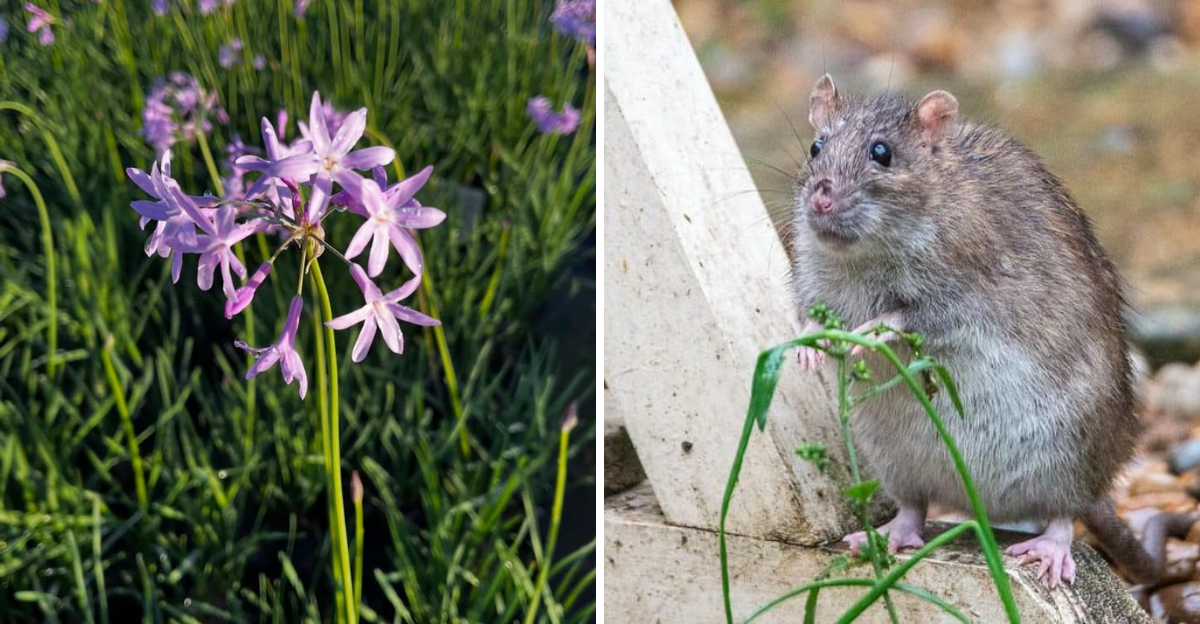
Rats in backyard garden areas are one of those problems that tend to get worse the longer you ignore them.
They’re quiet, they work at night, and by the time most homeowners realize they have a real situation on their hands, the rats have already made themselves very comfortable.
Traps and bait stations are the typical response, but they require constant upkeep and come with real concerns around kids and pets. Most Texas gardeners have never thought about plants as part of the solution.
But they should. There’s a Texas perennial that rats consistently avoid, thanks to the natural compounds it produces that overwhelm their highly sensitive sense of smell.
Plant it in the right spots around your garden and you create an environment that rats find genuinely uninviting. It’s low maintenance, drought tolerant, and attractive enough to earn its spot on looks alone. The rat deterring is just a bonus.
Meet Society Garlic
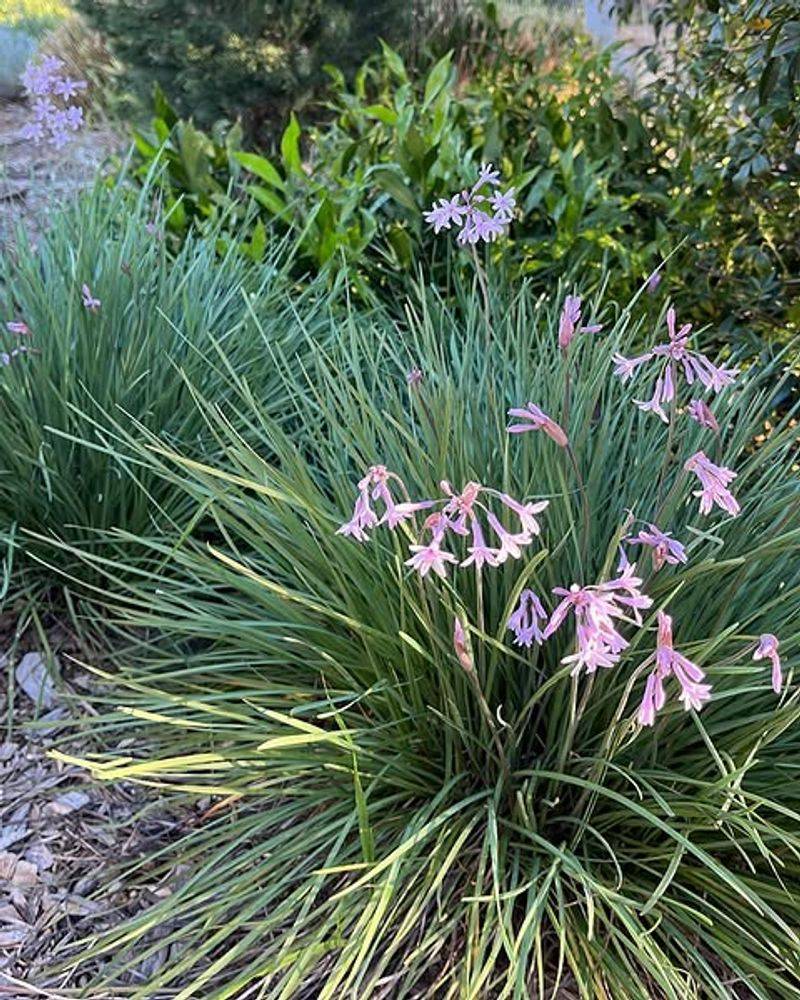
Not every garden hero looks the part, but society garlic quietly earns its place in Texas yards season after season. Known scientifically as Tulbaghia violacea, this tough perennial produces clusters of soft lavender-purple flowers that bloom from spring well into fall.
The strap-like, gray-green leaves stay attractive even when the plant is not in bloom, making it a reliable filler in borders and beds.
What sets society garlic apart from other flowering perennials is its smell. Brush against the leaves, step on them by accident, or trim them back, and you will immediately notice a sharp, unmistakable garlic odor.
That scent is not just a quirky trait. It comes from sulfur compounds naturally produced by the plant, the same family of chemicals that gives culinary garlic its punch.
Rats have sensitive noses that are far more powerful than ours. A garden area that carries a persistent garlic scent can feel less inviting to them, especially along edges where they like to travel.
Society garlic will not single-handedly solve a rodent problem, but it adds a sensory layer that works quietly in the background. Plant it along borders, pathways, or garden edges and let the natural scent do some of the work for you.
It is one of those low-maintenance plants that earns its keep in more ways than one, looking beautiful while quietly making your garden a little less appealing to unwanted visitors.
Why Rats Are Drawn To Backyard Gardens
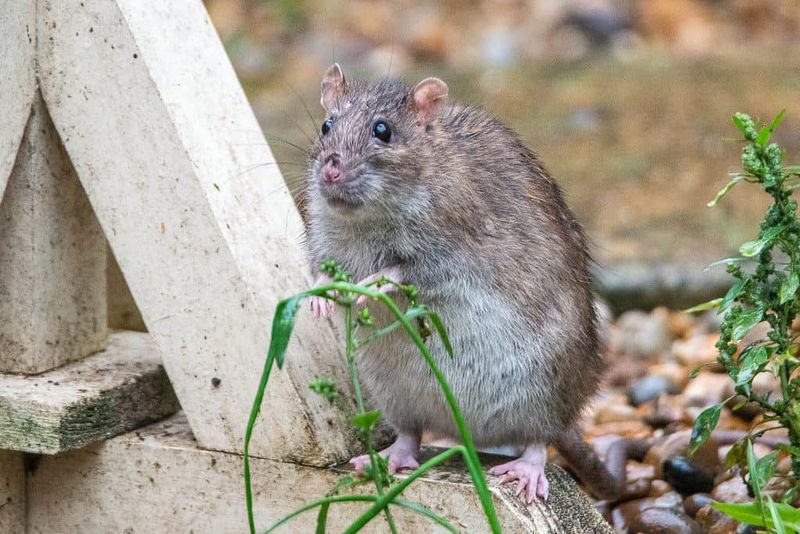
Rats are practical creatures. They show up where food, water, and shelter are easy to find, and a typical backyard garden offers all three without much effort on their part.
Understanding what pulls them in is the first step toward making your yard less attractive to them.
Food is the biggest draw. Fallen fruit left on the ground, birdseed dropped below feeders, pet food left outdoors overnight, and open compost bins filled with kitchen scraps are all reliable food sources for hungry rodents.
They are not picky eaters, and they will return to any spot that has fed them before. Vegetable gardens are especially appealing because they offer fresh produce at ground level, which is easy to reach.
Your Texas Garden Changes Every Week. Your Plan Should Too.
Gardening in Texas changes quickly throughout the season. Every Friday you’ll receive a simple weekly plan showing exactly what to plant, prune, fertilize, harvest, and protect so you never miss the right timing.
Water is another magnet. Leaky irrigation lines, clogged gutters that hold puddles, and pet water bowls left outside give rats a consistent water supply that keeps them coming back.
Even small amounts of standing water can be enough to support a local rodent population through dry Texas summers.
Shelter rounds out the picture. Dense groundcover, wood piles stacked against fences, cluttered storage areas under decks, and gaps around sheds or garden structures all create cozy hiding spots.
Rats prefer to travel close to walls and dense cover because it keeps them hidden from predators. Once they find a spot that offers food, water, and shelter all in one place, they tend to settle in quickly.
Removing even one of these attractants can make your yard noticeably less appealing to rodents over time.
How Society Garlic May Help Discourage Rats
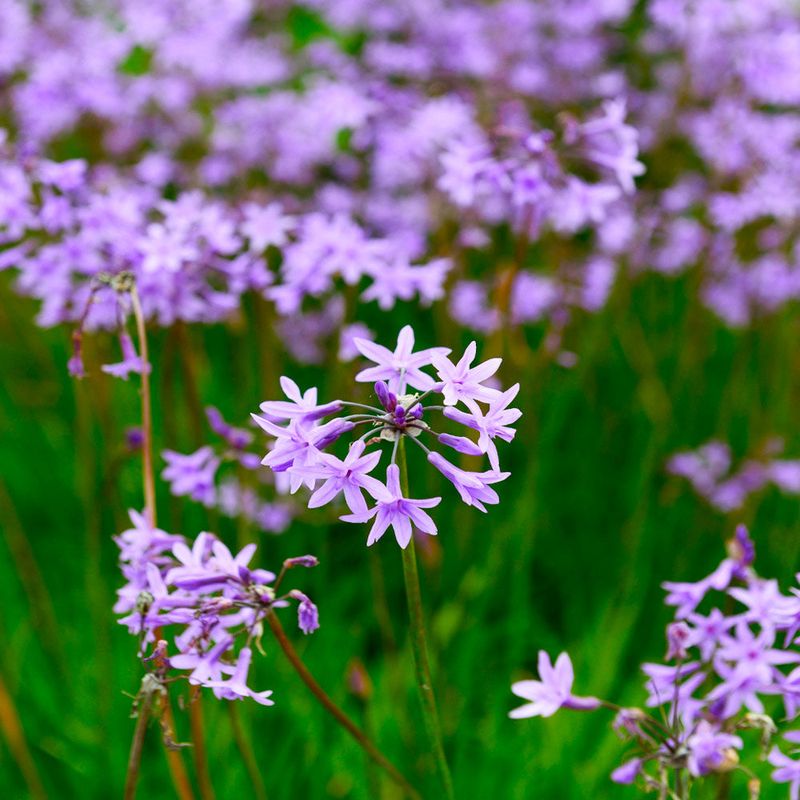
Smell is one of the most powerful tools a rat uses to navigate the world. Rats depend on scent to locate food, recognize safe pathways, and detect danger.
When a familiar route suddenly carries an unfamiliar or overwhelming odor, many rodents will choose to go around it rather than through it. That is where society garlic comes into play.
Every time the wind blows, a lawn mower clips nearby, or a person brushes past the plant, society garlic releases its sharp garlic-like fragrance into the surrounding air.
The sulfur compounds responsible for that smell are the same ones found in onions and garlic used in cooking.
To a rat with a highly sensitive nose, a dense planting of society garlic along a garden edge can create an olfactory barrier that feels worth avoiding.
It is important to keep expectations realistic here. Society garlic is not a guaranteed rodent repellent, and a truly determined rat that is hungry enough will push through most obstacles.
Think of it more like an extra layer of discouragement rather than a solid fence. Planting it in areas where rats are known to travel, like along fence lines, raised bed borders, or near compost areas, gives the scent the best chance to do its job.
Combining the plant with good sanitation habits multiplies the effect significantly. On its own, society garlic adds a pleasant, low-effort sensory deterrent that costs little to maintain and looks attractive in the process.
Where To Plant Society Garlic For Best Results
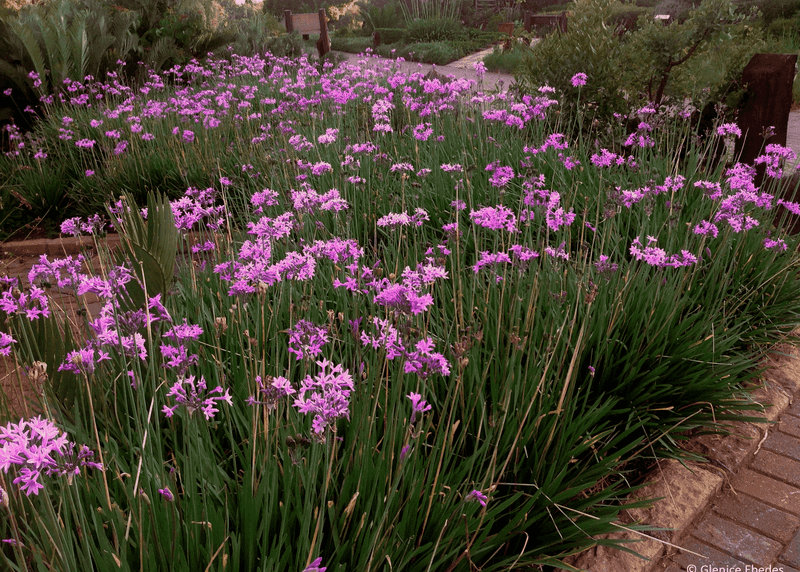
Placement matters a lot when you are using society garlic as part of a rodent-discouraging strategy. A single plant tucked into a corner will not produce nearly the same effect as a row of plants massed along a garden perimeter.
The goal is to create a consistent scent barrier, and that means thinking strategically about where you put them.
Raised bed edges are one of the best spots. Rats often patrol the edges of garden beds looking for easy access to vegetables and fruit.
Planting society garlic along those edges gives them an aromatic reason to move on. Fence lines are another smart location, especially if you have noticed signs of rodent activity along a particular stretch of your yard.
Garden paths and patio borders work well too, since foot traffic and brushing against the leaves releases the scent regularly and keeps it active.
Compost area edges deserve special attention. Compost bins are major rodent attractants, and ringing them with society garlic creates a scented perimeter right where it matters most.
Vegetable garden borders benefit from the same approach. When massing plants, aim for groups of at least three to five plants per section to create a noticeable aromatic presence.
Spacing them about twelve to fifteen inches apart allows them to fill in naturally over one to two growing seasons. Once established, they spread slowly through offsets and require very little attention.
The combination of visual appeal and ongoing scent makes massed plantings far more effective than scattered individual plants spread across a large area.
Why Society Garlic Works Well In Texas Gardens
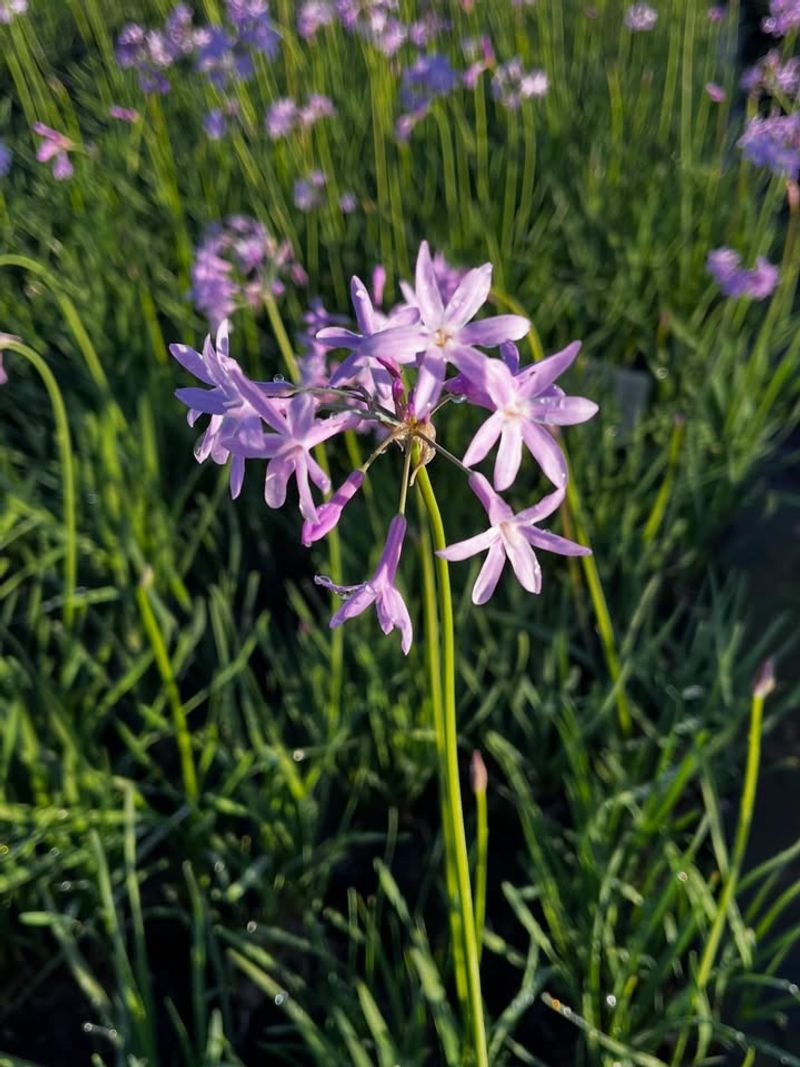
Texas summers are not gentle. Scorching heat, stretches of drought, and intense sun can stress out even well-established plants, which is why so many Texas gardeners end up gravitating toward tough, proven performers.
Society garlic fits that description almost perfectly. Once it gets settled in the ground, which usually takes one full growing season, society garlic handles heat and dry spells with impressive resilience.
It does not need constant watering to survive the summer months, making it a smart choice for gardeners who want to conserve water or simply do not have time to babysit their plants.
It thrives in full sun but also tolerates partial shade, giving it flexibility across different parts of a yard.
The bloom season is another big plus. Society garlic starts flowering in spring and keeps going through fall, which means months of lavender-purple color in your garden beds without much effort on your part.
Those flowers are not just pretty. They attract bees, butterflies, and other pollinators that benefit the surrounding garden.
Growing a plant that supports pollinators while also helping discourage rodents is a genuine two-for-one deal that most gardeners will appreciate.
It also works well in containers, which means apartment dwellers or those with small patios can take advantage of it too. Society garlic stays relatively compact, rarely exceeding two feet in height, and does not spread aggressively.
For Texas gardeners looking for a low-fuss perennial that pulls double duty, this plant checks nearly every box without demanding much in return.
What Else To Do To Keep Rats Away
Society garlic is a helpful ally, but it works best when it is part of a bigger plan. Rodent prevention is really about removing the things that attract rats in the first place, and that takes a few consistent habits practiced regularly throughout the year.
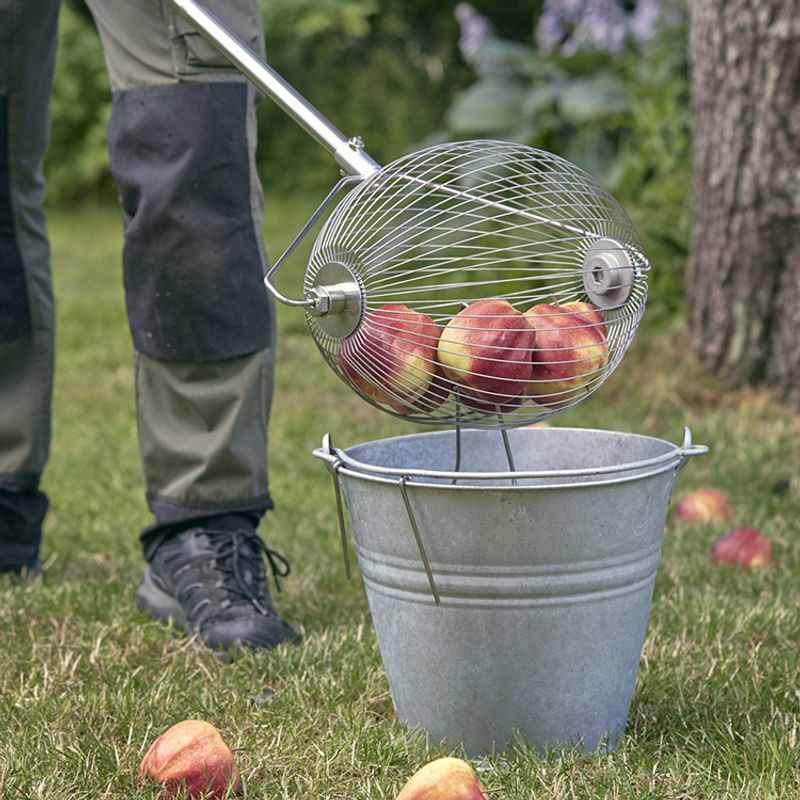
Start with food. Harvest vegetables and fruit as soon as they are ripe, and pick up anything that falls to the ground right away.
Do not leave pet food or water bowls outside overnight. Use a compost bin with a secure lid and avoid adding meat, dairy, or cooked foods that break down quickly and smell strongly.
Birdseed is a common culprit too, so consider switching to feeders designed to catch falling seed or move feeders away from garden beds.
Next, address shelter. Trim back dense groundcover that hugs the ground closely, especially near fences and structures.
Stack wood piles away from buildings and raise them off the ground if possible. Clear out clutter under decks, in sheds, and around outbuildings where rats might nest undisturbed. Seal gaps around pipes, vents, and foundation edges using hardware cloth or caulk.
Water sources matter too. Fix leaky irrigation lines, empty containers that collect rainwater, and bring in pet water bowls at night. Even small puddles can sustain a local rodent population through dry months.
When all these steps work together alongside your society garlic planting, you create a yard that simply offers rats very little reason to stick around.
Consistency is what makes the difference, so building these habits into your regular garden routine gives you the best long-term results.