Can Your Tropical Paradise Thrive Through A New York Winter? Yes, Starting This November
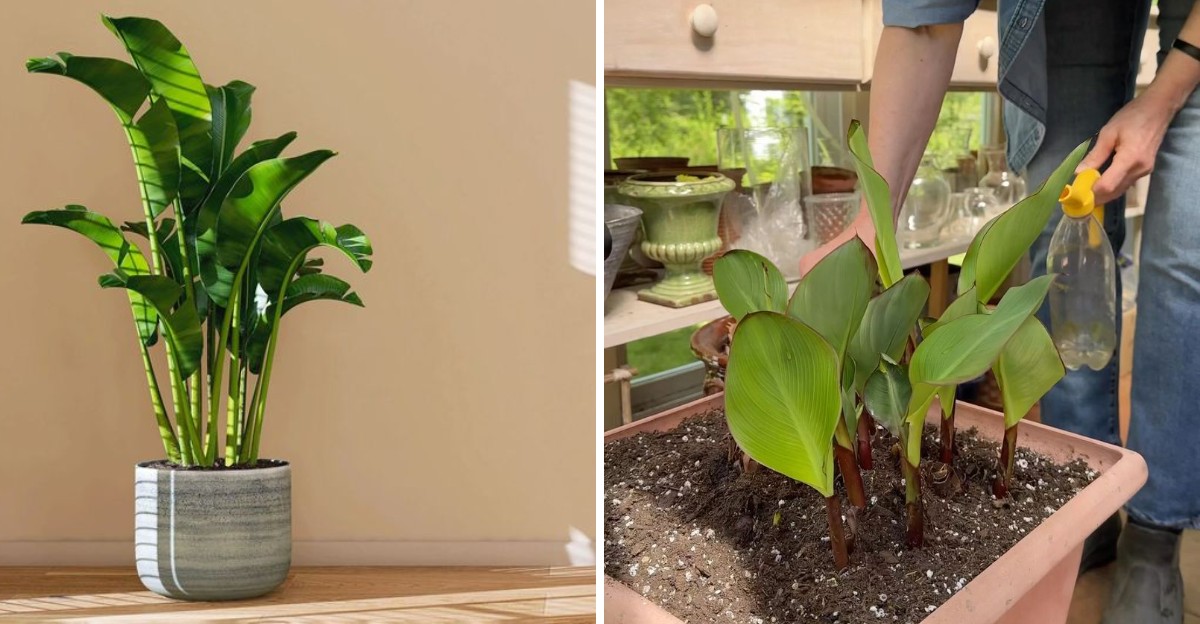
November is the quiet month when a small tropical yard gets tucked in for winter. The big leaves and bright blooms have done their job all summer, and now a few gentle weekends of care will help every plant return next year even fuller.
The good news is that a compact New York yard keeps the work friendly. With seven plants to look after, you can finish the whole list one week at a time, without a greenhouse or a landscaper.
This guide follows a simple November timeline, moving through each plant in the order that suits it best.
We also swapped Japanese Painted Fern for Windmill Palm, a tropical-looking favorite that handles a New York winter with a little protection. A little care right now brings a lush, resort-style yard next summer.
1. Before You Begin, Supplies and Timing
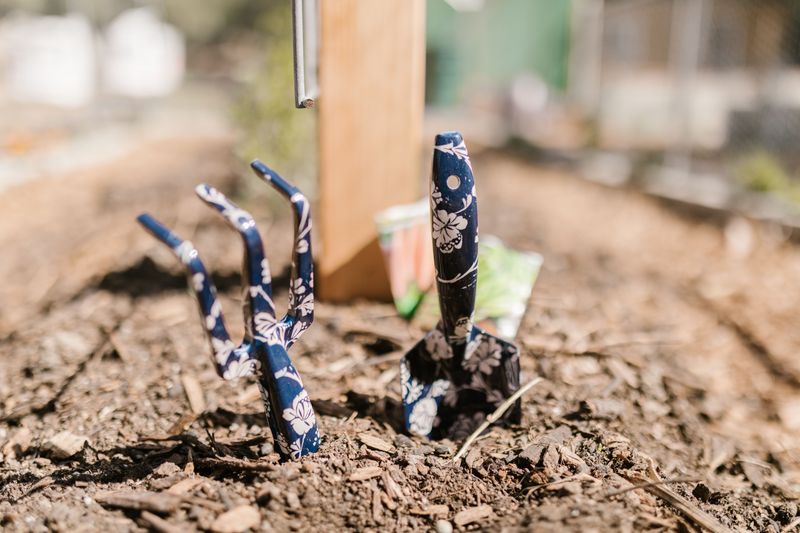
A calm November starts with a little preparation. Spend ten minutes gathering mulch, burlap, twine, a garden fork, pruning shears, paper bags, peat moss, and labels.
Keeping everything in one bin near the back door saves many small trips and makes each weekend feel easy.
Next, look at your local forecast. In the New York metro area, the first frost usually arrives sometime between late October and mid-November, and coastal spots often enjoy a few extra weeks of mild weather.
Your timeline can shift a little in either direction, so let the weather be your guide. A helpful rule is to care for tender plants first, then the evergreens, and finally the hardy perennials, which are happy to wait until the cold settles in.
Choose a dry, mild day for digging and cutting. Soil that is slightly damp but not soggy is easiest to work with, and a sunny afternoon makes the whole job more pleasant.
Lay a tarp beside each plant before you begin, so soil and trimmings can be gathered up in one trip.
Finally, label everything as you go. A simple tag reading “Canna, red” or “Elephant Ear, Black Magic” saves guessing in April.
Photos of your layout help too, so you remember where each plant sat when spring planting begins. Small steps like these keep the month calm and cheerful.
2. Elephant Ear
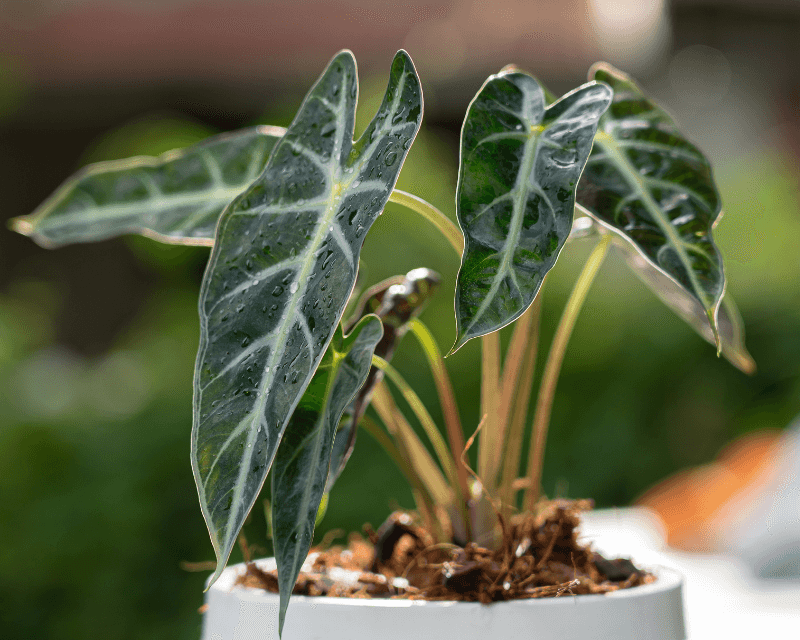
Elephant Ear, or Colocasia esculenta, is one of the first plants to ask for attention in a New York yard, because its bulbs prefer to spend the winter indoors.
Once frost has darkened the leaves, the plant is telling you it is ready to rest. Cut the foliage back to a few inches, loosen the soil around the plant with a garden fork, and gently lift each bulb out of the ground.
Shake off the loose soil, but skip the washing. Spread the bulbs in a shaded, airy spot and let them dry for a day or two. This short rest keeps them healthy in storage.
Then pack the bulbs in a cardboard box or paper bag with a little dry peat moss or shredded paper. A cool, dry place such as a New York basement or garage works nicely.
Check on them once a month, and remove any piece that feels soft so the rest stay in good shape.
If your Elephant Ear lives in a large container, the job is even simpler. Move the whole pot indoors before nighttime temperatures fall too low, let the soil dry out, and tuck it into a cool, dim corner.
When the danger of frost has passed and the soil has warmed, usually by mid-May in the New York metro area, bring the pot back to the patio or replant the bulbs in a spot with morning sun and afternoon shade.
Within weeks, those enormous leaves will be unfurling again, ready to make every other plant look politely small.
3. Canna Lily
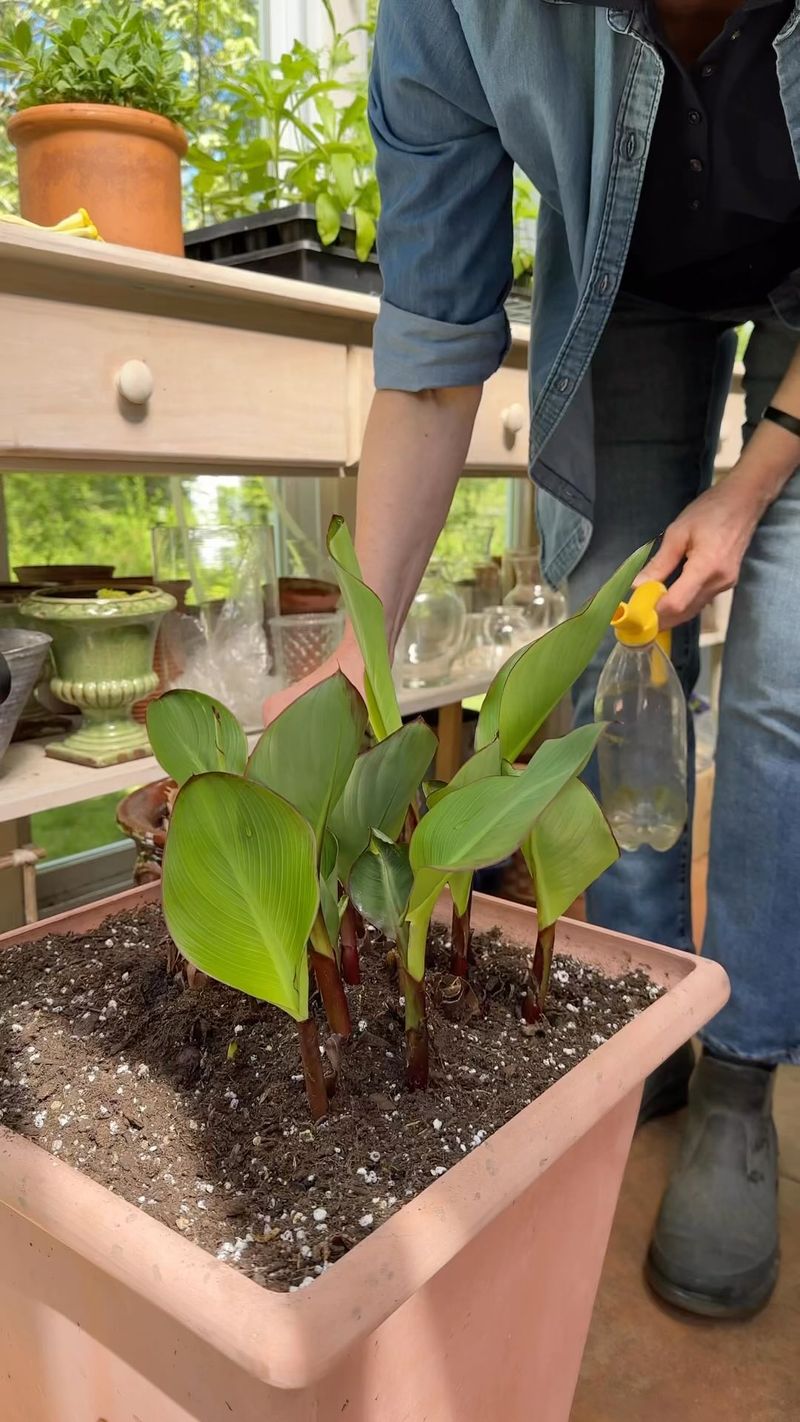
Canna Lilies bring fiery color all summer, and they deserve a gentle goodbye. Wait until the foliage has faded after the first frost, then cut the stalks down to about six inches.
Use a garden fork to lift each clump carefully, working a little distance from the stems so the rhizomes stay whole.
Shake off the soil and let the rhizomes dry for a day or two in a shaded, airy place. Then store them in a paper bag filled with peat moss, somewhere cool and frost-free.
A basement, an unheated closet, or a garage that stays above freezing all work well. Paper lets air move around the rhizomes, which keeps them comfortable through winter.
This is also the perfect time to divide your Cannas. Many multiply nicely in a single season, and each piece with a visible bud, called an eye, can become a brand new plant next spring.
Use clean shears or a sharp knife, and let the cut surfaces dry before packing them away. Share the extras with friends and neighbors, or save them to fill another corner of your yard.
Label each bag with the variety and color so spring planting feels like opening a present. Check the bags once a month. If the peat moss feels bone dry, mist it lightly. If you notice a soft spot, remove that piece.
With Elephant Ear and Canna safely indoors, the busiest part of the month is behind you. Spring will gladly reward your care with generous growth.
4. Hardy Banana
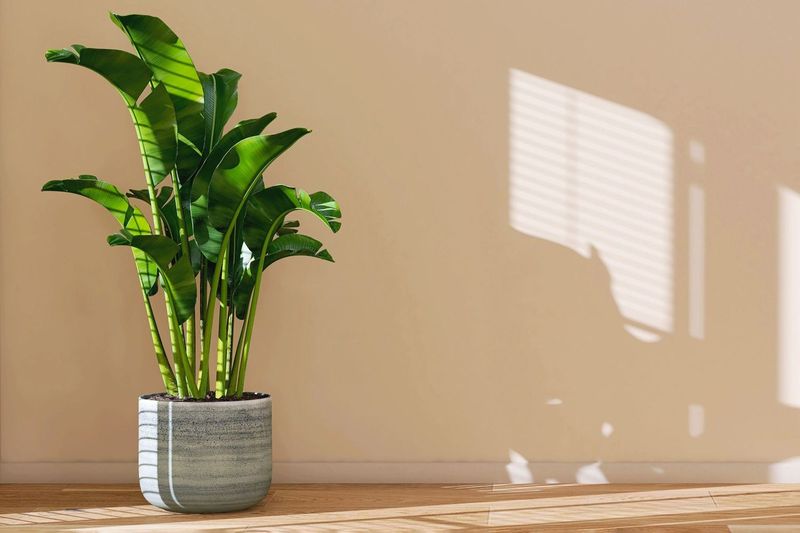
Hardy Banana, known botanically as Musa basjoo, is the tallest star of the yard, and it deserves a little extra care before winter.
After a season of growth that may have reached 14 feet, its soft stalks are ready to rest. Wait until frost has softened the leaves, then trim the stalks down to about two feet.
Next comes the insulation, which is the heart of the job. Pile a thick layer of mulch, at least six to eight inches deep, around the base to protect the roots.
Many gardeners also set a ring of wire mesh around the cut stalks, fill it with dry leaves, and top it with a waterproof cover to keep moisture out. Dry insulation matters most here, since roots that stay cozy and dry return reliably.
Secure the cover with twine or a few stones so winter wind cannot lift it. On mild, sunny days you can peek underneath to make sure the leaves are still dry, then close it up again before the next cold night.
When spring returns, new shoots push up through the soil like clockwork. Uncover the plant gradually, so the new growth can adjust to the changing weather, and watch it climb toward its full height all over again.
This is also a nice week to simply enjoy the view. With the banana tucked in, your yard settles into a calmer rhythm, and you can admire how much it has grown since May. Few plants give so much for so little.
5. Windmill Palm
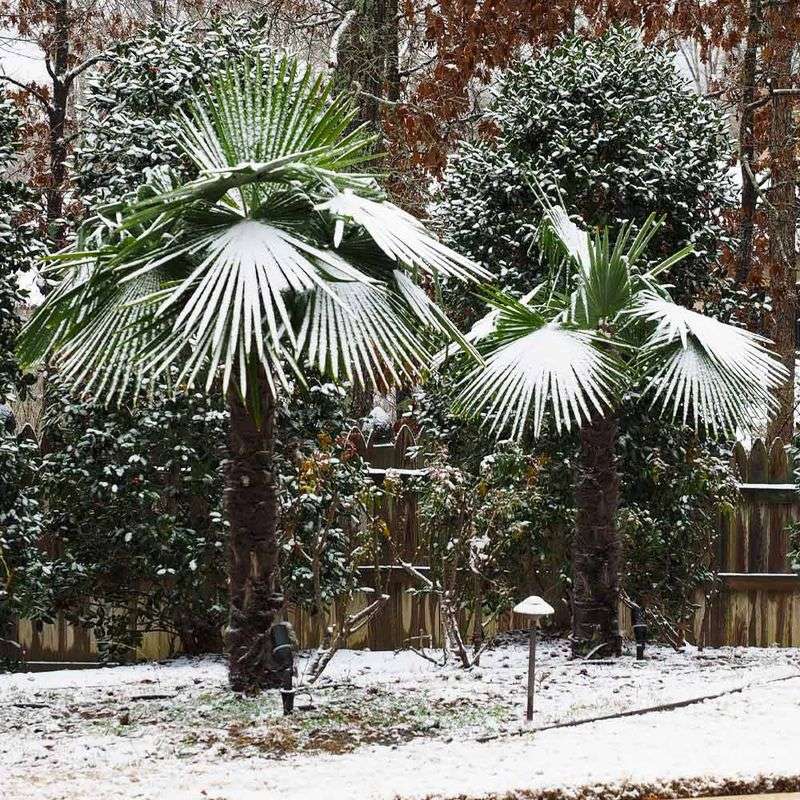
Windmill Palm, or Trachycarpus fortunei, brings a true palm silhouette to a New York yard. Its fan-shaped leaves look like a postcard from the coast, yet this plant is among the hardiest palms available.
In the NYC area it often does well with a little protection, which makes it a wonderful stand-in for the more delicate tropical palms.
Start by adding a generous layer of mulch around the base. Then, before the coldest nights of winter, gather the fronds upward and tie them loosely with soft twine so the growing tip stays snug.
Loose is the key word here. The ties should hold the fronds together without squeezing them.
Wrap the trunk and crown with burlap and secure it gently. On the chilliest nights, a frost blanket draped over the top adds extra comfort.
Remove it on milder days so air can move through, since fresh air helps keep the crown healthy and dry.
If your palm sits in a container, move it beside a sheltered wall or into an unheated garage on the coldest nights, and water it lightly once or twice during the winter. Containers lose warmth faster than the ground, so a sheltered spot makes a real difference.
Come spring, remove the wrap on a mild day and loosen the ties. Any leaf tips that look tired can be trimmed away, and fresh green fans will soon follow.
Windmill Palm grows steadily, and each winter you protect it adds to the lush look of your small yard.
6. Fatsia
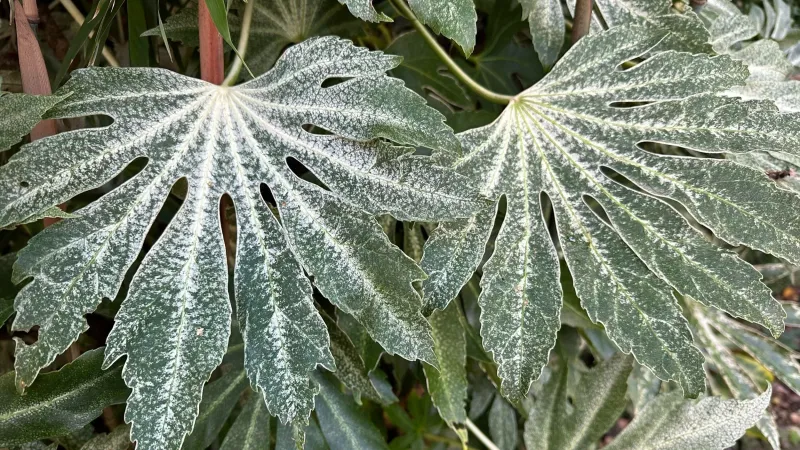
Fatsia japonica is the unsung hero of the shade garden. Its glossy, deeply lobed leaves can span up to 16 inches across, and each one looks like it was picked straight from a rainforest.
It does best in the milder pockets of New York, such as sheltered spots in the city or on coastal Long Island.
If your Fatsia is planted in the ground, add a layer of mulch around the roots and place a burlap screen on the side that faces the wind.
A spot beside a south-facing wall or beneath taller trees offers extra warmth. Water it deeply if the autumn has been dry, because evergreen leaves still need moisture through the cold months.
If you garden in a colder inland area, a container is the gentlest choice. Move the pot to a bright, cool place, such as an enclosed porch or an unheated entry, before nights dip into the 20s.
Water lightly, only when the top inch of soil feels dry, and keep it away from heaters. Late in fall, Fatsia produces small, creamy white flower clusters that pollinators love. It is a lovely November surprise, so enjoy the blooms before you tuck the plant in.
Fatsia grows at a gentle pace and reaches about six feet over several years, so it needs very little pruning.
In spring, trim any leaves that look weathered, and the plant will fill your shady corner with fresh, architectural greenery once more. It is a steady plant that rewards simple care.
7. Hardy Hibiscus and Clumping Bamboo
The final weekend is the easiest, because these two plants are naturally prepared for the season.
Hardy Hibiscus, or Hibiscus moscheutos, fades back to the ground each winter. Once the stems have turned brown, cut them down to a few inches above the soil and spread a layer of mulch over the crown.
Mark the spot with a small stake or label. This matters because Hardy Hibiscus is one of the last perennials to wake up in spring, and a marker keeps you from planting something else in its place.
When May arrives and it still looks sleepy, be patient. It catches up quickly, and by midsummer it returns with dinner-plate-sized blooms in red, pink, and white that hummingbirds and butterflies love.
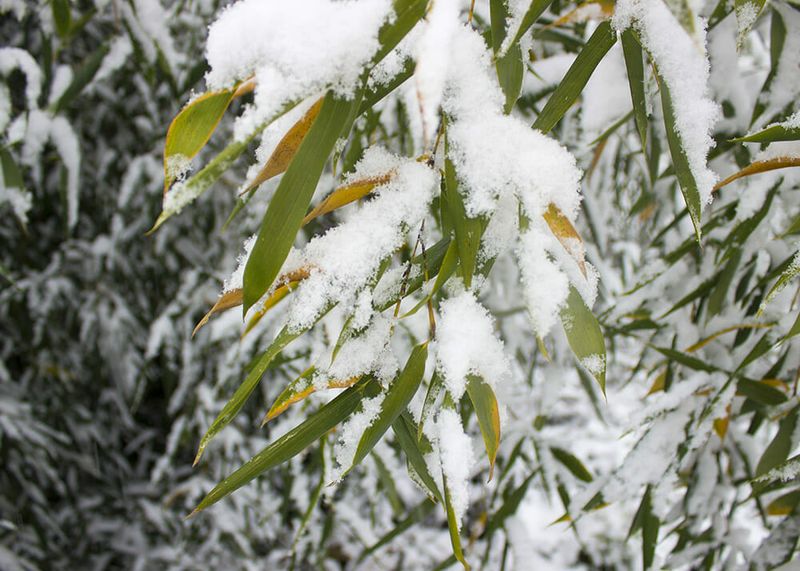
Clumping Bamboo asks for the least attention of all. Varieties such as Fargesia robusta handle temperatures well below freezing with minimal protection. If autumn has been dry, give it a deep watering so the roots go into winter well hydrated.
Then add a two to three inch layer of mulch and enjoy the soft rustle of the canes through the cold months.
Not every clumping bamboo is equally hardy, so check the hardiness zone of your variety. If you are unsure, a loose wrap of burlap on exposed canes is an easy extra layer of care.
Bamboo also forms a living screen along a fence, so your yard keeps feeling private and green even while the rest of the garden rests. Both plants are wonderfully easy winter companions.
8. Winter Care and Looking Ahead to Spring
Once November is complete, your yard needs very little from you. Check stored bulbs and rhizomes once a month.
If they feel dry and papery, mist them lightly. If you notice any soft spots, remove those pieces so the rest stay healthy.
After snowfall or heavy rain, peek at the mulch around your banana and palm. If it has settled, fluff it back up.
Remove covers on mild, sunny days so air can circulate, then replace them before the next cold night.
Here is a quick recap of the month. In week one, lift and store Elephant Ear and Canna. In week two, cut back and mulch the Hardy Banana.
In week three, wrap Windmill Palm and shelter Fatsia. In week four, cut back Hardy Hibiscus and mulch the bamboo.
Most of all, give yourself permission to rest too. Winter is a lovely time to sketch new plant pairings, browse catalogs, and dream about next summer’s blooms with a warm drink in hand.
The reward for all this care arrives right on schedule. Around mid-May, once the danger of frost has passed and the soil has warmed, replant your Elephant Ear bulbs and Canna rhizomes.
Pair Cannas with the Hardy Banana for a layered, lush combination, and set a potted Elephant Ear on the patio for an instant focal point.
With each year, the plants grow fuller and the routine gets easier, and your small yard keeps feeling like a tropical escape. In a small yard like yours, a little care truly goes a long way.