How New York Growers Raise Pumpkins That Weigh As Much As A Car
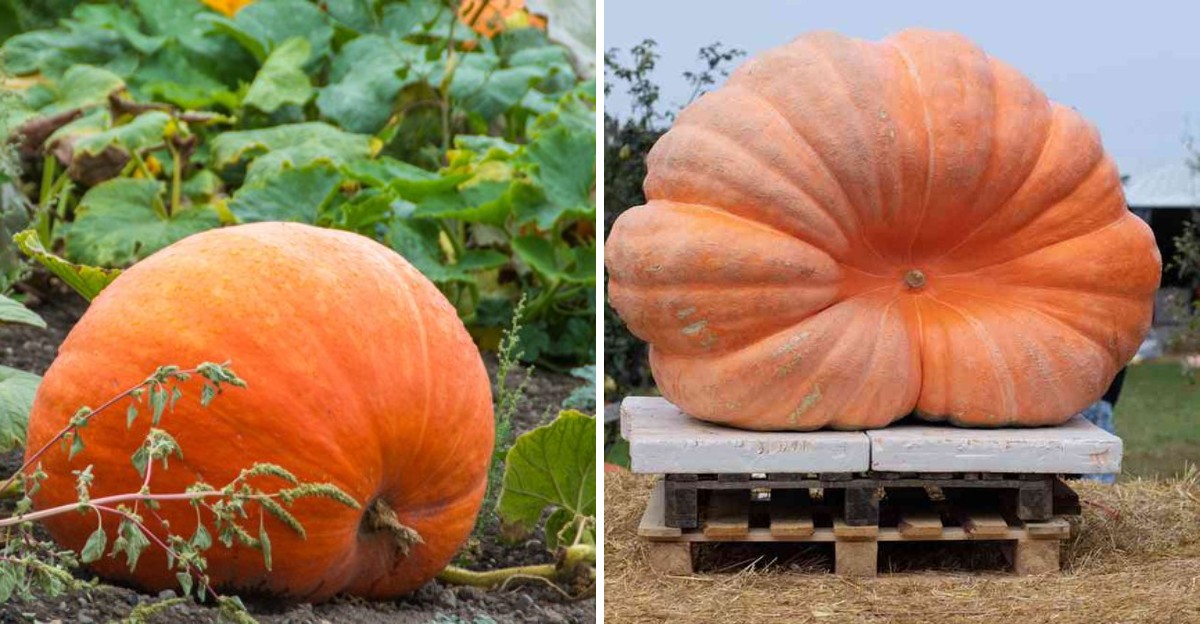
A pumpkin nearly as heavy as a small car sounds like a tall tale. Across New York, a dedicated group of growers spends every summer chasing that kind of orange glory.
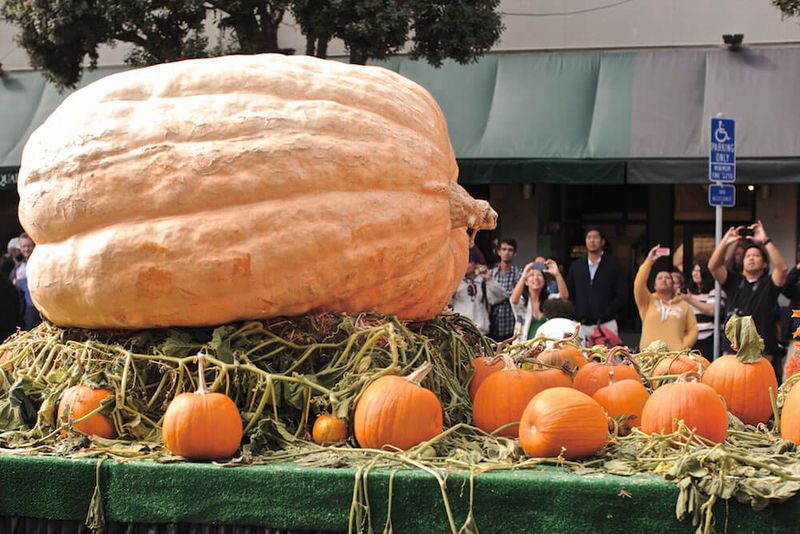
Their pumpkins can top 2,000 pounds. Each fall, crowds gather at weigh-offs to watch forklifts gently lower these giants onto huge scales.
So how does a seed you can pinch between two fingers turn into something that needs heavy machinery to move? The answer mixes science, patience, and a surprising amount of daily babysitting.
Growers measure, feed, water, and shield their pumpkins like prized racehorses. Some even check on their patches in the middle of the night.
The process isn’t magic, and plenty of the tricks work in an ordinary backyard. The guide below introduces the growers behind fruit bigger than your couch.
It Starts With Seeds From Record-Breaking Pumpkins
Ask any champion grower about their secret, and many will hold up a single seed. Genetics matter more than almost anything else in this hobby.
Nearly every giant pumpkin traces back to a variety called Dill’s Atlantic Giant. Canadian grower Howard Dill developed it in the 1970s and 1980s.
Serious growers do not grab a random packet from the hardware store. They look for seeds with a documented family tree, much like a show dog’s pedigree.
Each seed is named after the pumpkin it came from, plus its weight and grower. A label might read something like 2145 Smith, showing its parent pumpkin weighed 2,145 pounds.
Growers also track the father plant used during pollination. Strong genetics on both sides give a seed the best shot at huge growth.
Top seeds can be surprisingly expensive. Some from world record pumpkins have sold at auction for hundreds or even over a thousand dollars each.
Luckily, beginners have cheaper choices. Many growing clubs in New York and nearby states share seeds freely with newcomers at meetings and weigh-offs.
Here is a helpful tip for first-timers. Join a group like the Great Pumpkin Commonwealth online and ask about seed trades.
Members often mail spare seeds to eager rookies for just the cost of postage. You get proven genetics plus friendly advice from people who love to help.
Fun fact for your next trivia night. Howard Dill’s seeds revolutionized the sport so much that record weights have more than doubled since his work.
Seedlings Get Started Indoors In Early Spring
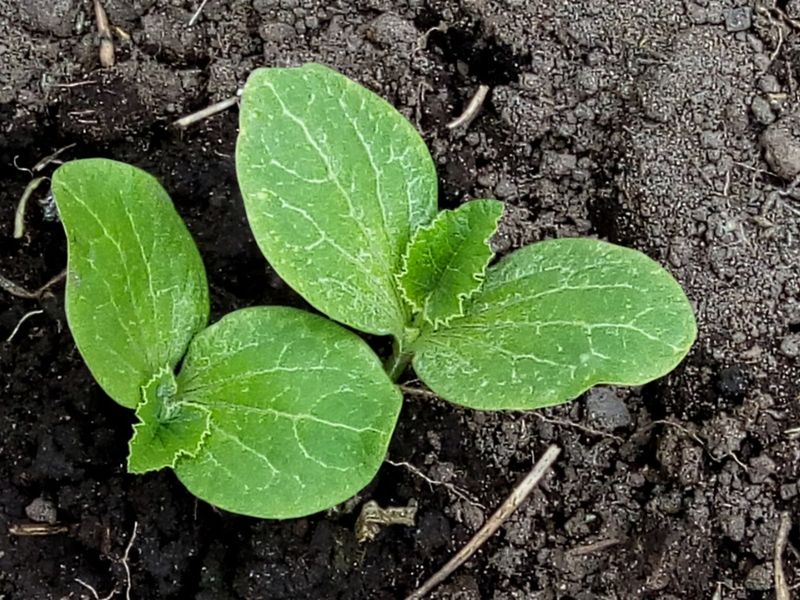
While snow still dusts the ground outside, giant pumpkin growers are already busy in their basements. Starting indoors buys precious weeks that the outdoor season cannot offer.
New York springs can stay chilly well into May. Giant pumpkins need around 130 days or more to reach full size, so every day counts.
Most growers plant seeds indoors in late April. They aim to move plants outside after the danger of frost has passed.
Warmth is the magic key here. Seeds sprout best when soil stays between 85 and 90 degrees Fahrenheit.
Many growers use seedling heat mats to hold that steady temperature. A cheap thermometer helps you check the soil instead of guessing.
Your New York Garden Changes Every Week. Your Plan Should Too.
Gardening in New York changes quickly throughout the season. Every Friday you’ll receive a simple weekly plan showing exactly what to plant, prune, fertilize, harvest, and protect so you never miss the right timing.
Some people gently file the edges of each seed before planting. Others soak seeds in warm water for a few hours to soften the tough shell.
Each seed goes about one inch deep into its own pot. Peat pots work well because you can plant them without disturbing fragile roots.
Pointy end down is the classic rule. Seeds usually pop up within a week when kept warm and lightly moist.
After 10 to 14 days, the first true leaf appears. That rough, jagged leaf signals the seedling is ready for the garden.
Do not wait too long to transplant. Young pumpkin plants grow fast and can get root-bound in small pots within days.
Harden them off by setting them outside for a few hours daily. Gradual exposure helps prevent transplant shock.
Each Plant Needs An Enormous Amount Of Space
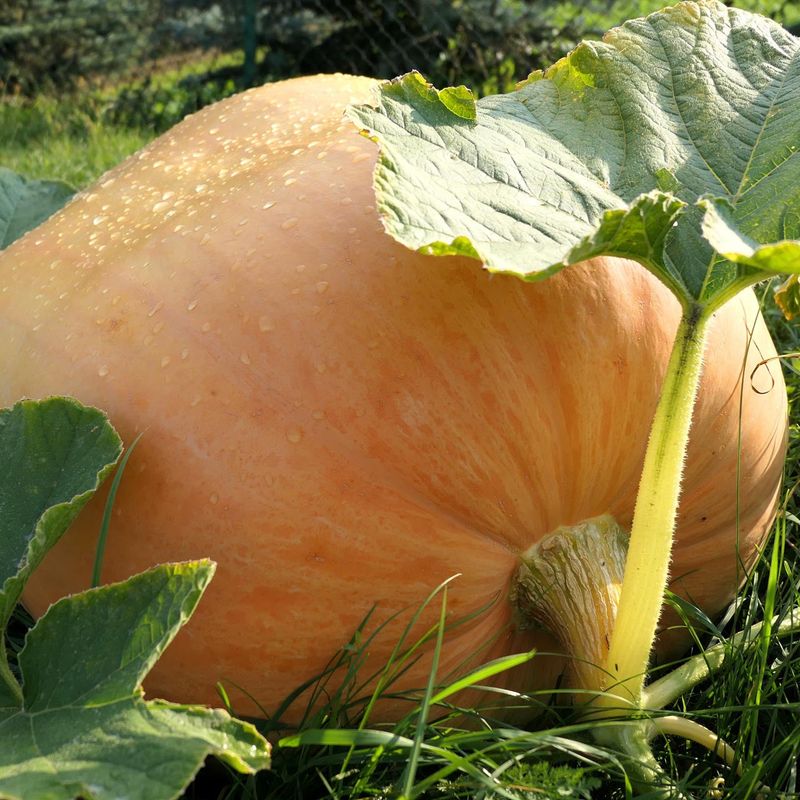
Forget the tidy rows of a typical veggie garden. A single giant pumpkin plant can swallow an area larger than a two-car garage.
Most serious growers give each plant between 300 and 900 square feet. Some competitive patches stretch to 1,200 square feet for just one plant.
Why so much room? The vines need space to stretch, and more leaves mean more energy for the pumpkin.
Leaves act like solar panels for the plant. Every leaf captures sunlight and turns it into food that flows toward the growing fruit.
Growers train the vines into a pattern that looks like a Christmas tree. A main vine runs straight, with side vines branching off at right angles.
Keeping that shape helps leaves avoid shading each other. Organized vines also make it easier to walk through the patch without stepping on anything.
Many growers bury the vines as they grow. Each leaf joint can send down extra roots to soak up more water and nutrients.
Here is a practical tip if your yard is small. Even 200 square feet can grow an impressive pumpkin, just not a record breaker.
Pick the sunniest spot you have. Giant pumpkins want at least eight hours of direct sunlight every day.
Windbreaks help too, especially in open New York fields. A simple fence or row of tall plants keeps strong gusts from twisting young vines.
Growers Hand-Pollinate The Flowers Themselves
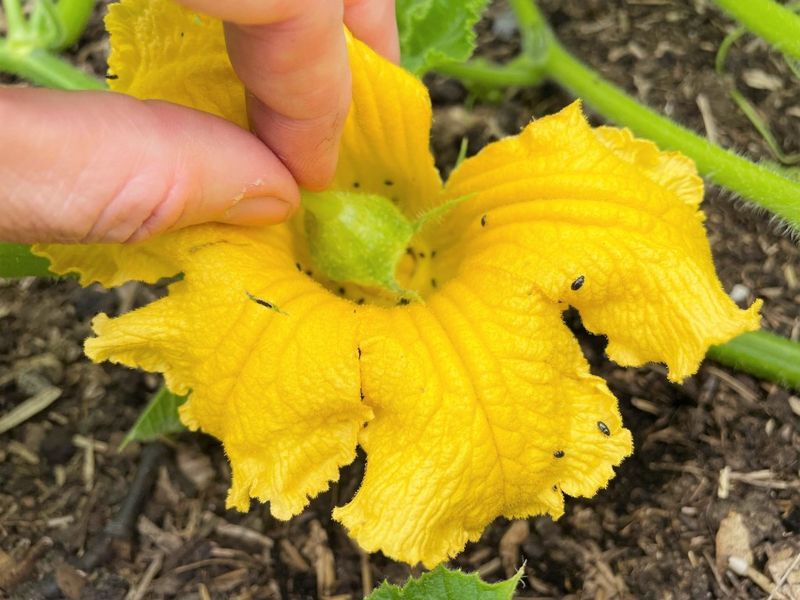
Bees are wonderful helpers, but giant pumpkin growers like to play matchmaker themselves. Hand-pollination lets them choose exactly which plants become parents.
Pumpkin plants grow two types of flowers. Male flowers sit on thin stems, while female flowers have a tiny round pumpkin right below the petals.
Timing is everything with these blooms. Each flower opens for only one morning, usually closing by early afternoon.
Smart growers scout their patch the evening before. They look for flowers ready to open and cover them with small bags to keep bees out.
Early the next morning, the real work begins. The grower picks a male flower and peels back its petals to expose the pollen.
Next, they rub that pollen gently onto the center of the female flower. Many use two or three male flowers to make sure enough pollen transfers.
Afterward, the female flower gets covered again for a day or so. That keeps wandering insects from adding unwanted pollen.
Why go through all this trouble? Controlled crosses help growers predict size, shape, and color in future seasons.
Growers write down every cross in a notebook. Those records become the seed pedigree that other growers will study next year.
A quick tip for beginners is to pollinate before 9 a.m. Pollen is freshest then, and summer heat can make it less effective later.
Only One Pumpkin Gets To Stay On Each Vine
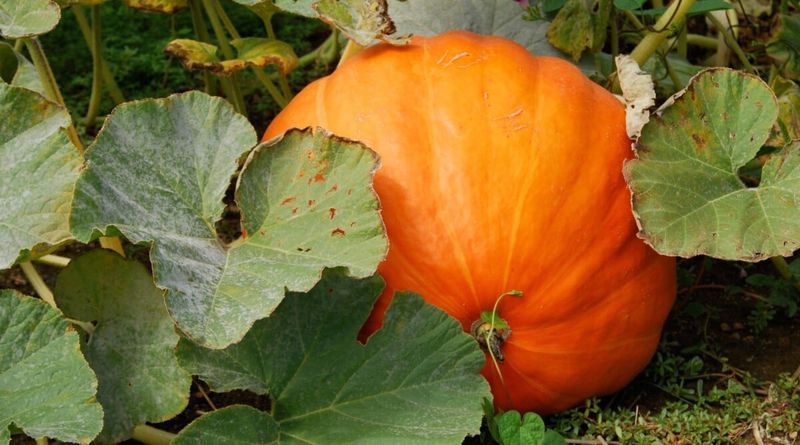
Picking favorites sounds harsh, but it is the heart of giant pumpkin success. One plant simply cannot feed several heavyweight fruits at the same time.
Early in the season, growers often let a few pumpkins start. These backups act like insurance in case one gets damaged or stops growing.
After a couple of weeks, the grower studies each candidate closely. They check shape, stem angle, and how quickly each one is expanding.
The winner is usually the one about 10 to 15 feet from the plant’s base on the main vine. That spot tends to get strong nutrient flow.
Every other pumpkin gets snipped off. It may feel sad, yet it sends all the plant’s energy to the chosen champion.
Pruning does not stop there. New flowers keep popping up all summer, and growers remove them regularly.
Side shoots growing off the side vines, called tertiary vines, also get trimmed. Left alone, they steal water and food from the main pumpkin.
Stem angle matters more than most people expect. Growers gently move the vine so it does not pull or kink as the pumpkin swells.
A stressed stem can split open as the fruit grows heavy. That damage can end a promising season in a single afternoon.
Try this tip: check your vines every two or three days. Quick pruning sessions are far easier than battling an overgrown tangle later.
Rich Soil And Steady Feeding Fuel The Growth
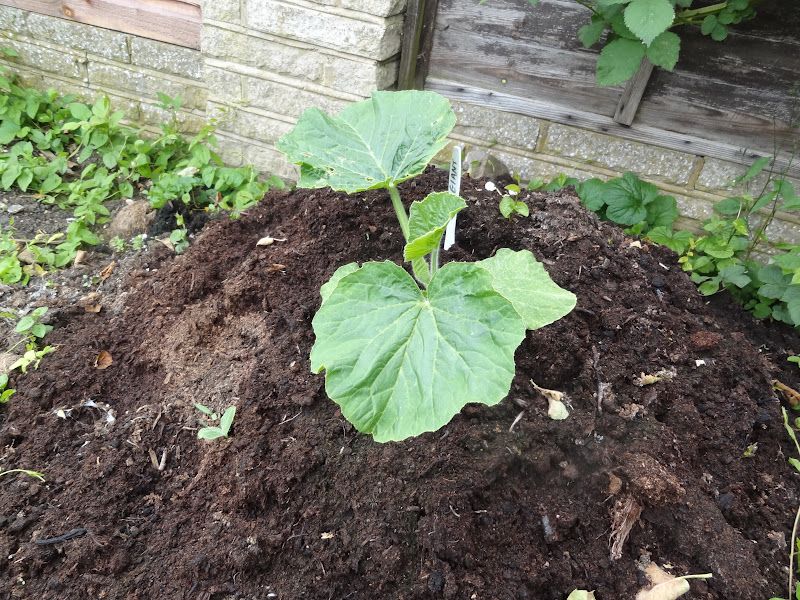
Think of a giant pumpkin as a teenager with an endless appetite. It eats constantly, and the menu starts with the soil.
Many New York growers prepare their patches the fall before planting. They work in loads of compost, aged manure, and shredded leaves.
Over winter, those materials break down into rich, crumbly earth. Soil microbes get busy turning them into food plants can actually use.
The ideal ground is a well-drained sandy loam. Heavy clay can hold too much water and suffocate roots.
Soil pH should land between about 6.5 and 7.5. A simple soil test from your local Cornell Cooperative Extension office can tell you where you stand.
Once the plant is growing, feeding changes with each stage. Early on, nitrogen helps build long vines and big green leaves.
Later, when the pumpkin starts swelling, potassium becomes the star. It helps move sugars and water into the growing fruit.
Many growers also add helpful fungi called mycorrhizae at planting time. These tiny partners extend the root system and improve nutrient uptake.
Water matters just as much as food. A big plant can drink well over 100 gallons a day in peak summer heat.
A handy tip is to feed small amounts often rather than big doses rarely. Steady meals prevent sudden growth spurts that may cause splitting.
Some Pumpkins Gain Dozens Of Pounds In A Single Day
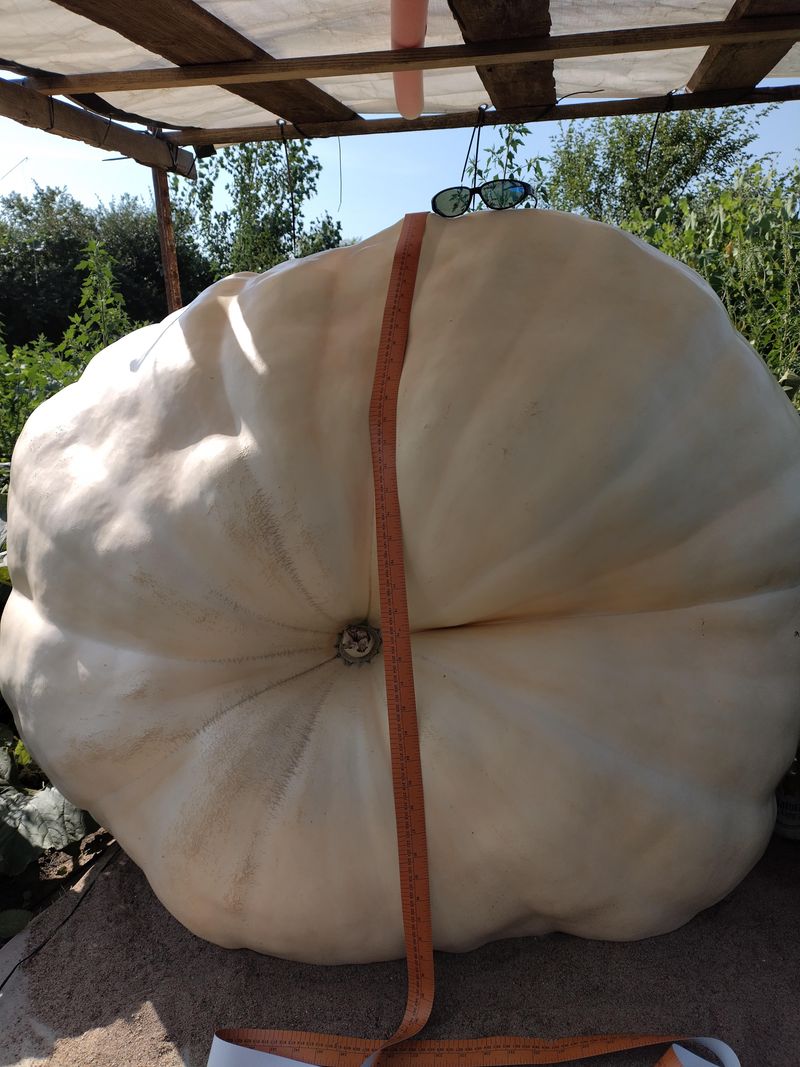
Imagine waking up and finding your pumpkin heavier than your dog compared with yesterday. For giant pumpkin growers, that is a normal August morning.
During peak growth, many giants pack on 30 to 50 pounds every day. Elite growers have reported gains of 60 or even 70 pounds daily.
The fastest growth usually happens between about 40 and 70 days after pollination. Hot days and cool nights tend to keep the engine humming.
So where does all that weight come from? Mostly water, as the pumpkin’s cells swell and multiply inside the thick skin.
Growers track progress with a soft measuring tape. They measure around the pumpkin and over the top in two directions.
Those three numbers go into a weight chart. The chart gives a surprisingly close estimate without needing a giant scale.
As the fruit gets heavier, it starts to flatten. The pumpkin spreads out at the bottom to support its own massive weight.
Some growers place a layer of sand under their pumpkin. A smooth bed helps it slide and spread without cracking against rough ground.
Here is a fun fact to share. In October 2026, Rhode Island grower Ron Wallace set a new world record with a 3,156-pound pumpkin, the first ever to top 3,000 pounds.
A practical tip is to measure at the same time each day. Morning readings stay more consistent because temperature and moisture affect the numbers.
Shade Cloths And Covers Protect The Skin From Cracking
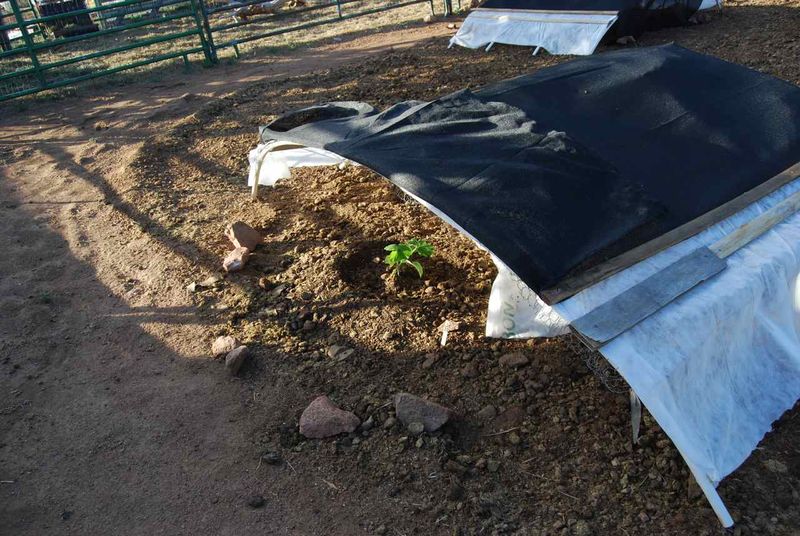
Walk past a competitive pumpkin patch in July, and you might spot what looks like tiny camping tents. Underneath each one sits a pampered giant.
Sunlight helps leaves, but it can harm the pumpkin’s skin. Too much direct sun hardens the shell early, making it less stretchy.
A stiff shell has trouble keeping up with fast growth. Eventually the pressure inside can cause splits or cracks.
Shade cloth helps keep surface temperatures steady. Many growers set up a simple canopy or pop-up tent over the fruit.
Some also drape an old bedsheet or blanket directly over the pumpkin. Light colors reflect heat and keep the skin soft and flexible.
Wet weather brings different dangers. Heavy rain can make a pumpkin swell too quickly, which raises the risk of splitting.
Covers also guard against hungry critters. Mice, groundhogs, and insects love nibbling on tender pumpkin skin.
Nights can turn cool in early September. Growers often add blankets after dark to hold in warmth and keep growth going.
Cracks matter a lot at weigh-offs. A pumpkin with a crack that reaches the hollow center is usually disqualified from competition.
Try this tip at home: check under the cover after every storm. Puddles trapped against the skin can lead to soft spots and rot.
Moving A Giant Pumpkin Takes Special Equipment
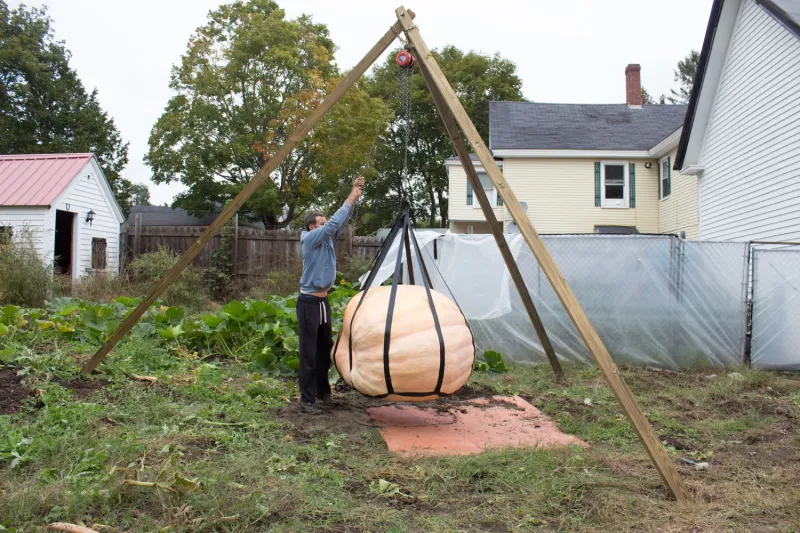
Lifting a 2,000-pound pumpkin with your bare hands is not happening, no matter how many push-ups you do. Moving day becomes a careful team operation.
Most growers use a special lifting ring or harness. It cradles the pumpkin from underneath with strong straps spread around its sides.
Spreading the weight evenly is the whole point. A single strap could dig into the skin and cause damage.
A forklift or tractor then hoists the pumpkin into the air. Some backyard growers build sturdy tripods from heavy timbers with a chain hoist.
Before lifting, growers cut the stem carefully. They leave a short handle on top, though nobody actually lifts the pumpkin by it.
The pumpkin rests on a pallet padded with foam or blankets. Then it gets strapped onto a trailer for the ride to the weigh-off.
Drivers go slow on bumpy country roads. One sharp pothole could crack months of hard work.
New York hosts several popular weigh-offs each fall. Events in places like Clarence and Cooperstown draw big crowds eager to see the giants hit the scale.
Officials use certified scales that can handle thousands of pounds. Judges also inspect each pumpkin closely for damage.
A smart tip is to line up help early. Neighbors with tractors and friends with trailers become very popular in late September.
You Can Try Growing A Giant One Next Spring
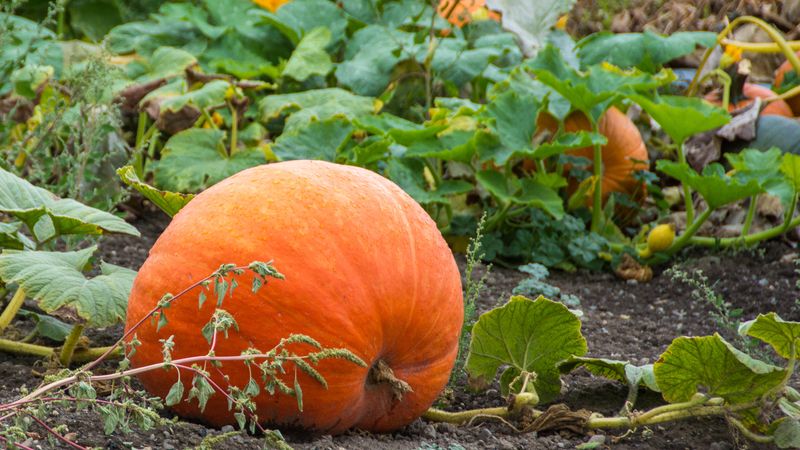
Every champion started as a curious beginner with one seed and a sunny patch of grass. Your first giant could be growing next summer.
Start by finding good seeds this winter. Local growing clubs and online seed swaps are great places to begin.
Next, choose your spot wisely. Pick a sunny area with room to spread, ideally a few hundred square feet.
Prepare the soil in fall if you can. Mixing in compost and aged manure now gives you a big advantage come planting time.
Plan for your local frost dates. In much of the state, transplanting usually happens in mid to late May.
Keep a simple garden journal. Record pollination dates, feeding times, and daily measurements to learn from each season.
Do not expect a 2,000-pound monster on your first try. Many beginners proudly grow pumpkins between 200 and 600 pounds.
Even that size will stop traffic on your street. Neighbors will gather, kids will gasp, and you will have endless photos.
Gardening with kids makes the project even better. They can help measure, water, and cheer on the pumpkin every single day.
Here is one final tip: visit a weigh-off this fall. Chatting with experienced growers is the quickest way to pick up insider tricks.
Most of them love sharing advice with newcomers. Who knows, you might be the one lifting a trophy someday.