New York Banned The Sale Of These Popular Plants. One Might Be Growing In Your Yard
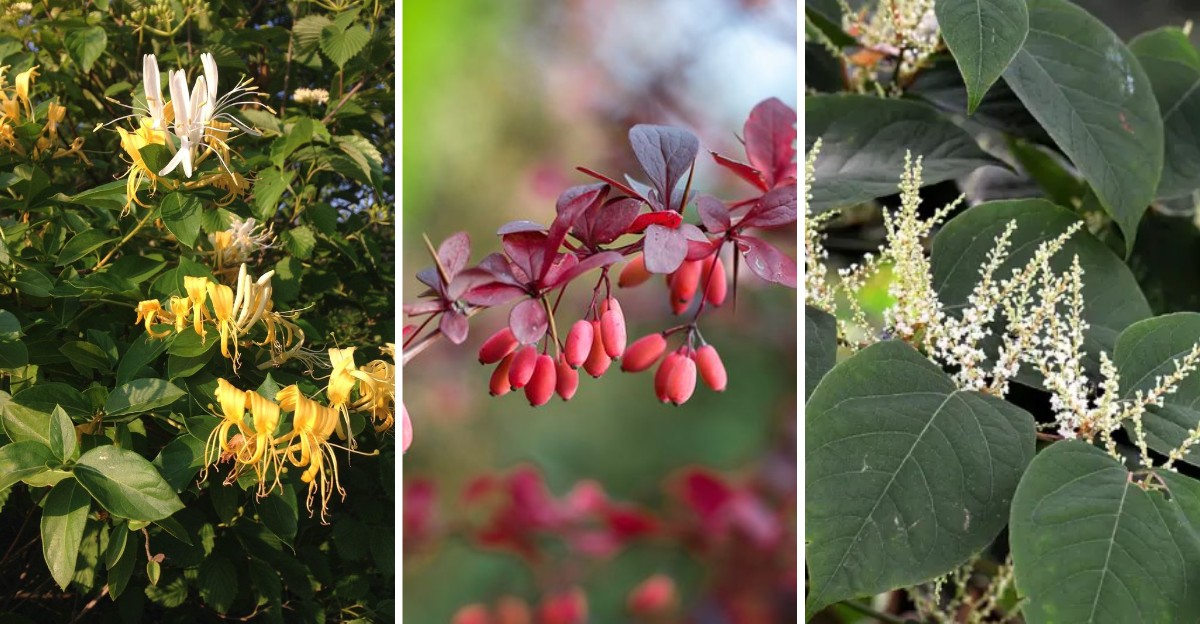
That pretty shrub by your front steps might be on an official watch list. Back in 2015, New York quietly changed the rules for garden centers, and plenty of homeowners still have no idea.
Some favorite landscape plants were banned from sale entirely, while others now need warning labels. On the surface, they look harmless, with bright berries, sweet flowers, and fiery fall leaves.
Underneath that charm, they spread fast and crowd out the native plants birds and bugs depend on. A few even give ticks a cozy place to hide.
If one is already growing in your yard, you’re not in trouble. Knowing what you have, though, can help you make smarter choices for your garden and neighborhood.
The flagged plants, how the rules work, and what to grow instead are all easier to understand than you might think.
Japanese Barberry Can No Longer Be Sold Statewide
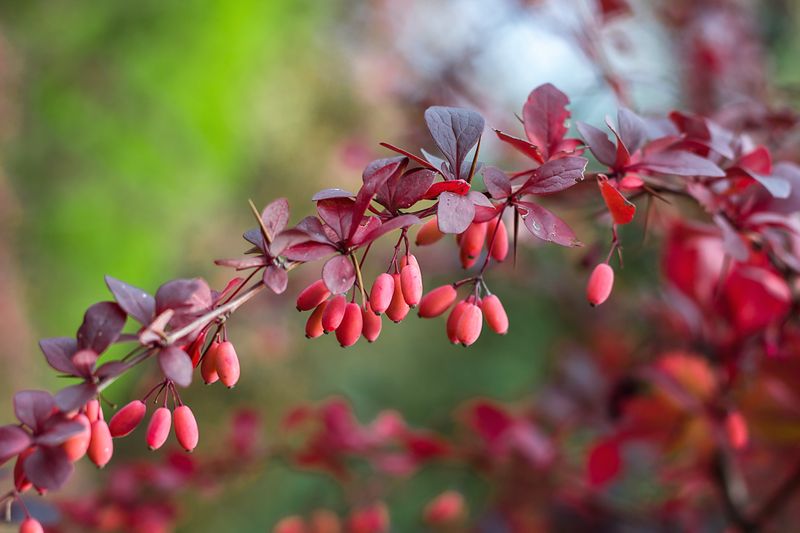
Picture a tidy little shrub with ruby leaves and tiny thorns lining a driveway. Japanese barberry was a landscaping star for decades across New York.
The state named it in its 2015 invasive species rules, and after a one-year grace period, the sales ban took effect in March 2016. Stores can no longer sell, import, transport, or grow it for sale.
So why the crackdown on such a cute bush? Barberry escapes yards and forms thick, thorny thickets in nearby woods.
Those thickets block sunlight and steal water and nutrients from native plants. The shrub can even change the chemistry of the soil beneath it.
Birds eat the bright red berries and drop the seeds far away. Before long, a single hedge can seed a whole forest edge.
Here is the part that surprises many people. Barberry patches create humid shelter that deer mice love, and those mice host young deer ticks.
More mice often means more ticks carrying Lyme disease. Research shows that clearing barberry can lower tick numbers in an area.
If you have barberry at home, you are not required to remove it. Still, swapping it out could make your yard safer for kids and pets.
Wear thick gloves when you tackle it, since those thorns bite back. Pull small plants by the roots, and dig out larger ones with a sturdy shovel.
Bag the cuttings instead of tossing them in the woods. Berries left on the ground can sprout new shrubs next spring.
Japanese Honeysuckle Made The Prohibited List
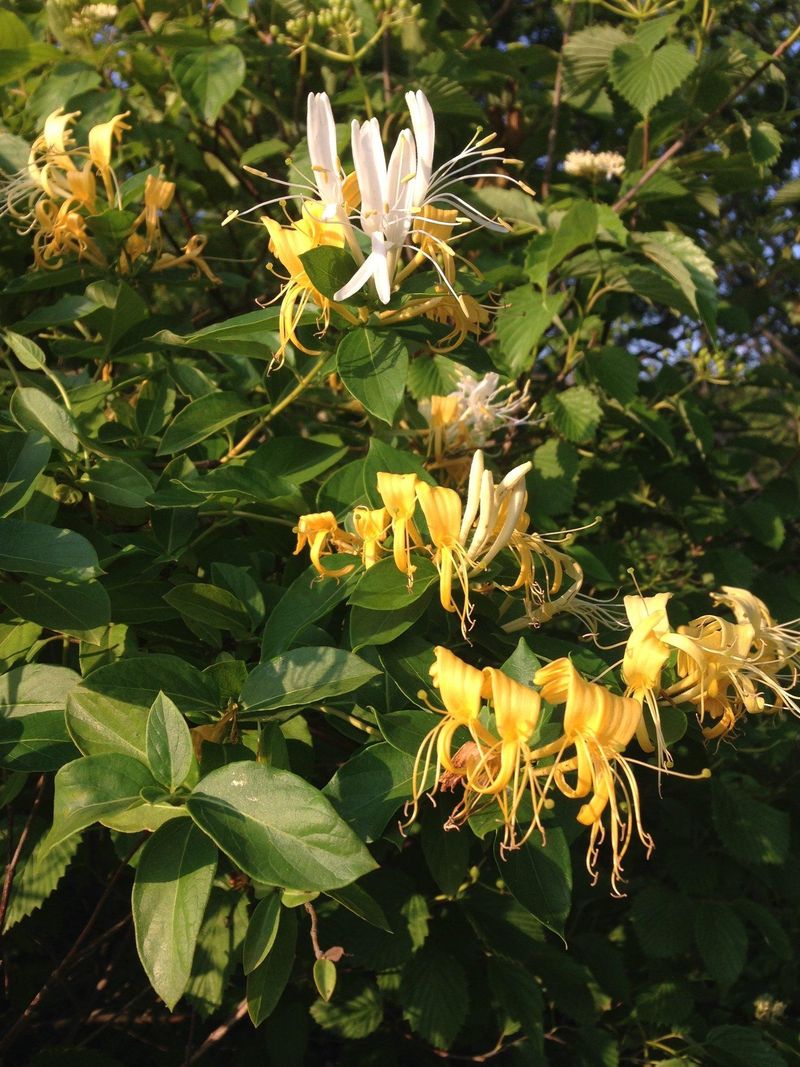
Remember sipping sweet nectar from honeysuckle flowers as a kid? That summer memory may come from a plant that is now banned in New York.
Japanese honeysuckle joined the state’s prohibited list in March 2015. Selling, buying, and moving it around are no longer allowed.
People first brought this vine over as a pretty ornamental. Some also planted it to hold soil in place on slopes.
Unfortunately, the vine had bigger plans. It can stretch up to 80 feet, climbing over shrubs and wrapping tightly around young trees.
Those tight wraps can strangle trunks over time. The vine also forms thick mats on the ground that smother native plants.
Your New York Garden Changes Every Week. Your Plan Should Too.
Gardening in New York changes quickly throughout the season. Every Friday you’ll receive a simple weekly plan showing exactly what to plant, prune, fertilize, harvest, and protect so you never miss the right timing.
Its leaves hang on late into fall and sometimes through winter. That extra growing time gives it a big head start over local plants.
Birds snack on the black berries, though the fruit offers less nutrition than native options. Then they scatter the seeds across fields and forests.
Want a quick way to tell good honeysuckle from bad? Snap a stem and peek inside.
Native honeysuckles usually have solid stems. Invasive types like Japanese honeysuckle tend to have hollow ones.
Two shrubby cousins, Amur and Tartarian honeysuckle, are also banned in the state. If you spot them, pull young plants before they set fruit.
Japanese Knotweed Is Banned And Notoriously Hard To Remove
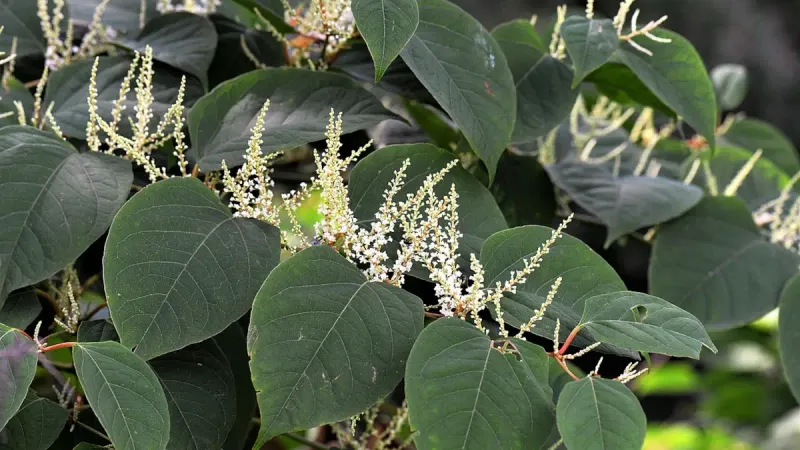
Gardeners sometimes call it the plant from a horror movie. Japanese knotweed looks like bamboo, grows like a weed, and refuses to quit.
Since March 2015, the state has banned selling, owning, moving, or planting it. Giant knotweed and Bohemian knotweed are on the banned list too.
Above ground, the stalks reach 3 to 15 feet tall. They form dense thickets that shade out everything underneath.
The real trouble hides below. Its underground stems can spread over 65 feet sideways and nearly seven feet deep.
Those roots can force their way through cracks in pavement and exploit weak spots in walls. That’s one reason homeowners take it so seriously.
Knotweed handles shade, heat, drought, and salty soil without much fuss. You will often find it along riverbanks, roadsides, and empty lots.
Tiny root or stem pieces can sprout into brand new plants. That makes common yard tricks like mowing, chopping, or mulching a bad idea.
Pulling by hand rarely works, since the root system runs so deep. Most experts recommend careful herbicide treatment over several years.
Stem injection and leaf sprays with glyphosate or triclopyr are common approaches. Hiring a licensed pro is smart if the patch is large.
One more tip could save you a headache. Bag every scrap you cut, and keep it out of compost piles and brush heaps.
Burning Bush Is Regulated, Not Banned
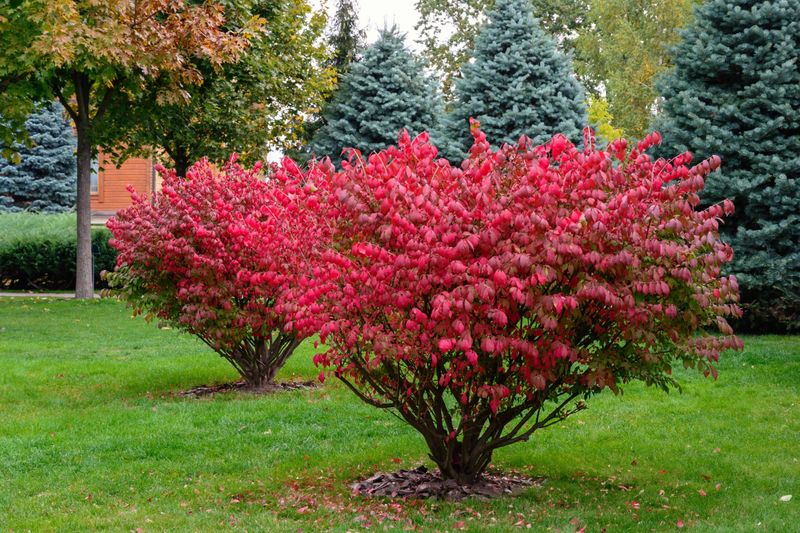
Every October, neighborhoods glow with blazing red shrubs. Chances are good that many of them are burning bush.
Here is a twist that confuses lots of shoppers. Burning bush is not banned in New York, but it is regulated.
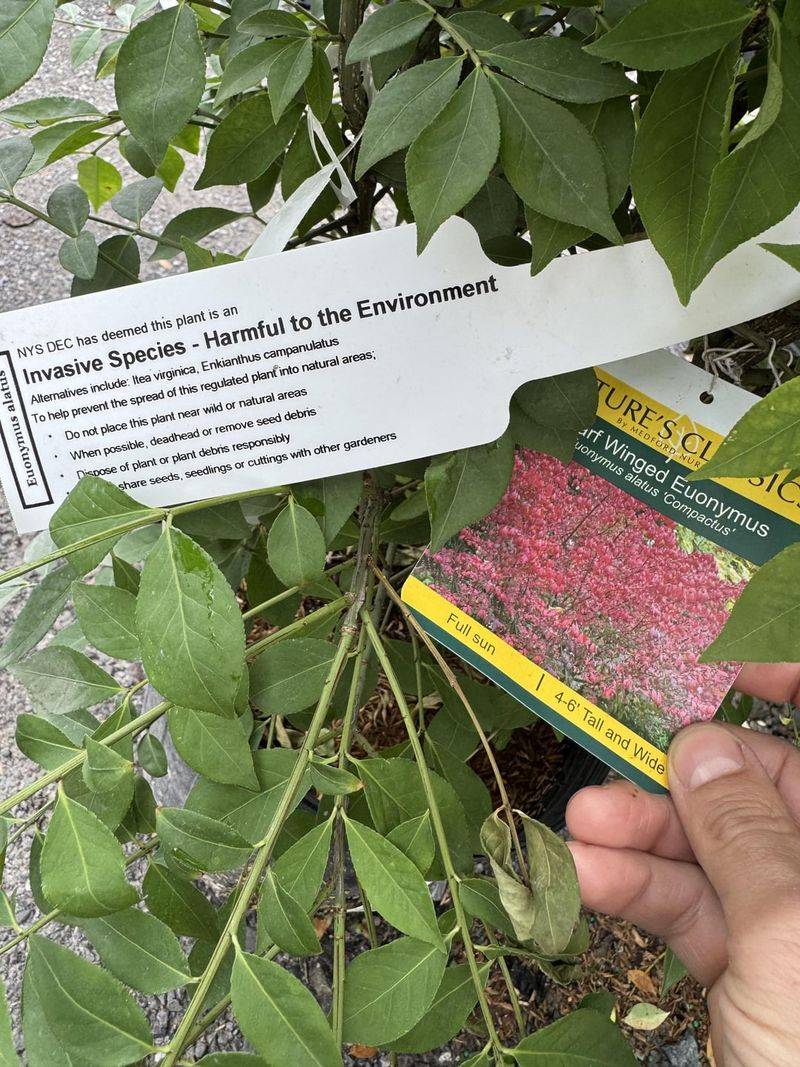
Since March 2015, sellers must attach a warning label to each plant. It reads Invasive Species – Harmful to the Environment, in at least 14-point type.
The label also gives tips for keeping the plant from spreading. It suggests native plants you could grow instead.
So what makes this beauty a problem? Birds gobble its small red berries in late summer and spread the seeds into woods.
Once there, it forms thick stands that push out native shrubs. Deer usually leave it alone, which gives it another edge.
Spotting it is easy in fall. Look for fiery leaves and odd corky wings running along the stems.
Its shallow, stringy roots may also add to soil erosion on slopes. That is a sneaky downside many owners overlook.
Small plants pull out fairly easily after a good rain. Bigger ones usually need cutting, followed by herbicide on the fresh stumps.
Some growers are testing sterile versions. Scientists are still watching to see if those plants stay seedless over time.
Norway Maple Must Carry An Invasive Warning Label
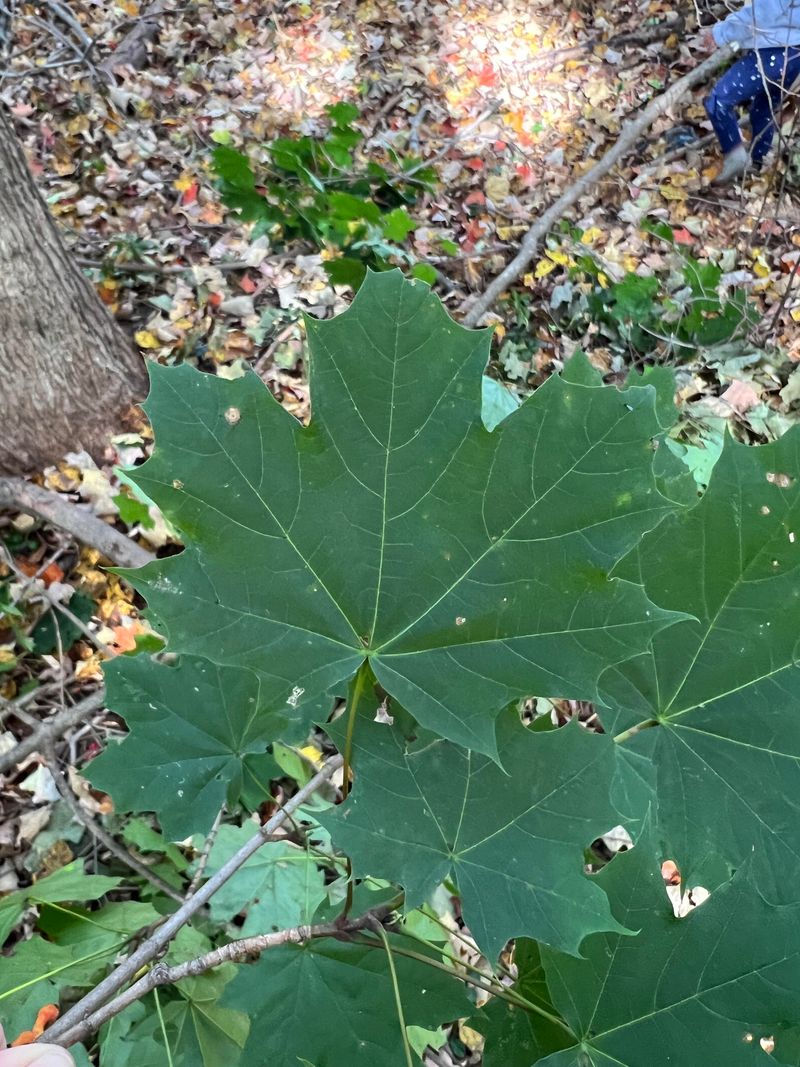
Back in the 1700s, settlers brought Norway maple from Europe as a handsome shade tree. Today, it lines countless streets in New York.
The tree is still legal to buy and keep. However, every one sold in the state must carry an invasive species warning label.
Buyers are expected to follow the label’s instructions. You also cannot plant it in parks, forests, or other public natural areas.
Why the fuss over a shade tree? Norway maple drops huge numbers of winged seeds that ride the wind.
Those seedlings pop up in forests and crowd out native maples. Its thick canopy and shallow roots leave little room for plants below.
It also shrugs off road salt and city pollution. That toughness helps it spread where other trees struggle.
Try this easy backyard test. Break off a leaf at its stem and watch for milky white sap.
Native maples usually have clear sap instead. Norway maple seeds also spread their wings wider than native ones.
Young saplings can be pulled by hand, especially in moist soil. Larger trees often need cutting plus stump treatment, since untreated stumps sprout back fast.
If a big one shades your house, there is no rush to remove it. Just keep pulling the seedlings it scatters each spring.
Chinese Silver Grass Is Sold Only With A Warning
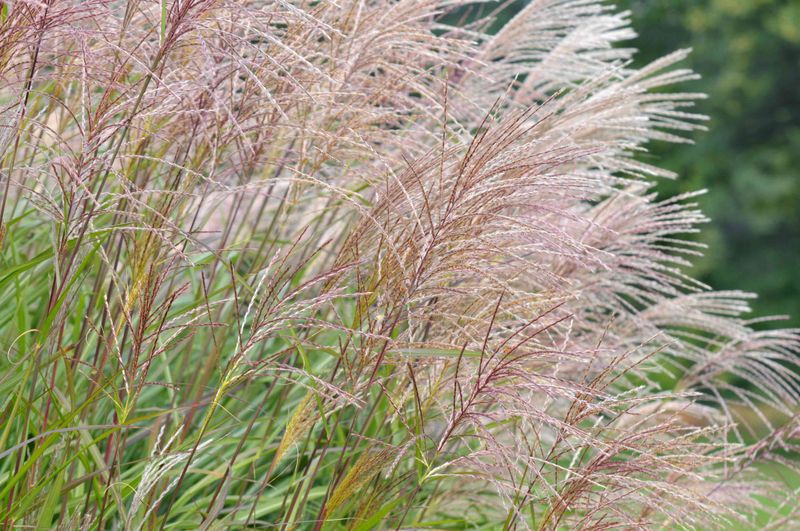
Those feathery plumes swaying by the mailbox sure look elegant. Chinese silver grass, also called maiden grass, wins hearts every September.
New York still allows its sale. Since 2015, though, each pot must carry a bold warning label about its invasive nature.
Labels also list better plant choices and care tips. Planting it in parks or wild areas is off limits.
Size is part of the issue. Clumps can tower up to 10 feet tall and push native plants aside.
It spreads mostly through strong underground stems. Many types also make seeds that stay ready to sprout for years.
Fire risk is a less known problem. Dry leftover leaves burn very easily, which worries folks living near fields and woods.
You can spot it by its long leaves with a silvery center stripe. Pinkish silver plumes rise in late summer and early fall.
Some sterile types get special treatment. Some sterile types, like Scout, are conditionally exempt from certain rules.
Small clumps can be dug out, but grab every bit of root. Bigger patches may need herbicide to get under control.
Skip burning it to clear space. Fire can actually help this grass come back stronger.
Some Barberry Cultivars Are Exempt
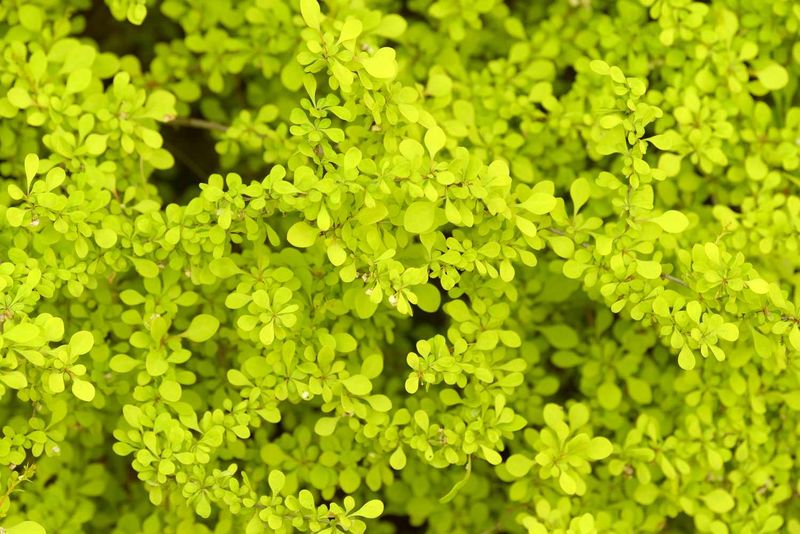
Good news for barberry fans who adore that bright foliage. Not every barberry is off the shelves.
The New York State Department of Environmental Conservation allows a few special types. They are bred to be sterile, so they cannot make viable seeds.
No seeds means birds have nothing to carry into the woods. That keeps these shrubs from escaping into wild areas.
The approved list includes Aurea, a golden variety. Crimson Cutie, Lemon Cutie, Lemon Glow, and Mr. Green Genes made the cut too.
On nursery tags, you may see long codes like UCONNBTB113. Those codes match each approved variety, so read the tag closely.
Many of these were developed through research at the University of Connecticut. Scientists worked for years to breed shrubs that stay seedless.
Shopping tip number one is simple. Buy from a trusted local nursery that knows the state rules.
Ask staff to confirm the exact cultivar before checkout. A plain tag reading only Japanese barberry is a red flag.
Keep the plant tag after planting, too. It helps if you ever need to prove your shrub is an approved type.
Even sterile shrubs still have thorns. Plant them away from walkways where little hands might grab a branch.
The Rules Target Selling And Spreading These Plants
Feeling nervous about the plants already in your yard? Take a breath, because the law mostly focuses on stores and spreading.
The rules are called 6 NYCRR Part 575. They took effect on March 10, 2015.
Plants fall into two groups, prohibited and regulated. Each group follows a different set of rules.
Prohibited plants cannot be sold, bought, moved, imported, or grown for sale. When you toss them, they must be fully lifeless so they cannot sprout.
Regulated plants are a bit more relaxed. You can buy, sell, grow, and move them freely.
The catch is one key limit. You cannot knowingly release them into a free-living state.
That phrase means any spot outside your control. Think public land, a neighbor’s yard, parks, forests, and waterways.
Two state agencies enforce these rules. They are the Department of Environmental Conservation and the Department of Agriculture and Markets.
Penalties can start with a written warning. Fines may reach $1,000, and local counties can add more.
Here is the reassuring part for homeowners. Existing plants on private property usually do not have to be removed.
Just avoid dumping yard waste in nearby woods. Bagging clippings goes a long way toward staying on the right side of the law.
Native Alternatives Can Fill The Same Spots
Ripping out a favorite plant can feel like losing an old friend. Luckily, New York natives can step right into that empty spot.
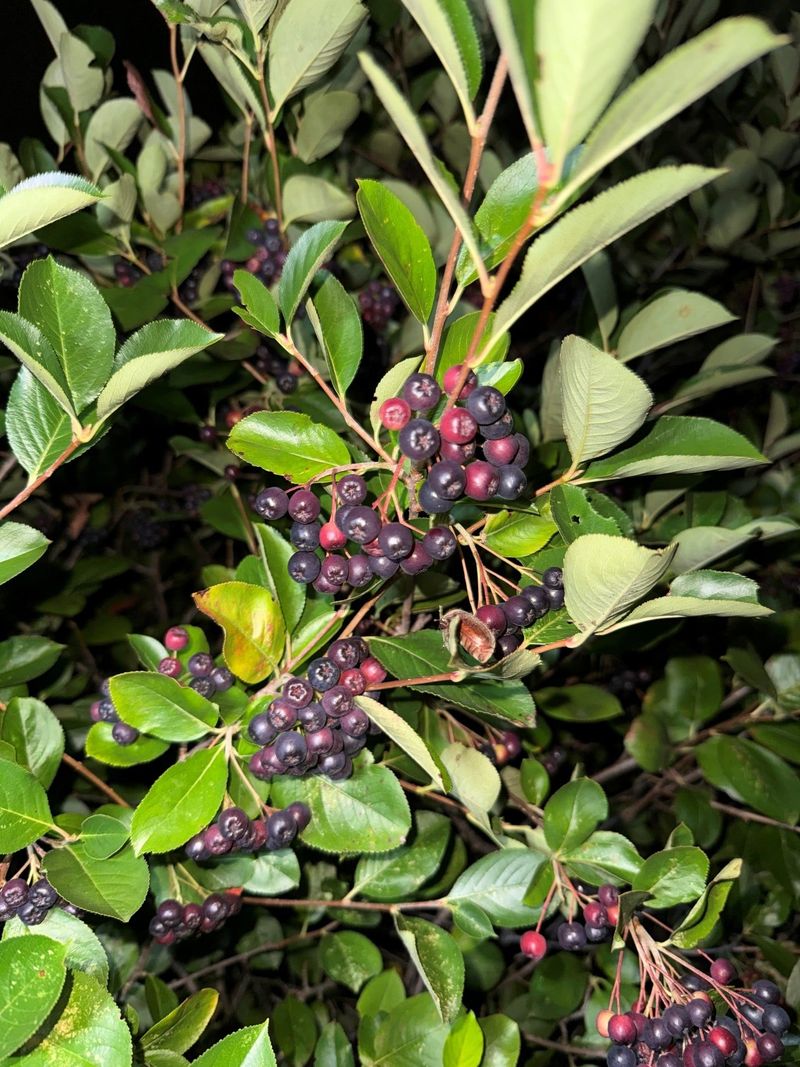
Missing barberry already? Try eastern ninebark, black chokeberry, or highbush blueberry for color and berries.
Winterberry keeps bright red fruit into winter. Arrowwood viburnum makes a thick hedge that birds love.
For a climbing vine, trumpet honeysuckle is a real crowd pleaser. Its red tube flowers draw hummingbirds all summer.
Virginia creeper grows quickly and turns rich red in fall. Native American bittersweet adds showy autumn berries.
Craving that burning bush glow? Red chokeberry, serviceberry, and American cranberry bush light up autumn beautifully.
In place of Norway maple, plant red maple or sugar maple. White oak, black gum, and eastern redbud are strong choices too.
Oaks are wildlife superstars. They support hundreds of caterpillar species that feed baby birds.
Swapping out silver grass is easy. Switchgrass, little bluestem, and Indiangrass give similar texture and movement.
After clearing knotweed, plant tough natives to hold the ground. Prairie cordgrass, Virginia wildrye, and red osier dogwood can resist its return.
Start small with one swap each season. Your local native plant society can suggest picks that suit your soil and sunlight.