Why Some Georgia Homeowners Are Replacing Their Lawn With Clover
A yard often reflects the time and care you put into your home throughout the year. Keeping everything looking neat feels rewarding, but the routine can become harder to enjoy over time.
Small jobs have a way of adding up before you even notice how much time has passed. That is why many homeowners eventually start paying attention when they notice something different in a nearby yard.
A simple change can spark curiosity without anyone saying a single word about it.
That quiet shift is becoming easier to notice in Georgia as more homeowners rethink the traditional lawn.
Clover is attracting attention because it offers a different way to keep a yard looking green.
The idea is not about chasing the latest trend or copying someone else. It is about finding an option that feels practical and still looks great around the home.
1. Clover Stays Greener With Less Water
Grass turns yellow fast when rain stops showing up. Clover does not respond the same way, and that difference matters a lot during a dry stretch.
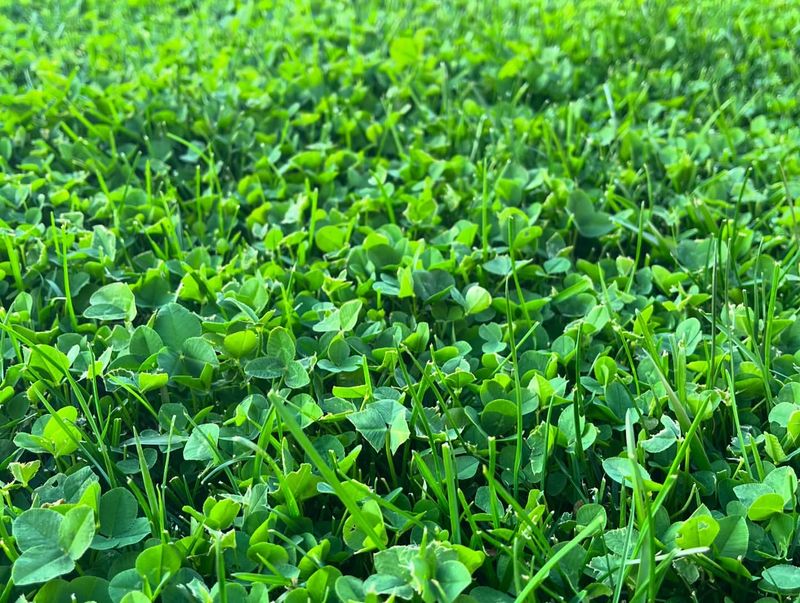
White clover has deeper root systems than most common lawn grasses. Those roots pull moisture from lower in the soil, which helps the plant stay hydrated longer between rain events.
In areas where summer droughts are common, that kind of resilience is genuinely useful.
Watering a full grass lawn can run up a water bill quickly, especially during July and August.
Clover needs roughly one inch of water per week, similar to grass, but it bounces back faster after dry periods. You may not need to water as often or as heavily to keep it looking decent.
Drought tolerance does vary depending on the clover variety and your specific soil conditions. Micro clover tends to handle dry spells especially well compared to standard white clover.
Mixing clover into an existing lawn can also help buffer dry patches. Areas where grass struggles during summer often fill in better when clover is part of the mix.
2. Many Varieties Need Less Mowing Than Grass
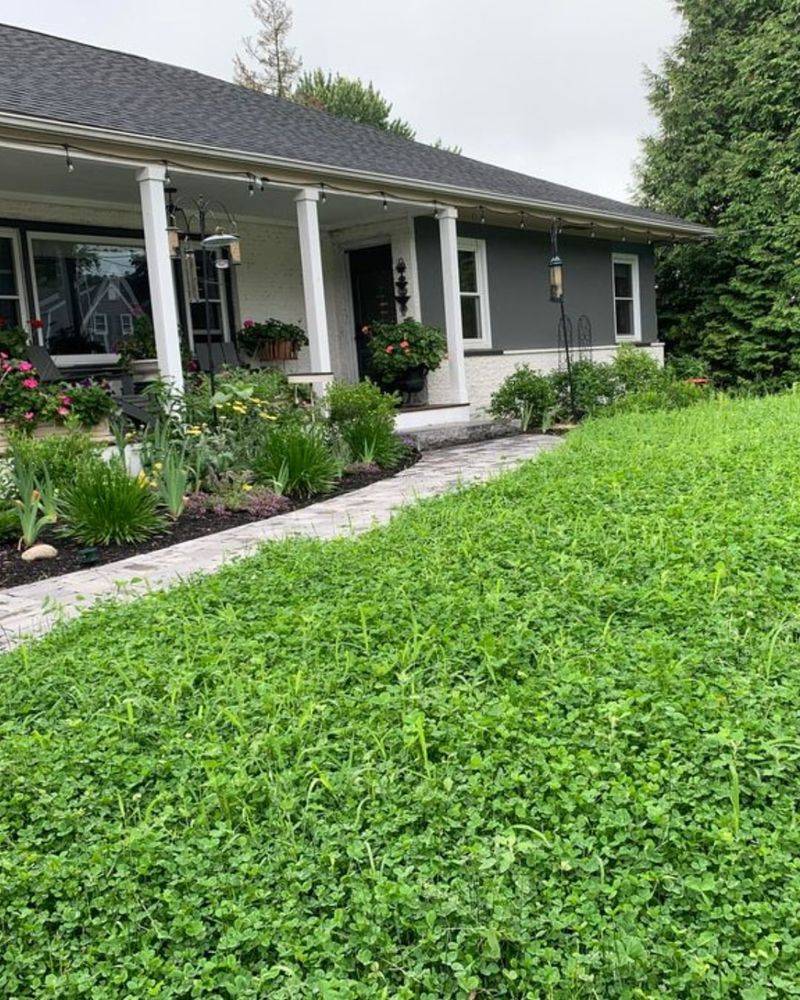
Skipping mowing weekends sounds too good to be true, but with the right clover variety, it is closer to reality than you might expect.
Micro clover stays naturally low, typically reaching only two to four inches in height. Standard white clover grows a bit taller but still tends to need far fewer cuts than traditional turf grass.
Most grass varieties need mowing every five to ten days during peak growing season.
Clover often goes two to four weeks between cuts, depending on conditions and the variety you choose.
Less mowing means less fuel, less equipment wear, and fewer hours spent pushing or riding a mower. Over a full season, that adds up to real time and money saved.
Clover also holds its appearance longer after mowing. It does not get that stressed, patchy look that grass sometimes shows right after a cut.
One thing worth knowing: if you let clover bloom, bees will visit regularly. Some homeowners mow just before blooms appear to keep bare feet safer.
Your Georgia Garden Changes Every Week. Your Plan Should Too.
Gardening in Georgia changes quickly throughout the season. Every Friday you’ll receive a simple weekly plan showing exactly what to plant, prune, fertilize, harvest, and protect so you never miss the right timing.
Others leave blooms alone and simply watch where they step.
Clover is not completely maintenance-free. It still needs occasional trimming, especially near edges and garden beds.
3. It Naturally Adds Nitrogen To The Soil
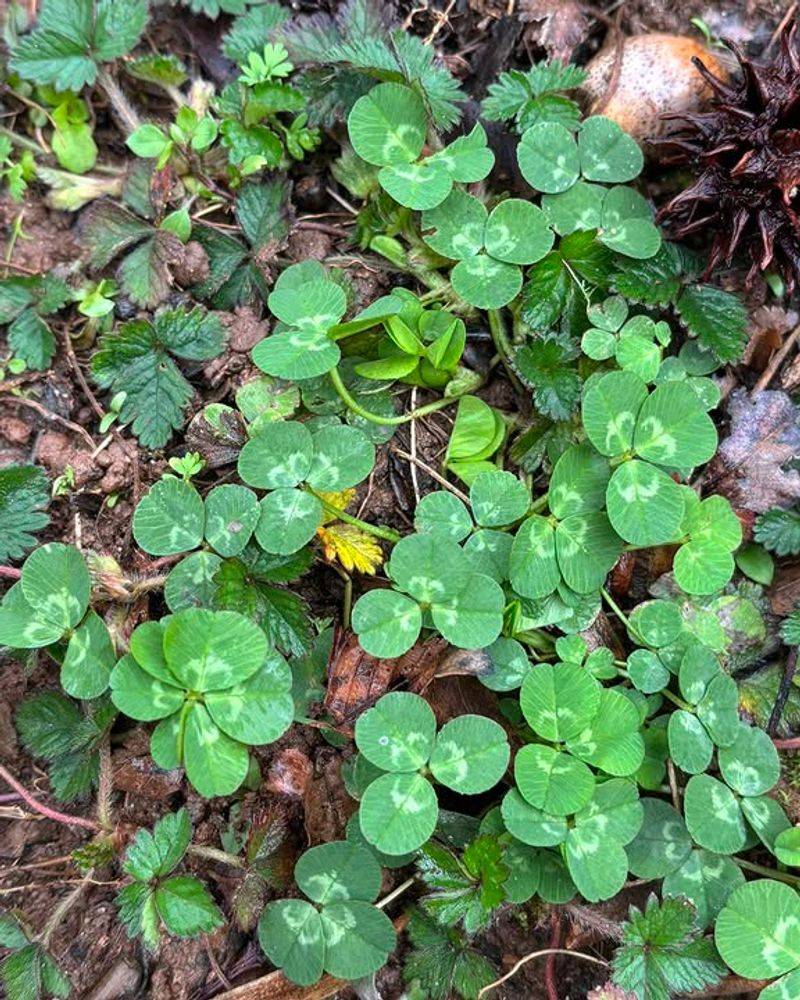
Fertilizer bags are expensive, and applying them correctly takes more effort than most people realize. Clover quietly handles part of that job on its own.
Clover is a legume, which means it works with bacteria in the soil to pull nitrogen from the air and convert it into a form plants can use.
Those bacteria live in small nodules attached directly to the clover roots.
Nitrogen is one of the main nutrients that keeps lawns green and growing.
Most homeowners apply synthetic nitrogen fertilizer several times a year to maintain that color.
When clover is part of your lawn, it feeds nitrogen back into the surrounding soil. Nearby grass and plants can benefit from that nutrient release over time.
Clover lawns or clover-grass mixes often need fewer fertilizer applications as a result. Some homeowners report cutting fertilizer use significantly after introducing clover, though results depend on soil conditions and how much clover is present.
Reducing synthetic fertilizer use also lowers the chance of nutrient runoff into nearby storm drains or waterways. That is a practical environmental benefit beyond just saving money.
Soil health tends to improve gradually when clover is established.
4. Pollinators Benefit When Clover Blooms
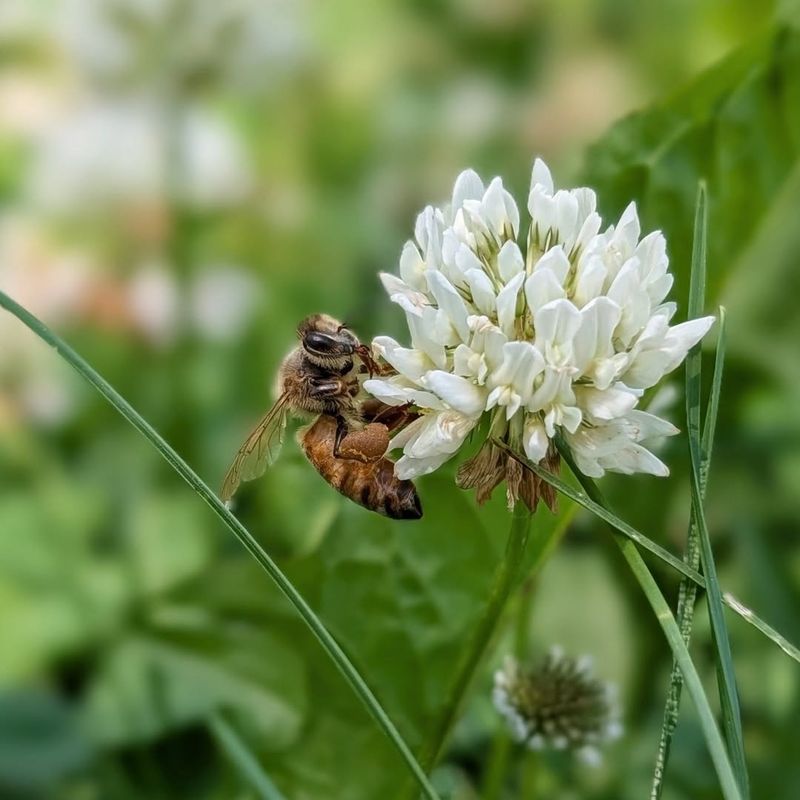
Bees are in serious trouble across much of the country, and one simple yard choice can actually help. Planting clover gives pollinators a reliable food source right in your neighborhood.
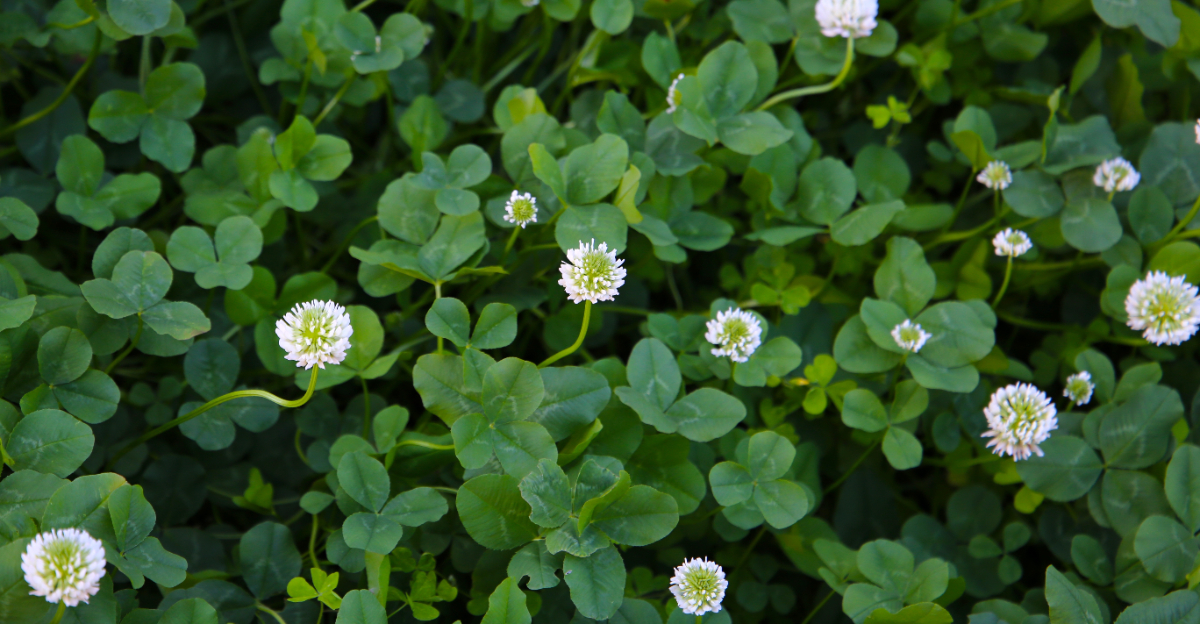
White clover produces small, nectar-rich flowers that honeybees and native bees actively seek out. Blooms typically appear in spring and continue through summer, depending on your local climate and mowing schedule.
Butterflies also visit clover regularly, along with other beneficial insects. A clover lawn can essentially function as a low-effort pollinator habitat without requiring a separate garden bed.
Supporting pollinators has real-world value beyond the yard. Bees pollinate a significant portion of food crops, so stronger local pollinator populations benefit community gardens and nearby farms too.
Some homeowners worry about bee stings in a clover lawn. Bees foraging on clover are generally focused on nectar and not aggressive.
Wearing shoes in the yard reduces any risk considerably.
Timing your mowing to remove blooms periodically is one way to balance pollinator support with practical yard use.
Mow before full bloom if foot traffic is a concern, then let it regrow and bloom again.
5. Bare Spots Fill In More Quickly
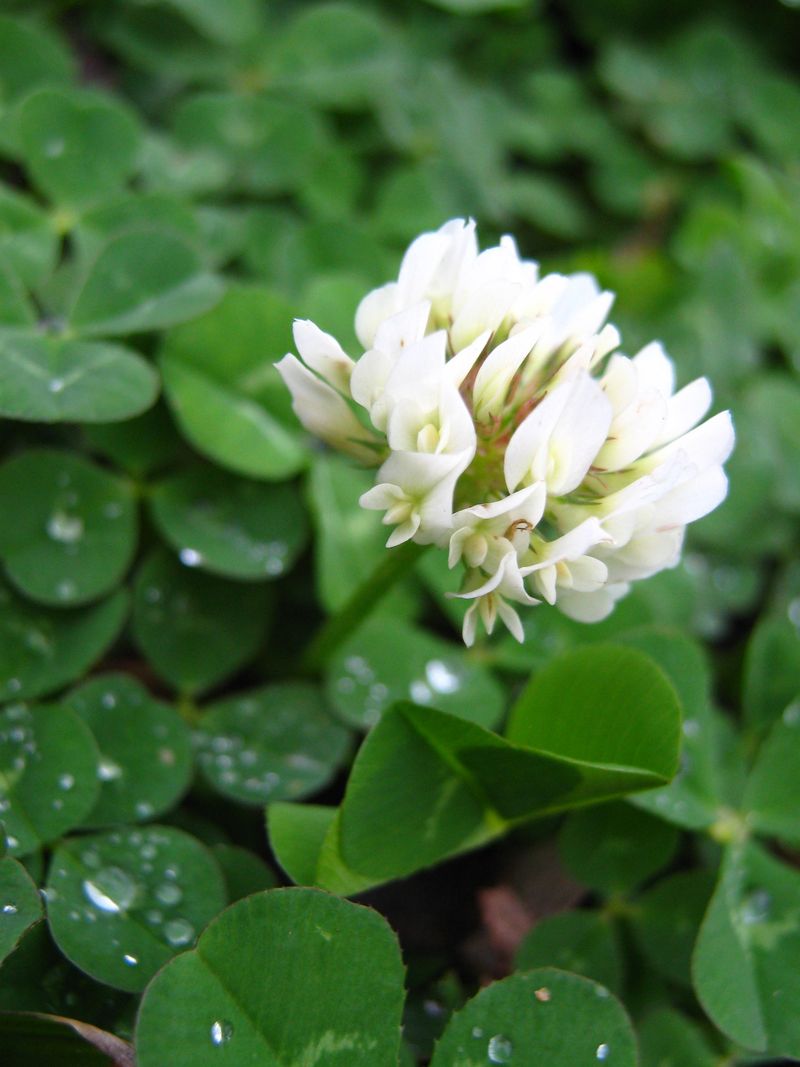
Bare spots in a grass lawn are frustrating to deal with. Reseeding takes time, and results are inconsistent depending on soil, shade, and foot traffic.
Clover spreads through above-ground runners called stolons. Those runners creep across open soil and take root as they go, naturally filling in gaps without much help from the homeowner.
Grass seed often struggles in compacted or nutrient-poor soil. Clover is less picky about soil quality and tends to establish in spots where grass has repeatedly failed.
Shaded areas under trees are a good example. Turf grass thins out badly in low light.
Certain clover varieties, particularly micro clover, handle partial shade reasonably well and can cover those problem areas more reliably.
High-traffic zones also benefit from clover’s spreading habit.
After heavy foot traffic wears down a patch, clover can recover and fill back in faster than most grass varieties under similar conditions.
Filling bare spots with clover does not require special equipment.
Spreading seed by hand over problem areas and keeping the soil lightly moist for a few weeks is often enough to get establishment going.
6. Many Homeowners Spend Less On Lawn Care
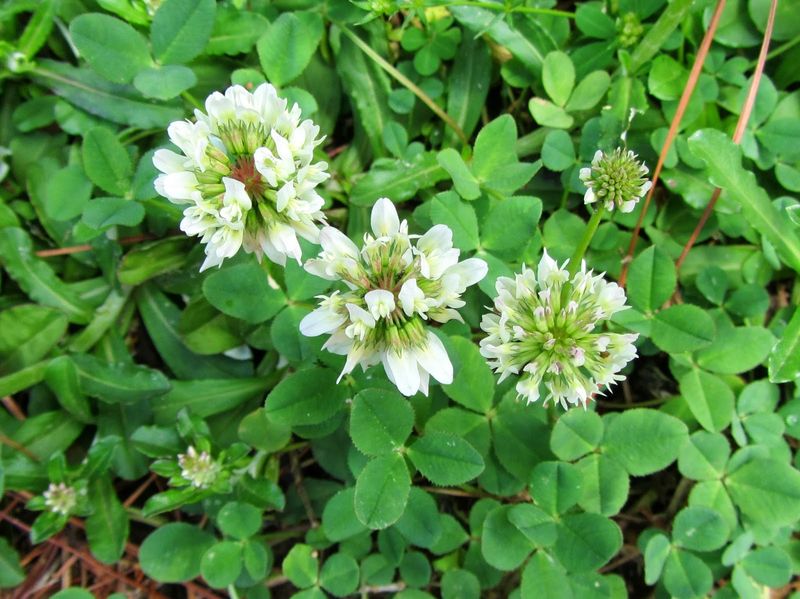
Lawn care costs add up faster than most people expect. Fertilizer, herbicide, water, fuel, and equipment maintenance can run several hundred dollars a season for an average-sized yard.
Clover cuts into several of those costs at once. Reduced fertilizer needs, less frequent mowing, and lower water use each contribute to a noticeably smaller annual lawn care budget over time.
Herbicide is one area where clover lawns require a different approach.
Standard broadleaf herbicides used on grass lawns will affect clover. Homeowners who switch often reduce or skip herbicide applications entirely, which saves money and reduces chemical exposure.
Professional lawn services also become less necessary for some homeowners. When a yard does not need frequent cutting or fertilizing, the case for paying a service weakens considerably.
Clover seed is inexpensive compared to quality grass seed.
Overseeding a lawn or filling bare spots costs very little, especially when buying in bulk for larger areas.
Savings are not guaranteed and depend heavily on how much clover you establish, your existing lawn care habits, and local conditions.
But the general trend among homeowners who switch is fewer inputs and lower spending.
7. Choosing The Right Clover Variety Matters
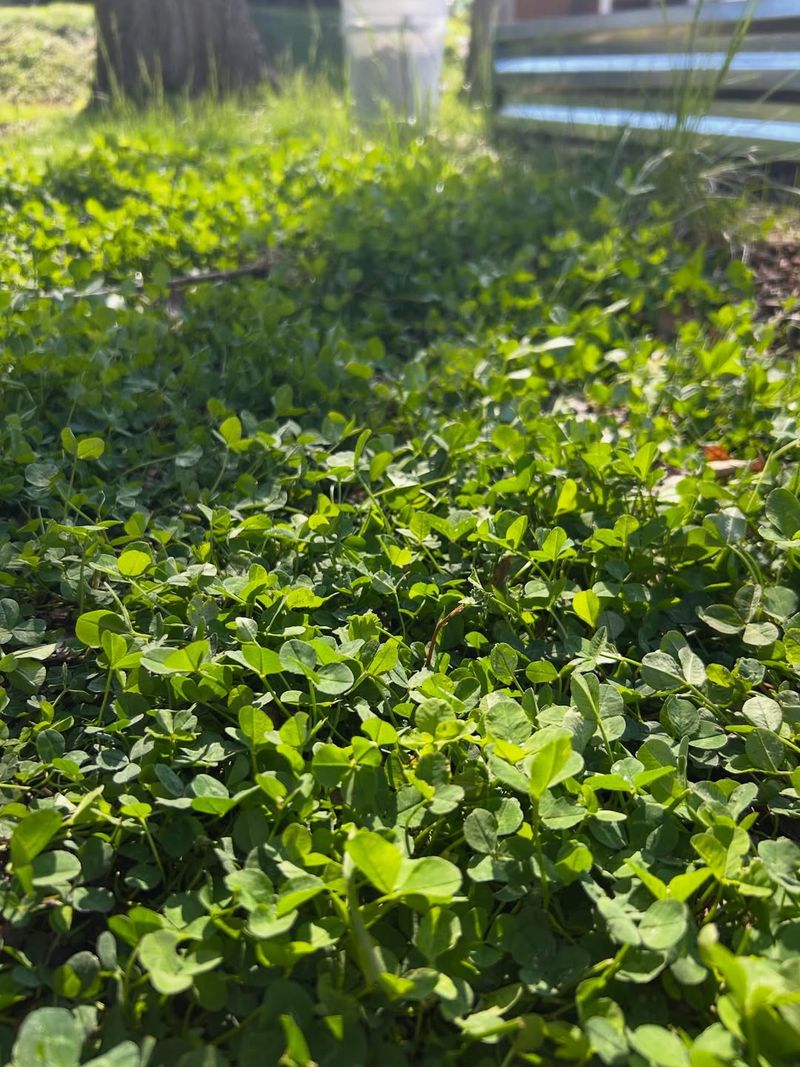
Not all clover is the same, and picking the wrong variety for your yard can lead to disappointing results. Knowing the differences helps you make a smarter choice from the start.
White clover is the most popular option for lawn use.
It grows low, spreads well, and handles foot traffic better than most alternatives. It works in both full sun and partial shade, making it versatile for mixed-use yards.
Micro clover is a smaller-leafed variety bred specifically for lawn blending. It stays even lower than standard white clover and mixes more seamlessly with grass.
Many homeowners prefer it for a neater, more traditional lawn appearance.
Red clover grows taller and is better suited for meadow areas or garden borders rather than high-traffic lawns. It is a good option if you want to attract pollinators in a specific zone without converting the whole yard.
Soil pH affects how well clover establishes. A pH between 6.0 and 7.0 tends to produce the best results.
Getting a basic soil test before planting helps you adjust conditions if needed.
Shade tolerance also varies by variety.
If your yard has significant tree cover, research which varieties perform best in low-light conditions before purchasing seed.