The Weed Most Arizona Gardeners Mistake For Grass
Almost every yard has something that seems too ordinary to deserve much attention. You notice it once, assume it belongs there, and move on without giving it another thought.
That happens more often than most gardeners realize because familiar things rarely stand out. A plant does not have to look unusual to become a problem.
Sometimes the biggest surprise comes from something that blends in so well that it goes unnoticed for weeks. By the time it finally catches your attention, it may already be spreading much farther than you expected.
One common mistake shows up in yards throughout Arizona when a fast-growing weed looks almost identical to young grass. At first glance, the difference can be difficult to spot.
A closer look reveals a few important clues that can help you tell them apart before the weed takes over more of your lawn.
1. Nutsedge Grows Faster Than Most Lawn Grasses
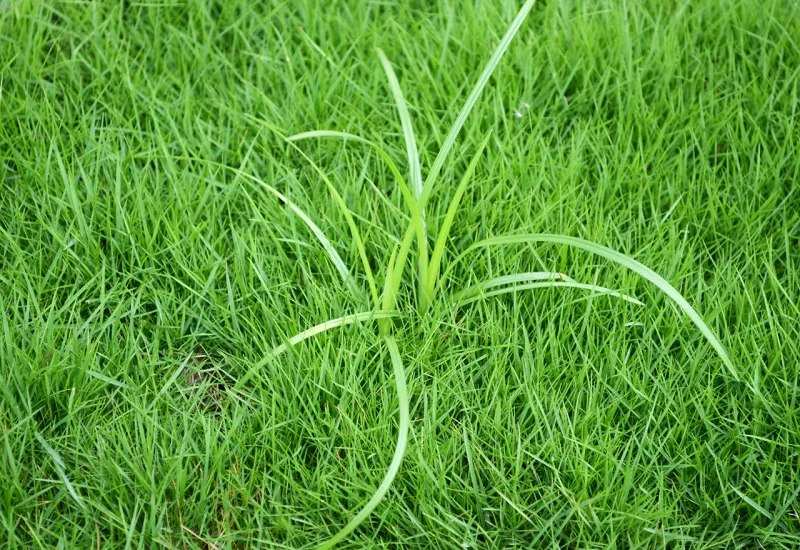
Spot a patch of grass that keeps growing faster than everything around it? That is almost certainly nutsedge, not a healthy section of your lawn.
Nutsedge can outpace Bermuda and other common warm-season grasses by a noticeable margin during summer. After you mow, it pops back up within days, standing taller than the rest of the lawn.
That uneven look is usually the first sign something is wrong.
Its color gives it away too. Nutsedge tends to be a brighter, lighter shade of green compared to most turf grasses.
When you look across your yard on a sunny afternoon, those lighter patches stand out clearly against a well-maintained lawn.
Growth speed matters because it tells you how aggressive the plant really is. Nutsedge does not slow down much even in dry spells.
It pulls energy from underground tubers, which act like small storage tanks that keep feeding the plant even when conditions get tough.
Most lawn grasses go through natural slowdowns based on temperature and water availability. Nutsedge is less affected by those shifts, especially in warm climates where temperatures stay high for months.
That steady, fast growth makes it easy to spot if you know what you are looking for.
2. Triangular Stems Make It Easy To Identify
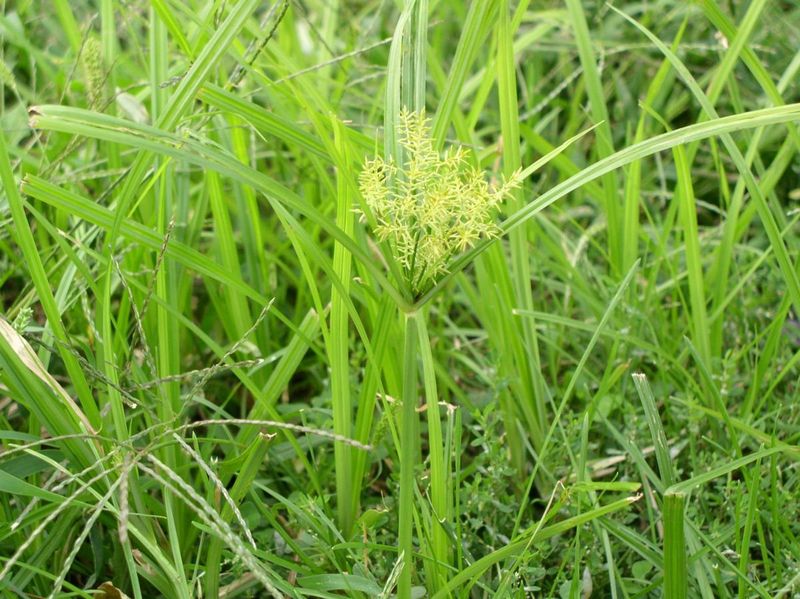
Roll the stem between your fingers. If it has corners, it is nutsedge.
Round stems belong to grasses.
Gardeners have used that trick for years, and it works surprisingly well. Nutsedge stems are distinctly triangular, which is unusual compared to the round or flat stems found on most common lawn grasses.
Once you feel that difference, you will not forget it.
A simple rhyme has been passed around in gardening circles for a long time: sedges have edges. That refers directly to the triangular stem shape that sets sedge plants apart from true grasses.
Nutsedge belongs to the sedge family, which explains why it looks so much like grass but behaves so differently.
Up close, you can also see the leaves arranged in groups of three coming from the base of the stem. Grasses typically have two-ranked leaf arrangements.
Your Arizona Garden Changes Every Week. Your Plan Should Too.
Gardening in Arizona changes quickly throughout the season. Every Friday you’ll receive a simple weekly plan showing exactly what to plant, prune, fertilize, harvest, and protect so you never miss the right timing.
That three-part pattern is another reliable identifier when you are crouching down to inspect a suspicious patch.
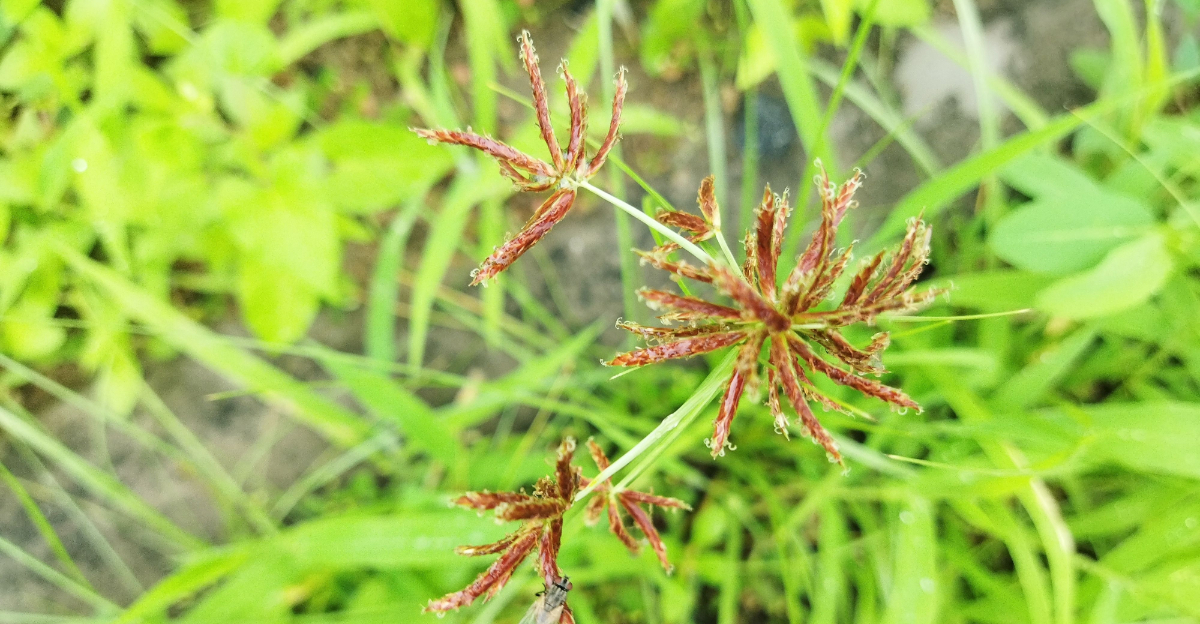
Seed heads can also help. Mature nutsedge produces a yellowish-brown or purple seed cluster at the top of the stem.
Yellow nutsedge and purple nutsedge are both found in warm regions, and both cause similar problems in lawns and garden beds.
3. Underground Tubers Help It Spread Quickly
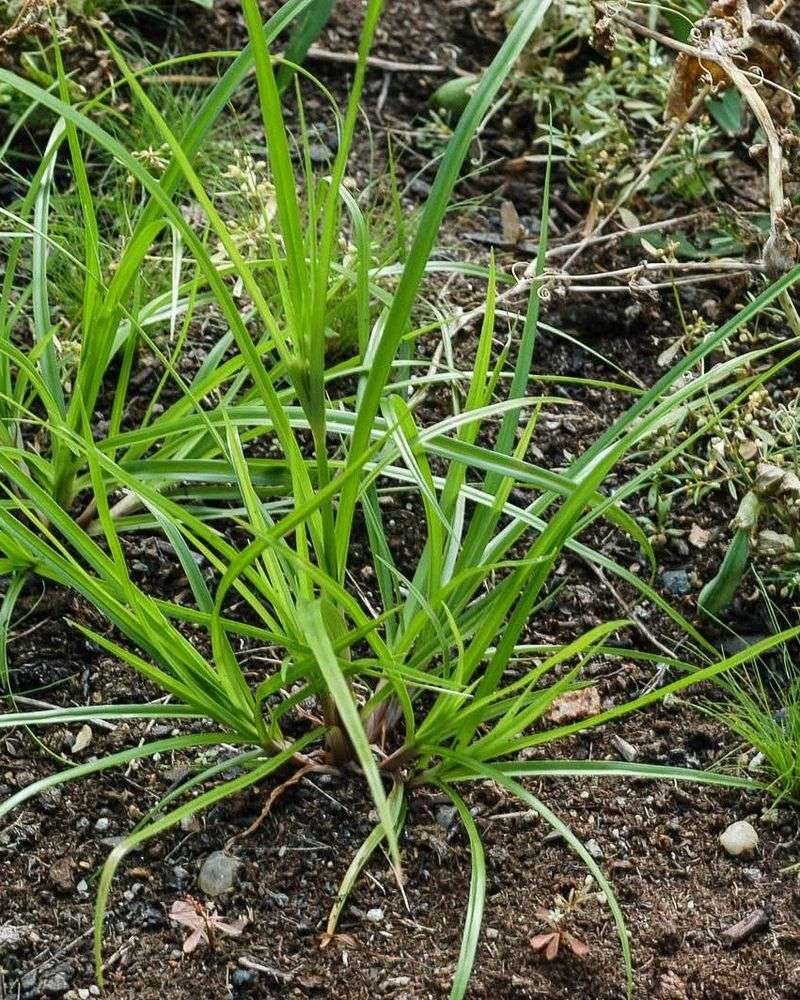
Pull nutsedge out of the ground and you might feel like you won. Underground, the real problem is just getting started.
Nutsedge spreads through a network of underground rhizomes and small tubers called nutlets. Those nutlets can remain dormant in the soil for long periods, sometimes years, before conditions are right for new growth.
Removing the visible plant does little to stop what is happening below the surface.
Each plant can produce dozens of nutlets during a single growing season. When you disturb the soil by digging or pulling, you can accidentally break the rhizomes into smaller pieces.
Each fragment has the potential to grow into a new plant, which means careless removal can sometimes make the problem worse instead of better.
Nutlets can begin forming as early as six weeks after a nutsedge plant emerges. Removing plants before they reach that stage helps reduce the number of new tubers added to the soil.
Routine gardening activities such as digging, aerating, or rototilling can also move nutlets into new areas. Cleaning tools and limiting unnecessary soil disturbance can help keep nutsedge from spreading farther.
4. Overwatering Often Encourages New Growth
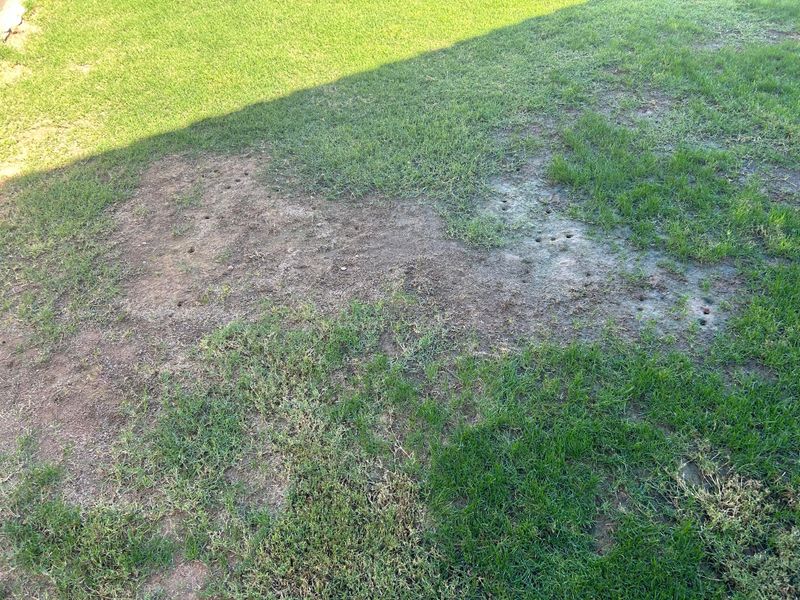
Wet soil is nutsedge’s favorite invitation. Overwatered lawns create exactly the conditions this weed loves most.
Nutsedge thrives in consistently moist environments. Yards with irrigation systems that run too frequently, or areas where water pools after rain, tend to see heavier nutsedge pressure than drier sections.
That pattern is especially noticeable in neighborhoods where drip lines or sprinkler zones are set too high for the actual needs of the lawn.
Adjusting your watering schedule is one of the most practical steps you can take. Deep, infrequent watering encourages grass roots to grow downward, which builds drought tolerance and reduces surface moisture that nutsedge prefers.
Shallow, frequent watering does the opposite and can favor weed growth over turf health.
Check your irrigation zones carefully. Spots that stay wet for extended periods after watering are likely candidates for nutsedge problems.
Fixing sprinkler heads that overlap, adjusting run times, or improving drainage in low spots can make a real difference over time.
Soil type plays a role too. Heavy clay soils hold moisture longer and tend to support nutsedge more readily than well-draining sandy soils.
Amending soil and improving drainage where possible can reduce favorable conditions for this weed.
5. Pulling It By Hand Rarely Solves The Problem
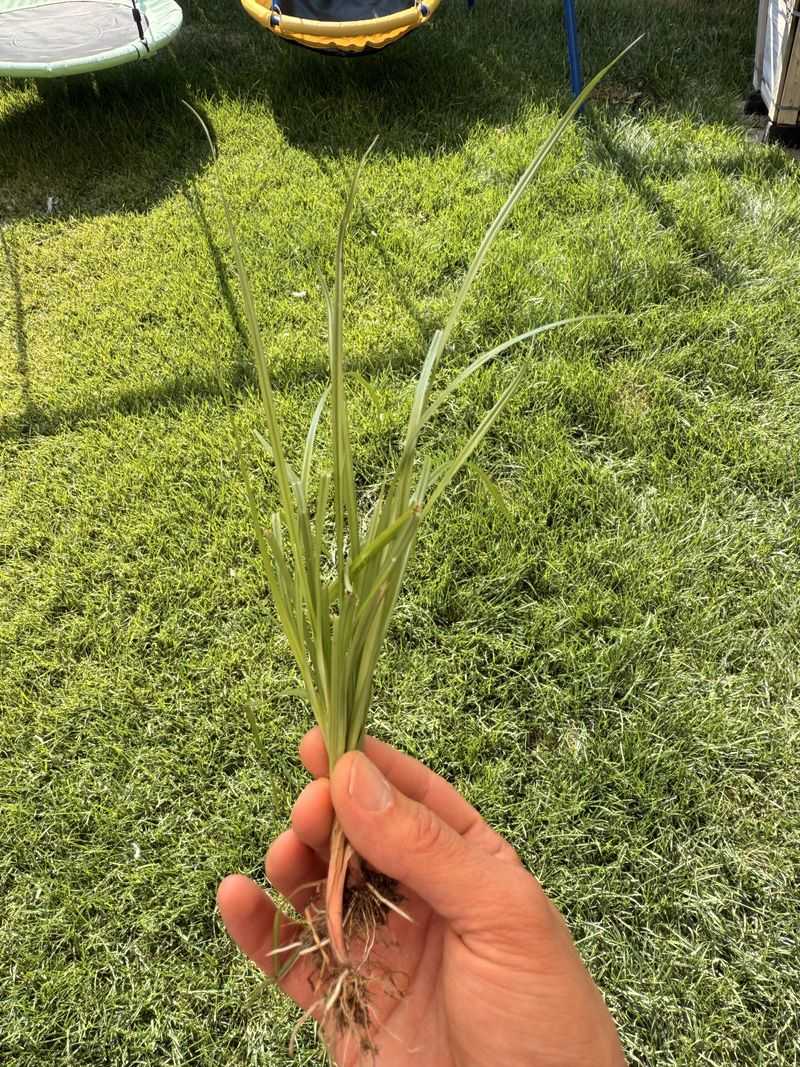
Hand-pulling nutsedge feels productive. In reality, it often does very little to reduce the overall population in your yard.
When you pull a nutsedge plant, the stem usually breaks off above the soil line. The tubers and rhizomes stay behind, completely intact.
Within a few weeks, new shoots emerge from those same tubers, and the cycle starts again. Repeated pulling without addressing what is underground tends to wear you out more than it affects the weed.
Even when you manage to pull the plant with some roots attached, small tubers often detach and stay in the soil. Those leftover pieces are enough to regrow.
Nutsedge has a remarkable ability to recover from surface-level removal, especially when the underground network is well established.
That said, hand removal is not pointless if done consistently and early. Young nutsedge plants that have not yet produced tubers can sometimes be removed successfully by hand.
The key is catching them in the first few weeks after germination, before the underground system develops.
Using a narrow trowel or weeding tool to dig several inches below the plant gives you a better chance of removing the tubers along with the visible growth. It takes more effort, but it disrupts the underground system more effectively than a straight pull.
6. Early Removal Helps Prevent Larger Patches
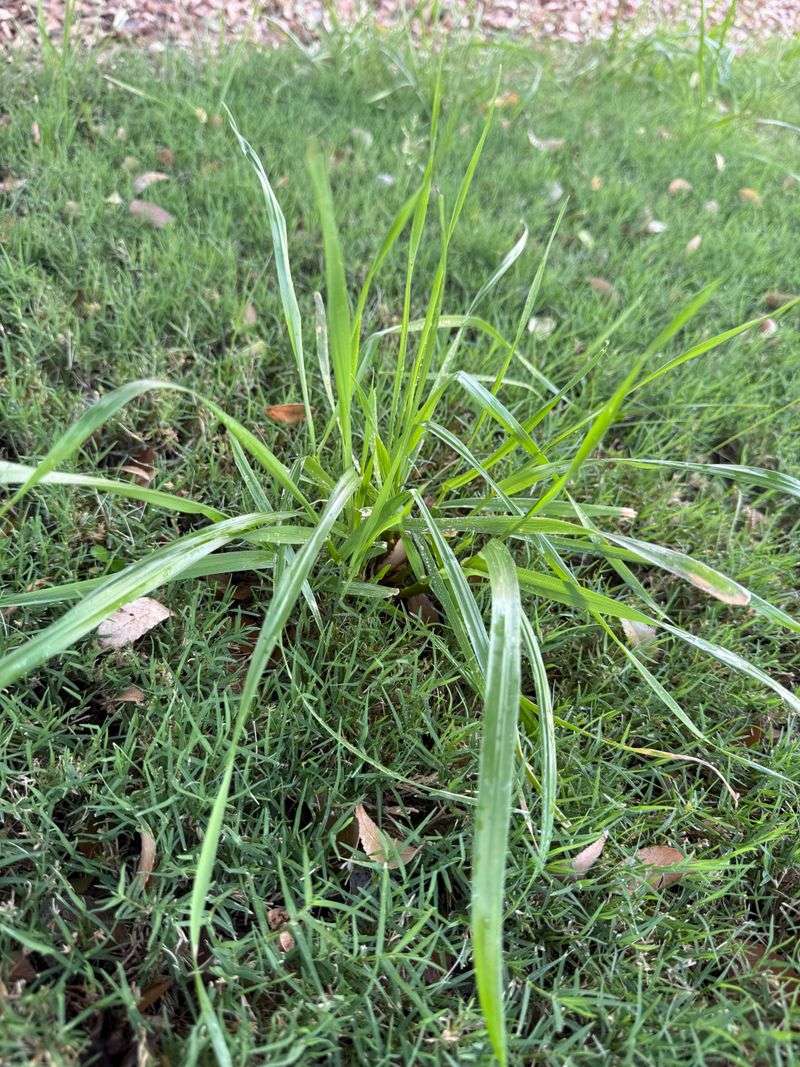
Catch nutsedge early and your job gets a lot easier. Wait too long and you are dealing with a much bigger challenge.
Young nutsedge plants have not yet had time to produce tubers. Removing them during that early window, typically within the first few weeks of emergence, means there is less underground infrastructure to deal with.
Early action is one of the most effective strategies available to home gardeners.
Timing varies depending on local conditions, but nutsedge tends to emerge when soil temperatures warm consistently. In warmer regions like the desert Southwest, that window can arrive earlier in the year than many gardeners expect.
Staying observant in late spring gives you the best chance of catching it before it spreads.
Walk your lawn regularly during the growing season. Look for that lighter green color and faster growth rate that sets nutsedge apart from your turf grass.
Catching even a small cluster early can prevent it from establishing a wider underground network that becomes much harder to manage later.
Keeping a garden journal or taking photos of problem areas across seasons can help you track where nutsedge tends to appear first. Many yards have consistent hot spots near irrigation heads, low areas, or shaded zones where moisture lingers longer.
7. Healthy Turf Makes It Harder For Nutsedge To Spread
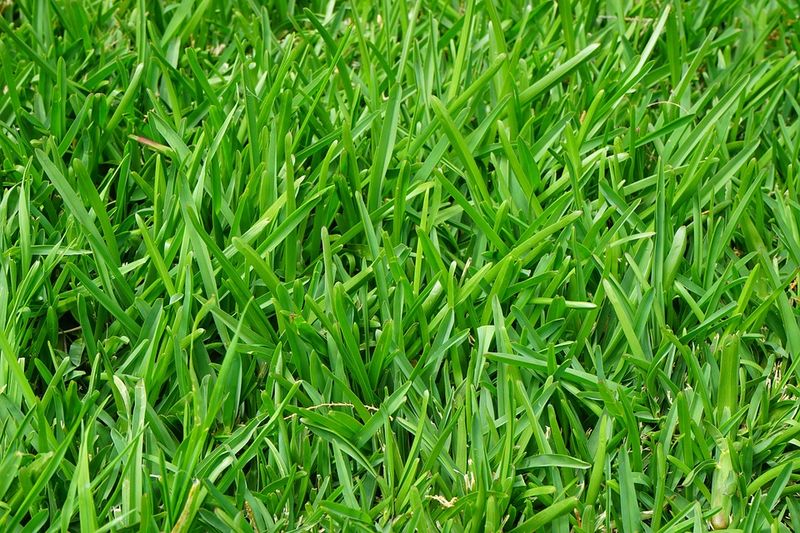
A dense, healthy lawn is one of the best defenses against nutsedge. Weak turf gives weeds the open space they need to get established.
Nutsedge moves in most aggressively where grass is thin, stressed, or patchy. Bare spots, areas recovering from foot traffic damage, or sections weakened by drought stress all create easy entry points.
Keeping your turf thick and vigorous reduces those opportunities significantly.
Proper fertilization plays a real role in this. Grass that receives balanced nutrition throughout the growing season stays competitive and fills in gaps more quickly.
Underfed lawns tend to thin out over time, which opens the door for opportunistic weeds like nutsedge to move in.
Mowing height matters too. Cutting your grass too short weakens it and exposes more soil to sunlight, which can help weed seeds and tubers get the light they need to sprout.
Keeping turf at the recommended height for your grass type supports better density and root development.
Overseeding thin areas in the appropriate season helps fill gaps before nutsedge can claim that space. In many warm-season lawns, late spring is a good time to address bare patches and encourage thicker coverage heading into summer.