The Smart Way To Grow Fig Trees In Containers In Arizona For A Real Harvest Every Summer
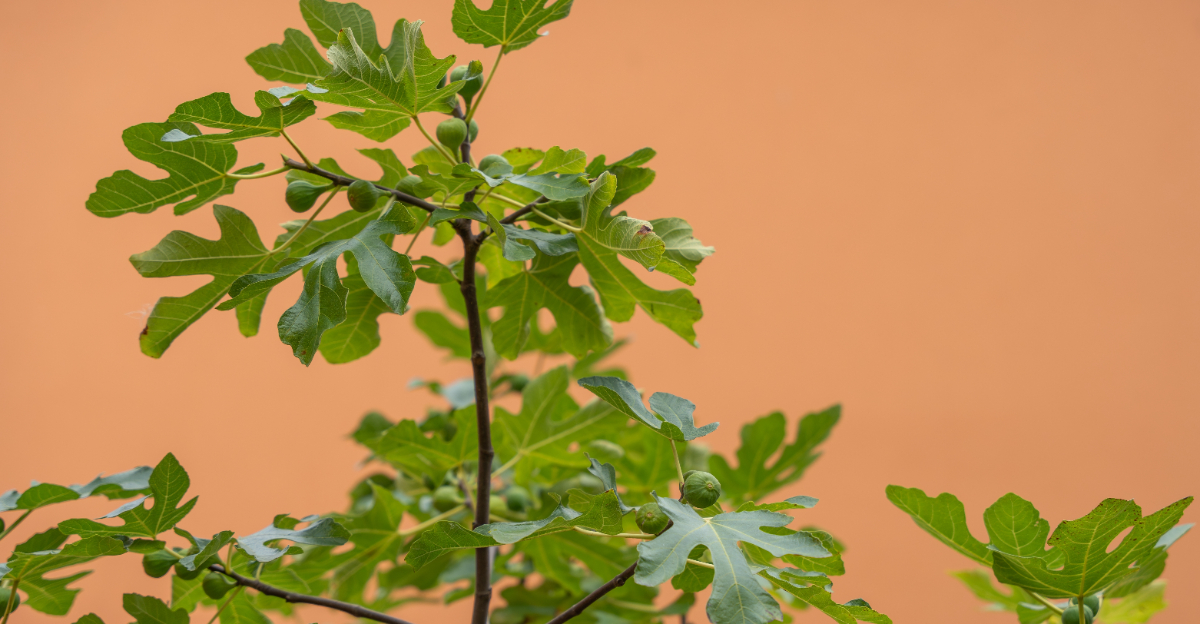
The first tiny figs showing up on a tree can be surprisingly exciting. Suddenly, that container sitting on the patio feels less like a plant and more like the beginning of a real harvest.
That excitement does not always last. Plenty of fig trees grow beautiful leaves, put on new growth, and still disappoint when summer arrives.
The challenge is that container figs play by slightly different rules. What works for a tree planted in the ground does not always produce the same results in a pot.
Small setbacks can affect fruit production long before there are obvious signs of trouble.
Growing figs in Arizona comes with some advantages that gardeners in other climates would gladly take. Strong sunshine and a long growing season can be a great combination when everything is working together.
Knowing how to set a container fig tree up for success can make the difference between a handful of fruit and a harvest worth waiting for.
1. Start With A Large Container From The Beginning
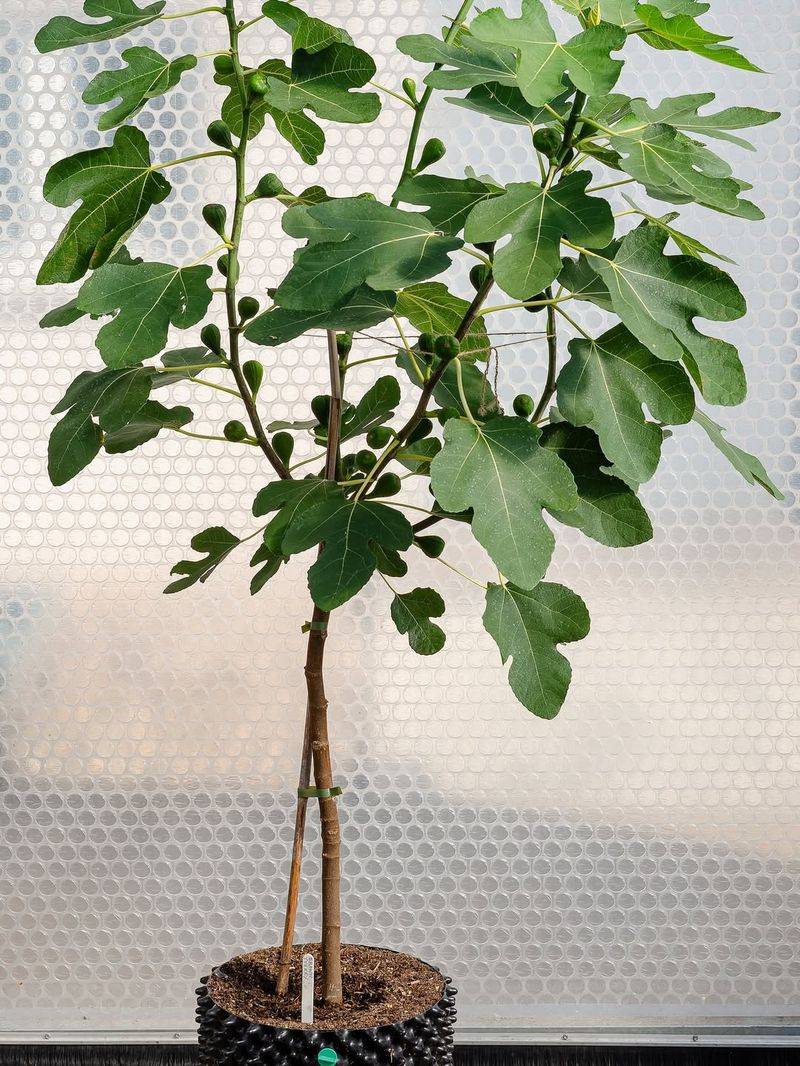
Skipping straight to a big pot saves you from repotting headaches every other season. Fig roots spread aggressively, and a cramped container stunts fruit production fast.
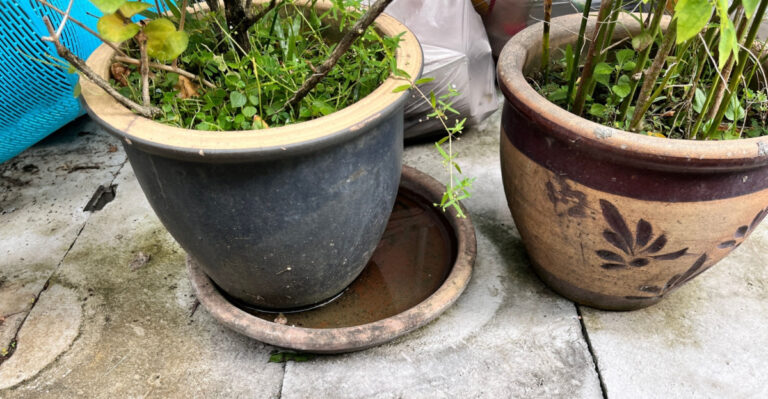
A 25-gallon container is the practical minimum for a fig tree you actually want fruit from. Anything smaller will dry out too quickly in triple-digit heat and stress the roots before the tree even gets established.
Dark-colored containers absorb heat and warm the root zone, which figs genuinely appreciate during spring. Just be aware that in peak summer, a dark pot can get dangerously hot on a west-facing surface.
Elevating the container slightly on pot feet or a small stand improves airflow underneath and prevents root rot from sitting water. It also makes it easier to move the tree if you need to shift it for shade during the worst heat weeks.
Fabric grow bags are a solid alternative to plastic or ceramic. They air-prune roots naturally, which keeps the root structure healthy and prevents the circling that chokes long-term growth.
Whatever material you choose, drainage holes are non-negotiable.
2. Choose A Variety That Performs Well In Pots
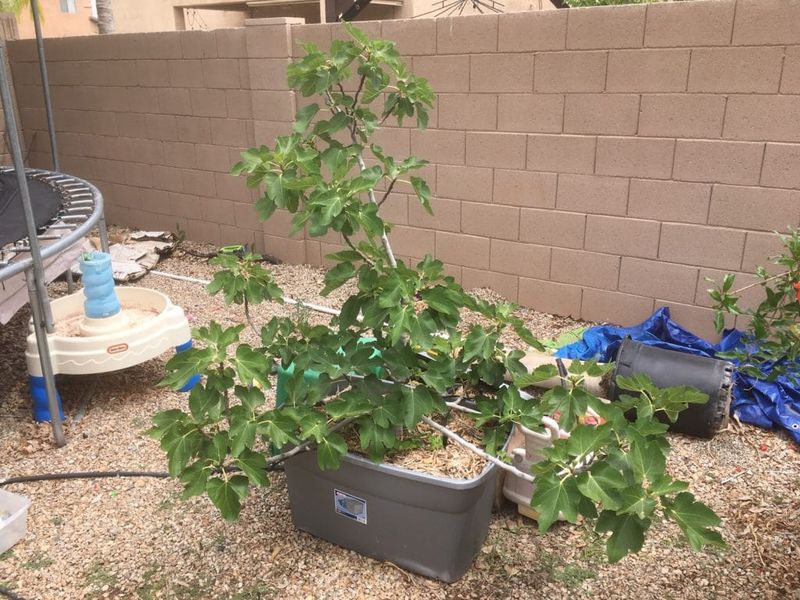
Not every fig variety handles container life the same way. Some grow too tall and vigorous for pots, while others stay compact and fruit reliably even with restricted roots.
Brown Turkey fig is one of the most forgiving options for container growers in hot climates. It stays manageable in size, produces two crops in good years, and handles heat without dropping fruit prematurely.
Black Mission is another strong choice. It fruits heavily, adapts well to pot culture, and the flavor is excellent when the fruit fully ripens in dry summer air.
Petite Negra is worth mentioning specifically for small-space growers. It stays naturally compact, rarely exceeds six feet even in the ground, and produces abundantly relative to its size.
In a large container, it performs really well.
Celeste is a variety that does well in containers if you keep up with watering. It tends to drop fruit when stressed by drought, so consistency matters more with this one than with Brown Turkey.
Your Arizona Garden Changes Every Week. Your Plan Should Too.
Gardening in Arizona changes quickly throughout the season. Every Friday you’ll receive a simple weekly plan showing exactly what to plant, prune, fertilize, harvest, and protect so you never miss the right timing.
Kadota figs are light-colored and sweet, and they handle the dry heat well once established. They are slightly more vigorous than Petite Negra but still manageable in a 25 to 30-gallon container.
3. Use A Fast-Draining Potting Mix
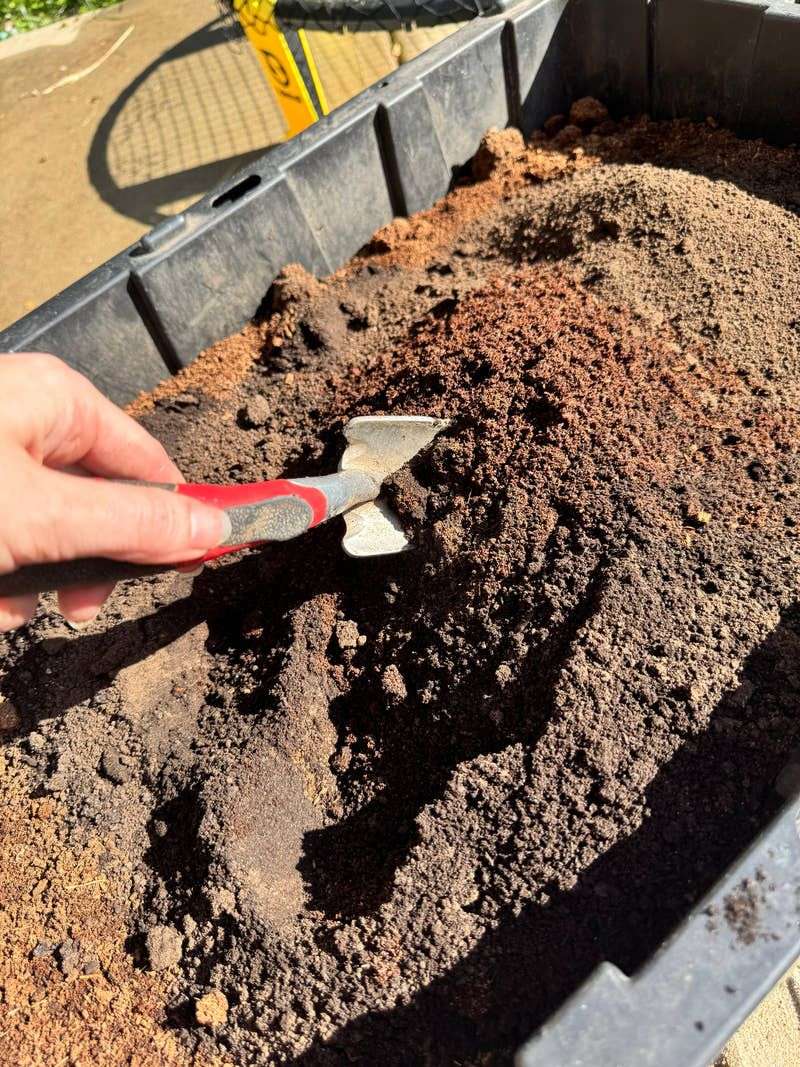
Standard potting soil straight from the bag is too dense for container figs in a hot desert climate. It holds moisture longer than the roots can tolerate during peak summer heat.
A better mix combines quality potting soil with perlite at roughly a 60/40 ratio. Perlite opens up the structure, keeps air moving through the root zone, and dramatically reduces the risk of root rot after heavy monsoon rains.
Adding a small amount of coarse sand or pumice improves drainage further without making the mix too lightweight. Lightweight mixes dry out too fast and require watering twice daily during heat spikes, which is not practical for most people.
Avoid mixes that contain large amounts of moisture-retaining crystals or water-holding gels. Those products work fine for annuals in mild climates but create soggy conditions around fig roots when temperatures exceed 105 degrees.
Good drainage also means the container itself needs to be set up correctly. Placing a layer of gravel at the bottom of the pot does not actually improve drainage and can create a perched water table.
Just fill the pot with the amended mix from bottom to top.
4. Water Deeply During Periods Of Extreme Heat
Shallow watering is one of the fastest ways to stress a container fig during a desert summer. Water needs to reach the bottom of the root zone, not just the top few inches.
During peak heat, which in Arizona often means June through early September, a large container can dry out completely within 24 to 48 hours. Checking the soil moisture daily is not excessive.
It is just responsible container gardening in this climate.
Push a finger two inches into the soil. If it feels dry at that depth, water thoroughly until you see runoff from the drainage holes.
That confirms moisture reached the entire root zone.
Watering in the early morning is ideal. It gives the root zone time to absorb moisture before the worst heat of the day arrives.
Evening watering works too, but morning is generally more efficient in hot, dry conditions.
Drip irrigation with a timer is worth setting up if you have multiple containers. A slow, deep drip over 30 to 45 minutes saturates the soil far better than a quick pour.
It also removes the stress of remembering to water during a busy week.
5. Feed Consistently During Active Growth
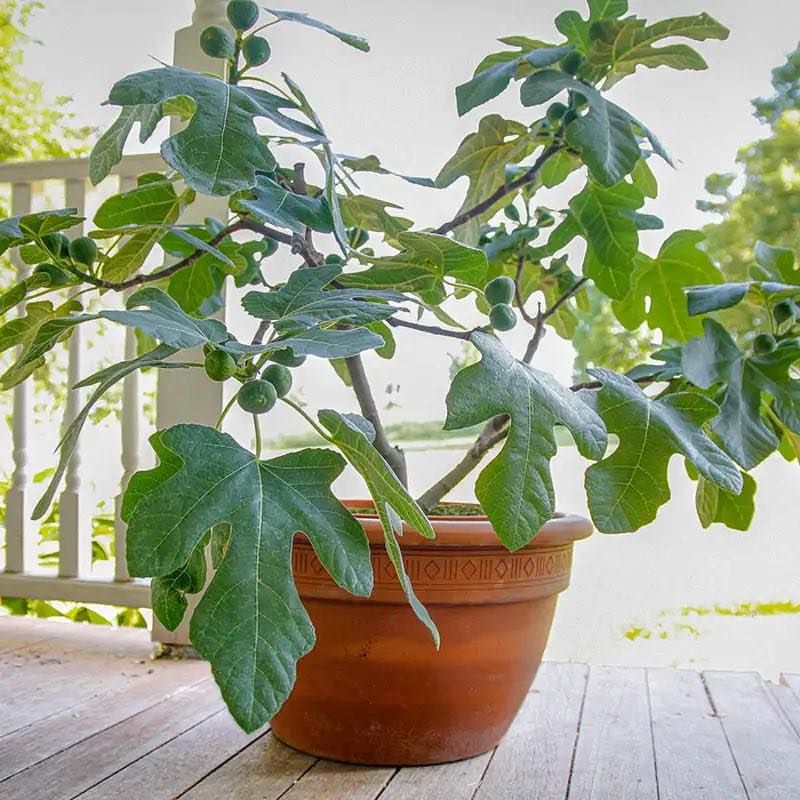
A fig tree growing in a container depends entirely on what you put into the pot. Unlike in-ground trees, it cannot send roots out to find nutrients on its own.
Start feeding in early spring when new leaf growth appears. A balanced fertilizer with equal parts nitrogen, phosphorus, and potassium works well for the first month.
It supports both leafy growth and root development simultaneously.
Once the tree shifts into active fruiting mode, switch to a formula lower in nitrogen and higher in phosphorus and potassium. Too much nitrogen during fruiting pushes leafy growth at the expense of fruit development.
Slow-release granular fertilizers are convenient and consistent. Apply them according to package directions every six to eight weeks through the active growing season.
They release nutrients steadily rather than flooding the root zone all at once.
Liquid fertilizers work faster and are useful when you notice the tree looking pale or sluggish mid-season. A diluted fish emulsion or liquid kelp feed every two weeks gives a quick boost without overwhelming the roots.
6. Prune To Maintain A Manageable Size
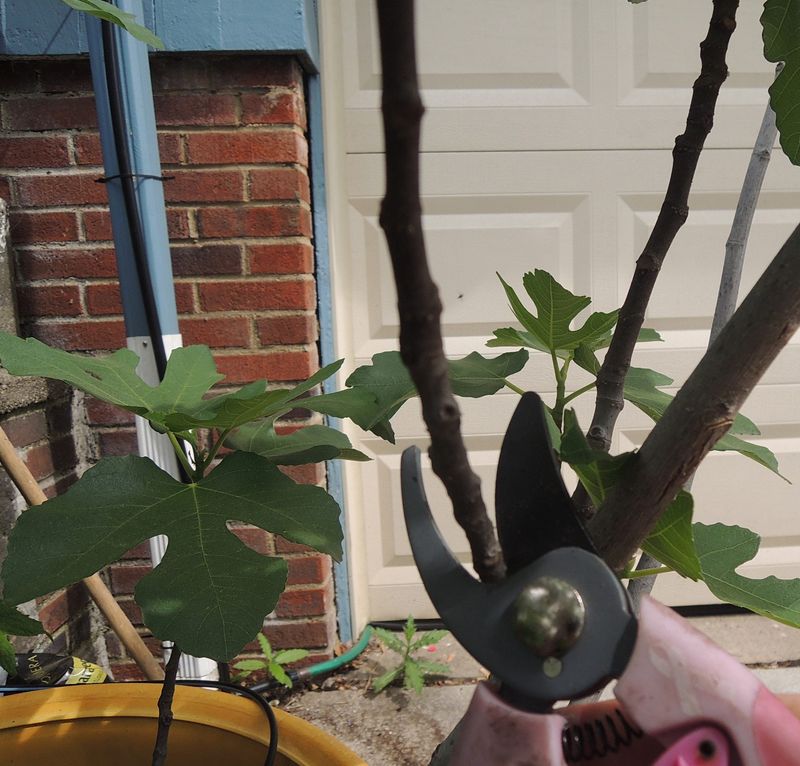
A fig tree left unpruned in a container will eventually outgrow its pot and become unmanageable. Pruning is not about limiting the tree.
It is about directing its energy toward fruit production.
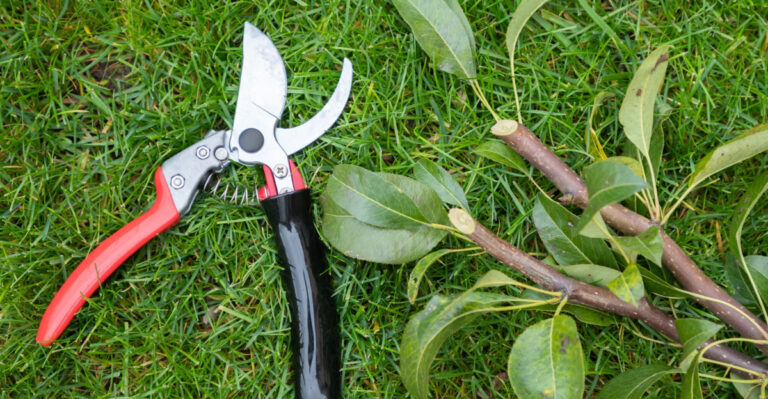
Late winter is the best time to prune, just before new growth begins. At that point, the branch structure is fully visible and it is easier to make clean, deliberate cuts without accidentally removing new growth.
Remove any branches that cross through the center of the canopy. Good airflow through the middle of the tree reduces humidity around the leaves and lowers the chance of fungal issues during monsoon season.
Cut back the longest branches by roughly one-third. This encourages the tree to push new fruiting wood lower on the plant rather than continuing to reach upward.
Lower fruiting wood makes harvesting much easier.
Suckers growing from the base of the trunk should be removed as soon as they appear. They pull energy from the main canopy and do not contribute to fruit production in a container setting.
Summer pruning is sometimes necessary if the canopy gets too dense. Light thinning cuts in June or July can improve airflow without shocking the tree.
7. Harvest As Soon As Fruit Fully Ripens
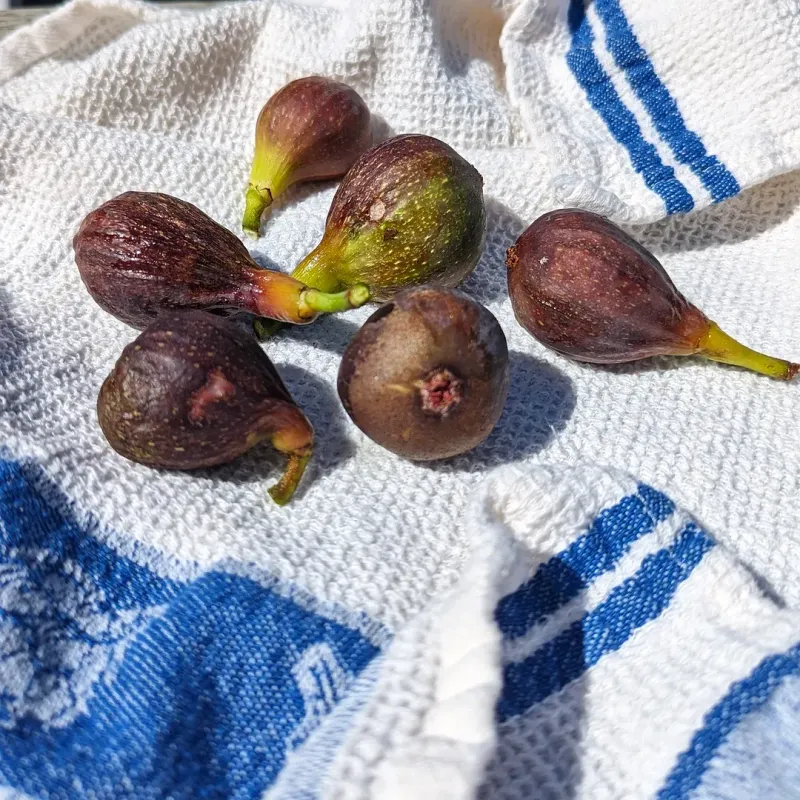
Ripe figs do not wait. Once a fig is fully ripe, it needs to come off the tree within a day or two before birds, insects, or heat get to it first.
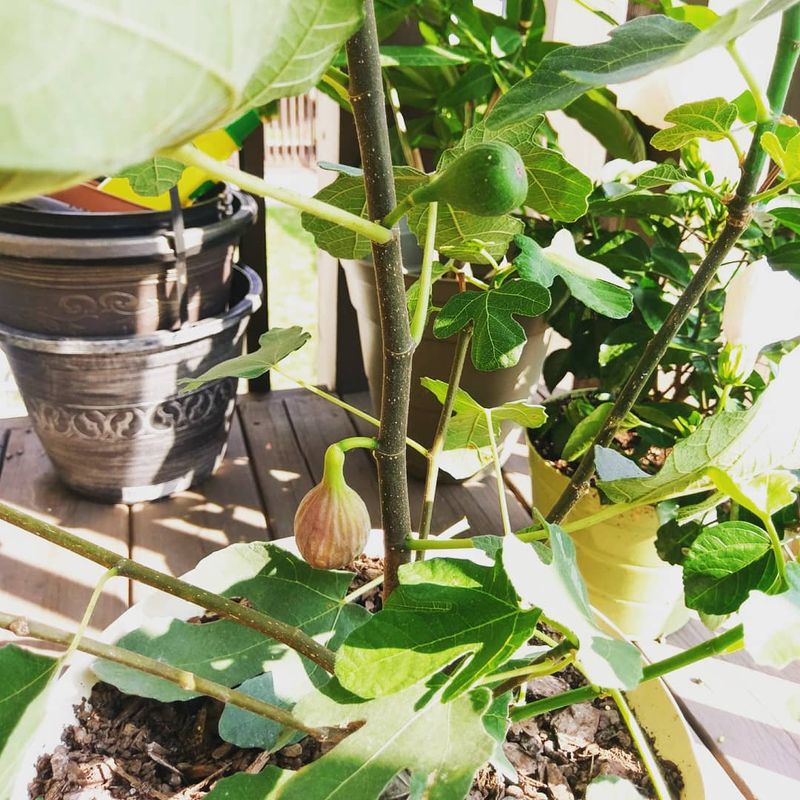
Color change is the most obvious ripeness signal. Depending on the variety, ripe figs shift from green to brown, purple, or nearly black.
Green figs that feel firm are not ready regardless of how large they look.
Texture matters just as much as color. A ripe fig feels soft and gives slightly when you press it gently.
A fig that is still firm to the touch needs another day or two on the tree.
Watch the neck of the fruit where it connects to the branch. When a ripe fig starts to droop or bend at the neck, that is a reliable sign it is at peak ripeness.
At that point, it pulls off easily with a gentle upward twist.
Figs do not ripen off the tree the way some other fruits do. Picking them early and hoping they soften on the counter rarely works well.
Leave them on the tree until they are genuinely ready.
Check your tree every morning during peak season.