9 Michigan Perennials Deer Usually Walk Past When Better Food Is Nearby
Deer do not eat everything in a Michigan garden with equal enthusiasm, and understanding their actual preferences rather than assuming everything is equally at risk changes how a yard gets planted entirely.
Nine perennials show up on the passed-over list consistently enough across Michigan landscapes to be genuinely reliable as lower-risk choices, not because deer cannot eat them but because they reliably choose something else when options exist nearby.
Building a planting scheme around these perennials does not guarantee a deer-free garden, but it shifts the odds significantly in favor of beds that stay intact through the season without fencing or repeated repellent applications keeping them that way.
1. Catmint
If you have ever walked past a catmint plant and caught a whiff of its sharp, herby scent, you already understand why deer tend to keep moving when they come across it.
That strong fragrance comes from the plant’s aromatic oils, and deer simply find it a lot less appealing than soft, tender favorites like hostas or daylilies.
When better food is nearby, catmint rarely makes the shortlist.
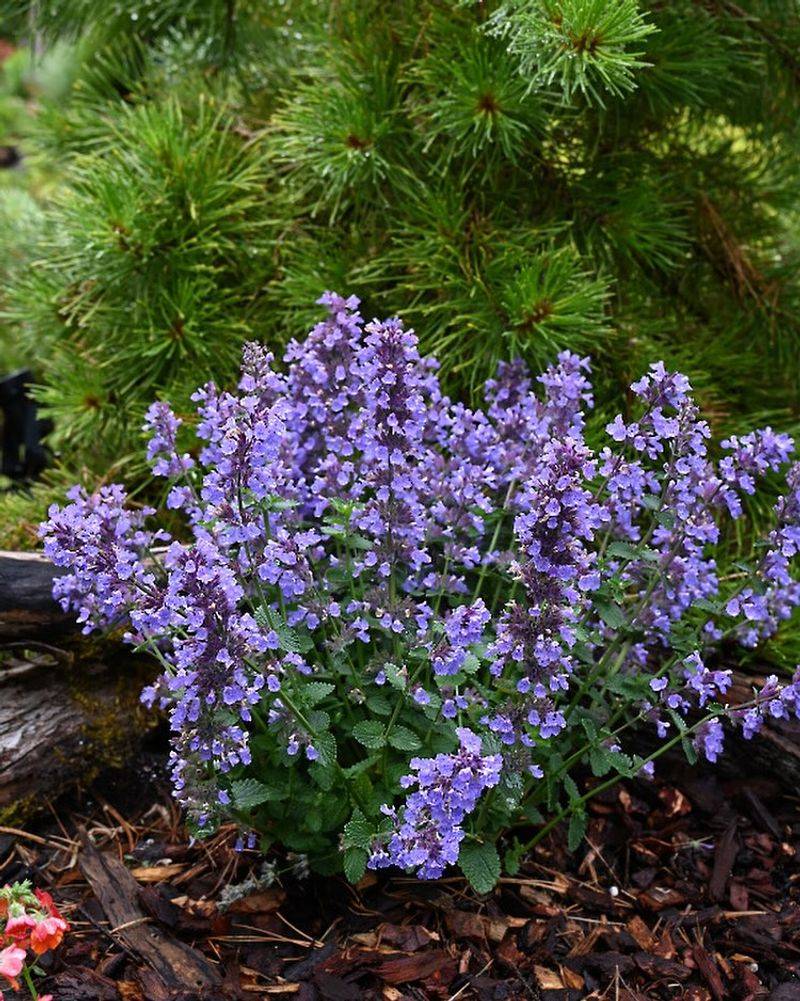
Catmint thrives in sunny spots and works beautifully along garden paths, patio edges, and front borders where you want color without constant worry.
It produces waves of soft lavender-blue flowers from late spring well into summer, and if you cut it back after the first flush, it often blooms again.
The silvery-green foliage stays attractive even when it is not in bloom, giving your garden a neat, polished look.
One of the best things about catmint is how low-maintenance it really is. It handles Michigan summers well, tolerates some drought once established, and does not need a lot of fussing to look good.
Pairing it along the front of a sunny border with other aromatic or textured plants can help create a layered defense against deer browsing. It is a reliable performer that earns its place in any Michigan perennial garden.
2. Russian Sage
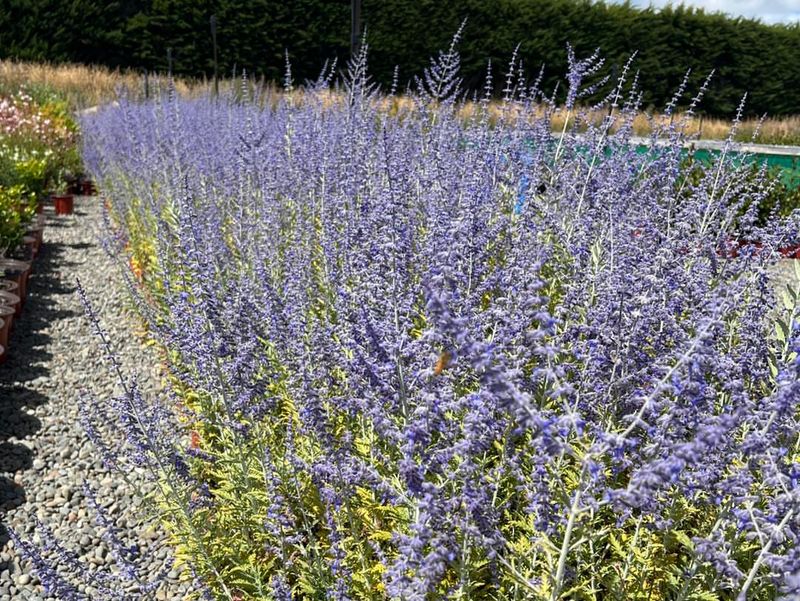
Russian sage has a presence in the garden that is hard to ignore. Its tall, airy stems covered in tiny violet-blue flowers create a hazy, dreamy effect that looks stunning from mid-summer into fall.
But as beautiful as it is to the human eye, deer tend to find it far less tempting, and that has a lot to do with its powerful scent and tough, silvery foliage.
When you rub the leaves or stems, Russian sage releases a strong, almost medicinal fragrance. Deer rely heavily on scent when they are deciding what to eat, and this plant just does not pass the smell test for them.
Combined with the silvery, slightly rough texture of its foliage, it rarely ranks high on a deer’s list of preferred meals, especially when softer plants are available elsewhere.
For Michigan gardeners dealing with deer pressure, Russian sage is a smart addition to sunny borders and dry garden spots. It needs full sun and excellent drainage to perform well, so avoid planting it in low spots where water tends to collect.
Your Michigan Garden Changes Every Week. Your Plan Should Too.
Gardening in Michigan changes quickly throughout the season. Every Friday you’ll receive a simple weekly plan showing exactly what to plant, prune, fertilize, harvest, and protect so you never miss the right timing.
Once established, it is remarkably drought tolerant and practically takes care of itself through hot summers.
Pair it with ornamental grasses or coneflowers for a bold, naturalistic planting that looks great and holds up well against deer visits all season long.
3. Lavender
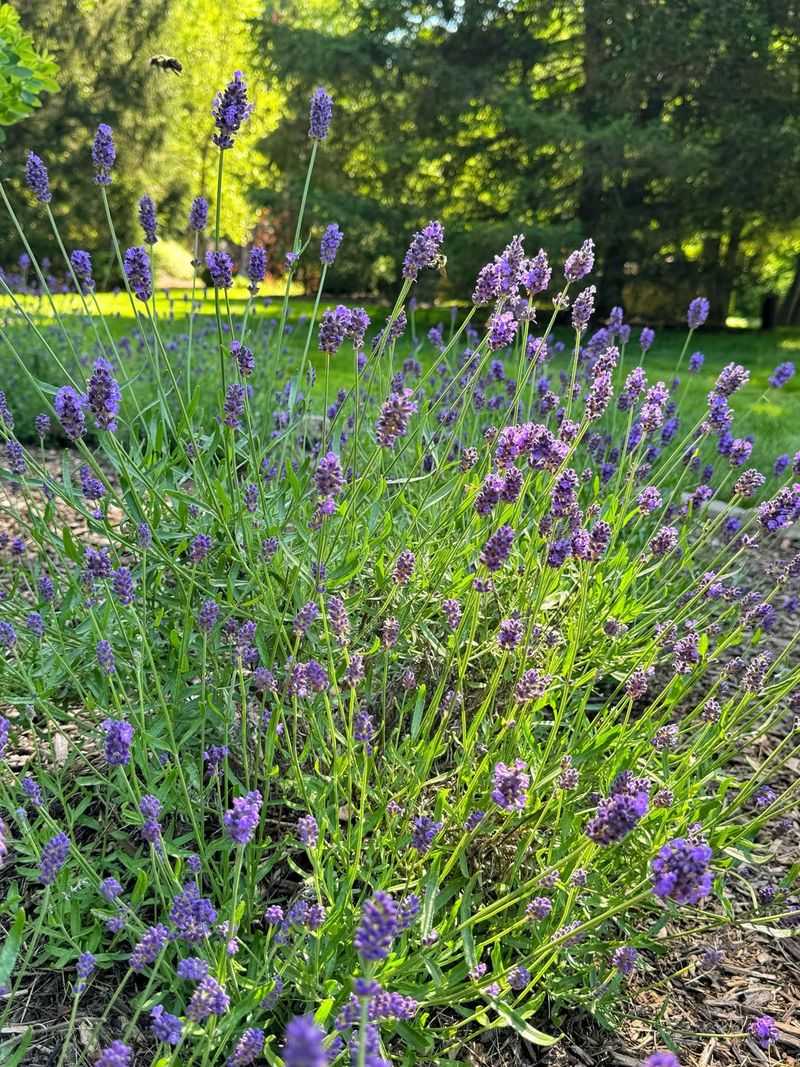
Few plants carry as recognizable a scent as lavender. Walk through a garden on a warm afternoon and you will notice it immediately, that clean, floral fragrance that fills the air around it.
Deer notice it too, and for them, the experience is far less pleasant. That intense scent, combined with the plant’s narrow, slightly tough leaves, makes lavender one of those perennials deer tend to move past without much interest.
In Michigan, lavender can be a bit finicky, but it is absolutely worth the effort when sited correctly. It needs full sun and excellent drainage above everything else.
Clay soils or spots that hold moisture through the winter can be much harder on lavender than any deer ever would be. Raised beds, slopes, or amended garden areas with sandy or gritty soil give it the best chance to come back strong year after year.
Choosing a hardy variety makes a real difference for Michigan winters. English lavender types like Hidcote or Munstead are among the most cold-tolerant options available.
Once established in the right spot, lavender is a low-maintenance, high-reward plant that brings pollinators, fragrance, and color all summer long.
Planting it near entryways or along sunny walkways lets you enjoy the scent every time you pass by, and it keeps deer moving toward something more appealing down the road.
4. Lamb’s Ears
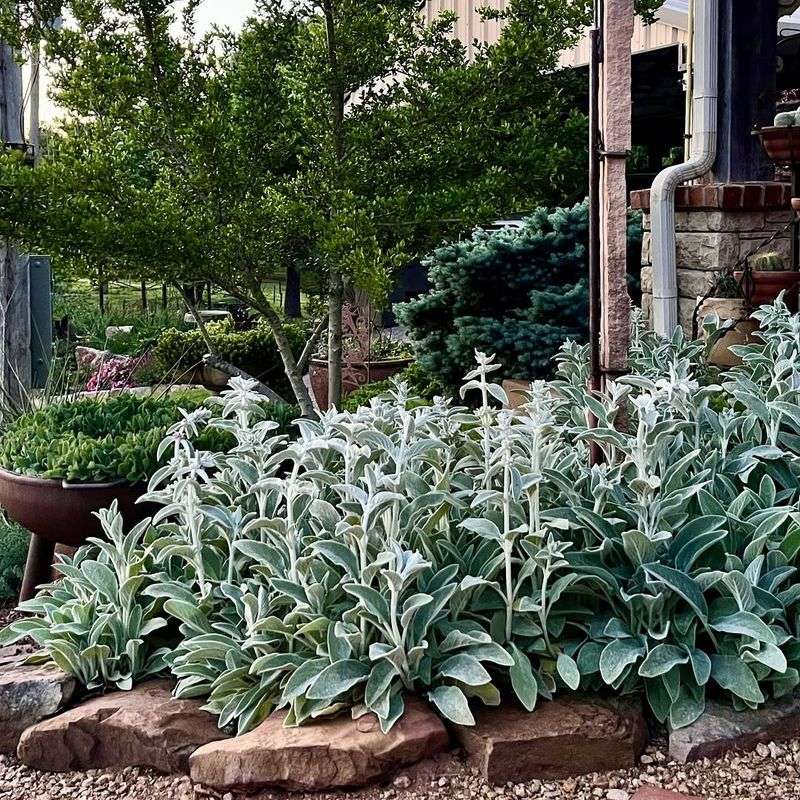
Reach down and touch a lamb’s ear leaf and you will immediately understand how it got its name. That soft, almost velvety surface feels genuinely unique in the plant world.
Interestingly, that same fuzzy texture that makes it so appealing to gardeners is exactly what makes deer less enthusiastic about it.
The thick, woolly coating on the leaves creates a mouthfeel that deer tend to avoid, particularly when smoother, juicier plants are growing nearby.
Lamb’s ears works especially well along the front edges of sunny borders and in dry garden areas where other plants struggle.
The silver-gray foliage brightens up the landscape and reflects light beautifully, making it a great companion for colorful flowering perennials.
It spreads gradually over time, filling in gaps and creating a low, tidy ground cover effect that looks neat all season long.
One thing to keep in mind is that lamb’s ears does not like soggy soil. If it sits in wet conditions for too long, the crown of the plant can rot, and the foliage loses its attractive, silvery appearance.
Good drainage and decent air circulation keep it looking its best. In the right spot, it is remarkably tough and requires very little attention.
It is one of those plants that rewards you simply by being planted in the right place and then left alone to do its thing.
5. Hellebores
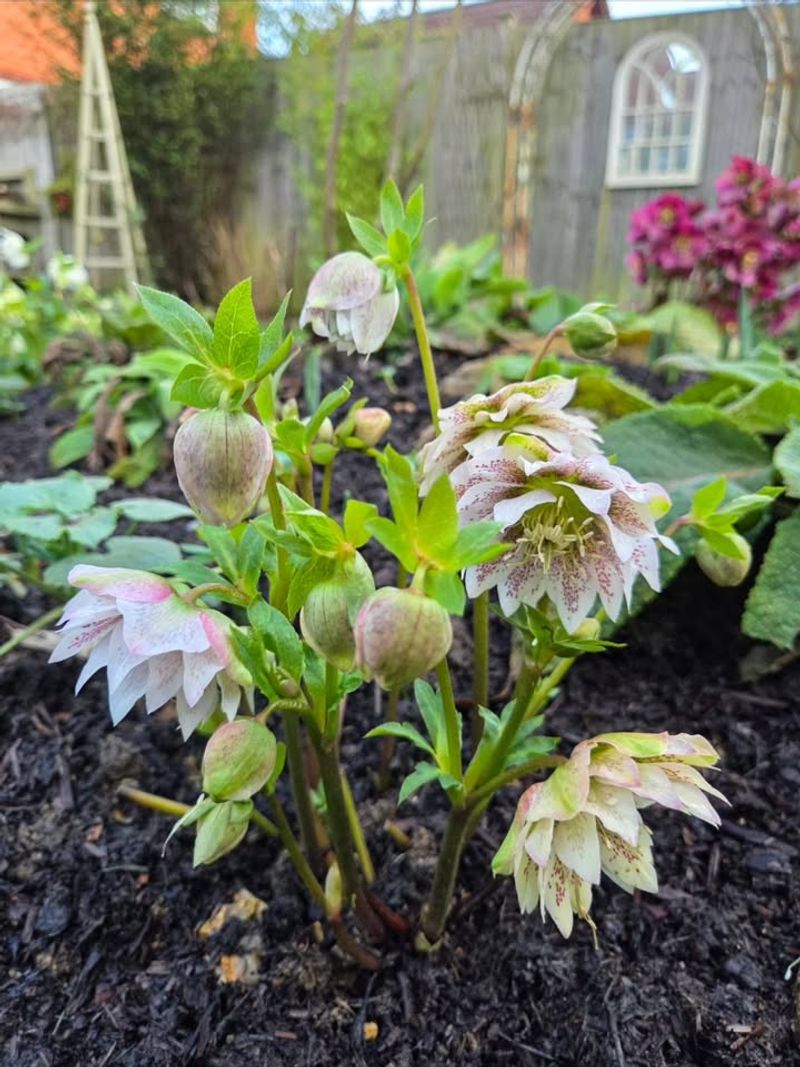
Shade gardeners in Michigan often face an extra challenge with deer, because the same cool, sheltered spots deer love to rest in are often where shade perennials grow. Hellebores are one of the standout exceptions.
Michigan State University points to hellebores as a strong deer-resistant pick for shady sites, and gardeners across the state have found that deer usually leave them alone when other food sources are available nearby.
Part of what makes hellebores so useful is their timing. They are among the first perennials to flower in spring, often pushing out their nodding, cup-shaped blooms while snow is still on the ground in some parts of Michigan.
That early season color under trees or along woodland edges is genuinely hard to find with other shade perennials.
The glossy, dark green foliage also stays attractive through most of the growing season, giving the garden a lush, layered look long after the flowers fade.
Hellebores prefer rich, well-drained soil and dappled shade, making them ideal under deciduous trees or along the north side of structures. They are slow to establish but incredibly long-lived once settled in.
Avoid disturbing their roots once planted, and top dress with compost each spring to keep the soil rich and moisture-retentive. Over time, they form beautiful, expanding clumps that need very little intervention to stay healthy and full.
6. Ostrich Fern
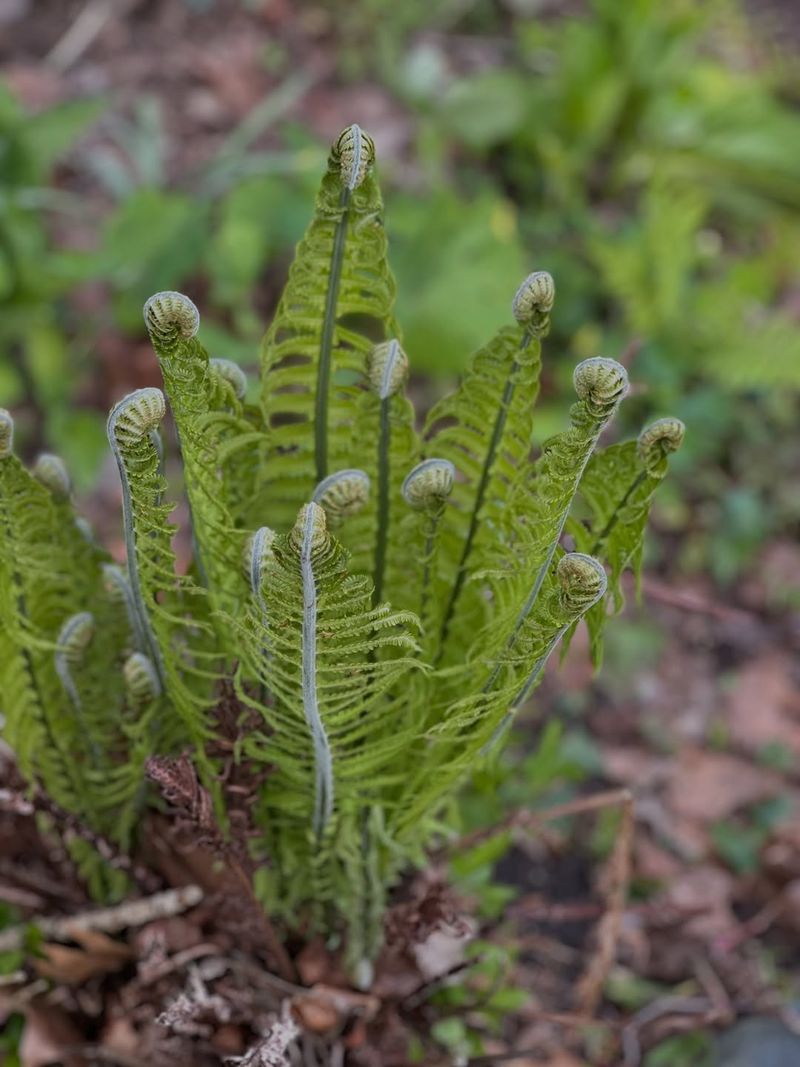
There is something almost prehistoric about the way ostrich ferns unfurl in spring. Those tall, arching fronds emerge in a dramatic vase shape that can reach five to six feet in height under ideal conditions.
It is one of the most visually striking native ferns in Michigan, and it also happens to be one that deer tend to find less appealing than many of the soft, leafy perennials they prefer.
Fern foliage, with its fine texture and somewhat fibrous quality, is simply not as attractive to deer as broader, more tender leaves.
Ostrich fern fits naturally into moist shade gardens, along woodland edges, and in naturalized areas where it has room to spread.
And spread it will. It sends out runners over time and gradually colonizes a space, which makes it a great choice for filling in large, shady areas where you want coverage without constant replanting.
As a Michigan native plant, ostrich fern is already adapted to the local climate and soil conditions. It loves moisture and will thrive along stream banks, rain gardens, or low spots that stay consistently damp.
Full to partial shade keeps its fronds looking their freshest and most vibrant through summer.
Combining it with other native shade plants like wild ginger or trillium creates a naturalistic planting that supports local wildlife while holding its own against deer browsing through the warmer months.
7. Ornamental Allium
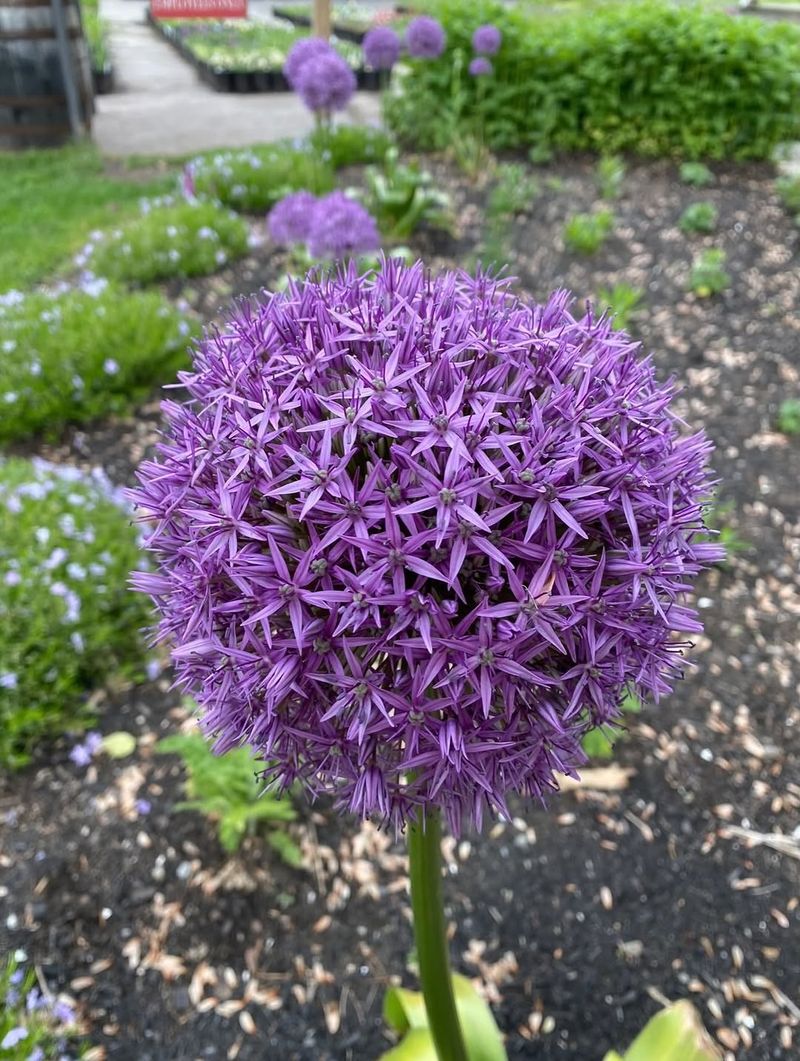
Ornamental alliums have a secret weapon that most deer would rather avoid entirely: they smell like onions. That distinctive scent runs through every part of the plant, from the bulb to the stem to the flower head, and deer pick up on it immediately.
When tastier options are growing nearby, alliums are usually the ones left standing, which makes them a genuinely smart addition to any Michigan garden dealing with deer pressure.
Beyond their deer-resistant qualities, ornamental alliums bring something truly eye-catching to the garden.
Their perfectly round flower heads, ranging from soft lavender to deep purple to white, sit atop tall, slender stems and create a dramatic, almost sculptural effect.
Depending on the variety, they bloom from late spring into early summer, bridging the gap between tulips and the main flush of summer perennials. Even after the blooms fade, the dried seed heads add interesting texture through the rest of the season.
One of the smartest ways to use alliums is to tuck them in among other perennials that need a bit of extra protection from deer. Their scent can act as a mild deterrent for the plants around them, adding a layer of defense beyond their own flowers.
They prefer full sun and well-drained soil, and once established from bulb, they come back reliably each year with very little maintenance. Planting them in clusters of five or more creates the most visual impact in the border.
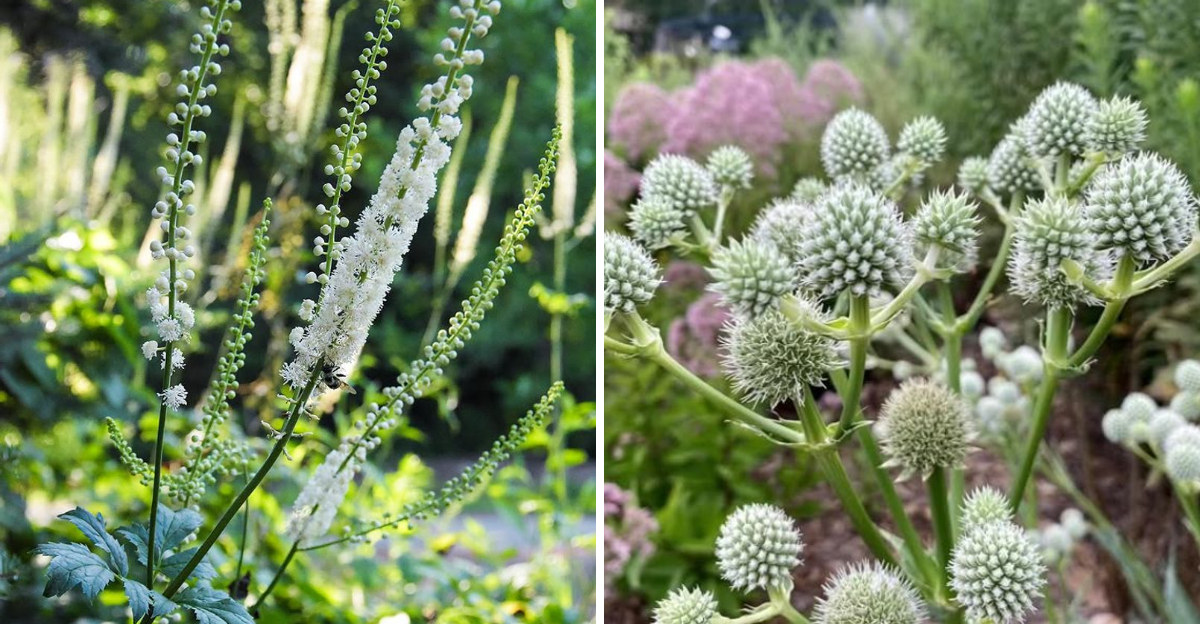
8. Black Snakeroot
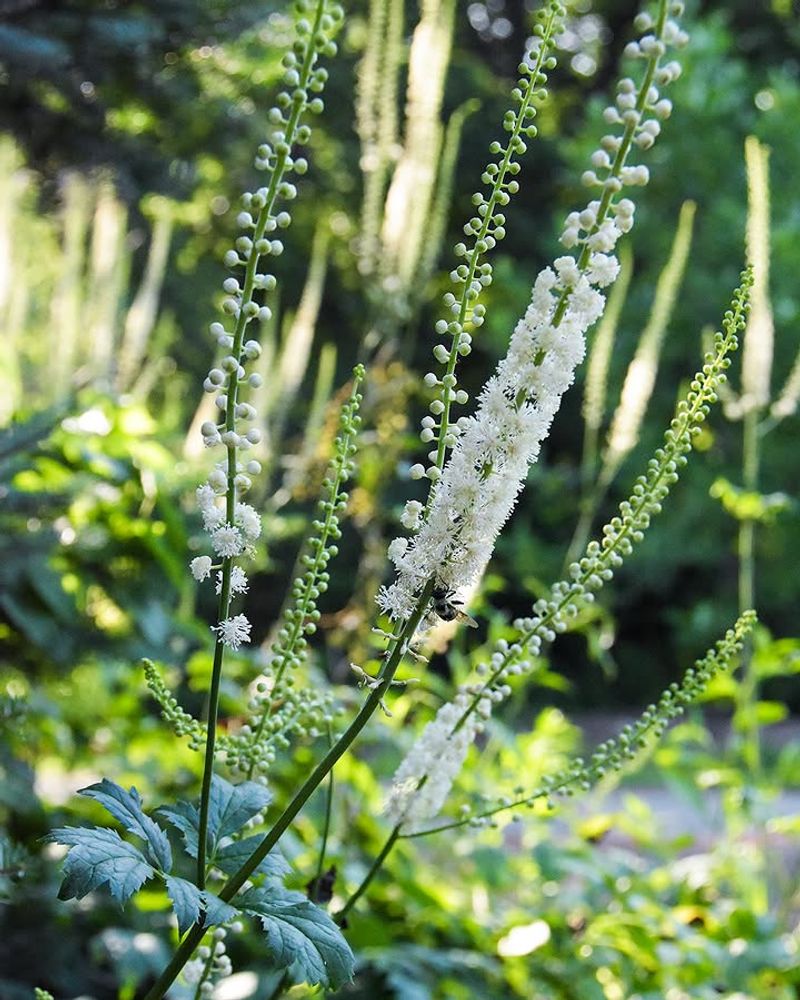
Black snakeroot, also known as Actaea racemosa or black cohosh, is one of those native Michigan plants that quietly earns its place in the shade garden year after year.
Michigan State University lists snakeroot among the plants that deer find less attractive, making it a solid choice for woodland borders and shaded areas where deer pressure is an ongoing challenge.
When deer have softer, more appealing options nearby, snakeroot tends to get skipped over.
What makes this plant really stand out is its dramatic presence in the garden. It grows tall, often reaching four to six feet in bloom, with wand-like white flower spikes that rise above deeply cut, dark green foliage in midsummer.
Those tall, feathery blooms catch the eye and add a vertical element that shaded gardens often lack. The dark foliage varieties, like Brunette or Hillside Black Beauty, add even more visual interest with their deep burgundy leaves.
Black snakeroot fits beautifully into woodland gardens, native plantings, and shaded borders with rich, consistently moist soil. It is a plant that rewards patience, taking a season or two to fully establish before it really hits its stride.
Once settled in, though, it is a long-lived, reliable performer that rarely needs dividing or fussing. Pair it with hostas, ferns, or astilbe for a layered shade planting that looks lush and full through the entire growing season.
9. Rattlesnake Master
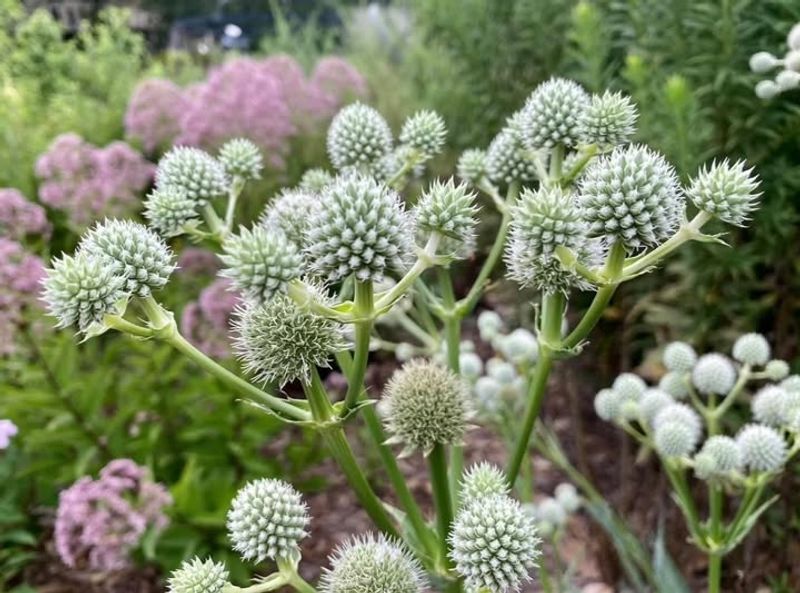
Rattlesnake master is not a plant that blends into the background. Its stiff, spiky, blue-green leaves and unusual globe-shaped flower heads give it a bold, almost architectural look that stands out in any native garden.
That same toughness that makes it so visually striking is also part of why deer tend to walk right past it. The rigid, pointed foliage is simply not the kind of thing deer want to chew on when softer, more palatable plants are available nearby.
This plant belongs to the carrot family, which is surprising given how unlike a typical garden carrot it looks. It is a true Michigan-tough native, built for sunny, well-drained sites and perfectly suited to prairie-style plantings and naturalized native beds.
The round, spiky flower heads bloom in summer and attract a wide range of pollinators, including native bees and butterflies, making it as ecologically valuable as it is visually interesting.
Rattlesnake master grows best in full sun with excellent drainage and is remarkably drought-tolerant once established. It does not need rich soil and actually performs better in lean, sandy, or gravelly conditions similar to its natural prairie habitat.
Pairing it with other sun-loving natives like prairie dropseed, coneflowers, or little bluestem grass creates a cohesive, low-maintenance planting that holds up beautifully through Michigan summers.
It is the kind of bold, no-nonsense plant that makes a statement while quietly handling deer pressure on its own.