Plant Causing Your Yard To Smell Bad In The Virginia Summer Heat (And How To Fix It)
You step outside during a sticky Virginia afternoon and catch a whiff of something strange, musky and a little unsettling. You check the trash cans.
Nothing. You sniff around the AC unit, the gutters, even your dog’s favorite napping spot.
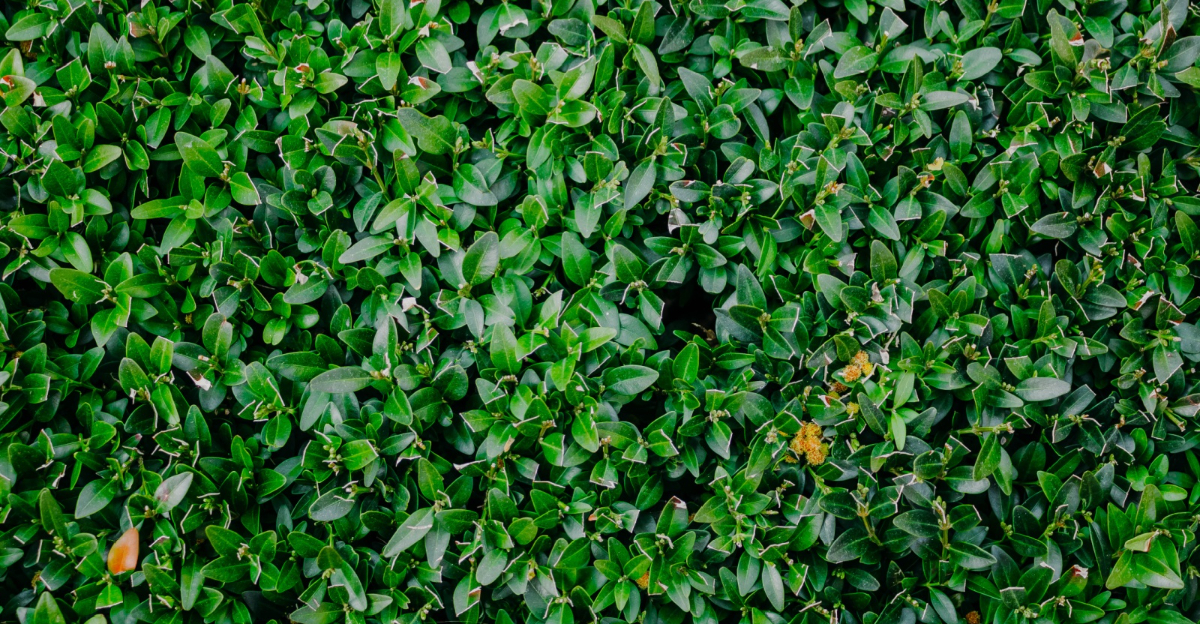
Still nothing. Then you brush past a hedge near your porch and there it is, the source of your backyard mystery.
That same shrub lines driveways and frames front porches all across Virginia, prized for its tidy shape and evergreen color.
What most homeowners never learn is that this popular landscaping staple releases a pungent, musky scent once summer heat sets in, and it only gets stronger as the mercury climbs.
The smell can be noticeable enough to make guests wrinkle their noses at a backyard gathering.
Thankfully, this isn’t a sign anything’s gone wrong with your plants, and there are simple ways to manage it. Here’s why this happens in the heat, when it peaks, and how to reclaim your outdoor space.
What Plant Is Behind The Smell
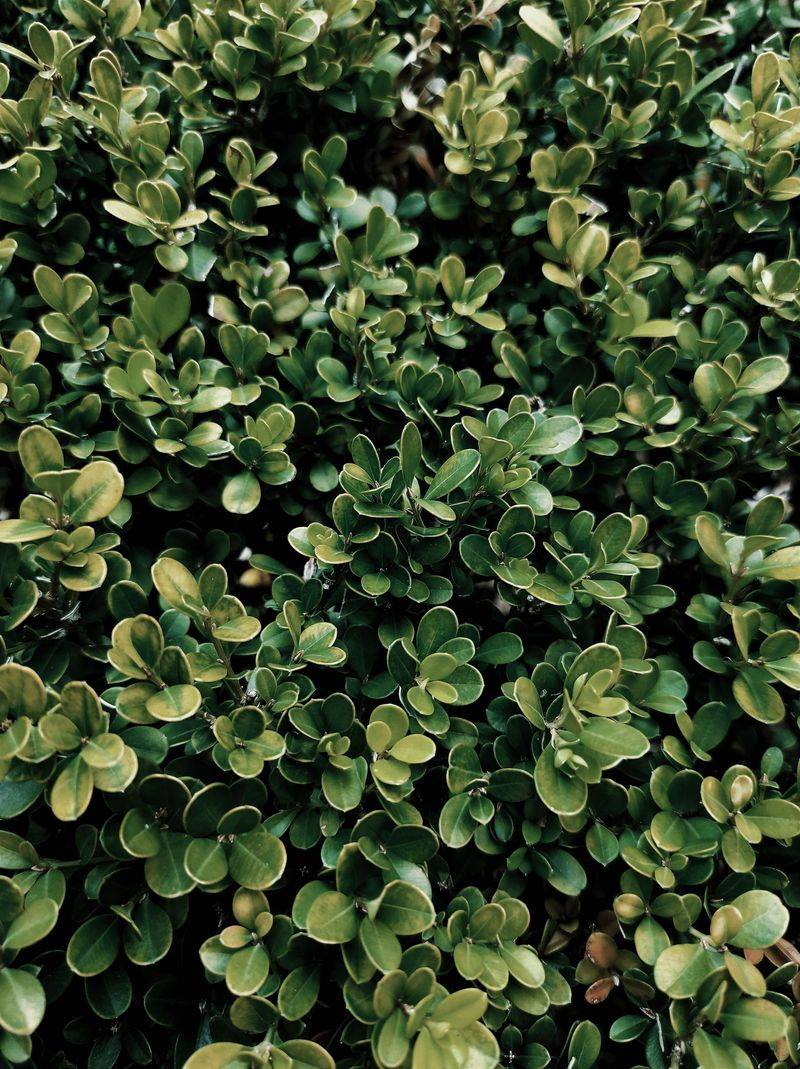
Your nose is not lying to you. That strange, catlike or musky odor drifting through your yard on a hot day is almost certainly coming from your boxwood shrubs.
Boxwood, known scientifically as Buxus, is one of the most popular landscaping plants across the mid-Atlantic region. Homeowners love it for its dense, evergreen look and its ability to hold a tidy shape year-round.
But boxwood has a lesser-known trait. Its leaves contain natural chemical compounds that release a pungent, unpleasant odor when heat activates them.
Many people describe the smell as similar to cat urine or a wet dog. Others say it reminds them of old gym socks left in a hot car.
The plant itself is not diseased or in decline when this happens. The odor is simply part of boxwood’s natural chemistry, baked into its leaf oils and released under warm conditions.
Boxwood causing your yard to smell bad in the Virginia summer heat is more common than most people realize. Neighbors often blame pets, drainage issues, or trash cans before ever suspecting their hedges.
Once you identify boxwood as the source, everything starts to make sense. The smell tends to show up suddenly in June and gets stronger as July and August heat rolls in.
Knowing your enemy is the first step. Now that you have identified the culprit, understanding why it smells the way it does will help you tackle the problem head-on.
Why Boxwood Produces This Odor
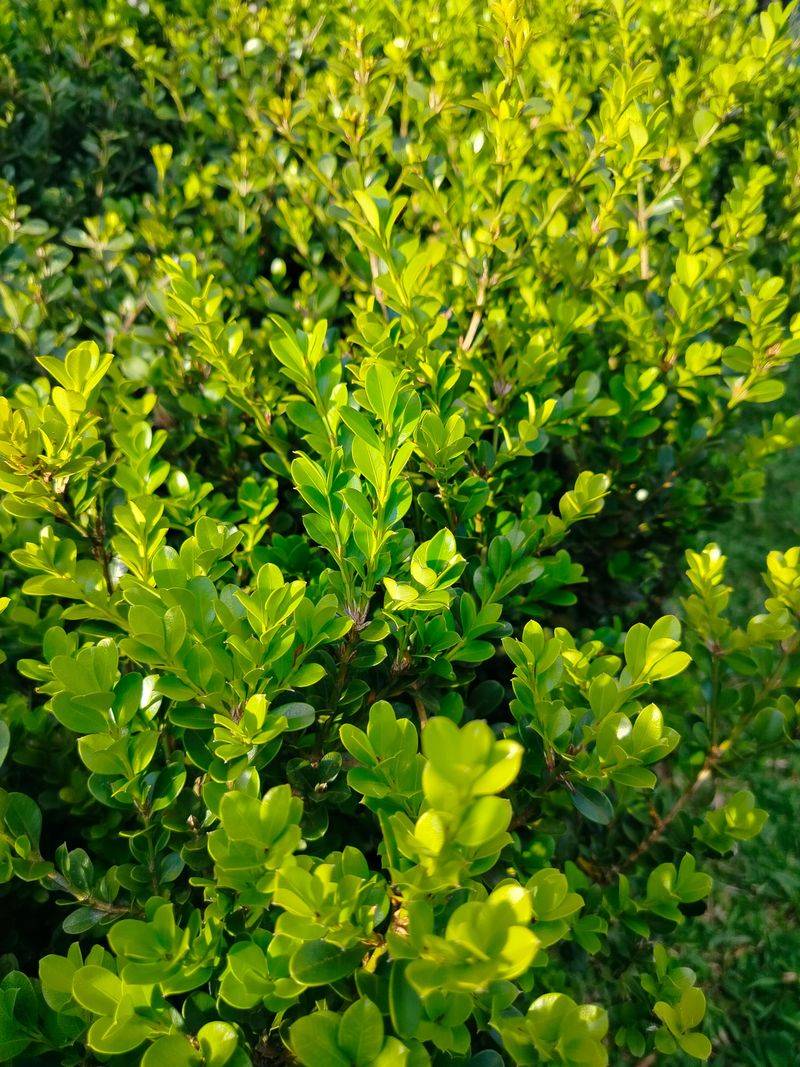
Boxwood leaves are loaded with volatile organic compounds, natural chemicals that evaporate into the air, especially when temperatures rise above 80 degrees Fahrenheit.
When heat causes the leaves to release these compounds, the result is that signature funky scent most Virginia homeowners know too well.
Think of it like this: some plants smell amazing when warmed by the sun, like lavender or rosemary. Boxwood goes the opposite direction entirely.
The smell is not a sign of pest damage or disease. It is simply the plant doing what it was designed to do, releasing its natural chemistry into the surrounding air.
Your Virginia Garden Changes Every Week. Your Plan Should Too.
Gardening in Virginia changes quickly throughout the season. Every Friday you’ll receive a simple weekly plan showing exactly what to plant, prune, fertilize, harvest, and protect so you never miss the right timing.
Newly trimmed boxwood tends to smell even stronger. Cutting the leaves opens up more surface area and releases a fresh burst of those volatile oils all at once.
That is why many homeowners notice the worst odor right after a summer pruning session. The combination of fresh cuts and blazing heat creates a powerful aromatic punch.
Some gardeners also suspect boxwood roots may play a small role in the overall smell, especially in dense planting areas where soil moisture stays high, though this effect is less documented than leaf-based odor.
Understanding the chemistry behind the odor helps you choose smarter solutions. You are not dealing with a broken plant; you are dealing with a plant that simply was not designed with Virginia summers in mind.
Virginia’s Climate Makes The Smell Worse
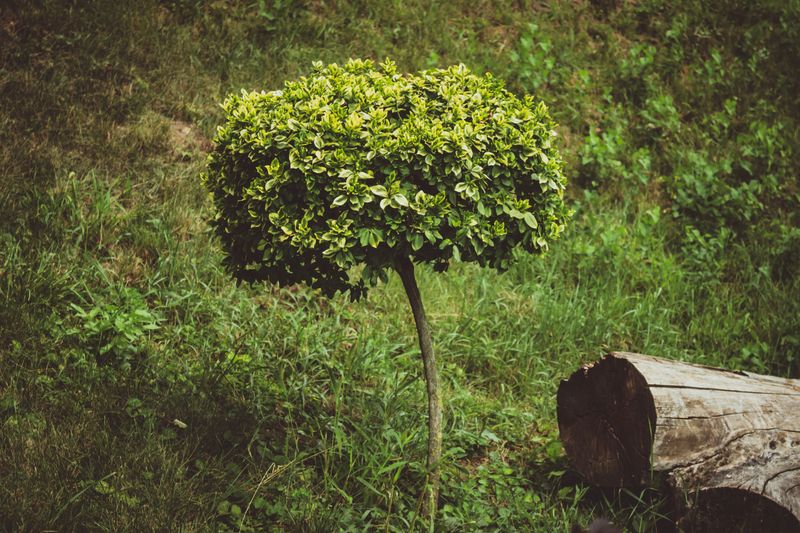
Virginia summers are no joke. Temperatures regularly climb into the upper 90s, and humidity levels make it feel even hotter than the thermometer reads.
That combination of intense heat and thick, sticky air creates ideal conditions for boxwood odor to intensify. Humid conditions trap volatile compounds close to the ground instead of letting them disperse into the breeze.
In drier climates, the same boxwood shrub might barely register a scent. But in Virginia, the moisture in the air acts like a carrier, holding those chemical odors right at nose level.
The Chesapeake Bay region and areas around Richmond and Northern Virginia are especially prone to this problem. The proximity to water sources keeps humidity stubbornly high from June through September.
Stagnant air days make things even worse. When there is no wind to move the smell along, it lingers in your yard without dispersing.
Boxwood causing your yard to smell bad in the Virginia summer heat is a direct result of this climate combination. The plant is not misbehaving; the environment is simply amplifying what was already there.
Southern-facing yards tend to be affected more because they absorb more direct sunlight throughout the day. More sun means more heat trapped in the soil and leaves.
Once you understand how Virginia’s climate turbocharges the smell, you can make smarter choices about placement, pruning schedules, and plant selection going forward.
When And Where The Smell Is Strongest
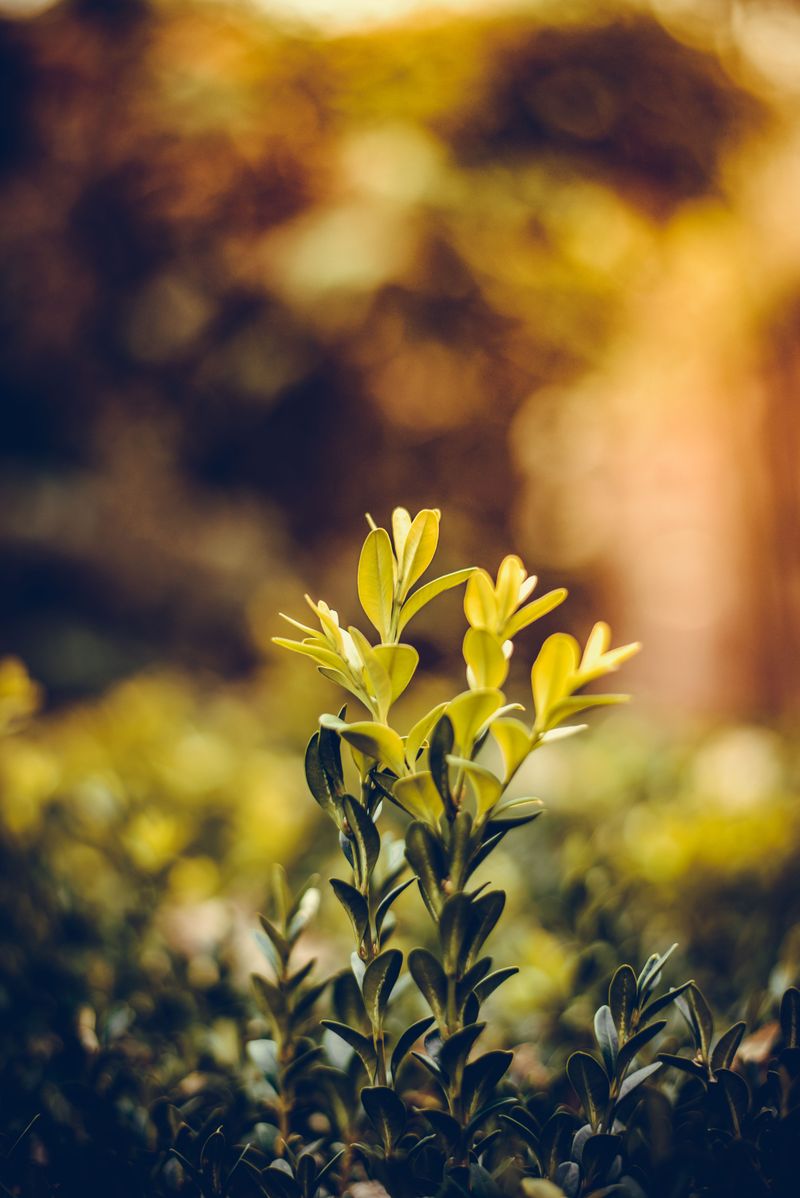
Timing matters when it comes to boxwood odor. The smell peaks on hot, still afternoons between noon and four o’clock when the sun is at its highest angle.
Morning hours tend to be more forgiving because temperatures are cooler and dew on the leaves has not yet evaporated. By midday, though, the heat has fully activated the plant’s oils.
Location within your yard also plays a big role. Boxwood planted close to your home’s foundation traps heat between the shrub and the exterior wall.
That trapped heat zone creates a concentrated pocket of odor right next to your windows and doors. Opening a window on a hot afternoon can pull that smell directly into your living space.
Boxwood near patios and outdoor seating areas is another common problem spot. People sit down to enjoy the evening, and the residual heat from the afternoon keeps the smell going strong.
Dense plantings where shrubs are crowded together also intensify the odor. Less airflow between plants means the volatile compounds linger longer without dispersing.
Freshly watered boxwood in the afternoon sun is particularly potent. The combination of moisture activating the roots and heat activating the leaves hits both sources at once.
Knowing when and where the smell peaks gives you a real advantage. Avoid pruning during peak afternoon hours and rethink any seating areas positioned directly next to dense boxwood rows.
How To Reduce Or Manage The Odor

Good news: you have real options here. Managing boxwood odor does not require ripping out every shrub in your yard this weekend.
Start by adjusting your pruning schedule. Trim boxwood in the early morning or on cooler, overcast days to minimize the burst of odor that comes with fresh cuts.
Improving airflow around your shrubs also makes a noticeable difference. Thinning out dense plantings allows air to circulate and carry odor compounds away from your outdoor living spaces.
Strategic planting of fragrant companion plants nearby can help mask the smell. Lavender, rosemary, and sweet basil all release pleasant aromas that compete with boxwood’s less appealing chemistry.
Keeping your boxwood healthy through proper watering and fertilization actually reduces stress odors. Stressed plants tend to release more volatile compounds than well-nourished ones.
Avoid afternoon watering during peak heat hours. Morning watering gives moisture time to absorb before temperatures spike, reducing the soil-heat interaction that amplifies the scent.
Adding a layer of fresh mulch around the base of your shrubs helps regulate soil temperature. Cooler soil means fewer root-level odor compounds getting activated throughout the day.
Boxwood causing your yard to smell bad in the Virginia summer heat does not have to be a permanent problem. A few smart adjustments to your routine can make your outdoor space genuinely enjoyable again, even in the middle of August.
Boxwood Varieties And Alternatives Worth Considering
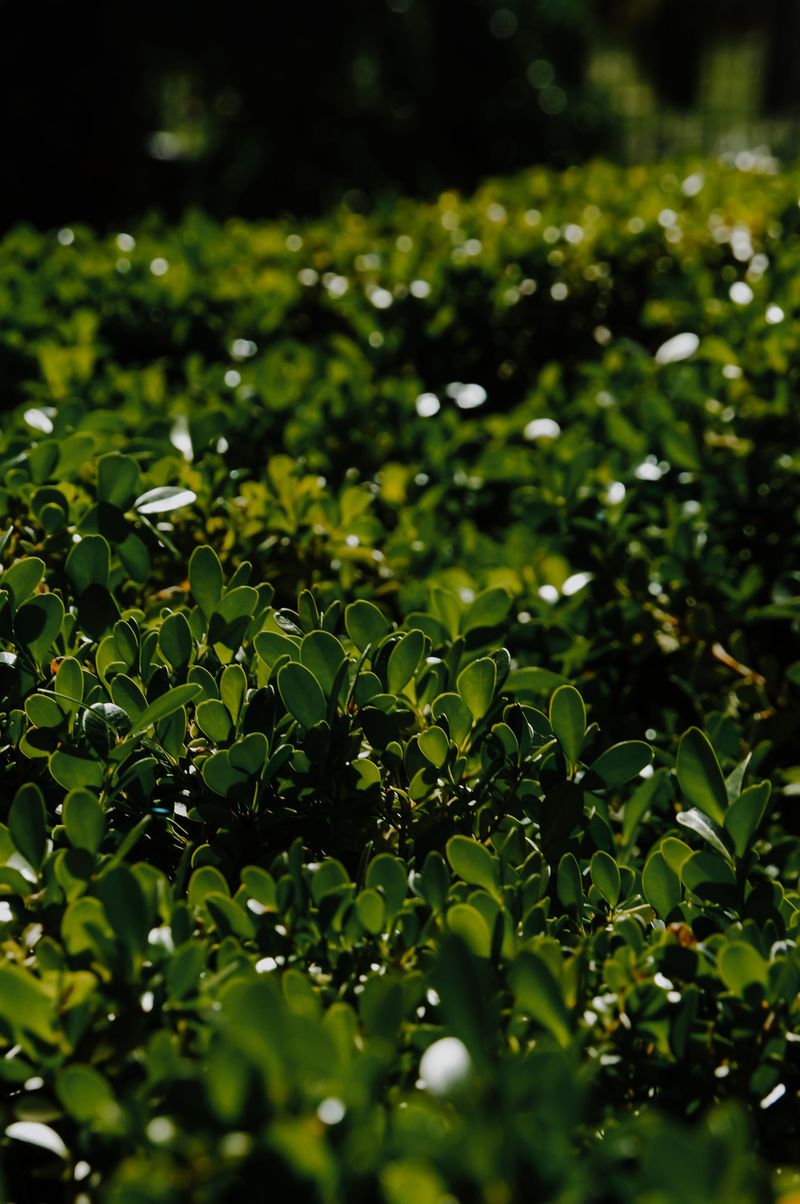
Not all boxwood varieties smell equally bad. Some cultivars are significantly less odorous than others, and making a smarter selection can save your nose a lot of grief.
American boxwood, Buxus sempervirens, tends to produce a stronger odor than other types. If you already have this variety, you are likely experiencing the full intensity of the problem.
Korean boxwood, Buxus sinica insularis, is a lower-odor option that also handles cold winters better. Many Virginia landscapers are switching clients over to this variety for exactly that reason.
Green Velvet and Green Mountain are two popular cultivars often described by landscapers as having a milder scent profile. They still provide that classic, structured hedge look without overwhelming your guests on a hot afternoon.
If you are open to replacing boxwood entirely, Japanese holly is an excellent alternative. It looks almost identical to boxwood but produces no significant odor, even during peak summer heat.
Inkberry holly is another native-friendly option that thrives in Virginia’s climate. It supports local wildlife, requires less maintenance, and smells completely neutral all summer long.
Sky Pencil holly works well for tight spaces where a narrow, vertical shape is needed. It offers the same tidy aesthetic without any of the odor baggage.
Swapping out problem shrubs for better-suited alternatives is the most permanent fix available. Your yard can still look polished and structured while smelling neutral, which is often exactly what homeowners want.