Oregon Voles Leave These 8 Yard Clues Before The Damage Looks Obvious
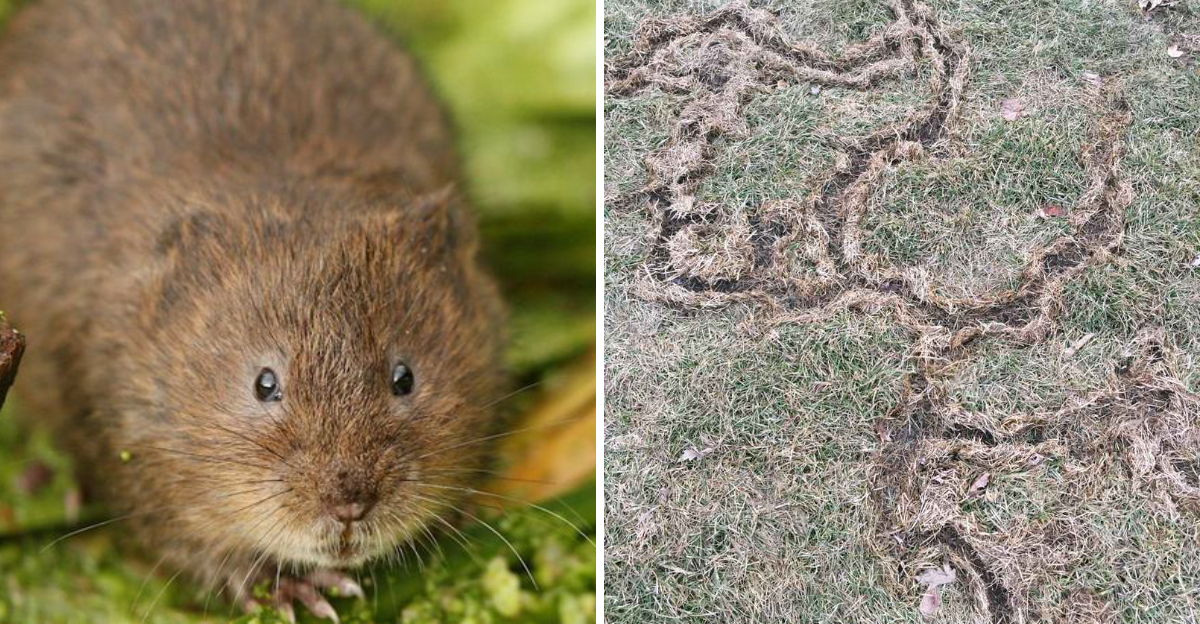
Oregon voles are tiny yard vandals with excellent timing.
They do not announce themselves. They do not chew dramatically in the middle of the patio. They work low, quiet, and under cover while your lawn still looks mostly innocent.
Then spring arrives, and the clues start tattling.
A narrow trail through the grass. A shrub that suddenly tilts. Mulch that looks disturbed near the crown. One brown patch that feels oddly soft underfoot.
By then, the underground snack committee may have been active for weeks.
Oregon makes the whole setup easier for them. Mild wet winters keep soil workable, grass cover thick, and hidden tunnels comfortable enough for year-round mischief.
So what signs show up before vole damage becomes painfully obvious?
Start at ground level. The earliest clues are small, but they say a lot about roots, cover, moisture, and where these little rodents have already turned your yard into their private highway system.
1. Narrow Runways Snake Through Grass
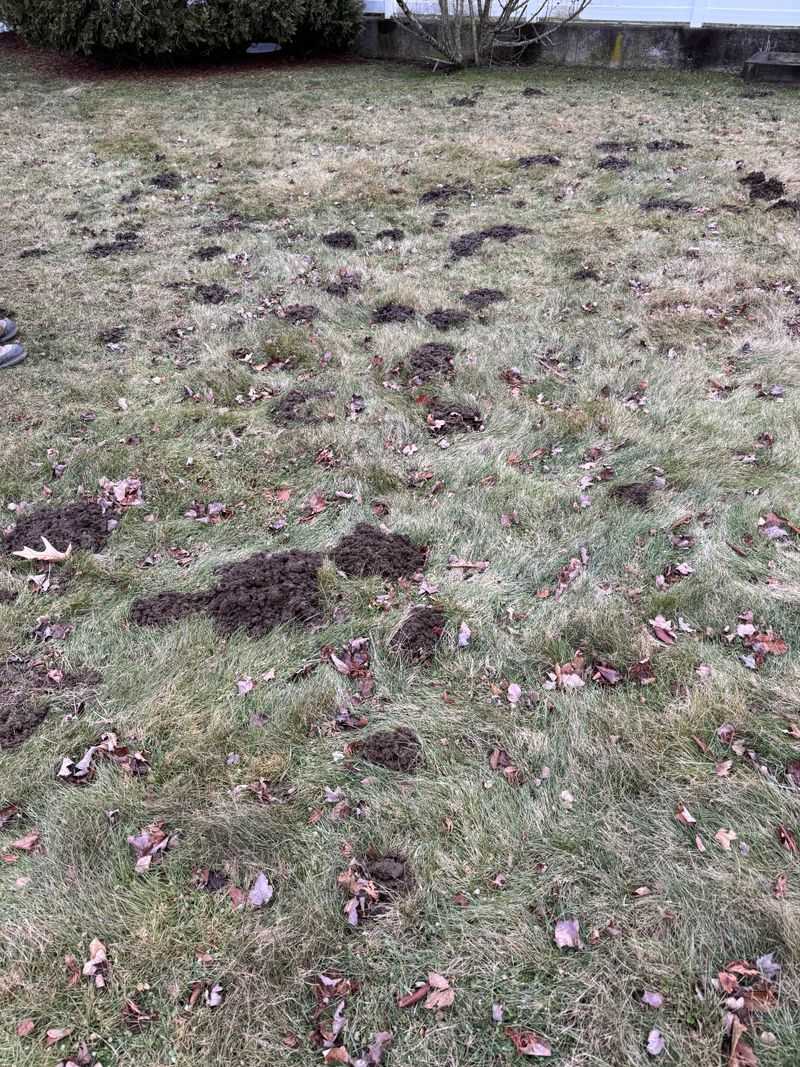
Walk across your lawn one morning and you might notice a faint, winding trail pressed into the turf.
It looks like someone dragged a garden hose across the grass, but no hose was ever there. That trail is a vole runway, and it is one of the earliest signs these rodents leave behind.
Voles travel the same paths repeatedly, wearing shallow grooves about one to two inches wide directly on the soil surface.
Unlike moles, which push up ridges from below, voles move right on top of the ground under the protection of grass or other low cover.
Oregon State University Extension notes that surface runways are a primary field sign of vole activity in yards and turf areas.
The trails often connect feeding spots, burrow openings, and sheltered edges near fences or garden beds.
Grass along the runway edges may look slightly yellowed or matted from repeated foot traffic.
Spotting runways early gives you a real advantage.
If you see them in fall or early winter, voles are already established and will keep working through the cold months.
Mowing your lawn at a regular height and removing heavy ground cover near garden beds makes the yard far less welcoming to these busy little travelers.
Early action beats a full lawn recovery project every single time.
2. Small Holes Sit Beside Paths
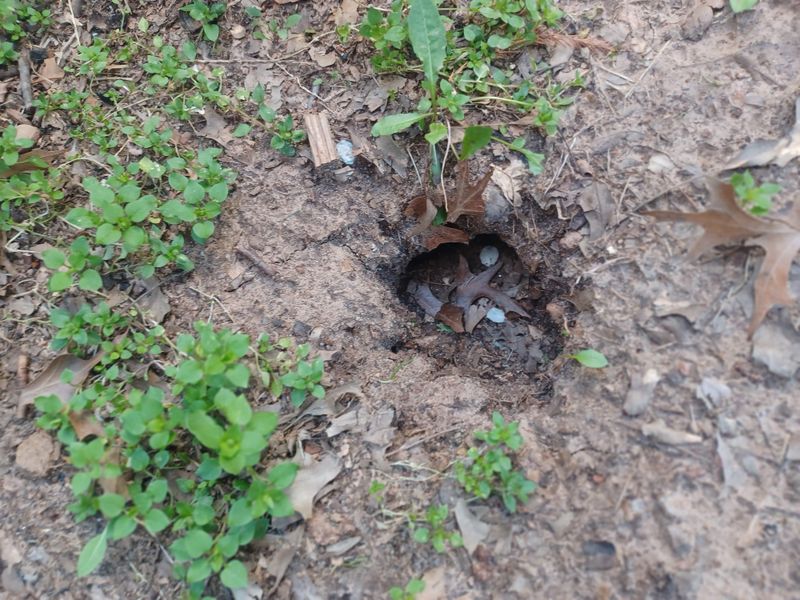
Right next to those winding surface trails, you will often find small, clean-edged holes punched into the soil.
These openings are about the size of a quarter or slightly larger, typically one to one and a half inches across. No mound of dirt surrounds them, which helps separate vole holes from gopher mounds or mole hills.
Voles use these holes as entry points to shallow burrow systems just beneath the surface.
They pop in and out constantly while foraging, which means a single burrow network can have multiple openings scattered across a small area of lawn or garden bed.
Oregon State University Extension describes vole burrow openings as small and inconspicuous, often hidden by grass or mulch.
Finding several holes clustered close together usually signals an active colony rather than a lone wanderer.
Your Oregon Garden Changes Every Week. Your Plan Should Too.
Gardening in Oregon changes quickly throughout the season. Every Friday you’ll receive a simple weekly plan showing exactly what to plant, prune, fertilize, harvest, and protect so you never miss the right timing.
Fresh holes tend to have cleaner edges and may show tiny paw prints or grass clippings nearby.
Checking around the base of ornamental shrubs, raised beds, and garden borders is a smart habit.
Voles prefer to burrow where soil is soft and cover is nearby. If you spot holes alongside runways, you are looking at a well-established travel network, and that means root feeding may already be happening underground.
3. Grass Looks Clipped At The Base
One of the quirkiest things voles do is act like tiny, unsupervised lawnmowers.
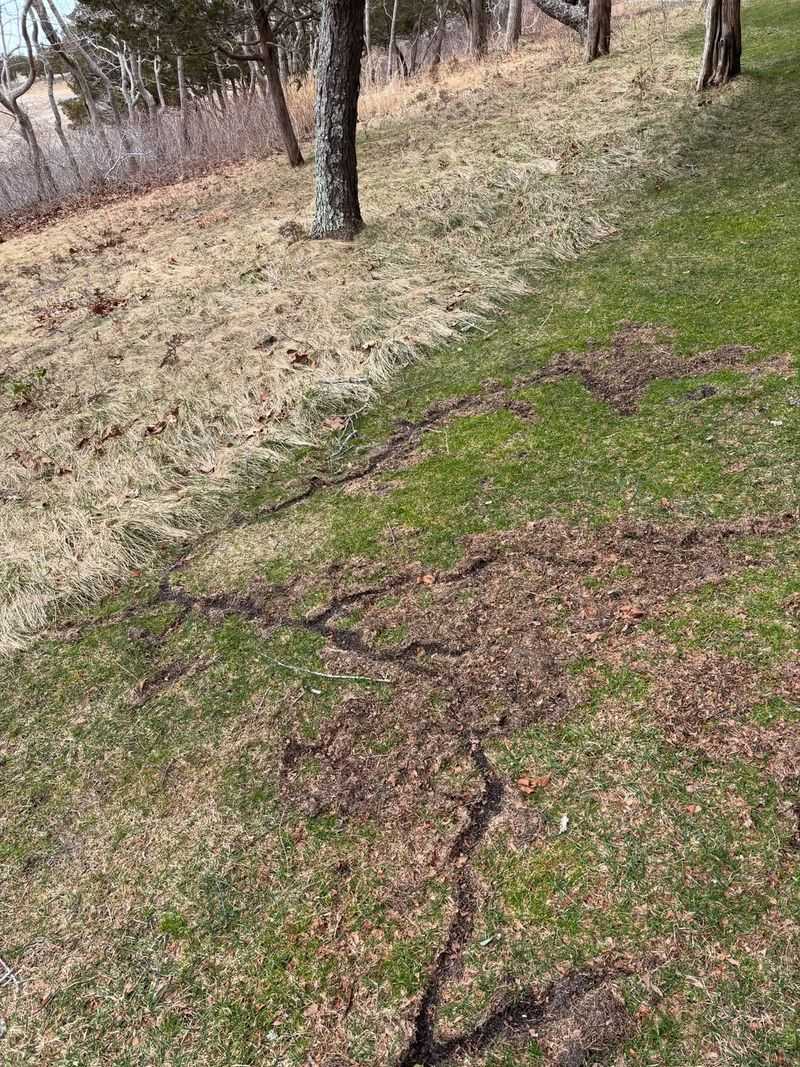
They clip grass stems right down at the base, leaving short stubs and little piles of cut vegetation along their runways. It looks almost deliberate, like something went through with scissors at ground level.
Oregon State University Extension identifies clipped vegetation near surface runways as a classic sign of vole presence in home landscapes and turf areas across Oregon.
The clipped sections may be hard to spot in a lush lawn, but they become more obvious when you crouch down and look along the runway path.
Stems are cut cleanly, usually within an inch of the soil. Small green or dried cuttings pile up along the trail.
In garden beds, voles clip the lower stems of perennials, ground covers, and vegetable seedlings the same way.
Young transplants are especially vulnerable because their stems are tender and close to the soil.
If seedlings seem to vanish overnight with no obvious cause, clipping at the base is worth investigating before blaming slugs or cutworms.
Pulling back a little mulch near the missing plants often reveals a runway and confirms who the real culprit is.
Act quickly once you see this sign.
4. Bark Shows Low Gnaw Marks
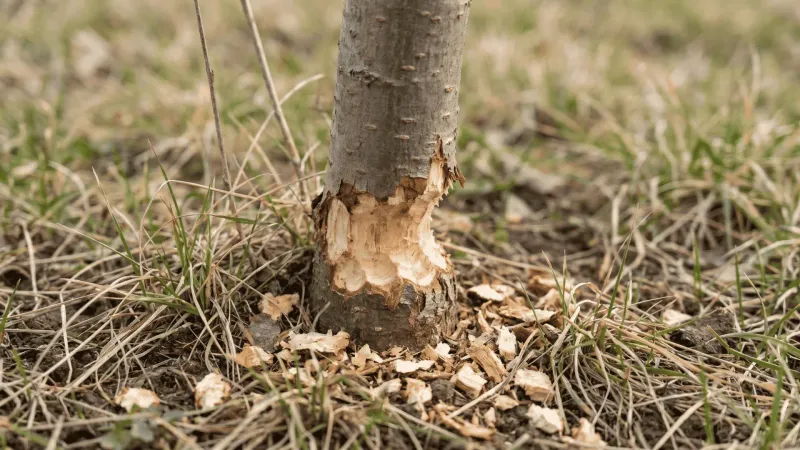
Bend down and take a close look at the base of your young fruit trees, ornamental shrubs, or newly planted natives.
If you see rough, irregular chewing marks on the bark starting right at or just above soil level, voles have been visiting that plant regularly.
The marks are usually low, rarely more than a few inches above the ground, which is the clearest way to tell vole gnawing from rabbit damage.
Voles gnaw on bark, especially during fall and winter when other food sources thin out.
They can girdle a young tree by chewing all the way around the trunk, cutting off the flow of water and nutrients between the roots and the canopy.
Oregon State University Extension warns that girdling from voles is a serious threat to young orchard trees and landscape plantings in Oregon.
The tooth marks are small and irregular, often showing a slightly shredded texture rather than the clean cuts a rabbit leaves.
You may also notice bark dust or tiny wood fragments at the base of the plant.
Checking trees and shrubs in late summer and early fall gives you time to wrap vulnerable trunks before vole populations peak heading into winter.
Hardware cloth cylinders placed a few inches into the soil and extending several inches above the expected snow line offer solid protection for young plants through the coldest Oregon months.
5. Plants Lean With Chewed Roots

A plant that suddenly leans to one side for no obvious reason is sending a distress signal worth paying attention to.
When you give it a gentle tug and it pulls out of the ground far too easily, root feeding is almost certainly the cause. Voles eat roots underground while the plant still looks fine from above, which makes this clue one of the sneakiest on the list.
Root feeding happens in shallow burrows just below the soil surface.
Voles will work the root zone of perennials, bulbs, turf grass, and even established shrubs.
Oregon State University Extension notes that bulb feeding is a common complaint from Oregon gardeners, with tulips and other spring bulbs disappearing entirely from the ground over winter without a trace above the surface.
By the time you notice the lean, significant root material may already be gone.
Carefully digging around the base of a leaning plant often reveals chewed root ends and a network of small tunnels running through the soil nearby.
Planting bulbs in wire mesh baskets is a practical way to protect them from root feeding.
For perennials and shrubs, keeping the area around plant bases free of heavy mulch and dense ground cover reduces the sheltered conditions voles prefer when feeding underground.
6. Mulch Hides Busy Travel Lanes
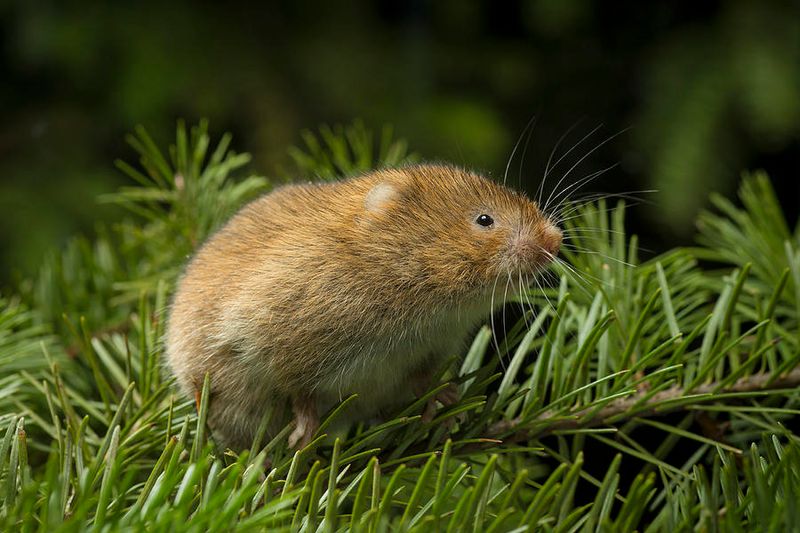
Thick mulch feels like a gift to gardeners, but voles feel the same way about it.
A deep layer of wood chips, straw, or bark nuggets gives voles exactly what they love most: warm, dark, protected cover right at ground level.
Under that tidy-looking mulch, travel lanes can run for yards without anyone above the surface noticing a thing.
Mulch that is three or more inches deep is especially attractive.
Voles burrow just beneath the mulch layer, using it as a roof over their runways. The ground beneath stays moist and soft, making it easier to tunnel and easier to find roots and stems to feed on.
Oregon State University Extension recommends pulling mulch back several inches from the base of trees and shrubs to reduce vole habitat directly around vulnerable plants.
Signs of vole activity in mulched beds include small disturbed patches, tiny holes peeking through the mulch surface, and clipped plant stems tucked just inside the mulch edge.
Keeping mulch depth to two inches or less around plant crowns and tree trunks removes much of the appeal.
Pulling mulch completely away from trunks in a six-inch radius also stops bark gnawing that tends to happen under mulch cover during fall and winter.
7. Snow Melt Reveals Winter Trails
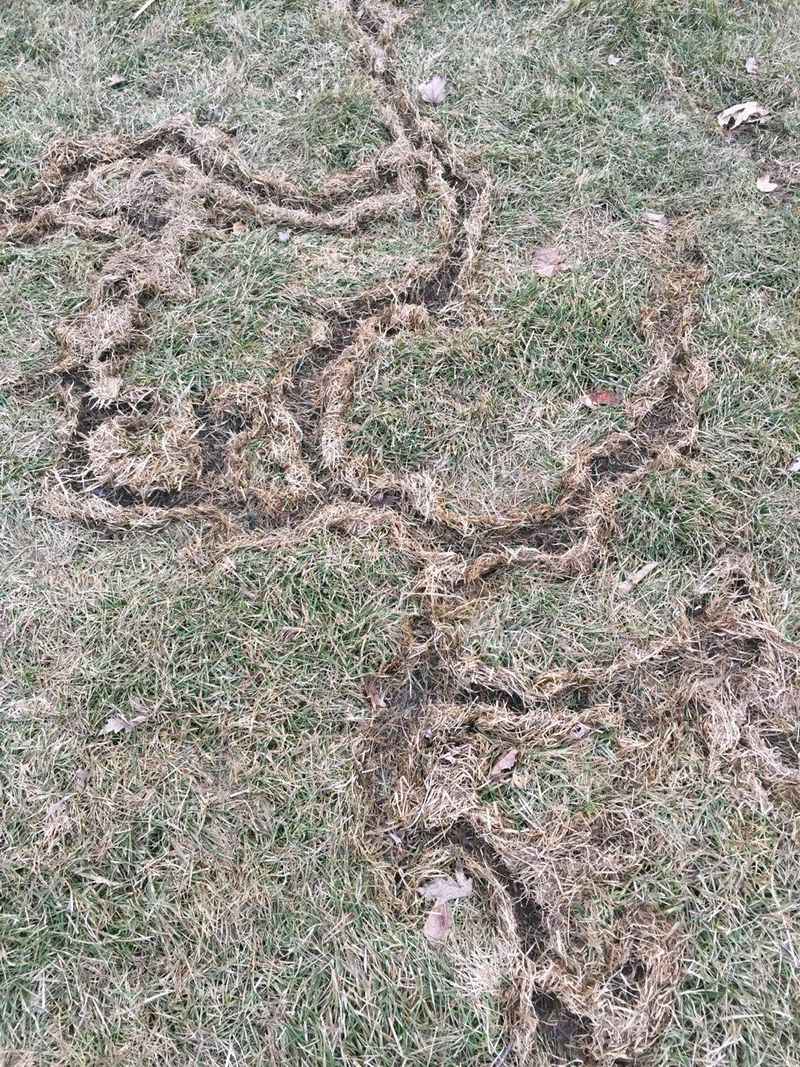
The snow finally melts after a cold Oregon winter, and there it is: a whole network of trails pressed into the dead grass that was completely invisible just days before.
This snowmelt reveal is one of the most dramatic moments in vole detection, and it catches homeowners off guard every single year.
What looks like a maze of flattened paths is actually a record of months of vole activity hidden under the snow cover.
Snow acts as insulation and camouflage at the same time.
Voles stay active through Oregon winters, moving through runways packed between the snow and the ground surface.
Oregon State University Extension explains that voles continue feeding and traveling through winter in this protected layer, which is why snowmelt so dramatically reveals their presence.
The trails left behind after snowmelt are wider and more matted than summer runways because voles travel them more intensively when confined under snow cover.
Grass along the paths may be completely gone or compressed flat. Burrow holes and bark gnaw marks on nearby plants often become visible at the same time.
Seeing these trails in late winter or early spring tells you the population was active all season long.
Early spring is a good time to walk the yard carefully, assess which plants made it through, and plan a habitat-reduction strategy before the next season gets underway.
8. Clues Cluster Near Weedy Cover
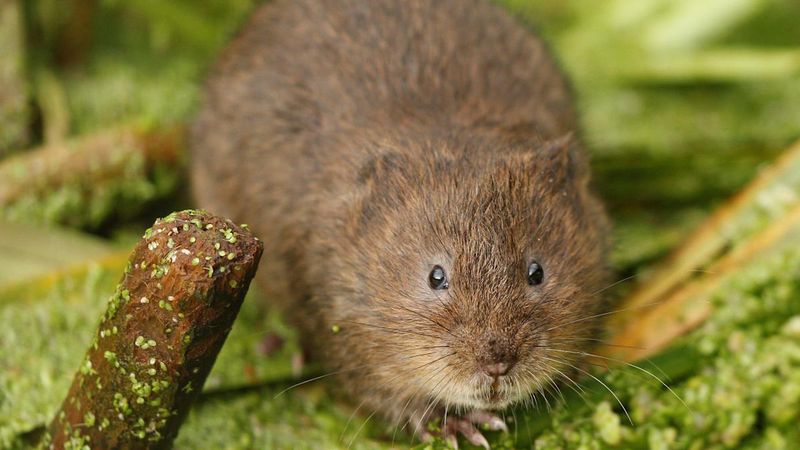
Walk the edges of your yard and pay close attention to spots where tall grass, blackberry canes, or dense weeds pile up along fences, ditches, or garden borders.
These scrubby, protected zones are vole headquarters. The clues you find in the open lawn almost always trace back to a weedy edge where the population is living and sheltering.
Voles are prey animals, and open space makes them nervous.
They prefer to stay close to cover as much as possible, which is why runways, holes, and feeding signs cluster near dense vegetation rather than in the middle of a mowed lawn.
Oregon State University Extension points out that habitat modification is one of the most effective long-term strategies for managing vole populations in Oregon home landscapes.
Edges along irrigation ditches, unmowed strips, and overgrown garden corners are hotspots.
Dense ornamental grasses, thick ground covers like ivy, and heavy leaf litter piles all serve the same sheltering function. Where the cover is thickest, vole activity tends to be highest.
Mowing edge areas regularly, removing piles of debris, and thinning dense plantings along property borders cuts down on the protected habitat voles depend on.
This does not need to be a total landscape overhaul.
Even trimming a weedy strip along the back fence or clearing leaf piles from garden corners reduces the shelter available and pushes vole activity away from your most valuable plants.
Small changes at the edges add up quickly.