Keep Your Lavender Thriving Through An Illinois July Heatwave By Following These Simple Steps

Illinois summers don’t ease you in. One week you’re planting. The next you’re watching the thermometer climb past ninety while the air sits so heavy you can almost drink it.
Lavender wasn’t built for this kind of soup. If you’ve grown it before, you know the telltale signs of trouble: yellowing leaves, a droopy stance, roots sulking in soil that never quite dries out.
But here’s the good news. Lavender can handle an Illinois heatwave just fine. It doesn’t require constant hovering or a degree in horticulture. It just needs a little strategy behind the scenes.
Get the watering rhythm right. Give the roots room to breathe. Choose the right spot in your yard. Do those three things, and your plants will laugh off the humidity like it’s nothing.
Stick around, because the next few tips will turn your lavender from heat-stressed to downright resilient by August.
1. Water Deeply But Infrequently, Early Morning Only
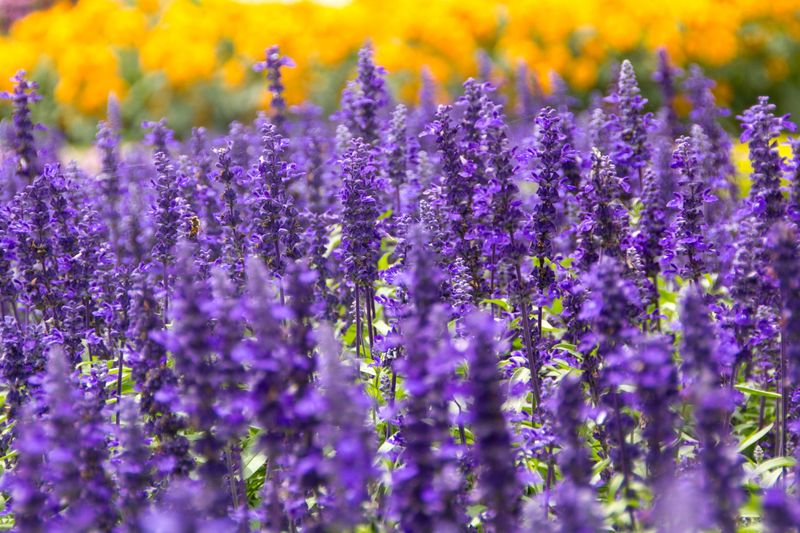
Morning is everything for lavender in a heatwave. Watering at dawn gives roots time to absorb moisture before the scorching afternoon sun arrives.
Deep watering means soaking the soil six to eight inches down. Shallow watering trains roots to stay near the surface, where heat bakes them fast.
Lavender prefers dry conditions overall, so frequency matters as much as depth. Water once every ten to fourteen days during a heatwave, not every few days.
Checking soil moisture before watering saves plants from stress. Push your finger two inches into the soil and only water if it feels completely dry.
Sandy or loamy soil drains faster and may need slightly more frequent watering. Clay-heavy Illinois soil holds moisture longer, so adjust your schedule accordingly.
Early morning watering also reduces evaporation loss significantly. Water applied at midday can evaporate before roots absorb even half of it.
Consistent deep watering builds a strong root system over time. Stronger roots help lavender handle July heat spells with far less visible stress.
A slow trickle from a soaker hose works better than a fast blast. Slow delivery allows water to penetrate deeply rather than running off the surface.
Keeping a simple watering log helps you track patterns and avoid guessing. Your lavender will reward that small effort with steady, healthy growth all summer long.
2. Skip Overhead Watering To Keep Foliage Dry
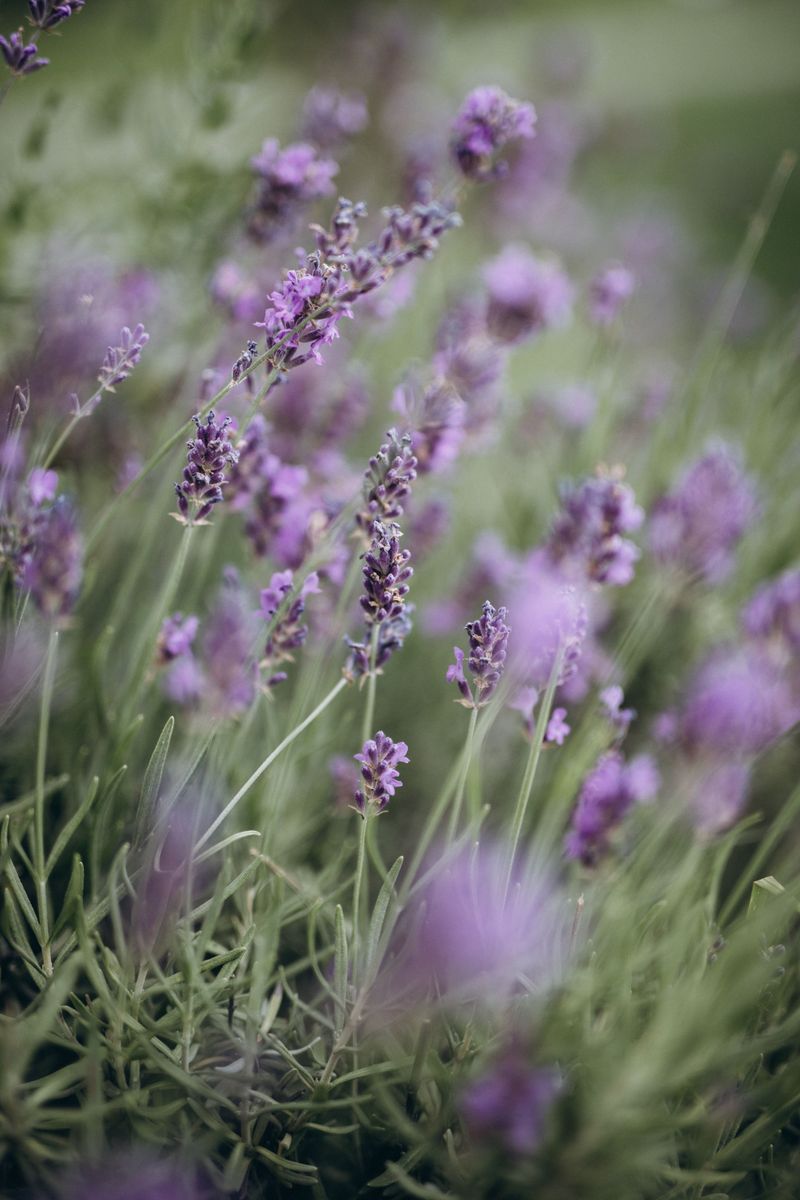
Wet leaves on lavender create conditions that invite fungal problems. Moisture sitting on foliage during hot, humid Illinois summers creates the perfect environment for fungal rot.
Overhead sprinklers might seem convenient, but they coat every leaf and stem with water. That moisture lingers, especially when humidity is already high.
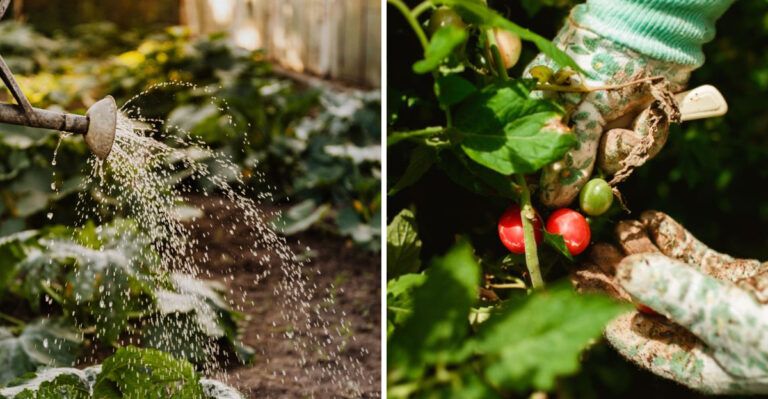
Root-level watering is the smarter approach every single time. Drip irrigation or a soaker hose delivers moisture exactly where lavender needs it most.
Lavender originates from the dry Mediterranean hillsides of southern Europe. Its entire biology is built for dry air and dry leaves, not muggy Midwest summers.
Gray foliage on lavender actually signals a healthy, drought-adapted plant. That silvery coating reflects sunlight and reduces moisture loss naturally.
Your Illinois Garden Changes Every Week. Your Plan Should Too.
Gardening in Illinois changes quickly throughout the season. Every Friday you’ll receive a simple weekly plan showing exactly what to plant, prune, fertilize, harvest, and protect so you never miss the right timing.
When you spray water overhead, you wash away that natural protection layer. The plant then works harder to recover while already dealing with heat stress.
Fungal diseases like botrytis can spread rapidly once wet conditions take hold. You may notice blackened stems or mushy patches at the base of the plant.
Preventing wet foliage is far easier than treating a fungal problem mid-summer. A small adjustment in watering technique protects weeks of growth in one simple move.
Even hand-watering with a wand works well when aimed at the soil. Keep the wand low, move slowly, and let the soil absorb water without splashing stems. Dry foliage equals a thriving lavender plant, plain and simple.
3. Harvest Stems Right After Flowers Open For Best Oil
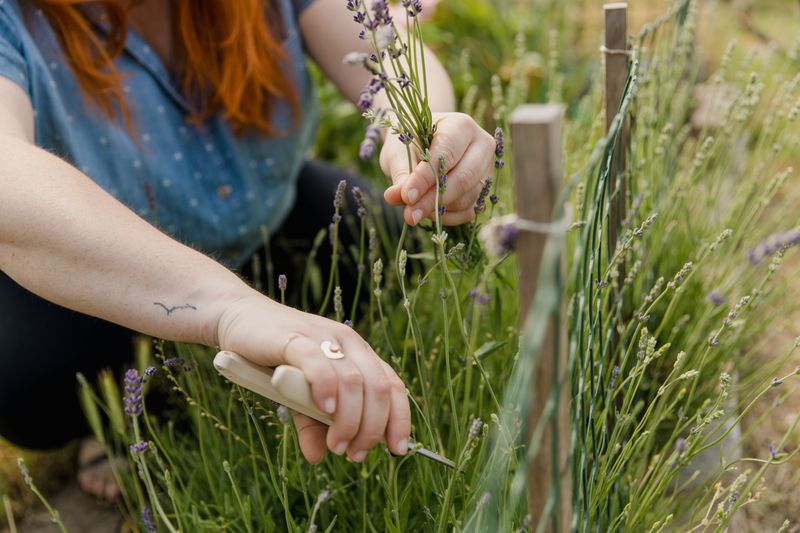
There is a perfect window for harvesting lavender, and most gardeners miss it by a week. Cutting stems right when the first flowers open captures peak fragrance and essential oil content.
Once all the blooms open fully, oil concentration starts dropping fast. Waiting too long means weaker scent and less potent dried bundles.
Harvesting during a July heatwave actually helps the plant redirect energy. Fewer blooms mean less stress on the root system during the hottest stretch of summer.
Use sharp, clean scissors or pruning shears for every cut. Dull blades crush stems instead of cutting cleanly, which slows healing and invites disease.
Cut stems in the early morning before heat builds up for the day. Cooler temperatures preserve volatile oils in the flowers before evaporation begins.
Aim to cut stems about one-third of the way down the plant. Cutting too deep into woody growth reduces the plant’s ability to push new shoots.
Bundle harvested stems loosely with a rubber band or twist tie. Hang them upside down in a dry, shaded spot with good airflow for two weeks.
Lavender has a documented history stretching back over 2,000 years, with some of the earliest confirmed uses tied to ancient Greece and Rome.
Fresh-cut stems also work beautifully in a vase with water for a week. Harvesting is not just practical, it is one of the most rewarding parts of growing lavender.
4. Trim Spent Blooms To Encourage A Second Flush
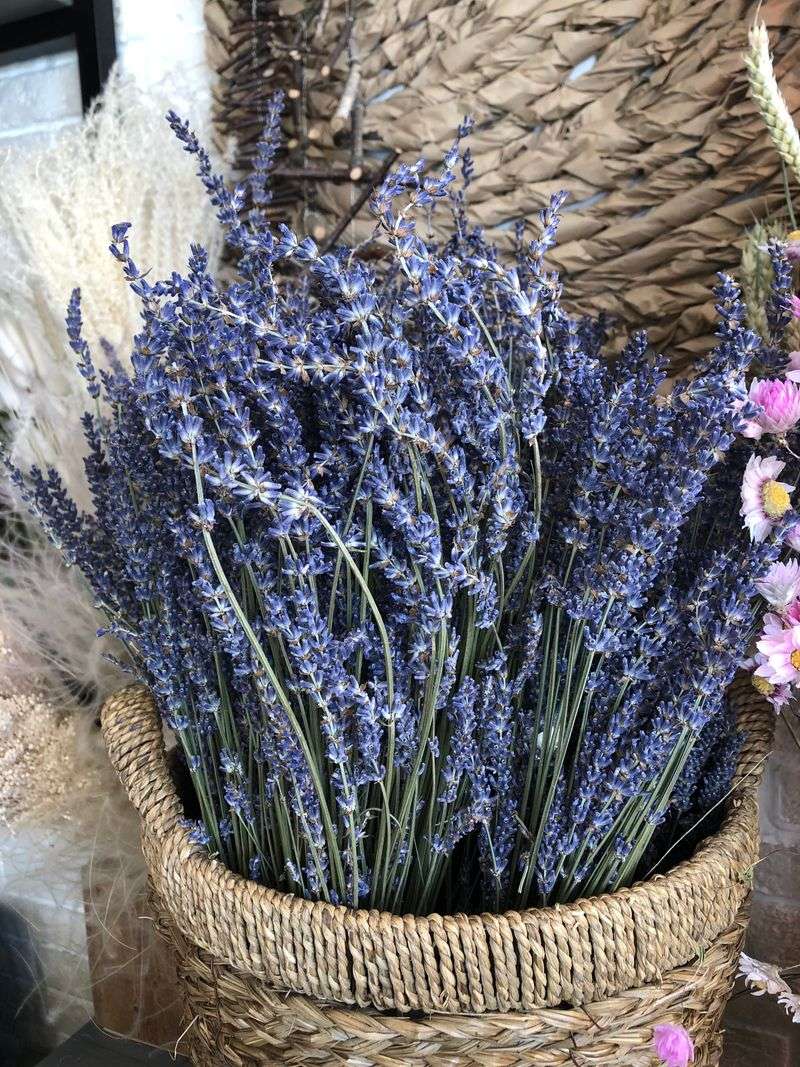
Trimming spent blooms mid-summer feels almost too simple to matter, but it absolutely does. Removing spent blooms signals the plant to push out a fresh round of flowers.
Spent blooms left on the plant redirect energy toward seed production. That energy could go toward new growth instead, especially during a taxing July heatwave.
Trimming also improves airflow through the plant’s canopy. Better airflow reduces humidity pockets that encourage fungal issues during Illinois’s notoriously sticky summers.
Use lightweight, sharp pruning shears for this task. Heavy tools make it easy to over-cut or accidentally damage healthy stems nearby.
Cut just above the first set of healthy leaves below the spent flower. This precise cut encourages the stem to branch and produce two new blooms.
Avoid cutting into the woody base of the plant during summer trimming. Save major structural pruning for early spring when the plant is still waking up.
A second bloom flush typically arrives four to six weeks after this kind of trimming. That second wave often extends the garden’s color and fragrance well into August.
Some lavender varieties respond more vigorously to this pruning routine than others. Phenomenal and Grosso lavender are popular Illinois choices known for strong rebloom after trimming.
Doing this task in the cooler morning hours protects both you and the plant. Heat stress during trimming can slow healing, so earlier is always better in July. A few minutes of trimming now means weeks of added beauty ahead.
5. Mulch Lightly With Gravel Or Sand, Not Organic Mulch
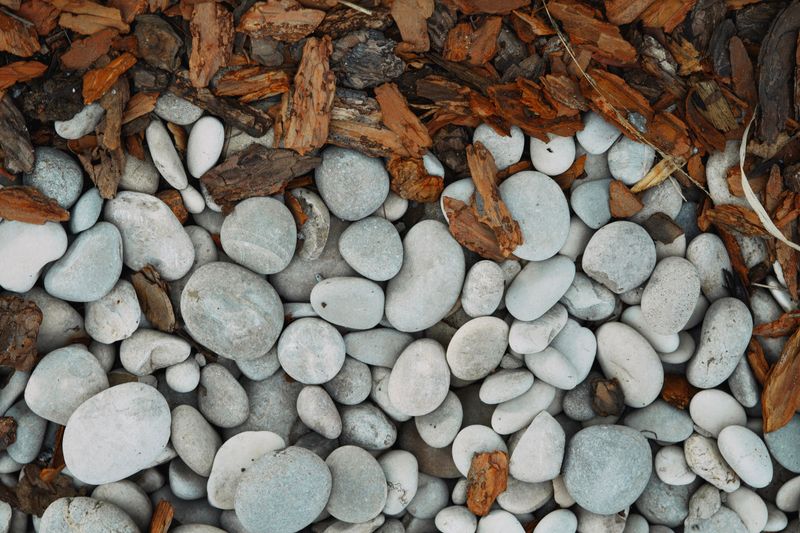
Gravel mulch around lavender looks sharp, and it actually works better than wood chips ever could. Inorganic materials like pea gravel or coarse sand reflect heat and drain moisture fast.
Organic mulch, like shredded bark or compost, holds moisture close to the crown of the plant. That retained moisture creates exactly the soggy conditions lavender tolerates poorly.
Crown rot is one of the top reasons lavender fails in the Midwest. Keeping the base of the plant dry is the single best prevention strategy available.
Apply a one-to-two-inch layer of gravel or coarse sand around the base. Keep mulch pulled back slightly from the main stem to allow airflow at the crown.
Gravel also warms up quickly in the sun, which mimics lavender’s native habitat. Mediterranean hillsides are rocky and fast-draining, far from the rich, moist Illinois soil.
Light-colored gravel reflects sunlight upward onto the lower leaves. This reflected light can actually improve the plant’s overall health and encourage more compact growth.
Sand improves drainage when mixed directly into planting holes too. Adding coarse builder’s sand to heavy clay soil makes a dramatic difference for lavender roots.
Avoid using fine-grain sand, which can compact and create drainage problems over time. Coarse horticultural sand or pea gravel sized around one-quarter inch works best.
Switching from organic to inorganic mulch is a low-cost fix with a high payoff. Your lavender will look healthier within weeks of making the swap.
6. Avoid Fertilizing During Peak Heat Stress
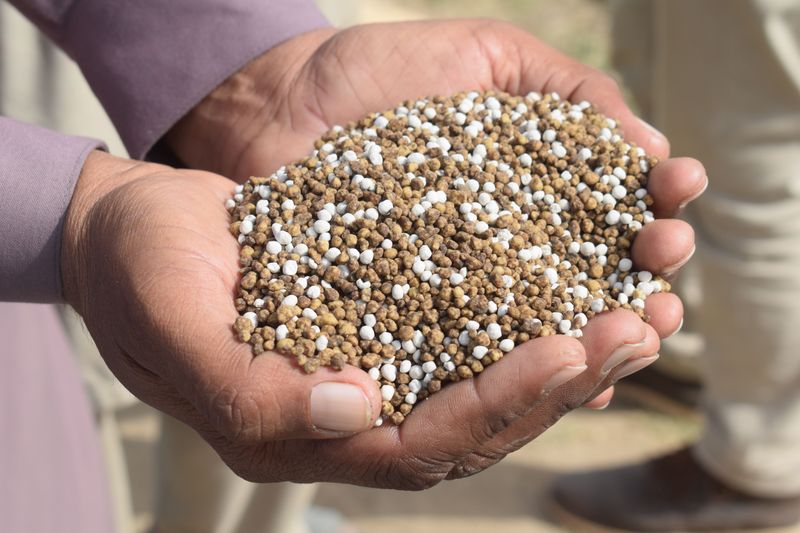
Fertilizing lavender during a July heatwave is like pushing a tired athlete to sprint. The plant is already working hard just to cope with the heat, and extra nutrients overwhelm it.
Nitrogen-rich fertilizers push rapid leafy growth at the worst possible time. Soft new growth is far more vulnerable to heat damage than mature, established stems.
Lavender actually prefers lean soil with low nutrient levels year-round. Overfed lavender grows floppy, weak, and more prone to disease, especially in humid conditions.
Most lavender planted in average garden soil needs no supplemental fertilizer at all. The plant evolved on nutrient-poor rocky slopes where rich soil was never part of the equation.
If you feel your plant needs a boost, wait until early September. Cooler temperatures give the plant a chance to process nutrients without additional heat stress layered on top.
A light application of slow-release granular fertilizer in early spring is usually sufficient. This supports healthy root development before summer heat arrives and demands full plant energy.
Bone meal or a balanced low-nitrogen fertilizer works better than high-nitrogen blends. Low nitrogen encourages blooms over foliage, which is exactly what lavender growers want.
Soil pH also matters more than fertilizer for lavender health. A pH between 6.5 and 7.5 unlocks nutrients already present in the soil without any additives.
Skipping the fertilizer bag this July might feel counterintuitive, but restraint is the right move. Less truly is more when it comes to feeding lavender through summer heat.
7. Check Drainage And Raise Beds If Soil Stays Wet
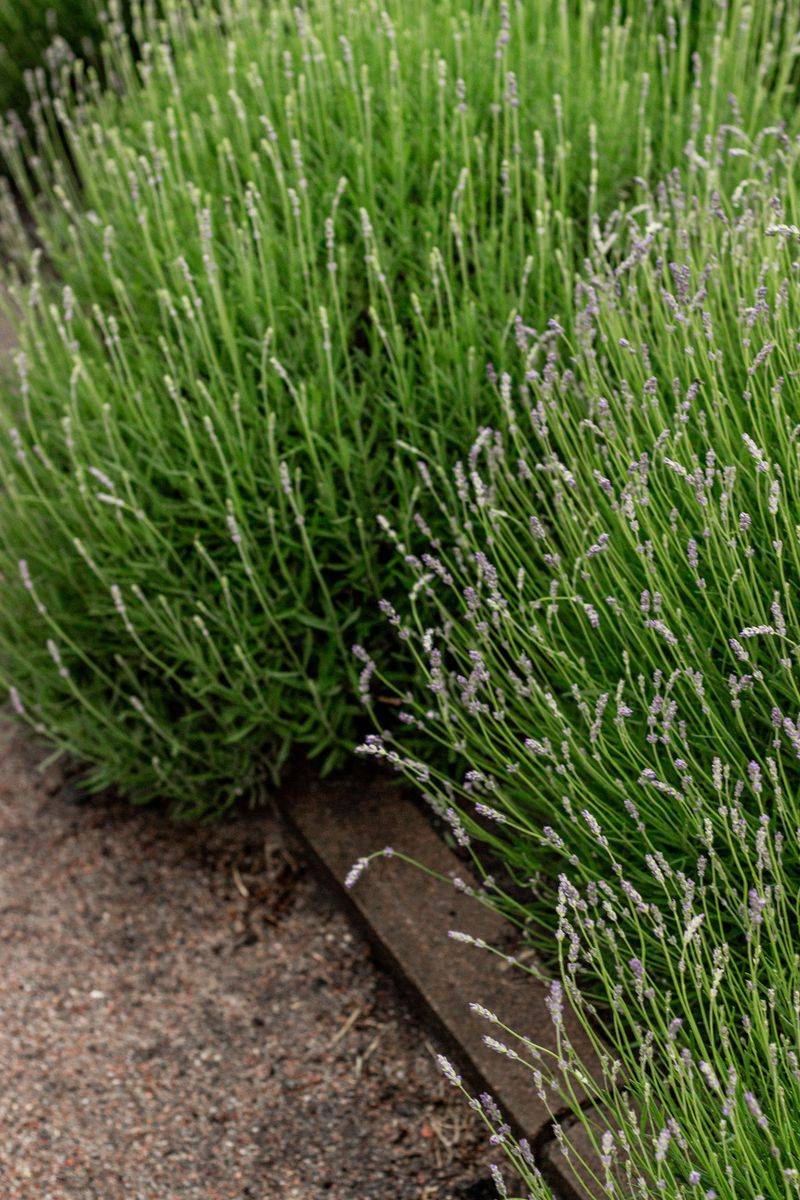
Standing water after a summer storm is a lavender plant’s worst enemy. Roots sitting in waterlogged soil for even 24 hours can begin to rot rapidly.
Illinois clay soil is notorious for holding water far longer than lavender can tolerate. Testing your drainage before problems start is a smart and simple step.
Dig a hole about twelve inches deep and fill it with water to test drainage. If water remains after one hour, your drainage is too slow for lavender to thrive.
Raised beds solve drainage problems faster than any soil amendment alone. Elevating the root zone even six to eight inches above native soil makes a huge difference.
Cedar or pine boards work well for building lavender raised beds on a budget. Avoid treated lumber, which can leach chemicals into soil over time.
Fill raised beds with a mix of native soil, coarse sand, and perlite. This blend creates the loose, fast-draining structure lavender roots absolutely need.
Sloping the bed surface slightly helps surface water run away from plant crowns. Even a one-inch slope across the bed width improves drainage noticeably after heavy rain.
Raised beds also warm up faster in spring, which lavender loves deeply. Earlier soil warmth means earlier root activity and stronger plants heading into summer heat.
If building a raised bed feels like too much work right now, try mounding soil around existing plants. A four-to-six-inch mound under each plant improves drainage with minimal effort.
Good drainage is the foundation everything else builds on for lavender thriving through heat.
8. Provide Light Afternoon Shade In Extreme Heat Spells
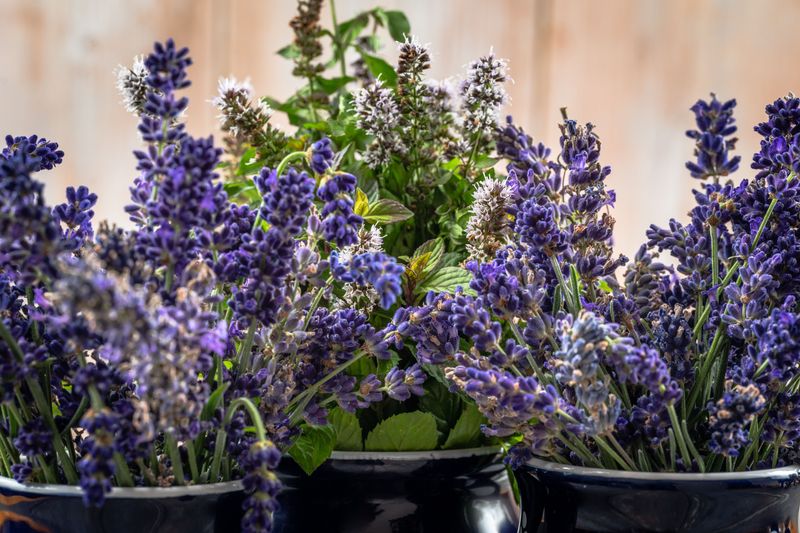
Full sun is usually lavender’s best friend, but extreme heat changes the rules temporarily. When temperatures push past 95 degrees for multiple days, even sun-loving plants need a break.
Light afternoon shade reduces leaf temperature by several degrees without cutting off needed light. That small temperature drop can prevent scorching and tip burn on tender stems.
Shade cloth rated at 30 percent is ideal for temporary lavender protection. Anything heavier blocks too much light and weakens the plant over time.
Drape shade cloth over simple garden stakes to create a tent-like structure above plants. Keep the cloth elevated above foliage so airflow continues moving freely underneath.
Natural shade from a nearby shrub or fence can also work during the worst heat spells. Afternoon shade from the west side blocks the harshest sun of the day effectively.
Remove shade cloth once temperatures drop back below 90 degrees consistently. Lavender needs direct sun to maintain its signature fragrance and compact, upright form.
Container lavender has an advantage here because pots can simply be moved. Shifting a pot to a spot with morning sun and afternoon shade takes about thirty seconds.
Shade is a short-term tool, not a long-term solution for lavender care. Plants kept in permanent shade become leggy, produce fewer blooms, and lose their natural oil potency.
Watching for wilting in the early afternoon is your best signal that shade is needed. Crisp, upright foliage by evening means your plant handled the heat and came out strong.
Keep your lavender thriving through every heatwave by staying observant and responsive all season.