Do This To Your California Garden Before Temperatures Hit 115 Degrees
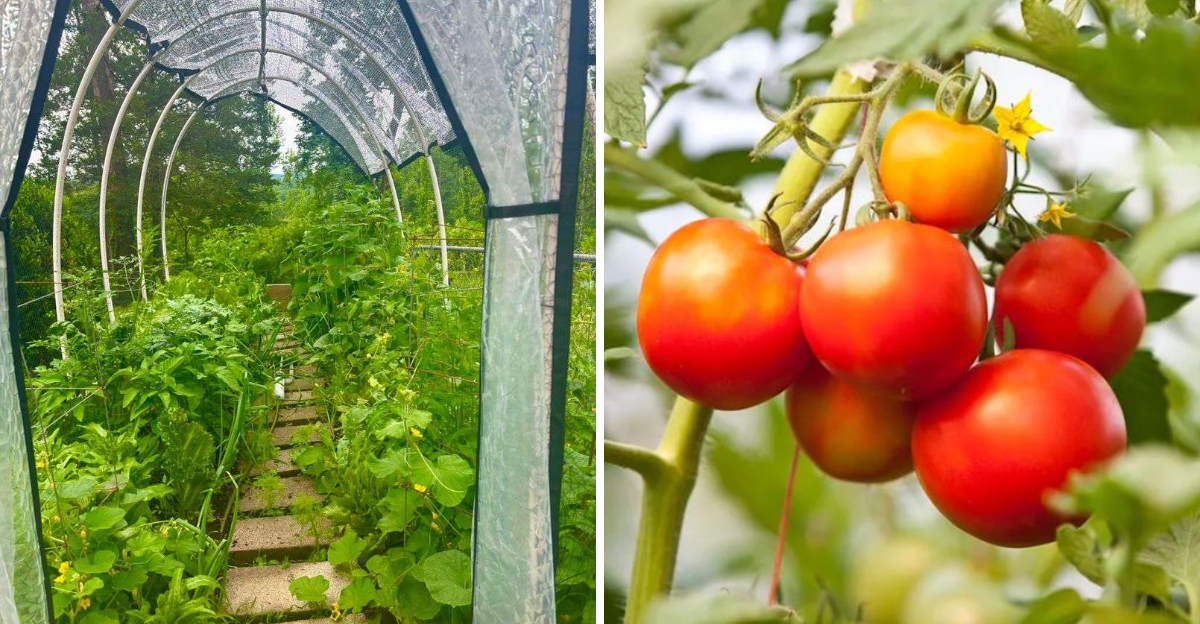
California gardens know when 115 degrees is coming before the gardener does.
The patio starts holding heat like a grudge. Tomato leaves curl by breakfast. Containers on concrete turn into little root ovens, and young fruit trees stand there taking dry wind like they offended the weather personally.
By the time plants wilt, the rescue window is already smaller.
That is why the night before matters so much.
A garden that gets deep water, shade, moved pots, harvested ripe produce, and a little emergency triage before the heat peaks has a much better chance of coming through with fewer crispy regrets.
So what should California gardeners do before the forecast turns dangerous?
Start with the plants that cannot escape: containers, seedlings, new transplants, shallow-rooted vegetables, and young trees. They need help before the worst hours arrive.
The heat may be extreme, but your response does not need to be frantic. Smart timing beats garden panic every single time.
1. Water Deep Before The Alert
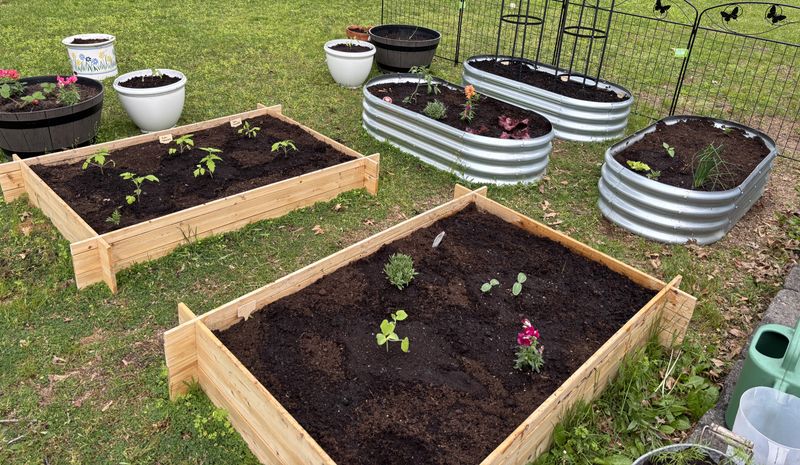
Your soil is basically a bank account for moisture, and right now you want to make a big deposit before the heat withdraws every drop.
Deep watering before extreme heat arrives gives roots access to cool, moist soil far below the surface, where temperatures stay much lower than the air above.
Shallow watering, even if done often, only wets the top inch or two.
When 115-degree air hits, that surface moisture is gone in minutes. Roots that have chased water down deep have a fighting chance. Roots stuck near the surface have almost none.
UC Cooperative Extension recommends watering slowly and deeply, letting water soak in rather than run off.
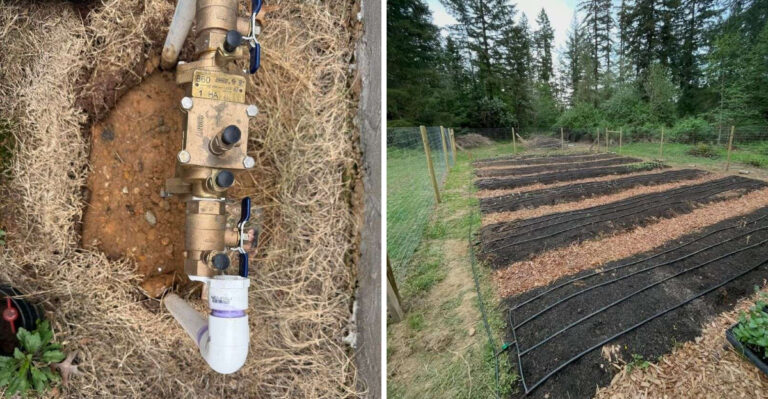
A drip system running for an extended cycle the night before a heat alert is ideal. If you use a hose, place it at the base of plants and let it trickle for 20 to 30 minutes per area.
Clay soils hold water longer but absorb it slowly, so start earlier.
Sandy soils drain fast, so you may need two slow sessions spaced an hour apart. Check soil moisture by pushing a finger or a wooden dowel six inches deep. If it comes out dry and dusty, keep watering.
Do this the evening before a forecast spike, not the morning of, so the water has time to move deep into the root zone overnight.
2. Add Shade Before Noon
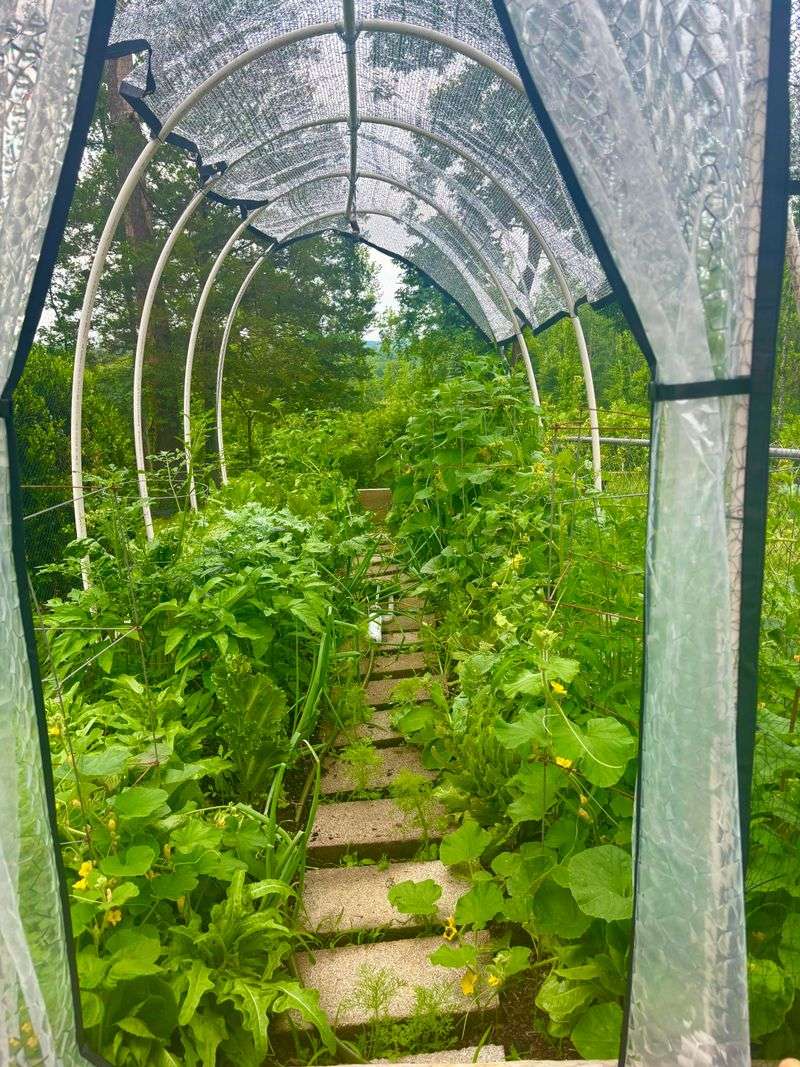
Shade cloth stretched over your beds before 10 a.m. is one of the most effective tools you have against extreme California heat.
Once air temperatures climb past 100 degrees, direct sun exposure can raise leaf surface temperatures even higher, causing irreversible cell damage in tender vegetables.
A 30 to 40 percent shade cloth works well for most vegetables like tomatoes, peppers, and squash.
It blocks enough intense radiation to cool the canopy without cutting so much light that plants stop producing.
You can find it at most hardware stores or garden centers, and it goes up fast with a few clips and some PVC pipe or wooden stakes.
Timing matters more than most gardeners realize.
Your California Garden Changes Every Week. Your Plan Should Too.
Gardening in California changes quickly throughout the season. Every Friday you’ll receive a simple weekly plan showing exactly what to plant, prune, fertilize, harvest, and protect so you never miss the right timing.
Shade cloth put up at noon is already too late for the worst of the damage. Get it in place the evening before, or at the very latest by early morning before the sun gets high.
West-facing beds need extra attention since afternoon sun hits them hardest during heat events.
Old bedsheets, burlap, or row cover fabric can work in a pinch, but make sure they do not trap heat against the plants.
Leave space between the cover and the plant canopy for air to move. A little airflow under the shade keeps things cooler and prevents the steamy, suffocating effect that tight covers can create on a scorching afternoon.
3. Move Pots Into Morning Sun
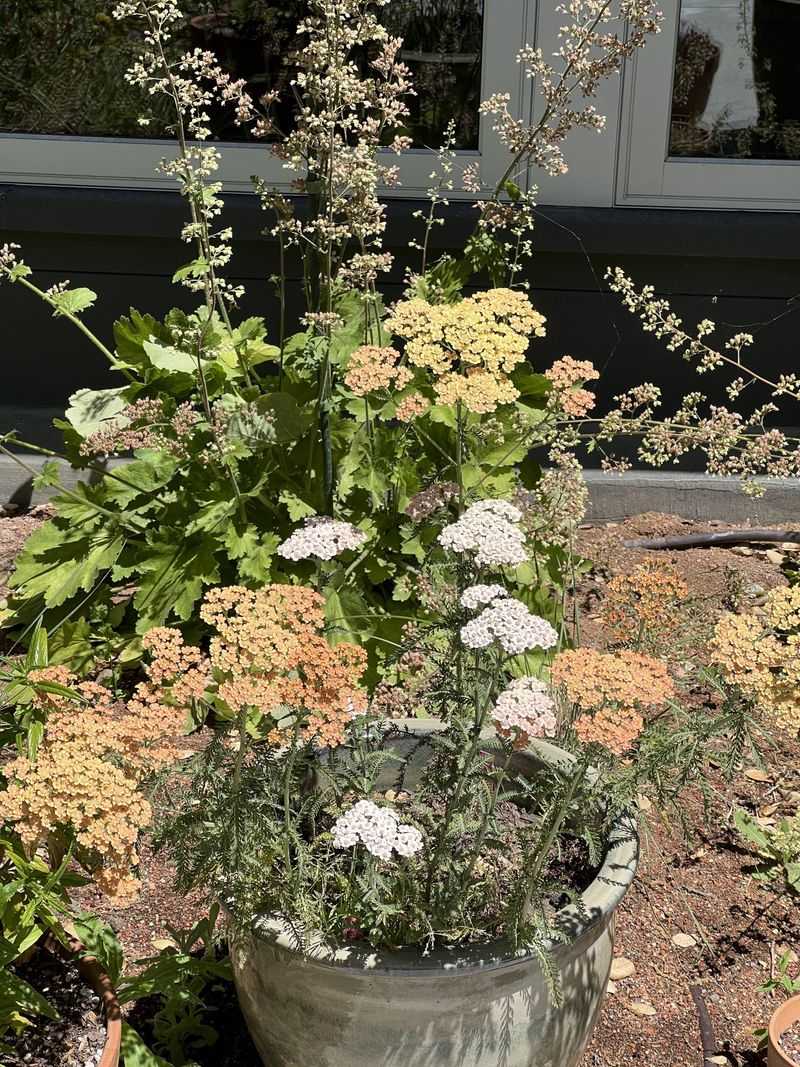
Container plants are in a completely different situation than in-ground plants during a heat event.
Pots, especially dark plastic ones sitting on concrete, can heat up to temperatures that literally cook roots from the outside in. That concrete patio you love in spring becomes a heat amplifier by July.
Move containers to a spot that gets morning sun and afternoon shade before the hottest part of the day arrives.
East-facing walls and covered patios are perfect. If you cannot move heavy pots, try surrounding them with wet burlap, light-colored towels, or even cardboard to reflect heat away from the container walls.
Terracotta pots breathe, which is usually a good thing, but during extreme heat they lose moisture rapidly through evaporation from the pot walls.
Double-potting, placing a terracotta pot inside a slightly larger one with damp moss or newspaper in between, can slow that moisture loss significantly.
Water containers more frequently during heat events, but always check the soil first.
Most herbs, succulents, and flowering annuals do best in containers that drain freely and sit in shade from about 11 a.m. onward.
Getting pots repositioned the evening before a heat alert means you will not be scrambling to drag heavy planters around in brutal morning heat.
4. Mulch Bare Soil Fast
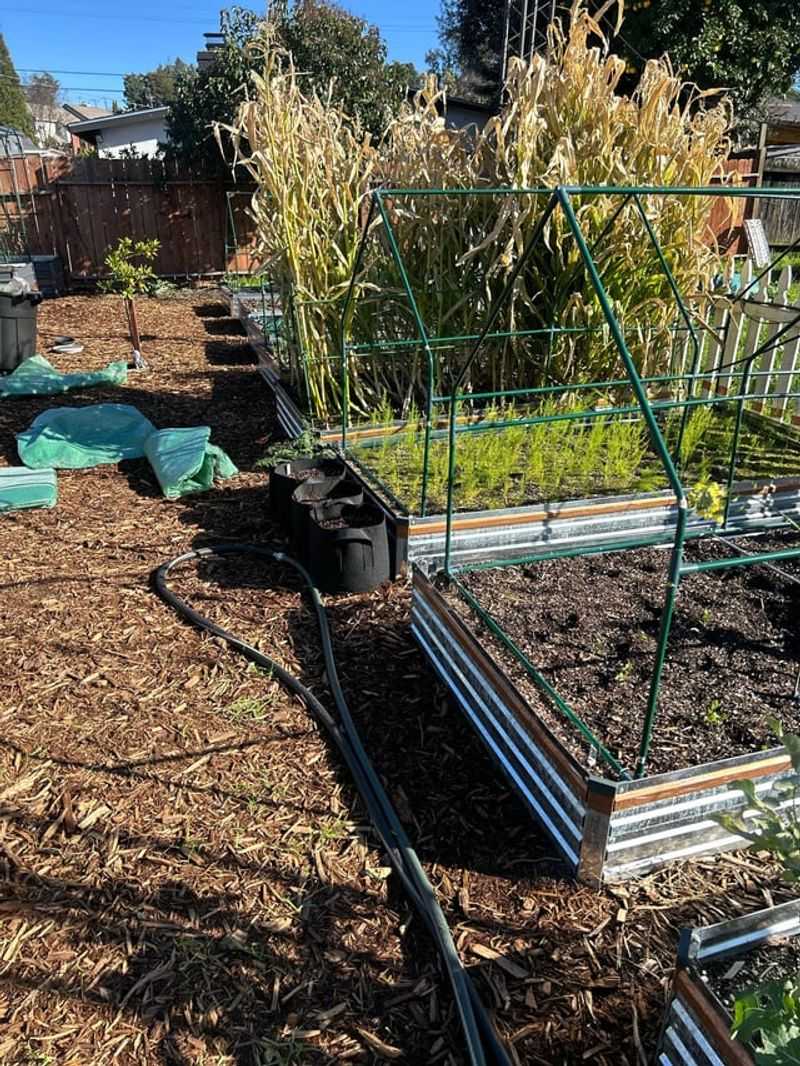
Bare soil in a California garden during a heat alert is like leaving a glass of ice water in direct sun.
The moisture disappears fast, the surface bakes hard, and the roots underneath start to stress within hours. A thick layer of mulch changes that equation dramatically.
Aim for three to four inches of organic mulch like wood chips, straw, or shredded leaves around the base of your plants.
This layer acts as insulation, keeping soil temperatures significantly cooler than the air above. UC Master
Gardeners have noted that mulched soil can stay 10 to 25 degrees cooler than unmulched soil on hot days, which is enormous when you are dealing with a 115-degree forecast.
Keep mulch a couple of inches away from plant stems and tree trunks.
Spread it out to the drip line of the plant if possible, covering the entire root zone rather than just the area right next to the stem.
Wood chips are excellent for trees and shrubs.
Straw works beautifully in vegetable beds because it is light, easy to move, and breaks down into organic matter over time.
Mulching at dusk the evening before a heat event gives you a real head start on protecting your garden’s root zone.
5. Pause Fertilizer For Now
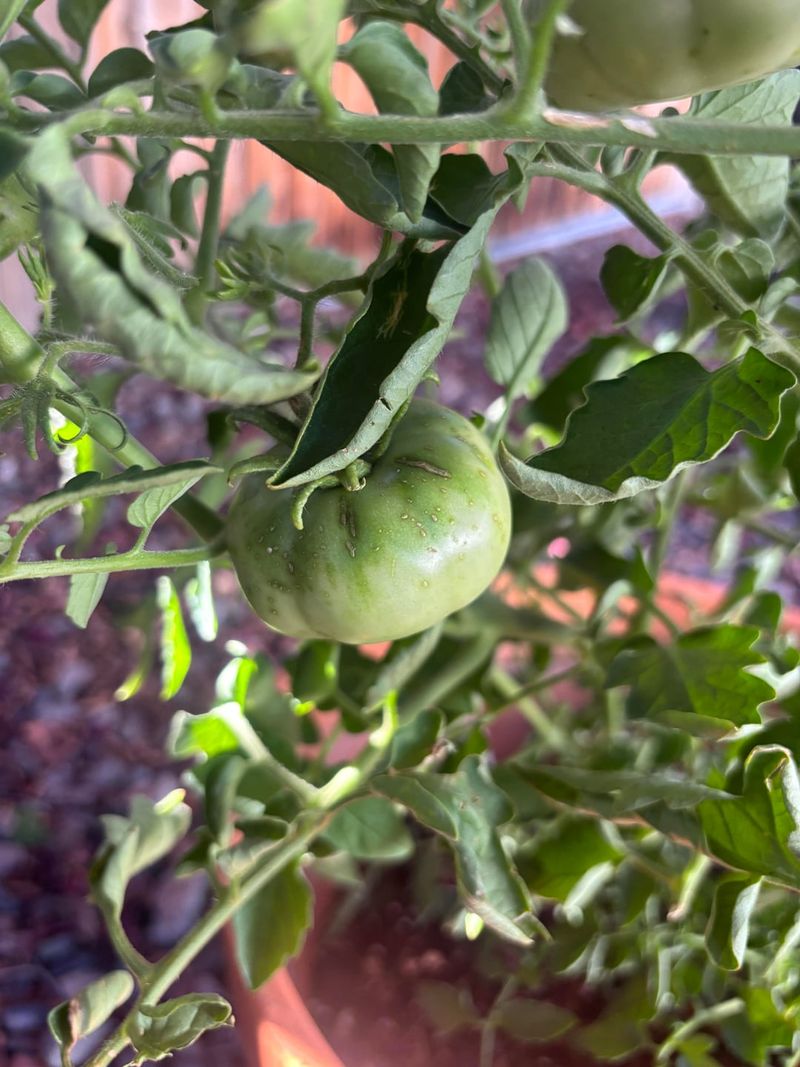
Reaching for the fertilizer bag when your plants look stressed is one of the most natural instincts a gardener has. Try to resist it completely during a heat event.
Fertilizing right before or during extreme heat is one of the fastest ways to push plants over the edge when they are already struggling.
Fertilizers, especially nitrogen-heavy ones, push plants to produce new, tender growth.
That soft new growth is the most vulnerable tissue on any plant and the first thing to suffer when temperatures spike.
You are essentially asking the plant to build a new room in the house right as a wildfire approaches the neighborhood.
Salts in fertilizers also draw moisture out of root cells through osmosis.
In a water-stressed plant baking in triple-digit heat, the added salt load can cause tip burn, leaf curl, and root damage that takes weeks to recover from.
Hold off on any fertilizer applications, granular or liquid, for at least a week before a major heat event and until temperatures drop back to a manageable range.
If you have already applied a slow-release granular fertilizer recently, water it in thoroughly to dilute the salt concentration around the roots.
Your plants do not need encouragement to grow right now. They need stability and moisture until the worst of the heat passes.
6. Harvest Tender Crops Early
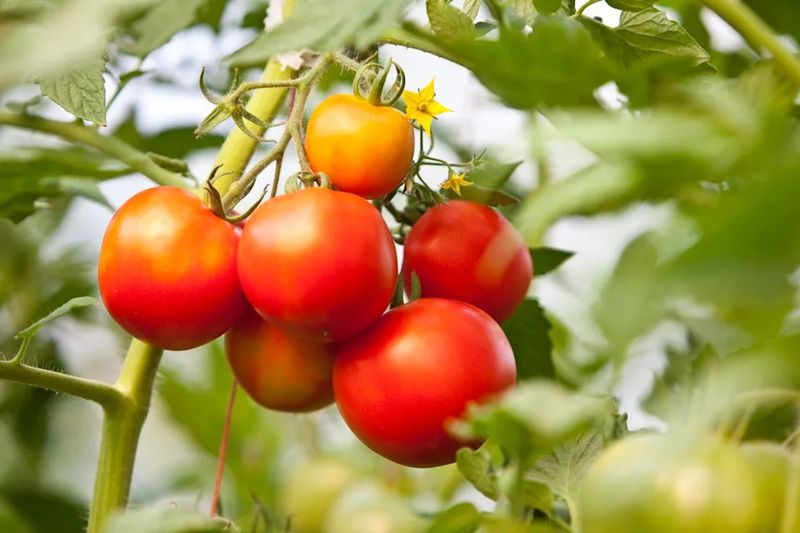
Walking out to the garden at dawn and picking everything that is close to ripe is one of the smartest moves you can make before a heat spike.
Extreme heat does not just stress plants. It actively damages the quality of fruit and vegetables that are already on the vine.
Tomatoes stop developing their signature color and flavor above 95 degrees.
Zucchini and cucumbers can go from perfect to overblown and bitter within a single hot afternoon. Green beans get tough and stringy fast. Basil bolts and turns bitter almost overnight when temperatures push past 100.
Picking these crops slightly early and letting them finish ripening indoors protects both the harvest and the plant.
Removing ripe or near-ripe fruit also lightens the load on a heat-stressed plant. Every piece of fruit on a vine is drawing energy and water from the root system.
Fewer fruits means the plant can focus its limited resources on survival rather than ripening a full crop in brutal conditions.
Check your beds the evening before a forecast heat event and again very early the next morning.
Tomatoes picked at the breaker stage, when they just start showing pink or yellow, will ripen beautifully on a kitchen counter. Your kitchen counter becomes a safe ripening zone while your garden battles the heat outside.
7. Protect Young Trees And Trunks
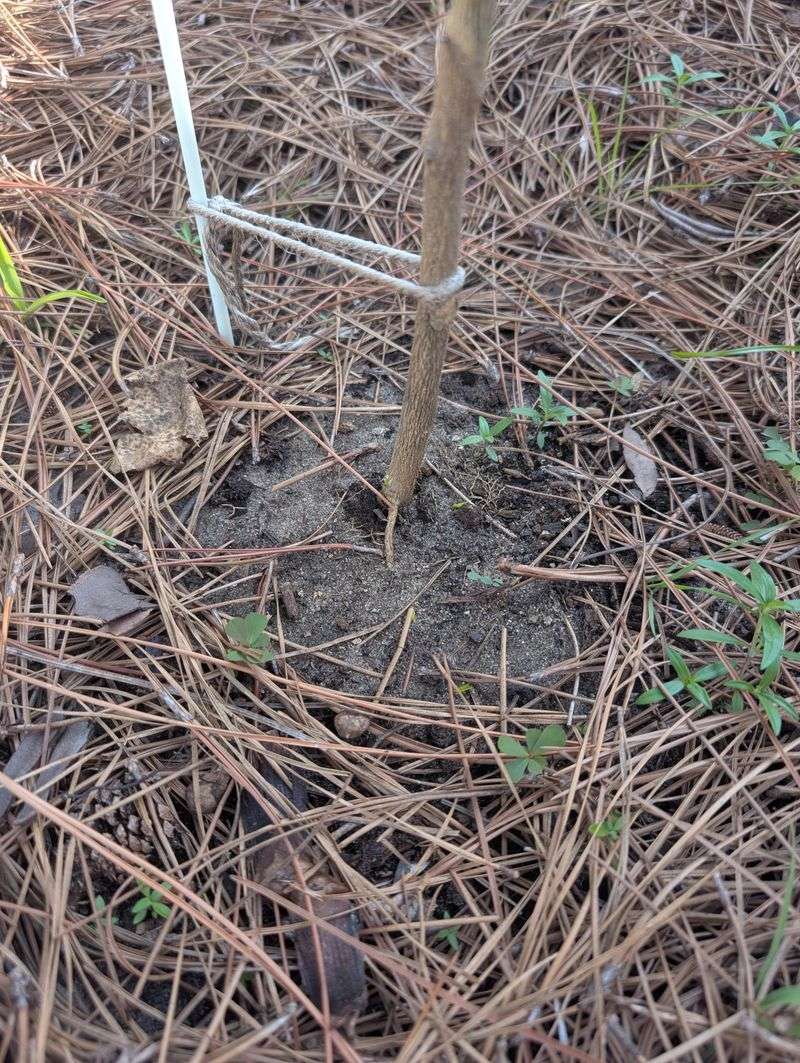
Young trees planted within the last two or three years have not yet developed the deep root systems that help established trees survive California heat events.
They are genuinely at risk during a 115-degree forecast, and a little extra attention now can prevent setbacks that take an entire growing season to recover from.
Sunscald is a real problem for young tree trunks, especially on the south and west sides where afternoon sun hits hardest.
Thin-barked trees like citrus, avocado, and young fruit trees are particularly vulnerable.
Wrapping trunks with white tree wrap, painting them with diluted white latex paint, or propping up a shade cloth on the sun-facing side can prevent cracking and bark damage that opens the door to pests and disease.
Deep watering is critical for young trees before a heat event.
Run a slow drip or soaker hose around the drip line for several hours the night before. The drip line is the outer edge of the canopy, where feeder roots are most active. Watering right at the trunk base does not reach those roots effectively.
For very young or newly planted trees, consider propping up a shade cloth on the west side to block the most intense afternoon sun.
Check on young trees the morning after a heat event and water again if the soil has dried out faster than expected. Recovery watering matters just as much as preparation.
8. Stake And Support Tall Plants Before Wind Arrives
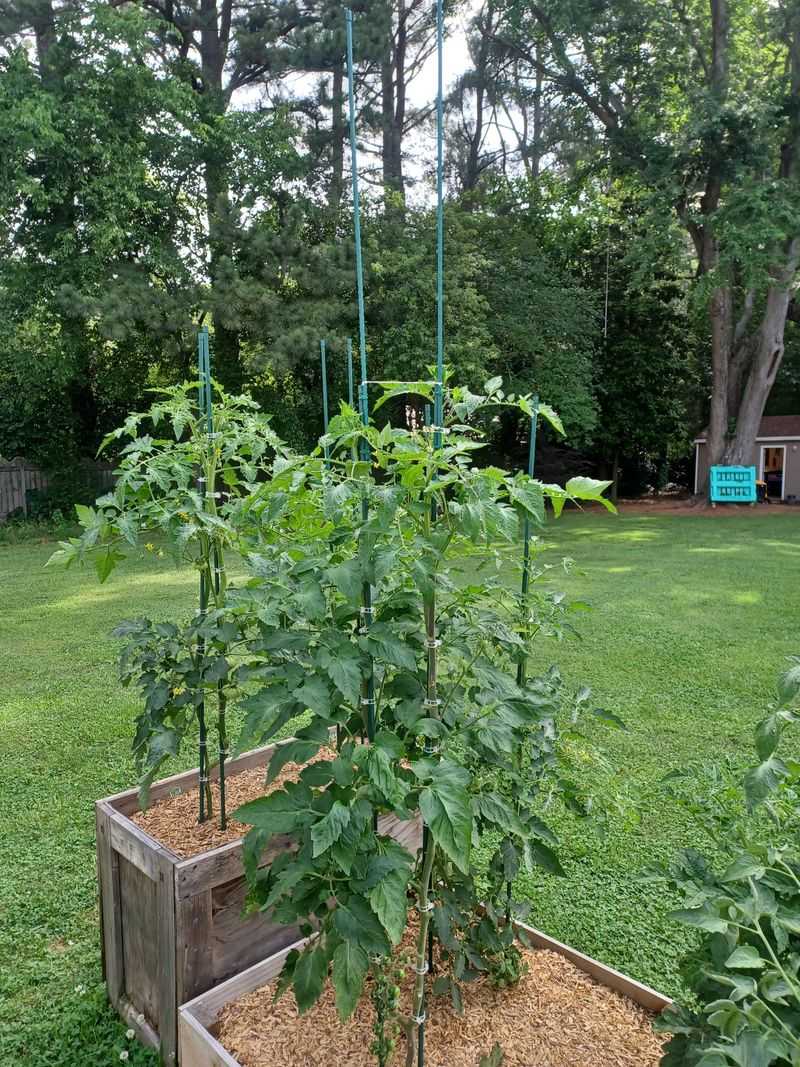
Heat domes in California rarely arrive alone. The hot, dry offshore winds that often accompany extreme heat events, Santa Ana winds in Southern
California and Diablo winds in the north, can knock over staked tomatoes, snap pepper stems, and topple container plants in minutes. A plant that was already managing heat stress does not need the added insult of being blown sideways.
Walk your garden the evening before a heat alert and check every tall plant for adequate support.
Tomato cages that looked stable in June can shift and lean as soil dries out and loosens during summer. Push cages firmly back into the ground and tie any stems that have grown beyond the cage structure.
A stem that snaps off during a wind event cannot be repaired, and losing a productive tomato branch mid-season is a frustrating setback.
Pepper plants are especially vulnerable because they carry heavy fruit on relatively slender stems.
Stake individual plants or tie branches to a central support using soft garden twine or strips of old fabric. Do not use wire or string that cuts into the stem when the plant flexes in wind.
Tall flowering perennials like sunflowers, dahlias, and cosmos also need checking before a heat and wind combination arrives.
A fallen sunflower in 115-degree heat rarely recovers fully. A few minutes with stakes and ties the evening before keeps months of growing investment protected through the worst conditions.
For container plants you cannot move, cluster them together in a sheltered corner and wedge them against a wall or fence so they support each other rather than tipping individually.