What Massachusetts Homeowners Need To Do When Bees Swarm Their Yard
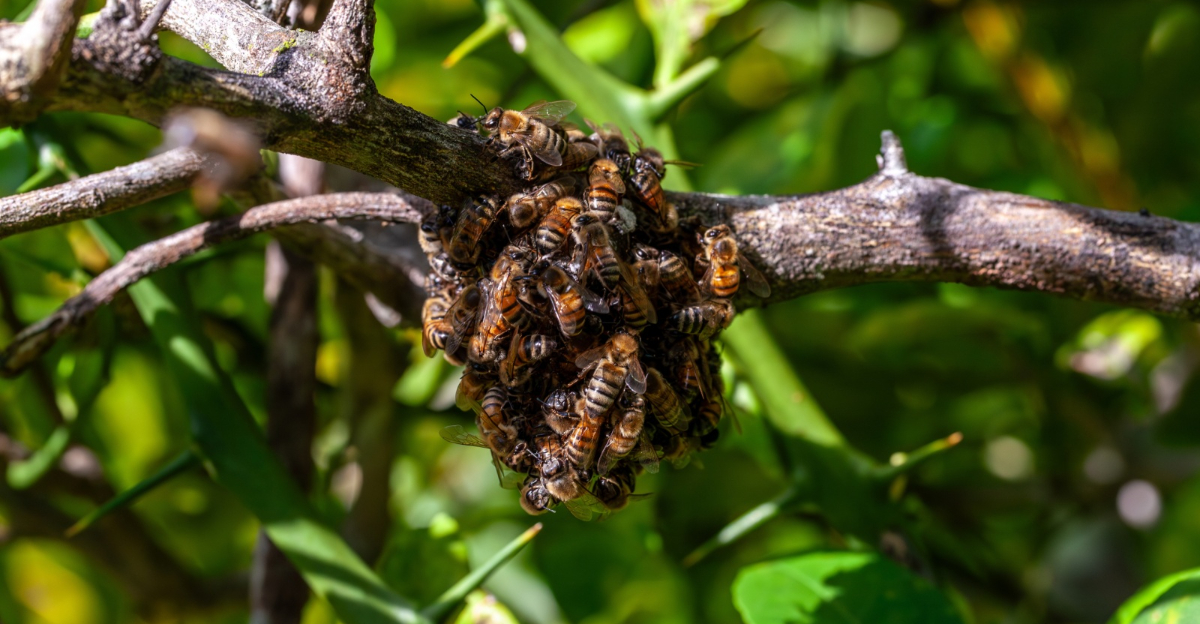
Your Saturday barbecue plans just shifted. A thick, humming cloud has settled on your maple tree. Thousands of bees are clustering together like they’re planning something.
Take a breath first. That intimidating mass drifting through your backyard is usually a swarm on the move.
It has no fixed nest to guard yet, which makes it surprisingly docile compared to bees protecting an established home.
Still, quick reactions often lead to bad decisions, and bad decisions around bees rarely end well. Massachusetts homeowners deal with swarm season every spring.
Local beekeepers and state agricultural resources both offer guidance on handling these encounters safely. Understanding the right moves turns a stressful surprise into a quick, manageable situation.
This walkthrough breaks down practical steps for dealing with a swarm in your yard. It covers everything from the moment you spot it to the call that gets it removed for good.
1. Stay Calm And Keep Distance
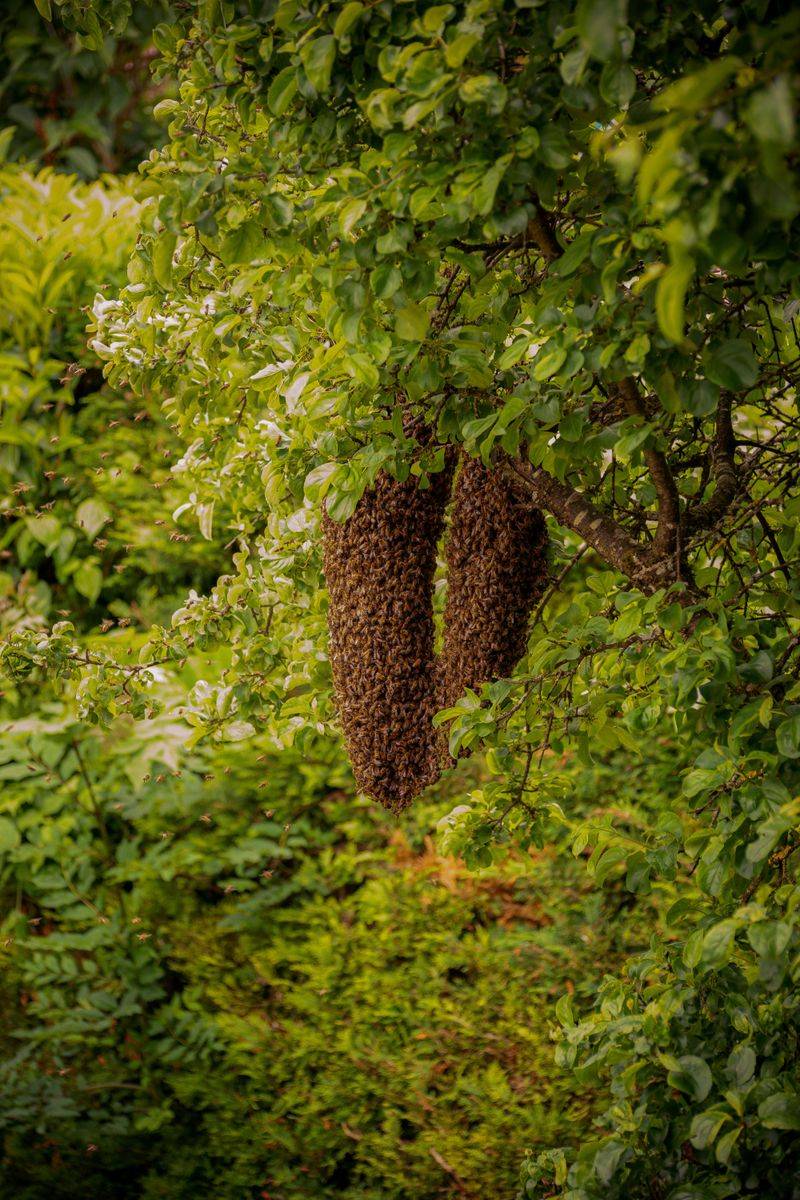
Reacting out of fear can make things worse. When bees swarm your yard in Massachusetts, your first instinct might be to run or swat, but that reaction can escalate the situation.
Swarms are actually bees at their most docile. They have no hive to defend, so they are focused on finding a new home, not bothering yours.
Keeping your cool is genuinely the smartest move you can make. Sudden movements and loud noises signal danger to bees, triggering a defensive response you absolutely want to avoid.
Step back slowly and give the cluster plenty of space. About thirty feet of distance is a solid starting point for safety.
Think of it like spotting a bear on a hiking trail. You do not run, you do not yell, you just back away with purpose and calm.
Bees read vibration and movement as threats. Walking away smoothly reduces your chances of a sting dramatically.
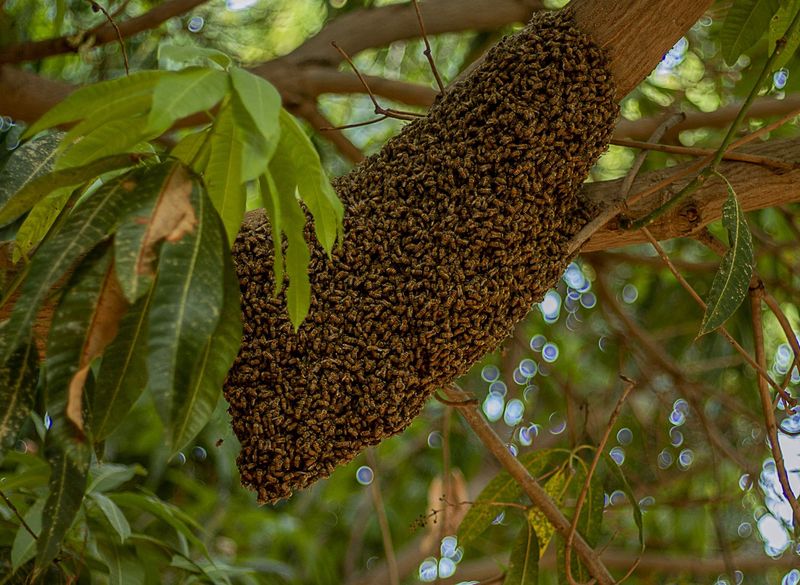
Most swarms cluster on a branch or fence post while scout bees search for a permanent spot. That cluster is temporary, and your calm behavior helps keep it that way.
Staying relaxed also helps your neighbors and family follow your lead. Panic spreads faster than bees do, and someone else freaking out can escalate the whole situation quickly.
Your yard is their pit stop, not their destination. Treat the moment with respect, and the bees will likely return the favor.
2. Keep Kids And Pets Away
Kids and dogs are naturally curious, and that curiosity can turn a calm swarm into a dangerous situation fast. Getting them inside quickly is your top priority after spotting a swarm.
Children do not understand that stillness is protection. A child who runs toward a swarm or tries to poke it with a stick is inviting a painful and potentially serious outcome.
Pets are equally unpredictable around bees. Dogs especially tend to snap at flying insects, and one snap near a swarm can provoke a group defensive response almost instantly.
Guide kids indoors with a calm, matter-of-fact tone. If you act scared, they will act scared too, and that energy travels right back outside into the yard.
Your Massachusetts Garden Changes Every Week. Your Plan Should Too.
Gardening in Massachusetts changes quickly throughout the season. Every Friday you’ll receive a simple weekly plan showing exactly what to plant, prune, fertilize, harvest, and protect so you never miss the right timing.
For dogs and cats, bring them in through a different door if the swarm is between you and the usual entry point. A short detour is worth avoiding a sting.
Once everyone is inside, close windows and doors near the swarm. Bees can follow scent and movement, and an open screen is not much of a barrier.
Let the kids watch from a window if they are curious. Turning it into a nature lesson keeps them engaged without putting anyone at risk.
Explain that bees are helpful creatures doing important work. That framing builds respect rather than fear, which is a lesson worth far more than the afternoon disruption. Safety first, science lesson second. Both can happen from the comfort of your living room.
3. Avoid Spraying Pesticides Or Water

Grabbing the hose feels like a logical move when something scary shows up in your yard. With bees, that instinct is one of the worst things you can do.
Spraying water or pesticides on a swarm agitates the bees immediately. What was a calm cluster can become an angry, defensive mass in under ten seconds.
Pesticides are especially harmful here for a bigger reason than just your safety. Honeybees are a valuable and vital part of the Massachusetts ecosystem, and losing a swarm this way wastes thousands of bees that a local beekeeper could have rehomed.
Water mimics rain, which bees interpret as a threat to their temporary cluster. Even a garden sprinkler nearby can set them off if it hits the swarm directly.
Bee populations across the country are already under serious pressure. Spraying a swarm adds to that problem when a simple phone call to a beekeeper could solve everything.
Many beekeepers will collect a swarm for free because live bees are genuinely valuable to them. You would essentially be handing someone a gift by leaving the swarm alone.
If you have already sprayed before reading this, move everyone indoors immediately and call for professional help. Do not go back outside to assess the damage yourself.
Patience and restraint are the right tools for this job. Putting down the spray bottle is one of the most helpful things you can do for your yard, your neighbors, and the bees.
4. Watch From Indoors If It Is Close By
Sometimes the swarm lands close to your back door, your driveway, or your kids’ play set. When that happens, indoor observation is both the safest and most practical option available.
Windows give you a perfect front-row seat without any risk. You can monitor the swarm’s behavior, watch for changes, and decide on next steps from a completely protected spot.
Swarms are surprisingly dynamic to watch. Scout bees leave and return, the cluster shifts slightly, and the whole mass hums with a kind of organized energy that is worth watching.
Watching from inside also helps you gather useful information. Note which direction the swarm faces, how large the cluster is, and whether it seems to be growing or shrinking.
That information becomes valuable when you call a beekeeper. The more detail you can provide, the faster and easier the removal process becomes for everyone involved.
Avoid opening windows or doors near the swarm just to get a better look. The temptation is real, but even a small gap can invite a few curious scouts inside your home.
If the swarm is near an air conditioning unit, turn it off temporarily. Bees are attracted to the warmth and vibration, and you do not want them investigating your HVAC system.
Indoor watching is not giving up or overreacting. It is the smart, measured response that keeps your household safe while the situation resolves itself naturally or with professional help.
5. Contact A Local Beekeeper For Removal
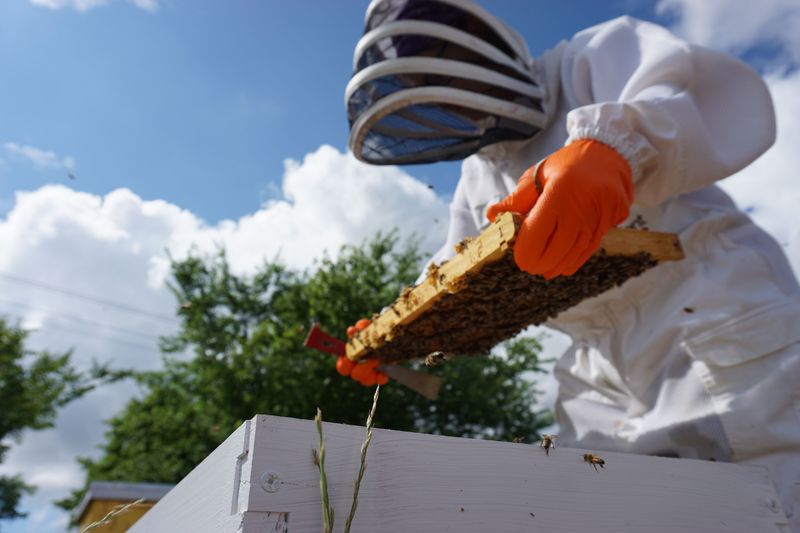
A local beekeeper is a valuable resource in this situation. They have the gear, the knowledge, and honestly, the excitement to come collect a swarm safely and efficiently.
Most beekeepers in Massachusetts actively want swarm calls. A healthy swarm represents thousands of free bees they can add to their apiary, so you are doing them a real favor.
When you call, describe the swarm’s location as precisely as possible. Mention the height, the surface it is clustered on, and how long it has been there so they can prepare accordingly.
Many beekeepers respond quickly because swarms can move on with little warning. The sooner you make contact, the better the chance they arrive before the bees relocate on their own.
Do not call an exterminator as your first option. Exterminators typically remove the swarm permanently rather than relocating it, which wastes a valuable natural resource and often costs more money anyway.
Local beekeepers usually offer swarm removal at no charge or for a very small fee. Some even consider it a community service and show up within hours of your call.
Ask the beekeeper if they need you to do anything before they arrive. Sometimes they request you keep a light on near the swarm at dusk or avoid disturbing the area in specific ways.
Having a beekeeper handle the swarm is the responsible choice for your yard, your community, and Massachusetts bee populations. One phone call can solve the whole situation effectively.
6. Check Mass Beekeepers Association Swarm List

Not sure who to call? The Massachusetts Beekeepers Association keeps an updated list of local beekeepers who are ready and willing to collect swarms in your area.
Finding the right contact has never been easier. Their swarm list makes it simple to locate someone nearby without scrolling through endless general search results.
The list typically includes names, phone numbers, and sometimes the specific towns each beekeeper covers. A quick visit to their website gets you connected in just a few minutes.
Beekeepers on the list have volunteered specifically for swarm removal. That means they are experienced, motivated, and prepared to handle exactly what you are dealing with right now.
Using the official association list also protects you as a homeowner. You are connecting with vetted, knowledgeable people rather than someone who just claims to know about bees online.
If the first person on the list does not answer, try the next one down. Swarm season is busy, and multiple calls are completely normal and expected.
Spring is peak swarm season in the Bay State, roughly April through June. Knowing the list exists before you need it means you’re better prepared than most homeowners on your street.
Bookmark the Massachusetts Beekeepers Association website now, before a swarm ever shows up. Having that resource ready means less scrambling and faster help when it actually matters most.
Preparedness is underrated. That one bookmark might save your whole Saturday afternoon.
7. Note The Swarm’s Exact Location
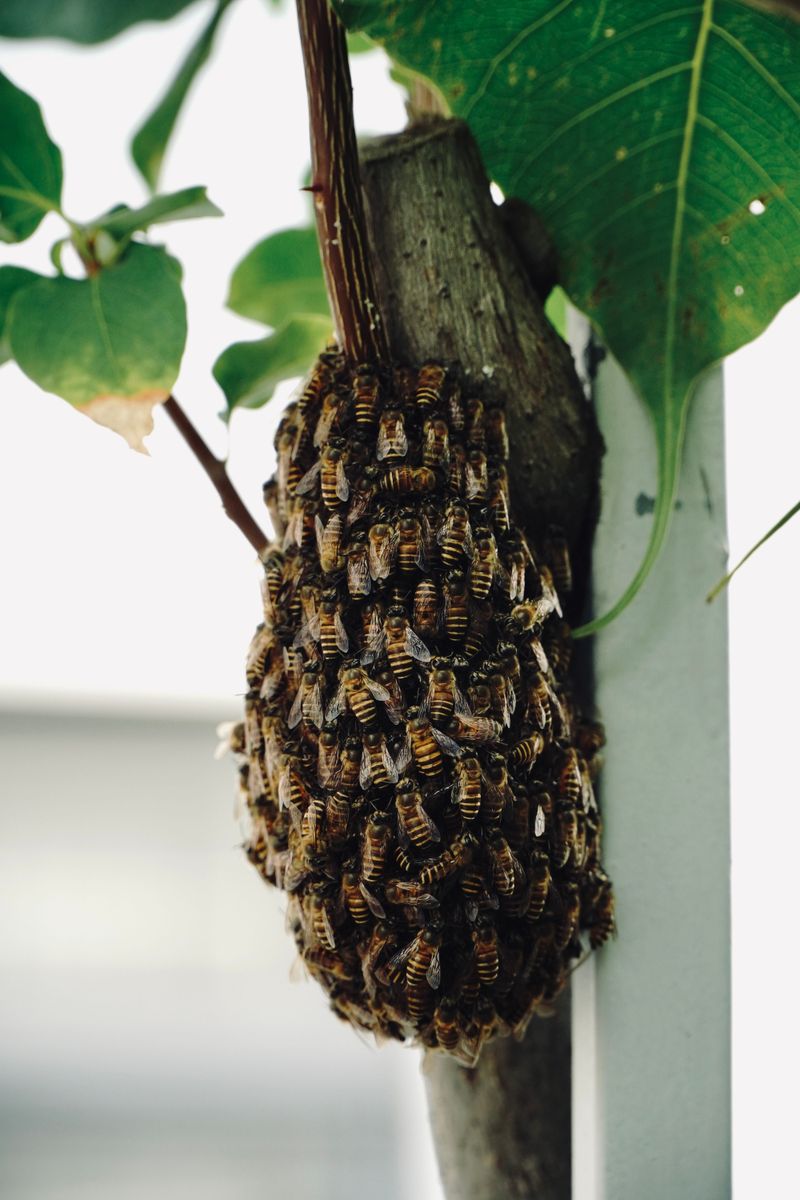
Details matter when bees are involved. Knowing exactly where the swarm has settled helps beekeepers arrive prepared with the right equipment and approach for your specific situation.
Snap a photo or short video from a safe distance using your phone. Visual documentation gives beekeepers an instant read on the swarm’s size, height, and surface before they even pull into your driveway.
Note the surface the swarm is on: a fence post, a tree branch, a shed wall, or a garden statue all require slightly different removal techniques. Specifics speed up the whole process.
Estimate the height from the ground as best you can. A swarm ten feet up in a tree needs a ladder and different handling than one clustered at knee level on a shrub.
Also pay attention to nearby structures. If the swarm is close to your house, a water meter, or an electrical box, mention that immediately so the beekeeper can plan accordingly.
Note whether the cluster seems to be growing or shrinking. A growing cluster might mean scout bees are returning with good news about a nearby nesting site, which signals the swarm may move soon.
Write down the time you first spotted it. Beekeepers often ask how long a swarm has been in place to gauge how settled and stable the cluster currently is.
Good notes turn a stressful call into a smooth handoff. The more you observe, the faster the beekeeper can solve the problem and get your yard back to normal.
8. Wait It Out, Swarms Usually Leave In A Day Or Two
Here is the most surprising piece of advice for homeowners dealing with bees: sometimes the best action is no action at all. Swarms are temporary by nature, and many leave on their own within 24 to 48 hours.
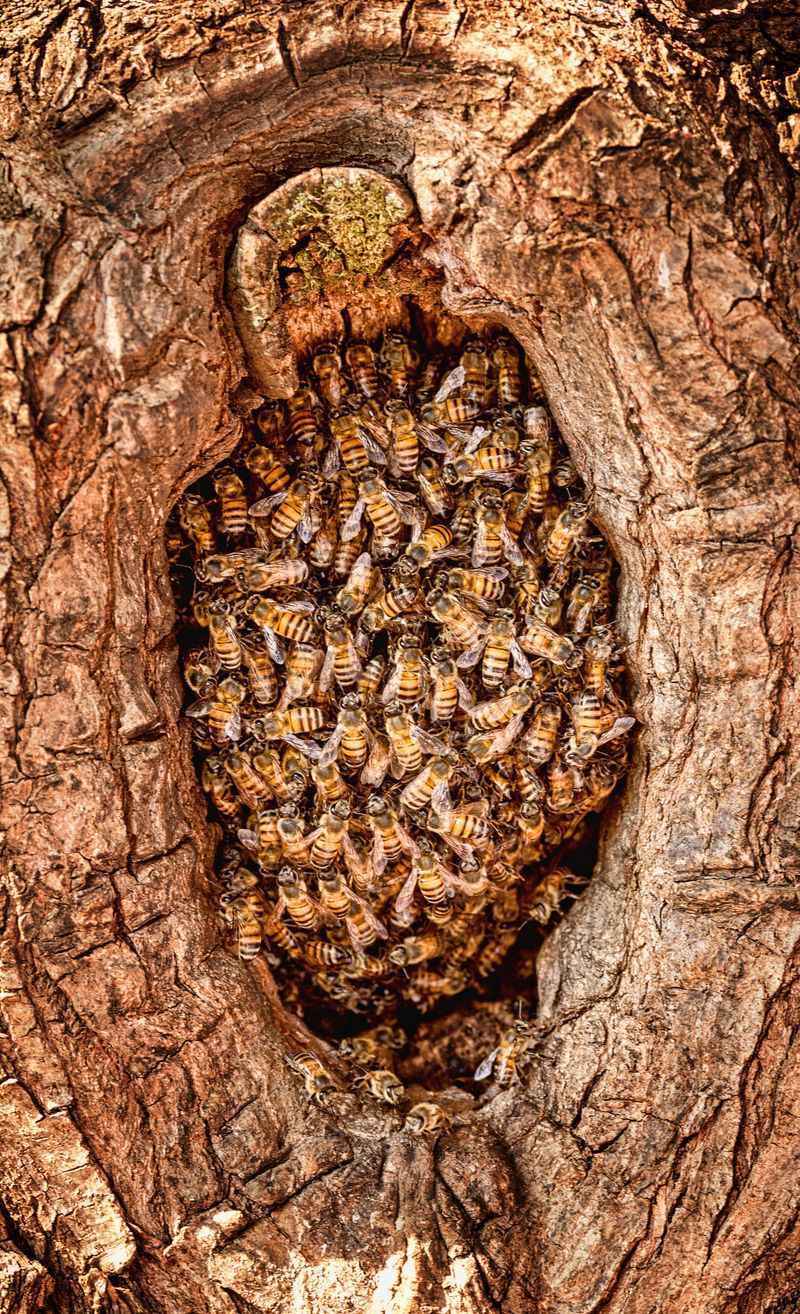
Scout bees are the decision-makers in a swarm. They fan out in every direction looking for a suitable permanent home, and once they reach a consensus, the entire cluster takes off together.
If the swarm is not near an entry point to your home, waiting is a completely valid strategy. A swarm on a back fence or a distant tree often resolves itself without any human intervention.
Use the waiting period wisely. Keep the area clear of foot traffic, avoid loud yard equipment nearby, and check on the cluster periodically from a window or doorway.
If the swarm is still present after two full days, that is your cue to escalate. Contact a beekeeper at that point because the bees may have found a spot inside a wall or structure nearby.
Waiting also gives you time to reach the right person without rushing. A rushed call sometimes leads to unnecessary removal when patience would have solved everything for free.
Nature has its own timeline, and bees are remarkably good at following it. Trusting that process is not laziness, it is informed and respectful decision-making.
When Massachusetts homeowners stay patient and informed, bee swarms go from terrifying to totally manageable. That calm approach protects your family, your yard, and the bees all at once.