Why Tennessee Beekeepers Want Your Dandelions Left Alone
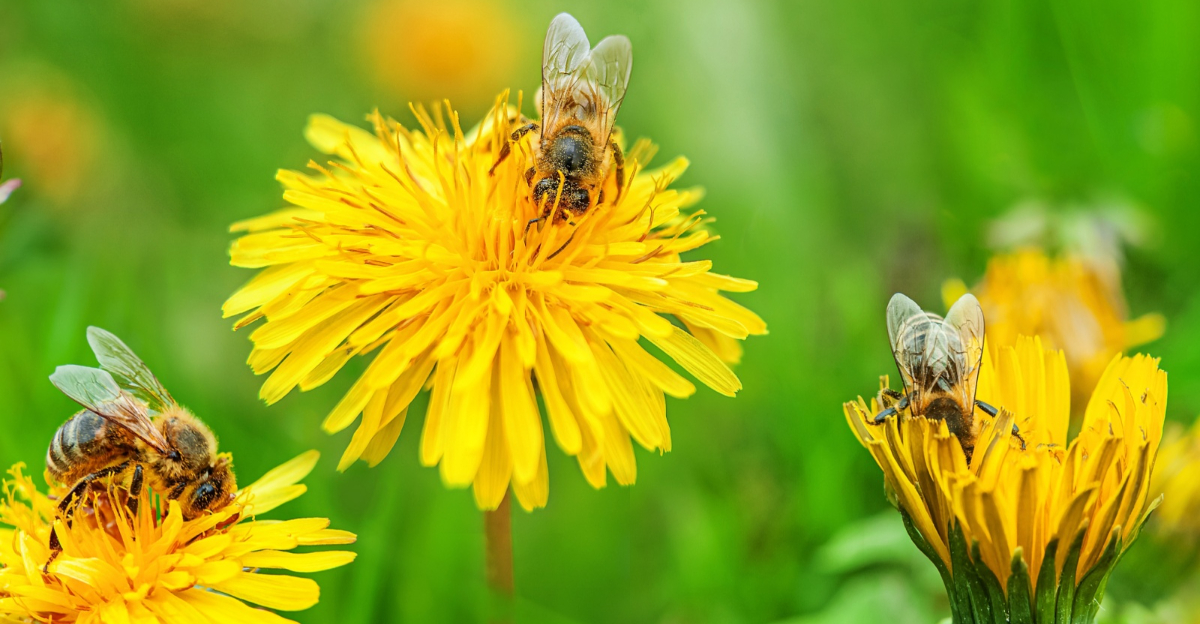
Every March, the same ritual plays out across a million American backyards. The mower comes out of the garage the second those yellow heads poke through the grass.
But in Tennessee, beekeepers are practically standing in driveways with their arms out, begging people to hold off just a little longer. Here’s the thing nobody puts on the seed packet: a dandelion is not a flaw in your lawn.
It’s a fuel stop. After a long, quiet winter, honeybees and native pollinators emerge low on energy, and dandelions are often the very first real meal on the menu.
Mow them down too early, and you’re not just tidying up the yard. You’re pulling the plug on breakfast for an entire ecosystem that hasn’t had a decent bite in months.
Tennessee’s beekeeping community has seen this play out for years, hive by hive, spring by spring.
So before that engine turns over, here’s what they want every homeowner in the state, and beyond, to actually understand.
1. Dandelions Offer Critical Nectar When Little Else Blooms
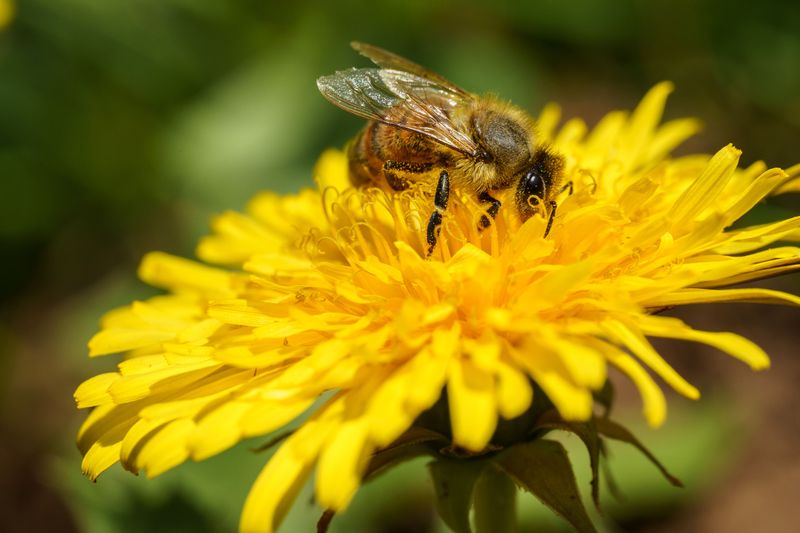
Spring feels hopeful, but for bees, it can be a difficult stretch. Dandelions are one of the first flowers to open when temperatures rise, often blooming before fruit trees or garden flowers even think about budding.
For Tennessee beekeepers, that early bloom is a gift. Nectar from dandelions gives colonies a steady energy source right when they need it most, after a long winter of eating stored honey.
Hives that find nectar early recover faster and grow stronger. A yard full of dandelions can fuel dozens of foraging bees for days without them traveling far.
The nectar also helps bees regulate their internal hive temperature. A warm, well-fed colony is a productive one, and dandelions make that possible in March and April.
Without these early bloomers, bees burn through winter reserves too fast. That energy crash can weaken an entire hive before summer flowers even arrive.
Beekeepers across the Volunteer State watch dandelion season like farmers watch rain. When yards stay uncut, their hives bounce back faster and healthier.
You do not need a wildflower meadow to make a difference. Just letting your front yard grow a little longer in early spring gives local pollinators a fighting chance when almost nothing else is flowering yet.
2. Bees Need Dandelion Pollen To Build Colony Strength
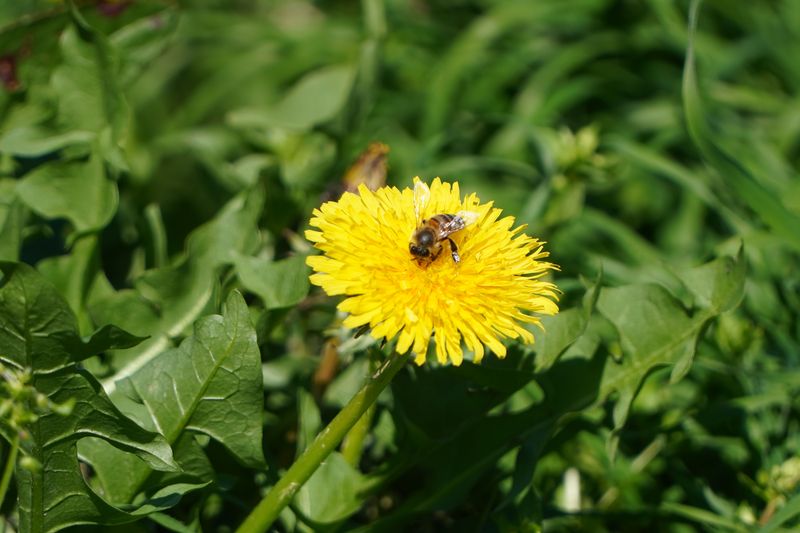
Pollen is protein for bees. Without it, larvae cannot develop properly, and a colony stays weak all season long.
Dandelions produce an impressive amount of pollen packed with nutrients. Each golden flower head contains hundreds of tiny florets, all loaded with the stuff young bees desperately need to grow.
A queen can lay up to 1,500 eggs a day in peak season. Each of those larvae needs pollen-rich food called bee bread, and dandelions help produce it in massive quantities.
When pollen is scarce in early spring, colonies stall. Beekeepers sometimes call this the “spring gap,” a frustrating period when hives want to grow but cannot find enough food.
Your Tennessee Garden Changes Every Week. Your Plan Should Too.
Gardening in Tennessee changes quickly throughout the season. Every Friday you’ll receive a simple weekly plan showing exactly what to plant, prune, fertilize, harvest, and protect so you never miss the right timing.
Dandelions close that gap naturally. Their pollen is easy to collect, grows in abundance, and does not require bees to travel miles to find it.
Yards with dandelions essentially become free grocery stores for local hives. Bees spend less energy flying long distances and more energy doing what matters, raising the next generation.
Strong colonies also resist disease and parasites better. A well-nourished hive is simply harder to knock down, and it all starts with that humble yellow flower most people yank out without a second thought.
Tennessee beekeepers are not asking for much. Just a little patience with your lawn means the difference between a thriving hive and one that struggles all summer.
3. Mowing Removes One Of The Few Early Food Sources
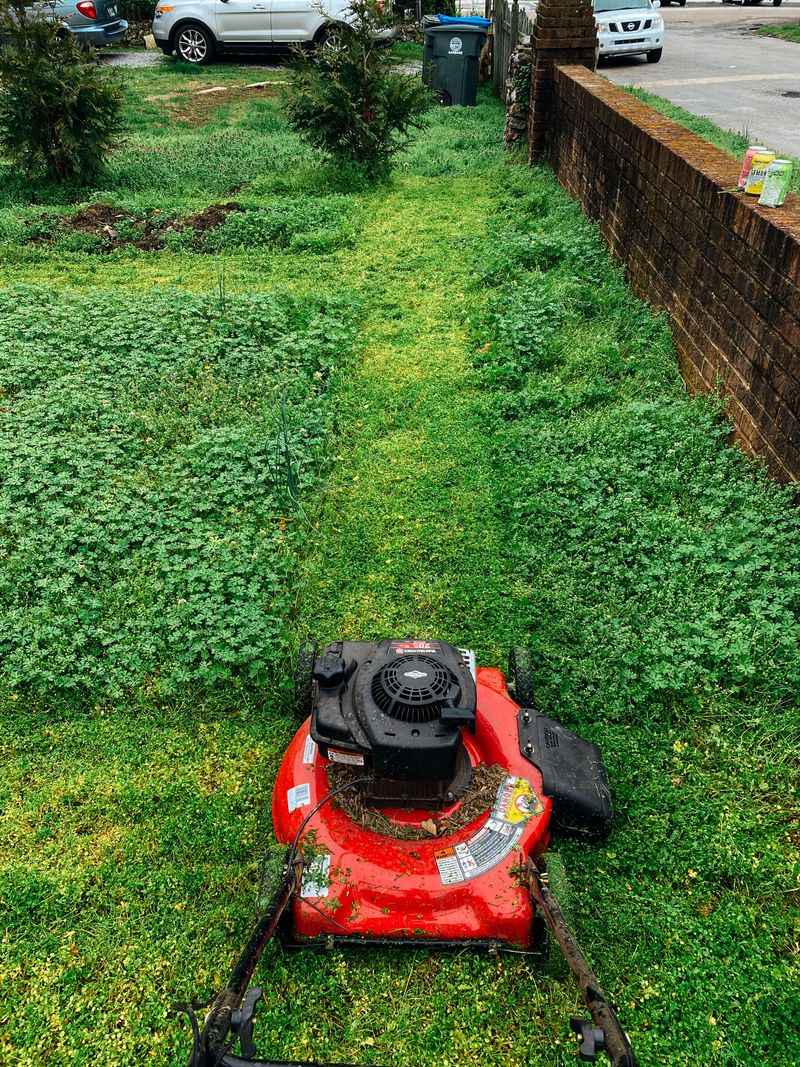
Picture this: a beekeeper checks her hive on a warm April morning and finds the colony sluggish and underfed. She looks next door and sees a freshly mowed lawn, dandelions gone, grass perfectly trimmed.
That mower did more than tidy the yard. Early spring mowing wipes out one of the only consistent nectar and pollen sources available to bees in the region.
Fruit trees bloom briefly. Clover has not arrived yet. Wildflowers are weeks away. Dandelions are often the only game in town during that critical window between late winter and true spring.
Each time a mower runs over a blooming yard, thousands of flower heads disappear in minutes. For a foraging bee, that is like losing an entire grocery store overnight.
Beekeepers often notice a direct link between neighborhood mowing schedules and hive stress levels. When mowing starts early and often, colonies struggle to build momentum.
Skipping just one or two mowing sessions in March and April can preserve weeks of bloom time. That small delay costs you almost nothing but means everything to a struggling hive nearby.
Some beekeepers have started talking to their neighbors about this directly. They share honey, explain the connection, and ask for a little lawn grace during peak dandelion season.
Letting the yard grow shaggy for a few weeks is not laziness. For the bees working your neighborhood, it is one of the kindest things a homeowner can do all year.
4. Pesticide-Free Lawns Keep Pollinators Safe From Chemicals
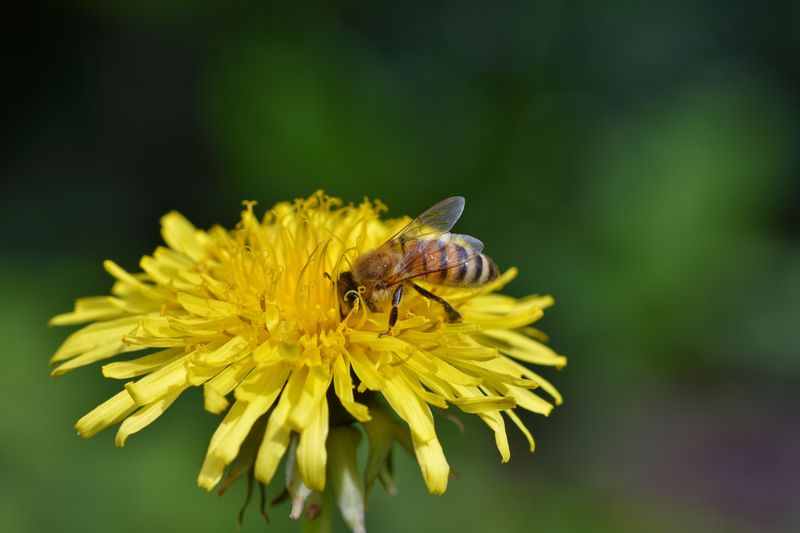
Herbicides and bee health do not mix. When homeowners spray dandelions to clear them out, the chemicals linger on plant surfaces and soil long after the flowers are gone.
Bees that visit recently treated plants can carry contaminated pollen back to the hive. That load of tainted pollen gets fed to larvae, and the damage spreads through the whole colony quietly.
Many common lawn chemicals are systemic, meaning they move through the entire plant. A dandelion treated with weed control products may look fine for days before wilting, and bees may visit it during that window.
Neonicotinoids are among the most studied culprits. These insecticides affect bee navigation, memory, and reproduction, even at doses too small for humans to notice.
Some beekeepers have noted concerns about hive health near recently treated lawns, though this connection isn’t formally documented. The pattern is frustrating because the damage often goes unnoticed until it is too late for the season.
Choosing not to spray is one of the simplest and most powerful choices a homeowner can make. No special equipment, no extra cost, just skipping the treatment makes your yard safer for every pollinator nearby.
Natural lawn care is also gaining popularity across the state. Homeowners who go chemical-free often find their yards attract more butterflies, fireflies, and songbirds in addition to bees.
A pesticide-free patch of dandelions is not a neglected yard. It is a thriving micro-habitat that supports the pollinators responsible for one in three bites of food on your plate.
5. Native Bees In Tennessee Depend On These Wildflowers
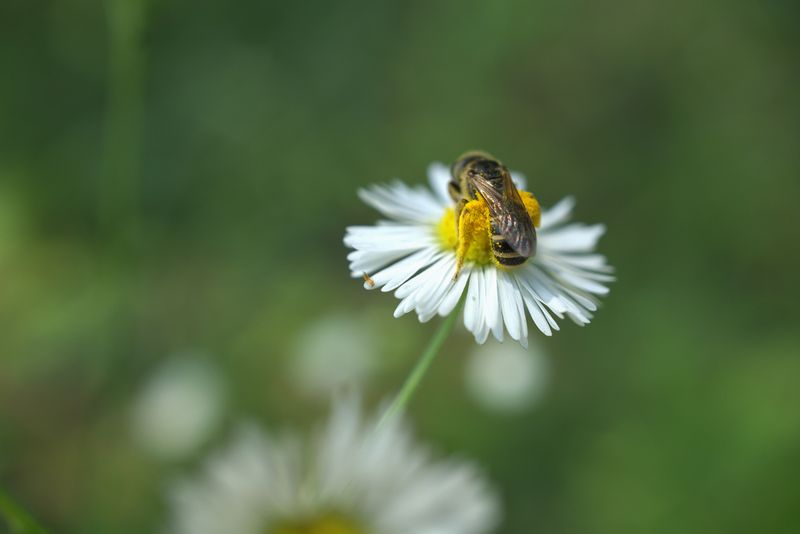
Honeybees get most of the headlines, but Tennessee is home to hundreds of native bee species. Many of them are small, solitary, and almost invisible, but they are just as important as their honeybee cousins.
These native bees include bumblebees, mining bees, mason bees, and sweat bees. Each one has unique habits, nesting styles, and flower preferences, but many share one thing in common: a love of dandelions.
Solitary bees are especially dependent on early-season blooms. They emerge from overwintering in soil or hollow stems and need food immediately to sustain themselves and reproduce.
Dandelions are perfectly timed for this emergence. Their early bloom lines up almost exactly with when many native species wake up and start searching for sustenance after months of dormancy.
Unlike managed honeybee hives, native bees have no stored honey to fall back on. When they emerge hungry and find no flowers, their window for reproduction can close before it ever opens.
Losing native pollinators has consequences beyond honey. These bees pollinate wild plants, garden vegetables, and fruit crops that honeybees may not reach as efficiently.
A yard that welcomes dandelions becomes a refuge for species most people never notice. That tiny ground-nesting bee buzzing near your feet? She may have just fueled up on your dandelion patch before heading home.
Protecting native bees starts at ground level, literally. Leaving wildflowers like dandelions intact is one of the highest-impact actions any backyard gardener can take for local biodiversity.
6. Cutting Them Too Early Can Limit Food For Recovering Hives
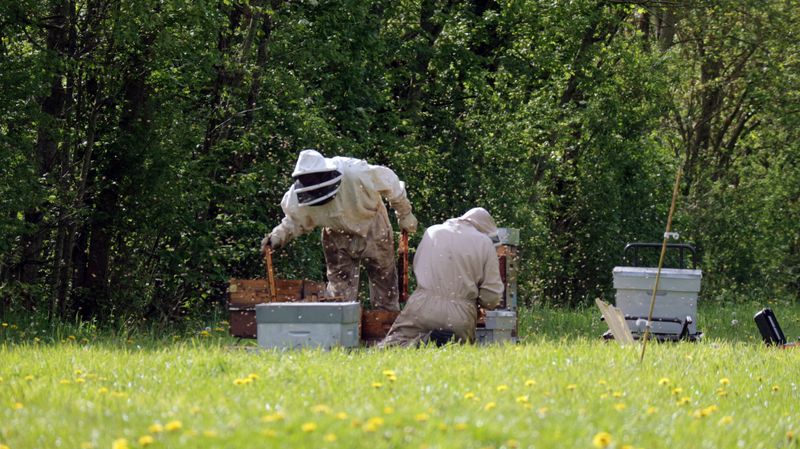
Winter is rough on a hive. Colonies shrink, queens slow their laying, and bees huddle together burning through stored food just to stay warm enough to make it through.
By late February or early March, remaining colonies are low on food and under stress. The queen starts ramping up egg production again, but she needs resources to do it.
That ramp-up phase is one of the most fragile moments in a colony’s annual cycle. If food runs short right then, the hive can decline sharply before spring even settles in.
Dandelions bloom right at this critical moment. Their nectar and pollen arrive like a rescue package, giving struggling colonies exactly what they need to push through the last vulnerable weeks.
Beekeepers sometimes supplement feed during this period with sugar syrup and pollen substitutes. But natural forage from dandelions is always preferable because it contains micronutrients no artificial feed can fully replicate.
When neighbors mow early, that rescue package disappears. Hives that were just starting to recover can slide backward, losing brood and momentum at the worst possible time.
It’s a bit like pulling the rug out from under a patient who just started walking again. The setback is not always fatal, but it slows everything down for weeks.
Letting dandelions bloom through April gives recovering hives time to stabilize. That patience from homeowners translates directly into healthier colonies and more productive beekeepers across the state.
7. Letting Them Grow Supports Local Backyard Biodiversity
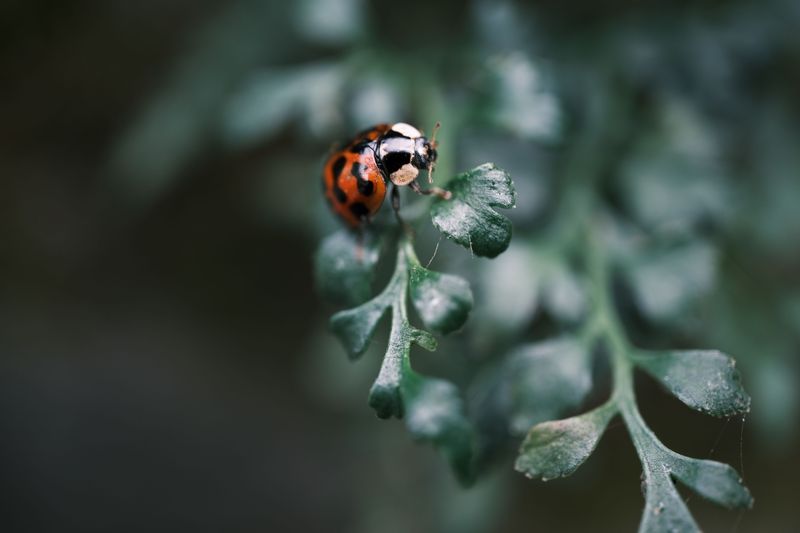
A yard with dandelions is not a yard out of control. It is a yard that has quietly become a neighborhood ecosystem, supporting life that a sterile green lawn simply cannot.
Dandelions attract bees, yes, but they also bring in butterflies, beetles, hoverflies, and even small birds that feed on the seeds. One plant quietly supports an entire food web.
Their deep taproots break up compacted soil and pull nutrients up from lower layers. When the plant decomposes, those nutrients return to the surface, feeding surrounding grass and plants naturally.
Earthworms follow the root channels dandelions create. More worms mean better soil aeration, and better aeration means a healthier lawn overall, even for those who prefer a traditional look.
Biodiversity in a backyard also acts as natural pest control. When beneficial insects thrive, populations of aphids, caterpillars, and other garden nuisances tend to stay in check without chemical intervention.
Letting a section of your yard go a little wild is a low-effort, high-reward strategy. Even a 10-by-10-foot patch of unmowed lawn can support dozens of species through the growing season.
Homeowners who embrace this approach often report noticing more wildlife overall. More fireflies in summer, more songbirds in fall, and more of that satisfying hum of a yard that feels genuinely alive.
Dandelions are the entry point to a richer outdoor space. Allow them to bloom, and the rest of nature tends to follow with surprising enthusiasm and variety.
8. Homeowners Who Leave Them Help Boost Honey Production
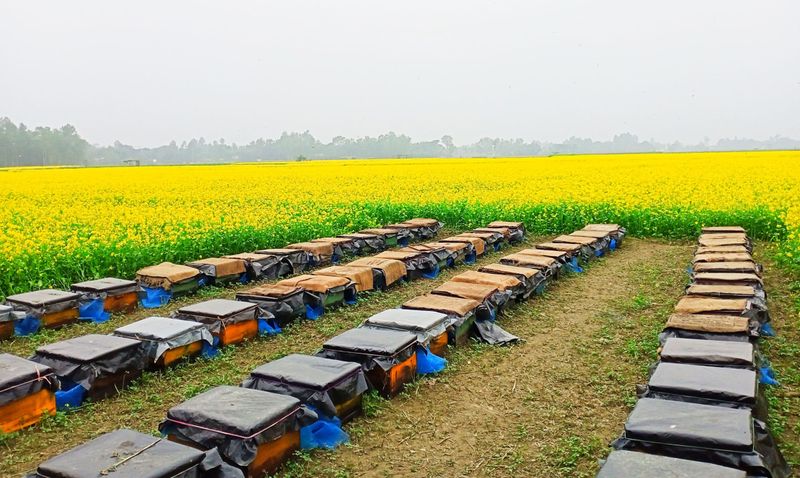
Honey starts long before the jar. It begins in a flower, on a warm spring morning, when a foraging bee lands and gets to work collecting nectar for the hive.
Dandelions are one of the earliest and most reliable nectar sources available in Tennessee. When they bloom in abundance across a neighborhood, nearby hives can produce significantly more honey by midsummer.
Beekeepers who manage hives near dandelion-rich areas often report stronger spring buildup. That early momentum carries forward, giving colonies the population boost needed for a productive summer honey flow.
Local honey also carries the character of its surroundings. Honey made from early dandelion nectar is often described as having a bolder, earthier flavor.
Supporting local beekeepers is not just a feel-good gesture. It keeps a critical agricultural practice alive in communities that depend on pollinators for food crops, orchards, and gardens.
When homeowners across a neighborhood agree to delay mowing, the collective impact multiplies. One yard helps a few hives, but an entire block of unmowed lawns can support dozens of colonies simultaneously.
Some Tennessee beekeepers have started gifting honey to neighbors who protect dandelions on their property. It is a sweet way to say thank you for a choice that costs nothing but means everything.
Next time you spot a dandelion in your yard, think about why Tennessee beekeepers want your dandelions left alone. That small yellow flower is working harder than it looks.