What Is That White Coating On Your Tennessee Black-Eyed Susans In June

My black-eyed Susans looked fine at dusk. By dawn, they wore a chalky white coat. Not frost. Not dust.
A fungal invasion, silent and fast. I grabbed a leaf, rubbed it, and that powdery residue smeared into my palm like talc. Unmistakable. Infuriating.
Powdery mildew had overtaken my border bed overnight. Here in Tennessee, summer humidity turns every garden into a fungal playground.
The spores travel on wind and need no rain to spread. They thrive in warm days and cool nights, exactly the forecast your local Tennessee weather app cheerfully delivers all June.
Ever watch something you have tended for months slowly fade while you slept? That frustration? That helplessness? Channel it.
Powdery mildew is beatable and surrenders to the right knowledge applied fast. Your black-eyed Susans are not lost. They are waiting. What comes next will bring them back fiercer than ever.
Fungal Disease Coating Leaves In White Powder

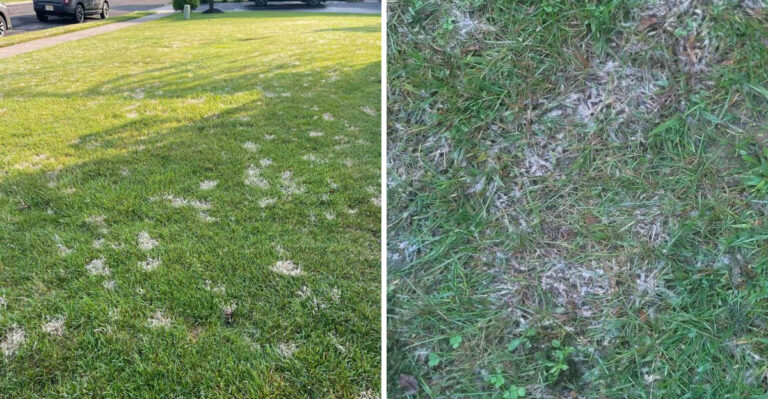
That ghostly white coating is not a mystery for long once you know what to look for. Powdery mildew is a fungal disease that coats plant surfaces in a pale, chalky layer.
The white coating on your Tennessee black-eyed Susans in June is caused by a group of fungi called Erysiphales.
These fungi do not need wet soil to spread and thrive right on the leaf surface. Unlike many plant diseases, powdery mildew does not rot the roots or stems right away.
Instead, it colonises the leaf surface and draws nutrients the plant needs to grow. The white powder you see is actually made up of fungal threads and spores.
It forms a mat across the leaf, blocking sunlight and slowing photosynthesis. Photosynthesis is how plants make their food from sunlight.
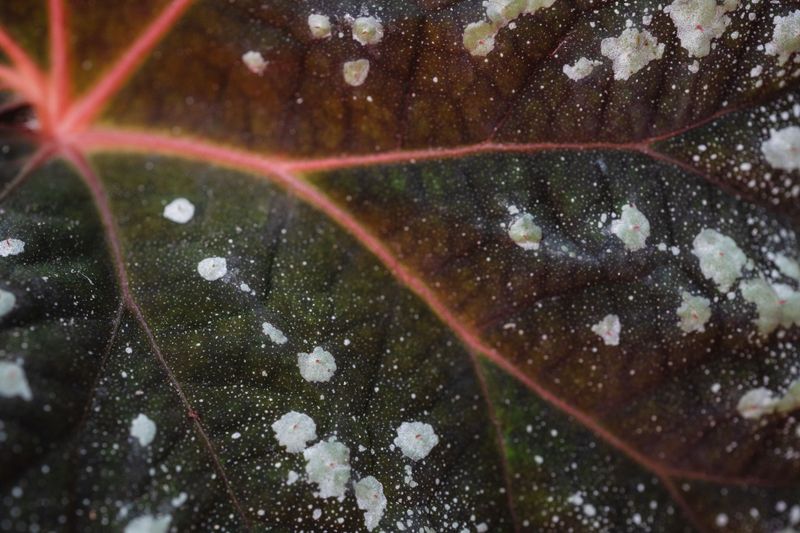
When that process slows down, your black-eyed Susans weaken from the inside out. The coating often starts as small white spots that look almost like someone dusted flour on the leaves.
Within days, those spots can spread across entire leaf surfaces. Gardeners sometimes confuse powdery mildew with spider mite damage or mineral deposits.
A quick way to tell the difference is to rub the coating, because powdery mildew smears like chalk dust.
You can spot it earliest on the upper sides of leaves, near the base of the plant. Catching it early gives you the best shot at slowing it down before it takes over your whole bed.
Dormant Spores Wake Up When June Temps Rise
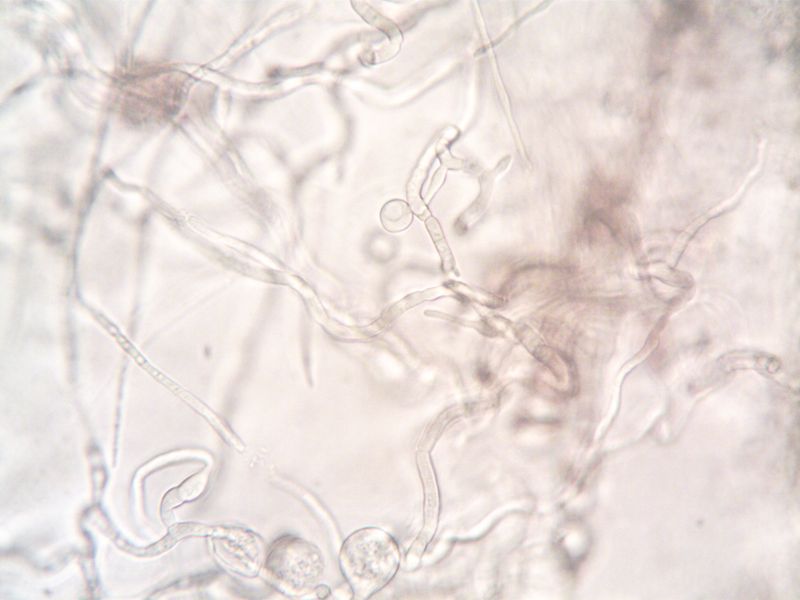
All winter long, powdery mildew persists in dry plant debris and on the stems and buds of host plants, dormant and waiting for warmer weather. It is not gone; it is just waiting for the right moment to stir back to life.
June in Tennessee is basically a welcome mat for those dormant spores. Temperatures climb into the 70s and 80s, and that warmth signals the fungi to come back to life.
Powdery mildew thrives in temperatures between 60 and 80 degrees Fahrenheit. That range lines up almost perfectly with early summer conditions across the mid-South.
When the mercury hits that sweet spot, spore germination kicks into high gear. New fungal growth can begin within 24 hours of a spore landing on a warm leaf.
Your Tennessee Garden Changes Every Week. Your Plan Should Too.
Gardening in Tennessee changes quickly throughout the season. Every Friday you’ll receive a simple weekly plan showing exactly what to plant, prune, fertilize, harvest, and protect so you never miss the right timing.
Many gardeners notice the white coating appearing seemingly out of nowhere in early June. What looks sudden has actually been building since the spores first stirred in late spring.
The timing catches a lot of people off guard because the plants look healthy in May. Then June rolls in with its heat, and the white coating shows up almost overnight.
Understanding this cycle helps you get ahead of the problem before it spreads. Watching your plants closely in late May gives you an early warning system that really works.
Treating plants at the first sign of white coating, even a single small spot, is far more effective than waiting. Early action in June can mean the difference between a thriving garden and a struggling one.
Spreads Through Airborne Spores On The Wind
Here is something that might surprise you. Powdery mildew travels through the air like pollen.
One infected plant can send vast numbers of new spores drifting across your whole garden within days.
The spores are incredibly lightweight and nearly invisible to the naked eye. A gentle breeze is all it takes to carry them from one black-eyed Susan to the next.
This airborne travel is what makes powdery mildew so sneaky and so fast-moving. You might treat one plant and find new spots popping up on a neighboring plant the very next day.
Spores do not need a water droplet to hitch a ride. Wind alone does the job.
That is different from many other fungal diseases that spread through splashing rain or wet soil.
Once a spore lands on a leaf, it germinates quickly under the right conditions. Within 24 to 48 hours, new fungal threads begin growing across the surface.
Those new threads then produce fresh spores, and the whole cycle repeats itself. A single plant can send fresh spores out repeatedly throughout the growing season.
Neighboring gardens and wild plants can also serve as spore sources. If your neighbor has infected plants, spores can easily float into your yard without warning.
Removing infected leaves promptly helps reduce the number of airborne spores near your plants. Bag those leaves and toss them in the trash, not the compost pile, to stop the spread cold.
Warm Days And Cool Nights Fuel Its Growth
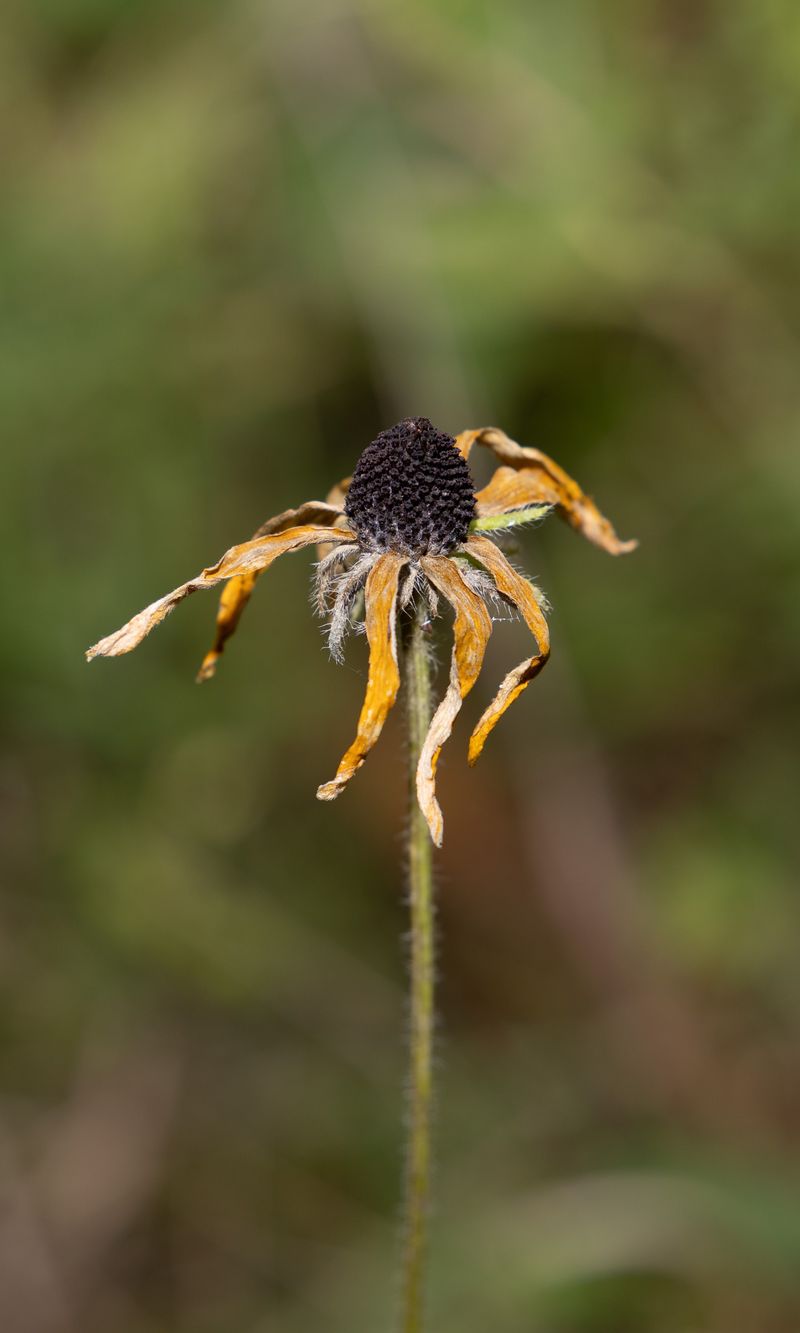
June in Tennessee plays a tricky game with temperatures, blazing hot by afternoon and surprisingly cool after sunset. That daily swing creates near-perfect conditions for powdery mildew to take hold.
Fungal diseases like this one love the combination of warm daytime heat and cool nighttime air.
The contrast raises ambient humidity around your plants in a way that spores find very welcoming. Dew forms on leaf surfaces when warm air meets cooler nights.
That rise in surface humidity creates ideal conditions, because powdery mildew thrives in high ambient humidity even without standing water on the leaf.
By morning, the dew evaporates and the day heats back up, but the fungus is already growing. It does not need standing water; it just needs that brief humid window at night.
This pattern repeats night after night through June and into July. Each cool evening gives the fungus another boost, and each warm day lets it spread its spores further.
Gardeners in hilly or low-lying areas of the state often see worse outbreaks. Cold air settles into valleys overnight, making those spots even more hospitable for powdery mildew.
One practical tip is to water your plants in the morning rather than the evening. Morning watering lets leaves dry out fully before the cooler nighttime air rolls in.
Managing when and how you water can actually slow the disease cycle down. Small habits like this give your black-eyed Susans a fighting chance against that persistent white coating.
Tender New Leaves Are The Most Vulnerable
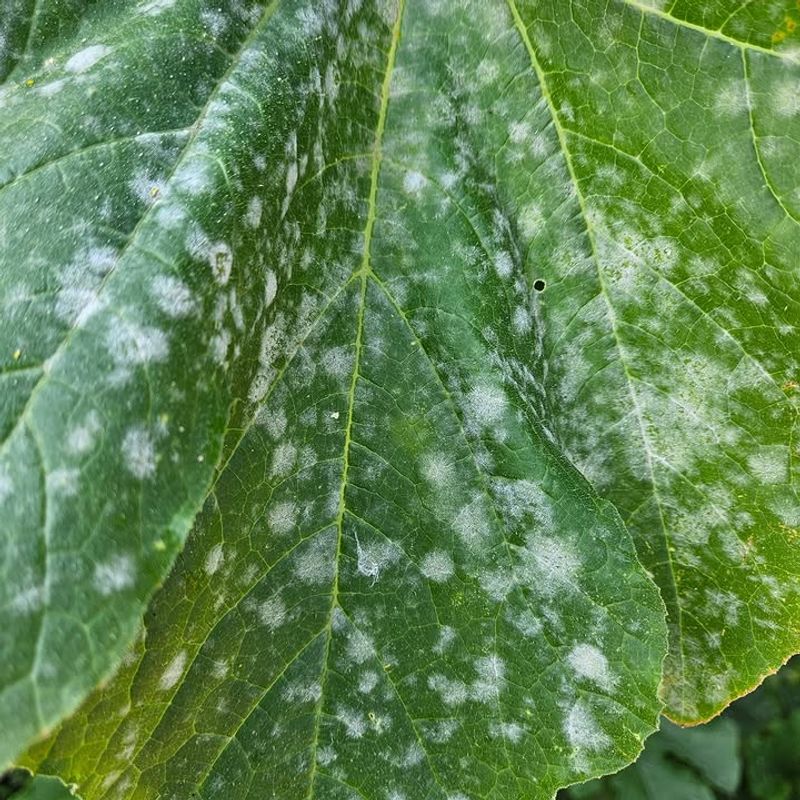
Fresh growth is exciting in any garden, but those young, tender leaves are an open invitation for powdery mildew.
New leaves have thinner cell walls, making them much easier for fungal threads to penetrate.
Established leaves with tougher surfaces put up more resistance against the fungus. But that soft new growth pushing out in June is highly vulnerable in the early stages.
Black-eyed Susans flush with new growth right as summer kicks off. That burst of energy in June happens to coincide perfectly with peak powdery mildew season.
The white coating often appears on new leaves first, before spreading to older growth. Checking the newest leaves near the top of the plant gives you the earliest possible warning.
Young leaves also tend to curl slightly when infected, which can look like a watering problem at first. Closer inspection reveals the telltale white powder hiding on the leaf surface.
Plants that are pushed to grow quickly through heavy fertilizing produce more tender growth. That extra soft growth actually increases the plant’s vulnerability to fungal attack.
Cutting back on nitrogen-heavy fertilizers in late spring can help toughen up new growth. Slower, steadier growth produces sturdier leaves that stand up better to powdery mildew pressure.
Protecting new growth is one of the smartest moves you can make in June. Keeping those young leaves healthy means your black-eyed Susans have the energy to fight back on their own.
Dense Foliage Traps Humidity And Speeds Spread

Pack your black-eyed Susans too tightly together and you are building the perfect environment for mildew to spread.
Dense plantings trap humid air between leaves, creating the perfect microclimate for fungal growth.
Air circulation is one of the most underrated tools in a gardener’s arsenal. When air moves freely through your plants, moisture evaporates quickly and spores have fewer chances to settle.
Crowded beds do the opposite. They hold moisture close to the leaves for hours at a time. That lingering humidity gives powdery mildew exactly the conditions it craves.
The white coating spreads faster in dense plantings because infected leaves are constantly brushing against healthy ones. Physical contact between leaves speeds up spore transfer significantly.
Thinning your plants is one of the most effective ways to slow powdery mildew down. Removing a few stems to open up the center of a clump can dramatically improve airflow.
Aim to space black-eyed Susans at least 18 to 24 inches apart for best results. That spacing sounds generous, but it pays off in healthier, longer-blooming plants every season.
If thinning feels drastic, try removing just the innermost stems where airflow is poorest. Even small improvements in circulation can make a noticeable difference within a week or two.
A garden that breathes well is a garden that fights disease on its own terms. Give your black-eyed Susans room to stretch out, and the white coating will have far fewer places to hide.
Effective Treatments For White Coating On Black-Eyed Susans
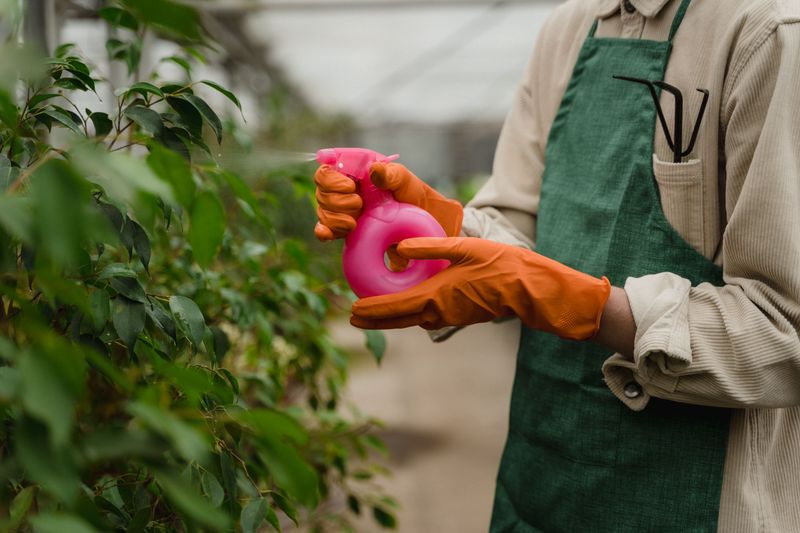
Great news. You do not need a chemistry degree to fight the white coating on your black-eyed Susans. Some of the most effective treatments are already sitting in your kitchen cabinet.
Baking soda mixed with water and a drop of dish soap is a classic remedy. Spray it directly on affected leaves every week and watch the mildew struggle to hold on.
Mix one tablespoon of baking soda with one gallon of water for a basic solution. Add just a few drops of liquid dish soap to help the mixture stick to the leaf surface. Neem oil is another trusted option that gardeners have reached for over many decades.
It works best as a preventative, coating spores and slowing their spread, while also deterring insects that might stress your plants further.
Dilute neem oil according to package directions and apply it in the early morning or evening. Spraying during midday heat can cause leaf scorch, so timing really does matter here.
Potassium bicarbonate is a step up from baking soda and works even faster on active infections. You can find it at most garden centers or order it online without any trouble.
Removing heavily infected leaves before treating helps the remedy work more efficiently. Fewer infected surfaces mean the treatment has less ground to cover on each application.
Consistency is the real secret weapon against the white coating on your Tennessee black-eyed Susans in June.
Treating once a week for three to four weeks will clear most outbreaks and keep your blooms glowing all season long.