The Fragrant Purple Tree More Arizona Gardeners Are Planting
Every year, a few plants quietly become impossible to ignore. They start popping up in conversations, catch your eye in neighborhoods, and suddenly seem to be everywhere you look.
That kind of popularity usually has a reason behind it. Most people are not interested in adding more work to the yard, so anything that combines beauty with easy care naturally gets attention.
Sometimes one tree stands out so much that it changes what people start looking for when they visit a garden center.
If your landscape could use more color without feeling high maintenance, this favorite deserves a closer look.
It has become a popular choice for gardens in Arizona, thanks to its fragrant purple blooms and reliable performance in the summer heat.
1. Texas Mountain Laurel Is Known For Sweet-Smelling Blooms
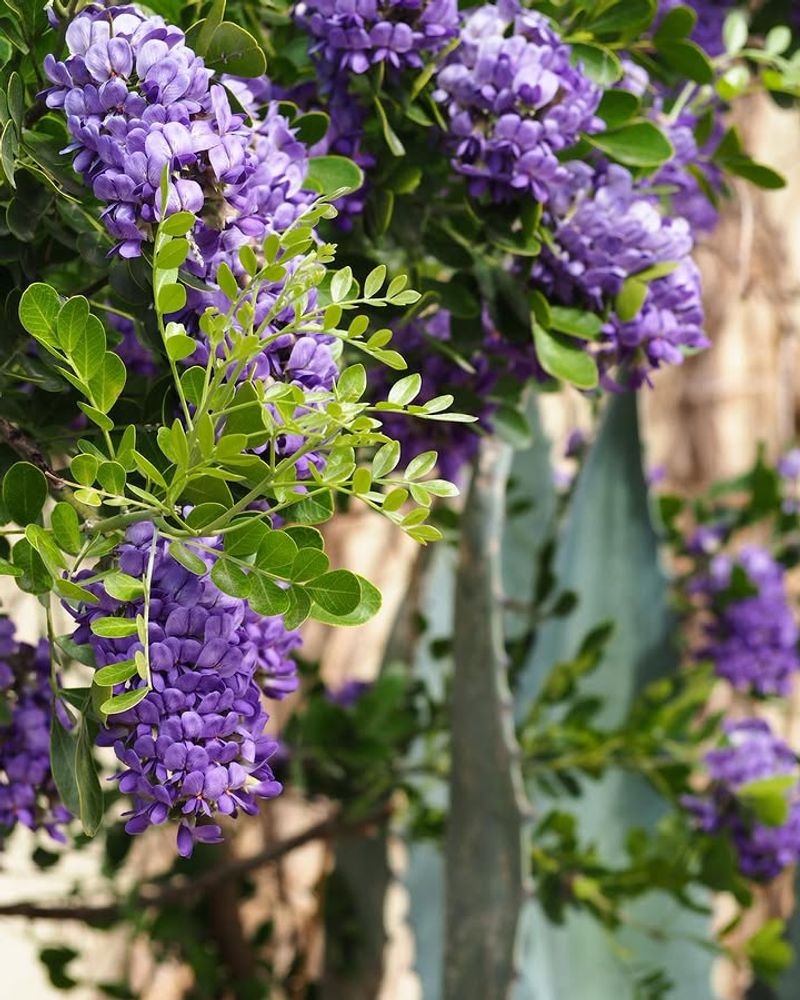
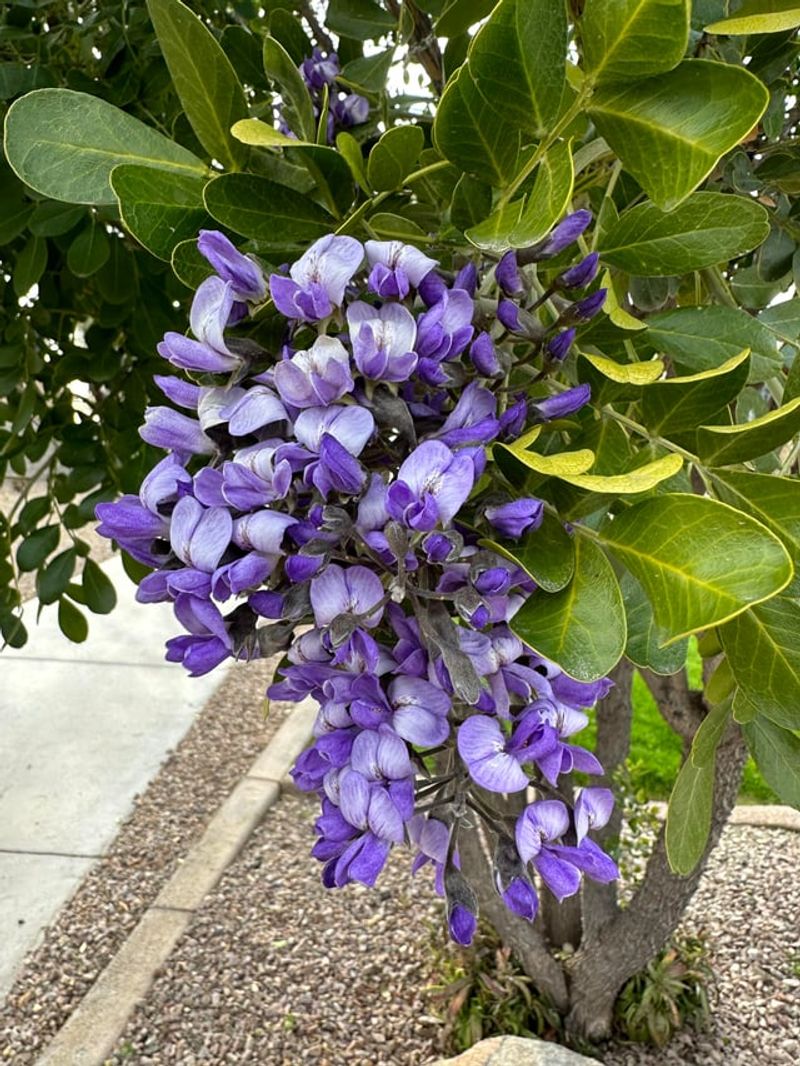
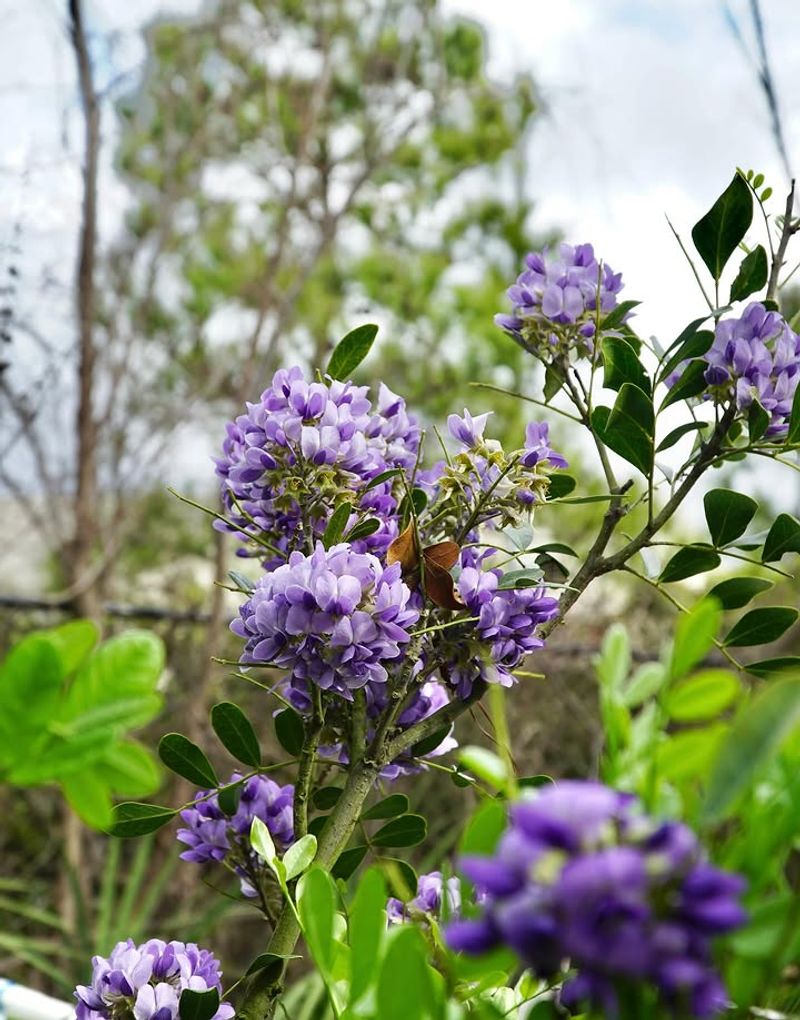
Few trees stop people mid-step the way Texas Mountain Laurel does. When those purple flower clusters open up in late winter or early spring, the scent hits before you even see the blooms.
Most people say it smells exactly like grape soda or bubblegum, and they are not wrong.
Botanically called Sophora secundiflora, this small to medium evergreen tree is native to the Chihuahuan Desert region. It has adapted well to low-desert conditions across much of the Southwest.
Gardeners in Phoenix, Tucson, and surrounding areas have been planting it with good results for decades.
Bloom time typically lands between February and April, depending on your elevation and how warm the winter ran. The flowers hang in long, drooping clusters called racemes, similar in shape to wisteria.
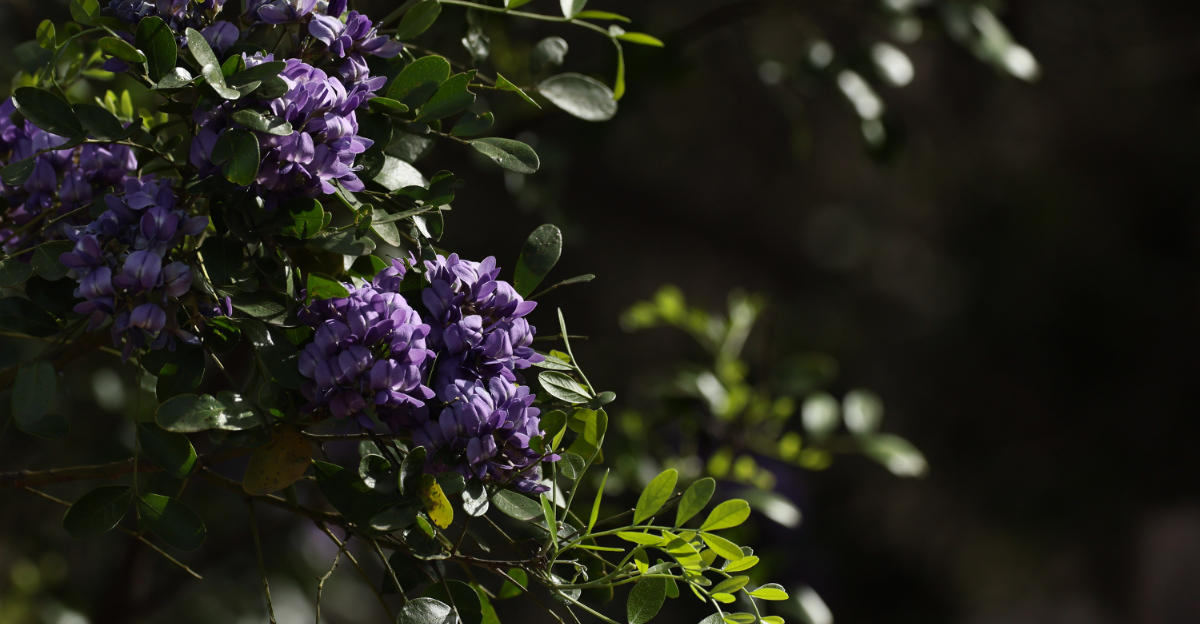
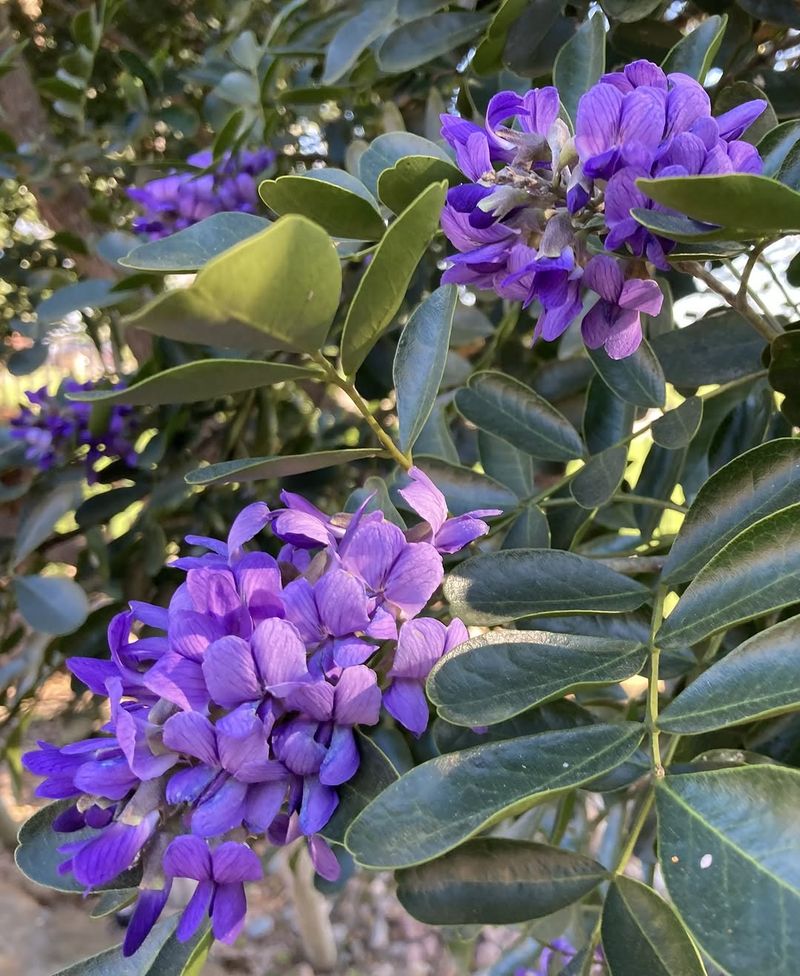
Colors range from deep violet to soft lavender, and some cultivars lean toward pale blue.
Beyond the scent, the foliage is glossy, dark green, and holds year-round. That matters a lot in a desert garden where many plants look bare or brown for months.
Texas Mountain Laurel keeps its good looks even when temperatures climb past 100 degrees.
2. Choose A Sunny Spot From The Start
Placement makes or breaks this tree. Texas Mountain Laurel needs full sun to perform its best, and partial shade tends to slow growth and reduce flowering.
Pick a spot that gets at least six hours of direct sunlight daily, and lean toward eight if you can manage it.
South-facing and west-facing exposures work well in most low-desert yards. These spots get strong afternoon sun, which suits the tree’s natural habitat.
Avoid planting under roof overhangs or near large shade trees that will compete for light as both plants mature.
Reflected heat from walls, driveways, or patios is not necessarily a problem. In cooler high-desert zones, that extra warmth can actually help the tree settle in faster.
In hotter valley areas, some afternoon shade during the peak of summer might reduce stress during the first season.
Spacing matters too. At maturity, Texas Mountain Laurel can reach 15 to 25 feet tall and 10 feet wide, though growth is slow.
Give it enough room so it does not crowd sidewalks, fences, or utility lines down the road.
Root space underground is just as important as canopy space above. Avoid tight planters or areas where pavement will limit root spread.
Your Arizona Garden Changes Every Week. Your Plan Should Too.
Gardening in Arizona changes quickly throughout the season. Every Friday you’ll receive a simple weekly plan showing exactly what to plant, prune, fertilize, harvest, and protect so you never miss the right timing.
3. Plant It In Well-Drained Soil
Soggy roots are a real problem for this tree. Texas Mountain Laurel evolved in rocky, lean, fast-draining soils, so heavy clay or compacted caliche can cause serious trouble.
Before planting, check how quickly water moves through your soil.
Dig a hole about 12 inches deep and fill it with water. If it drains within an hour or two, your drainage is likely fine.
If water sits for several hours or longer, you may need to amend the planting area or choose a raised spot in the yard.
In much of Arizona, native soil is alkaline and gravelly, which actually suits Texas Mountain Laurel quite well. You do not need to add compost or enrich the soil heavily.
Overly rich soil can encourage fast, weak growth instead of the slow, sturdy development this tree prefers.
If your soil has a thick caliche layer, break through it before planting. Caliche acts like a bathtub, trapping water around roots.
Punch through with a breaker bar or rent a jackhammer for stubborn layers. Good drainage from day one saves a lot of headaches later.
Raised berms or mounded planting areas work well in problem spots. Even a gentle rise of six to eight inches above the surrounding grade can improve drainage significantly.
4. Water Regularly During The First Year
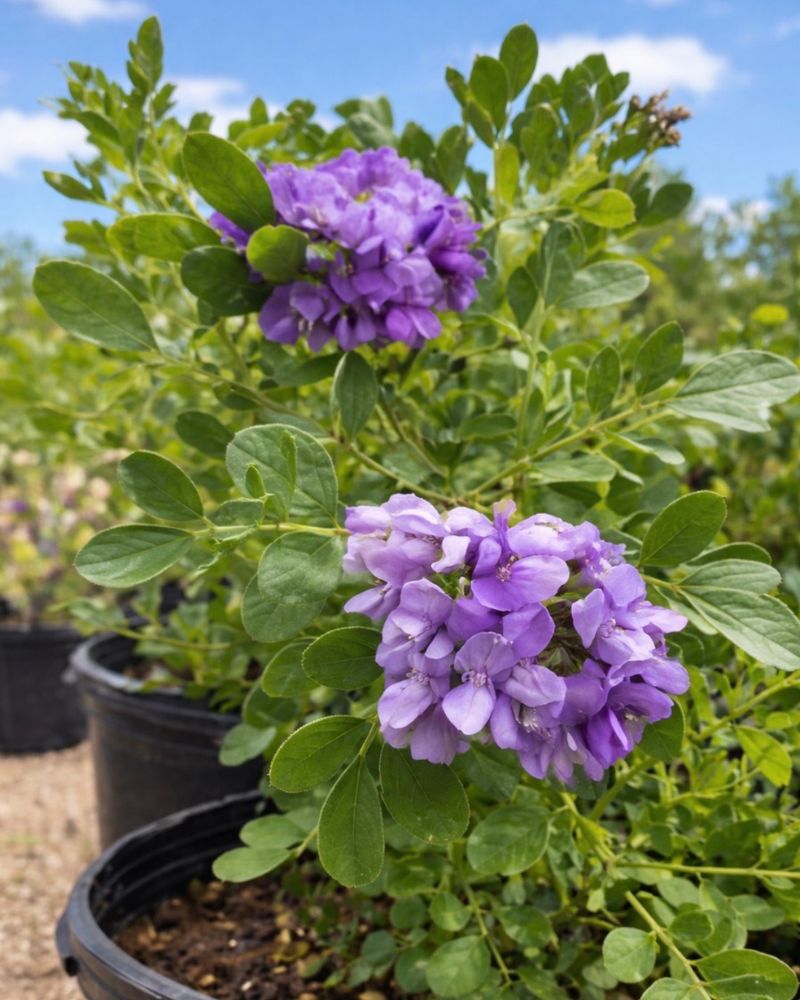
Newly planted trees need more attention than established ones, and Texas Mountain Laurel is no exception. During the first year, consistent watering helps the roots spread out and anchor the tree properly.
Skipping waterings too early can stress the plant before it has a chance to settle.
A good rule of thumb: water deeply once or twice a week during hot months, and cut back to every ten to fourteen days during cooler periods. Deep watering encourages roots to grow downward rather than staying shallow near the surface.
Shallow roots make a tree less stable and less drought-tolerant over time.
Drip irrigation works well for this purpose. Set emitters a foot or two away from the trunk so water spreads toward the root zone rather than pooling right at the base.
Keeping the trunk collar dry helps avoid rot or fungal issues at the soil line.
Mulching around the base helps retain moisture between waterings. A two to three inch layer of gravel or decomposed granite is a natural fit for desert landscapes.
Organic mulch works too, just keep it pulled back a few inches from the trunk itself.
5. Prune Lightly After Blooming
Pruning at the wrong time can cost you a full season of blooms. Texas Mountain Laurel sets its flower buds in the fall, so cutting branches in autumn or winter removes the blooms before they ever open.
Wait until after the flowers fade in spring before reaching for the pruners.
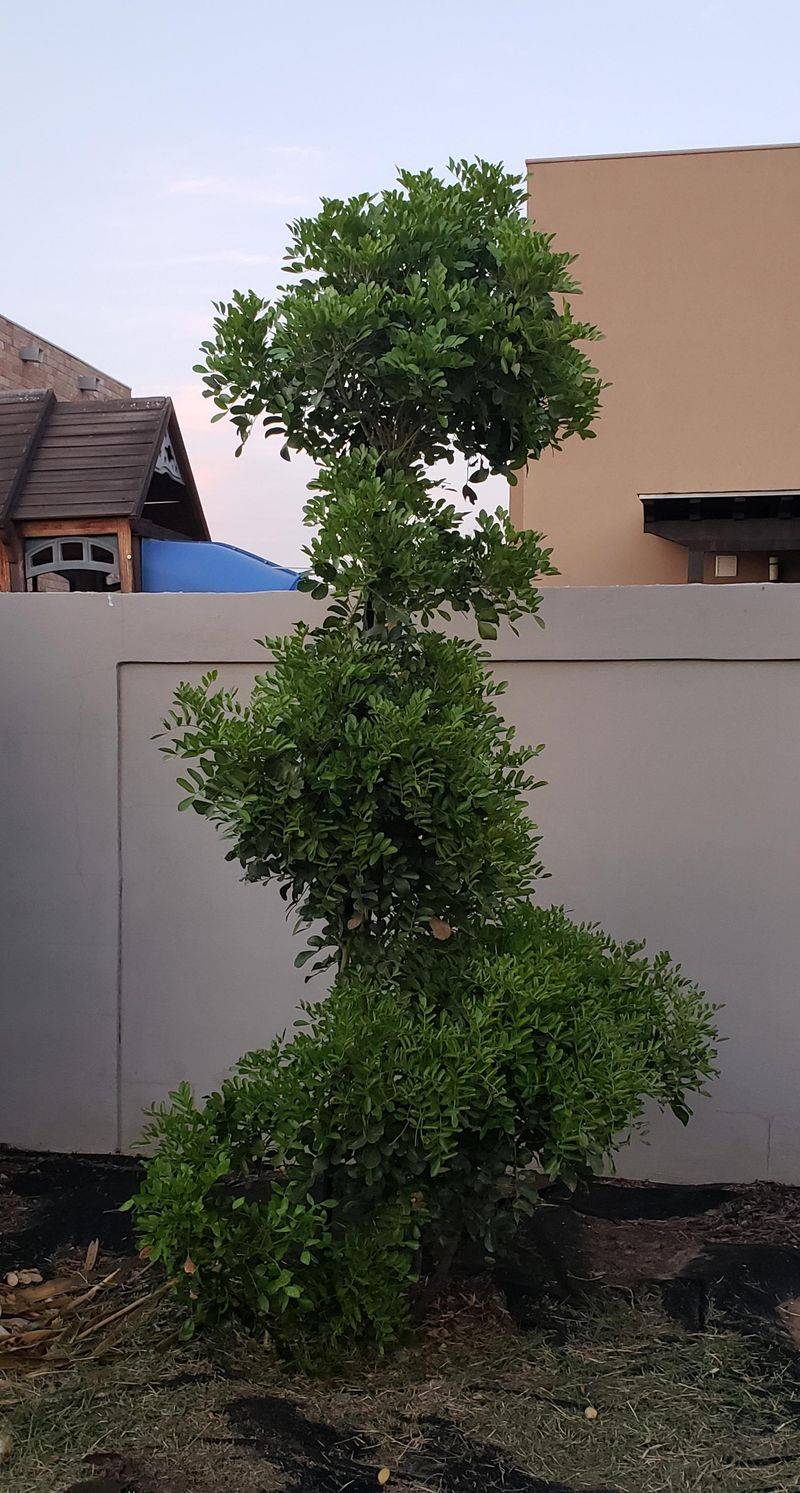
Light shaping is usually all this tree needs. It naturally grows into a tidy, rounded form over time.
Heavy pruning is not necessary and can actually slow the tree down since it is already a slow grower. Removing more than a third of the canopy at once is generally not recommended.
Focus on crossing branches, damaged wood, or stems growing inward toward the center of the canopy.
Opening up the interior slightly improves airflow, which can reduce the chance of fungal issues during humid monsoon periods. Keep cuts clean with sharp, sanitized tools.
Seed pods develop after blooming and can be removed if you prefer a tidier look. Some gardeners leave them on because the pods turn a striking silvery gray and add texture to the tree through summer and fall.
It comes down to personal preference.
6. Use Fertilizer Only If Growth Is Weak
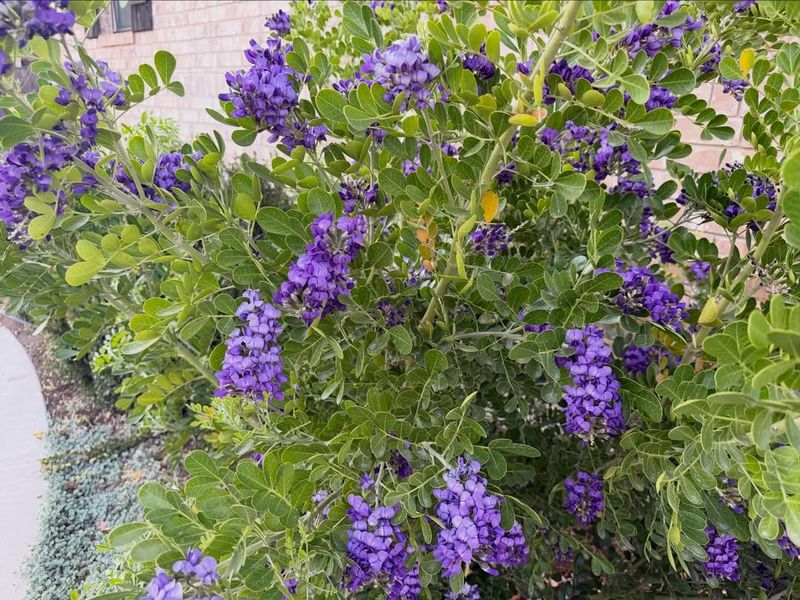
Texas Mountain Laurel is not a heavy feeder. In its native habitat, it grows in poor, rocky soils with very little organic matter.
Trying to push it with regular fertilizer often causes more problems than it solves, including excessive leafy growth at the expense of flowers.
If a tree is growing at a healthy pace and the foliage is deep green, skip the fertilizer. Adding nutrients to an already-thriving tree is unnecessary and can disrupt its natural rhythm.
Save the fertilizer for situations where the tree clearly needs a boost.
Signs that fertilizer might help include pale or yellowish leaves, very slow growth even after the establishment period, or thin, sparse foliage. In those cases, a light application of a balanced, low-nitrogen fertilizer in early spring can help.
Avoid high-nitrogen formulas, which push leafy growth and can reduce blooming.
Soil pH can also affect how the tree absorbs nutrients. Texas Mountain Laurel prefers slightly alkaline to neutral soil, which aligns well with typical desert conditions.
If you suspect a pH or micronutrient issue, a simple soil test from a local extension office can point you in the right direction.
7. Reduce Water Once It Is Established
Patience is the real secret with this tree. After about two to three years of regular watering, Texas Mountain Laurel typically develops a deep enough root system to handle extended dry periods on its own.
At that point, you can start pulling back on irrigation significantly.
In low-desert regions, an established tree may only need deep watering every two to four weeks during summer, and little to no supplemental water during cooler months.
Rainfall during the monsoon season often provides enough moisture to carry the tree through. Exact frequency depends on your soil, microclimate, and how hot the summer runs.
Overwatering an established tree is a more common mistake than underwatering. Wet soil around mature roots can lead to root rot, which often shows up as sudden leaf drop or declining branch health.
If your tree looks stressed after a wet period, reduce irrigation and check drainage around the base.
Cutting back water gradually is smarter than stopping suddenly. Stretch the time between waterings over a few months rather than switching off irrigation all at once.
This gives the root system time to adjust and seek out moisture deeper in the soil profile.
Once truly established, Texas Mountain Laurel is one of the lower-maintenance trees you can grow in desert landscapes.