The Arizona Landscaping Choices That Can Increase Heat Around Your Home
Getting comfortable outside can feel impossible during the middle of summer, even after the sun starts dropping lower in the sky.
You expect the evening to bring some relief, but the heat still seems to hang around much longer than it should.
That leaves a lot of people wondering why one property feels so much hotter than another nearby. Weather is only part of the story.
The way a landscape is designed can make a noticeable difference, even when two homes sit in the same neighborhood. Many people never realize that until they start making changes and notice the space becoming more comfortable.
Some landscaping choices hold onto heat instead of helping it escape.
That effect becomes much easier to notice around homes in Arizona, where long, hot summers can make every decision around the yard matter more than expected.
1. Large Gravel Areas Reflect And Store Heat
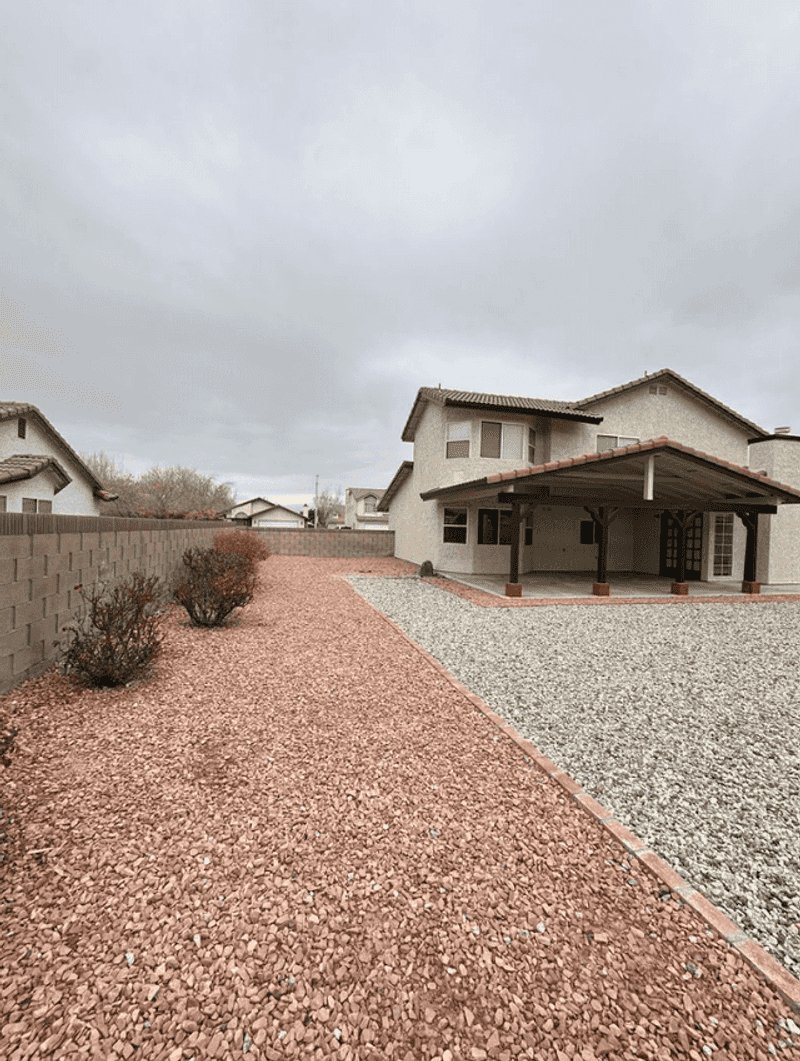
Gravel is one of the most popular landscaping choices in dry desert regions, and it is easy to understand why. It requires almost no water, suppresses weeds, and gives yards a tidy look.
But covering large areas with gravel creates a heat problem that is hard to ignore.
Light-colored gravel reflects sunlight upward, which can increase the ambient temperature around your home. Darker gravel absorbs heat during the day and releases it slowly after sunset.
Either way, large gravel fields tend to make outdoor spaces noticeably warmer.
Gravel does not hold moisture, so it offers no evaporative cooling. On a summer afternoon, gravel surfaces can reach temperatures high enough to be uncomfortable underfoot.
The heat radiating from a large gravel yard can also warm nearby walls and windows.
Smaller gravel areas are less of a problem than large, continuous expanses. Breaking up gravel with plants, shade trees, or decomposed granite can reduce the overall heat effect.
Raised planters placed within gravel zones also help by introducing some vegetation and shade.
Choosing the right gravel color matters too. White or very pale gravel reflects more light and can increase glare around the home.
Medium-toned natural gravel tends to perform better in terms of heat management, though no gravel type eliminates the heat issue entirely. Thoughtful placement and plant integration are the most effective ways to reduce gravel-related heat buildup.
2. Dark Pavers Get Much Hotter In Direct Sun
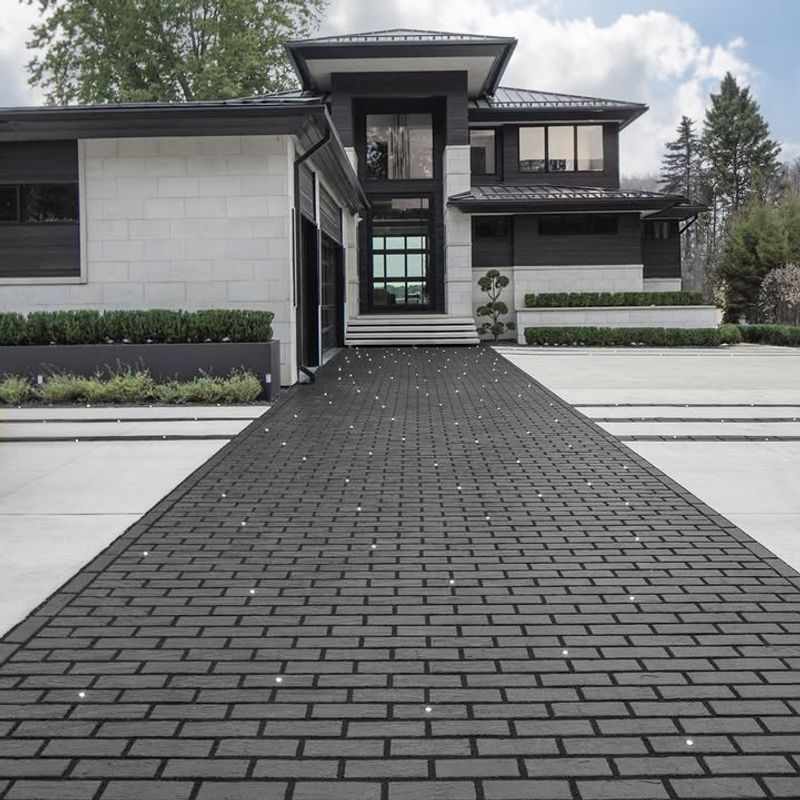
Dark pavers absorb sunlight aggressively. By early afternoon on a summer day, they can reach surface temperatures that are genuinely uncomfortable to stand on.
The color choice matters more than most homeowners expect when it comes to outdoor heat management.
Concrete and stone pavers store thermal energy during the day. At night, they release that stored heat back into the surrounding air.
Patios, walkways, and driveways covered in dark materials can keep outdoor spaces warm long after the sun goes down.
Lighter-colored pavers reflect more sunlight and tend to stay cooler than darker options. Tan, cream, and light gray tones are generally better choices for hot, sunny climates.
Even mid-tone pavers perform noticeably better than dark charcoal or near-black options.
Your Arizona Garden Changes Every Week. Your Plan Should Too.
Gardening in Arizona changes quickly throughout the season. Every Friday you’ll receive a simple weekly plan showing exactly what to plant, prune, fertilize, harvest, and protect so you never miss the right timing.
Texture also plays a role. Rough or porous surfaces tend to release heat more efficiently than smooth, dense ones.
However, texture alone will not compensate for a very dark color in full sun exposure.
Shade is the most effective way to reduce paver heat. Pergolas, shade sails, and large trees positioned over patio areas can drop surface temperatures significantly.
Combining lighter-colored pavers with overhead shade structures gives you the best chance of keeping an outdoor space usable during peak summer heat.
Reflective coatings designed for pavers are available, though their long-term durability and effectiveness can vary depending on the product and application conditions.
3. Bare Soil Heats Up Faster In Summer
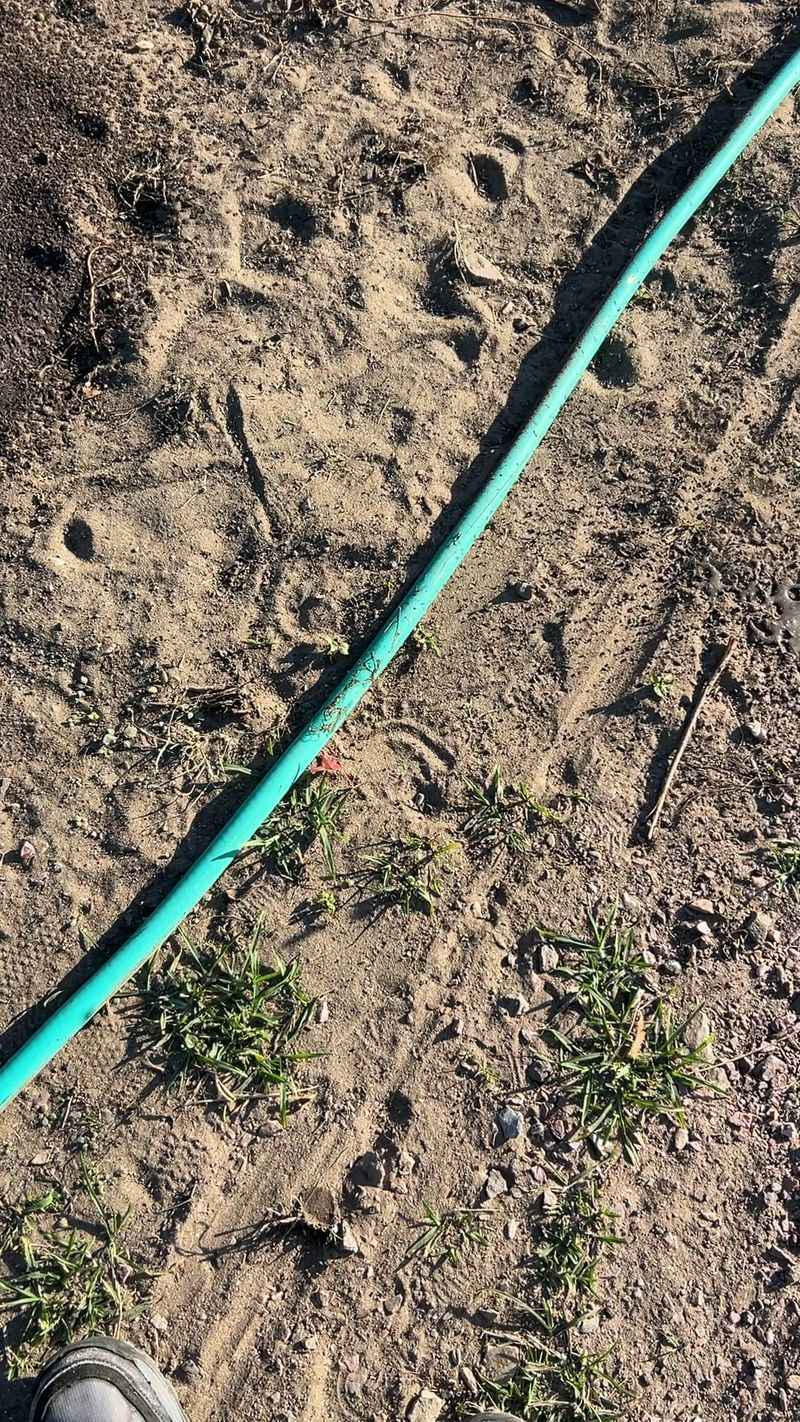
Bare soil might seem harmless, but exposed ground heats up quickly under direct sun. Without any plant cover or mulch layer, soil absorbs solar radiation throughout the day and holds onto that heat well into the evening hours.
Covered soil behaves very differently. Mulch, ground cover plants, and even fallen leaf litter create an insulating layer that slows heat absorption.
Bare soil has no such buffer, which means it warms faster and stays warm longer.
In dry desert climates, bare soil is also prone to crusting. Hard, dry soil reflects less heat than loose soil but still radiates warmth into the surrounding air.
Large areas of bare ground around a home can noticeably raise the ambient temperature near exterior walls and windows.
Ground cover plants offer one of the best solutions. Low-growing native plants like desert marigold or trailing lantana spread across the soil surface, shading the ground and reducing heat absorption.
Organic mulch placed around plant bases also helps insulate the soil and retain any available moisture.
Decomposed granite is a common alternative in dry landscapes, but it still heats up more than vegetated ground. Combining decomposed granite with shade trees and native ground covers gives the best results.
Even partial plant coverage makes a measurable difference in how hot the soil gets during peak afternoon hours. Keeping ground covered is one of the simplest ways to manage heat around your home.
4. Block Walls Release Heat After Sunset
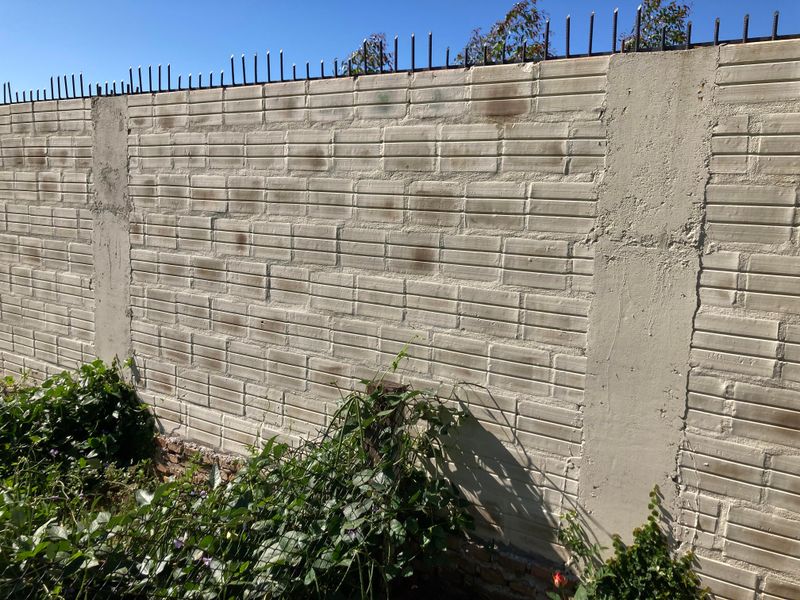
Concrete block walls are everywhere in desert neighborhoods. They offer privacy, security, and a clean boundary for outdoor spaces.
But they also act like giant heat batteries, and that creates a real comfort problem during summer evenings.
Block walls absorb heat all day long as the sun beats down on them. After sunset, they release that stored energy back into the yard.
On a hot summer night, a west-facing block wall can radiate enough warmth to make outdoor spaces feel stuffy and uncomfortable for hours.
Wall color and orientation both affect how much heat is stored. Dark or medium-toned walls absorb more than lighter ones.
West and south-facing walls receive the most sun exposure throughout the day, making them the biggest heat contributors in most yard layouts.
Painting block walls with lighter, reflective colors can reduce heat absorption somewhat. Masonry-specific exterior paints rated for high UV exposure tend to perform better than standard exterior paints.
Results vary depending on the original wall color and paint quality.
Planting vines or shrubs along block walls is another option. Vegetation shades the wall surface, which reduces the amount of solar energy it absorbs during the day.
Climbing plants like bougainvillea or queen’s wreath can cover large wall areas over time. Shade structures placed near walls also help intercept sunlight before it reaches the masonry surface.
A combination of light paint and plant coverage tends to offer the most noticeable improvement in heat reduction.
5. Too Few Shade Trees Leave The Yard Hotter
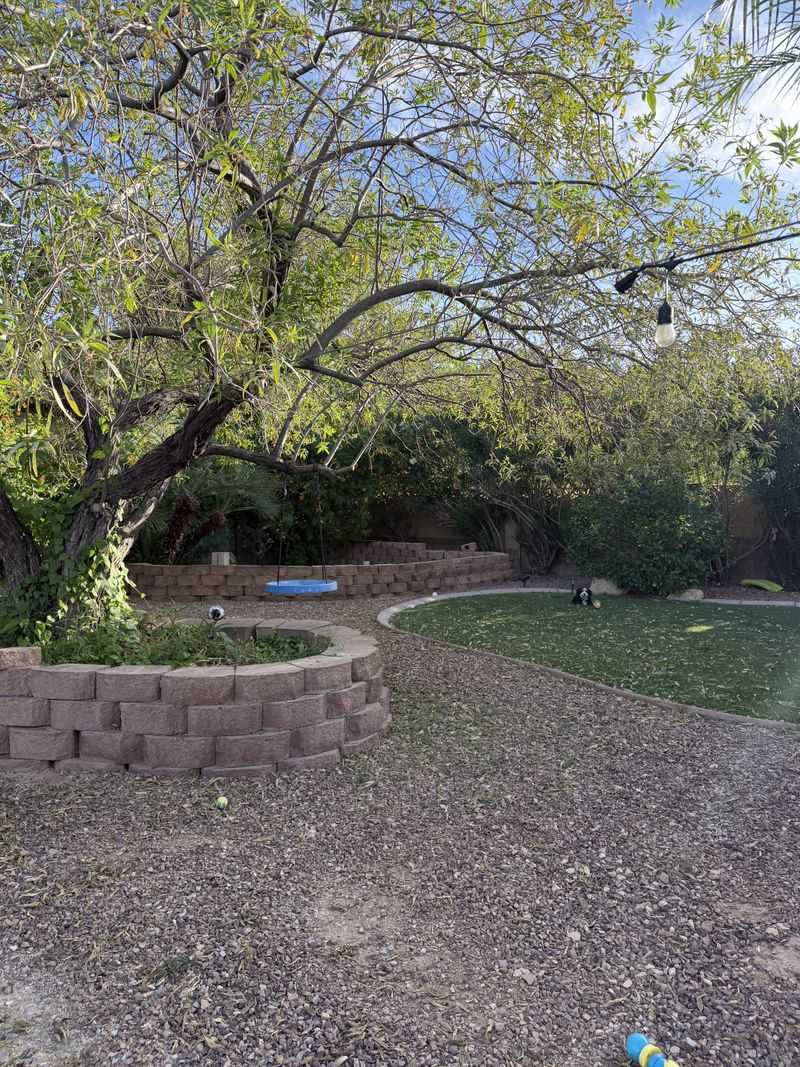
Shade trees do more than look nice. A single mature tree can cool the air around it by several degrees through a combination of shade and moisture release.
Yards without enough trees tend to feel significantly hotter during peak summer hours.
Evapotranspiration is the key process. Trees pull water up through their roots and release it through their leaves as vapor.
That process cools the surrounding air in a way that hardscaping and gravel simply cannot replicate.
Positioning matters a great deal. Trees placed on the west and south sides of a home block the most intense afternoon sun.
Shade cast over patios, walls, and windows reduces both outdoor discomfort and indoor cooling costs. Strategic placement can make a noticeable difference in how the yard feels by mid-afternoon.
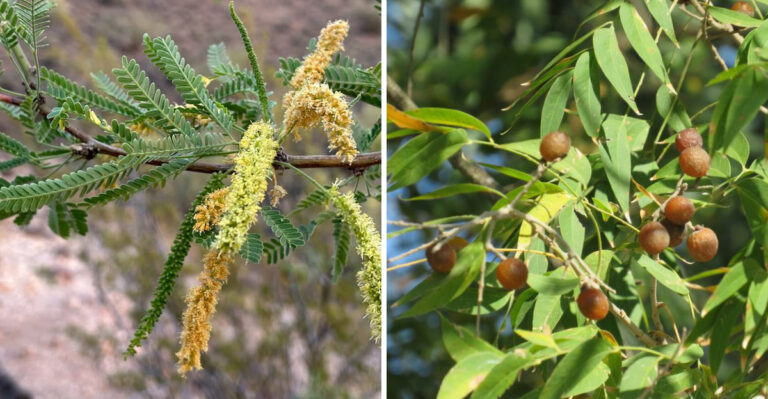
Desert-adapted trees are practical choices for dry climates. Palo verde, desert willow, and mesquite all provide meaningful shade without requiring excessive irrigation once established.
Growth rates vary, so planting sooner rather than later gives trees more time to reach useful size.
Smaller yards can still benefit from a few well-placed trees. Even a single tree near a west-facing patio or wall reduces heat exposure during the hottest part of the day.
Shade sails and pergolas can supplement tree cover while young trees mature. Relying entirely on hardscaping without any tree cover is one of the most common reasons desert yards feel unbearably hot through the summer months.
6. Rock Mulch Can Raise Soil Temperatures
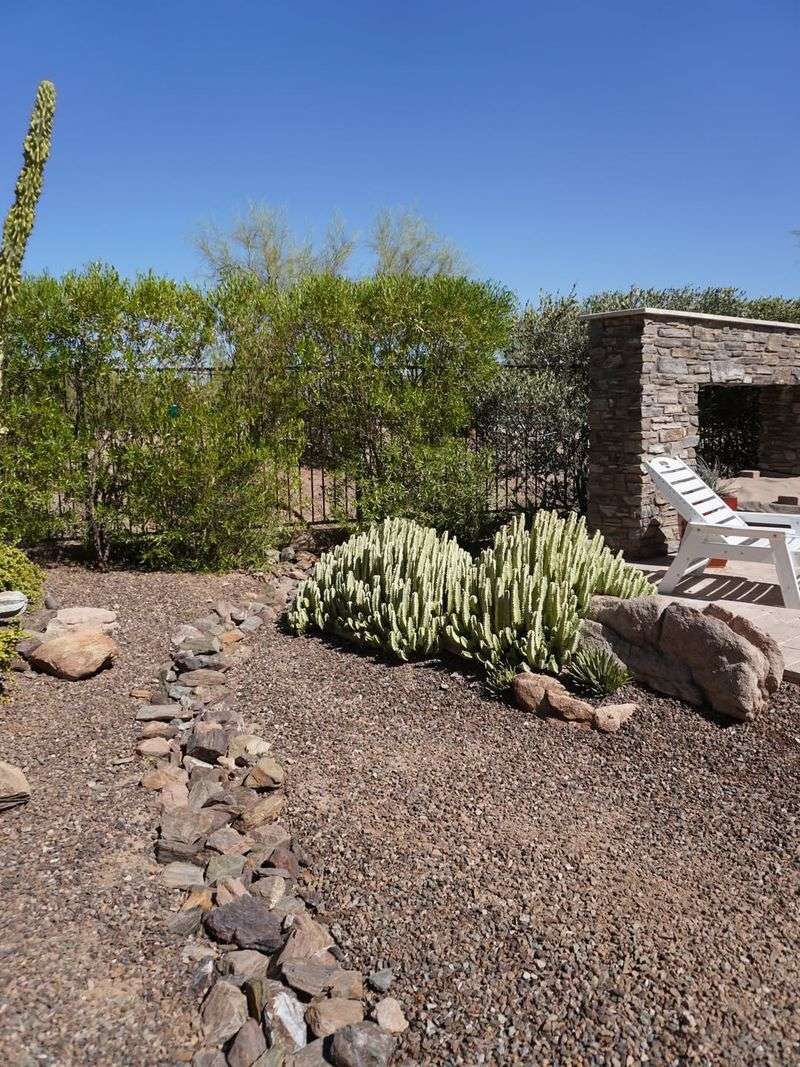
Rock mulch is widely used in dry-climate landscaping because it lasts long and does not break down. Homeowners appreciate how it suppresses weeds and keeps yards looking tidy with minimal effort.
What many people do not realize is that rock mulch can raise soil temperatures considerably compared to organic mulch.
Rocks absorb solar radiation and transfer that heat directly into the soil below. On a hot afternoon, the soil under a layer of rock mulch can be significantly warmer than soil covered with wood chip or shredded bark mulch.
That extra heat can stress plant roots over time, particularly during extended heat waves.
Organic mulches work differently. Wood chips and shredded bark insulate the soil, keeping it cooler during the day and helping retain moisture.
They also break down gradually, adding organic matter that improves soil health. Rock mulch provides none of those benefits.
That said, rock mulch does reduce evaporation from the soil surface, which helps conserve water. In very low-rainfall climates, water conservation is a real priority.
The trade-off between water savings and heat retention is worth considering before choosing a mulch type.
Mixing rock mulch with shade from trees or shrubs reduces the heat problem significantly. Rocks placed under dense plant canopies receive less direct sun and stay cooler as a result.
Using organic mulch directly around plant bases while using rock in open areas between plants is one practical way to balance heat management with water efficiency in hot desert yards.
7. Artificial Turf Traps More Heat Than Natural Grass
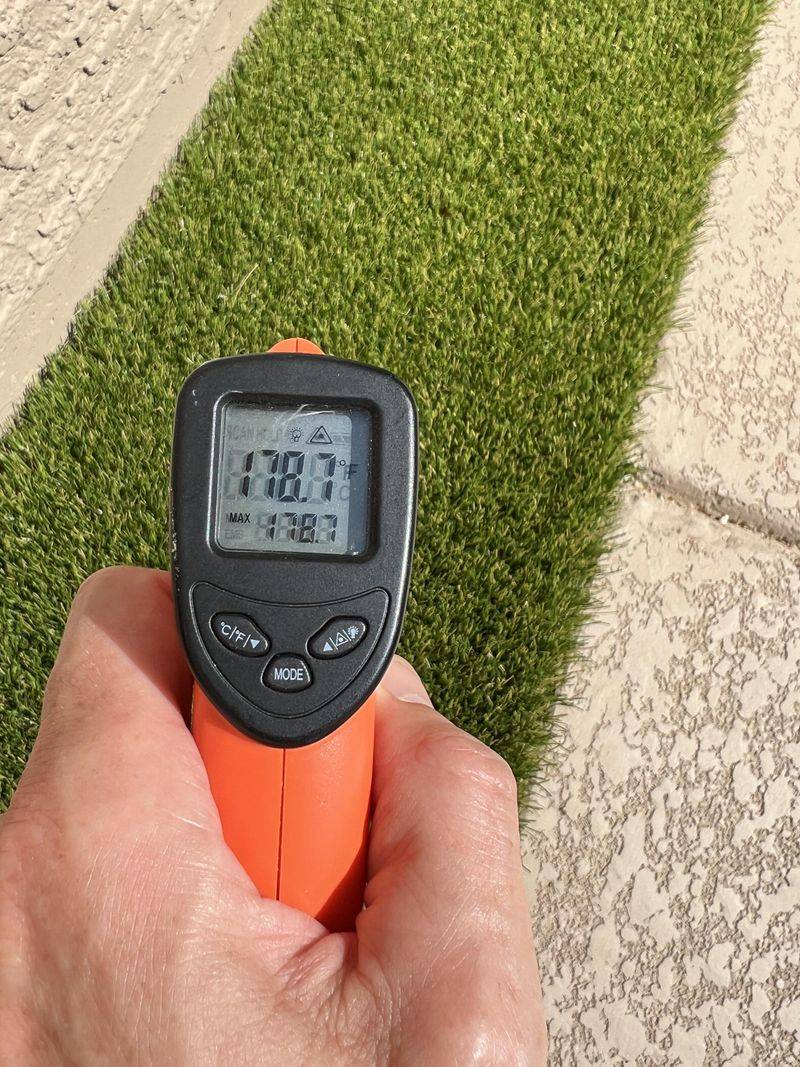
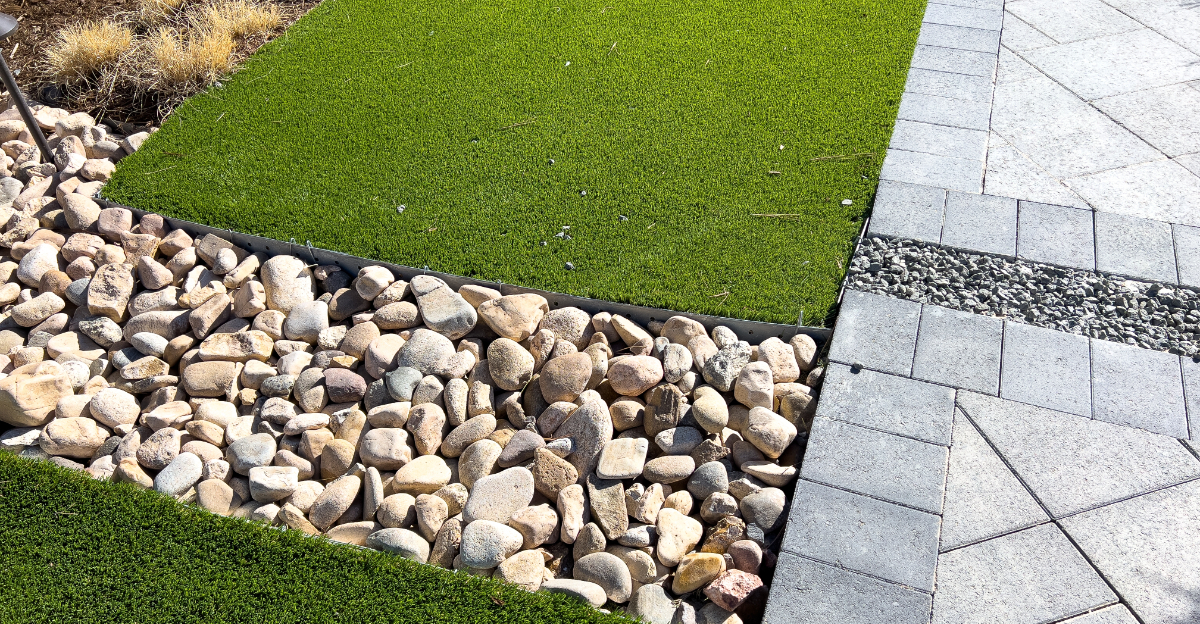
Artificial turf looks clean, stays green year-round, and requires very little maintenance, but it also comes with a significant downside in Arizona’s desert climate. One of the biggest concerns is how much heat it absorbs during the summer.
Unlike natural grass, artificial turf cannot cool itself by releasing moisture into the air. Instead, it absorbs sunlight throughout the day and continues holding that heat long after the sun has been shining.
As a result, the surface can become much hotter than the surrounding air, especially during the hottest part of the afternoon.
Many homeowners choose synthetic turf to reduce water use, avoid mowing, and keep their yards looking neat. Those are worthwhile benefits, but it is important to understand the trade-off.
During extended periods of extreme heat, the turf may become uncomfortable to walk on and can limit how much time people, pets, and children want to spend outside.
Adding shade can make a noticeable difference. Trees, pergolas, shade sails, and other structures help block direct sunlight and reduce heat buildup across the surface.
Some homeowners also combine artificial turf with gravel, mulch, or native plants instead of covering the entire yard.