Why Lizards Keep Showing Up Around Arizona Homes During Summer
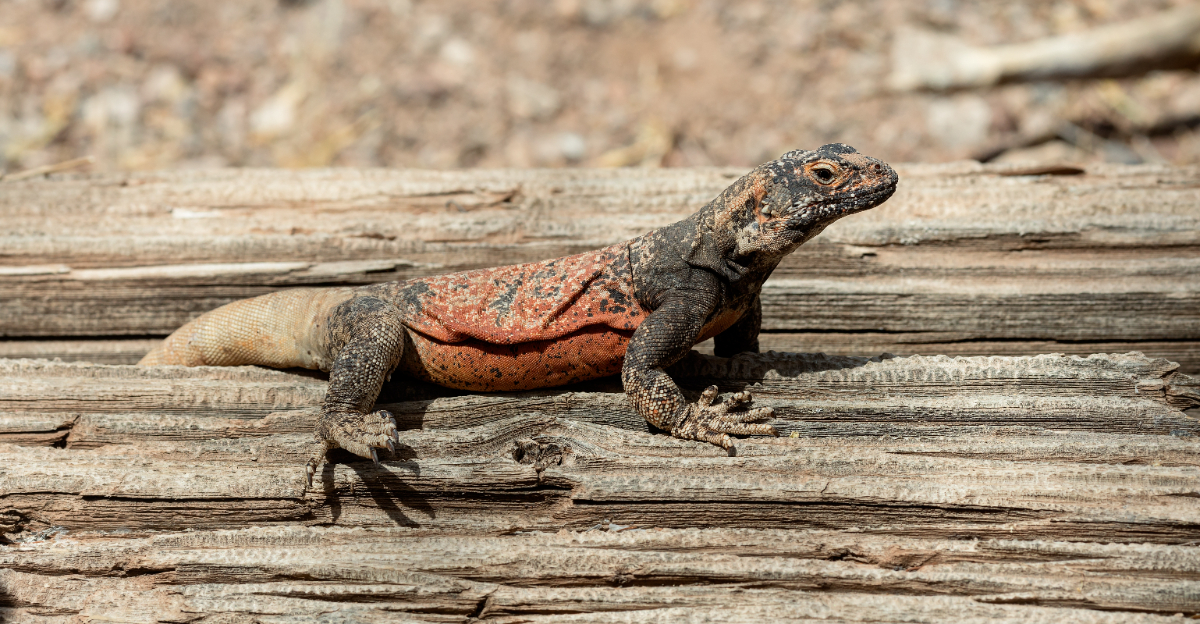
It starts with one quick glance, then another a day or two later. Before long, you realize the same little visitor keeps showing up, and you cannot help but wonder why it suddenly became a regular.
That kind of thing catches anyone’s attention because it never seems to happen without a reason. Summer has a way of changing what you notice around your home, even if nothing else seems different.
Many people assume it is just a coincidence, but the timing usually tells a different story. Once you understand what is happening, those frequent sightings make much more sense.
There is a reason lizards become much easier to spot during the hottest weeks of the year.
Homes in Arizona often provide exactly what they are looking for, which is why they seem to appear far more often before summer begins to fade.
1. Warm Weather Makes Them More Active
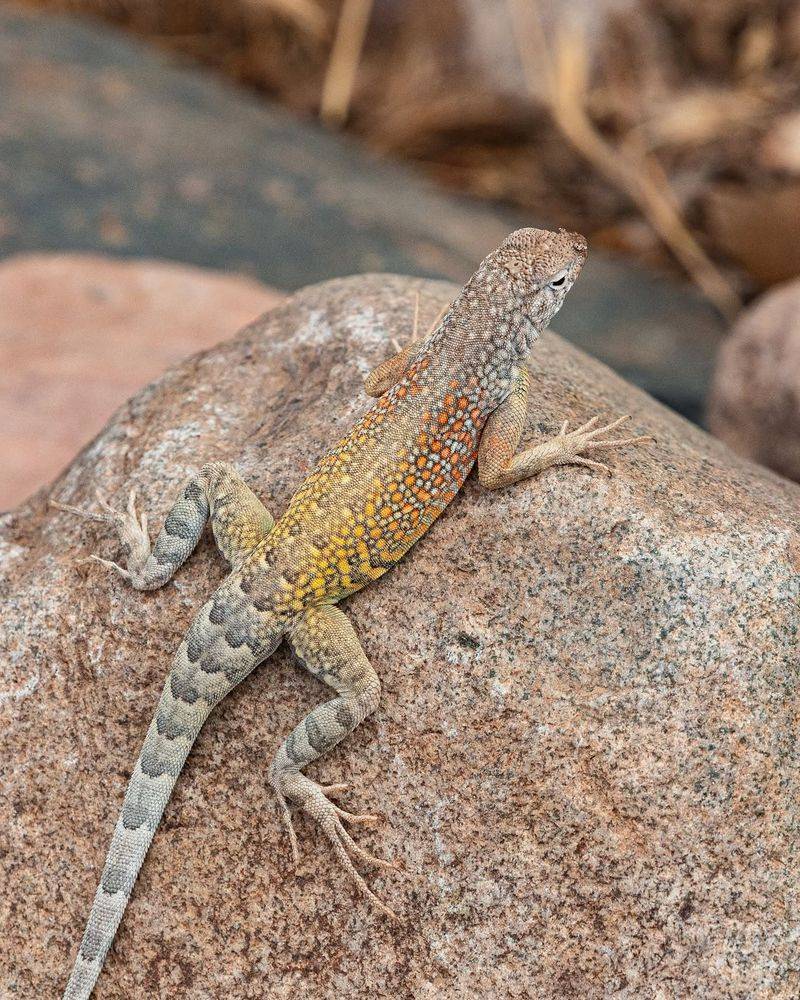
Lizards are cold-blooded, which means their body temperature changes with the environment around them. When summer heat arrives in the desert Southwest, lizards essentially wake up and shift into high gear.
They rely on external warmth to power their muscles, digestion, and overall movement.
Concrete driveways, brick walls, and sun-baked patios absorb heat throughout the day. Those surfaces stay warm even after the sun drops, making your home’s exterior a prime warming spot.
Lizards seek out these heated zones because their bodies simply function better when warm.
Morning activity tends to peak early before temperatures get extreme. You may notice lizards basking on south-facing walls or flat rocks right after sunrise.
That behavior is intentional, not random.
As summer intensifies, some species shift their schedule to avoid the hottest midday hours. They become more active in early morning and late afternoon instead.
Cooler spots near your home help them regulate without retreating too far.
Homes surrounded by concrete, pavers, or stone landscaping create ideal thermal environments. Yards with lots of heat-absorbing surfaces tend to attract more lizards than those with mostly grass or shade.
If lizard visits feel frequent, the heat your property holds may be a big reason why.
2. Outdoor Lights Attract Their Favorite Food
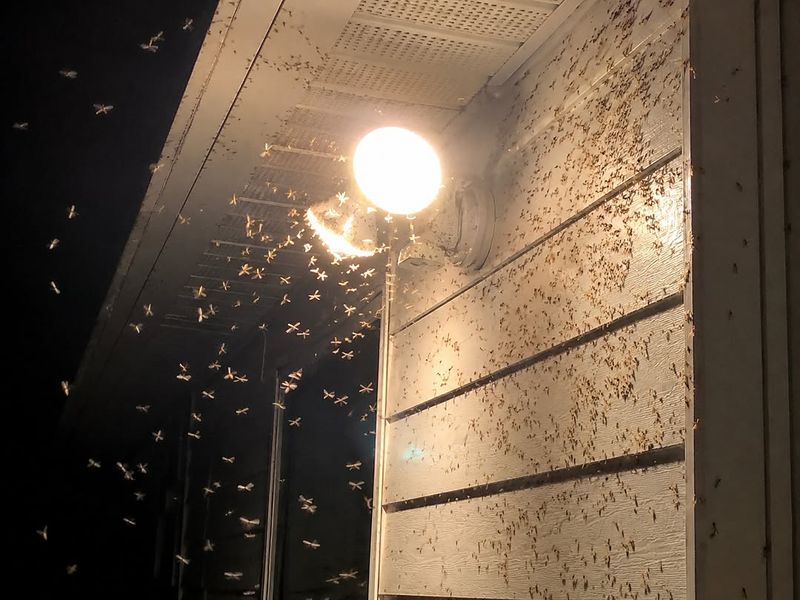
Porch lights are basically an open dinner invitation for lizards. Bugs swarm toward artificial light at night, and lizards have figured out that hanging near those lights means an easy meal.
It is one of the most reliable food sources in any suburban yard during summer.
Moths, beetles, gnats, and small flies gather around lit fixtures by the dozens. A single night can bring hundreds of insects to your front door area.
Lizards station themselves nearby and pick off bugs with impressive speed and accuracy.
Wall-mounted lights and landscape spotlights both pull in insects. Even lights visible through windows can attract bugs that then attract lizards to the exterior.
The pattern repeats every warm evening throughout the season.
Switching to yellow or amber LED bulbs can reduce insect attraction significantly. These wavelengths are less visible to most insects compared to white or blue-toned lights.
Your Arizona Garden Changes Every Week. Your Plan Should Too.
Gardening in Arizona changes quickly throughout the season. Every Friday you’ll receive a simple weekly plan showing exactly what to plant, prune, fertilize, harvest, and protect so you never miss the right timing.
Fewer bugs near your lights means fewer lizards hanging around those spots.
Motion-activated lights are another practical option. They reduce the total hours your lights stay on, which limits the insect gathering window.
Less time lit means less time for bugs and lizards to congregate near your entryways.
You do not need to remove all outdoor lighting to see a difference. Even small adjustments to bulb type or light placement can shift where insects and lizards gather around your home.
3. Rock Landscapes Give Them Places To Hide
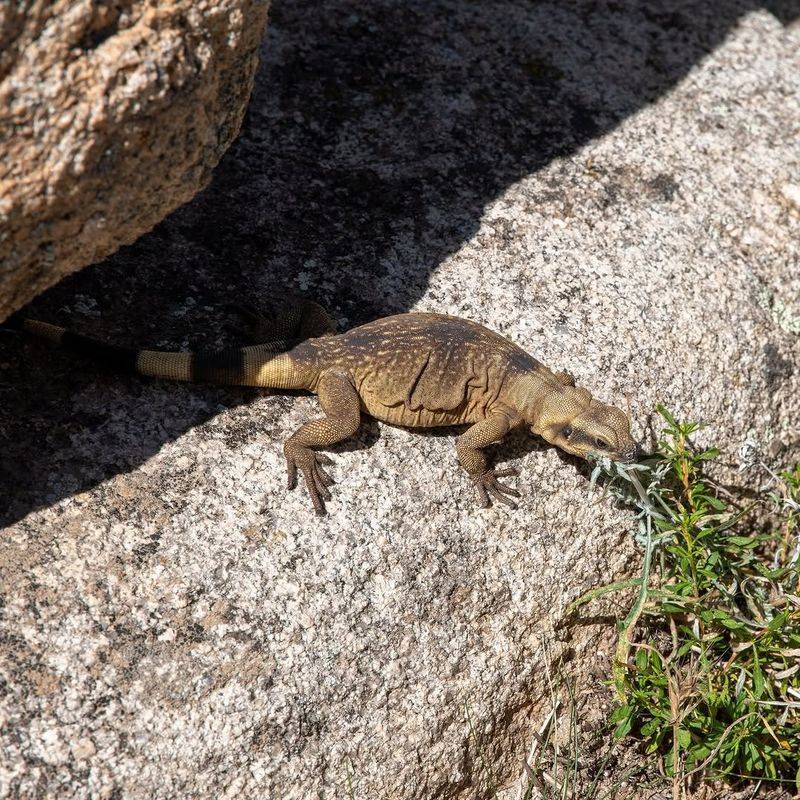
Rock landscaping is extremely popular in desert communities, and lizards absolutely love it. Boulders, gravel beds, and stacked stone borders create a network of gaps, crevices, and shaded spots that lizards use throughout the day.
It is practically purpose-built habitat for them.
Flat rocks heat up fast in the sun and cool slowly in the shade. Lizards move between warm and cool surfaces to regulate their temperature without going far.
A well-designed rock garden can support multiple lizards at once without them ever crossing paths.
Stacked decorative stones are especially useful to lizards because the gaps between them mimic natural cliff faces. Small lizards can squeeze into spaces that predators cannot follow.
That sense of security keeps them coming back repeatedly.
Gravel beds provide more than just aesthetics. Insects hide in gravel, and lizards hunt them there regularly.
A gravel yard is essentially a buffet and a bedroom rolled into one for a small desert reptile.
Reducing loose rock piles near your foundation can limit how close lizards settle. Solid edging materials with fewer gaps give lizards less reason to nest directly against your home.
Spacing rocks away from walls also helps reduce the appeal of those spots.
Rock landscapes are not going away in desert communities, and that is fine. Just be aware that those design choices naturally invite wildlife, including lizards, into your yard on a regular basis.
4. Dense Shrubs Offer Cool Shelter
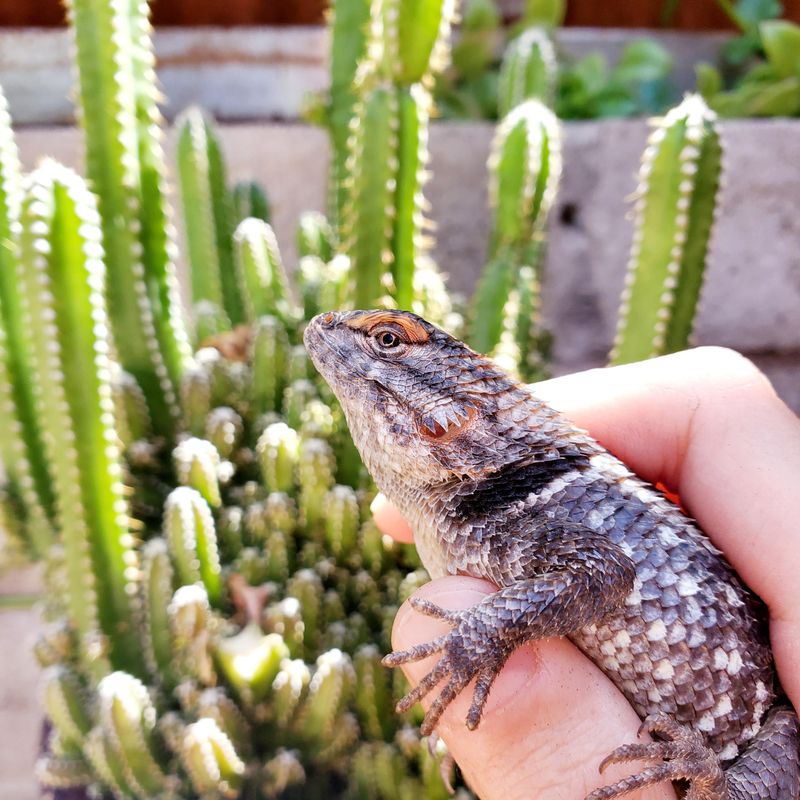
On a blazing summer afternoon, a dense shrub can feel like an air-conditioned room to a small lizard. Thick plant cover blocks direct sunlight and holds humidity near the soil.
Lizards seek that relief when surface temperatures become too intense to stay exposed.
Native desert plants like brittlebush, desert marigold, and low-growing lantana create layered canopies close to the ground. Those layers trap shade and give lizards multiple levels to move through.
The structure of the plant matters as much as the species.
Shrubs planted close to walls or fences are especially attractive. Lizards can move from the shaded soil under the plant to the wall surface without crossing open ground.
That short travel distance reduces their exposure to birds and other threats.
Heavily planted borders along your home’s foundation create a corridor of cover. Lizards use these corridors to travel from one side of the yard to another without being seen.
You may notice them more in those areas simply because that is where they feel safest.
Trimming shrubs back from your exterior walls reduces how comfortable that zone feels for lizards. Leaving a gap between plants and the wall breaks the covered corridor they rely on.
Even a modest clearance can shift where lizards choose to rest during the day.
Plant placement matters more than people realize. Strategic spacing can make your yard feel less like a lizard highway without removing any greenery entirely.
5. Pet Bowls Can Draw In Insects
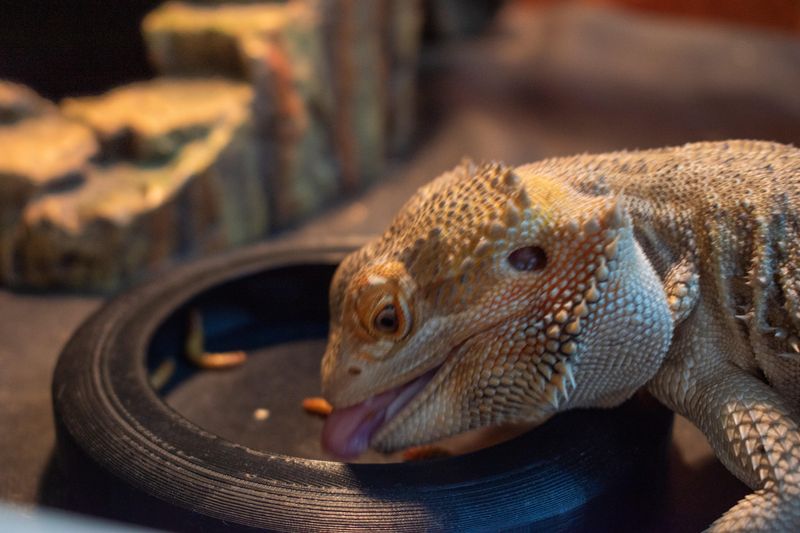
Leaving pet food outside seems harmless, but it sets off a chain reaction that ends with lizards on your porch. Food residue and moisture attract insects almost immediately.
Once bugs arrive, lizards follow with very little delay.
Dry kibble left in an outdoor bowl draws ants, flies, and beetles within hours. Those insects become an easy food source for any lizard in the area.
The bowl essentially becomes a feeding station for multiple species at once.
Wet food or food with strong odors attracts insects even faster. Even a small amount left after a pet finishes eating can bring in bugs by evening.
Lizards learn which areas consistently offer food and return to those spots regularly.
Water bowls create a different type of attraction. Standing water draws mosquitoes and other moisture-loving insects.
Lizards hunt near water sources because the insect density there tends to be higher than in dry areas.
Bringing pet bowls inside after feeding times makes a noticeable difference. Even rinsing the bowl and removing residue reduces the insect signal your patio sends out.
Less insect activity means less reason for lizards to patrol that area.
Covered feeders designed for outdoor use can also help. Limiting food exposure to specific short windows during the day cuts down on how long insects have access.
Consistency with this habit tends to produce the best results over time.
6. Water Sources Help Them Beat The Heat
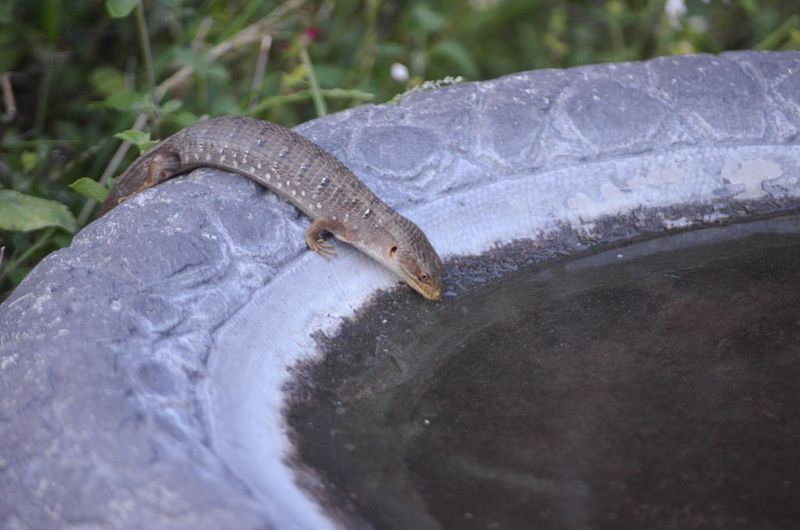
Summer in the desert Southwest pushes temperatures past 100 degrees regularly, and water becomes scarce fast. Lizards need moisture to survive, and they are skilled at finding it in unexpected places around homes.
Any consistent water source in your yard can become a regular stop on their daily route.
Dripping faucets, leaky irrigation lines, and wet patches near sprinkler heads all qualify as water sources for a small reptile. Even a thin film of moisture on concrete after watering can be enough for a lizard to lap up.
They do not need much, but they need something.
Birdbaths attract lizards just as they attract birds. Shallow water is especially useful because lizards can access it without risk of getting trapped.
Deeper containers are less useful to them, though insects may still breed there and draw lizards nearby.
Potted plants that retain moisture in their saucers create small water pockets that lizards visit. Overwatered garden beds stay damp longer and become preferred resting spots during the hottest parts of the day.
Shaded wet soil is particularly appealing.
Fixing leaks and adjusting irrigation schedules can reduce unintended water pooling around your home. Running sprinklers in the early morning rather than evening gives the soil time to dry out before lizards become most active.
Small changes in your watering habits can shift where lizards choose to spend their time.
7. Small Gaps Around The House Make Entry Easier
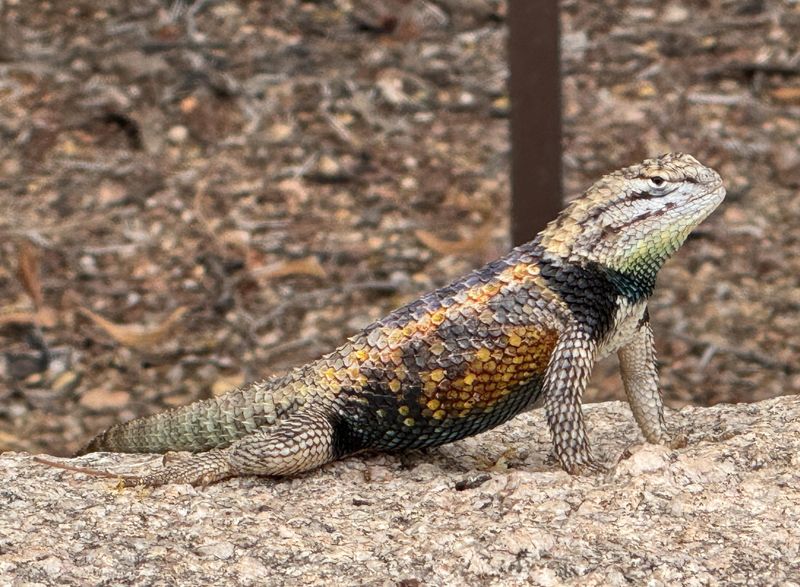
Lizards do not need a wide-open door to get inside. A gap the width of a pencil can be enough for a small species to slip through.
Cracks near door frames, gaps under garage doors, and spaces around utility pipes are common entry points that homeowners often overlook.
Weatherstripping that has worn down or pulled away from door edges leaves a noticeable gap at floor level. Lizards exploring the exterior of your home may push through those gaps without much effort.
Screen doors with small tears or bent frames offer similar access.
Foundation gaps where pipes enter the home are another common vulnerability. Plumbers and electricians sometimes leave small spaces around conduit and pipe penetrations unsealed.
Those openings are invisible from a distance but very obvious to a lizard moving along the base of your wall.
Garage doors that do not fully seal at the bottom are a frequent entry point. Rubber seals degrade over time and may develop uneven spots that leave gaps when the door is fully closed.
Lizards can slip under those gaps with ease.
Sealing these openings with caulk, foam backer rod, or replacement weatherstripping is one of the most effective ways to limit indoor encounters. Hardware stores carry a range of products specifically designed for sealing exterior gaps.
A single afternoon of work around your home’s perimeter can make a meaningful difference in how often lizards find their way inside.