What Keeps Scaring Fireflies Away From Georgia Yards
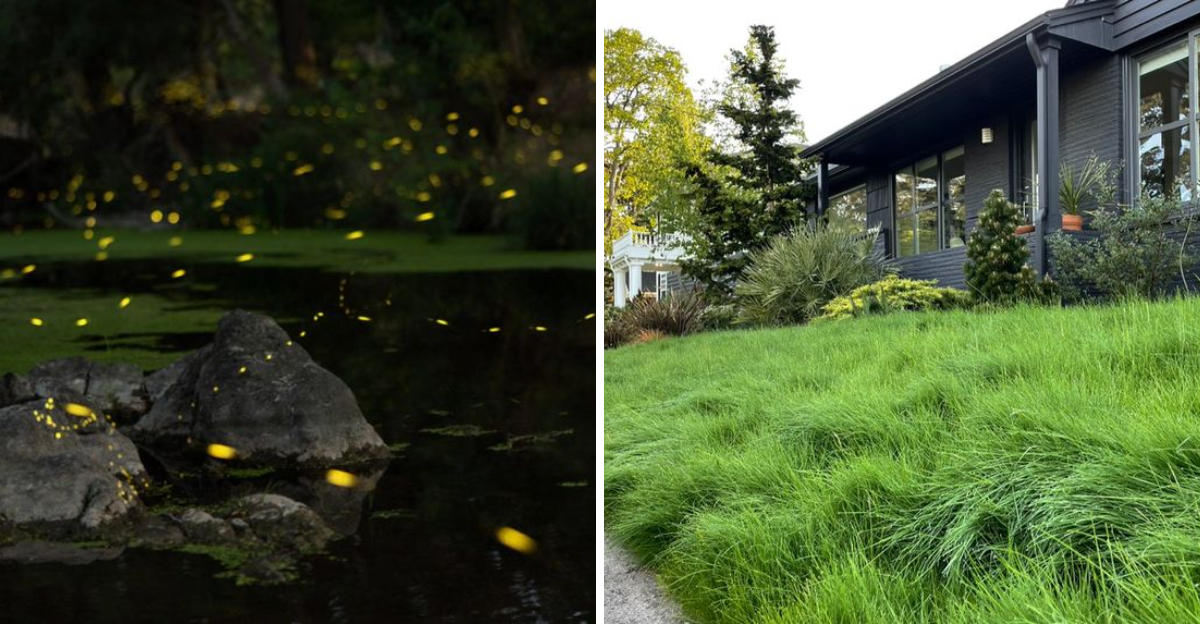
There is something special about looking outside on a warm summer evening and expecting those tiny flashes of light to appear. When they do not, the yard can feel a little quieter, even if nothing else seems different.
Most people notice the change before they know the reason. It is easy to assume fireflies simply moved somewhere else or that there are fewer than there used to be.
The truth is often much closer to home, and small changes around the yard can have a bigger impact than most people realize. Many of those changes happen without anyone meaning for them to.
Several everyday habits can make a yard less welcoming for fireflies.
That is why more people in Georgia are discovering that a few simple changes can help bring those familiar summer lights back again.
1. Bright Outdoor Lights Keep Fireflies Away
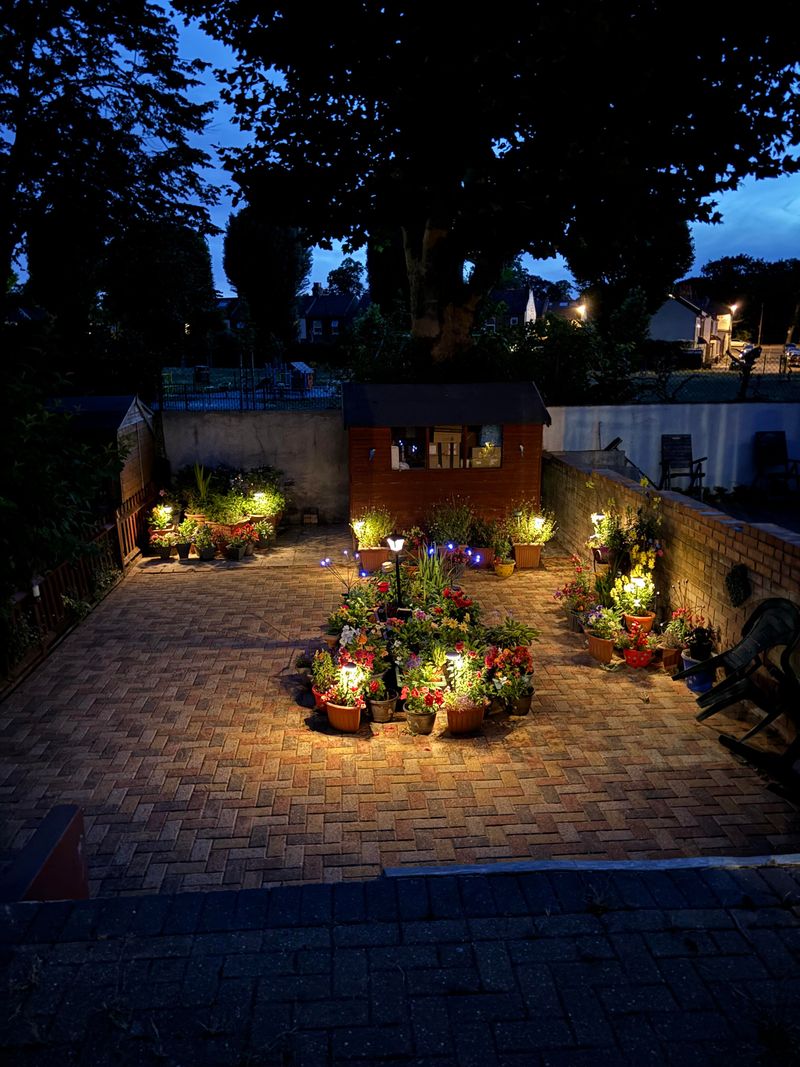
Outdoor lights might seem harmless, but fireflies rely on darkness to communicate. Fireflies flash to attract mates.
Bright artificial lights drown out those signals completely.
When your yard is lit up like a parking lot, male fireflies cannot find females. Females cannot respond.
Mating stops, and the local population shrinks over time.
LED floodlights, string lights, and motion-sensor fixtures are among the biggest culprits. Even a porch light left on all night can disrupt firefly activity in nearby grass and shrubs.
Switching to warm-toned bulbs rated below 2700K can reduce the impact. Pointing lights downward instead of outward also helps contain the light spread.
Motion-activated lights are a practical compromise. They only turn on when needed, leaving the yard dark most of the night.
Timers work well too. Setting lights to shut off by 9 or 10 PM gives fireflies a window to flash and find each other during peak activity hours.
Neighbors with bright lights can also affect your yard. A conversation about reducing unnecessary outdoor lighting could benefit the whole block.
Fireflies are most active from late May through July in many parts of the Southeast. Keeping nights darker during those weeks makes a real difference for populations trying to recover.
2. Too Much Lawn Cleanup Removes Their Shelter
A spotless yard looks great to humans, but fireflies see it as a wasteland. Larvae need shelter, moisture, and hunting grounds to survive and grow.
Firefly larvae spend months underground or under debris. Rotting logs, dense ground cover, and moist leaf piles are exactly where they develop before emerging as adults.
Raking every corner of your yard and bagging every bit of organic material strips away the habitat they depend on. Without those sheltered spots, larvae struggle to reach adulthood.
Overly pruned shrubs and bare soil edges also remove resting spots adult fireflies use during the day. Adults tuck into low vegetation when they are not actively flashing.
Leaving a rough, natural border along a fence line or garden edge costs almost nothing. A strip of unmowed grass or a loosely stacked brush pile can shelter dozens of fireflies.
Rotting logs are particularly valuable. Firefly larvae hunt soft-bodied insects and snails in decaying wood.
Your Georgia Garden Changes Every Week. Your Plan Should Too.
Gardening in Georgia changes quickly throughout the season. Every Friday you’ll receive a simple weekly plan showing exactly what to plant, prune, fertilize, harvest, and protect so you never miss the right timing.
One old log in a shaded corner can support an entire small colony.
Tidy yards are a deeply ingrained habit for many homeowners. Shifting even a small portion of your yard toward a more natural state can create the conditions fireflies need without sacrificing your whole landscape.
Start small. Leave one messy corner alone this season and watch what shows up by midsummer.
3. Pesticides Reduce Their Food Supply
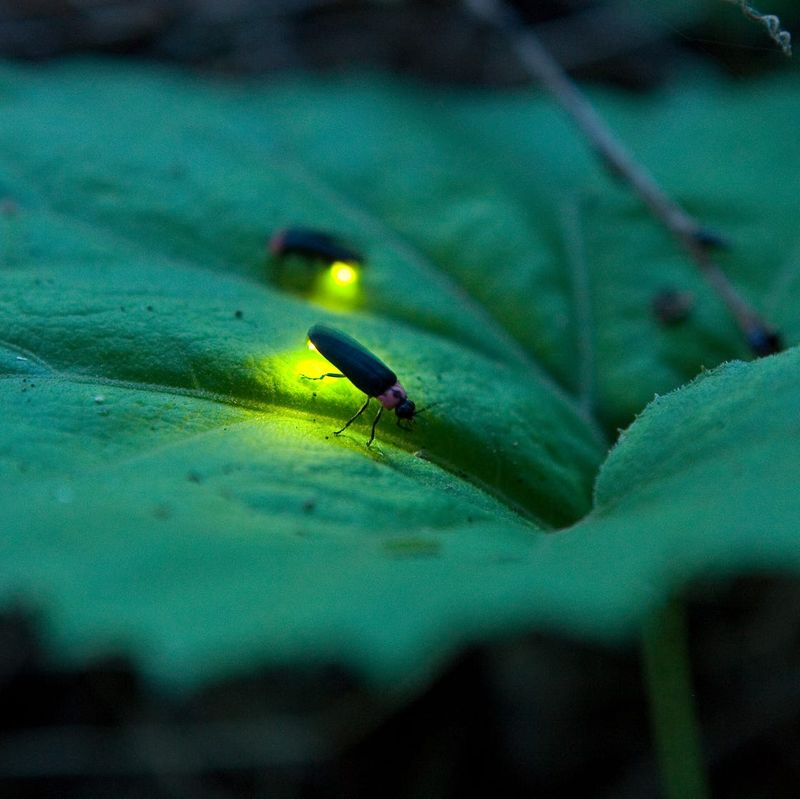
Pesticides do not just target the pests you are trying to remove. Broad-spectrum insecticides affect a wide range of insects, including the very prey firefly larvae depend on.
Firefly larvae eat soft-bodied creatures like slugs, snails, and small worms. Pesticide runoff reduces those populations quickly.
Less food means larvae grow slowly or fail to reach maturity.
Systemic lawn treatments are especially problematic. Granular insecticides applied to soil can linger for weeks and affect ground-dwelling insects long after the product has been applied.
Mosquito fogging services, which are common in many Southern suburbs, also affect firefly populations. Pyrethrin-based sprays are not selective.
They reach fireflies resting in nearby vegetation.
Reducing pesticide use does not mean accepting a yard full of damaging pests. Spot treatments, targeted applications, and organic alternatives can manage problem insects without broad collateral impact.
Neem oil, for example, works on specific pests when applied carefully and does not persist in the environment the same way synthetic insecticides do. Results vary depending on application and conditions.
Letting natural predators do some of the work helps too. Birds, spiders, and ground beetles keep many pest populations in check without chemical help.
Scaling back on pesticide use, even partially, gives firefly larvae a better shot at finding enough food to develop through the season.
4. Leave Some Leaf Litter In Place
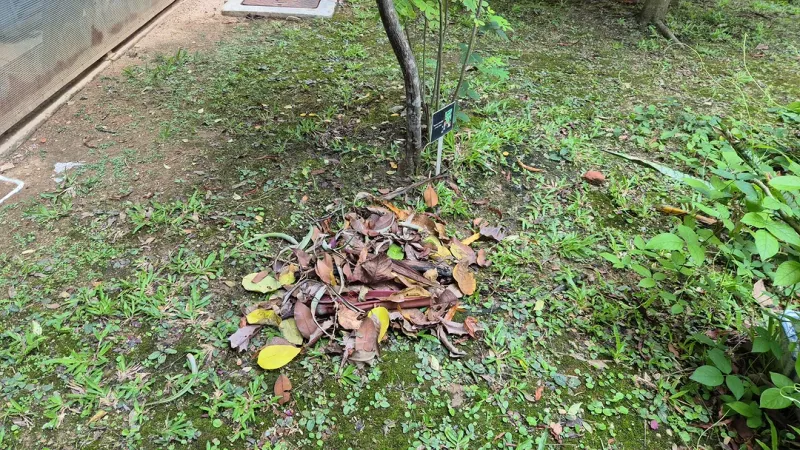
Leaf litter is not yard waste. For fireflies, it is critical habitat.
That layer of fallen leaves holds moisture, shelters larvae, and supports the small invertebrates fireflies eat.
Many homeowners rake and bag leaves as soon as they fall. That habit, while tidy, removes one of the most important overwintering spots firefly larvae use during cooler months.
Firefly larvae burrow into soft, moist soil and leaf debris to wait out winter. When that layer is stripped away, larvae are exposed to temperature swings and dry conditions that can seriously reduce their numbers.
Leaving leaves under trees and along garden borders is an easy change. You do not need to cover the entire yard.
Even a few protected patches can make a meaningful difference.
Shredding leaves with a mower before leaving them in place can help them break down faster. Shredded leaves also allow grass to breathe while still providing ground-level cover for insects.
Wooded areas of the Southeast naturally produce heavy leaf fall. Mimicking that environment in a small section of your yard gives firefly larvae familiar conditions to develop in.
Leaf litter also supports earthworms and other decomposers. A healthy soil food web benefits the whole garden, not just fireflies.
Resist the urge to clear everything in fall. A little mess now can bring a lot of light to your summer evenings later.
5. Plant More Native Grasses And Wildflowers
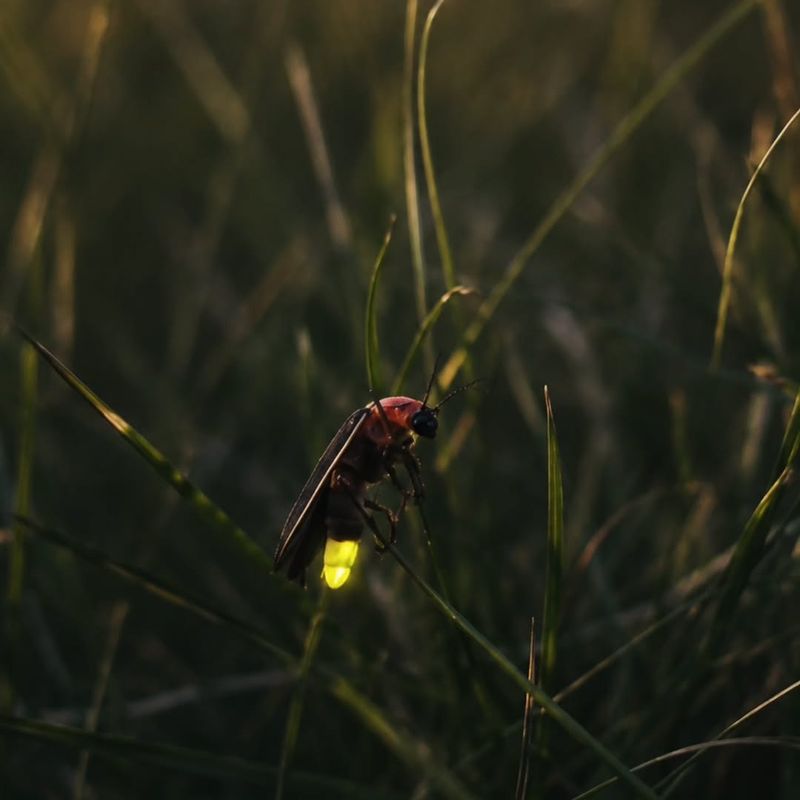
Turf grass alone does not give fireflies much to work with. Native plants change that equation significantly.
They provide structure, shade, and food sources that fireflies and their prey need.
Native bunch grasses like little bluestem or switchgrass create vertical cover at the ground level. Adult fireflies rest in that kind of vegetation during daylight hours before emerging at dusk.
Wildflowers attract pollinators and other small insects. More insects in your yard means more food available for firefly larvae hunting through the soil and leaf debris below.
Non-native ornamental plants often lack the ecological relationships that support local insect communities. Swapping even a few ornamentals for native species can shift the insect diversity in your yard noticeably.
Black-eyed Susans, coneflowers, and wild bergamot are relatively easy to establish and attract a broad range of beneficial insects. Many of these plants are drought-tolerant once rooted, which matters during hot summers.
Native plants also tend to require less fertilizer and maintenance than non-native alternatives. Fewer chemical inputs mean a healthier environment for ground-dwelling insects like firefly larvae.
Starting a small native plant bed along a fence or at the edge of your property is a manageable first step. Even a narrow strip of native plantings adds real ecological value.
Local garden centers and native plant nurseries in the region often carry species suited to the local climate and soil conditions.
6. Add A Small Water Source Nearby
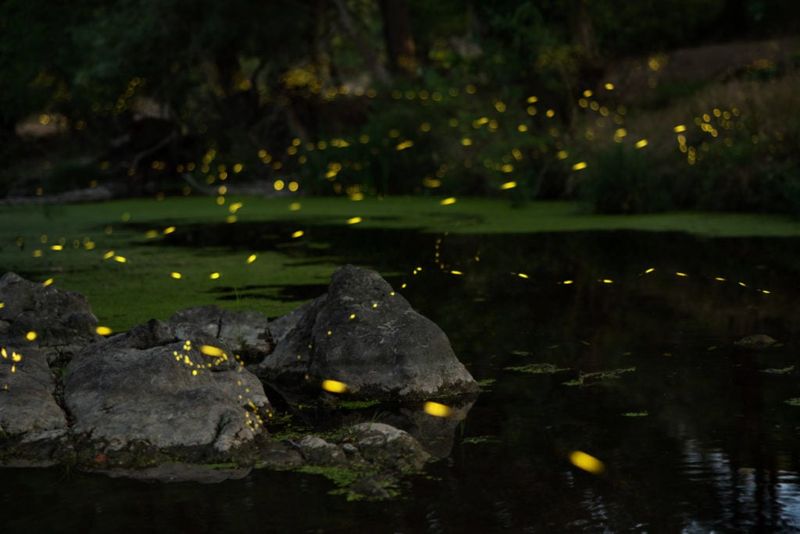
Moisture matters more than most people realize when it comes to firefly habitat. Fireflies are strongly associated with humid, damp environments.
Dry yards push them toward wetter areas nearby.
Firefly larvae need moist soil to move through and hunt in. Sandy, compacted, or drought-prone soil makes it harder for larvae to survive between rain events.
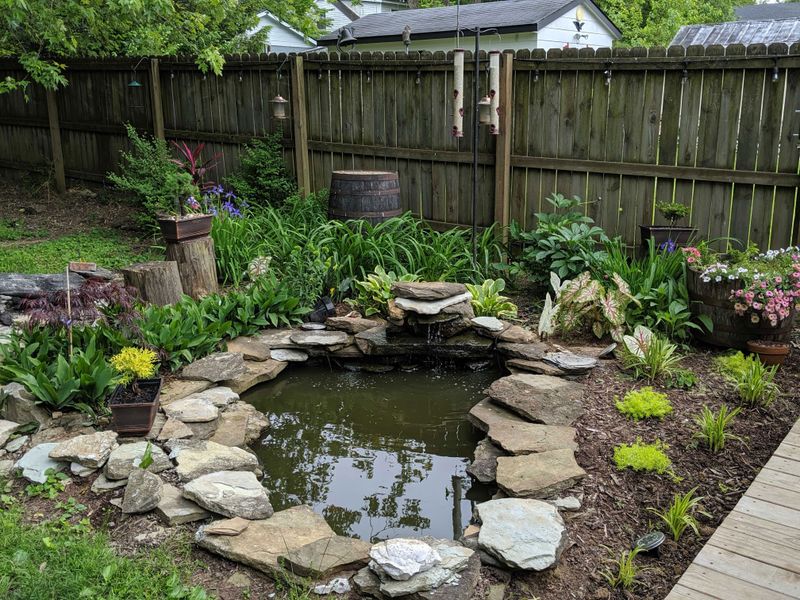
Adding a small water feature does not require a full pond installation. A shallow dish, a half-barrel water garden, or a simple birdbath placed near garden beds can raise local humidity and attract moisture-loving insects.
Standing water also draws in the slugs and snails that firefly larvae actively feed on. More prey in the area gives larvae a better chance of reaching adulthood.
Keep any water source clean and change it regularly to avoid becoming a mosquito breeding site. A small pump or drip feature keeps water moving and reduces stagnation.
Placing the water source near existing native plants or leaf litter creates a small microhabitat. Fireflies tend to cluster in spots where moisture, vegetation, and shelter overlap.
Natural low spots in your yard that collect rainwater after storms can also serve this purpose. Letting those areas stay slightly wet rather than improving drainage there may benefit firefly activity.
Even modest changes in yard moisture can shift conditions enough to make your space more hospitable for fireflies during the warm months.
7. Avoid Mowing Every Part Of The Yard
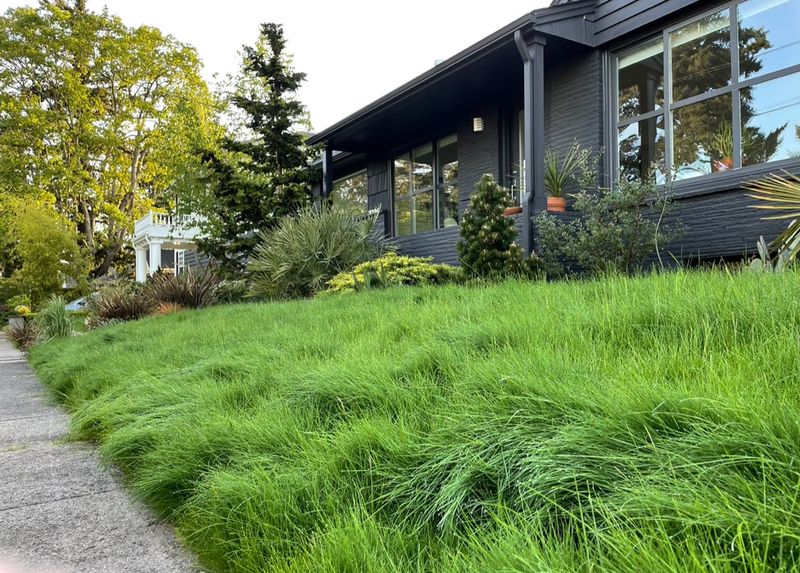
Mowing every square foot of your yard on a regular schedule leaves almost no room for fireflies to exist. Consistent, close-cropped grass offers nothing in the way of shelter or hunting ground.
Adult fireflies need tall vegetation to rest in, flash from, and find mates. Grass kept at two inches or less removes that vertical structure entirely.
Mowing frequently also disrupts the soil surface. Larvae near the top of the soil can be disturbed or exposed by repeated passes with heavy mowing equipment.
Designating a section of your yard as a low-mow or no-mow zone is a practical solution. It does not take much space.
A strip along a fence, a back corner, or the edge of a tree line can serve as a firefly refuge.
Raising your mowing height across the whole yard helps too. Cutting grass at four inches instead of two retains more moisture, supports more insects, and gives fireflies more structure to work with.
Mowing less frequently in summer, during peak firefly season, reduces disturbance during the weeks when adults are most active and larvae are developing underground.
Some yards in the Southeast benefit from a monthly mowing schedule during June and July rather than a weekly one.
Adjusting frequency based on growth rate rather than habit can support firefly activity without sacrificing the appearance of the yard significantly.
Small changes to mowing habits can have a noticeable effect over one to two seasons.