7 Plants Every Kentucky Homeowner Can Grow For A Backyard Tea Garden
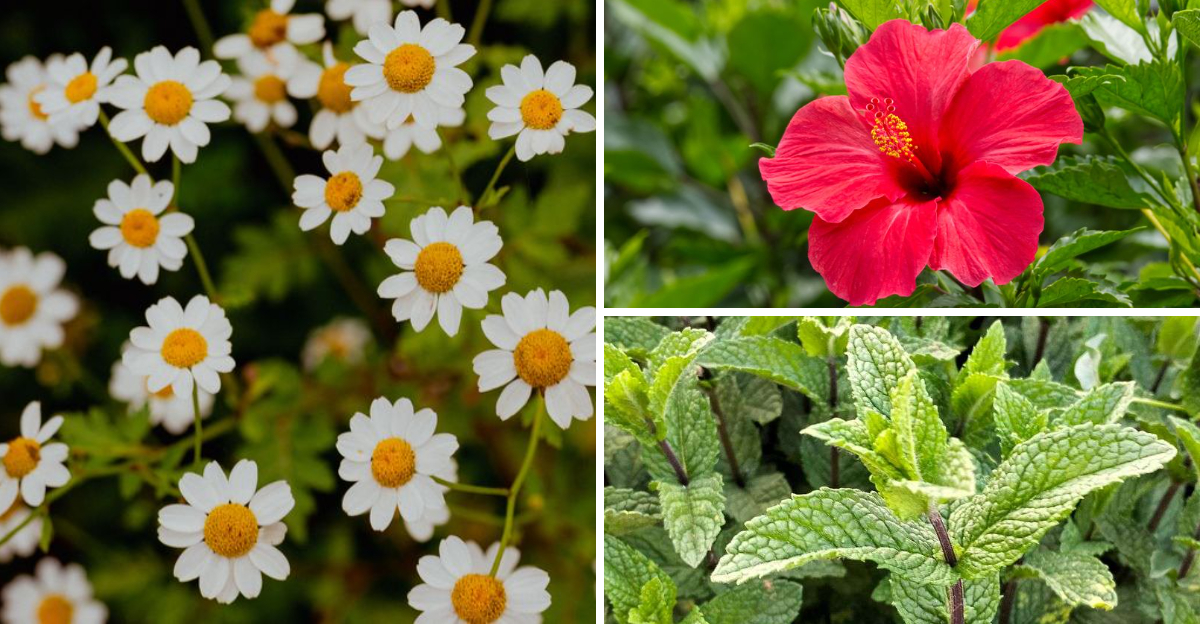
There’s a quiet kind of magic in walking into your own yard and coming back with the makings of a fresh pot of tea. No trip to the store.
No mystery ingredients. Just leaves you grew, picked, and steeped yourself. It sounds like a luxury reserved for warmer climates. But Kentucky gardeners have an advantage most people overlook.
The Bluegrass State’s mix of humid summers, gentle spring rains, and mineral-rich soil gives tea plants exactly what they need. They flourish here in ways that surprise even longtime growers.
You don’t need acres of land. You don’t need a green thumb passed down through generations.
A small patch near your porch or a few containers on a patio will do the trick. Kentucky’s growing conditions reward patience more than perfection.
That makes this hobby forgiving for beginners. Here are the plants that will turn your backyard into a personal tea shop, one cup at a time.
1. Lemon Balm
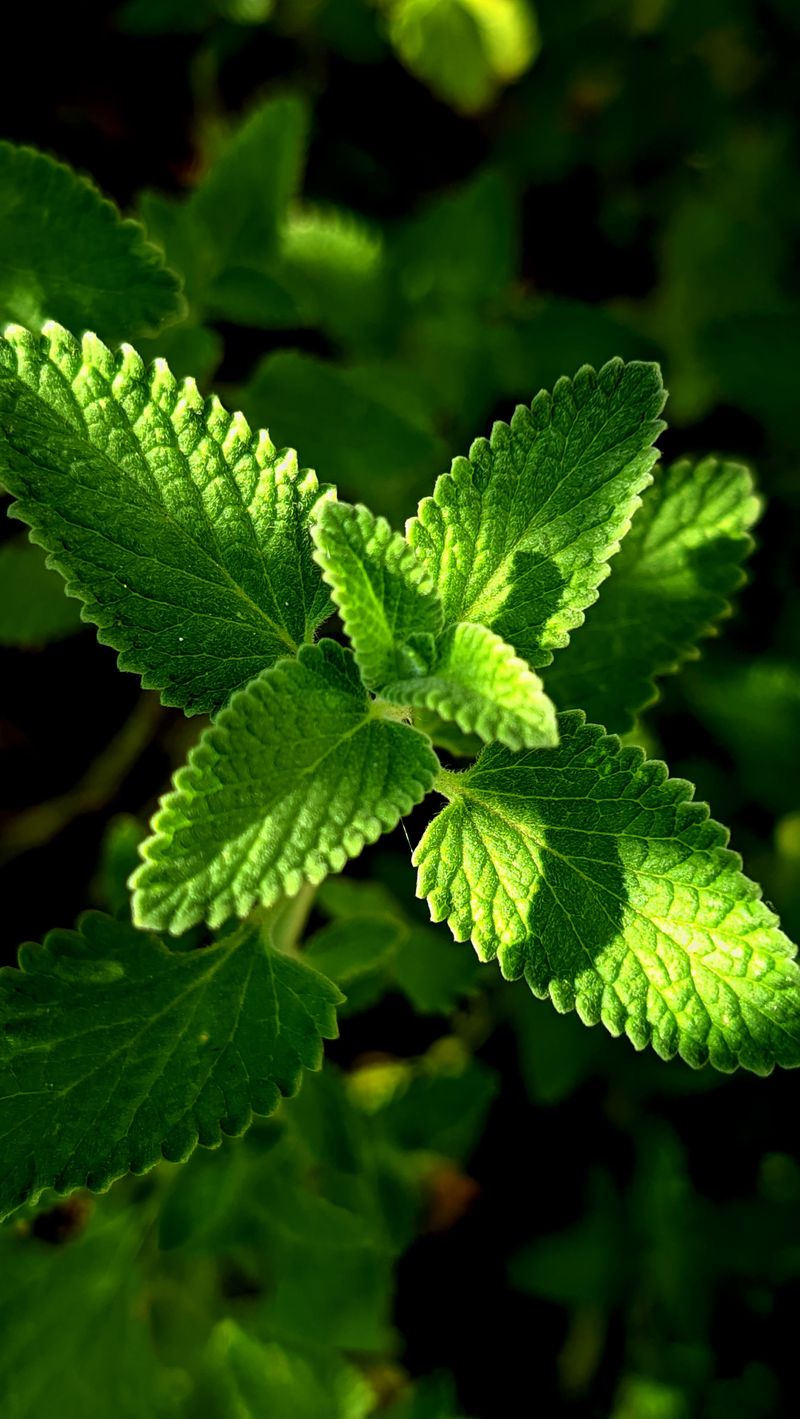
Lemon balm smells like sunshine in leaf form. Bright, citrusy, and instantly uplifting, it is the kind of plant that makes you smile just brushing past it.
If you have ever wanted a lemon-flavored tea without growing an actual lemon tree, this plant is your answer.
It belongs to the mint family. That means it grows with the same kind of enthusiastic energy.
Planting it in a container is a wise choice to keep it from spreading beyond its welcome, much like its minty cousins.
Lemon balm thrives in Kentucky’s warm growing season and tolerates both full sun and partial shade. It is one of the easiest herbs to grow.
That makes it perfect for beginners who are just starting their backyard tea garden and want a quick win.
The leaves are the star of the show here. Harvest them before the plant flowers for the strongest lemon scent and flavor in your tea. Once flowering begins, the leaves lose some of their punch.
Fresh lemon balm tea is made by steeping a small handful of leaves in hot water for about ten minutes. The result is a light, lemony brew that is naturally calming and great before bed.
Lemon balm has long been used as a natural calming remedy, and many people find it helpful for winding down before bed. Sipping a cup in the evening feels like a small act of self-care that actually works.
You can also blend lemon balm with chamomile for a dreamy herbal combination. Together, they create a mellow, floral tea that tastes like a warm hug in a mug, perfect for closing out a long day.
2. Peppermint
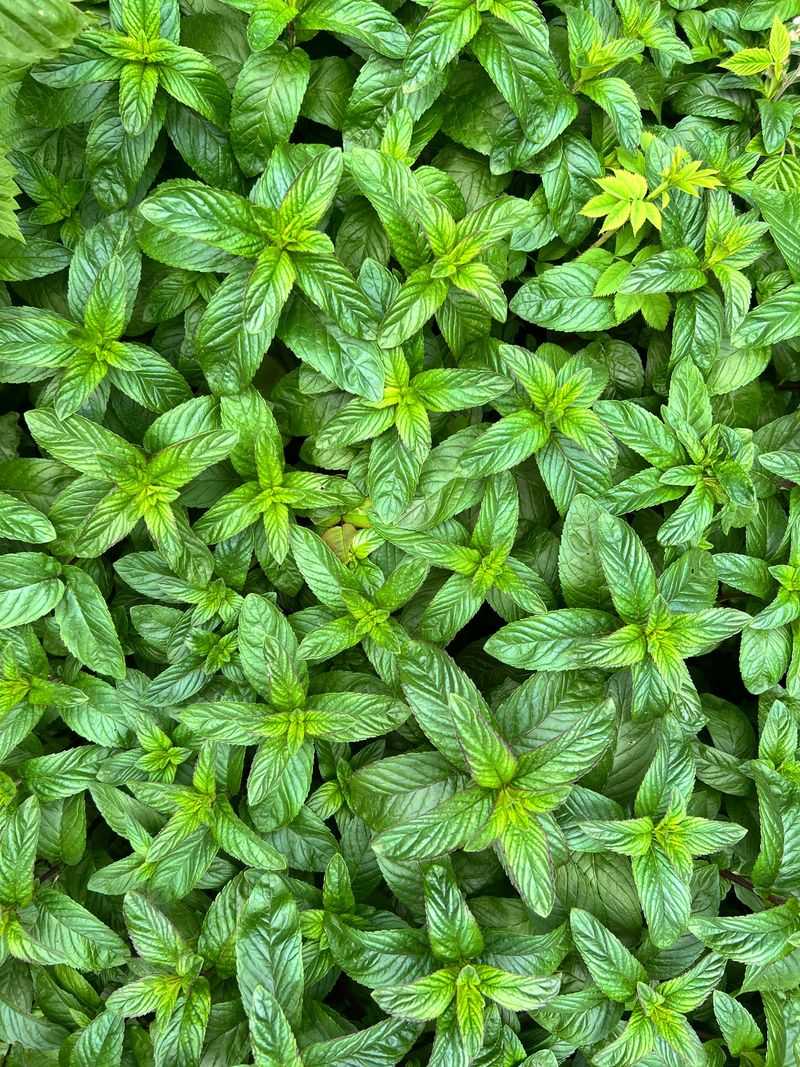
Peppermint is mint’s bold, no-nonsense cousin, and it means business. One sip of homegrown peppermint tea and you will understand why this herb has been a household staple for generations.
Unlike spearmint, peppermint contains a higher concentration of menthol. That is what gives it that signature cooling sensation.
It wakes up your taste buds and clears your sinuses in a single sip. Growing peppermint in your backyard tea garden is straightforward and rewarding. It prefers moist, rich soil.
Your Kentucky Garden Changes Every Week. Your Plan Should Too.
Gardening in Kentucky changes quickly throughout the season. Every Friday you’ll receive a simple weekly plan showing exactly what to plant, prune, fertilize, harvest, and protect so you never miss the right timing.
It does well in both full sun and light shade, giving you flexibility in where you plant it around the yard.
Peppermint spreads aggressively. A large container or a garden bed with a buried root barrier works best.
This simple step saves you from a full mint takeover later in the season, when things can get out of hand fast.
Harvest stems in the morning after the dew has dried for the best flavor and aroma. Cut stems just above a leaf node.
This encourages the plant to branch out and produce even more growth throughout the summer.
For a classic cup of peppermint tea, steep fresh or dried leaves in near-boiling water for about seven minutes. The longer you steep, the stronger the flavor becomes.
Adjust the time to match your personal taste. Peppermint tea is also known for soothing upset stomachs and easing tension headaches.
Having a patch growing just outside your back door means natural relief is always within arm’s reach, ready whenever you need it most.
3. Mint
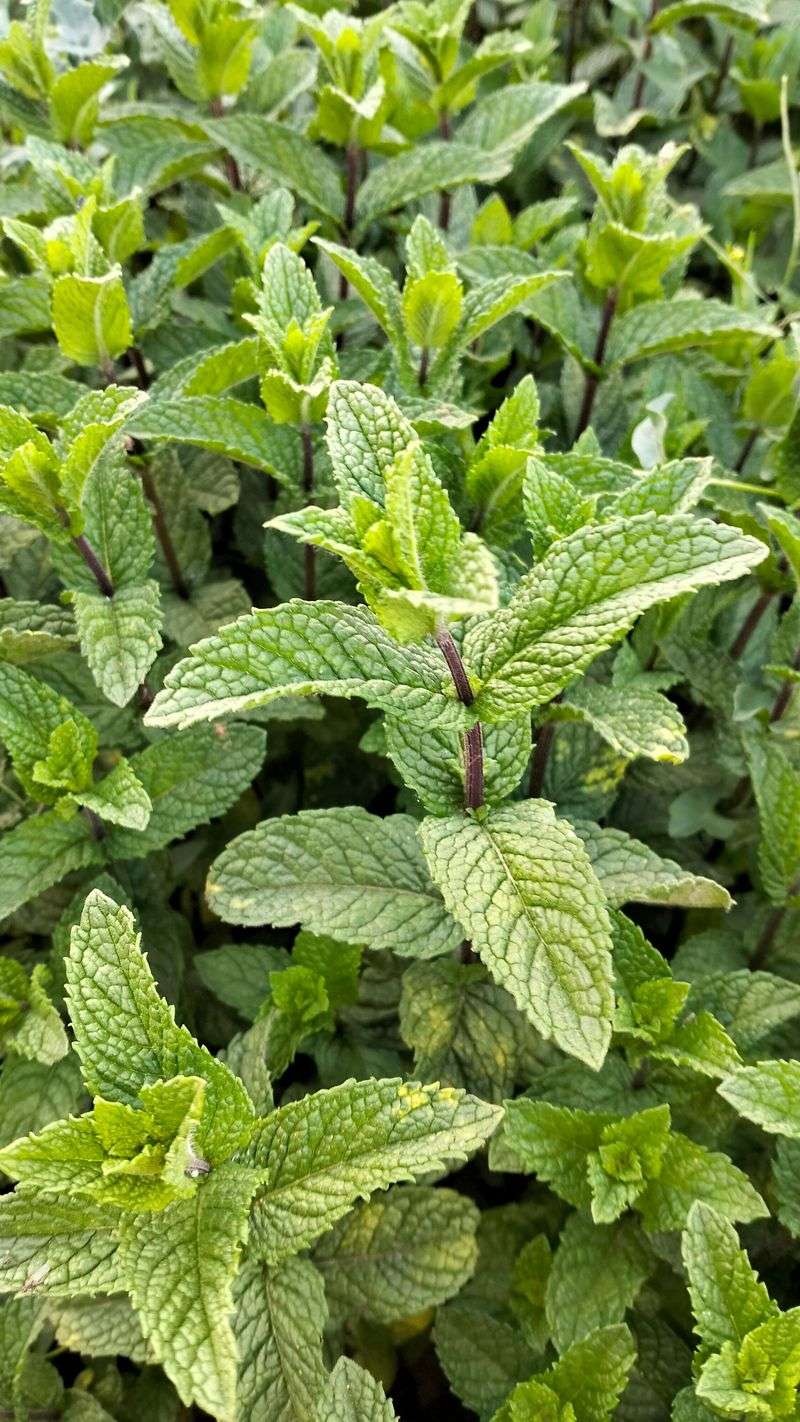
Mint is the plant that practically begs you to pick it. Its bold, refreshing scent hits you the moment you brush against it.
That alone makes it one of the most satisfying herbs to grow. Mint spreads fast. Planting it in a container is a smart move for any backyard tea garden.
A pot keeps the roots from taking over your whole garden bed, and your neighbors’ beds too, since mint has a reputation for wandering where it pleases.
For tea, simply snip a handful of fresh stems and steep them in hot water for five to seven minutes. The flavor is clean, bright, and naturally sweet without adding any sugar.
Some gardeners like to bruise the leaves slightly before steeping to release even more of that signature aroma.
Mint thrives in partial to full sun and loves consistent moisture. It grows back quickly after harvesting, so you will always have a fresh supply ready to go.
Even a light trim every week or two keeps the plant bushy instead of leggy. You can also dry mint leaves by hanging small bundles upside down in a warm, airy spot. Dried mint keeps its flavor for months.
It makes an excellent winter tea when fresh herbs are not available and the garden has gone quiet.
Spearmint and peppermint are the two most popular varieties for tea, and both perform well in Kentucky gardens. Spearmint has a milder taste.
Peppermint brings a stronger, more intense kick that pairs well with a splash of honey. Starting mint from a small nursery plant is easier than growing it from seed.
Within a few weeks, your plant will be full and ready for its first harvest, eager for round two shortly after.
4. Chamomile
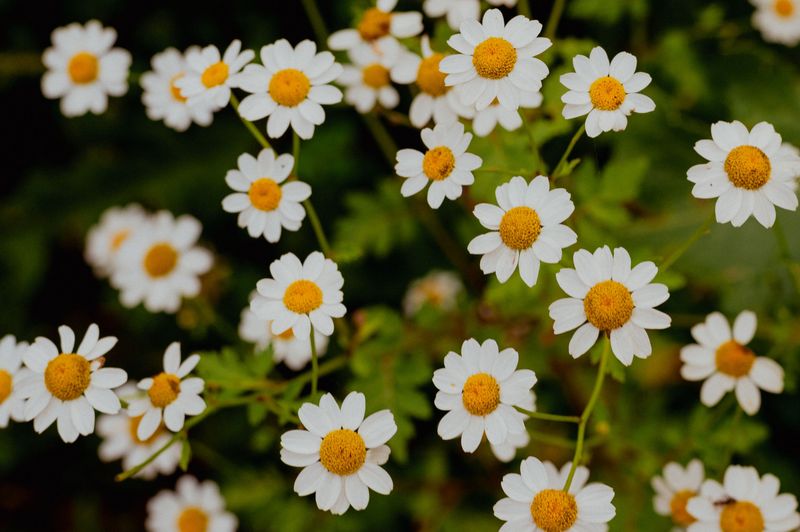
Chamomile looks like tiny daisies scattered across your garden. It is just as cheerful as it sounds.
This plant has been used for centuries as a calming bedtime tea. Growing your own makes the ritual feel even more special, almost like bottling a piece of the garden for later.
There are two main types: German chamomile and Roman chamomile. German chamomile grows taller and produces more flowers.
That makes it the better choice for tea production in a home garden, especially if you want a steady harvest all season.
Chamomile loves full sun and well-drained soil, both of which Kentucky summers provide in abundance. Once established, it is surprisingly drought-tolerant and low-maintenance.
It asks very little in return for the reward it offers. Harvest the flowers when they are fully open, just before the petals begin to curl back. That is when the flavor and aroma are at their peak.
Picking at this exact window gives you the most soothing cup possible, so check the blooms daily during peak season.
Dry the blooms on a clean screen or baking rack in a warm, shaded area. After about a week, the flowers will be crisp and ready to store in an airtight jar, safe from moisture and light.
To brew chamomile tea, use about one tablespoon of dried flowers per cup of hot water. Steep for five minutes, then strain. Add a drizzle of honey if you like a touch of sweetness.
Chamomile also self-seeds readily. Your plants will come back year after year with very little effort. Plant it once and enjoy it for seasons to come, no replanting required.
5. Hibiscus
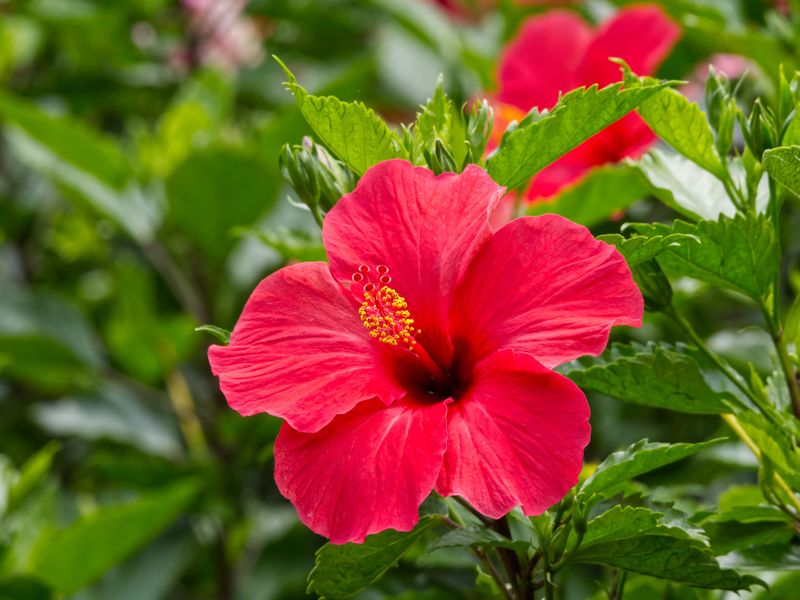
Hibiscus is the showoff of the tea garden, and honestly, it has earned the right to be. Those bold, crimson blooms are not just beautiful.
They brew into a tart, jewel-toned tea that tastes like summer in a cup. The variety used for tea is Hibiscus sabdariffa, also called roselle. It is different from the ornamental hibiscus you might already have growing in your yard.
Make sure you get the right one before you plant. Roselle thrives in Kentucky’s hot summers, though it needs a head start indoors to make the most of the state’s shorter frost-free season.
Full sun brings out its best blooms once it gets going. Start seeds indoors in early spring and transplant outside after the last frost has passed.
The part you harvest is not the flower petal itself but the fleshy calyx, the cup-shaped base that holds the flower. Once the petals fall, the calyx swells and turns deep red.
That color change is your signal to pick. Dry the calyces on a screen in a sunny, well-ventilated spot for several days. Once fully dried, store them in a sealed jar.
Use them throughout the year for tea, long after the growing season ends. Hibiscus tea is naturally high in vitamin C and antioxidants.
Brewing a cup is as simple as steeping a few dried calyces in hot water and adding a little honey or agave to soften the tartness.
The deep ruby color alone makes every cup feel like something special. Growing hibiscus turns your backyard into both a garden and a conversation starter, one that neighbors always ask about.
6. Purple Coneflower
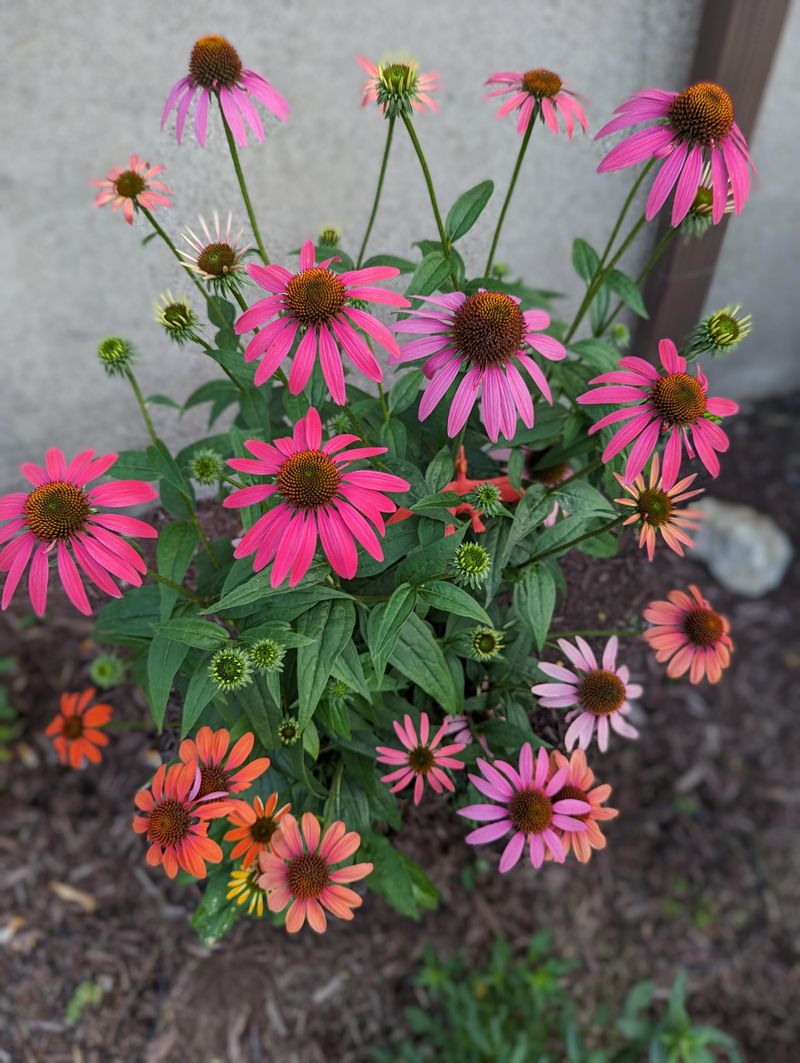
Echinacea, also known as purple coneflower, is the rugged, hardworking member of the tea garden crew. Native to North America, it has been used for centuries by indigenous communities as a natural wellness remedy.
The good news for local gardeners is that echinacea is perfectly at home in Kentucky’s climate. It is drought-tolerant, deer-resistant, and comes back year after year without much fuss.
That combination makes it one of the lowest-maintenance plants in the whole garden. Plant echinacea in full sun with well-drained soil. It will reward you with tall, striking blooms from midsummer through fall.
The purple petals and spiky orange centers also attract pollinators, making your garden more alive than ever, buzzing with bees and butterflies well into autumn.
For tea, you can use the roots, leaves, or flower petals, though roots are considered the most potent. Harvest roots in the fall from plants that are at least three years old for the best results.
Dry the roots thoroughly before using them, as moisture can lead to mold during storage. Slice them thin, spread them on a drying rack, and let them air-dry for one to two weeks before storing.
Echinacea tea has a slightly earthy, floral flavor with a subtle tingle on the tongue. Many people reach for it at the first sign of a cold or seasonal sniffles, treating it like a personal remedy stocked right outside the back door.
Adding a slice of fresh ginger or a spoonful of honey softens the earthy edge beautifully. Your backyard tea garden just became a natural go-to when cold season rolls around.
7. Lavender
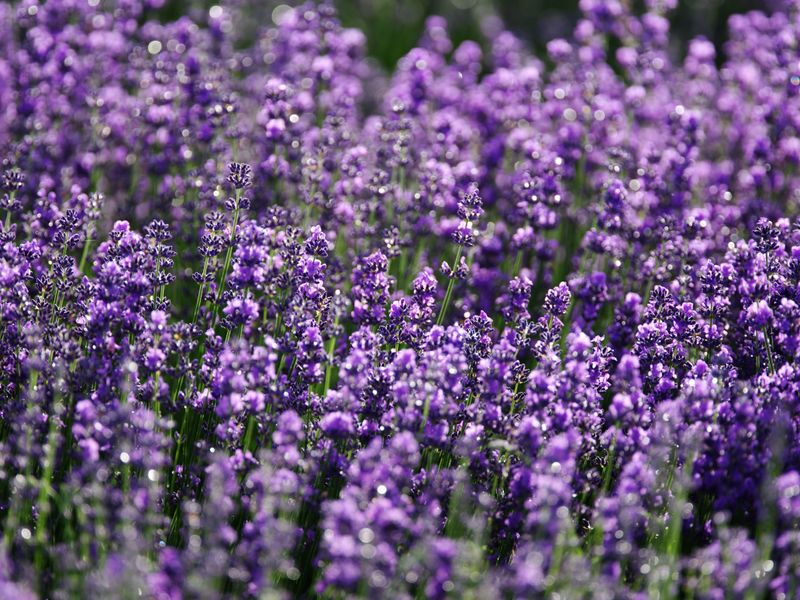
Lavender is the plant that makes your whole backyard smell like a French countryside dream. It is beautiful, fragrant, and brews into one of the most relaxing teas you will ever sip.
English lavender varieties like Hidcote and Munstead are the better bet for Kentucky gardens. They tolerate humidity better than other types, though drainage still makes or breaks the plant here.
Even so, they produce an abundance of fragrant flower spikes each season, even when the summer air gets thick.
Plant lavender in a spot with full sun and excellent drainage, as it absolutely cannot tolerate soggy roots. Raised beds or sandy, amended soil gives it the fast-draining conditions it needs to thrive year after year.
Harvest lavender spikes just as the buds begin to open, before the flowers are fully bloomed. That is when the essential oils are most concentrated.
This timing gives your tea the strongest, most aromatic flavor possible. Dry the harvested stems by bundling them with a rubber band and hanging them upside down in a warm, airy room.
After two weeks, the buds will crumble easily and are ready for use. To brew lavender tea, use about one teaspoon of dried buds per cup of hot water and steep for five minutes. Too many buds can make the tea taste soapy.
Start small and adjust from there. Lavender pairs beautifully with honey or a splash of lemon for a more complex flavor.
Growing this plant in your backyard tea garden pays off with every whiff, as long as the drainage is right.