What Brown Edges On North Carolina Hydrangea Leaves Are Telling You In July Heat
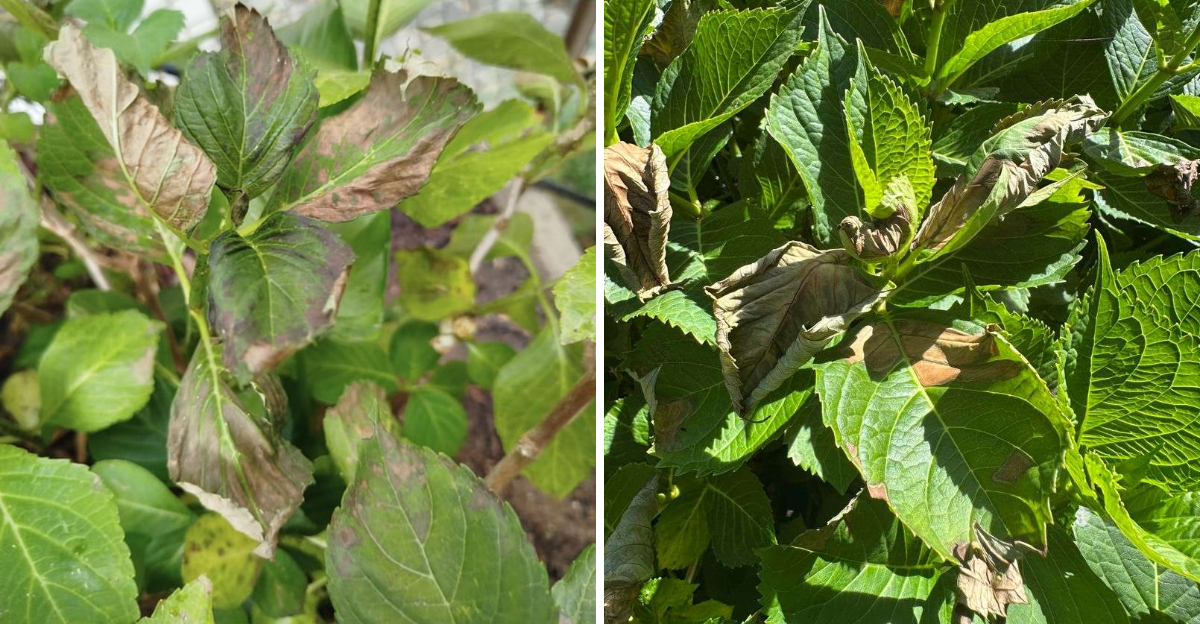
Brown leaf edges on hydrangeas in July get blamed on underwatering so automatically that most North Carolina gardeners reach for the hose before considering whether moisture is actually the problem. Sometimes it is.
Frequently it is not, and adding more water to a plant already dealing with root stress, salt buildup, or reflected heat from nearby hardscaping makes the situation measurably worse.
The pattern of browning, where on the leaf it starts, how quickly it spreads, and what the soil moisture level actually is at root depth all tell a more specific story than the symptom alone suggests.
Reading that story correctly leads to a fix that works rather than a watering schedule that addresses the wrong problem entirely.
1. Brown Edges Usually Mean Leaf Scorch
Leaf scorch is one of the most common summer complaints among hydrangea growers in North Carolina, and the timing in July is no coincidence.
When temperatures climb and the sun beats down hard, the leaves of a hydrangea lose moisture through tiny pores on their surface.
The roots simply cannot pull water up fast enough to keep pace, and the leaf edges are the first to suffer.
Picture it like a water supply chain running behind schedule. The leaves need moisture constantly, but a hot afternoon can push that demand way beyond what the roots deliver.
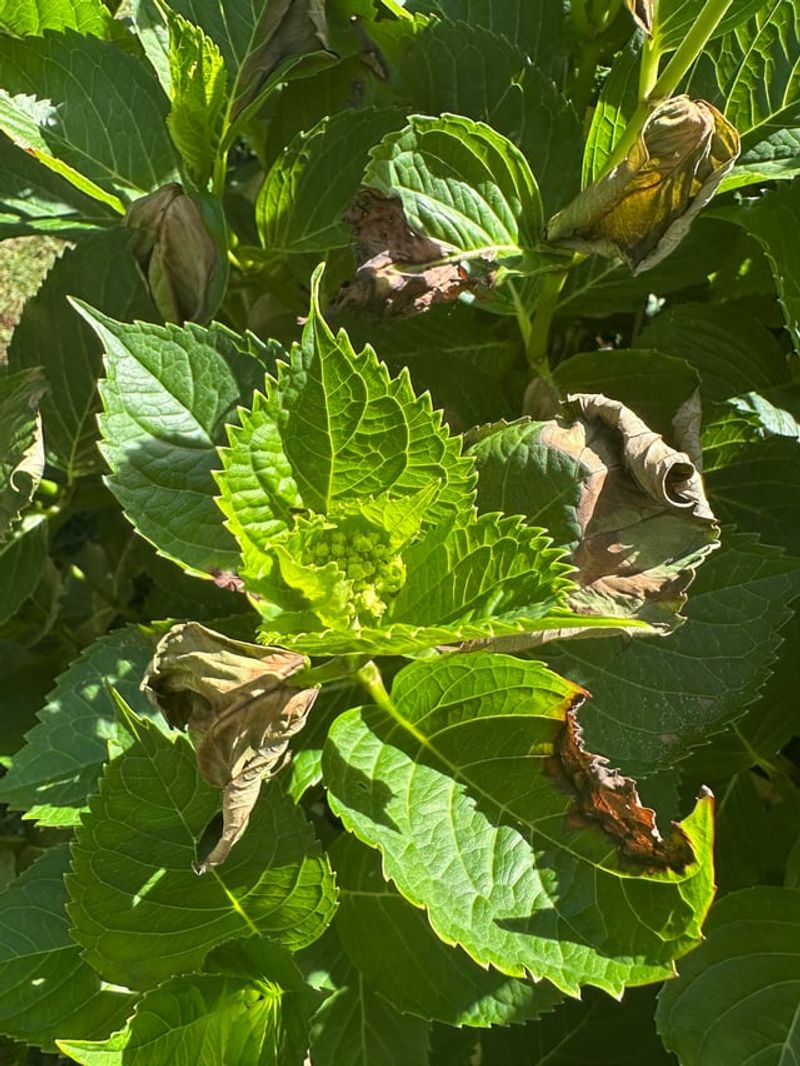
The result is those telltale brown, papery edges that spread inward from the tips and margins of the leaf.
Bigleaf hydrangeas, which are the most popular type planted in North Carolina yards and gardens, are especially prone to this problem. Their large, broad leaves have a lot of surface area, which means more moisture escapes on hot days.
Smooth hydrangeas and panicle types tend to handle heat a bit better, but none are completely immune during a North Carolina July.
Recognizing leaf scorch early gives you a real advantage. Once you know what you are looking at, you can adjust watering habits, add mulch, and reposition pots before the problem spreads further through the plant.
2. Afternoon Sun May Be Too Strong
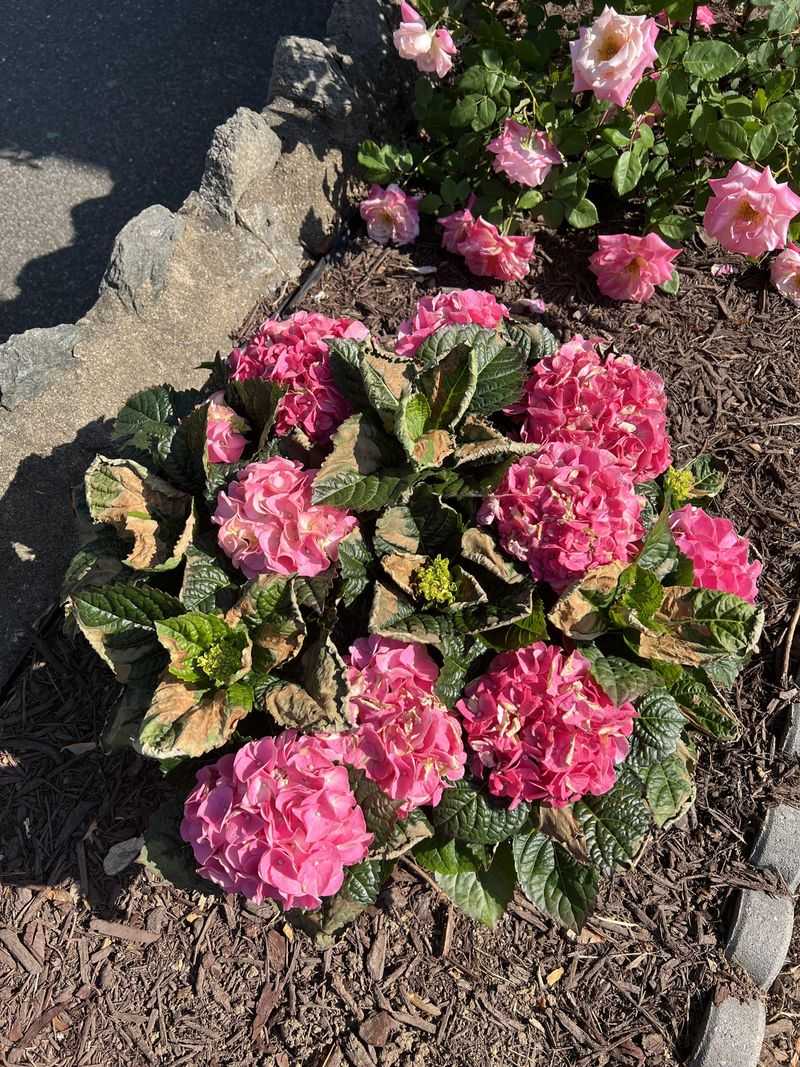
Hydrangeas and harsh afternoon sun are not a great match, especially in the Carolina heat of July. Many gardeners plant hydrangeas in spots that look perfectly fine in spring, only to watch the leaves scorch once summer really gets going.
The sun angle shifts, temperatures spike, and suddenly that sunny border becomes a stress zone for moisture-sensitive shrubs.
Bigleaf hydrangeas, in particular, perform best when they get morning sun and afternoon shade. Morning light is gentler and gives the plant energy without punishing it with intense midday heat.
Afternoon sun in July can push leaf temperatures high enough to accelerate moisture loss faster than the roots can respond.
If your hydrangea sits in a spot that gets baked from noon onward, moving it in early fall to a better location is worth considering. In the meantime, a shade cloth stretched over the plant during the hottest hours can make a noticeable difference.
Even a nearby taller shrub or a fence that blocks western sun can act as a natural buffer.
Your North Carolina Garden Changes Every Week. Your Plan Should Too.
Gardening in North Carolina changes quickly throughout the season. Every Friday you’ll receive a simple weekly plan showing exactly what to plant, prune, fertilize, harvest, and protect so you never miss the right timing.
Dappled light under a tall tree canopy is often the sweet spot for hydrangeas in warmer climates. That kind of filtered, shifting light keeps the leaves comfortable without leaving the plant in full shade.
A little repositioning goes a long way toward keeping leaf edges green and healthy all summer long.
3. Shallow Watering Can Leave Roots Struggling
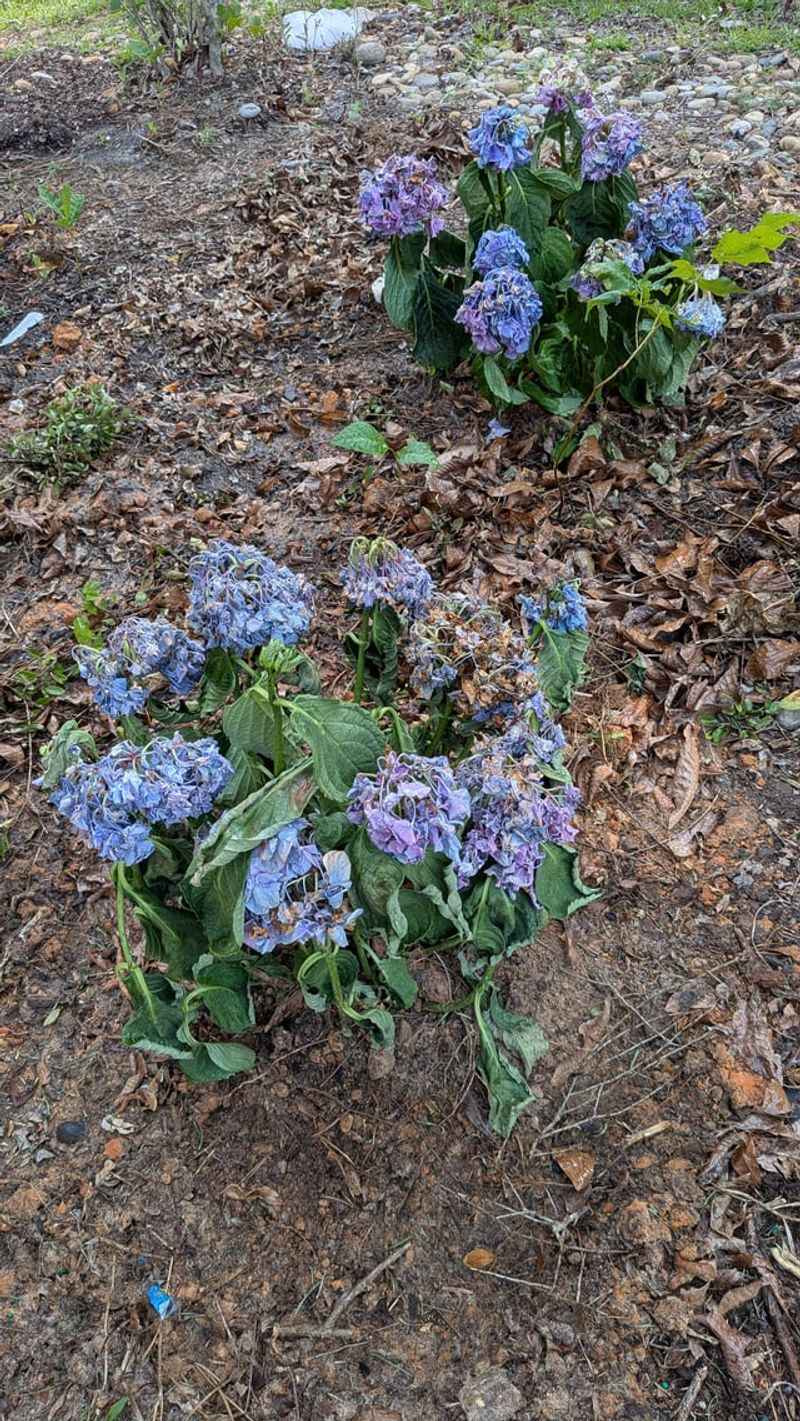
A quick sprinkle over the top of the soil might feel like watering, but for hydrangeas, it barely counts. Surface moisture evaporates fast in July heat, often before it reaches the root zone at all.
Meanwhile, the plant keeps losing moisture through its leaves and the roots find nothing waiting for them deeper in the soil.
Hydrangeas need slow, deep watering that soaks down several inches into the ground. A garden hose held at soil level for a few minutes, a soaker hose looped around the base, or a drip irrigation setup are all much more effective than overhead sprinklers.
The goal is to encourage roots to grow downward toward consistent moisture, not to stay shallow where the soil dries out quickly.
Morning is the best time to water. The plant gets moisture right as temperatures start to rise, and the leaves have time to dry off before evening, which reduces the chance of fungal issues.
Watering in the late afternoon or evening can leave the foliage damp overnight, which creates a different set of problems.
A simple finger test works well for checking soil moisture. Push your finger two inches into the soil near the base of the plant.
If it feels dry at that depth, the hydrangea needs water. Consistent deep watering, rather than frequent shallow splashes, is one of the most powerful changes you can make for a struggling shrub.
4. Dry Mulch Or Bare Soil Makes Heat Stress Worse
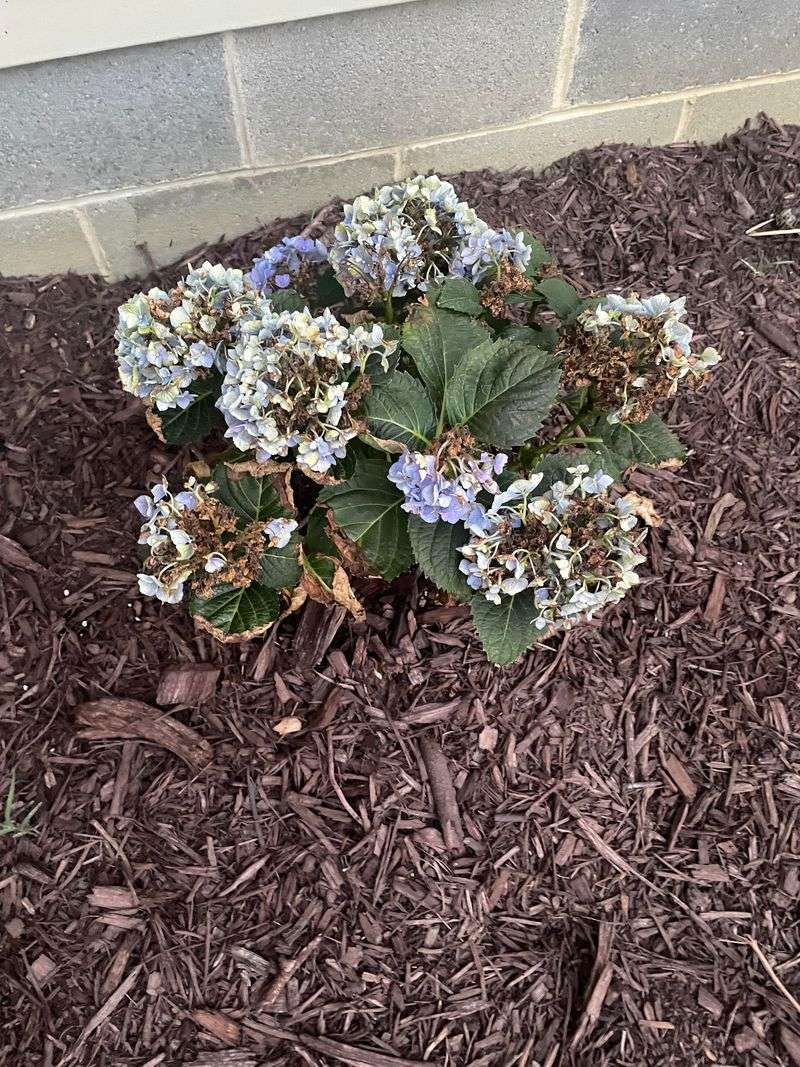
Bare soil around a hydrangea in July is like leaving a pot of water on a hot stove with no lid. Moisture escapes quickly, the surface heats up, and the roots below feel the consequences fast.
A layer of mulch acts as a protective cover that keeps soil temperatures cooler and slows down evaporation significantly.
Pine straw is a popular and practical choice in North Carolina because it is widely available, breaks down slowly, and allows water to pass through easily.
Shredded bark, composted leaves, and leaf mulch also work well and add organic matter to the soil as they break down over time. Aim for a layer about two to three inches deep around the base of the plant.
One important detail that catches some gardeners off guard is mulch placement. Piling mulch directly against the stems of the hydrangea can trap moisture around the base and encourage rot.
Keep the mulch pulled back about two to three inches from the main stems to let air circulate properly.
Refreshing your mulch layer in early summer before the worst heat hits is a smart habit. If the mulch from last year has broken down to a thin, compacted mat, it is not doing much insulating work anymore.
Adding a fresh top layer in late spring or early June gives your hydrangeas the best possible buffer heading into the hottest weeks of the year.
5. Compacted Soil Can Limit Moisture Uptake
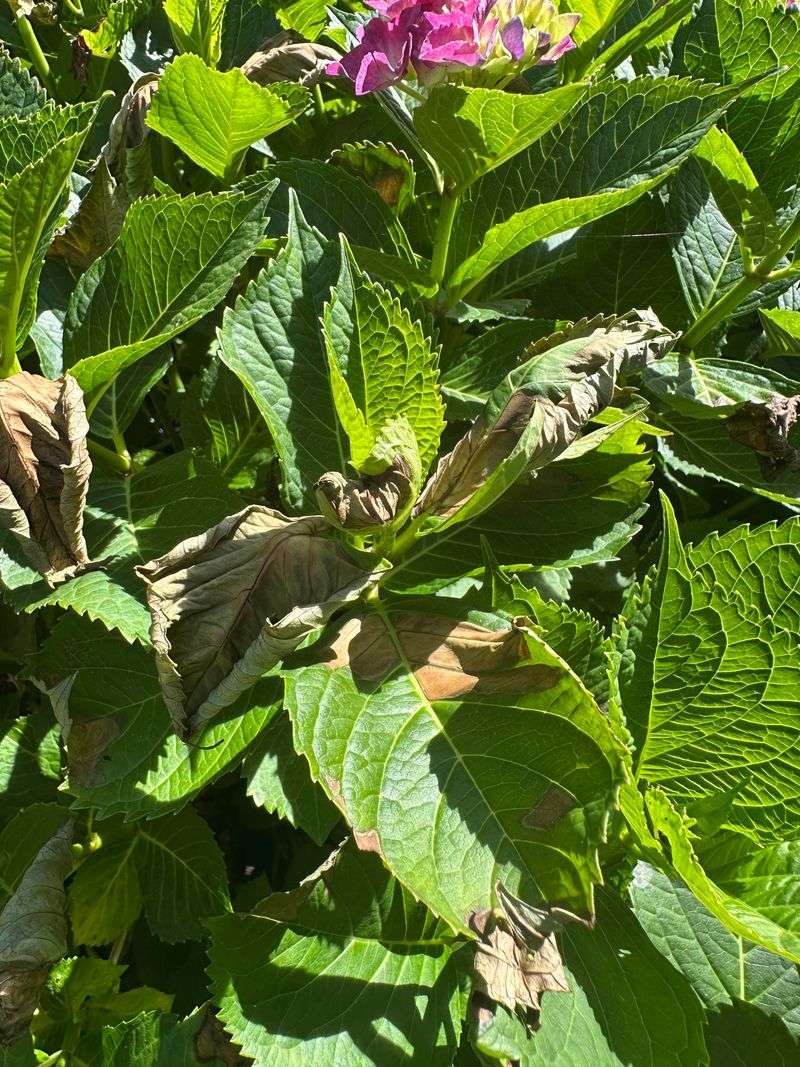
Here is something that surprises a lot of gardeners: you can water your hydrangea faithfully every single day and still end up with brown leaf edges. The problem is not always the amount of water you add.
Sometimes it is about whether the roots can actually reach and use that water once it enters the soil.
Compacted soil and heavy clay, which are both common in many North Carolina yards, create a real barrier for roots. Water either sits on the surface and runs off, or it pools in pockets without moving through the soil properly.
Either way, the roots stay stressed and the leaves show it along the edges.
Digging deeply around established hydrangeas is risky because their roots are often shallow and spread wide. A gentler approach works better.
Spreading a two-inch layer of finished compost over the soil surface around the drip line of the plant improves soil structure gradually without disturbing roots.
Adding mulch on top of that compost layer locks in the benefit and keeps the surface from crusting over.
Over one or two growing seasons, consistent surface composting and mulching can noticeably improve how well your soil holds and delivers moisture. Worms and soil microbes do the mixing work for you.
It is a slow fix, but it builds the kind of healthy, open soil structure that helps hydrangea roots thrive even during the hottest stretches of a North Carolina summer.
6. Containers Can Heat Up Fast
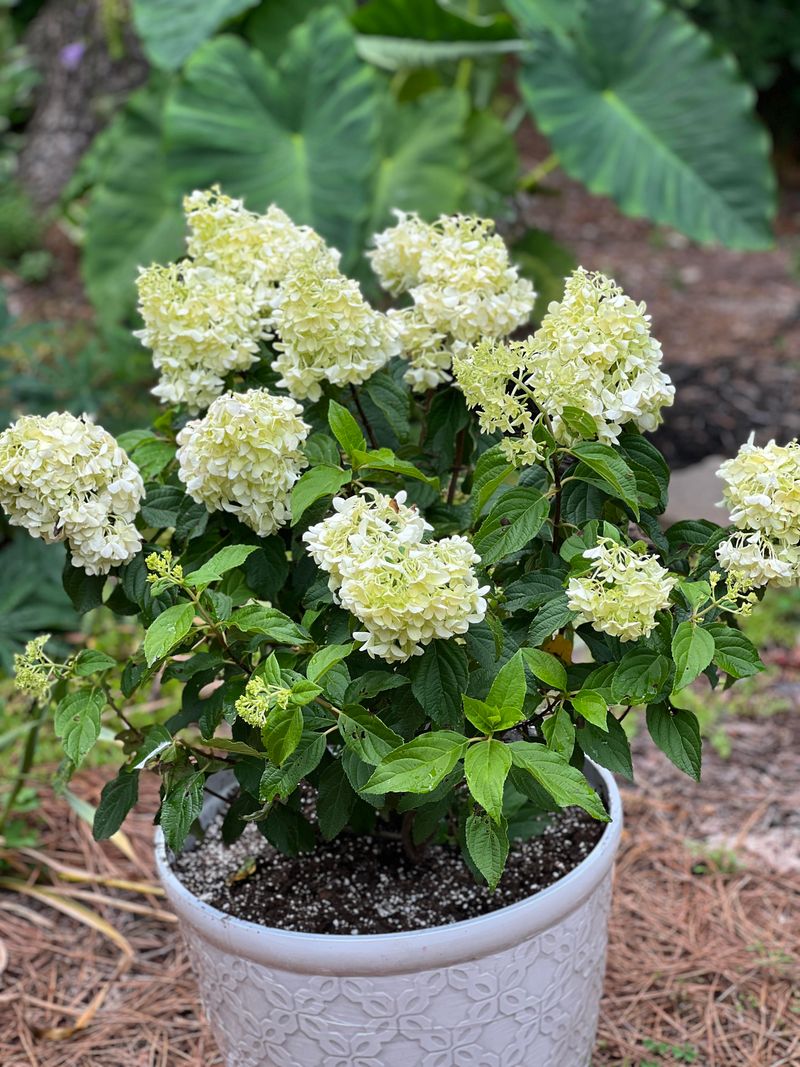
Growing a hydrangea in a container comes with some real advantages, but July in North Carolina has a way of exposing the biggest weakness: pots heat up fast.
A dark-colored plastic pot sitting on a concrete patio in full sun can reach temperatures that would surprise most gardeners.
The potting mix inside heats up right along with the container, and roots sitting in hot, dry soil cannot function the way they should.
Container hydrangeas dry out much faster than shrubs planted in the ground. On a hot July afternoon, a pot in full sun might need water twice a day to stay adequately moist.
Checking the soil moisture every morning is a smart habit, and lifting the pot slightly can give you a quick sense of how heavy or light it feels from the water content inside.
Moving pots away from harsh afternoon sun is one of the easiest adjustments you can make. A shaded porch, the north side of the house, or a spot under a pergola with filtered light can dramatically reduce stress on a container hydrangea.
Light-colored pots also reflect heat better than dark ones, which helps keep root temperatures more stable.
Grouping container plants together is another useful trick. Pots clustered in a group create a slightly more humid microclimate around themselves, which slows moisture loss from both the soil and the leaves.
Small changes in placement and pot color can make a surprisingly big difference for a container hydrangea fighting through July heat.
7. Root Competition May Be Stealing Moisture
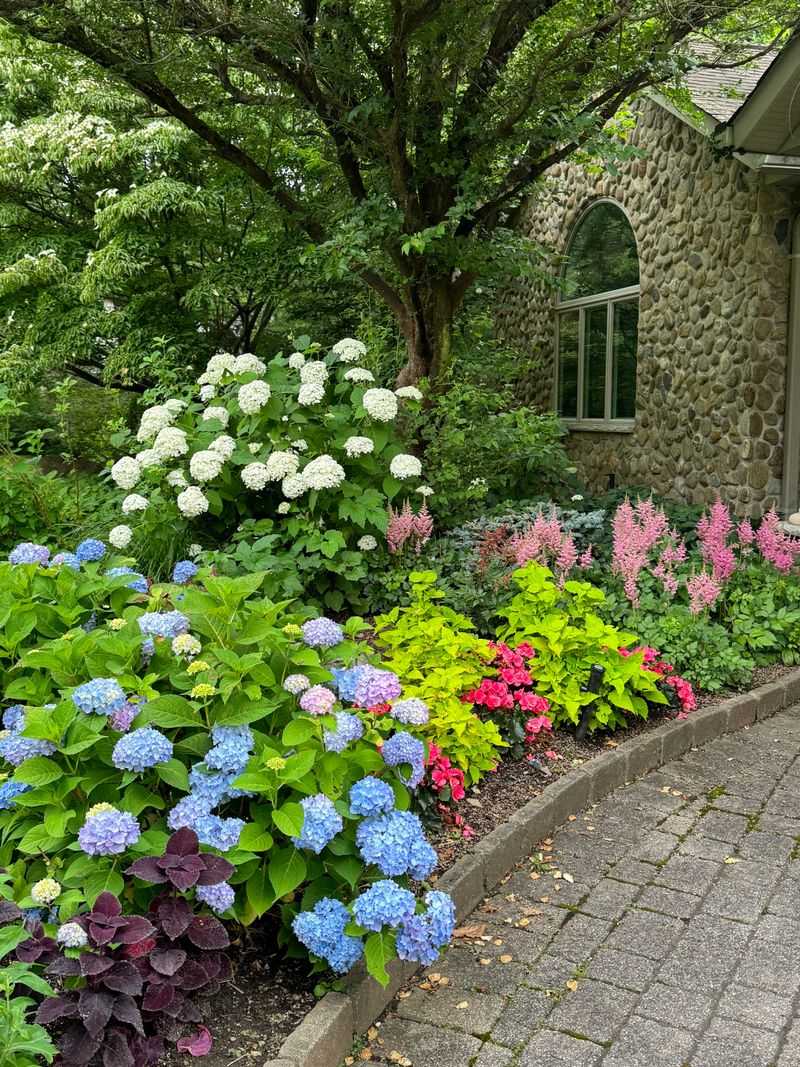
Planting a hydrangea near a mature oak, a thirsty maple, or a dense row of established shrubs might seem like a shady and sheltered spot, but there is a hidden cost.
Large root systems from nearby plants spread wide and far underground, and they are very good at pulling available moisture out of the soil before your hydrangea ever gets a chance to use it.
During a dry July, that competition becomes intense. The hydrangea roots are smaller and less established, which puts them at a disadvantage when competing with aggressive tree roots for the same water supply.
The plant responds to moisture stress the same way it does to heat stress: brown edges creep in from the leaf margins and tips.
Watering deeply and directly at the base of the hydrangea helps ensure that moisture reaches its root zone rather than being intercepted by neighboring roots. Slow, sustained watering at soil level is more effective than a quick overhead rinse.
Running a soaker hose for thirty to forty-five minutes around the hydrangea base gives the roots a real chance to absorb water before it spreads out to the competition.
Mulching the area around the hydrangea also helps by slowing evaporation from the soil surface.
If root competition stays severe year after year, relocating the hydrangea to a spot with less underground competition during cooler fall weather is a practical long-term solution that pays off quickly in the following growing season.
8. Brown Edges Are Different From Leaf Spots
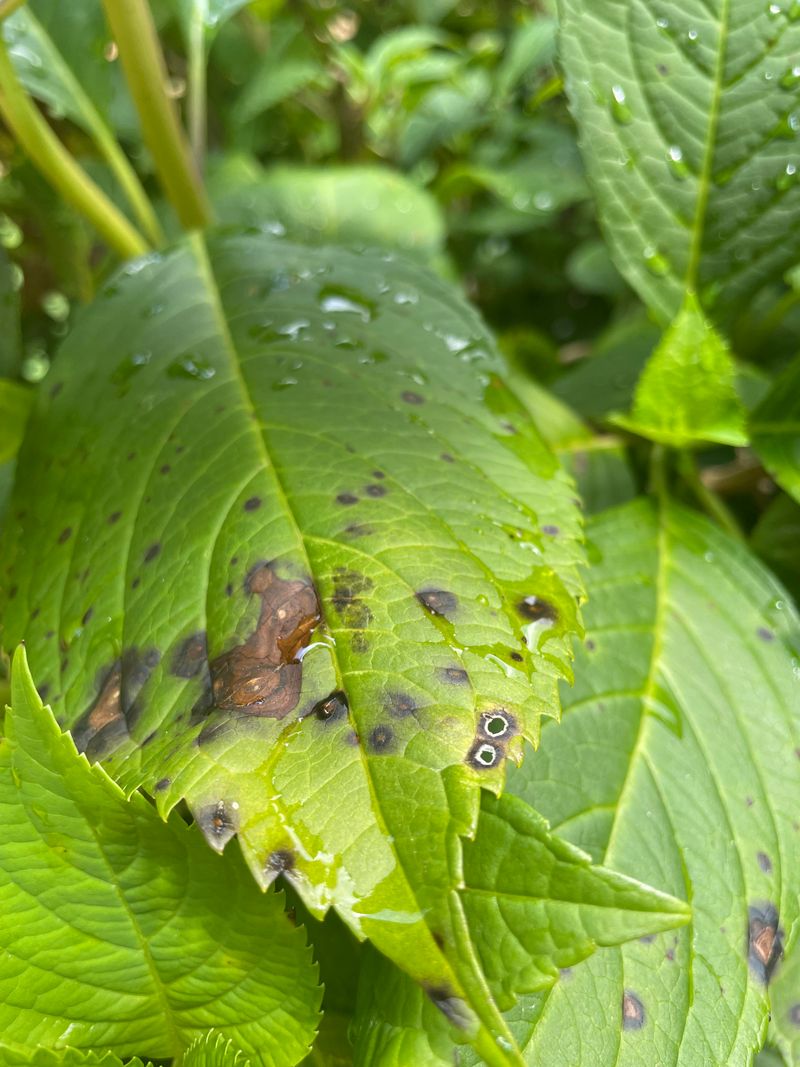
Not every brown mark on a hydrangea leaf tells the same story. Before you reach for a treatment or change your watering schedule, it helps to take a closer look at the actual pattern on the leaf.
Leaf scorch and fungal leaf spot are two completely different problems, and mixing them up leads to solutions that do not actually help.
Scorch from heat and moisture stress shows up along the outer edges and tips of the leaf. The browning follows the leaf margin in a fairly uniform way, sometimes with a yellowish zone between the brown edge and the healthy green center.
The damage looks dry and papery, and it tends to affect leaves on the outer, more exposed parts of the plant first.
Fungal leaf spot looks quite different. Instead of following the leaf edge, it shows up as separate, distinct spots or blotches scattered across the leaf surface.
These spots often have defined borders and may look water-soaked, tan, or dark in color. Some fungal issues also cause yellowing around the spots rather than along the margins.
Matching the pattern to the cause before doing anything is the most practical first step. Scorch responds to watering, mulching, and shade adjustments.
Fungal issues may need improved air circulation or, in some cases, a targeted fungicide. Getting the diagnosis right saves you time, money, and the frustration of treating the wrong problem with the wrong approach.
9. Too Much Fertilizer Can Add Stress
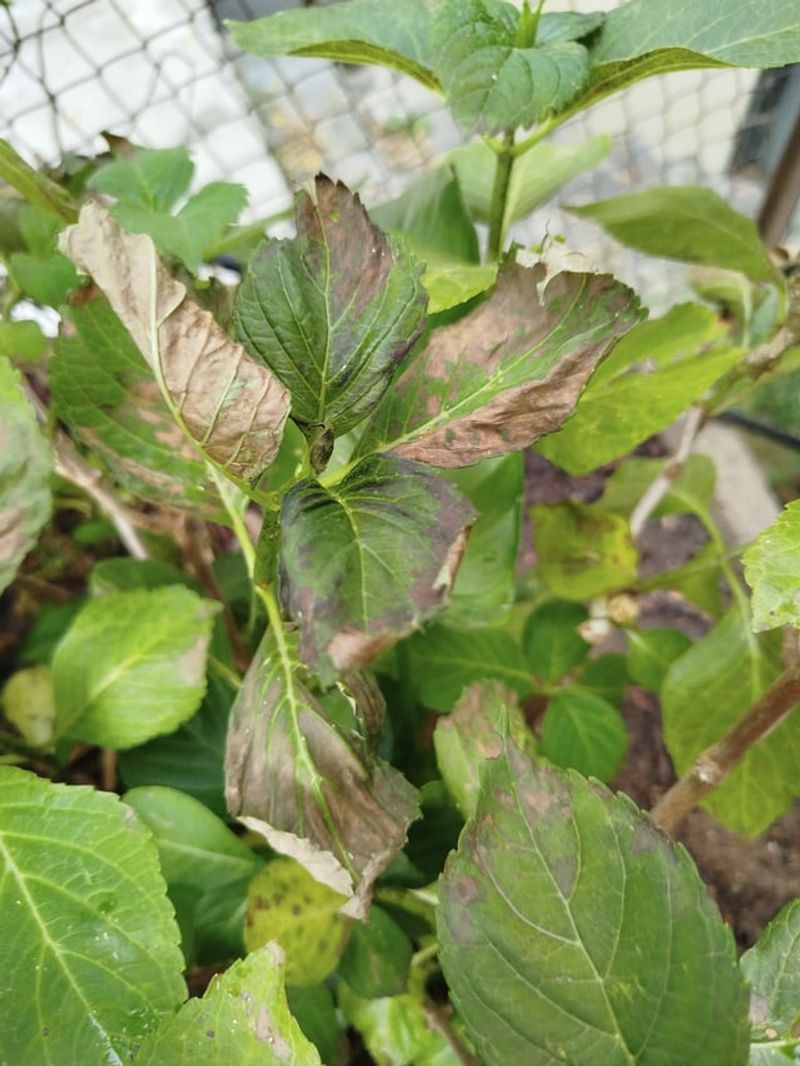
When a hydrangea starts showing brown edges in July, the temptation to fertilize can feel strong. It seems logical: if the plant looks stressed, maybe it needs a boost.
But adding a heavy dose of fertilizer to a heat-stressed hydrangea is a bit like asking someone who is already exhausted to run a race. It pushes the plant in a direction it is not ready to go.
Fertilizer, especially nitrogen-heavy formulas, encourages new leafy growth. That new growth needs water to develop and sustain itself.
When the plant is already struggling to maintain moisture balance during a hot July, pushing out new leaves only increases the demand on a root system that is already working overtime. The result is often more stress, not less.
Excess fertilizer salts in the soil can also draw moisture away from roots through a process called osmotic stress. This is particularly risky in dry or compacted soil where salts have nowhere to flush.
The root tips become damaged, which reduces the plant’s ability to absorb water just when it needs it most.
A better approach in July is to hold off on fertilizing altogether and focus on moisture management instead. Deep watering, a fresh layer of mulch, and some afternoon shade protection will do far more good than a fertilizer push.
Wait until late summer or early fall, when temperatures ease and the plant is less stressed, before considering any feeding routine.
10. The Fix Is Shade, Moisture, And Patience
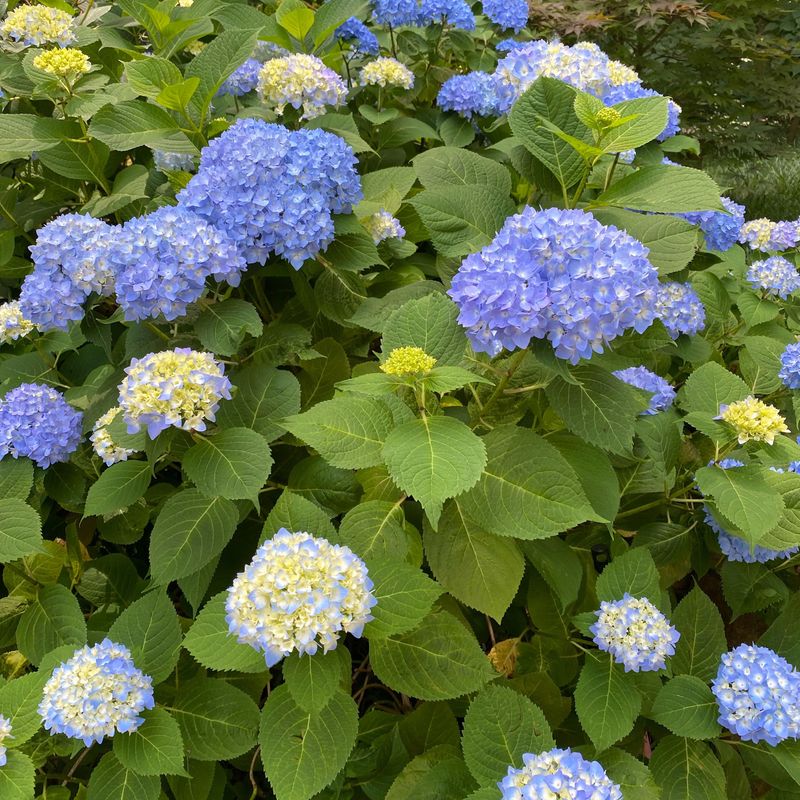
Good news: brown edges from summer heat stress do not mean your hydrangea is beyond help.
Most shrubs bounce back well once conditions improve, and there are several practical things you can do right now to give yours the best chance of stabilizing through the rest of July and into August.
Start with deep morning watering at soil level. Get the moisture down into the root zone where it counts, and do it early enough that the day’s heat has not yet peaked.
Adding a fresh two-to-three-inch layer of mulch right after watering locks that moisture in and keeps the root zone noticeably cooler throughout the day. Pine straw, shredded bark, or composted leaves all work well for this purpose.
Protecting the plant from harsh afternoon sun is the next priority. A shade cloth, a strategically placed garden umbrella, or even a row of taller container plants can block the worst of the western sun.
For potted hydrangeas, moving the container to a shadier spot is the simplest fix of all.
Avoid heavy pruning during this period. Removing a lot of foliage when the plant is already stressed takes away the leaves it needs to recover and photosynthesize.
Patience matters here more than action. Watch for new growth emerging from the center of the plant, because fresh green leaves are a strong signal that the shrub is stabilizing and working its way back to full health.
Give it time, and it will reward you.