These Fast-Growing Native Trees Actually Belong Along North Carolina Fence Lines
Fast-growing trees get a bad reputation in landscaping conversations, and often for good reason.
Many of the species that establish quickly also come with brittle wood, invasive roots, or spreading habits that create serious problems for fences, foundations, and neighboring properties within just a few years of planting.
Native North Carolina trees rewrite that story in an important way.
Several of them grow with genuine speed while maintaining the root behavior, canopy structure, and long-term stability that make them appropriate and even ideal for fence line situations.
They also bring wildlife value, seasonal interest, and ecological function that no non-native fast grower can replicate, making them a choice that improves with age rather than becoming a liability over time.
1. Eastern Redbud
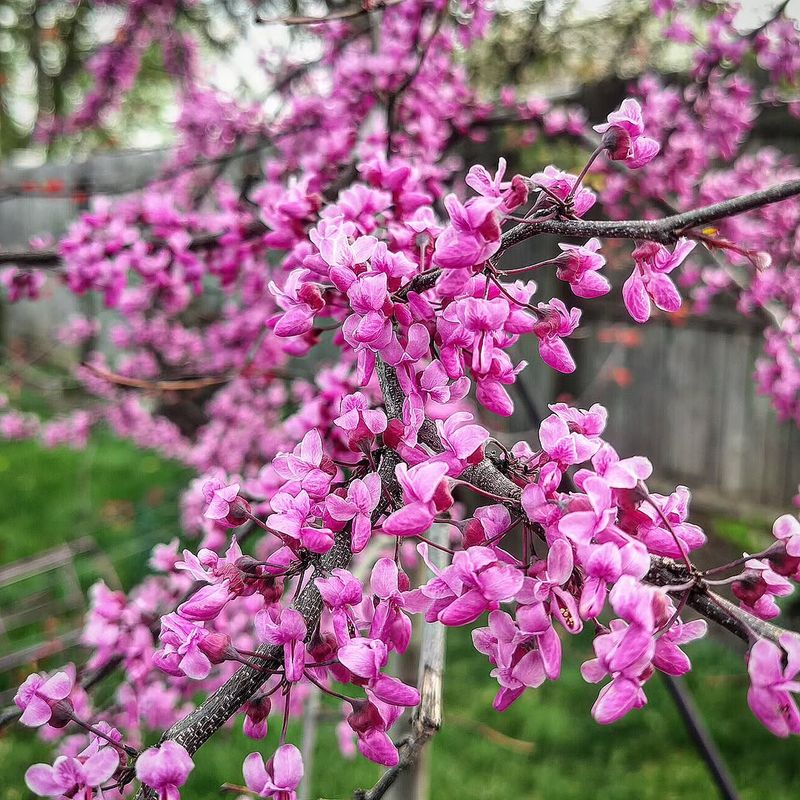
Few trees announce spring quite like the Eastern Redbud. Before a single leaf unfurls, the branches explode with vivid magenta-pink blossoms that seem to glow in the morning light.
It is genuinely one of the most dramatic seasonal displays you can plant along a fence line.
Native throughout North Carolina, Cercis canadensis grows quickly in its early years, often putting on one to two feet of new growth annually under good conditions.
It reaches a mature height of around 20 to 30 feet, which makes it tall enough to create visual interest without overwhelming your yard or crowding neighboring plants.
The canopy spreads wide and gracefully, offering dappled shade along the fence during summer months.
Beyond the flowers, Eastern Redbud keeps delivering. Heart-shaped leaves emerge reddish-purple after bloom and mature into rich green through summer before turning golden yellow in fall.
The seasonal color shift means your fence line looks interesting in every season, not just spring.
Even in winter, the tree holds its own with elegant branching structure. Planting is straightforward.
Eastern Redbud adapts well to both clay-heavy and loamy soils, which are both common across North Carolina.
It prefers full sun to partial shade, making it flexible for fence lines that receive mixed light throughout the day. Young trees establish quickly when planted in fall or early spring.
One more bonus worth knowing: the flowers are edible and have a mild, slightly tangy flavor. Gardeners sometimes toss them into salads for a pop of color. It is a tree that earns its space in every possible way.
2. Serviceberry
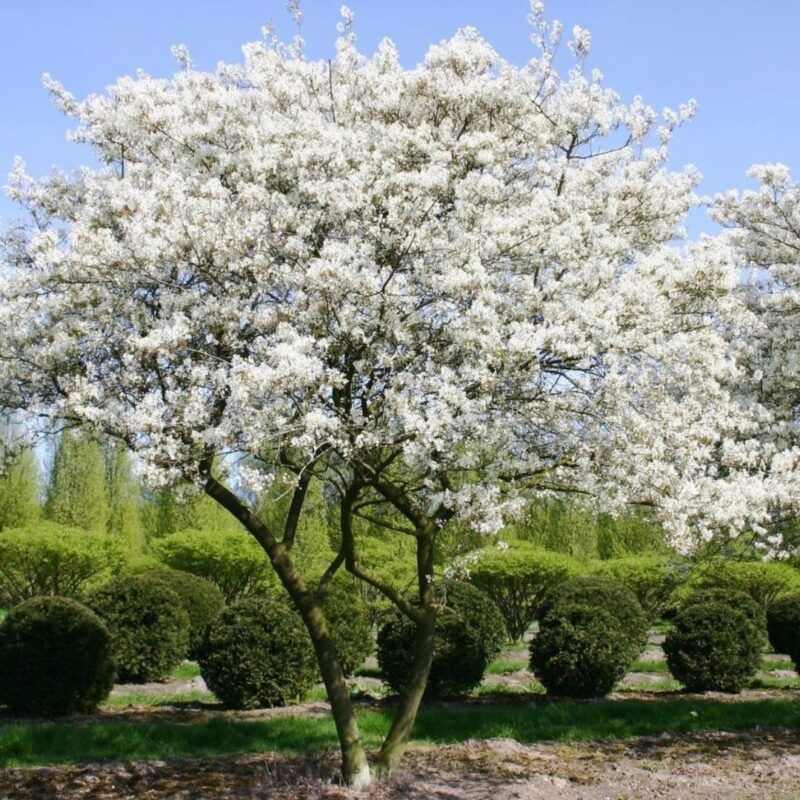
Serviceberry is the kind of tree that garden enthusiasts often overlook until they finally plant one, and then they wonder why they waited so long.
Amelanchier canadensis brings something genuinely special to a fence line: four distinct seasons of visual interest packed into one manageable, native tree.
In early spring, before most other trees have even thought about leafing out, Serviceberry bursts into clouds of delicate white flowers. The display is soft and airy, almost like snowflakes caught on branches.
Pollinators absolutely love these blooms, so your fence line quickly becomes a busy little ecosystem right from the start of the growing season.
By early summer, those flowers transform into small, round berries that ripen from red to deep purple-blue.
Your North Carolina Garden Changes Every Week. Your Plan Should Too.
Gardening in North Carolina changes quickly throughout the season. Every Friday you’ll receive a simple weekly plan showing exactly what to plant, prune, fertilize, harvest, and protect so you never miss the right timing.
The berries taste surprisingly sweet, similar to blueberries, and birds flock to the tree the moment the fruit is ready.
If you want to attract robins, cedar waxwings, and other songbirds to your yard, planting Serviceberry along the fence is one of the most reliable ways to do it.
Serviceberry grows at a moderate pace, typically reaching 15 to 25 feet tall.
That size is ideal for fence lines because it creates a natural privacy screen without becoming a maintenance headache.
The multi-stemmed habit fills horizontal space along a fence beautifully and naturally. Fall foliage rounds out the experience with warm shades of orange, red, and gold.
North Carolina’s mild autumns really let those colors shine. Plant in full sun to partial shade and expect reliable performance in most soil types across the state.
3. Fringe Tree
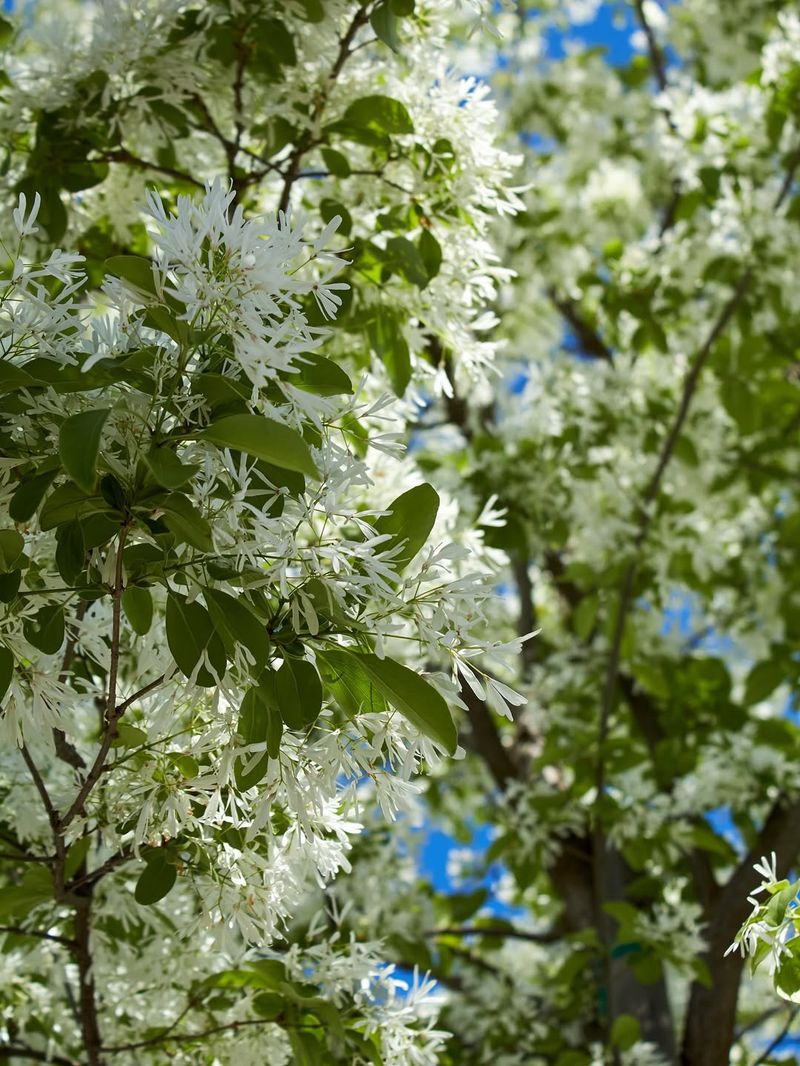
If you want a conversation starter growing along your fence, Fringe Tree delivers every single time.
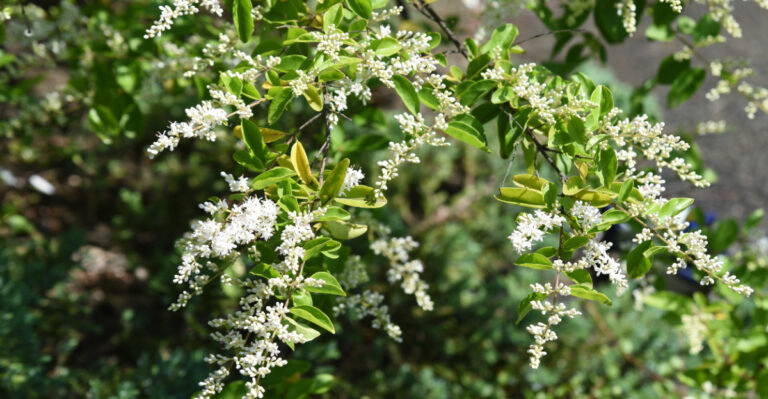
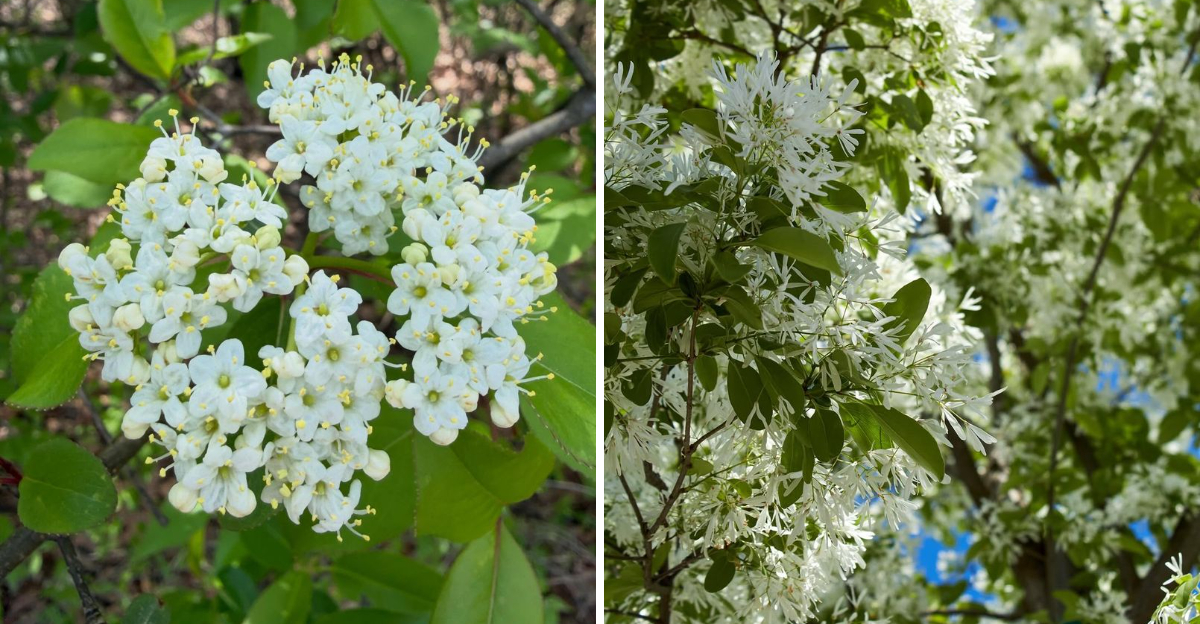
Chionanthus virginicus earns its name with long, wispy white petals that hang in clusters like soft fringe, creating a look so unusual and beautiful that neighbors will genuinely stop to ask what it is.
Native to the eastern United States, including North Carolina, Fringe Tree blooms in late spring after most other flowering trees have already finished their show. That timing is actually a major advantage.
Your fence line stays visually exciting for a longer stretch of the season instead of everything peaking at once and fading together. The fragrance is another reason to plant this tree close to a fence or walkway.
The white flowers release a light, sweet scent that drifts pleasantly through a yard on warm spring evenings.
It is subtle rather than overwhelming, the kind of fragrance that makes people pause and breathe a little deeper.
Fringe Tree grows steadily rather than explosively, typically adding one to two feet per year and reaching a mature height of 12 to 20 feet.
That compact habit makes it a smart choice for smaller yards or fence lines where space is limited.
It naturally stays tidy without heavy pruning, which saves time and effort over the years. One of the best traits is soil adaptability.
Fringe Tree handles clay soils, sandy soils, and everything in between, which covers most North Carolina growing conditions well.
Plant it in full sun for the heaviest bloom, though it also performs well in partial shade near taller fences or structures.
4. Blackhaw Viburnum
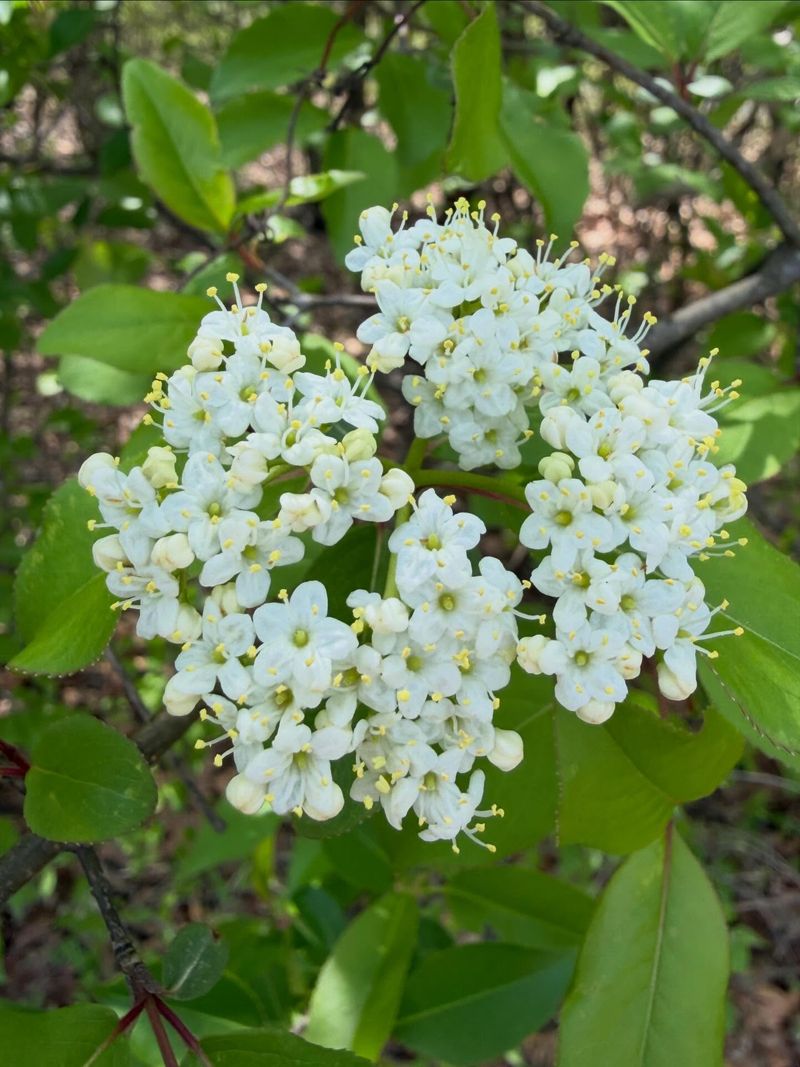
Blackhaw Viburnum is the kind of plant that wildlife biologists and backyard gardeners both agree on, which is a rare thing.
Viburnum prunifolium works overtime along a fence line, providing food, shelter, seasonal color, and natural structure all without demanding much from the gardener in return.
Spring kicks off with flat-topped clusters of creamy white flowers that cover the branches in a bold, cheerful display.
Bees and butterflies are quick to visit, making the fence line buzz with pollinator activity during the warmer weeks.
The flowers have a pleasant, mild scent that adds to the springtime experience without being overpowering.
By late summer and into fall, those flowers become clusters of dark blue-black berries that birds absolutely rely on as a food source before colder months arrive.
The fruit also has a history of being eaten by people, with a sweet, date-like flavor that surprises most first-time tasters.
It is genuinely one of the more wildlife-friendly native trees you can grow along a property boundary. The fall foliage is stunning.
Leaves shift from glossy green to rich shades of red, burgundy, and deep purple, giving the fence line a dramatic finish to the growing season.
Few native plants offer that kind of color payoff in autumn. Blackhaw Viburnum grows as a large multi-stemmed shrub or small tree, typically reaching 12 to 15 feet tall.
It fills horizontal space naturally, creating a dense, layered screen along fences. Soil tolerance is broad, handling clay, loam, and dry conditions without complaint. Maintenance is minimal once established.
5. American Hornbeam
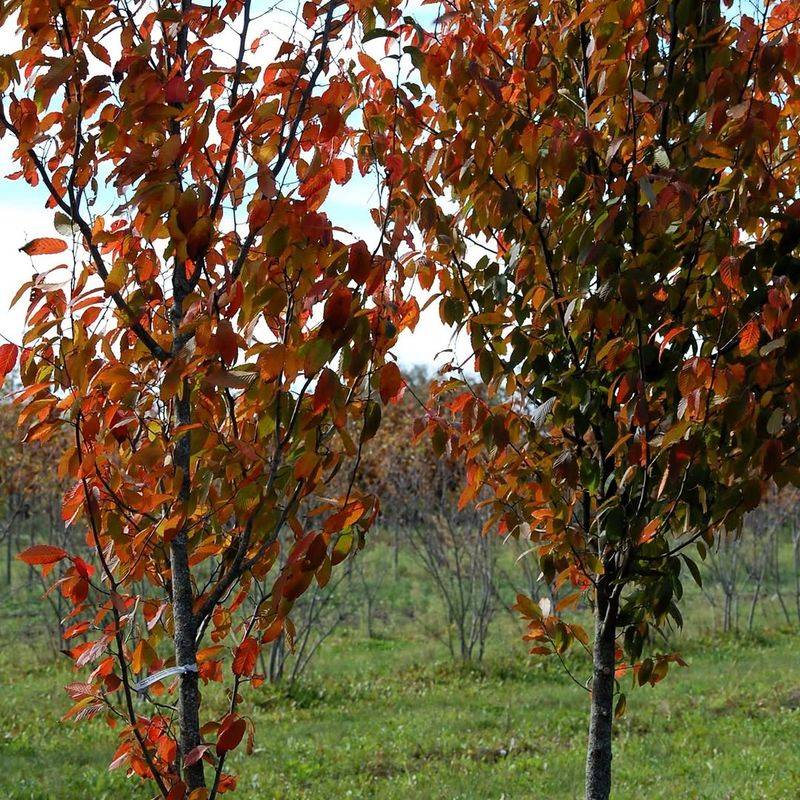
There is something almost architectural about the American Hornbeam. The smooth, silvery-gray bark has a rippled, muscle-like texture that makes the trunk look almost sculpted, giving this native tree a striking visual presence even when it is not in leaf.
Along a fence line, that structure translates into serious year-round interest. Carpinus caroliniana grows at a moderate pace, which actually works in its favor for fence line planting.
Slower, steady growth means the branching becomes dense and layered over time, creating a natural privacy screen that fills in reliably without becoming a runaway maintenance problem.
The canopy is compact and well-organized, rarely requiring significant pruning to stay looking neat.
American Hornbeam is especially valuable in North Carolina yards because it handles clay and loam soils with equal ease.
It also tolerates wet or seasonally flooded spots, which is helpful in low-lying areas where other trees might struggle.
Partial shade suits it well, making it a smart choice for fence lines that run along the shadier edges of a property. Fall color is a genuine highlight.
Leaves turn shades of yellow, orange, and sometimes red as temperatures drop, lighting up the fence line before winter arrives.
The display is not as flashy as some maples, but it is warm, consistent, and genuinely attractive in a quieter way that suits the tree’s overall character.
Wildlife benefits are worth mentioning too. Birds and small animals use American Hornbeam for both food and shelter throughout the year.
The seeds attract finches and other small songbirds reliably, making it a productive addition to any native planting along a fence.
6. Pawpaw
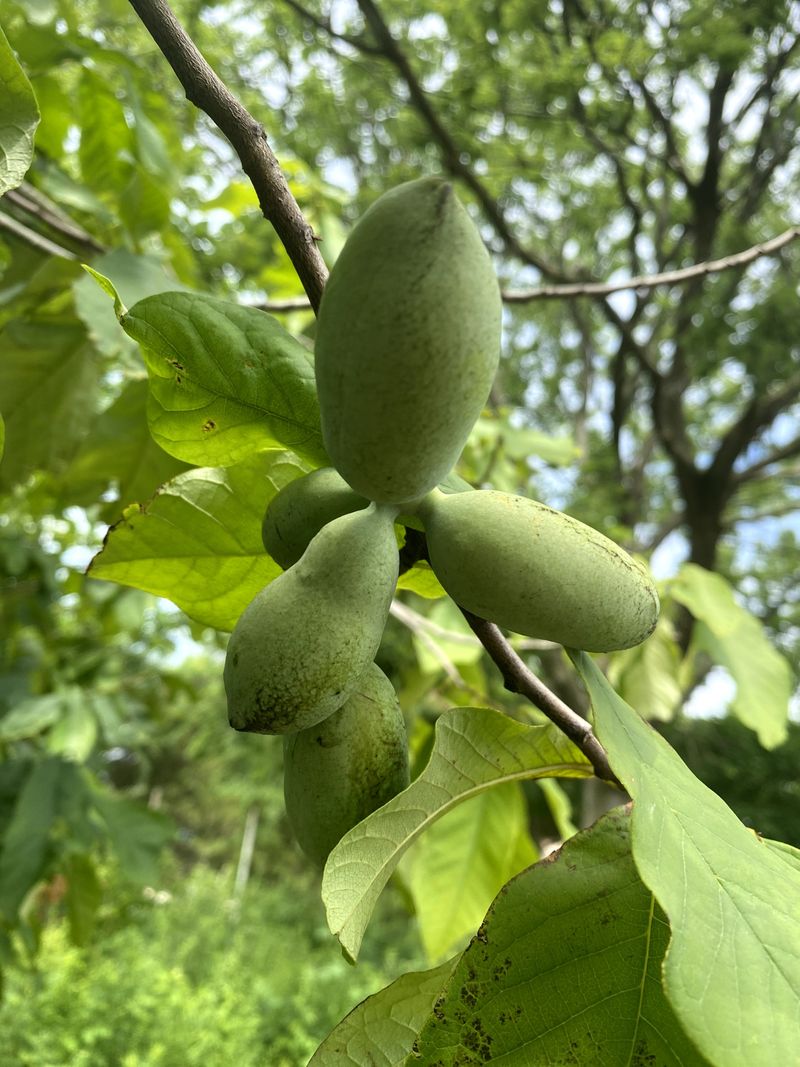
Pawpaw is arguably the most surprising tree on this list.
Most people do not realize that a tree producing large, custard-like tropical fruits grows natively across North Carolina, and that it actually thrives when planted along a fence line in a woodland-style garden setting.
Once you taste a ripe pawpaw, the motivation to plant one becomes very clear. Asimina triloba grows quickly in its early years, especially once the root system gets established after the first season.
Young trees can put on significant height in a short period, and they naturally form colonies by spreading through root sprouts.
That spreading habit is actually useful along a fence because it fills space and creates a lush, layered hedge without much effort from the gardener. The fruit is the main event.
Pawpaws ripen in late summer to early fall and have a rich, creamy texture with flavors that remind people of banana, mango, and vanilla all at once. Wildlife loves them too.
Raccoons, opossums, and deer are all fans, and the zebra swallowtail butterfly depends specifically on Pawpaw leaves to complete its life cycle, making this tree an important ecological plant for North Carolina.
Shade tolerance sets Pawpaw apart from many other fruit-bearing trees.
It naturally grows as an understory tree in forests, so it handles partial to full shade along fence lines bordered by taller trees or structures.
That flexibility opens up planting spots that most fruit trees simply cannot fill. Soil requirements are modest.
Pawpaw prefers moist, well-drained soil with good organic matter but adapts reasonably well to the varied conditions found across North Carolina yards and garden edges.