These Are The Plants Wisconsin Decks Need For Full Sun And Reflected Heat
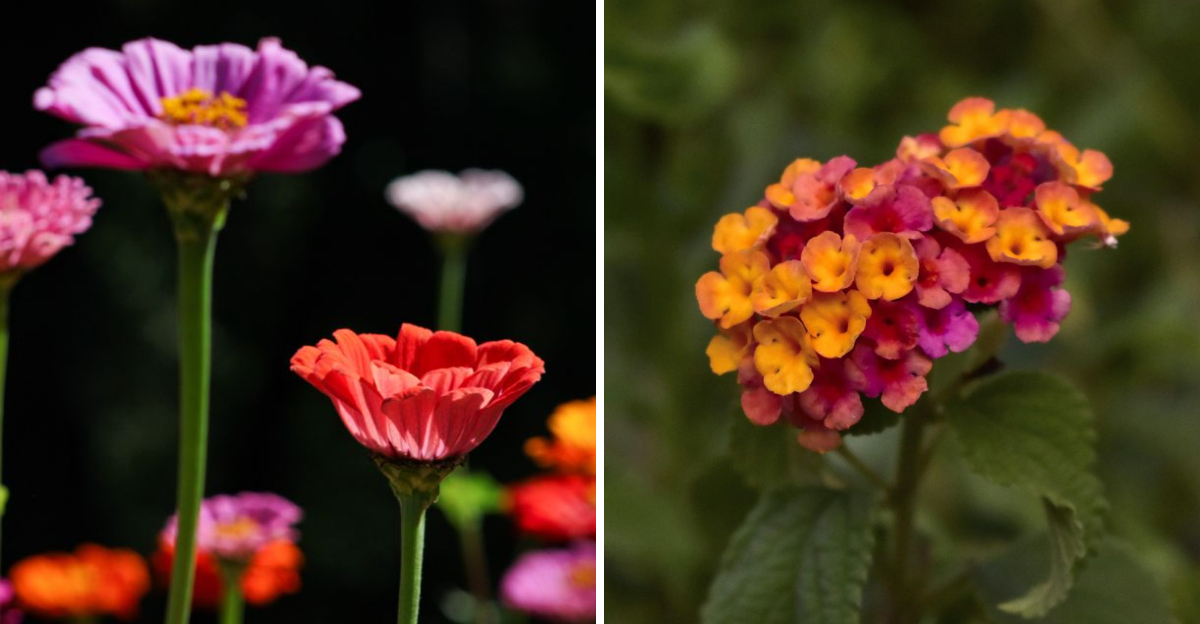
Your Wisconsin deck in July isn’t just warm, it’s a heat trap. Concrete and composite boards soak up the sun all day.
Then they radiate it right back at anything trying to grow on top of them. Add a south-facing wall or dark railing into the mix, and you’ve basically built a reflector oven for your plants.
Most greenery taps out by mid-June. Leaves curl like burnt paper, roots give up before dinner.
Yet somewhere between the faded pots and the wilted ferns, a handful of plants shrug off that heat and put on a show instead.
Wisconsin summers swing hard, blazing one week, cool the next, and these tough performers handle both without missing a beat.
From a cramped Milwaukee balcony to a wide-open patio out in the country, the plants on this list turn reflected heat into fuel instead of a struggle. Here are the ones that’ll outlast the season with barely any fuss.
1. Portulaca
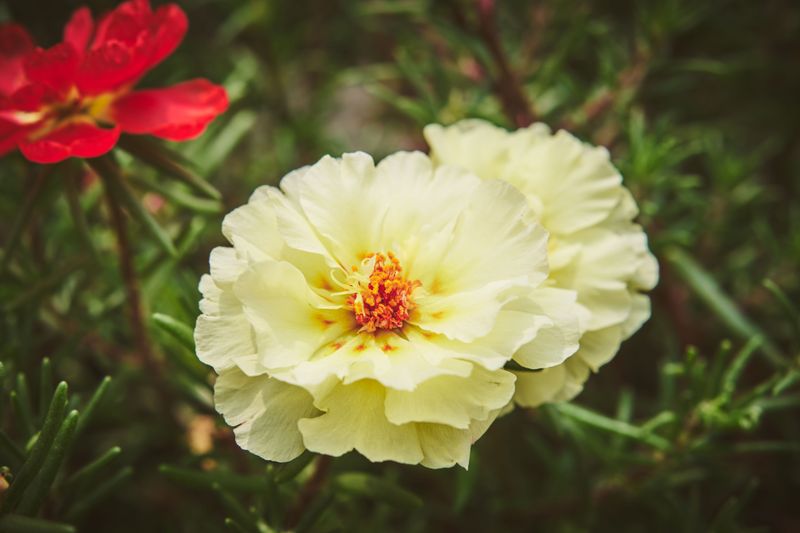
Portulaca performs exceptionally well on hot, dry decks. This low-growing annual thrives in scorching sun and handles drought with ease.
Native to South America, portulaca has thick, succulent-like leaves that store water for tough days. Those fleshy stems mean the plant can handle reflected heat from deck boards without flinching.
The flowers open wide in full sunlight, showing off shades of hot pink, orange, yellow, red, and white. Each bloom looks like a tiny rose, which is why it earned the nickname moss rose.
Plant it in containers with well-draining soil and skip heavy watering schedules. Portulaca actually performs worse when overwatered, so forgetting to water is almost a bonus here.
It spreads naturally as the season goes on, filling pots and window boxes with color. Removing spent blooms is not required because the plant self-cleans and keeps flowering without your help.
By midsummer, a single pot can overflow with dozens of bright blooms. Pair it with dark-colored containers to make those vivid flower colors pop even harder.
This plant is perfect for anyone who travels or forgets to tend their garden. Give portulaca blazing sun and occasional water, and it rewards you with nonstop color from June through frost.
2. Marigolds
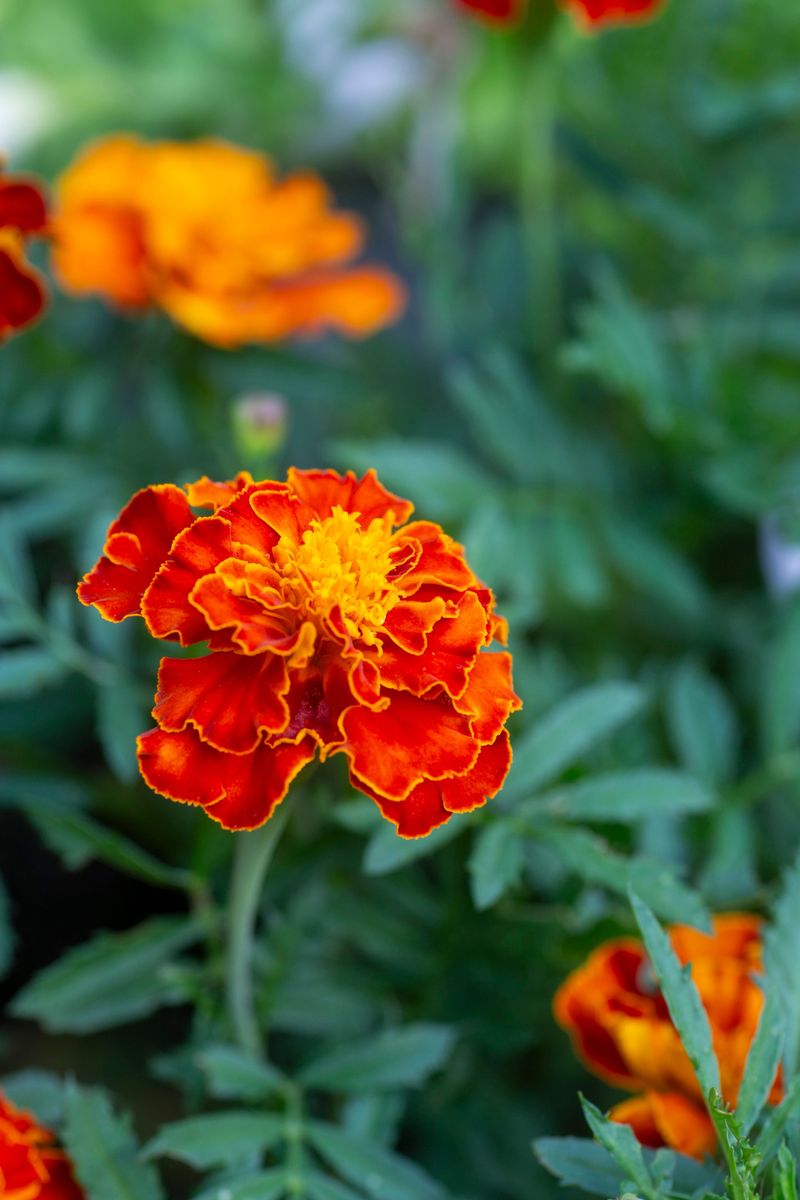
Marigolds smell like summer and attitude at the same time. That sharp, spicy scent is often credited with helping repel certain garden pests, making these flowers as useful as they are gorgeous.
These sun-loving annuals are practically indestructible once established in full sun. Reflected heat from a deck does not slow them down at all.
French marigolds stay compact and bushy, making them ideal for containers and rail planters. African marigolds grow taller and bolder, creating a dramatic backdrop for smaller plants nearby.
Both types thrive in average soil with good drainage. Rich soil actually makes them focus on leaves over flowers, so skip the heavy fertilizer and let them work.
Remove spent blooms regularly to keep new flowers coming all season. Pinching off old heads takes about two minutes and doubles your flower count over a few weeks.
Your Wisconsin Garden Changes Every Week. Your Plan Should Too.
Gardening in Wisconsin changes quickly throughout the season. Every Friday you’ll receive a simple weekly plan showing exactly what to plant, prune, fertilize, harvest, and protect so you never miss the right timing.
Marigolds pair beautifully with plants for full sun and reflected heat because they genuinely enjoy the same punishing conditions. Mix them with portulaca or zinnias for a riot of warm color.
Fun fact: marigolds have been used in gardens for over 2,000 years, originally grown in Mexico for ceremonies and food. Today they are one of the most reliable deck flowers available anywhere.
Plant them in early June after the last frost and watch them burst into color. Your deck will look like a professional designed it, and only you will know how easy it was.
3. Lantana
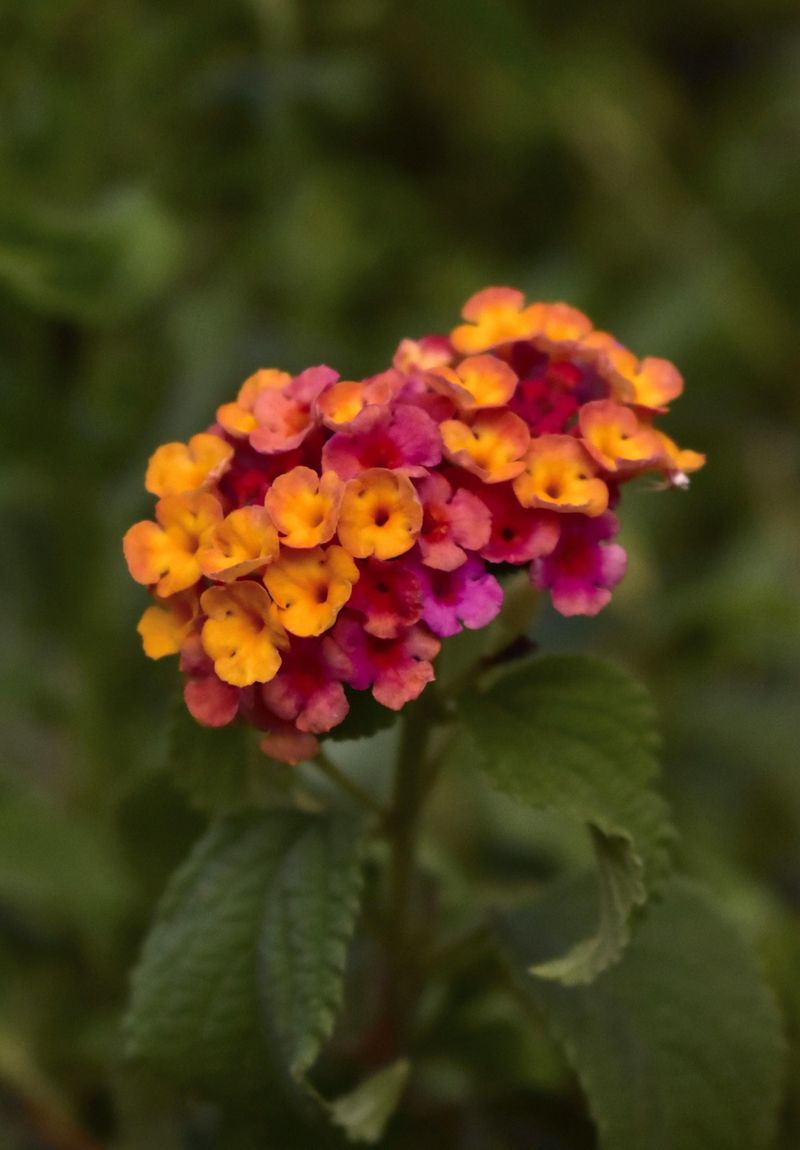
Lantana is one of the most visually striking plants for a deck garden, and it earns that reputation. Clusters of tiny flowers shift color as they age, creating a multicolored effect on a single stem.
One flower head can show yellow, orange, pink, and red all at once. That color-changing trick makes lantana one of the most visually exciting plants you can grow in a container.
Beyond looks, lantana tolerates intense heat exceptionally well. It thrives in the kind of intense, reflected sun that would cause most flowering annuals to decline by July.
Butterflies and hummingbirds go absolutely wild for lantana blooms. Planting a pot near your seating area turns your deck into a mini wildlife sanctuary all summer long.
Keep it in well-draining soil and water only when the top inch feels dry. Lantana handles drought better than most plants and bounces back quickly after a hot, dry stretch.
Trim it back lightly in midsummer if it gets leggy, and it will flush out with fresh growth fast. A little pruning keeps the plant compact and encourages more flower clusters.
Lantana comes in trailing and upright varieties, so you can mix both in a large planter for layers of texture. The trailing types spill beautifully over the edges of raised deck containers.
This plant earns its spot among the best options for full sun and reflected heat every single season. Once you grow it, you will never plant a dull deck pot again.
Keep in mind that lantana isn’t winter-hardy in Wisconsin, so it’s grown as an annual here rather than a returning perennial.
One more thing worth knowing: lantana is toxic to dogs, cats, and livestock if eaten, especially the unripe berries, so keep it out of reach if pets roam your deck.
4. Zinnias
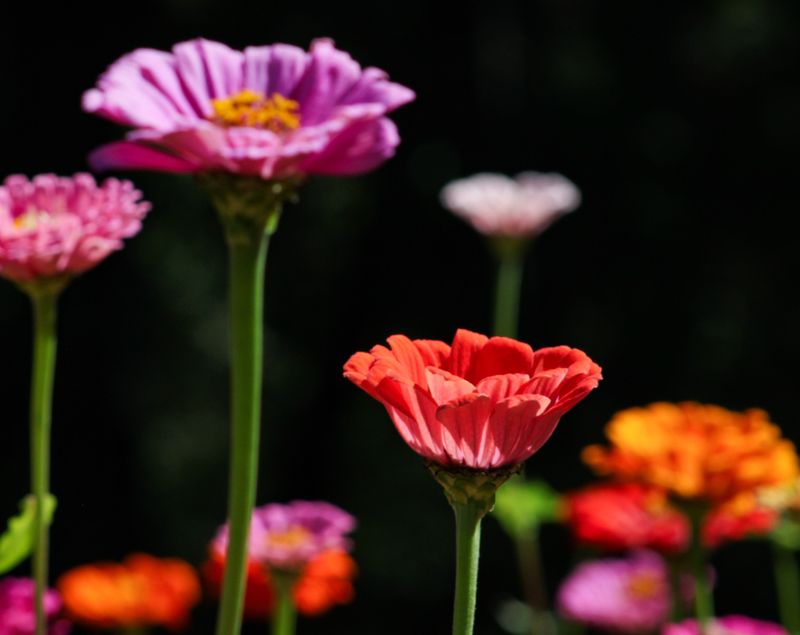
Few flowers bring as much cheerful energy to a deck as zinnias do. They bloom in nearly every color imaginable, from soft pastels to electric neons that practically glow in daylight.
Zinnias are native to dry, hot regions of Mexico, which explains why they handle scorching deck conditions so well. Full sun and reflected heat mimic their natural growing conditions.
These annuals grow fast from seed, often blooming within 8 weeks of planting. If you missed early planting season, grab transplants from a garden center and catch up quickly.
Taller varieties like Benary Giant work well in large floor containers. Shorter types like Thumbelina fit nicely in window boxes or rail planters without overcrowding the space.
Water zinnias at the base of the plant rather than overhead. Wet leaves invite powdery mildew, which is the one thing that can actually slow these tough flowers down.
Cut zinnias regularly for indoor bouquets because cutting actually triggers more blooms. The more you harvest, the more the plant produces, which feels like a very fair deal.
Butterflies adore zinnia flowers and will visit your deck constantly throughout the season. That steady butterfly traffic makes sitting outside feel like the best seat in the whole neighborhood.
Zinnias are one of the top choices for plants suited to full sun and reflected heat. Plant them boldly, water them smartly, and they will reward you until the first hard frost arrives.
5. Sedum

Sedum needs far less water than most plants, making everything else look high-maintenance by comparison. This succulent stores moisture in its thick, waxy leaves and thrives in the harshest sun imaginable.
There are hundreds of sedum varieties, from low ground-hugging types to tall upright ones called Autumn Joy. Both handle reflected deck heat with ease and very little care.
The fleshy leaves come in green, blue-gray, burgundy, and even purple, giving you color even before the flowers appear. Late summer brings clusters of pink, red, or white blooms on top.
Pollinators swarm sedum flowers in late summer when other blooms have faded. That timing makes sedum a reliable performer in keeping your deck lively deep into the season.
Plant it in gritty, fast-draining soil and resist the urge to water too often. Overwatering is the one mistake that can actually harm this otherwise bulletproof plant.
Tall sedum varieties look stunning in large pots paired with ornamental grasses. The contrast between sedum’s rounded shape and grass’s vertical lines creates a naturally balanced look.
Low-growing sedums spill over container edges beautifully, softening the hard lines of deck railings. A few trailing varieties tucked into mixed planters add texture without competing for attention.
For anyone seeking plants that handle full sun and reflected heat without daily fuss, sedum is a top answer. It asks for almost nothing and gives back season-long structure and beauty.
6. Geraniums
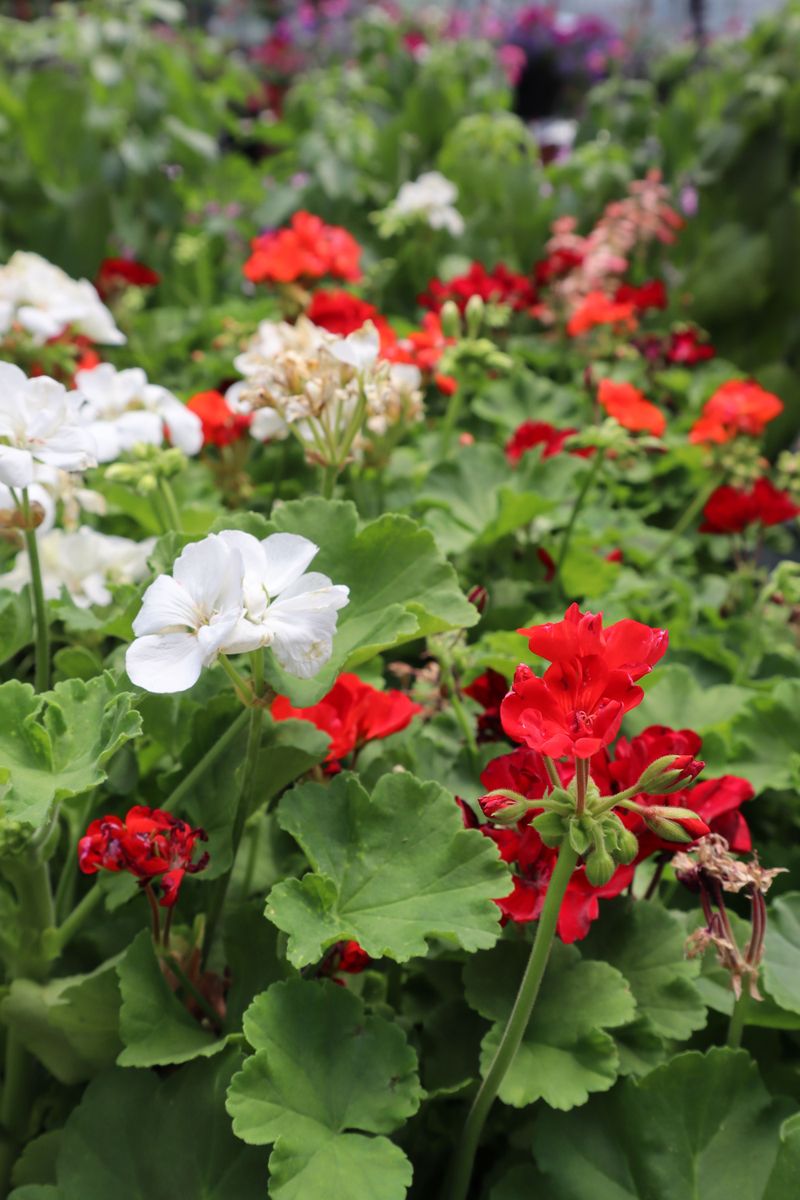
Geraniums have been a porch and deck staple for over a century, and there is a very good reason for that. They bloom relentlessly, handle heat well, and come in colors that feel bold and classic at the same time.
The most common deck geranium is the zonal type, which features rounded clusters of flowers above thick, patterned leaves. Those leaves often show a darker ring, giving the plant a layered, textured look even without blooms.
Geraniums love full sun but appreciate a little afternoon shade during the hottest weeks. On a deck with intense reflected heat, positioning them where they get morning sun can extend their bloom time.
Water them deeply but infrequently, letting the soil dry out between sessions. Consistently soggy roots lead to root rot, which is the fastest way to lose an otherwise tough plant.
Remove spent flower clusters by snapping them off at the base of the stem. This simple task keeps the plant tidy and pushes it to produce fresh flower heads within days.
Scented geraniums are a fun twist on the classic variety, releasing fragrance when you brush their leaves. Rose, lemon, and peppermint scents are popular choices that turn your deck into an aromatic escape.
Geraniums overwinter well indoors as houseplants, so you can save your favorites from season to season. Bring them inside before frost, trim them back, and they will be ready to return outside next spring.
Among the best plants for full sun and reflected heat, geraniums deliver charm, color, and consistency every single year.
7. Ornamental Grasses

Ornamental grasses bring movement to a deck in a way that flowers simply cannot match. When a breeze passes through, the tall, arching blades sway in slow, hypnotic waves.
For hot, sunny deck conditions, grasses like blue fescue and Karl Foerster feather reed grass are outstanding choices.
Blue fescue stays compact and tidy, forming dense blue-silver mounds that look sharp in modern containers. It maxes out around 12 inches tall, making it ideal for smaller deck spaces.
Karl Foerster shoots upward to four or five feet, creating dramatic vertical structure in large floor pots. The feathery seed heads catch sunlight in late summer and shimmer like golden threads.
Most ornamental grasses are nearly maintenance-free once established in the right spot. Cut them back hard in late winter or early spring and they return fresh and full every season.
Grasses also pair brilliantly with flowering plants in mixed containers. Tuck zinnias or lantana around the base of a tall grass and you get layers of color and texture in one pot.
Deer and pests generally ignore ornamental grasses, which is a quiet but significant bonus for anyone dealing with urban wildlife. That natural resistance makes them even easier to grow year after year.
Among all the plants for full sun and reflected heat, grasses stand out for their sculptural beauty. They turn an ordinary deck into something that looks intentional, curated, and genuinely impressive.
8. Vinca Vine
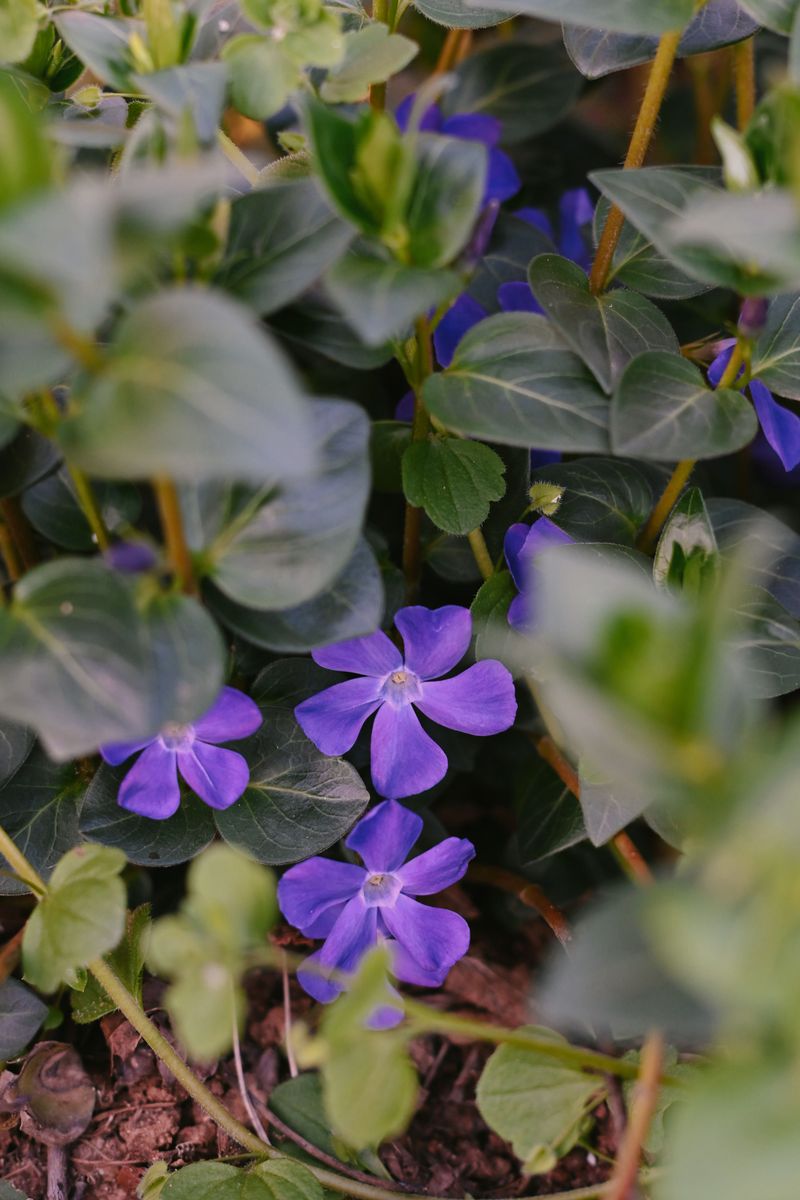
Vinca vine is the ultimate spiller in any container combination. Those long, trailing stems cascade over pot edges and rail planters in thick, glossy curtains of green.
Also called periwinkle vine, this plant handles full sun and reflected heat remarkably well for something so lush-looking. It stays green and vibrant even when temperatures push into the high 90s.
The leaves are small, oval, and shiny, creating a dense texture that fills gaps between upright plants beautifully. In mixed containers, vinca vine acts as the finishing touch that pulls the whole look together.
Some varieties produce small lavender or white flowers throughout the season, adding a subtle pop of color. The blooms aren’t the main attraction, but they add a sweet, delicate detail to the display.
Water vinca vine moderately and let the soil partially dry between sessions. It tolerates short dry spells better than most trailing plants, making it a reliable partner for drought-tolerant companions.
Pair it with upright plants like geraniums or marigolds for a classic thriller-filler-spiller combo. The vinca handles the spiller role with effortless, flowing grace every time.
Fertilize monthly with a balanced liquid fertilizer to keep growth lush and leaves deeply green. Without occasional feeding, stems can thin out and color can fade by late summer.
For a polished deck container, vinca vine is the secret ingredient that ties everything together.
Note that vinca vine isn’t cold-hardy in Wisconsin either, so it’s typically grown as a seasonal annual rather than a plant that returns each year.
It’s also mildly toxic if pets chew on the leaves, so place containers where curious dogs or cats can’t easily reach them.