What Wisconsin Gardeners Are Tossing In Their Compost This June For A Better Fall Garden
The best Wisconsin gardeners are not chasing a perfect lawn this June. They are building next season’s soil.
Wisconsin summers have this short, fierce energy that rewards anyone willing to think two steps ahead.
My compost pile taught me that lesson the hard way after a fall garden that barely produced enough to fill a salad bowl.
The soil was tired, depleted, and hungry for something I had not given it. What if the richest ingredient your garden needs has been sitting in your trash can this whole time?
Turns out the fix was hiding in plain sight inside kitchen scraps and yard waste that normally get hauled to the curb without a second thought.
Everyday materials like coffee grounds, crushed eggshells, and grass clippings are being transformed into dark, nutrient-dense compost that fall crops absolutely thrive in.
Toss the right things in now and September will tell the whole story. Start composting smarter this June.
1. Grass Clippings
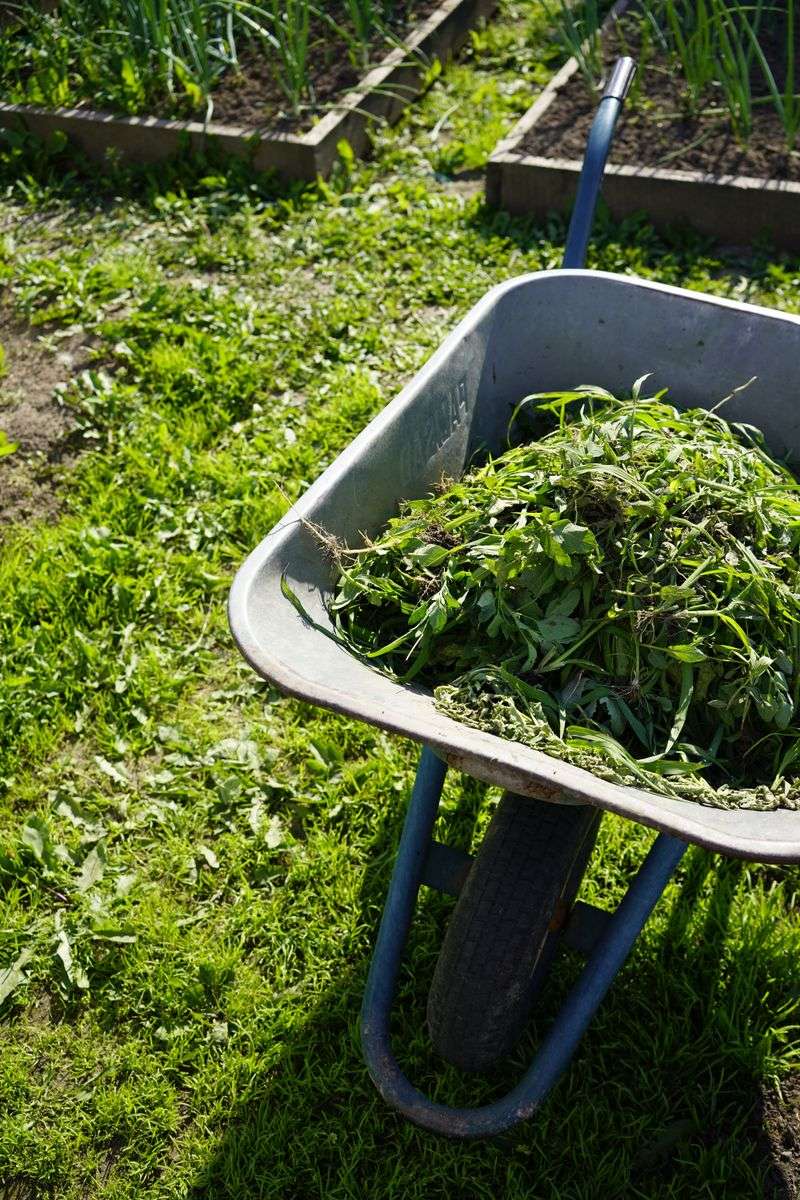
Fresh-cut grass is basically free fertilizer waiting to happen. Every June mow generates one of the most nitrogen-rich materials your compost pile can get.
Grass clippings break down fast, heating up your pile and speeding up the whole decomposition process. Nitrogen is the nutrient that makes plants grow green and strong, and grass clippings are absolutely loaded with it.
When layered properly into your compost, they act like a turbo boost for the microbes doing all the hard work underground.
Think of it like giving your compost pile a steady, reliable engine. One important tip: avoid dumping a thick, soaking-wet clump of clippings all at once.
When clippings mat together, they block airflow and can turn slimy and smelly fast. Instead, mix them in thin layers with brown materials like dried leaves or cardboard to keep things balanced.
Also, skip clippings from lawns treated with herbicides or pesticides. Those chemicals can linger and potentially harm your fall vegetable crops.
Organic or untreated grass is the way to go for a safe and healthy compost pile. By fall, those June clippings will have transformed into dark, crumbly compost your garden beds will love.
Spread it around your tomatoes, squash, or root vegetables and watch the difference it makes. Starting this habit now means your soil will be ready to perform at its best when the harvest season arrives.
2. Vegetable And Fruit Kitchen Scraps
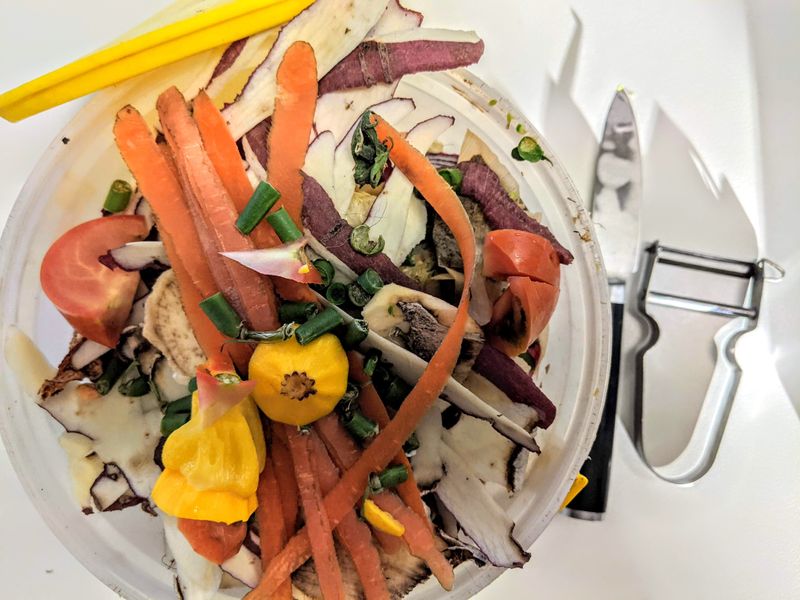
Your kitchen is a compost factory hiding in plain sight. Every banana peel, cucumber end, and wilted lettuce leaf is packed with nutrients your fall garden craves.
Do not send that goodness to the landfill. Toss it straight into the compost pile instead and let it do something useful.
Fruit and vegetable scraps are considered green materials, meaning they are high in nitrogen and moisture.
They break down relatively quickly and feed the beneficial microorganisms that transform raw scraps into rich, dark humus.
That humus is what gives garden soil its incredible ability to hold water and nutrients right where plant roots need them most.
Your Wisconsin Garden Changes Every Week. Your Plan Should Too.
Gardening in Wisconsin changes quickly throughout the season. Every Friday you’ll receive a simple weekly plan showing exactly what to plant, prune, fertilize, harvest, and protect so you never miss the right timing.
Watermelon rinds, corn cobs, pepper seeds, onion skins, and coffee-soaked fruit pulp all belong in the pile. Even overripe produce that missed its window is a welcome addition worth saving.
Just make sure to bury fresh scraps under a layer of brown material to keep pests from sniffing around. A little coverage goes a long way toward keeping your pile tidy and trouble-free.
Avoid adding meat, dairy, or oily foods to your outdoor compost bin. Those items attract unwanted critters and create odors that no neighbor wants to deal with.
Stick to plant-based scraps and your pile will stay clean, efficient, and odor-free all season long. Keeping a small countertop bin makes collecting scraps effortless throughout the day.
Empty it every couple of days and the habit becomes second nature fast. By fall, those summer scraps will have broken down into something extraordinary. Your fall garden beds will have richer soil, stronger roots, and better growth overall.
3. Coffee Grounds
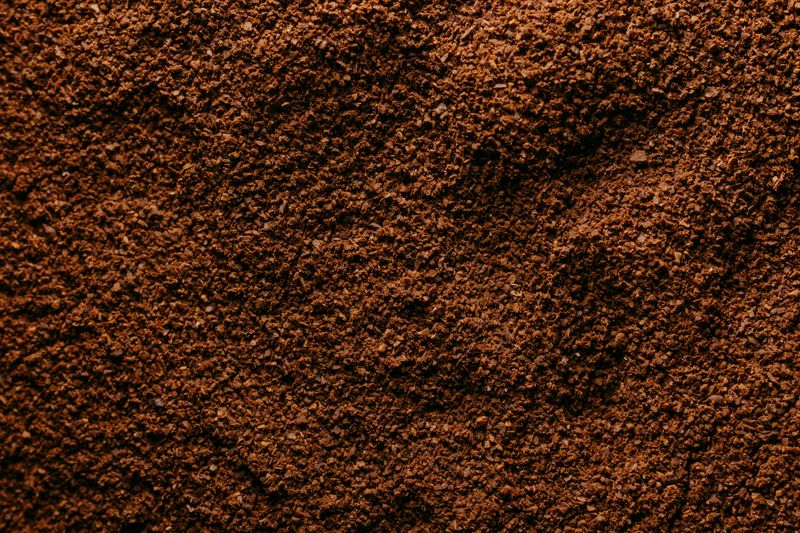
Your morning cup is doing double duty this June. Most people toss used coffee grounds without a second thought. That is a mistake.
They are rich in nitrogen, nearly pH neutral once used, and absolutely beloved by earthworms. Earthworms are the unsung heroes of healthy soil.
They tunnel through the earth, aerating it and leaving behind castings that are incredibly nutrient-dense.
Adding coffee grounds to your compost attracts more of these wriggly workers, which means faster breakdown and better soil structure overall.
The more earthworms working your pile, the richer your finished compost becomes come fall. Wisconsin gardens often deal with dense, compacted ground, especially after long winters.
Working finished compost enriched with coffee grounds into fall beds can genuinely change how your soil performs season after season.
The difference shows up in how plants root, how water moves, and how productive your beds become. You can also collect grounds from local coffee shops, many of which give them away for free.
Some shops even bag them up specifically for gardeners. This is a smart way to bulk up your pile without spending a single dollar.
Balance is still important though. Too many grounds in one spot can lower soil pH too much and slow decomposition significantly.
Mix them with eggshells, shredded paper, or dried leaves to keep your pile well-rounded and thriving all season long.
A balanced pile breaks down faster and produces far better results. By fall, that blend will produce compost so rich your soil will look completely unrecognizable.
4. Eggshells

Crack an egg, feed your garden. Cracked, rinsed, and tossed into the compost pile, eggshells slowly release calcium as they break down.
Calcium is a critical nutrient that helps plants build strong cell walls and resist common problems like blossom end rot in tomatoes and peppers.
Blossom end rot is the nightmare of every Wisconsin tomato grower. That dark, sunken spot on the bottom of a beautiful tomato is caused by calcium deficiency, often made worse by inconsistent watering.
Building calcium into your compost now means your fall soil will already have what it needs before you even plant a single seedling.
Eggshells also help balance pH levels in compost piles that have gotten too acidic from fruit scraps. They are naturally alkaline, so they act as a gentle buffer that keeps your pile in the sweet spot.
A balanced compost pile breaks down more efficiently and produces higher-quality finished material. Crushing or grinding the shells before adding them speeds up the breakdown process significantly.
Whole shells can take one to two full seasons to break down meaningfully, while crushed pieces work much faster.
A quick smash with your hands or a quick spin in a blender is all it takes. Collect shells all through June and layer them into your pile consistently.
By the time fall arrives, those tiny fragments will have woven their minerals deep into your compost. Your fall crops will grow stronger, taste better, and stand up to seasonal stress with far more resilience.
5. Weeds (Before They Go To Seed)
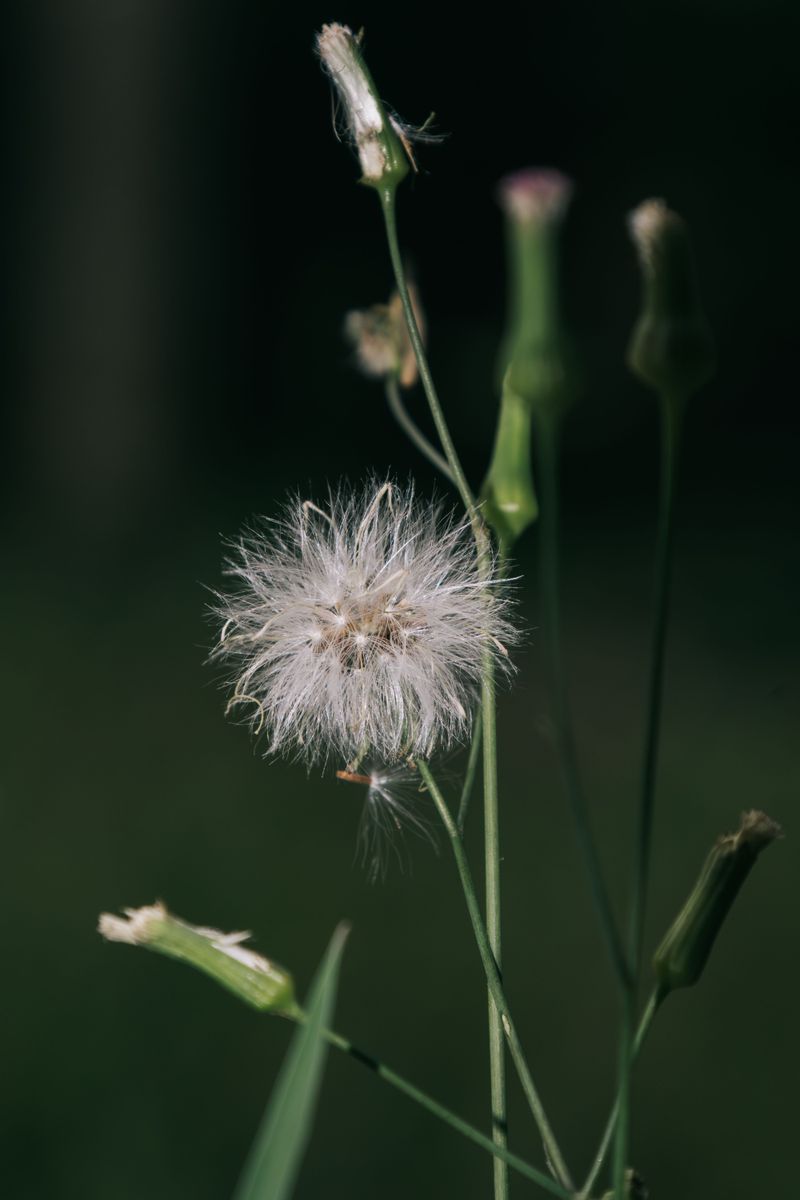
Pull them now before they turn into next year’s problem. June is the perfect month to yank those green invaders before they flower and set seed.
Toss them straight into the compost pile and you are turning a garden headache into future garden fuel. Weeds are surprisingly nutritious for compost.
Many of them, like dandelions and chickweed, have deep root systems that pull up minerals from far below the surface.
When they break down in your pile, those minerals get released into your finished compost and eventually feed your fall crops. The golden rule here is timing.
Weeds must go into the pile before they develop seed heads. Once seeds form, they can survive the composting process and sprout all over your garden beds next season.
A hot compost pile, one that reaches temperatures between 130 and 160 degrees Fahrenheit, can destroy weed seeds.
Backyard piles vary in temperature, so pulling weeds before seeds form is simply the safer and more reliable approach.
Make it a weekly habit throughout June to patrol your beds and pull anything that does not belong. Add those fresh green weeds in thin layers, mixing them with drier browns to prevent matting.
Over the summer, all that effort compounds into a rich, weed-seed-free compost that gives your fall garden a clean, healthy start with no regrets.
6. Shredded Cardboard And Newspaper
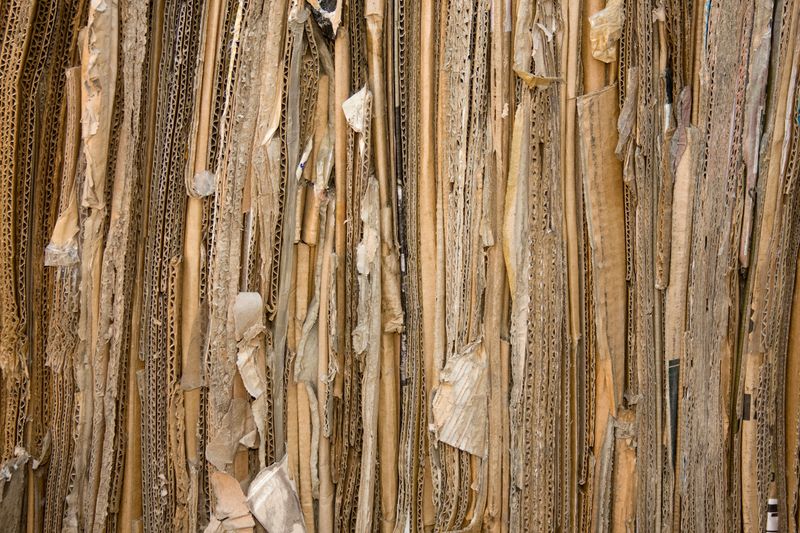
Stop recycling those boxes. Shred them into your compost instead. Carbon and nitrogen are the two pillars of a healthy compost pile.
Too much nitrogen-rich material and your pile turns slimy and smells bad. Too much carbon and it breaks down at a crawl.
Shredded cardboard hits the sweet spot for carbon content and helps regulate moisture levels at the same time. Newspaper works the same way, especially black-and-white printed pages.
Most modern newspaper inks are soy-based and considered safe for composting. Shred or tear the pages into strips and layer them in with your greens for a well-aerated, nicely balanced pile.
Both materials also help with water retention. During dry stretches in summer, a compost pile can dry out and slow down dramatically.
Cardboard and paper layers act like a sponge, holding just enough moisture to keep microbial activity humming along even during a heat wave.
Remove any tape, staples, or glossy coatings before adding cardboard to your pile. Those items do not break down and can contaminate your finished compost.
Clean, plain cardboard is the goal. By fall, those once-bulky boxes will have transformed into something soft, dark, and incredibly useful for enriching the soil in every bed across your garden.
7. Fallen Leaves
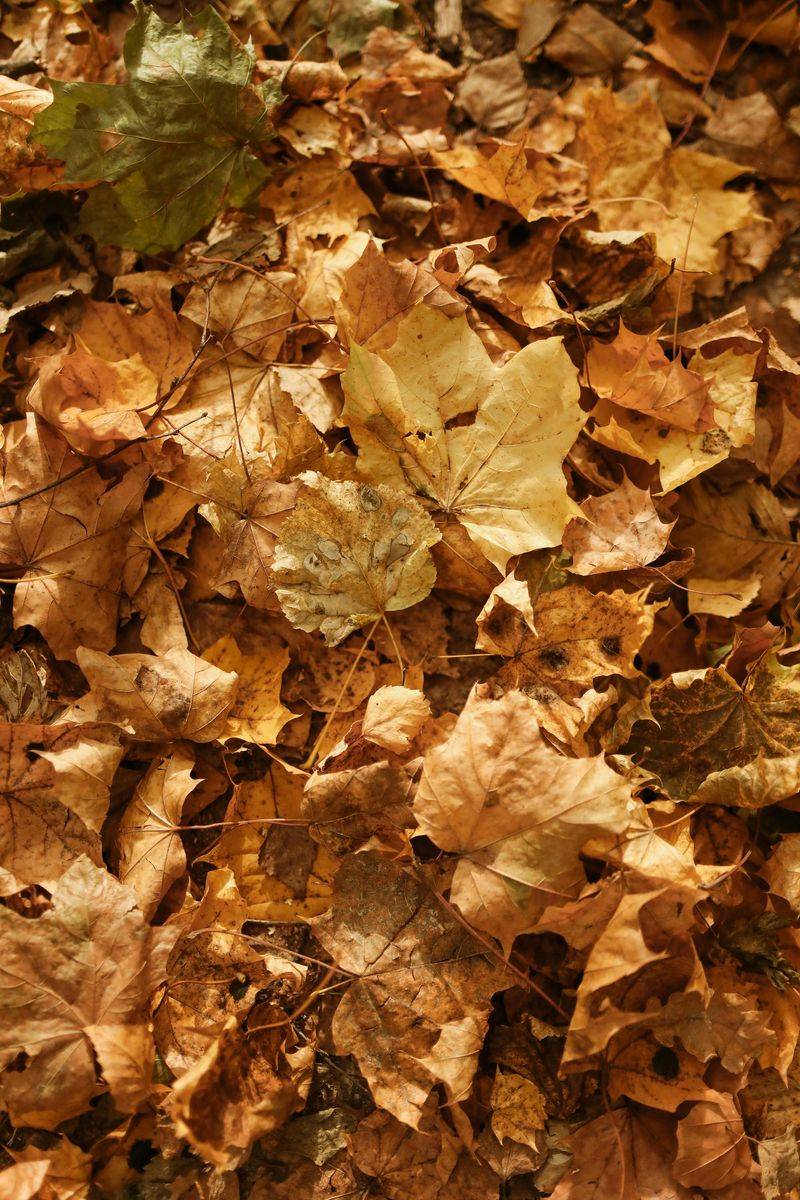
Free, abundant, and criminally underused. Wind-fallen leaves and early seasonal debris collected in June are pure compost gold.
Most people bag them up and haul them away, but experienced Wisconsin growers know exactly what they are throwing out.
Those dry, crinkly leaves are one of the richest sources of carbon available, and they are completely free. Carbon is what gives finished compost its structure and its ability to improve soil texture.
When carbon-rich leaves break down alongside nitrogen-rich greens, the result is a balanced, fluffy compost that plants absolutely thrive in.
Shredding leaves before adding them to the pile makes a noticeable difference. Whole leaves tend to mat together, blocking air and slowing the entire process down.
A quick pass with a lawn mower or a leaf shredder breaks them into small pieces that integrate easily with the rest of your pile.
If you run short on fallen leaves in June, check with neighbors or community groups. Many people are happy to hand over bags of leaves they were going to toss anyway.
This is a great way to scale up your compost operation without any extra cost or effort. What Wisconsin gardeners are tossing in their compost this June is setting the stage for something remarkable come fall.
Leaves gathered now, combined with all the other ingredients in this list, will produce a finished compost that transforms tired soil into a thriving, productive growing environment.
Start now, and your fall garden will reward every bit of the effort you put in today.