Why Michigan Alleyway Gardens Struggle When Treated Like Regular Gardens
A narrow strip of dirt wedged between two garage walls, half-shaded by a fence, crusted with last winter’s road salt, and occasionally visited by a neighbor’s dog.
That is a Michigan alleyway garden.
Plenty of enthusiastic gardeners have hauled in seeds, trowels, and high hopes, only to watch their plants sputter out by July.
Alleyways in Michigan come loaded with unique problems that a typical sunny backyard bed simply does not face.
Compacted urban soil, runoff channels, reflected heat off asphalt, contamination from decades of car traffic, and winter salt accumulation all combine to create growing conditions that punish plants adapted to normal gardens.
The mistakes most people make are predictable: they treat the alleyway like a regular bed, use the same plants, the same soil, and the same care routine, and then wonder why everything looks defeated by midsummer.
Understanding why these spaces behave so differently is the first step toward actually making something grow there.
Here are eight reasons Michigan alleyway gardens struggle when treated like regular gardens, and what to do about each one.
1. Alley Soil Needs Testing First
Alley soil often carries a hidden history that no gardening magazine warns you about.
Michigan alleyways have been used for decades as paths for vehicles, garbage trucks, and utility work.
That means the dirt beneath your feet may contain lead, petroleum residue, arsenic, or other heavy metals left behind by old paint, exhaust, and underground pipes.
Michigan State University Extension strongly recommends soil testing before planting anything edible in urban spaces.
MSU’s soil testing lab can screen for heavy metals, pH levels, and nutrient content. A basic test costs very little and could save you from growing vegetables in genuinely unsafe ground.
You can order a test kit through the MSU Extension website or contact your local county office for guidance.
Lead contamination is especially common near old garages and alleyway edges where leaded paint once peeled off buildings over many years.
Skipping the test and assuming alley soil is fine is one of the most common and costly mistakes new urban gardeners make.
Get the test done first, get your results back, and then make a smart plan based on real data rather than wishful thinking.
Your plants, and your family, will thank you for it.
2. Pavement Heat Changes Everything
A hot brick wall on a July afternoon in Detroit or Grand Rapids can push temperatures in a narrow alley well above what any plant expects.
Asphalt absorbs heat all day and releases it slowly through the night, meaning alley plants never get a real cool-down the way backyard beds do after sunset.
Concrete walls on both sides act like a toaster oven, bouncing heat back and forth across whatever is trying to grow in the middle.
Researchers studying urban heat islands have found that paved surfaces can be 50 to 90 degrees Fahrenheit hotter than surrounding air temperatures on sunny days.
For a tender tomato or a bed of lettuce, that kind of radiated heat causes leaf scorch, blossom drop, and rapid soil moisture loss.
Your Michigan Garden Changes Every Week. Your Plan Should Too.
Gardening in Michigan changes quickly throughout the season. Every Friday you’ll receive a simple weekly plan showing exactly what to plant, prune, fertilize, harvest, and protect so you never miss the right timing.
Plants that do fine in a shaded backyard simply cannot handle the same punishment in a sun-baked alley corridor.
Choosing heat-tolerant varieties makes a real difference.
Plants like sweet potato vine, portulaca, and certain drought-tough herbs handle reflected heat better than cool-season crops.
Mulching heavily with wood chips or straw helps keep soil temperatures from spiking.
Watering in the early morning before pavement heats up also reduces plant stress significantly.
Shade cloth stretched between garage walls can drop temperatures by 10 to 15 degrees, giving even moderately heat-sensitive plants a fighting chance in an otherwise punishing environment.
3. Salt Spray Hits Tender Growth
A salty spring edge is one of the most demoralizing sights for an alleyway gardener.
You planted in fall, mulched carefully, and waited through a Michigan winter, only to find your perennials brown and crispy by March.
Winter road salt is the usual suspect.
Michigan roads and alleys get heavily treated with sodium chloride and magnesium chloride from November through March, and that salt does not simply vanish when the snow melts.
Salt spray from passing vehicles and salt-laden snowmelt both travel into alley garden beds.
Sodium chloride disrupts how plant roots absorb water and nutrients, essentially tricking plants into thinking they are drought-stressed even when the soil is moist.
High sodium levels also damage soil structure over time, making clay soils more compacted and sandy soils less able to hold nutrients.
MSU Extension notes that salt-damaged plants often show brown leaf tips, yellowing, and stunted growth in early spring.
Flushing beds with large amounts of fresh water after the last salt application can help leach sodium out of the root zone.
Raised beds with clean fill soil offer the best protection because they sit above the worst salt accumulation zone at ground level.
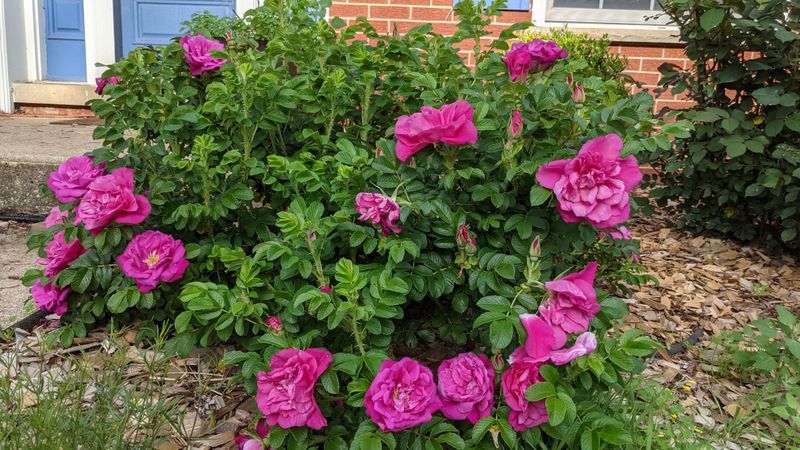
Salt-tolerant plants like rugosa roses, switchgrass, and certain sedums can survive alley conditions better than most vegetables.
Knowing what you are working against each spring makes it much easier to plan around the problem rather than being surprised by it every year.
4. Compaction Blocks Roots Fast
Hard soil stops roots cold.
In Michigan alleyways, decades of foot traffic, garbage truck tires, and utility vehicle access have pressed the soil into a dense layer that roots simply cannot push through.
Unlike a backyard bed that gets turned over and amended each season, alley soil often has never been loosened at all.
Stick a shovel in and you might hit resistance just two or three inches down.
Compacted soil creates a chain reaction of problems.
Water cannot drain properly, so it pools on the surface or runs off instead of soaking in. Roots stay shallow and weak because they hit a hard layer and stop growing downward.
Oxygen cannot move through the soil either, and plant roots need oxygen just as much as they need water and nutrients.
MSU Extension recommends using a soil probe or even a simple screwdriver test to check compaction levels before planting.
If you cannot push a screwdriver six inches into moist soil with moderate hand pressure, the soil is too compacted for most vegetable roots.
Breaking up compaction with a broadfork or a rented tiller helps, but in many alleyways the compaction goes deep enough that surface loosening is only a temporary fix.
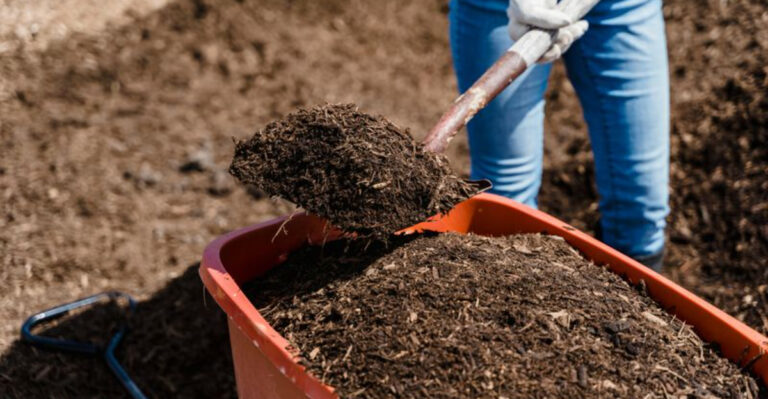
Adding generous amounts of compost, at least three to four inches worked in, improves both structure and drainage over time.
For the most stubborn alley spots, skipping ground planting entirely and going straight to raised beds is often the smarter move.
5. Water Runs Between Garages
Stormwater does not politely soak into the ground in a Michigan alleyway. It runs.
Pavement on both sides, garage walls acting as guides, and compacted soil below create a near-perfect channel for rainwater to race through.
Heavy summer storms can send a fast-moving sheet of water straight through your garden bed, washing away mulch, seeds, and topsoil in minutes.
The problem cuts both ways.
During dry spells, alley soil dries out faster than open backyard soil because surrounding pavement absorbs little water and what does fall often runs off before it can penetrate.
During heavy rains, low-lying alley beds can become temporary puddles, drowning roots and encouraging fungal problems like root rot.
Understanding your alley’s drainage pattern before you plant is genuinely useful.
Watch where water flows during a rainstorm. Note whether water pools in your intended garden spot or rushes past it.
Raised beds with good internal drainage material, like a gravel base layer under quality fill soil, handle both flooding and dry spells better than ground-level beds.
Rain gardens planted with native sedges, rushes, and moisture-tolerant perennials can actually use that stormwater flow productively instead of fighting it.
Michigan-native plants like blue flag iris and swamp milkweed are built for exactly these wet-then-dry conditions that alleyways create throughout the growing season.
6. Trash And Pets Change Safety
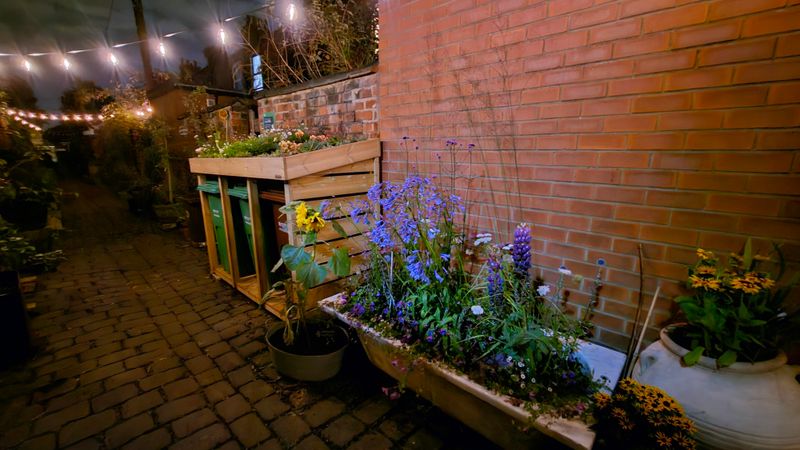
Garbage bins, recycling carts, and occasional litter are just part of alley life in Michigan cities and towns.
Planting edibles right next to a row of weekly trash bins is not the same as growing vegetables in a clean suburban backyard, and the difference matters more than most first-time alley gardeners realize.
Pet traffic is another real concern.
Alleyways are popular dog-walking routes, and pet waste carries bacteria like E. coli and parasites that can contaminate soil and leafy vegetables.
MSU Extension and public health guidance both advise keeping edible gardens away from areas with heavy pet traffic, or at minimum using barriers and raised beds that reduce direct contact between pet waste and food crops.
Raccoons, rats, and other urban wildlife also frequent Michigan alleyways, especially near food waste sources.
These animals can damage plants, disturb soil, and introduce additional pathogens into garden beds.
Hardware cloth laid under raised bed soil deters burrowing pests. Tight-fitting lids on nearby bins reduce wildlife attraction. Washing all harvested produce thoroughly is non-negotiable in any urban garden setting.
Focusing on ornamental plants or pollinator gardens near high-traffic alley areas, and reserving edibles for the cleanest and most protected spots, is a practical approach that experienced urban gardeners in Michigan communities already follow.
7. Narrow Beds Need Tough Access
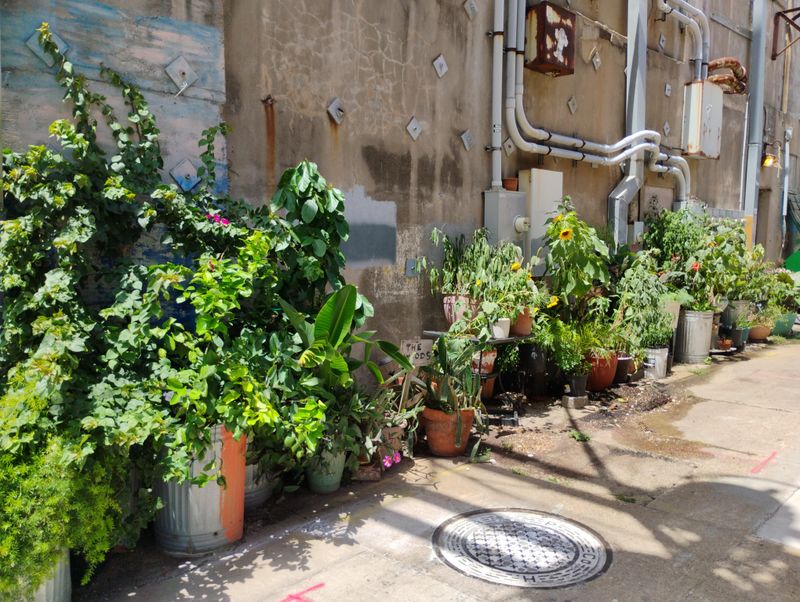
Squeeze between a garage wall and a chain-link fence with a watering can in one hand and a trowel in the other, and you will immediately understand why narrow alley beds demand a completely different approach to garden design.
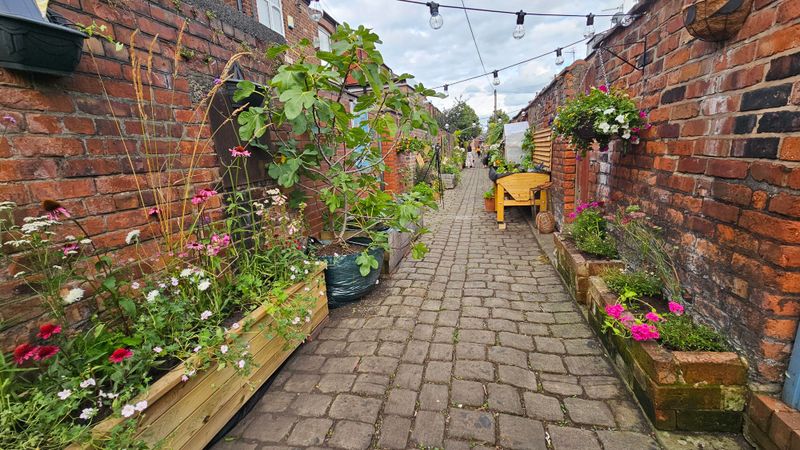
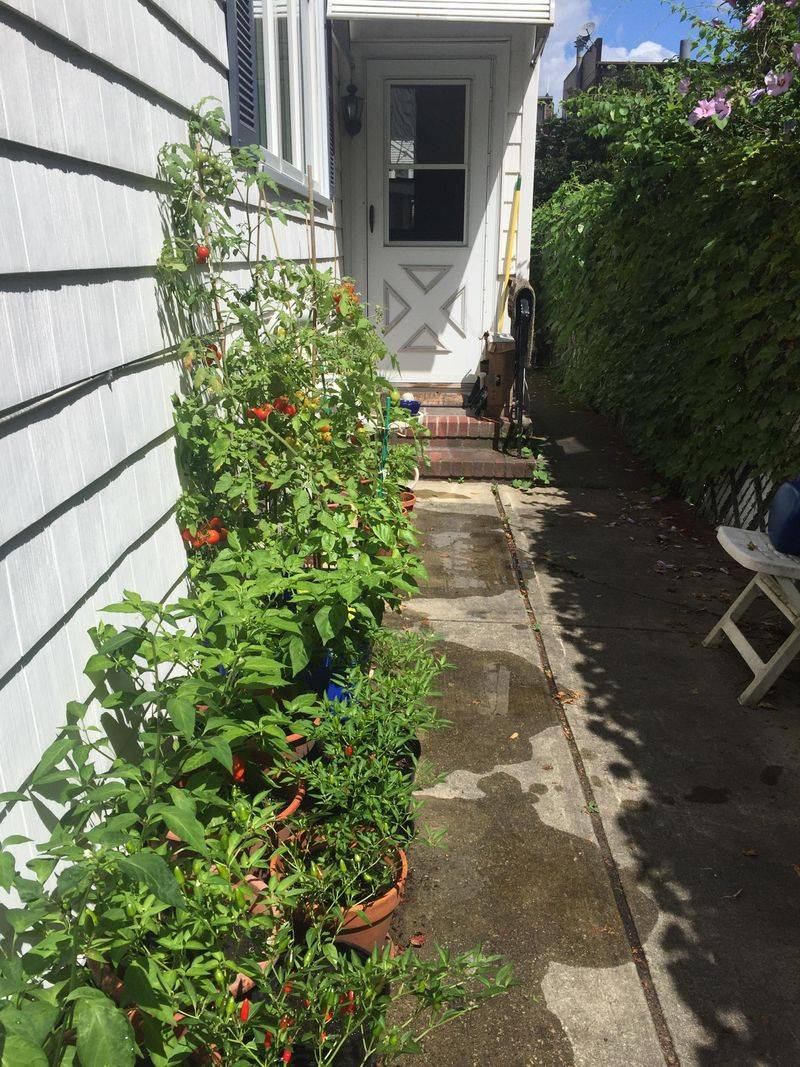
Most alleyways leave only two to four feet of usable planting space, and that space often has to serve double duty as a walking path, a bike route, and a utility access corridor.
Maintenance in tight spaces becomes physically awkward fast.
Weeding, pruning, watering, and harvesting all require you to reach across the bed from one side only, since the other side is usually a wall or fence.
Short-handled tools, telescoping wands, and drip irrigation systems make narrow alley garden maintenance far more manageable than relying on full-size backyard equipment.
Planning the layout carefully before planting saves a lot of frustration later.
Keep paths at least 18 inches wide for comfortable single-person access. Choose plants with compact growth habits rather than sprawling varieties that will block the path entirely by midsummer.
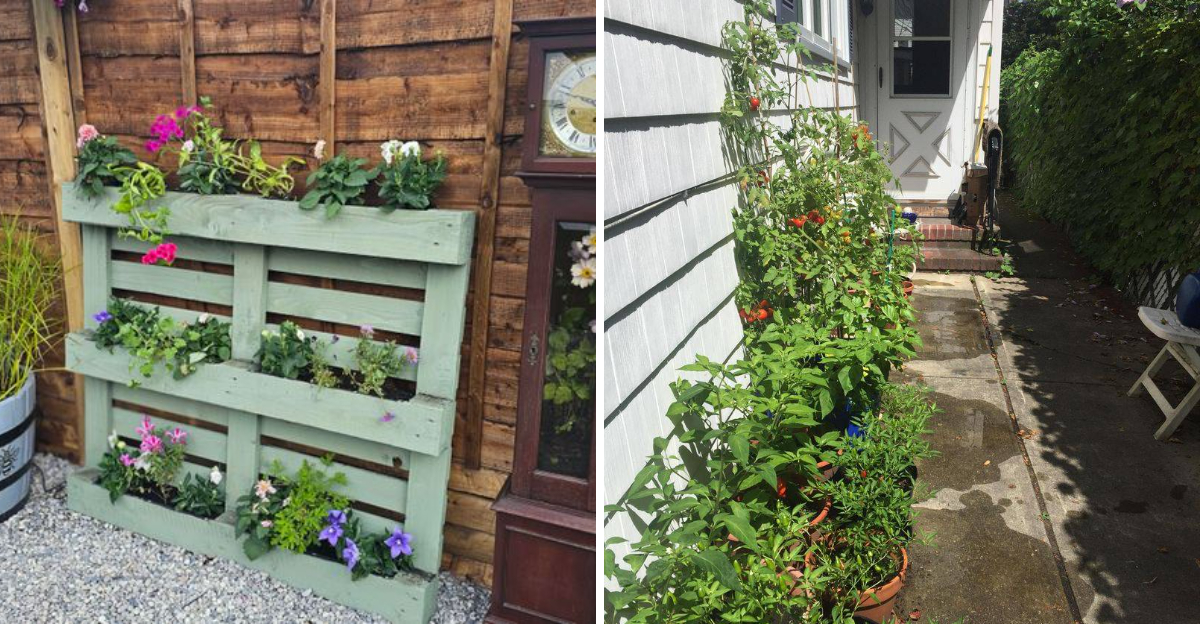
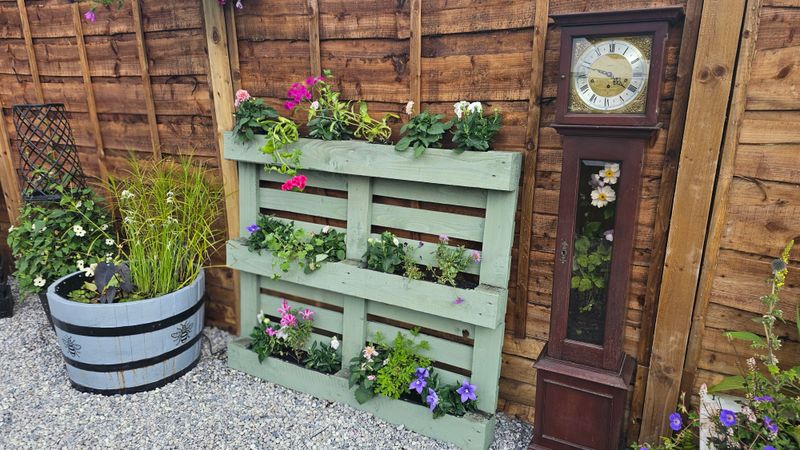
Vertical growing structures like trellises mounted flush against garage walls add growing space without eating into the narrow walkway.
Some Michigan urban gardeners use wall-mounted planters and vertical pocket gardens to maximize space without reducing access at all.
Thinking upward rather than outward is the smartest design move you can make in a tight alley corridor.
8. Raised Beds Solve Many Problems
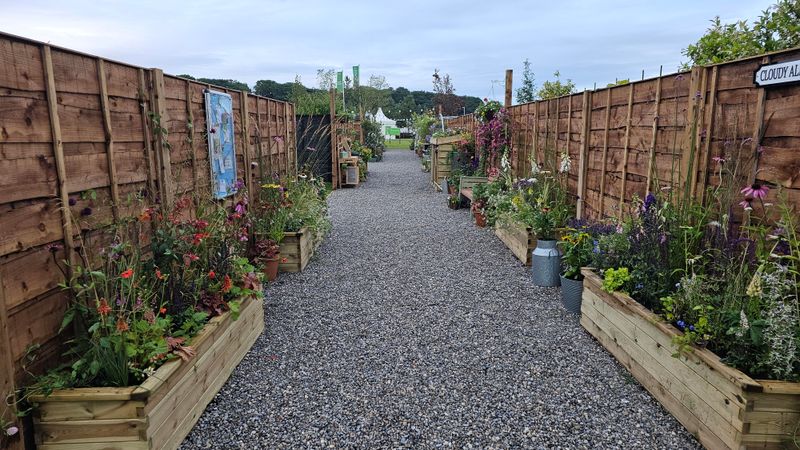
A raised bed tucked beside pavement is not a compromise. It is often the single smartest upgrade an alleyway gardener can make.
Raised beds sidestep nearly every major problem that makes alley gardening so frustrating, from contaminated ground soil and compaction to salt accumulation and poor drainage.
You fill them with clean, tested soil, and you control what goes into them from day one.
MSU Extension recommends raised beds as a top strategy for urban gardeners dealing with contaminated or compacted soils.
Beds should be at least eight to twelve inches deep for most vegetables, with deeper beds needed for root crops like carrots and beets.
Using a solid bottom layer or hardware cloth prevents roots from reaching contaminated native soil below.
Filling with a mix of quality topsoil and compost gives plants the loose, nutrient-rich environment they cannot find in compacted alley ground.
Raised beds also warm up faster in Michigan’s short spring season, giving gardeners a head start on planting.
They drain better during heavy summer storms and stay drier during wet spells than low-lying ground beds.
Cedar and redwood are naturally rot-resistant choices for bed construction. Avoid old railroad ties or pressure-treated lumber with unknown chemical treatments near edible plants.
A well-built raised bed in a Michigan alleyway can produce genuinely impressive harvests of tomatoes, peppers, greens, and herbs for many seasons with proper care and seasonal soil refreshing.