What Dropping Buds Are Really Telling You About This Popular Michigan Flower
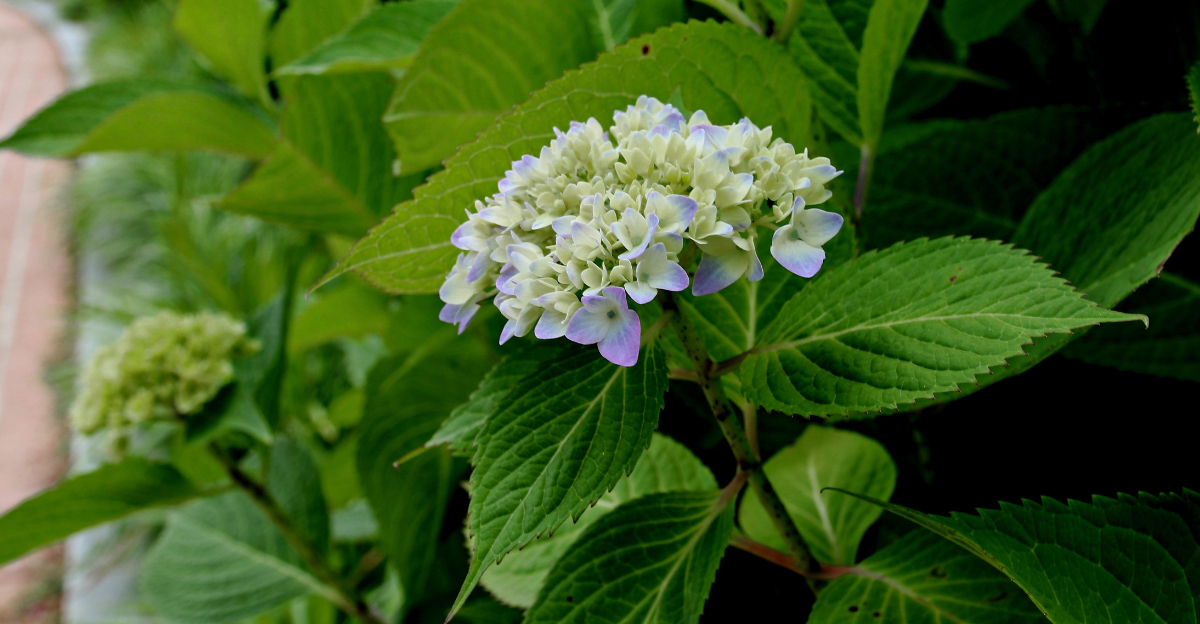
Buds dropping off a bigleaf hydrangea before they ever get the chance to open leaves plenty of Michigan gardeners confused and more than a little frustrated.
It’s easy to assume something is fundamentally wrong with the plant itself, especially when everything else about it looks perfectly healthy.
But this specific issue often traces back to a cause most people would never think to suspect on their own.
Understanding what’s actually happening beneath the surface changes how you should respond, rather than assuming the worst about your plant’s overall health.
Many gardeners spend years troubleshooting the wrong potential cause, missing the actual explanation entirely. Once you know what’s really behind those dropping buds, the whole situation starts to make a lot more sense.
This knowledge could finally solve a frustration that’s been following your hydrangea for seasons.
1. The Plant May Be Protecting Itself
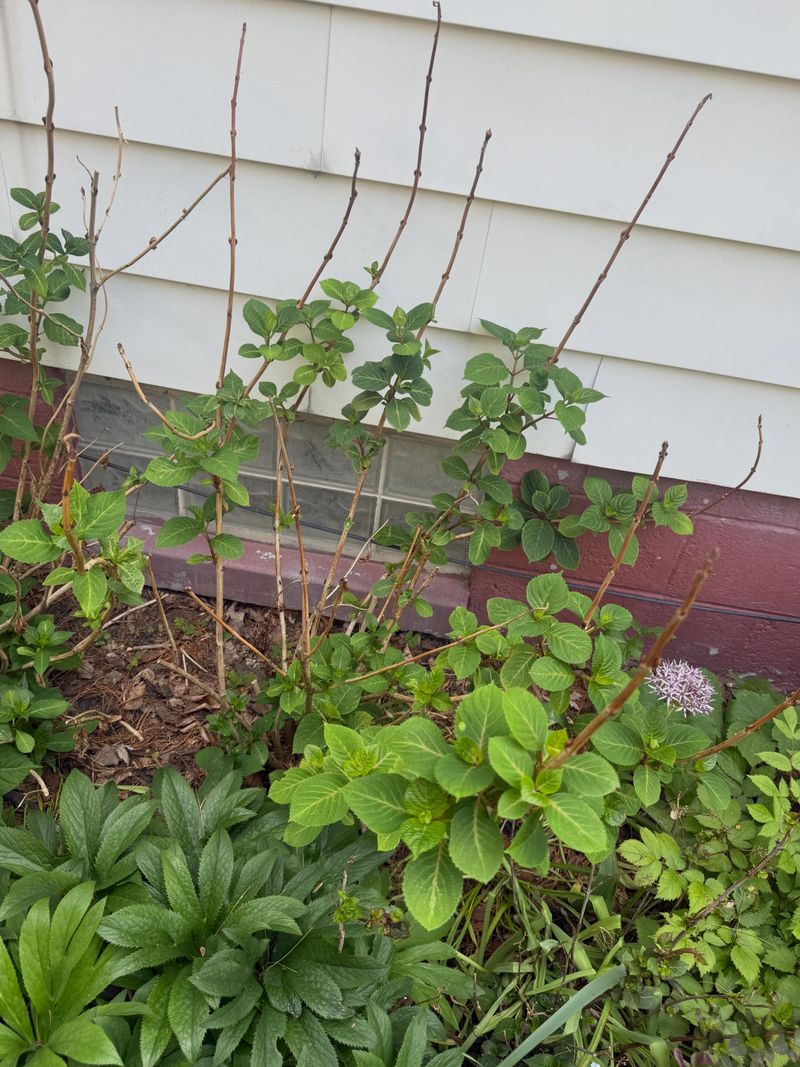
Plants are smarter than they look. When a bigleaf hydrangea faces trouble like drought, blazing heat, or a sudden swing in weather, it sometimes lets go of its buds on purpose. This is the plant playing defense.
Think of it like packing light before a tough journey. A stressed hydrangea does not have enough water or energy to support every flower, so it drops buds to save resources for staying alive.
The roots and leaves get first pick of whatever moisture is left, and the buds become the part the plant can afford to release.
Root problems can trigger the same reaction. If the roots sit in soggy soil or get squished in a pot that is too small, they cannot deliver water properly, and the buds pay the price.
Michigan summers can also flip from cool and rainy to hot and dry within days, which shocks the plant.
You can help by keeping conditions steady. Water deeply during dry spells, add a layer of mulch to hold moisture, and give the plant some afternoon shade during heat waves.
Avoid moving or transplanting your hydrangea right before it blooms, since that adds even more stress.
When you notice buds dropping during a scorching stretch, do not panic. Your hydrangea is simply trying to survive a rough patch.
Fix the stress, stay patient, and the plant usually bounces back with healthy growth once conditions improve and the weather settles down again.
2. Wrong Pruning Can Remove Flowers
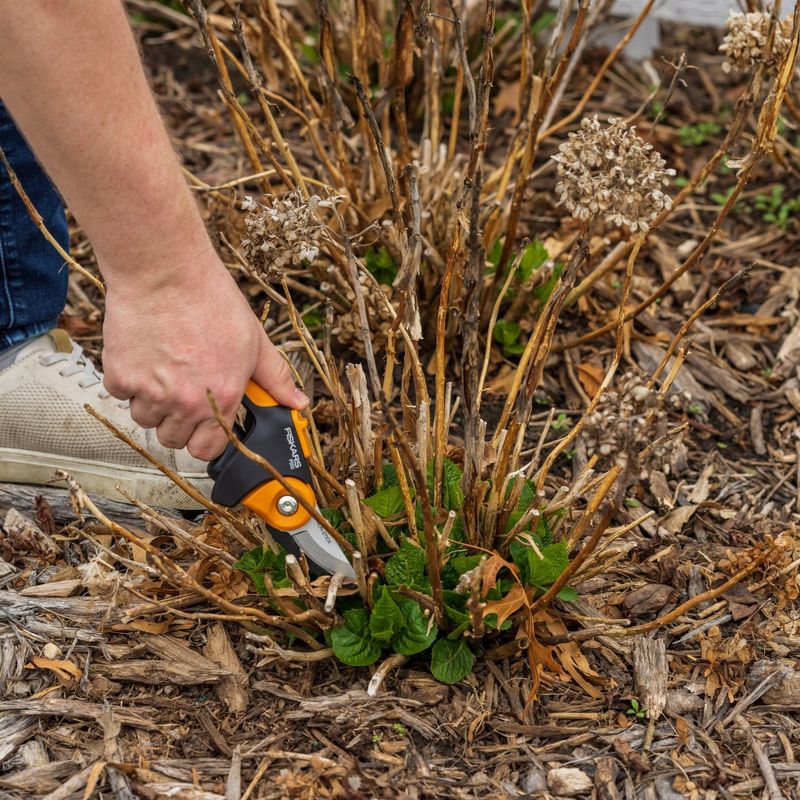
Here is a mistake that trips up even careful gardeners. Bigleaf hydrangeas set their flower buds on old wood, which means the stems that grew last year.
If you cut those stems at the wrong time, you accidentally snip away next season’s blooms before they ever get a chance to open.
Timing is everything with this plant. Many people prune in fall or early spring because that is when they clean up the yard, but that is exactly when the buds are already waiting on the branches.
A quick trim then can leave you with a leafy green shrub and almost no flowers. The safest time to prune is right after the hydrangea finishes blooming in summer. At that point, you can shape the plant and remove weak stems without harming future buds.
Your Michigan Garden Changes Every Week. Your Plan Should Too.
Gardening in Michigan changes quickly throughout the season. Every Friday you’ll receive a simple weekly plan showing exactly what to plant, prune, fertilize, harvest, and protect so you never miss the right timing.
Wait too long, and you risk cutting off the growth that will carry next year’s flowers. Only remove stems that are clearly broken or damaged during the off-season. Everything else should stay put so the buds can develop safely through fall and winter.
A simple rule helps: if you are not sure whether to cut, leave it alone. Bigleaf hydrangeas often look best with light, careful pruning rather than a heavy chop.
Learn your plant’s blooming schedule, keep your shears busy only in the right window, and you will protect those precious buds. Getting the timing right is one of the easiest ways to guarantee a colorful show each summer.
3. Michigan Winters Can Damage Buds
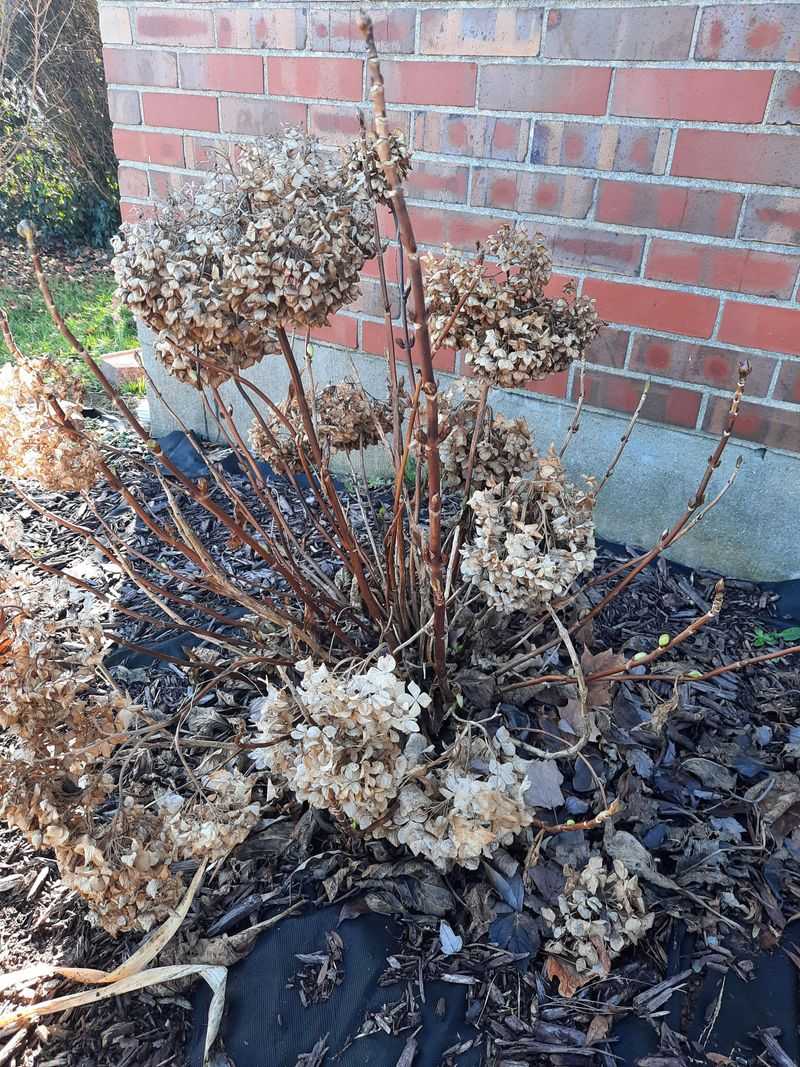
Michigan winters can be brutal, and bigleaf hydrangeas feel it deeply. These plants form their flower buds in late summer and carry them through the cold months.
When temperatures drop hard, those tiny buds can suffer damage even while the rest of the plant survives.
The tricky part is the timing of the weather. A warm spell in late winter can trick the buds into waking up early, and then a sudden freeze harms them. Cold winds and ice also dry out and injure the exposed buds on the branch tips.
Here is why it fools so many gardeners. In spring, the leaves push out and everything looks green and healthy, so people assume all is well.
But those healthy leaves grow from tougher parts of the stem, while the flower buds may already have been harmed by winter. The result is a full, leafy shrub with few or no blooms.
You can guard against this by picking a sheltered planting spot, away from harsh winter wind. A location near a building or fence offers extra protection. Wrapping the plant in burlap or piling mulch and leaves around the base helps too.
Some gardeners choose newer hydrangea varieties bred to handle cold better and bloom on both old and new wood. That way, even if winter takes some buds, the plant still flowers later in the season.
Understanding this pattern saves a lot of confusion. When your leaves look great but flowers stay missing, winter is often the reason behind those lost buds.
4. Dry Roots Show Up In The Flowers
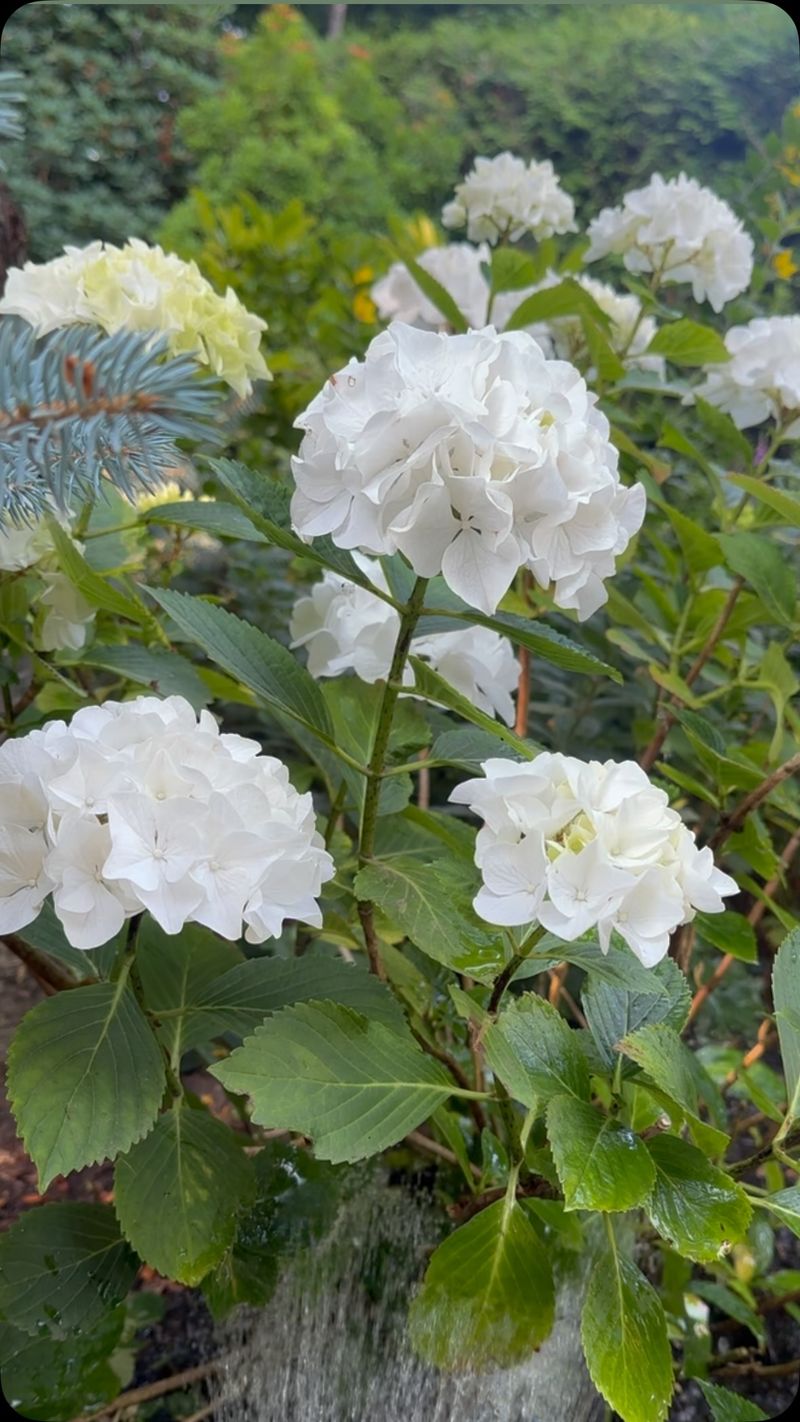
Water is the lifeline of every hydrangea, and these plants are thirstier than most. Their name even hints at it, since hydra points to water. When the roots go dry, the flowers are usually the first place you see the trouble.
Inconsistent watering causes the biggest headaches. If a plant gets soaked one week and then bakes with none for the next two, it never settles into a steady rhythm.
That up-and-down cycle stresses the roots and leads to weak buds, droopy blooms, or buds that fall before opening.
Hydrangeas have shallow roots that dry out quickly, especially in sandy Michigan soil or during hot, windy afternoons. When the roots cannot pull up enough moisture, the plant cannot push energy into building strong flowers.
The fix is a regular watering habit. Aim to give your hydrangea a deep drink a few times each week rather than a light sprinkle every day. Deep watering encourages roots to grow down where moisture lasts longer.
Mulch is your best friend here. A few inches spread around the base holds water in the soil and keeps roots cooler during heat. Just keep the mulch a little away from the main stems.
Morning is the ideal time to water, giving the plant a full drink before the sun climbs high. Check the soil with your finger, and if it feels dry a couple inches down, it is time to water.
Keep the moisture steady, and your buds will reward you with fuller, healthier blooms.
5. Too Much Shade Reduces Blooming
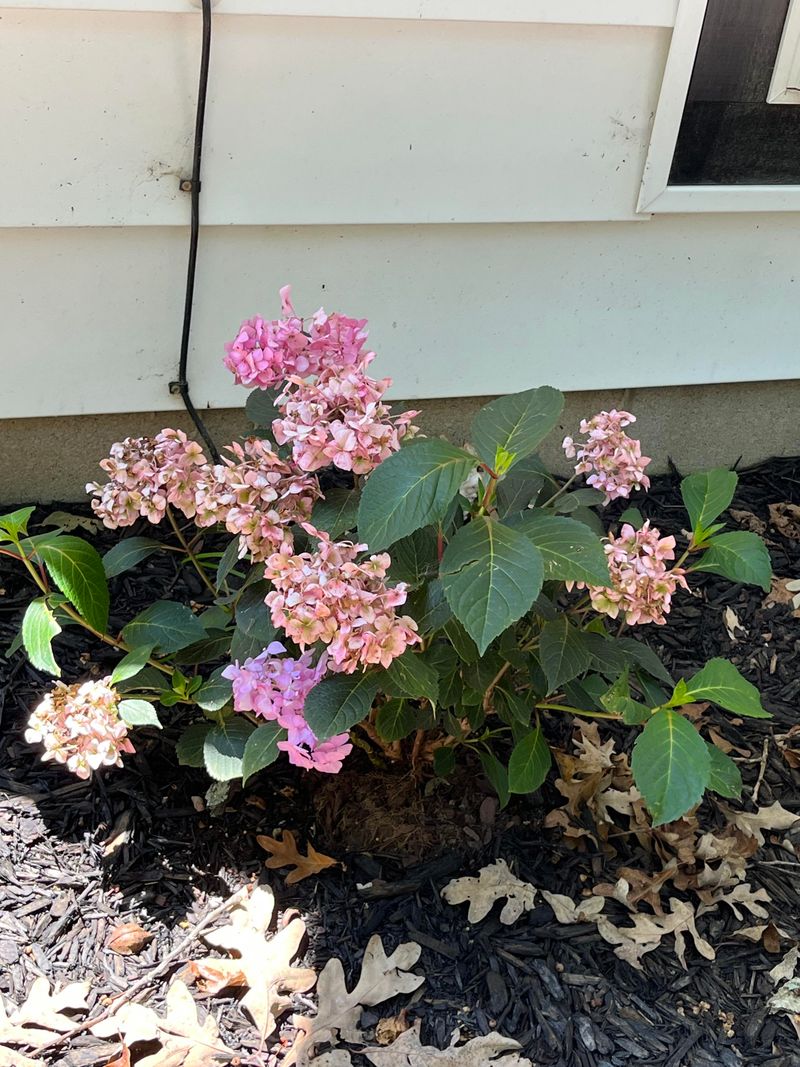
Sunlight is fuel for flowers, and hydrangeas need a good dose of it. While these plants enjoy some shade, especially from harsh afternoon sun, too much darkness leaves them struggling to bloom.
A hydrangea tucked deep under thick trees often grows plenty of leaves but hardly any flowers.
Plants use light to make the energy they need for growth and blooming. Without enough of it, a hydrangea puts its limited energy into surviving instead of producing buds. The result is a green, leafy shrub that looks fine but never bursts into color.
Michigan gardens can be tricky because trees leaf out fully in summer and cast heavier shade than you expect. A spot that seemed sunny in early spring might turn dim by the time the hydrangea should flower.
The sweet spot is morning sun with light afternoon shade. That combination gives the plant enough energy while protecting it from scorching midday heat. Roughly four to six hours of sun keeps most bigleaf hydrangeas happy.
If your plant sits in gloom, you have a couple of options. Trim back nearby branches to let in more light, or move the hydrangea to a brighter location during its dormant season. Choose a spot with gentle morning rays for best results.
Watch how the light shifts across your yard through the day before you plant. A little planning goes a long way.
Give your hydrangea the light it craves, and those stubborn green shrubs will finally reward you with blooms.
6. Too Much Nitrogen Creates Leaves Instead
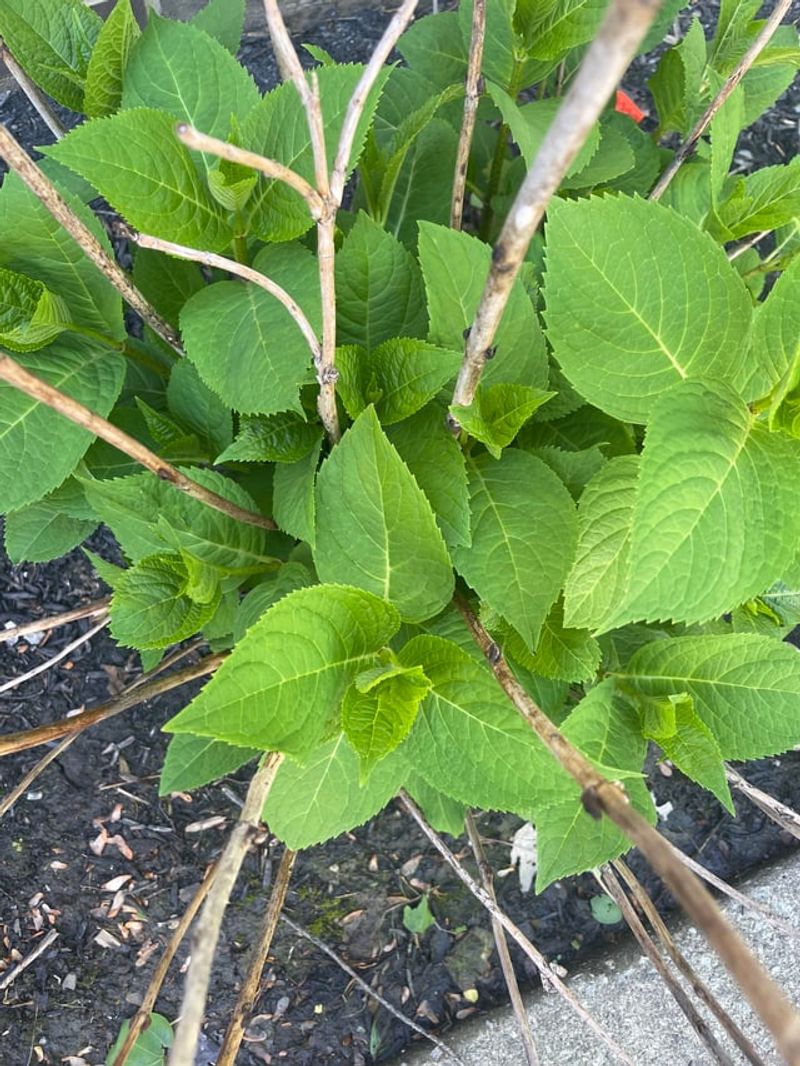
Feeding your hydrangea sounds like a kind thing to do, but too much of the wrong food backfires. Nitrogen, one of the main nutrients in many fertilizers, pushes plants to grow lots of leaves.
When you overdo it, your hydrangea turns into a bushy green giant with barely any flowers. Here is what happens behind the scenes. Nitrogen tells the plant to build stems and foliage first.
If there is too much of it, the hydrangea gets so busy making leaves that it forgets to focus on buds and blooms. You end up with beautiful greenery and disappointing flowers.
This often happens by accident. Lawn fertilizers are packed with nitrogen, and when you feed the grass near your hydrangea, some of it soaks into the plant’s roots. Suddenly your shrub is overfed without you even trying.
The balance you want comes from fertilizers made for blooming plants. Look for a mix with phosphorus, the nutrient that supports flowers, rather than one loaded with nitrogen. The numbers on the bag tell the story, with the first number being nitrogen.
Less is usually more with hydrangeas. A light feeding in spring is plenty, and many plants do fine with just good soil and compost. Overfeeding creates more harm than help.
Keep your lawn fertilizer away from the hydrangea’s root zone too. Give the plant balanced nutrition instead of a nitrogen overload, and it will trade some of that extra leaf growth for the colorful blooms you have been waiting for.
7. Check For Deer Damage
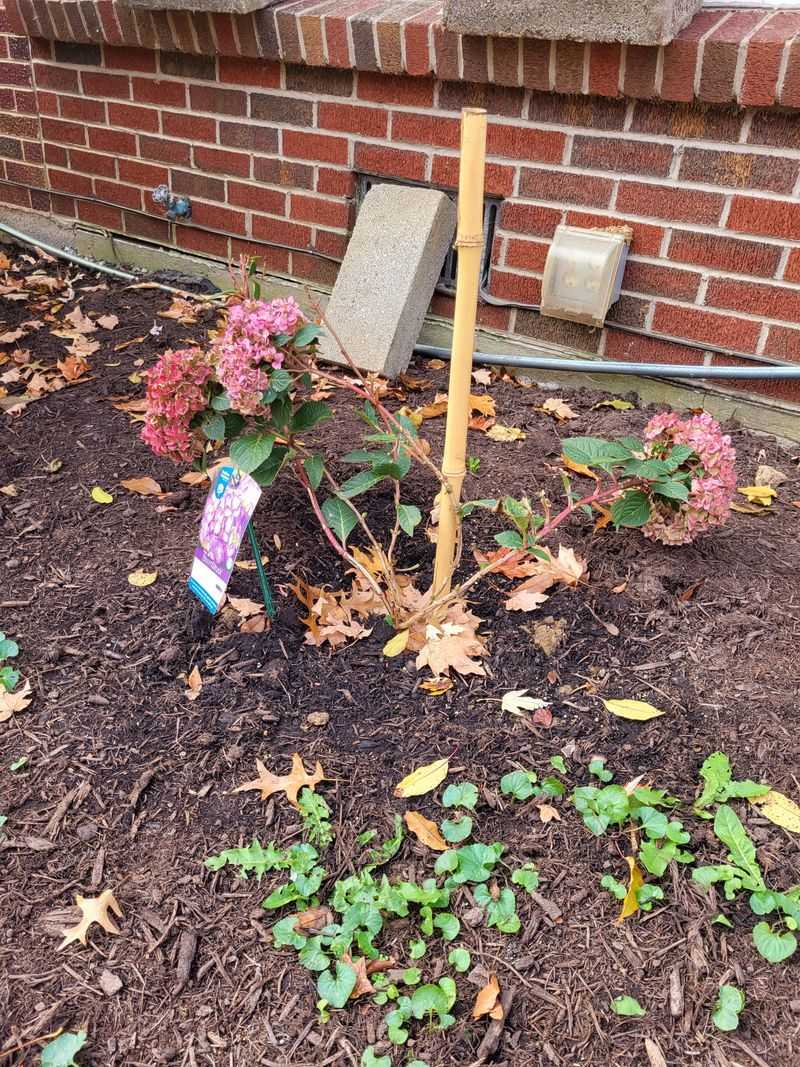
Sometimes the mystery of missing buds has four legs. Deer love tender hydrangea buds, and in many Michigan neighborhoods they treat gardens like a buffet.
A hungry deer can strip fresh buds off your plant overnight, leaving you scratching your head the next morning.
These animals are especially drawn to soft new growth and the plump buds forming on the branches. When they nibble those off, next season’s flowers vanish along with them. You may not even catch the deer in the act, since they often visit at dawn or dusk.
Look for clues if you suspect a visitor. Deer leave ragged, torn stems rather than clean cuts, because they yank leaves and buds instead of snipping them. Hoof prints in soft soil and droppings nearby are other giveaways.
Protecting your hydrangea takes a little effort but pays off. Fencing is the most reliable barrier, though it needs to be tall since deer jump well. Netting draped over the shrub during vulnerable times helps too.
Scent-based repellents can discourage browsing, and you may need to reapply them after rain. Some gardeners plant strong-smelling herbs nearby to make the area less appealing.
Motion-activated sprinklers give deer a surprise splash that teaches them to stay away. Rotating your methods keeps the animals from getting used to any single trick.
Once you rule out weather and watering issues, deer are worth investigating. Guard those buds, and your hydrangea gets a fair shot at blooming beautifully.
8. Protect Next Year’s Blooms
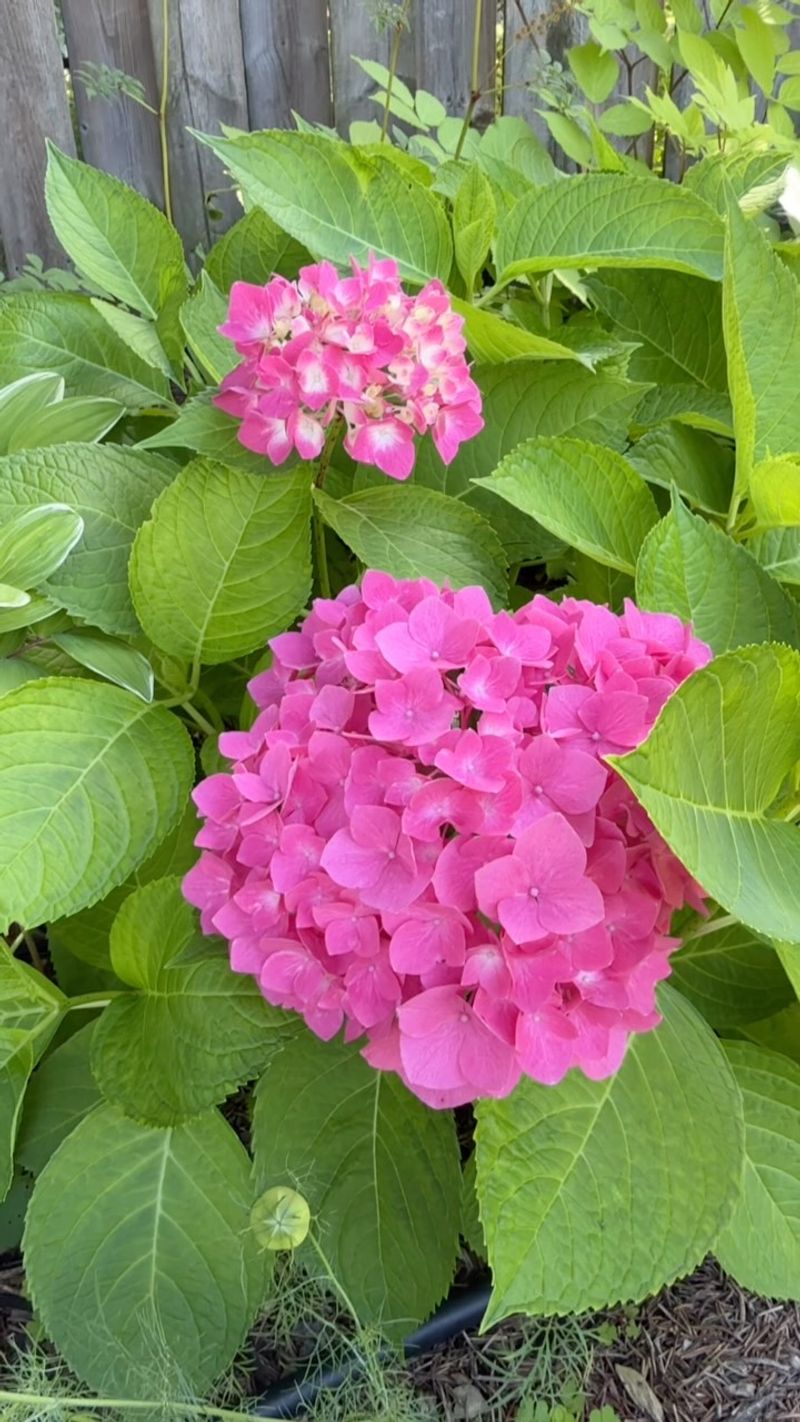
Everything you have learned comes together in one goal: keeping those buds safe until they burst into flower. With a few smart habits, you can give your bigleaf hydrangea the best chance to hold onto its future blooms through Michigan’s ups and downs.
Steady watering leads the list. Deep, regular drinks keep the roots strong and the buds well fed, especially during hot stretches.
Pair that with a thick layer of mulch to lock in moisture and shield the roots from temperature swings.
Pruning at the right moment matters just as much. Trim only after the plant finishes blooming in summer, so you never accidentally remove the buds waiting for next year. When in doubt, cut less and let the plant keep its stems.
Winter protection is a big one in Michigan. Wrap the shrub in burlap, mound extra mulch or leaves around the base, and choose a sheltered spot away from icy wind. These small steps guard the buds through the coldest months.
Balanced feeding rounds things out. Skip heavy nitrogen and pick a bloom-friendly fertilizer instead, so the plant spends its energy on flowers rather than endless leaves.
Keep an eye out for deer too, and set up barriers before they discover your plant. A little prevention saves a whole season of blooms.
Put these habits together and your hydrangea rewards you generously. Consistent care, good timing, and a bit of winter planning turn a frustrating plant into the star of your garden every single year.