8 Texas Hill Country Native Plants That Make Summer Gardens Look Effortless
Summers in the Texas Hill Country are no joke.
Temperatures push past 100 degrees, the soil is mostly crushed limestone, deer wander through like they own the place, and rain disappears for weeks at a time.
Most garden plants throw a fit and look terrible by July.
But a handful of native plants actually thrive in all that heat and hardship, pulling in butterflies, bees, and hummingbirds without demanding much from the gardener at all.
These tough, beautiful natives have been growing in Central Texas long before anyone thought to put them in a garden bed, and they bring a relaxed, wildflower-meadow charm that no amount of fussy annuals can match.
The secret is not trying to fight the Hill Country’s conditions. It is finding plants that were built for them.
If you want a summer garden that looks like it belongs in the Hill Country instead of fighting it, these eight plants are your best starting point.
1. Autumn Sage Keeps Blooming
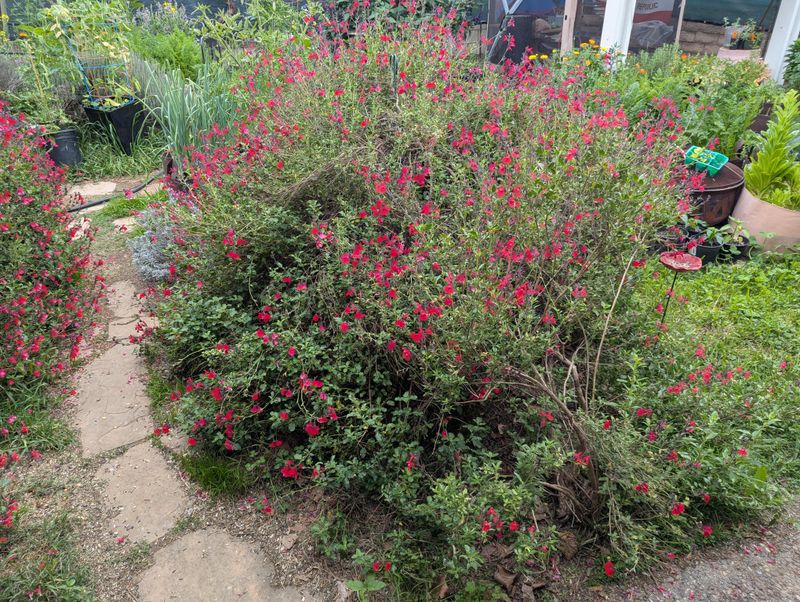
A rock bed baking under a July sun in Kerrville, Texas, and right in the middle of it sits a plant covered in cheerful red blooms like it has absolutely nothing to worry about.
That is Autumn Sage, known to botanists as Salvia greggii, and it earns every bit of its reputation as one of the toughest flowering plants in the Hill Country.
Unlike many perennials that quit blooming when the heat cranks up, Autumn Sage just keeps going, pushing out flowers from spring all the way through fall with barely a pause.
Hummingbirds are wild about it.
The tubular red, pink, coral, or salmon flowers are shaped perfectly for a hummingbird’s long bill, and you will often see multiple birds zipping around a single plant on a hot afternoon.
Native bees visit too, working the flowers early in the morning before the day heats up too much.
Autumn Sage grows best in full sun and well-drained soil, which makes limestone-heavy Hill Country gardens just about perfect for it.
It handles drought well once established, needing little to no supplemental watering after its first season.
Plants stay compact, usually reaching two to three feet tall and wide, so they fit easily into borders or rock gardens.
Trim them back by about one-third in late winter and again lightly after the spring bloom flush to keep them looking tidy and encourage even more flowers all summer long.
2. Flame Acanthus Feeds Hummingbirds
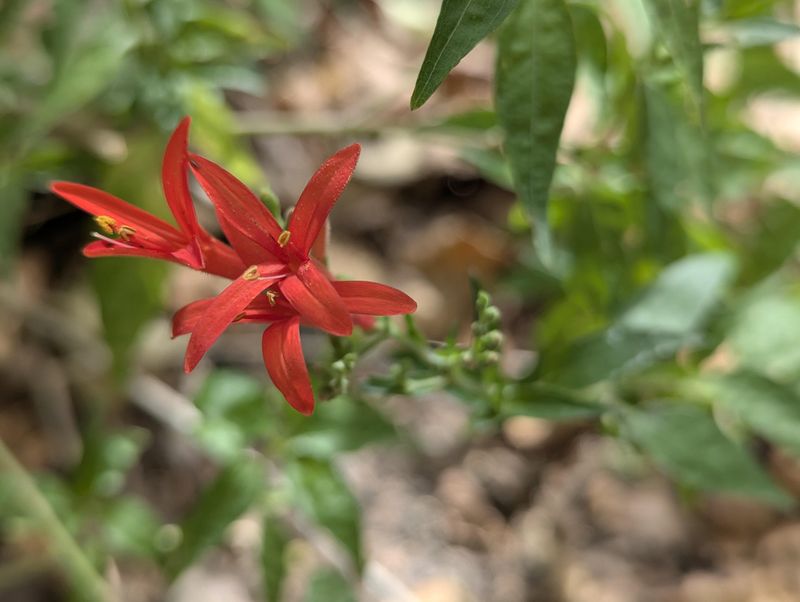
A hummingbird hovering at a wall of orange-red blooms on a blazing August afternoon is one of the best sights a Texas gardener can stumble into.
Flame Acanthus, or Anisacanthus quadrifidus var. wrightii, delivers exactly that experience, and it does it with almost zero help from the gardener.
This tough, sprawling shrub is native to the Edwards Plateau and surrounding areas, which means it was practically born to handle limestone soil, brutal heat, and long dry spells.
The blooms are narrow and tubular, flaring out at the tips in shades of fiery orange and red.
Your Texas Garden Changes Every Week. Your Plan Should Too.
Gardening in Texas changes quickly throughout the season. Every Friday you’ll receive a simple weekly plan showing exactly what to plant, prune, fertilize, harvest, and protect so you never miss the right timing.
They appear in summer and keep coming through fall, making Flame Acanthus one of the most reliable late-season food sources for migrating hummingbirds passing through Central Texas.
Orioles and native bees also visit the flowers regularly, turning the plant into a busy little wildlife station.
In the garden, Flame Acanthus works well as a large border shrub, a slope stabilizer, or a colorful hedge along a fence line.
It can reach four to eight feet tall and wide, so give it room to spread. Full sun brings out the best bloom production, though it tolerates a bit of afternoon shade.
Water it through the first growing season to help roots settle in, then back off and let the plant handle dry summers on its own.
It may look a little ragged in a hard freeze but bounces back reliably from the roots each spring.
3. Blackfoot Daisy Handles Limestone Heat
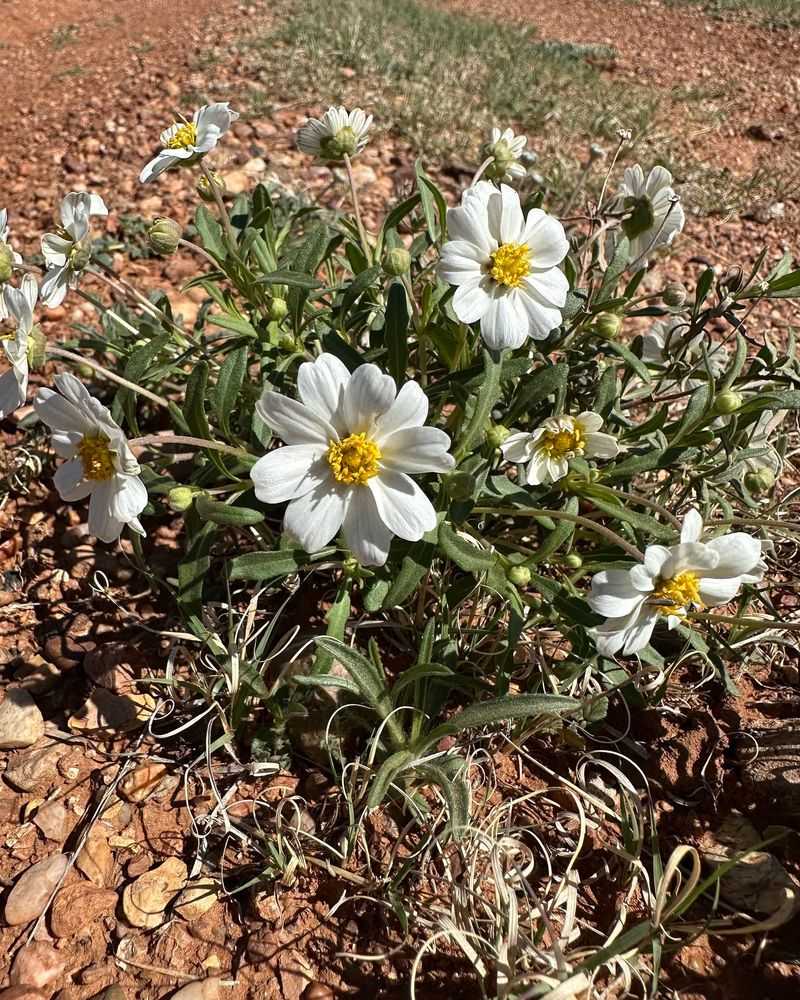
Rocky, dry slopes with thin, chalky soil are not where most plants want to spend the summer.
Blackfoot Daisy, Melampodium leucanthum, disagrees entirely.
This low-growing native perennial actually performs better in poor, fast-draining limestone soil than it does in rich garden beds, which makes it a perfect fit for the gravelly edges and sun-baked spots that stump most gardeners in the Hill Country.
The flowers are classic white daisies with bright yellow centers, cheerful and simple, blooming from early spring through late fall with a little encouragement.
Plants stay low and mounding, usually only eight to twelve inches tall, which makes them excellent edging plants along pathways, rock walls, and xeriscape borders.
They have a honey-like fragrance that is noticeable up close, a small bonus on a warm morning walk through the garden.
Blackfoot Daisy needs excellent drainage above everything else.
Sitting in wet soil, especially during cool months, is the one condition it really struggles with. Plant it in a raised bed, a rocky slope, or any spot where water moves away quickly after rain.
Once established, it needs very little supplemental water and handles full sun without complaint.
Trimming spent blooms or giving the plant a light trim in midsummer can help push a fresh flush of flowers for late summer and fall.
Native bees visit the flowers regularly, and the plant pairs naturally with other limestone lovers like Cenizo and Damianita for a low-water native planting that looks intentional all season.
4. Texas Lantana Brings Tough Color
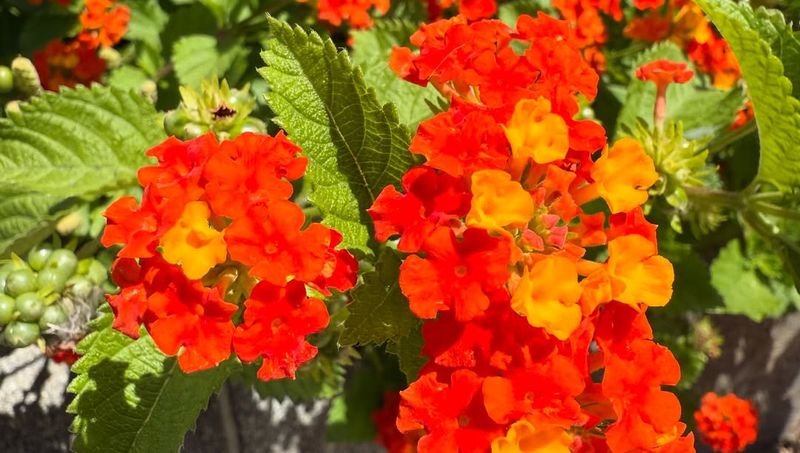
Few plants bring as much summer color to a Hill Country garden as Texas Lantana, and fewer still do it with such a stubborn refusal to slow down in the heat.
Lantana urticoides, the native species found wild across Central and South Texas, erupts into clusters of orange, yellow, and red blooms from late spring and keeps the show going strong until the first frost.
The flowers shift color as they age, giving each cluster a layered, multicolored look that catches the eye from across the yard.
Butterflies are completely devoted to it.
Swallowtails, skippers, sulphurs, and monarchs all flock to Texas Lantana, making it one of the most productive butterfly plants a Hill Country gardener can grow.
On a warm summer morning, a large Lantana shrub can look like it is moving on its own, covered in so many wings.
Texas Lantana grows fast and big, often reaching three to five feet tall and spreading just as wide.
Give it full sun and well-drained soil and then mostly leave it alone. It handles drought very well once established and actually blooms more freely when it is not overwatered or over-fertilized.
The foliage has a sharp, pungent smell that deer tend to dislike, which is a quiet bonus in areas with heavy deer pressure.
Prune it back hard in late winter to keep the shape tidy and encourage fresh, vigorous growth each spring.
5. Mealy Blue Sage Carries Pollinators
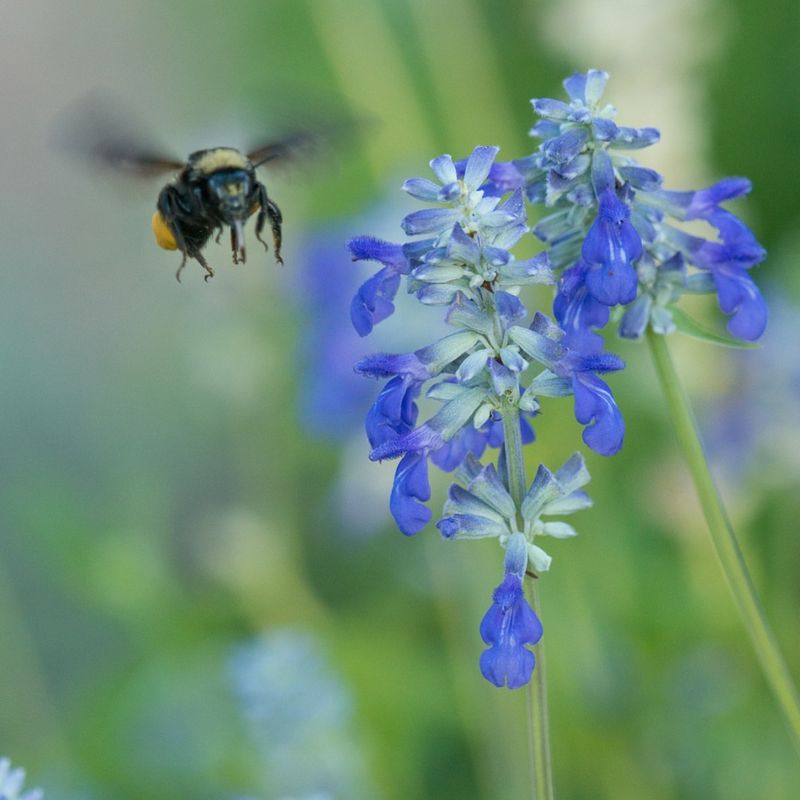
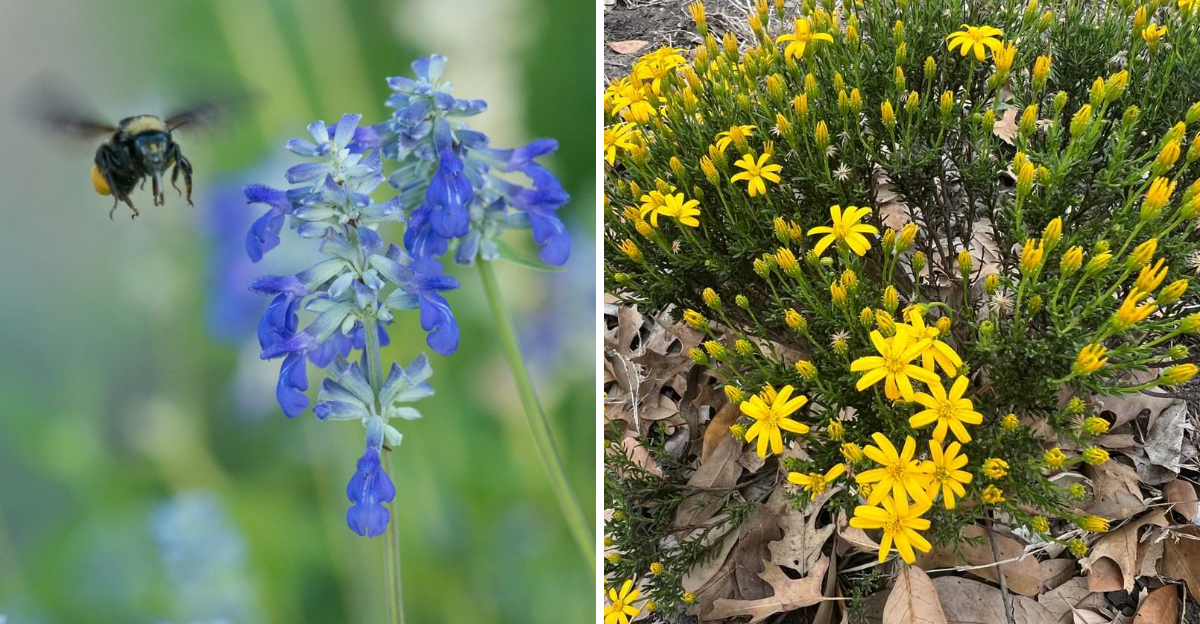
Tall spikes of violet-blue flowers rising above silvery-green leaves are a reliable sight in Hill Country gardens from late spring through fall, and they are almost never visited by just one pollinator at a time.
Mealy Blue Sage, Salvia farinacea, is a native Texas perennial that has become a go-to plant for gardeners who want to support native bees without sacrificing good looks.
The common name comes from the fine, flour-like coating on the flower stems and calyxes, which gives the plant a soft, dusty appearance up close.
Native bumblebees, sweat bees, and leafcutter bees are especially attracted to the flowers. Hummingbirds visit regularly too.
The plant blooms heavily in spring, slows a little during the hottest weeks of summer, and then picks back up again in fall, providing three distinct seasons of pollinator food from a single plant.
Mealy Blue Sage grows two to three feet tall in full sun and handles partial shade reasonably well, though bloom production drops in shadier spots.
It is very much at home in limestone soil and handles dry conditions well once established.
Trim spent flower spikes or cut the plant back by about half in midsummer to encourage a strong flush of new blooms for fall.
It self-seeds modestly, so expect a few volunteer plants to appear in nearby spots over time. Those volunteers are easy to transplant while small, making Mealy Blue Sage one of the most generous plants in the native garden.
6. Gregg’s Mistflower Pulls Butterflies
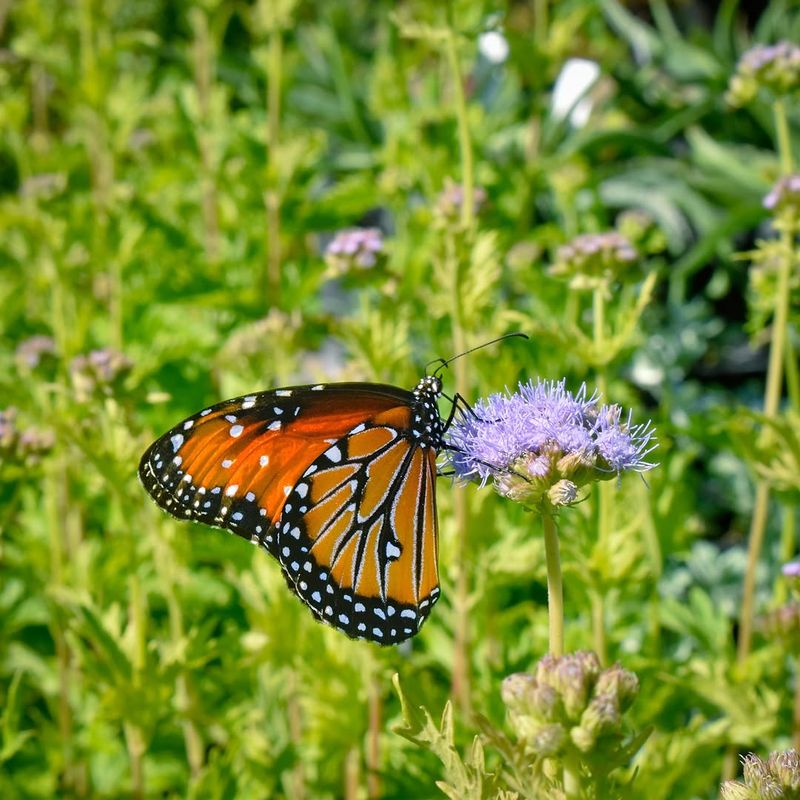
By late summer, when most garden plants are looking exhausted and sun-bleached, Gregg’s Mistflower starts warming up for its best performance.
Conoclinium greggii sends up clusters of fuzzy, violet-blue blooms in late summer and fall, right when migrating monarch butterflies and queen butterflies are moving through the Hill Country.
The timing is not an accident. This plant and those butterflies have been on the same schedule for a very long time.
The flowers have a soft, powder-puff texture and a mild sweet scent that draws in an impressive crowd.
Monarchs, queens, painted ladies, skippers, and sulfurs all land on Mistflower in numbers that can be genuinely surprising. Placing it near a seating area gives you a front-row seat to all the action without needing binoculars.
Gregg’s Mistflower spreads by underground runners, forming a low colony about one to two feet tall.
It works well as a ground cover on slopes, along dry creek beds, or tucked under the filtered shade of an oak tree, where it gets a little relief from the harshest afternoon sun.
It handles limestone soil well and needs minimal water once established.
The plant goes dormant in winter and looks sparse, so pair it with evergreen neighbors like Cenizo or Blackfoot Daisy to fill in the gaps.
Cut it back to the ground in late winter and it will come roaring back in spring with fresh, clean growth ready for another season of butterfly hosting duty.
7. Cenizo Brings Silver Structure
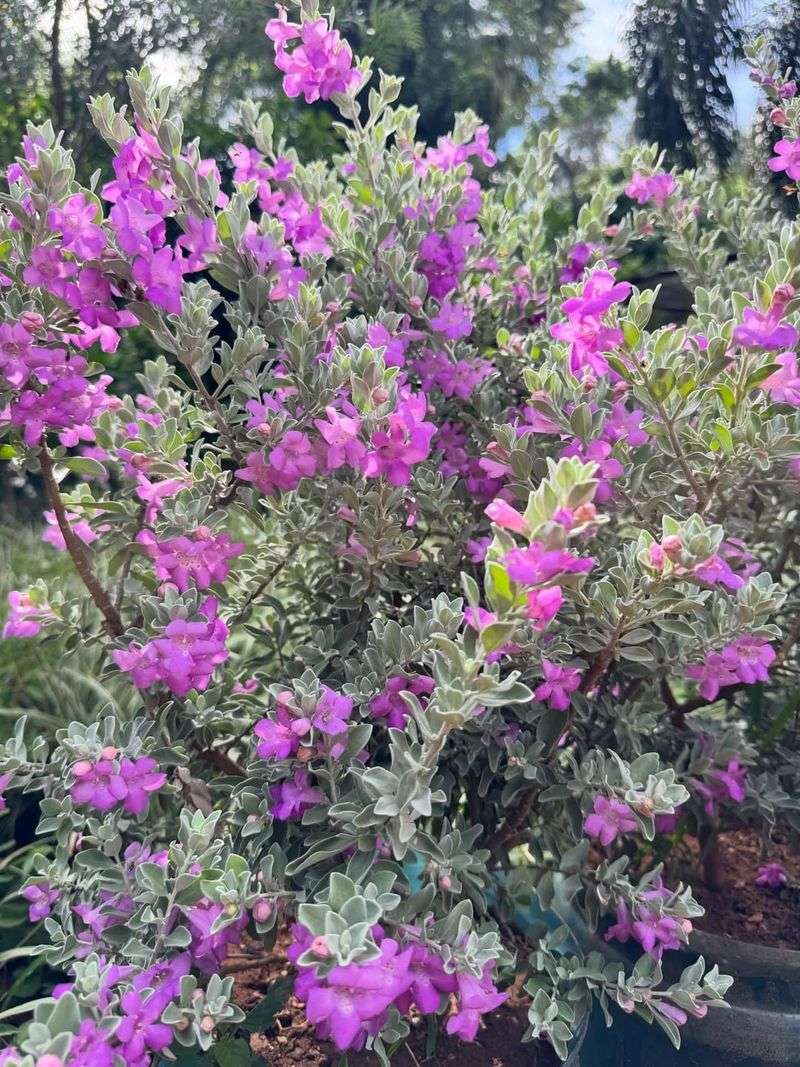
Silver and purple are not colors most people expect from a drought-tolerant shrub, but Cenizo delivers both with quiet confidence all year long.
Leucophyllum frutescens, also called Texas Sage or Purple Sage, is one of the most recognizable native shrubs in the Hill Country, valued as much for its soft, silvery-gray foliage as for the lavender-purple flowers that appear after summer rain events.
The foliage alone earns it a permanent spot in the garden, providing cool-toned contrast against the warm greens and yellows of summer plantings.
Cenizo blooms in response to humidity and rainfall rather than on a fixed schedule, which means a good summer storm can trigger a spectacular purple flush within days.
Hill Country gardeners call it a weather forecaster because it often blooms just before or just after rain.
That unpredictability is part of its charm, and the blooms attract native bees and butterflies whenever they appear.
As a shrub, Cenizo brings real structural value to a planting.
It can grow four to eight feet tall and wide, making it useful as a hedge, a screen, or a large specimen plant in a dry border.
Full sun and excellent drainage are non-negotiable. It suffers in clay or poorly drained soil and does not want regular irrigation once established.
Deer generally leave it alone, which makes it especially useful in gardens where browsing pressure is a constant challenge through the summer months.
8. Damianita Loves Lean Soil
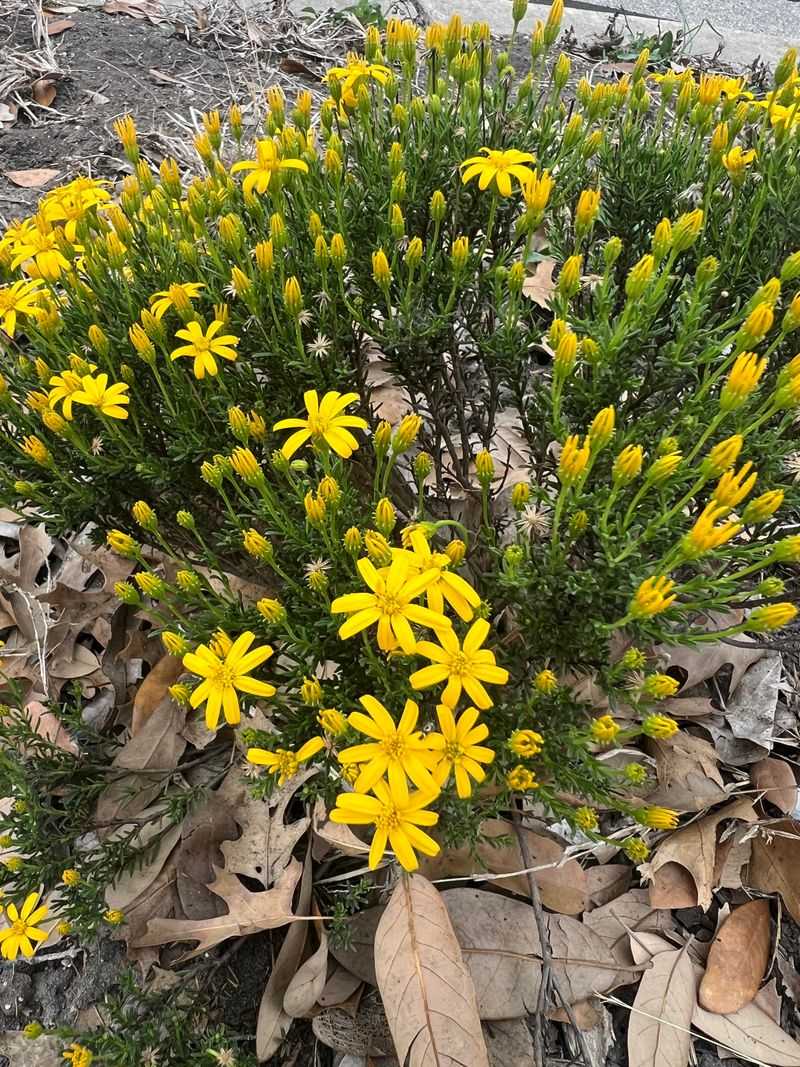
Some plants look better the harder they are pushed, and Damianita is a prime example.
It grows in the toughest spots the Hill Country has to offer, rocky outcrops, thin caliche soil, south-facing slopes with zero shade, and it responds to all of that hardship by covering itself in bright yellow, daisy-like flowers from spring through fall.
Rich soil and extra water actually make it leggy and weak, so the lean, dry conditions that stress other plants are exactly what Damianita needs to thrive.
The plant forms a tidy, rounded mound about one to two feet tall and wide, with fine, aromatic dark green foliage that smells pleasantly herbal when brushed.
That fragrance, combined with the slightly bitter chemistry of the leaves, helps explain why deer tend to skip over it.
In gardens with serious deer pressure, Damianita is one of the more reliable options for holding a sunny, exposed spot without constant damage.
Native bees visit the flowers regularly, and the long bloom season makes it a steady pollen source through the hottest months.
Damianita pairs beautifully with Blackfoot Daisy, Cenizo, and Autumn Sage in low-water rock garden designs.
Plant it in full sun with fast-draining soil and then water it sparingly, only during long dry stretches in the first season.
After that, it handles Hill Country summers almost entirely on its own.
A light trim after the main spring bloom keeps the mound looking neat and encourages fresh flowering growth for the rest of the season.