Why More Arizona Homeowners Are Installing Bat Houses This Summer
Summer has a way of making people notice things they ignored the rest of the year.
Arizona gives plenty of reasons to spend more time outside, and that often leads to paying closer attention to what is happening around the yard.
One small change can spark a surprising amount of curiosity, especially when neighbors begin trying it too. It makes you wonder what they know that you do not.
Sometimes a simple addition has benefits that are easy to overlook until someone points them out. Interest can spread quickly once people start seeing the results for themselves.
Bat houses have become one of those ideas that keeps getting more attention. They are not just another backyard trend.
More people are putting them up because they can support local wildlife while also bringing practical benefits to the yard throughout the summer.
1. Bats Help Reduce Flying Insect Activity
A single bat can consume hundreds of insects in just one hour. That kind of natural pest control is hard to match with any spray or trap on the market.
Flying insects like gnats, moths, and beetles are all part of a bat’s regular diet. Bats use echolocation to track and catch prey mid-flight, making them surprisingly efficient hunters even in complete darkness.
Backyards near water sources or thick vegetation tend to attract the highest insect populations. Installing a bat house near those spots gives bats a convenient base to work from each night.
Results can vary depending on bat species, local insect populations, and how well the house is positioned. Still, many homeowners notice a gradual shift in outdoor insect activity over a season.
Bats are most active during warm months, which lines up well with peak insect season in the desert Southwest. Timing your bat house installation before summer hits gives resident bats time to discover and settle into the space.
Patience matters here. Bats may take weeks or even a full season before adopting a new roost.
Once they do, though, they tend to return year after year to the same location.
2. Mosquitoes Are Part Of Many Bat Species’ Diet
Mosquitoes are one of the most complained-about insects in warm-weather states, and bats actively hunt flying insects after dark.
While not every bat species feeds heavily on mosquitoes, several common North American species do include them as part of their diet.
Standing water is the main breeding ground for mosquitoes. Yards with birdbaths, ponds, or poor drainage often produce more mosquitoes, and those same areas can attract foraging bats looking for flying insects.
Placing a bat house near open foraging space and a nearby water source can make the area more attractive to bats.
Providing suitable roosting habitat alongside a healthy insect population gives them more reason to return.
Reducing mosquito numbers naturally can also lessen the need for chemical sprays that affect many non-target insects.
Combining bat habitat with simple mosquito-control practices, such as emptying standing water and cleaning gutters, is usually more effective than relying on a single solution.
Your Arizona Garden Changes Every Week. Your Plan Should Too.
Gardening in Arizona changes quickly throughout the season. Every Friday you’ll receive a simple weekly plan showing exactly what to plant, prune, fertilize, harvest, and protect so you never miss the right timing.
The exact insects bats eat depend on what is most abundant in the area at the time.
A landscape that supports a healthy variety of native insects gives them a more dependable food source throughout the active season.
Expectations should stay realistic. Bats will not eliminate mosquitoes from a yard, but they can contribute to natural insect control as part of a healthy backyard ecosystem.
3. Warm Sunny Spots Support Better Roosting
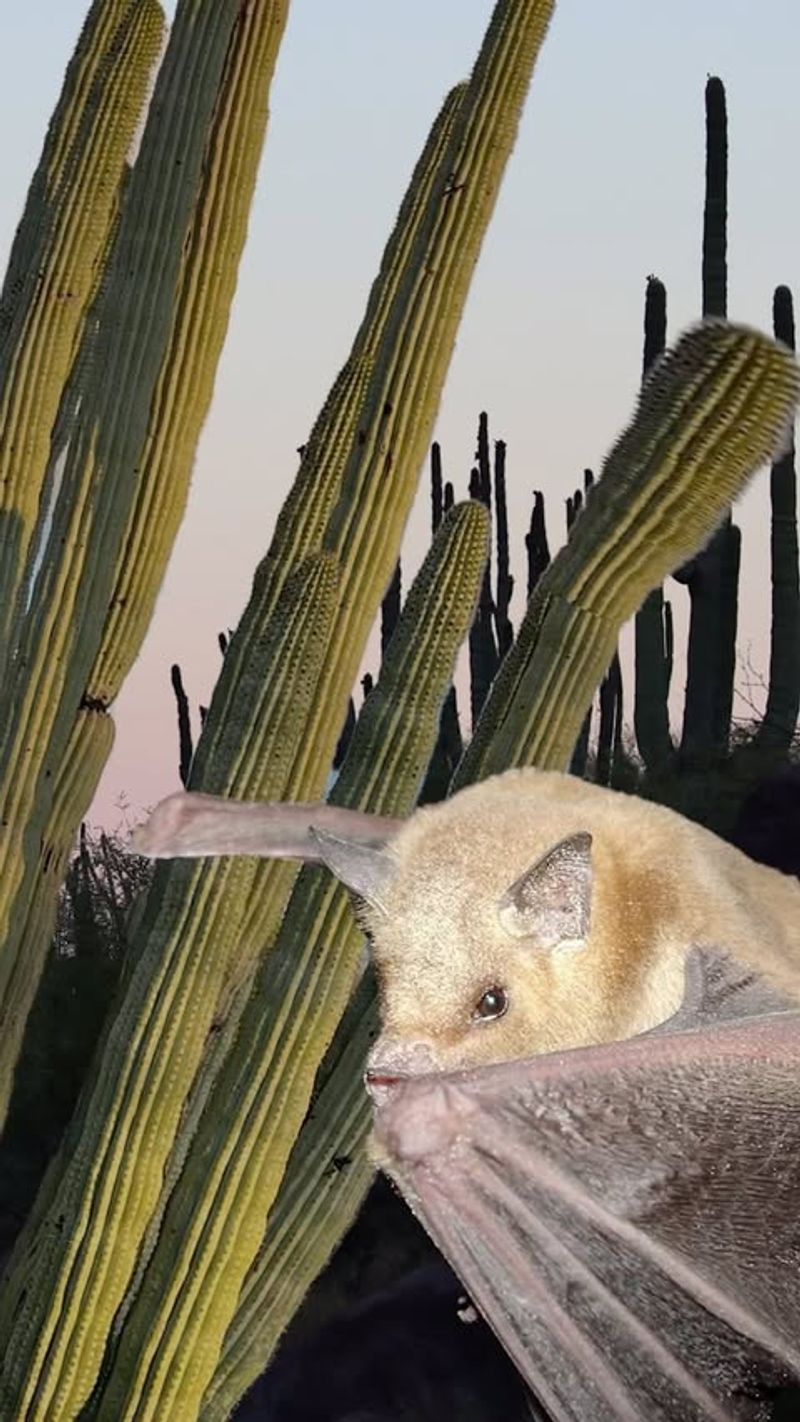
Bat houses need heat to work well. Bats, especially nursing females, require warm internal temperatures to raise their young successfully.
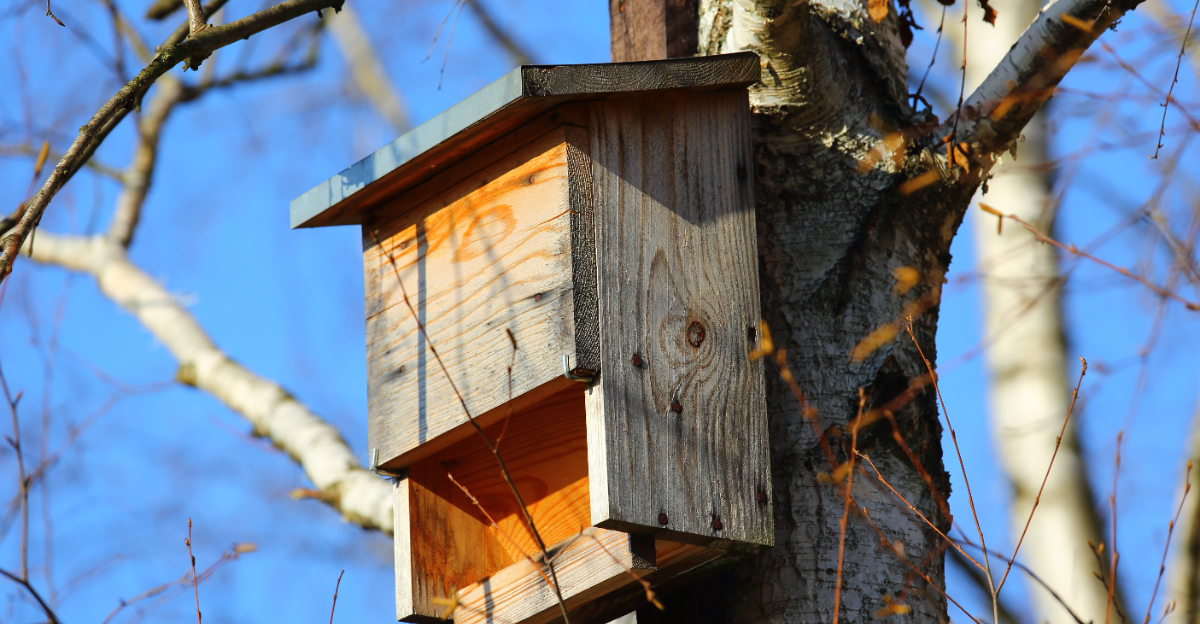
South or southeast-facing placement tends to generate the most solar heat gain throughout the day.
In the desert Southwest, afternoon sun can push interior bat house temperatures into the ideal range of roughly 80 to 100 degrees Fahrenheit.
Houses mounted too low or shaded by trees often stay too cool to attract roosting bats. Height matters as well.
Mounting a bat house at least 10 to 15 feet off the ground improves both warmth and safety from ground predators.
Dark exterior colors absorb more solar radiation, which helps maintain warmer interior temps during cooler desert nights.
Flat black or dark brown paint on the exterior can make a noticeable difference in occupancy rates.
Wooden bat houses generally hold heat better than plastic alternatives. Rough interior surfaces give bats better grip, which also contributes to how comfortably they settle in.
Placement near a building wall can provide extra thermal mass, helping the house stay warm longer after sunset. Brick or stucco walls work especially well for this purpose in desert climates.
Getting the heat balance right is one of the most important factors in whether a bat house gets used at all.
4. Proper Placement Improves Bat House Success
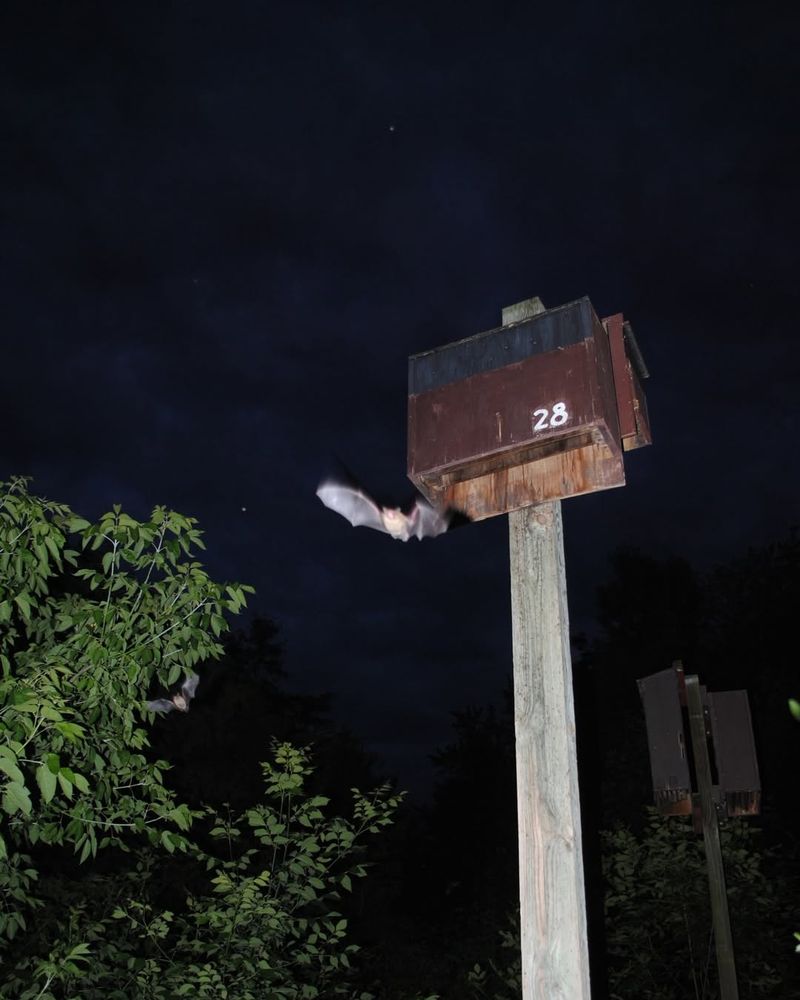
Location is everything with bat houses. A well-built house in the wrong spot will sit empty for years, while a basic house in a prime location can fill up within a single season.
Open flight paths matter a lot. Bats prefer to approach their roost without navigating through dense branches or tight spaces.
Clearance of at least 15 to 20 feet in front of the entrance helps bats land and exit comfortably.
Proximity to water is another strong factor. Bat houses placed within a quarter mile of a natural water source tend to attract occupants faster than those placed in dry, isolated areas.
Ponds, irrigation canals, and even large water features can qualify.
Avoid placing bat houses directly under bright outdoor lights. Artificial lighting at the roost entrance can deter bats and attract insects that compete for space or disturb roosting activity.
Multiple bat houses installed in clusters often outperform single installations.
Clusters give bats options for temperature regulation, allowing them to shift between chambers as conditions change.
Checking local wildlife guidelines before installation is worth the effort. Some communities have specific recommendations for bat-friendly setups, and following those can improve your results.
Getting placement right from the start saves a lot of frustration down the road.
5. Pesticides Can Make Yards Less Friendly To Bats
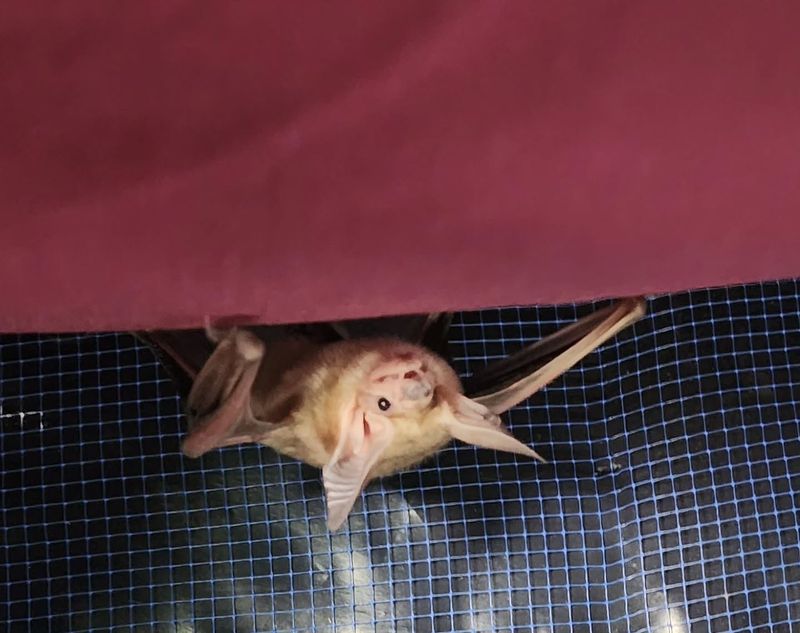
Pesticides do more than target the insects you spray them at. Broad-spectrum insecticides reduce the overall insect population in a yard, which directly cuts into the food supply bats depend on each night.
Reducing or eliminating pesticide use near a bat house gives the local insect population a chance to recover. More insects mean more reason for bats to stay close and return regularly.
Spot treatments are a more targeted approach if pest control is still needed.
Treating specific problem areas rather than broadcasting chemicals across the whole yard helps preserve insect diversity in untreated zones.
Integrated pest management practices can also reduce the need for repeated pesticide applications. Monitoring pest activity and treating only when necessary helps maintain a healthier balance between pests and beneficial insects.
Native flowering plants, shrubs, and trees support a greater variety of insects, providing bats with a more dependable food source throughout the season.
A diverse landscape is generally more attractive to insect-eating wildlife than one managed with frequent broad-spectrum spraying.
Timing matters too. Applying pest treatments only when necessary and avoiding unnecessary spraying around bat houses helps protect important foraging areas.
A bat-friendly yard requires some trade-offs, but many homeowners find the benefits to local wildlife well worth the adjustment.
6. Native Plants Support A Healthy Food Supply

Native plants do something most ornamental plants cannot. They support the insects that bats actually eat, creating a living food source right in your own yard.
Desert-adapted flowering plants attract moths, beetles, and other nocturnal insects that bats actively hunt.
Plants like sacred datura bloom at night, while desert willow and palo verde provide nectar, pollen, and habitat that support many insects.
Non-native plants often lack the ecological relationships that support local insect communities. Replacing even a small portion of a yard with native species can meaningfully increase insect diversity over time.
Leaf litter and ground cover also matter. Decomposing organic material supports beetles and other ground insects that eventually become part of the broader food web bats tap into.
Avoiding excessive tidiness in the yard can help too.
Leaving some fallen leaves, seed heads, and brush piles gives insects places to shelter and breed, which keeps the food supply more consistent through the season.
Water features surrounded by native vegetation create especially productive foraging zones.
Bats often skim water surfaces to drink and catch insects simultaneously, so combining a small pond with native plantings is one of the more effective yard upgrades a homeowner can make.
Building a habitat that feeds itself reduces the need for any outside intervention at all.
7. Safe Roosting Spaces Encourage Bats To Stay
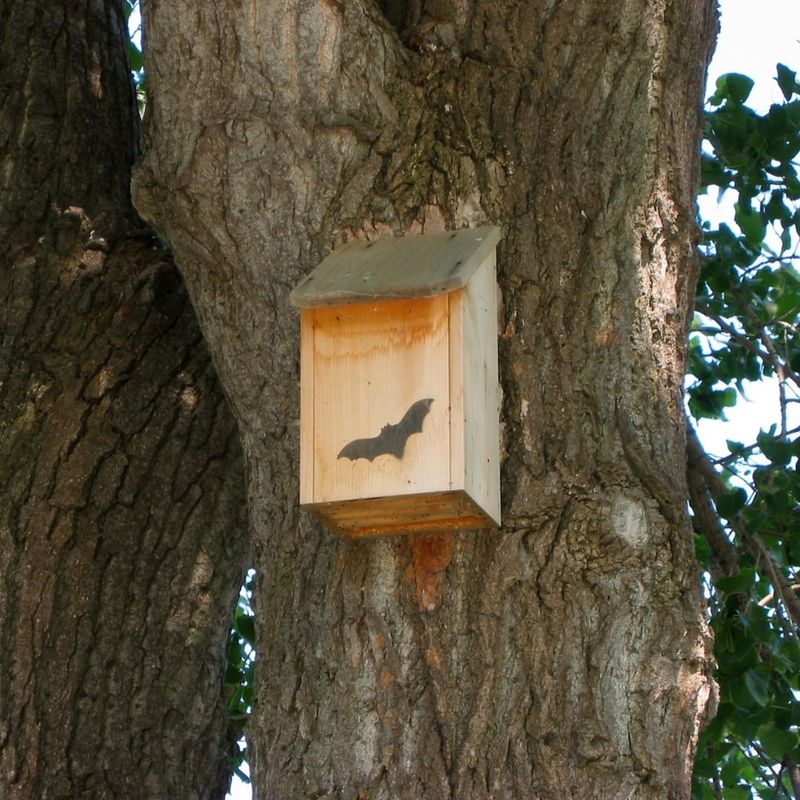
Bats are creatures of habit. Once they find a roost that feels safe, warm, and undisturbed, they tend to return to it season after season.
Bat houses with multiple chambers give roosting colonies more flexibility. Females with pups especially benefit from having options, since temperature needs shift as young bats grow.
A multi-chamber design handles those changes better than a single-cavity box.
Disturbance is one of the main reasons bats abandon a roost. Frequent noise, vibration, or human activity near the bat house during roosting hours can push a colony to relocate.
Giving the house some buffer space from high-traffic areas in the yard helps reduce that risk.
Predator guards on mounting poles protect roosting bats from climbing animals. Smooth metal baffles below the house make it harder for raccoons or snakes to reach the entrance, which matters more than many homeowners initially realize.
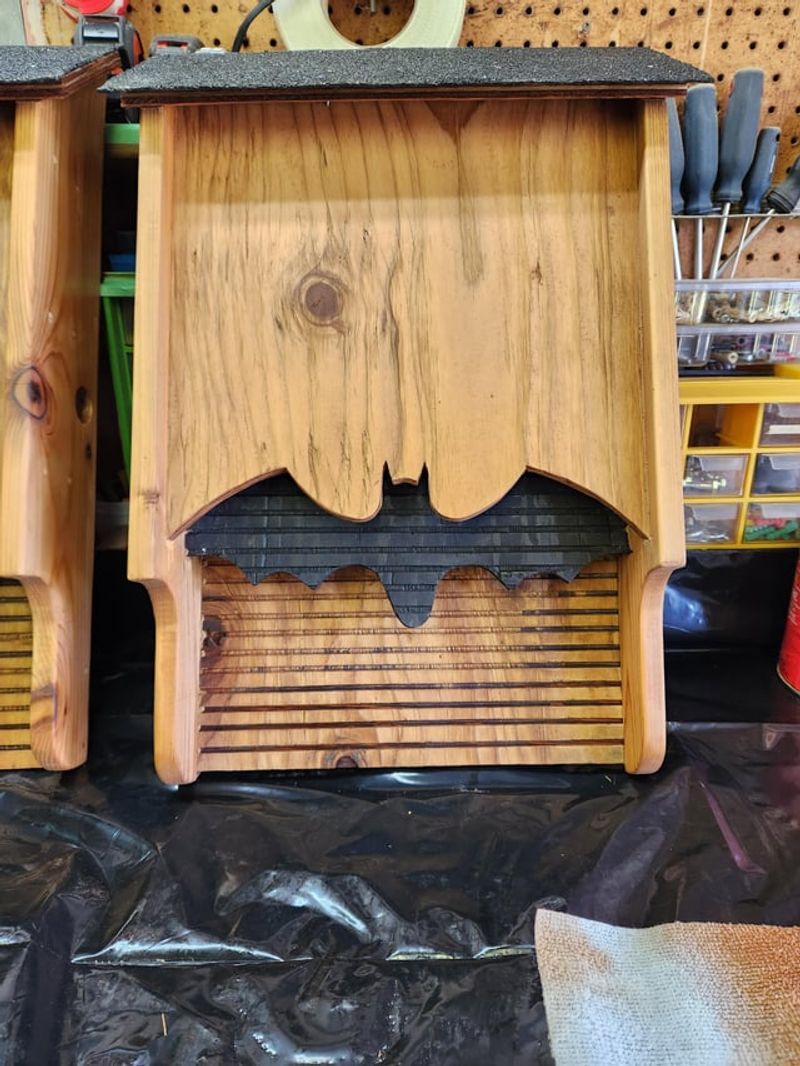
Interior roughness is a small but meaningful detail. Bats cannot grip smooth surfaces easily, so bat houses with grooved or mesh-lined interiors give them a much more secure hold while roosting.
Checking and lightly cleaning the exterior of a bat house once a year keeps it in good condition without disturbing residents. Avoid opening or inspecting the interior during active roosting season.
Consistent, low-impact maintenance keeps the space attractive for years to come.