The Most Underrated Texas Natives That Help Keep Ticks Out Of Backyard Gardens
Tick control in Texas usually means chemicals, treatments along yard perimeters, and staying vigilant during outdoor activity. Those approaches work, but they require consistent effort and cover only a limited area at a time.
What gets far less attention is the role that specific plants can play in creating a yard environment that ticks find actively uninviting, working passively through the entire tick-active season without any ongoing input from the homeowner.
Texas has a handful of native plants that do exactly this, producing scents and compounds that interfere with tick navigation and make the surrounding ground less appealing to move through.
These are not folk remedies or gardening myths. They are plants with real properties that affect tick behavior, and they happen to be attractive, low-maintenance additions to a Texas backyard on their own merits.
Getting tick deterrence as a bonus on top of everything else these natives bring to the garden makes them some of the most practical planting decisions a Texas homeowner can make.
1. Eastern Red Cedar (Juniperus Virginiana)
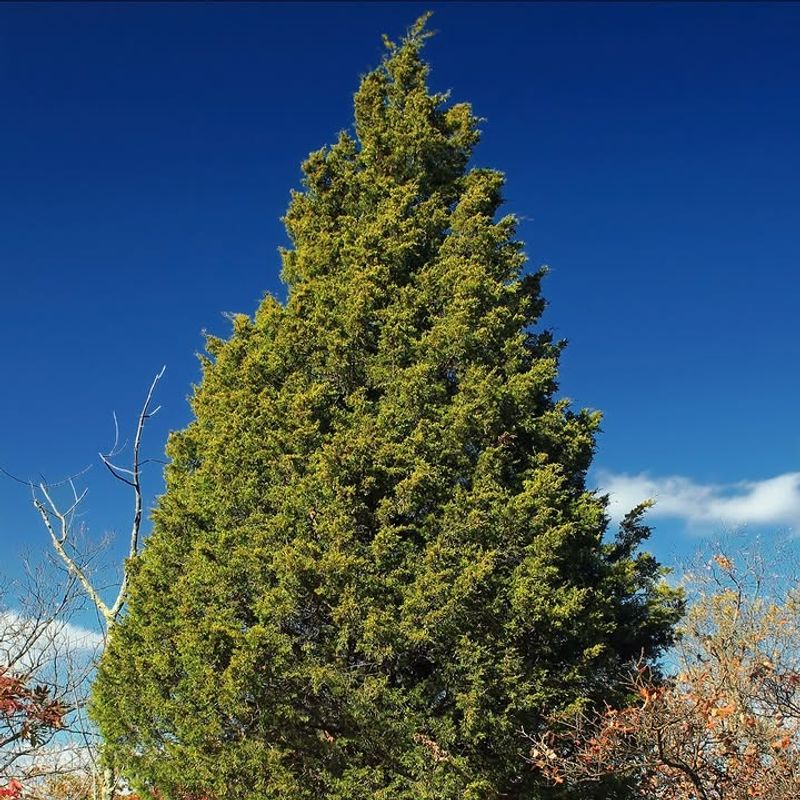
Few plants in Texas pull double duty as effectively as the Eastern Red Cedar. Standing tall and dense year-round, this evergreen tree creates a thick wall of coverage that ticks simply do not enjoy crossing.
Its tightly packed branches and aromatic wood naturally discourage many insects from setting up camp nearby.
Eastern Red Cedar releases natural oils that bugs find unpleasant. That same cedar scent that people love in closets and chests works outdoors too.
Planting a row of these trees along your yard’s edge can form a living barrier that makes it much harder for ticks to migrate in from surrounding fields or wooded areas.
Beyond pest control, this tree is incredibly low-maintenance. It thrives in Texas heat without much water once it gets established.
Birds love its berries, and the dense branches offer great nesting cover. So while it helps manage tick populations, it also turns your yard into a little wildlife sanctuary.
Gardeners often overlook this tree because it grows slowly at first. But patience pays off big here.
Within a few years, you get a sturdy, tall evergreen that works for you every single season. It handles drought, poor soil, and full sun without complaint.
If you want a long-term, hardworking addition to your backyard, Eastern Red Cedar deserves a serious look. It is one of those quiet heroes of the Texas landscape that never asks for much but always delivers.
2. American Beautyberry (Callicarpa Americana)
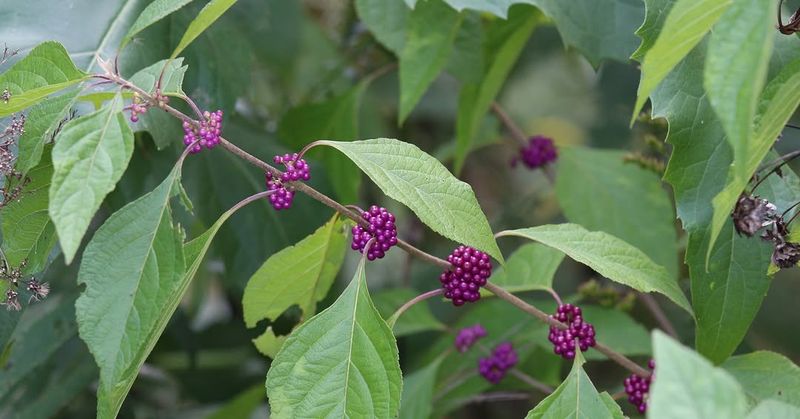
Walk past an American Beautyberry in late summer and you will stop in your tracks. Those clusters of vivid purple berries wrapped tightly around arching branches are almost unreal-looking.
But this plant is not just a showstopper. It has a well-earned reputation as a natural insect deterrent, and science actually backs that up.
Research from the USDA found that compounds in beautyberry leaves called callicarpenal and intermedeol are effective at repelling mosquitoes and other insects, including ticks.
Native Americans historically crushed the leaves and rubbed them on skin to keep bugs away. That same chemistry happens naturally in your garden when you grow this plant.
Your Texas Garden Changes Every Week. Your Plan Should Too.
Gardening in Texas changes quickly throughout the season. Every Friday you’ll receive a simple weekly plan showing exactly what to plant, prune, fertilize, harvest, and protect so you never miss the right timing.
Birds absolutely flock to beautyberry for its fruit. And more birds in your yard means more insects getting eaten, which helps reduce tick populations even further. It is a simple but powerful chain reaction that starts with one beautiful shrub.
American Beautyberry grows fast, handles partial shade well, and thrives across most of Texas without needing much attention. It can get a bit leggy, but a light trim each spring keeps it full and tidy.
Plant it near garden borders or along fences where ticks are most likely to sneak in. You get stunning fall color, bird activity, and natural pest control all wrapped into one easy-care shrub.
For anyone wanting a low-effort, high-reward plant that looks great and works hard, beautyberry is genuinely hard to beat in a Texas backyard.
3. Texas Sage (Leucophyllum Frutescens)
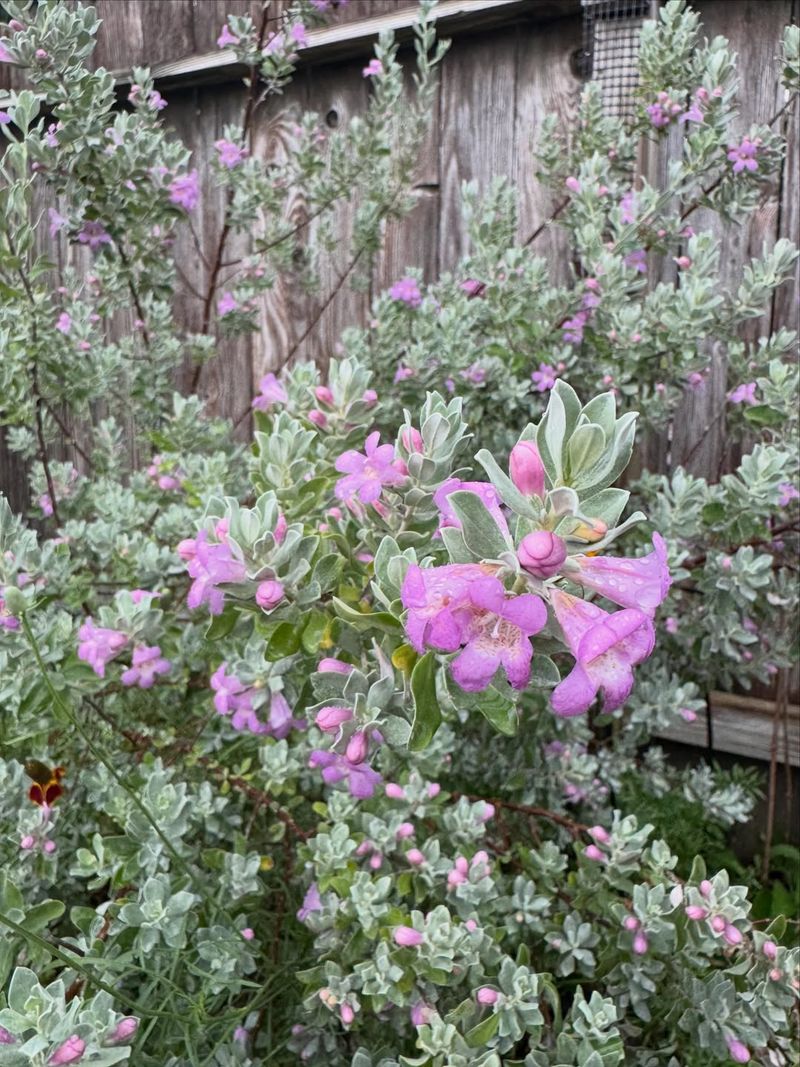
Texas Sage is sometimes called the barometer bush because it tends to bloom right before or after rainfall.
That purple flower show is gorgeous, but what makes this plant especially interesting for backyard gardeners is its strongly aromatic foliage. That scent is lovely to people but deeply off-putting to ticks and many other insects.
The dense, silvery-green leaves grow close together, creating a thick shrub that does not leave much open ground underneath. Ticks prefer areas where they can hide in moist, shaded leaf litter close to the soil.
Texas Sage disrupts that habitat naturally. Its dry, aromatic environment is the opposite of what ticks want.
From a care standpoint, this plant is almost embarrassingly easy to grow in Texas. It loves full sun, handles drought like a champion, and actually struggles if you water it too much.
Once established, it thrives on neglect. That makes it perfect for gardeners who want results without constant upkeep.
Planted along borders, driveways, or garden beds, Texas Sage forms a neat, attractive hedge that adds year-round silvery color and seasonal bursts of purple blooms.
Pollinators like bees and butterflies visit regularly when it flowers, which boosts your garden’s overall health.
It is a workhorse plant that looks polished without demanding much in return. If your yard gets plenty of sun and you want something that deters ticks while staying gorgeous through Texas summers, Texas Sage is one of the smartest choices you can make.
4. Autumn Sage (Salvia Greggii)
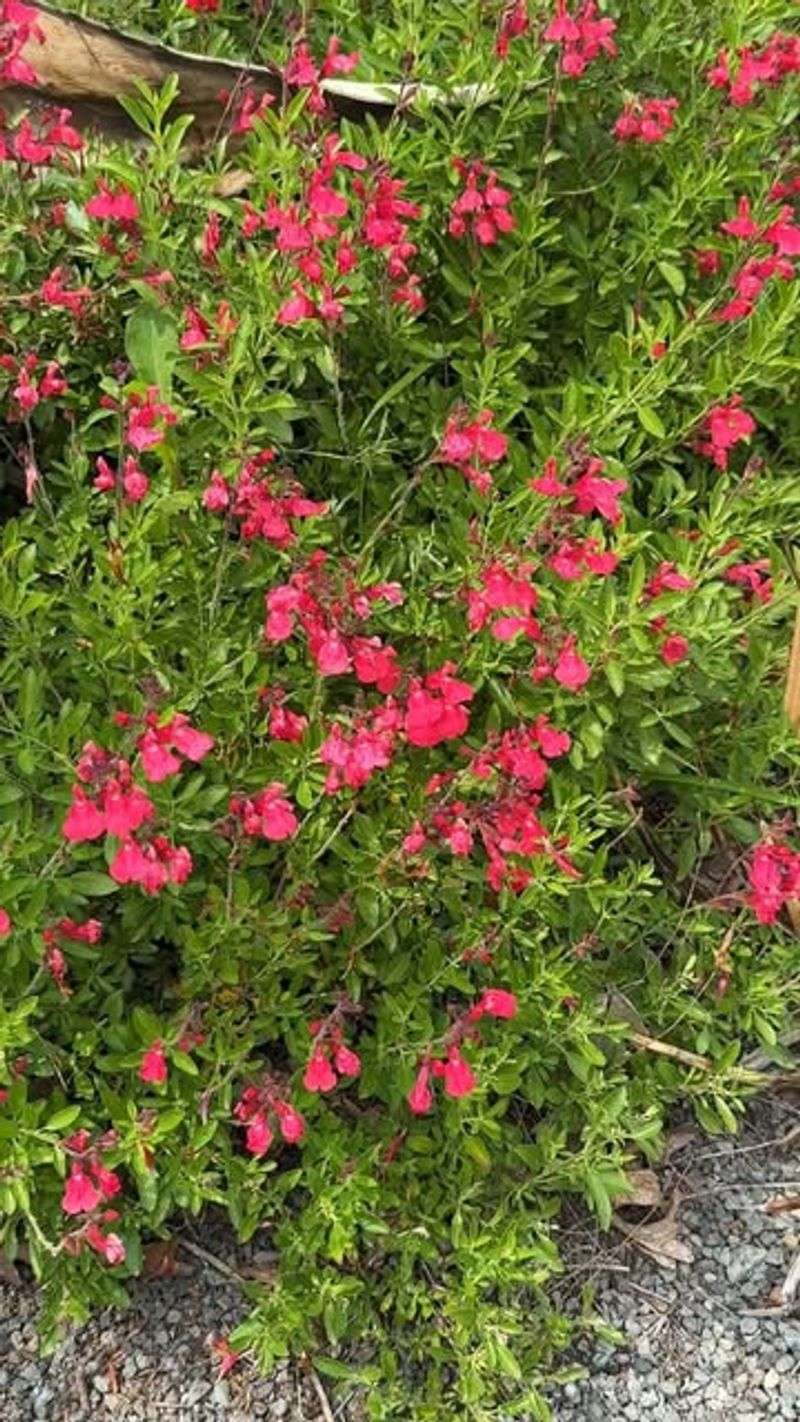
Autumn Sage has a cheerful personality that shows up in its nonstop blooms. From spring all the way through fall, this compact perennial pumps out bright red, pink, or coral flowers that hummingbirds and butterflies cannot resist.
But behind all that beauty is a plant doing serious work to make your garden less welcoming to ticks.
The key is ground coverage. Ticks move through yards by crawling along the ground, especially through grass and low vegetation.
Autumn Sage forms a dense, low mound of foliage that keeps the soil surface covered and limits the open pathways ticks use to travel. Less exposed ground means fewer opportunities for ticks to move through your garden undetected.
Salvia plants also release aromatic compounds from their leaves. These scents attract beneficial insects like wasps and parasitic flies that feed on other insects, creating a more balanced garden ecosystem.
That natural balance is one of the best long-term strategies for keeping pest populations under control.
Autumn Sage grows well in rocky or sandy soil, needs very little water once established, and handles the blazing Texas sun without wilting. It pairs beautifully with ornamental grasses and other native perennials.
Cutting it back lightly in late winter encourages fresh, vigorous growth each spring. For gardeners who want color, pollinator support, and a natural layer of tick management all at once, Autumn Sage delivers on every front.
It earns its spot in the garden many times over throughout the growing season.
5. Texas Mountain Laurel (Sophora Secundiflora)
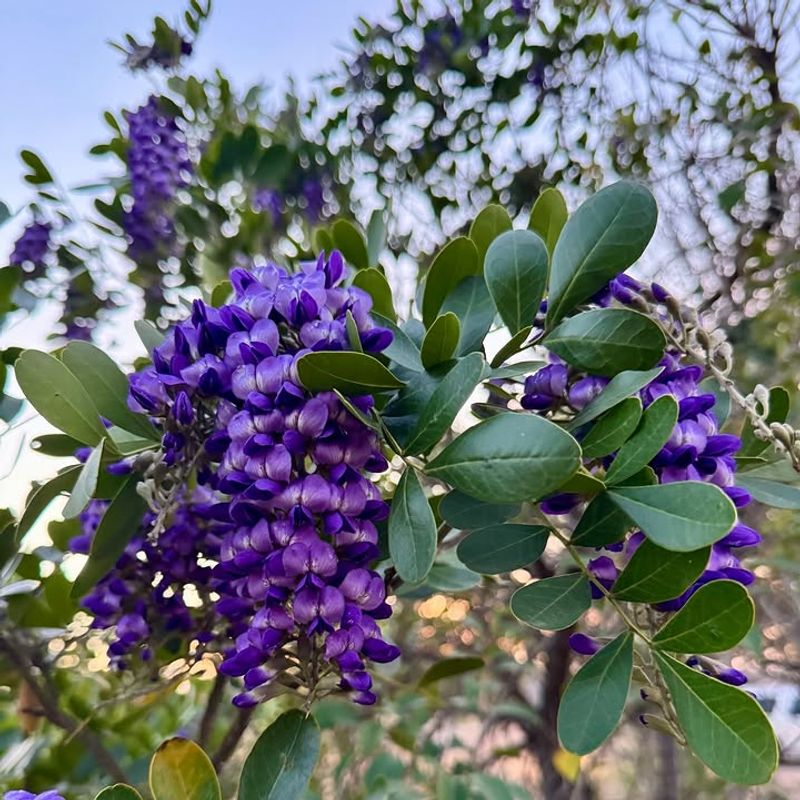
There is something almost magical about Mountain Laurel when it blooms in early spring. Those grape-scented, deep purple flower clusters stop people in their tracks every year.
But beyond its stunning looks, this Texas native brings some real practical value to backyard gardens, especially when it comes to managing tick-friendly spaces.
Mountain Laurel grows into a thick, multi-stemmed evergreen shrub or small tree with dense, glossy foliage that hangs low to the ground. That thick canopy shades out the moist, weedy areas that ticks love to hang around in.
By filling in garden beds and border areas with its heavy foliage, it removes the kind of habitat where ticks feel most comfortable setting up.
One thing that makes Mountain Laurel stand out is its toughness. It thrives in rocky, alkaline soils that would challenge most other plants.
It handles drought well and needs very little fertilizer or special care once it gets going. That durability makes it ideal for Texas gardens where summer heat can be brutal.
Because it is evergreen, Mountain Laurel provides year-round coverage, which means tick habitat stays disrupted in every season. Wildlife, including birds and small mammals, use it for shelter, which adds another layer of ecological balance to your yard.
Plant it in mixed borders or as a standalone specimen near garden edges. It grows slowly but steadily into a reliable, long-lived shrub that rewards your patience with beauty and function every single year.
6. Horsemint (Monarda Citriodora)
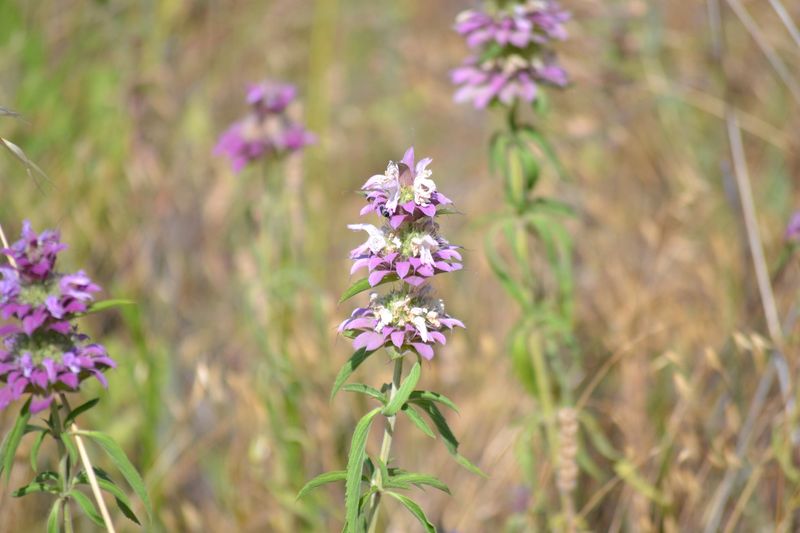
Crush a leaf of Horsemint and you will immediately understand why insects tend to steer clear of it. The strong lemon-mint fragrance hits you right away, and it is just as intense to bugs as it is to people.
That powerful scent is one of the main reasons ticks and other pests avoid areas where Horsemint grows in abundance.
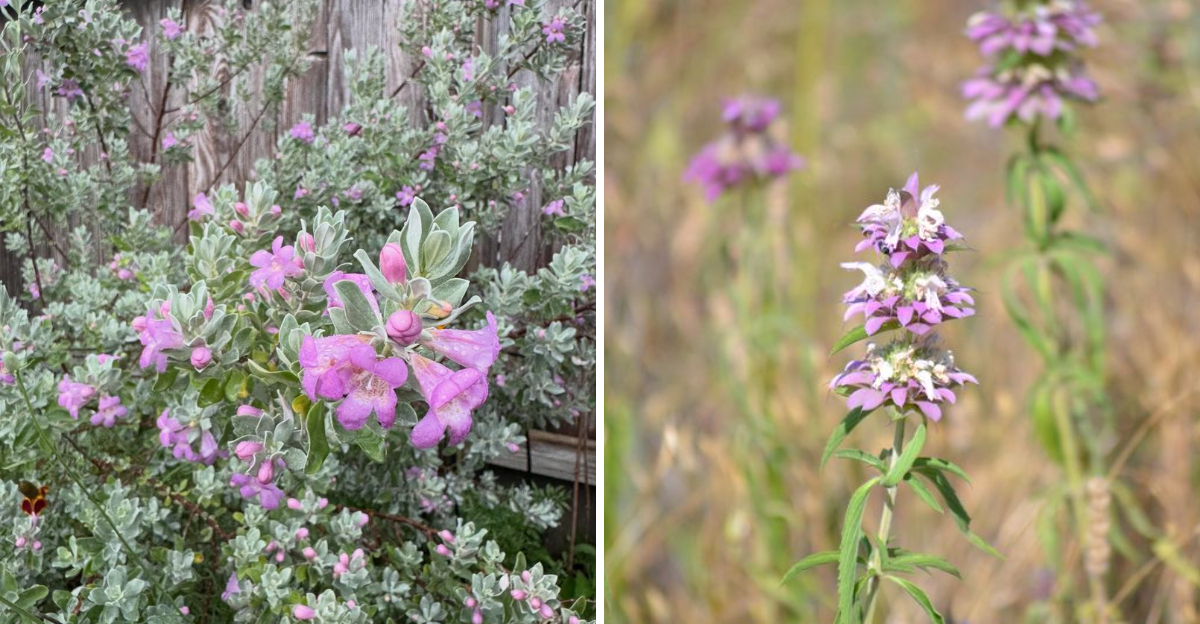
Horsemint, also called lemon beebalm, is a Texas native wildflower that grows in dense clusters with stacked, tiered blooms in shades of lavender and white. It spreads easily from seed, which means once you plant it, it tends to fill in an area quickly.
That dense, fragrant ground coverage creates a natural tick-discouraging zone that works without any sprays or chemicals.
Pollinators go absolutely wild for Horsemint. Bees, butterflies, and hummingbirds visit constantly when it is in bloom.
More pollinators mean a more active, healthy garden ecosystem, and that activity naturally disrupts the quiet, undisturbed conditions ticks prefer.
From a growing standpoint, Horsemint is about as easygoing as it gets. It loves full sun, tolerates dry and sandy soils, and reseeds itself season after season with almost no help.
It works great as a filler plant in wildflower gardens, meadow-style landscapes, or along sunny garden borders. If you have a spot that needs low-maintenance coverage with serious sensory impact, Horsemint delivers.
It smells incredible, looks wild and beautiful, and quietly keeps your garden a less comfortable place for ticks to wander through.
7. Yaupon Holly (Ilex Vomitoria)
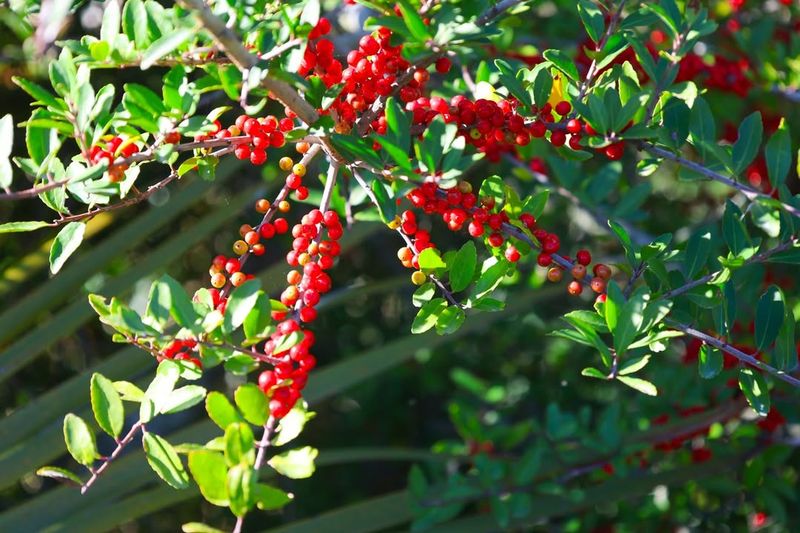
Yaupon Holly might have the most unfortunate scientific name in all of Texas botany, but do not let that put you off. This tough, adaptable evergreen shrub is one of the most valuable native plants you can add to a backyard garden.
It works hard, looks great all year, and helps reduce the kind of shaded, sheltered spots where ticks love to linger.
The dense branching and thick leaf coverage of Yaupon Holly make it excellent for forming hedges and borders. Those tight, layered branches block light from reaching the ground beneath, which dries out the moist, dark microhabitats that ticks need to survive.
By planting Yaupon Holly along fence lines or garden edges, you are essentially closing off tick entry points with a living wall.
Wildlife benefits enormously from this shrub. Birds flock to it for its bright red berries, which persist through winter and provide critical food during colder months.
More birds mean more insect activity gets disrupted, which supports natural pest balance throughout the year.
Yaupon Holly handles almost any growing condition Texas throws at it. Wet soil, dry soil, full sun, heavy shade, it adapts without complaint.
It can be shaped into formal hedges or left to grow naturally for a wilder look. Deer tend to leave it alone, which is a huge bonus in many Texas neighborhoods.
For gardeners who want a reliable, low-maintenance evergreen that supports wildlife and helps keep ticks at bay, Yaupon Holly is a plant that truly earns its place in any Texas backyard.