Why Virginia Homeowners Keep Getting Fined For Water Violations
A letter from the county water authority rarely announces itself kindly. It shows up between the electric bill and a grocery flyer, and by the time you open it, the damage is already assessed.
Homeowners across the Commonwealth are getting hit with these notices at a pace that would surprise anyone who thinks a fine is something that happens to someone else.
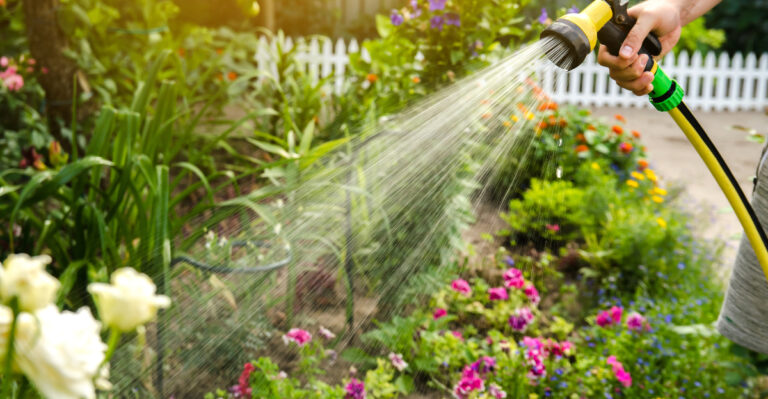
Most of the violations trace back to habits nobody thinks to question, a hose left running, a sprinkler on the wrong schedule, a downspout pointed in the wrong direction.
None of it feels reckless in the moment. That’s exactly the problem. By the time a violation notice arrives, the behavior behind it has usually been repeated for months, sometimes years, without a single warning sign.
Common Water Violations That Lead To Fines In Virginia
Most homeowners never see the fine coming. One day everything seems fine, and the next a notice arrives about a water violation you did not even know existed.
Virginia homeowners keep getting fined for water violations because many common mistakes fly under the radar for months. Running a hose past permitted hours is a common trigger for citations.
Washing your car in the driveway might feel harmless, but runoff from soap and chemicals can trigger environmental water codes. Many counties classify that as an illegal discharge into storm drains.
Overfilling a pool and letting water spill onto public sidewalks is another frequent citation. Inspectors do not always warn you first, they simply document and report.
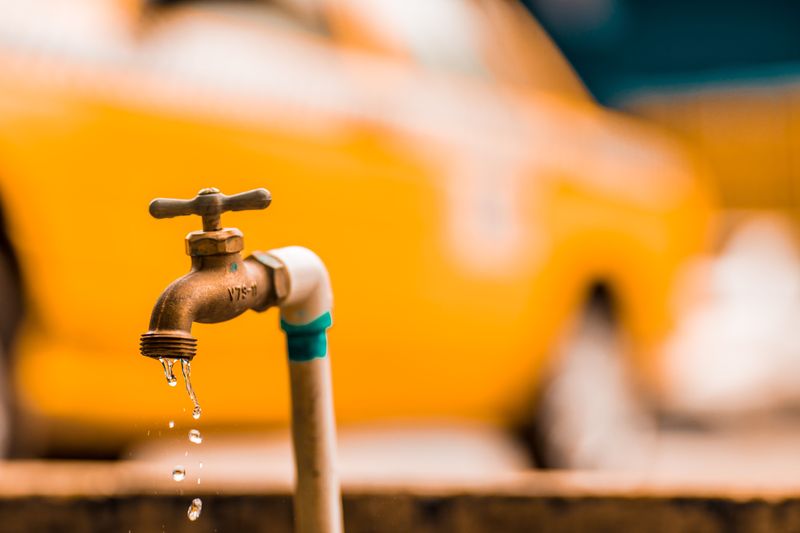
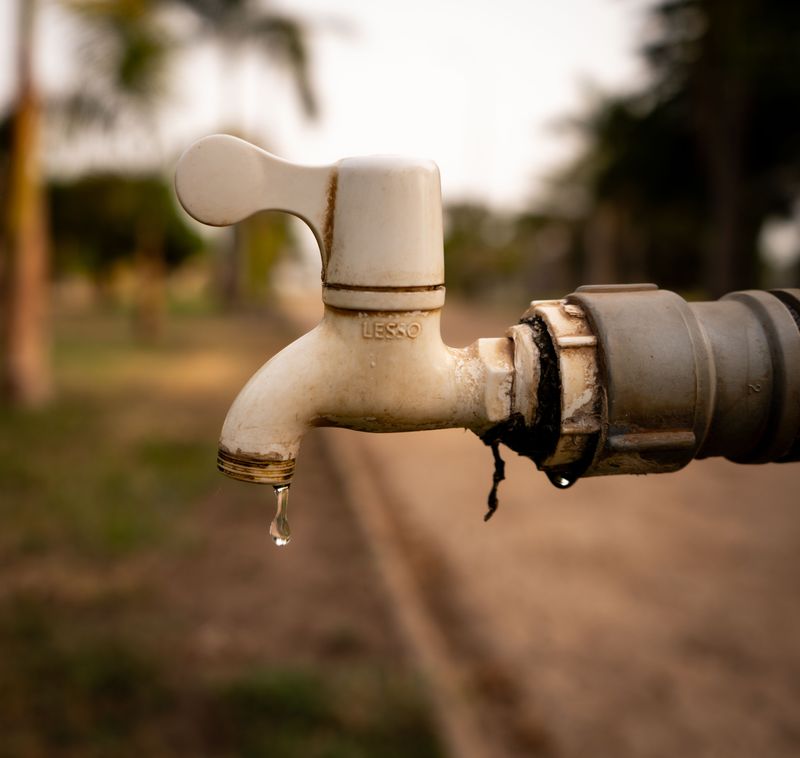
Leaving outdoor faucets dripping during non-emergency periods also shows up regularly in violation records. Even a slow, steady drip adds up to significant waste over time.
Pressure washing driveways without a containment plan puts homeowners at risk too. The runoff carries oils and debris directly into the watershed, which local ordinances strictly prohibit.
Connecting garden hoses to non-approved water sources is another common trigger. Some neighborhoods share well systems with usage agreements that are easy to overlook at closing.
Backflow prevention failures round out the top violations list. When your irrigation system lacks a proper backflow device, contaminated water can reverse into the public supply, and that is a serious offense with steep penalties attached.
Confusing Local Ordinances Catch Homeowners Off Guard
You move into a new neighborhood, plant a garden, and start watering it daily. Then a fine arrives because your specific county bans daytime watering from May through September.
Local ordinances in Virginia vary wildly from one county to the next. What is perfectly legal in one county might be a citable offense in the next.
Many buyers receive a standard disclosure package at closing, but water use restrictions are often buried deep inside HOA documents or municipal annexes. Few people make it through the full document.
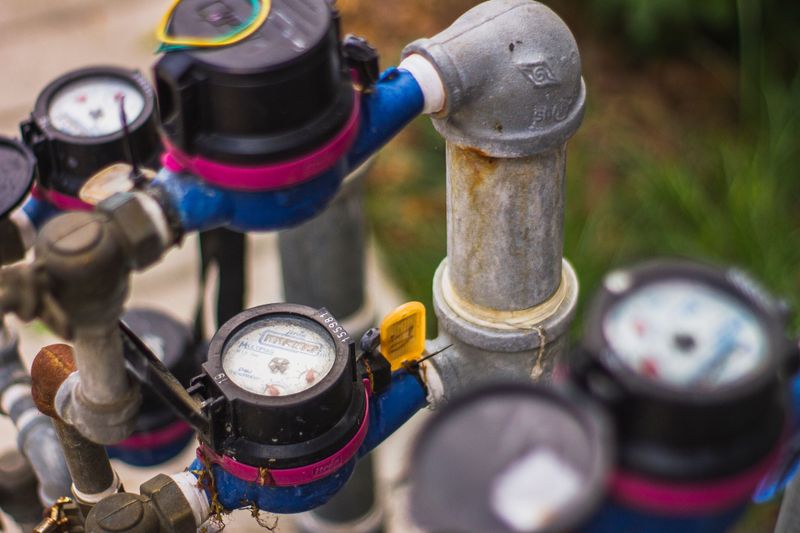
Some jurisdictions enforce usage limits based on property size or meter type. Exceed your assigned tier, even by accident, and you could receive a fine before the billing cycle closes.
Your Virginia Garden Changes Every Week. Your Plan Should Too.
Gardening in Virginia changes quickly throughout the season. Every Friday you’ll receive a simple weekly plan showing exactly what to plant, prune, fertilize, harvest, and protect so you never miss the right timing.
Seasonal rule changes add another layer of confusion. Spring restrictions often differ from summer rules, and fall brings yet another set of guidelines that few homeowners track closely.
Rental property owners face an extra challenge because tenants may not know about local water rules at all. The fine still lands in the landlord’s mailbox regardless of who turned on the sprinkler.
New construction homes sometimes sit in transitional zoning areas where two sets of rules overlap temporarily. Builders rarely explain this to buyers during the closing walkthrough.
Staying ahead of your local ordinances means bookmarking your county water authority website and checking it each spring. One quick annual review could save you a lot of frustration down the road.
Outdoor Watering Schedules Get Overlooked Most Often
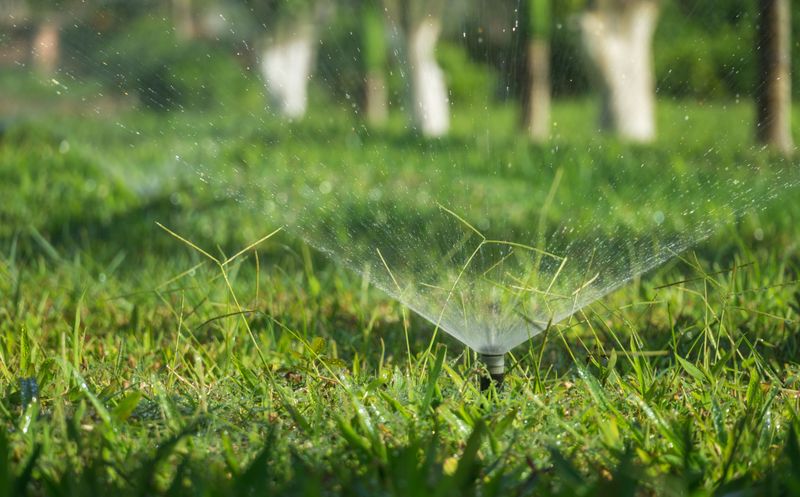
Sprinklers running at noon on a hot August day look innocent enough. But that exact scenario is one of the leading reasons why Virginia homeowners keep getting fined for water violations each summer.
Most counties in the Commonwealth restrict outdoor watering to early morning or evening hours. The logic is simple: midday watering loses more water to evaporation and strains the municipal supply during peak demand.
Automated irrigation systems are the biggest culprit here. Homeowners set a schedule once in April and never revisit it, even when summer restrictions kick in and change the allowed hours completely.
Odd-even watering rules are another layer many people miss entirely. Odd-numbered addresses water on certain days, even-numbered on others, and mixing those up is a citable offense in several jurisdictions.
Drought declarations can tighten schedules overnight. One dry summer week can trigger an emergency restriction, and homeowners who do not check local alerts keep watering on their old schedule without realizing anything changed.
Neighbors sometimes report each other for watering violations, especially during severe drought periods when water pressure drops noticeably. Inspectors take those reports seriously and follow up quickly.
Smart irrigation controllers can sync with local weather data and adjust schedules automatically. Investing in one of these systems removes a lot of the guesswork and dramatically reduces your violation risk.
Setting a phone reminder to check your county’s seasonal watering calendar every sixty days is a small habit that pays off big. Your lawn stays green, your wallet stays full, and you stay off the violation list.
Faulty Irrigation Systems Trigger Repeat Citations
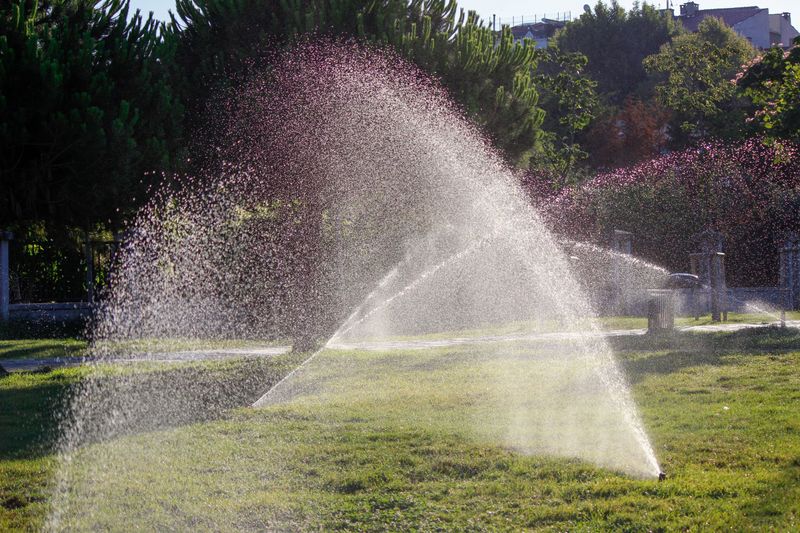
A busted sprinkler head spraying water across the sidewalk seems like a minor annoyance. But to your county water inspector, it is documented evidence of a violation waiting to be cited.
Irrigation system failures are behind a huge portion of repeat citations across Virginia neighborhoods. A system that ran perfectly last fall can crack, shift, or clog over winter and spray incorrectly come spring.
Heads that spray onto pavement, sidewalks, or roadways are specifically prohibited under most local water codes. The rule exists to prevent waste and protect storm drain systems from excess runoff.
Leaking valves are another common trigger. A valve that does not fully close keeps water trickling through the system even when the controller is off, racking up waste that inspectors can measure.
Pressure problems cause their own set of headaches. Too much pressure causes heads to mist instead of spray properly, sending water into the air rather than into the soil where it belongs.
Backflow preventer failures are particularly serious because they risk contaminating the public water supply. Inspectors treat these as high-priority violations with fines that escalate quickly on repeat offenses.
Scheduling an annual irrigation inspection each spring before you activate the system is the smartest move a homeowner can make. A licensed technician can catch cracked heads, faulty valves, and pressure issues before they become expensive problems.
A quick spring check catches most problems before they become expensive ones, keeping county inspectors moving right past your driveway.
How Fines Are Calculated And Enforced Across Counties
Getting a fine is bad enough. Not understanding how it was calculated makes it feel even worse, and that confusion is exactly what trips up most homeowners when they try to appeal.
Virginia does not use a single statewide formula for water violation fines. Each county sets its own penalty structure, so identical offenses can carry very different price tags depending on where you live.
First-time offenses often come with a warning or a reduced fine, but repeat violations within the same calendar year escalate sharply. Some counties increase the fine amount with each subsequent offense.
Inspectors document violations using written reports, photographs, and in some cases meter readings that show abnormal usage spikes. That documentation becomes the official record used in any appeal process.
Fines can be issued by county water authorities, environmental enforcement divisions, or HOA management companies, depending on where you live. Each has a slightly different enforcement timeline and appeal window.
Some counties add administrative processing fees on top of the base fine, increasing your total without an additional violation. Reading the fine print on your citation matters enormously.
Appealing a fine requires submitting a written request within a specific window, and that window varies by county. Missing that window typically means the fine stands regardless of your argument.
Knowing your county’s specific enforcement rules before a violation occurs puts you in a much stronger position. A quick call to your local water authority can clarify exactly what triggers fines and how the process unfolds.
Steps Homeowners Can Take To Avoid Future Penalties
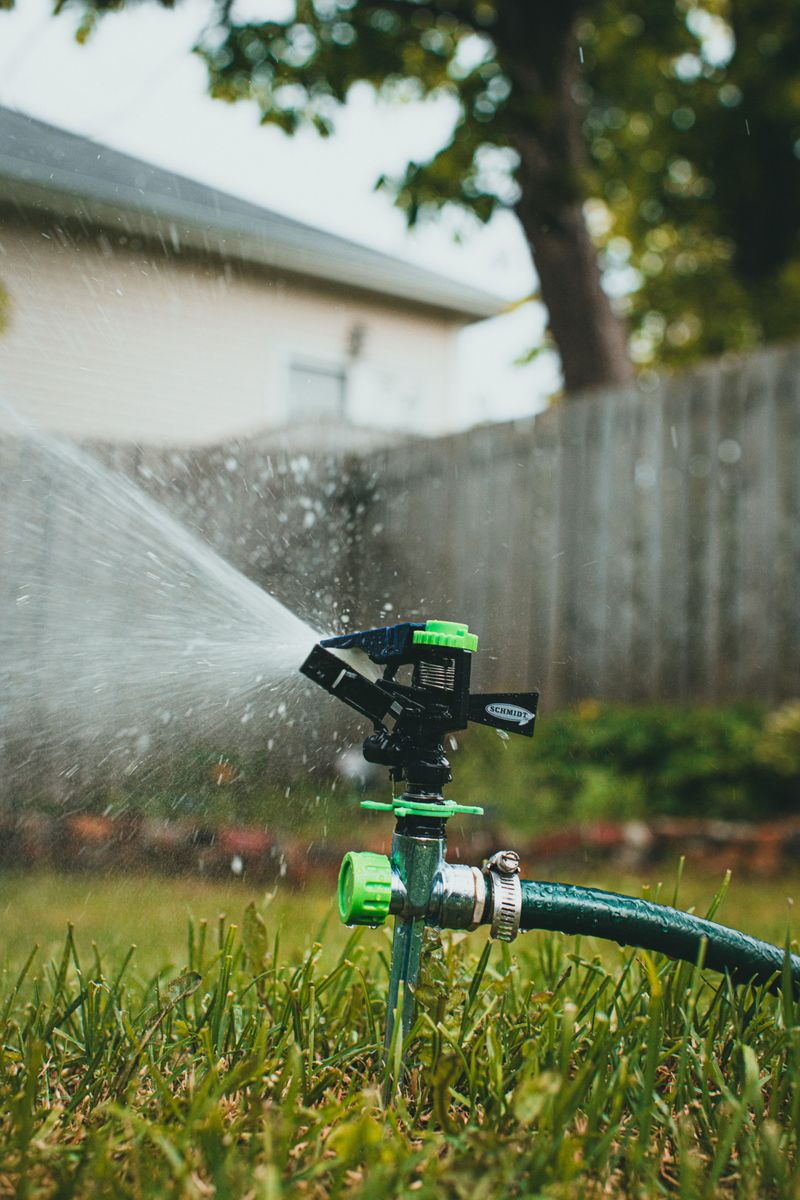
Avoiding water violation fines is genuinely not that hard once you know what to look for. A little awareness and a few smart habits go a long way toward keeping your record clean.
Start by downloading your county water authority’s current seasonal guidelines each spring. Most counties post updated rules online, and reading them takes only a few minutes.
Register for local drought alerts through your county or state emergency management system. Those alerts notify you when restrictions tighten, so you are never caught watering on an old schedule.
Walk your irrigation system perimeter once a month during the active season. Look for heads spraying pavement, valves that seem wet when the system is off, and any pooling water near the control box.
Upgrade to a smart irrigation controller if your current system runs on a manual timer. These devices sync with local weather forecasts and automatically pause watering during rain or restriction periods.
Talk to your neighbors, especially if you share a well or a private water system. Group awareness about local rules reduces everyone’s risk and builds the kind of community accountability that keeps inspectors from making frequent visits.
Keep a simple folder with your irrigation service records, county water guidelines, and any past notices. If a dispute ever arises, having organized documentation puts you in a far stronger position during any appeal.
Staying informed and proactive is the simplest way to avoid the fines that catch so many Virginia homeowners off guard every single year. A little preparation now means no unpleasant surprises in the mailbox later.