What To Keep Watering And What To Let Go Dormant In Virginia Right Now
Virginia summers don’t ease you in. They arrive with full heat and humidity, and your garden has to figure out fast whether to push through or pull back.
The tricky part? Both responses look almost identical from the outside.
A wilting bleeding heart and a thirsty rose can seem like the same problem, but one needs water and the other just needs to be left alone. Water the wrong plant and you waste time. Ignore the right one and you lose it.
Mix them up and you’re either drowning something or watching it dry out. Some plants are actively growing and draining soil moisture fast. Others have already gone quiet underground.
Knowing the difference changes how you spend twenty minutes in the garden each morning. This is what’s actually happening in your Virginia yard right now.
1. Tomatoes
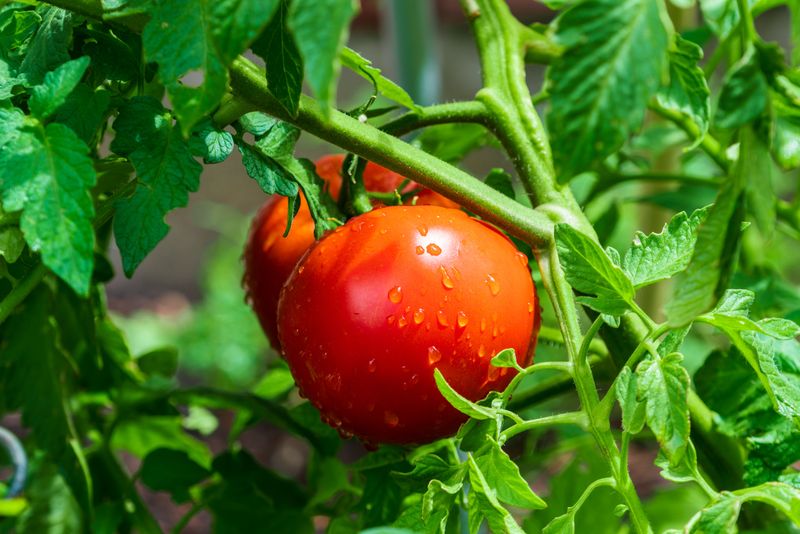
Image Credit: © Frank Schrader / Pexels
Your tomatoes are thirsty, and they are not shy about showing it. When the soil dries out, those leaves curl like tiny fists, and the fruit can crack or develop blossom end rot.
Tomatoes need consistent moisture right now more than almost any other garden plant. Uneven watering causes problems that no amount of fertilizer can fix later.
Aim for about an inch to an inch and a half of water per week, delivered slowly and deeply. A soaker hose at the base works far better than overhead sprinklers that wet the leaves.
Wet foliage on tomatoes invites fungal problems fast, especially in humid summer weather. Keep the water low and the leaves dry whenever possible.
Mulching around the base of each plant helps lock in soil moisture between waterings. A thick layer of straw or wood chips can cut your watering frequency nearly in half.
Morning watering is always the best timing for tomatoes in hot weather. The soil absorbs moisture before afternoon heat pulls it back out.
Container-grown tomatoes dry out even faster than those planted in the ground. Check those pots daily because they can go from moist to bone dry in just a few hours on a hot afternoon.
Keep watering your tomatoes steadily through harvest season. These are not plants that forgive neglect, but the reward of a ripe, sun-warmed tomato straight off the vine makes every drop of water completely worth it.
2. Hydrangeas
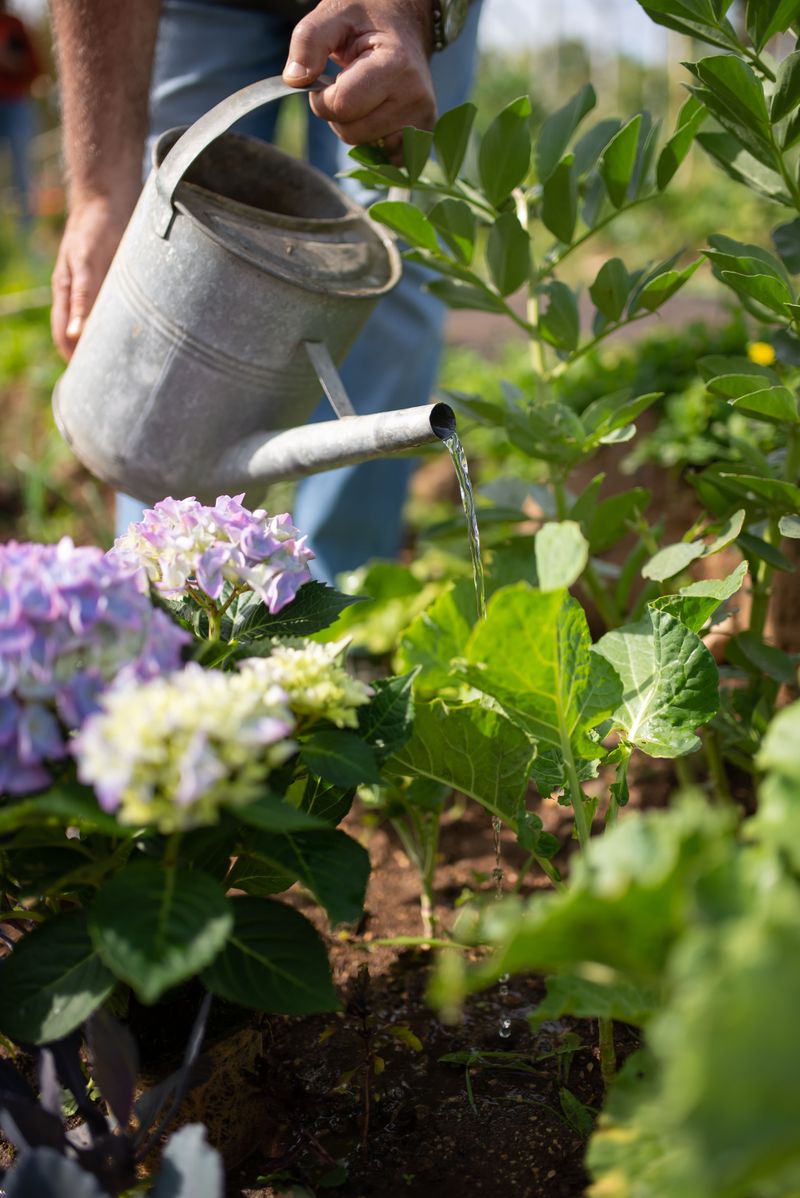
Hydrangeas are the drama queens of the summer garden, and they make their feelings known by noon on a hot day. Those big beautiful blooms come at a cost, and that cost is water.
Wilting in the afternoon heat does not always mean your hydrangea is in trouble. Many varieties recover on their own once evening temperatures drop.
The real test is morning. If your hydrangea still looks droopy before 9 a.m., that is a sign it genuinely needs more moisture in the soil.
Deep, infrequent watering works better for hydrangeas than a quick daily splash. Aim to soak the root zone thoroughly two or three times a week during dry stretches.
Your Virginia Garden Changes Every Week. Your Plan Should Too.
Gardening in Virginia changes quickly throughout the season. Every Friday you’ll receive a simple weekly plan showing exactly what to plant, prune, fertilize, harvest, and protect so you never miss the right timing.
Bigleaf hydrangeas, the classic mophead types, are especially thirsty and will wilt dramatically in summer heat. Smooth hydrangeas like Annabelle are slightly tougher but still appreciate consistent soil moisture.
A thick layer of mulch around the base makes a significant difference in how well these shrubs handle heat. It insulates roots and keeps the ground from baking between waterings.
Avoid watering the blooms directly because wet flower heads can turn brown and mushy quickly in humid conditions. Direct the hose toward the soil, not the plant itself.
Keeping hydrangeas well-watered now protects next season’s flower buds too. A stressed plant in summer often means fewer blooms the following spring, so every watering session is an investment in future beauty.
3. Petunias
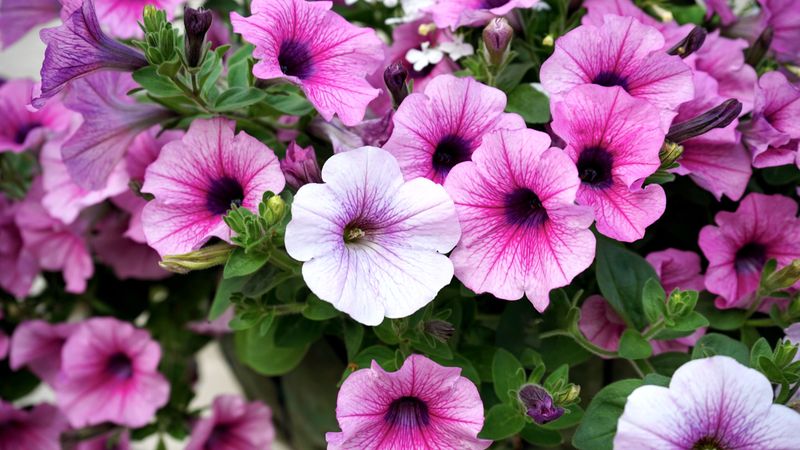
Image Credit: © Mike Bird / Pexels
Petunias are cheerful, colorful, and completely unforgiving when they get thirsty. Miss a watering on a hot day and those blooms go limp within hours.
Container petunias need water almost every single day during summer heat waves. The combination of sun, wind, and heat pulls moisture out of pots at an alarming rate.
Ground-planted petunias have a little more buffer, but they still need attention during dry spells. Check the soil about an inch down and water whenever it feels dry to the touch.
One trick that keeps petunias blooming strong is removing spent flowers regularly. Removing old blooms encourages the plant to push out new ones instead of focusing energy on seed production.
Wave petunias and spreading varieties tend to be especially water-hungry because they grow so fast and wide. More plant mass means more water demand, so plan accordingly.
Fertilizing alongside watering makes a noticeable difference in bloom production. A water-soluble fertilizer applied every two weeks keeps petunias looking lush rather than leggy.
If your petunias have gotten straggly and tired-looking, a hard cutback combined with good watering can revive them. Cut stems back by about a third and give them a deep drink to restart growth.
These plants are built for color and impact all season long. Give petunias consistent water and a little care, and they will reward you with nonstop blooms straight through the first frost.
4. Roses
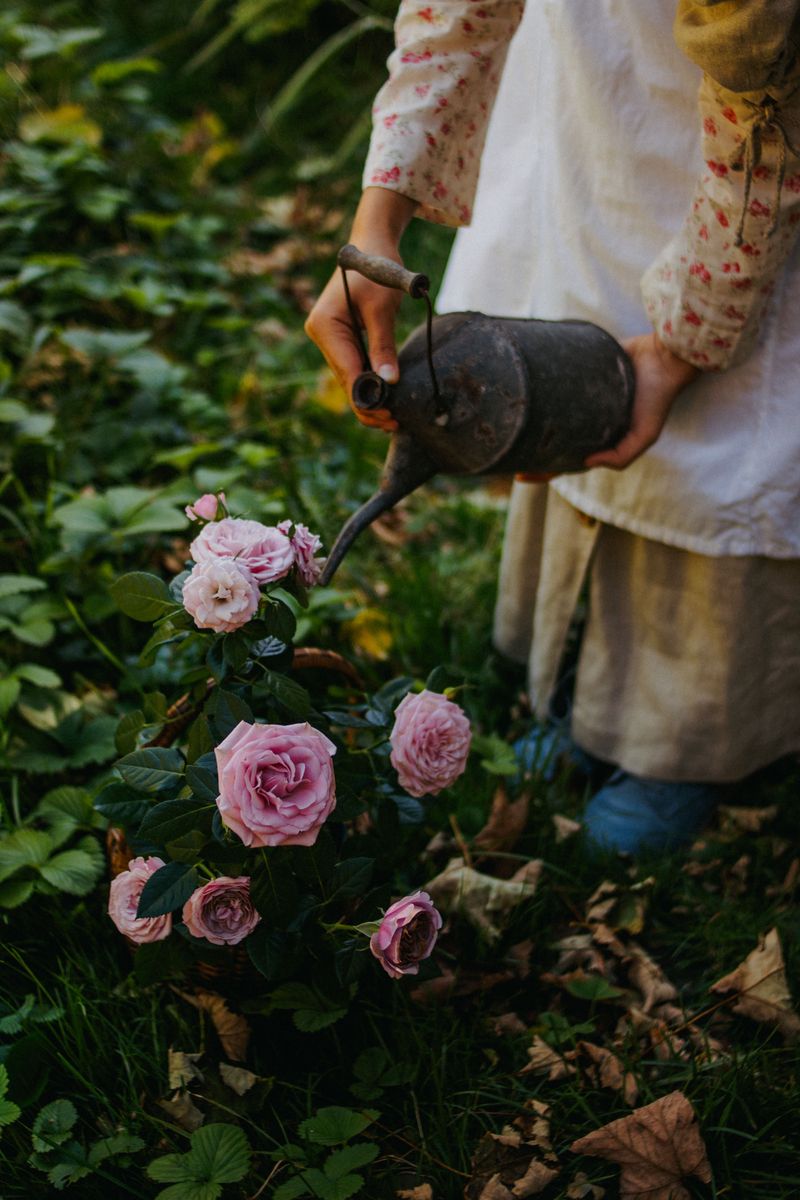
Roses have a reputation for being fussy, and honestly, they earned it. But most rose problems come down to one thing: inconsistent watering during the growing season.
During summer heat, established roses need about an inch of water per week at minimum. Newly planted roses need even more attention until their roots settle in.
Always water roses at soil level, never overhead. Wet leaves are an open invitation to black spot and other fungal diseases that spread fast in humid conditions.
Drip irrigation or soaker hoses are the gold standard for rose care. They deliver water exactly where it is needed without splashing foliage or wasting a drop.
Morning is the ideal time to water roses if you are hand-watering. Any accidental leaf splash has time to dry before evening, reducing fungal risk significantly.
Mulching rose beds with a few inches of wood chips or shredded bark helps regulate soil temperature and retain moisture. It also suppresses weeds that would compete for that same water.
Roses going through a summer flush of blooms are especially water-dependent. Cutting back on moisture during a bloom cycle leads to smaller flowers and shorter display time.
Think of watering your roses as a non-negotiable appointment in your weekly schedule. Consistent care right now sets them up for a strong fall bloom, which many gardeners consider the most beautiful rose display of the entire year.
5. Daffodil Bulbs
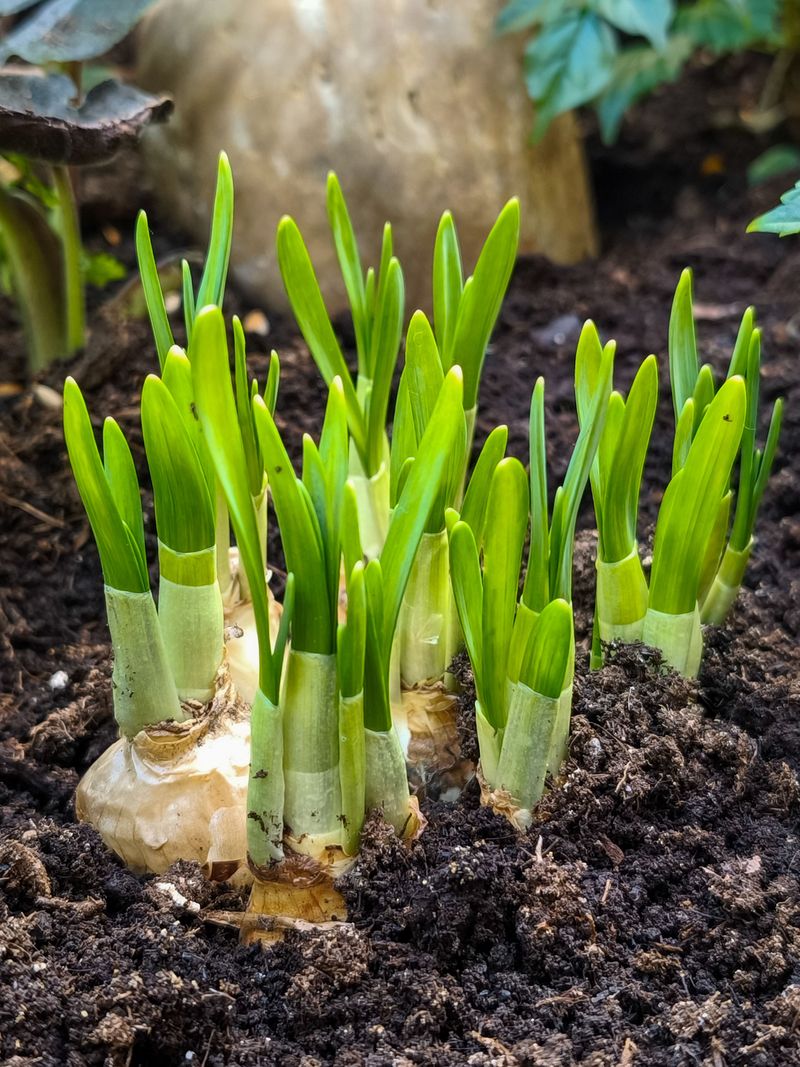
Here is the one that surprises most people: those daffodils that bloomed so beautifully in spring? They are asleep right now, and they want to stay that way.
Daffodil bulbs go fully dormant after their foliage yellows and fades in late spring. Watering them during summer dormancy can actually cause the bulbs to rot underground.
The worst thing you can do is keep that soil soggy all summer trying to help them. Bulbs sitting in wet soil without active growth are extremely vulnerable to fungal rot.
If your daffodils are planted in a bed that gets watered for other plants, that is usually fine as long as drainage is good. The problem comes from consistently waterlogged soil with no dry periods.
Good drainage is the secret to healthy bulb survival over summer. Raised beds or sloped planting areas naturally protect bulbs better than flat, low-lying spots.
Resist the urge to dig them up just because nothing is happening above ground. The bulbs are quietly storing energy for next spring’s show.
Marking where your bulbs are planted helps avoid accidentally disturbing them when you plant summer annuals nearby. A simple stick or small label saves a lot of frustration come fall.
Leave daffodil beds on the dry side through summer and trust the process. Come next February, those same patches of bare dirt will burst into bright yellow blooms again like nothing ever happened.
6. Bleeding Heart
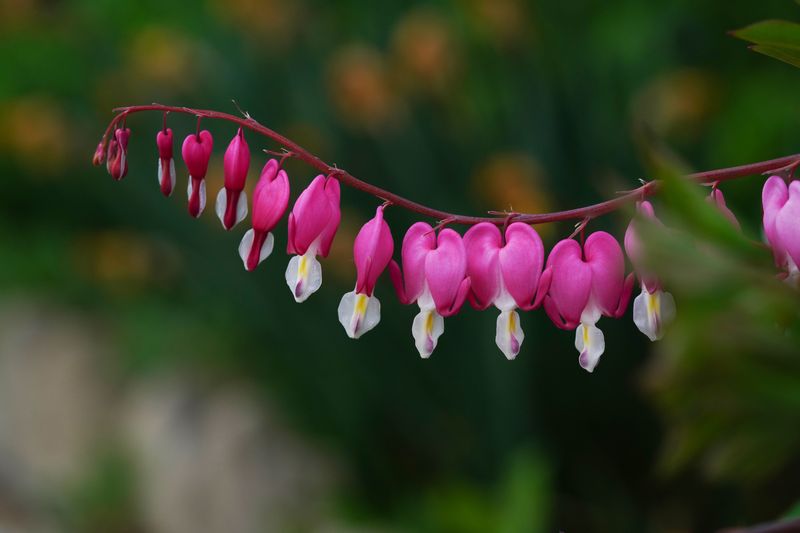
Image Credit: © 대정 김 / Pexels
Bleeding heart is one of the most elegant spring plants in any shade garden, but by midsummer it has completely checked out. The foliage yellows, collapses, and disappears as if it was never there.
This is completely normal and actually healthy behavior for this plant. Bleeding heart goes dormant in response to summer heat, retreating underground to wait for cooler temperatures.
Watering a dormant bleeding heart is unnecessary and can cause root problems. When the foliage finally fades, stop watering and let that patch of soil dry out on its own.
The roots are still alive underground, patiently waiting. They do not need moisture to maintain dormancy, just well-drained soil that does not stay saturated.
One smart gardening move is to plant summer companions nearby that fill the gap left behind. Hostas, ferns, and astilbe all thrive in the same shady conditions and cover the bare spot beautifully.
Fringed bleeding heart, a different species than the classic type, actually stays green longer and sometimes reblooms in fall. It handles summer slightly better but still appreciates less water as temperatures peak.
Do not pull out the stems even after they collapse. Leaving them in place helps mark where the roots are so you avoid damaging them while planting or weeding nearby.
Bleeding heart rewards patient gardeners who respect its natural rhythm. Skip the summer watering, and it will come back stronger and more floriferous when spring rolls around again.
7. Virginia Bluebells
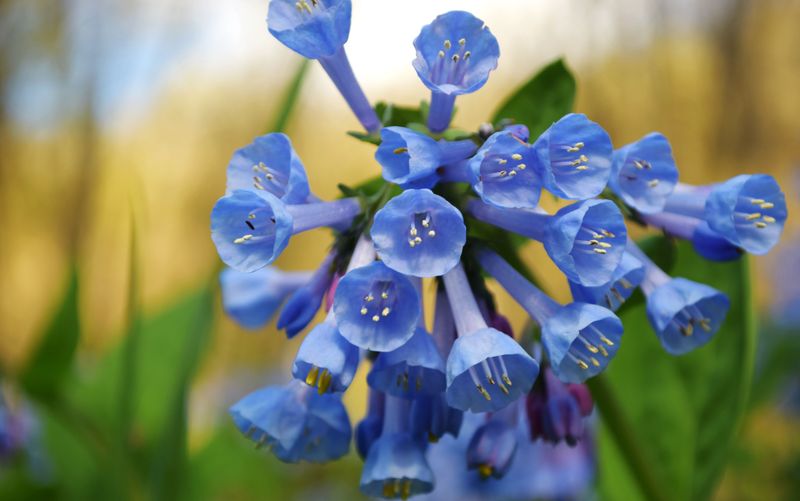
Image Credit: © Robert Schrader / Pexels
Virginia bluebells are a spring wildflower that lives fast and fades early. By late spring they have already bloomed, set seed, and begun their exit from the season.
These native beauties go completely dormant by early summer, leaving nothing but bare soil behind. That emptiness can look alarming, but it is exactly what the plant intends.
Watering the area where bluebells are dormant is not helpful and can actively harm them. Soggy summer soil encourages rot in the fleshy roots that are resting underground.
Native woodland plants like these evolved to handle dry summers naturally. They do not need human intervention to survive the heat, just good drainage and some shade.
Planting summer-active companions in the same area is a classic strategy for managing this gap. Ferns are a natural pairing because they thrive in the same moist, shaded spring conditions and then hold the space through summer.
Resist digging or disturbing the soil over a bluebell patch during summer. The roots are shallow and easy to damage without realizing it.
Bluebells spread by both seed and root division, so healthy dormant roots mean a bigger colony next spring. Protecting them now pays off in a more impressive floral display come April.
There is something almost magical about plants that disappear completely and then return right on schedule. Trust your Virginia bluebells to handle summer on their own terms, because they have been doing it long before your garden existed.
8. Cool-Season Grasses (Fescue)
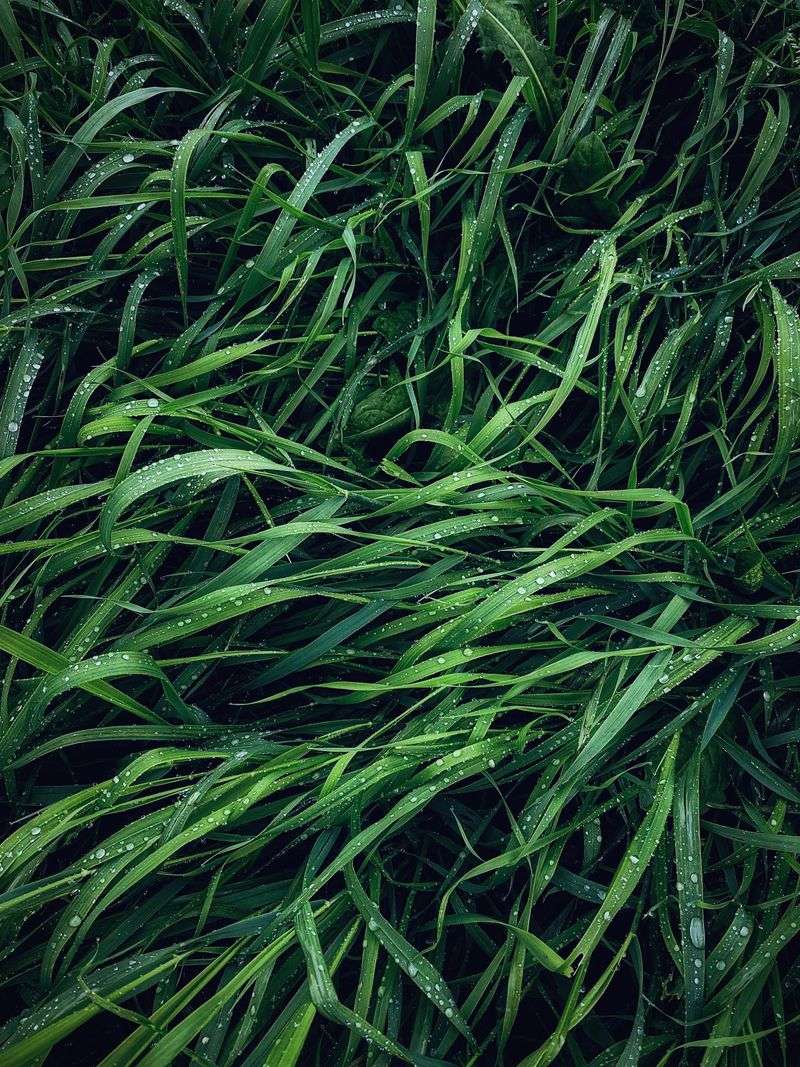
Tall fescue struggles when summer heat stays above 90 degrees for weeks, slowing down and turning a little tan. This is not failure, it is survival strategy.
You have two real choices during a summer dry spell: water consistently to keep it green or back off and let it go dormant. Both approaches can work, but you cannot switch back and forth.
Inconsistent watering is actually more damaging than choosing one approach and sticking with it. Starting and stopping stresses the grass more than either steady irrigation or full dormancy would.
If you choose to keep fescue green, it needs about an inch of water per week applied in one or two deep sessions. Shallow, frequent watering encourages weak, surface-level roots that bake in the heat.
If you let it go dormant, stop watering almost entirely and give it about half an inch every two to three weeks. This keeps the crown alive without pushing new growth the plant cannot sustain.
Avoid mowing dormant fescue short because that removes the protective leaf layer shielding the crown from heat. Keep mowing height at three to four inches through summer.
Come September, fescue wakes back up with enthusiasm. Proper summer care, whether active or hands-off, is exactly what to keep watering decisions are all about in a Virginia lawn.