Plant These 7 Autumn Bulbs Now To Keep Your Virginia Garden Colorful After Summer
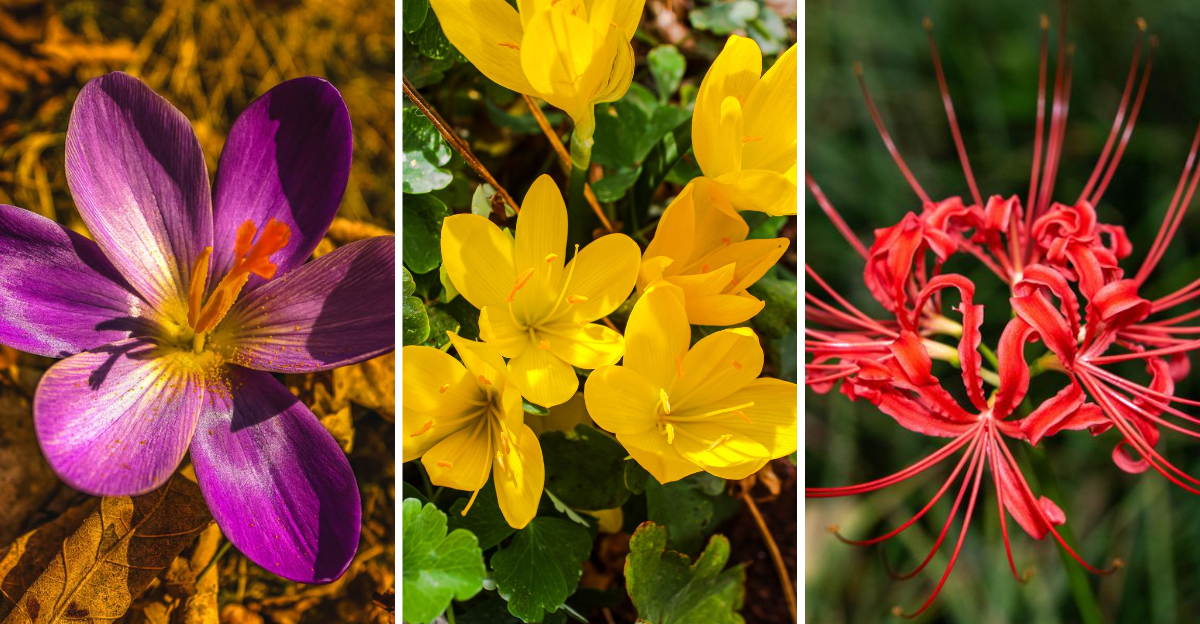
August in Virginia lingers like a guest who missed the hint to leave. Your flower beds start looking a little worn out from carrying the whole season alone.
Here is the part most homeowners skip right past: fall bulbs are not an afterthought. They are the reset button your garden has been waiting for.
While neighbors watch their yards fade into quiet, muted tones, a handful of well-timed bulbs can turn that same patch of dirt into a late-season showstopper.
Virginia’s mild autumns actually give these bulbs exactly the runway they need to root deep before winter settles in.
Skip this step and you are basically leaving free color on the table. These bulbs are not the usual suspects either.
They are the ones seasoned gardeners quietly plant while everyone else packs it in for the year. By October, your yard will look like it got the memo nobody else did.
1. Colchicum
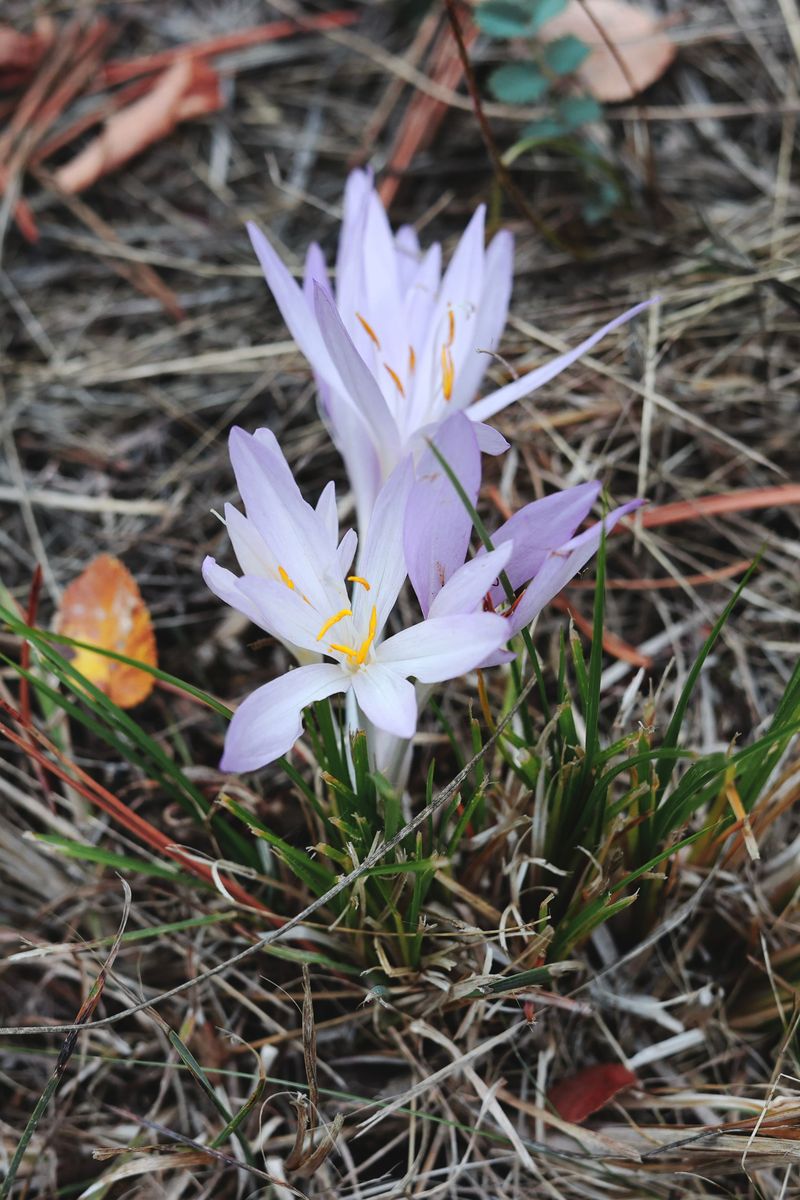
Nobody expects flowers to appear without leaves, yet Colchicum pulls off that trick every single fall.
These bold, chalice-shaped blooms push straight up from bare soil in September and October, almost like they forgot to wait for spring rules to apply.
Gardeners sometimes call them “naked ladies” because the foliage disappears months before the blooms ever show up.
That leafless surprise is exactly what makes Colchicum one of the most striking autumn bulbs you can plant right now. One day the ground is empty, and the next it is full of color.
Plant the corms in late summer, about three to four inches deep. Choose a sunny or lightly shaded spot with well-draining soil for the best results.
Virginia’s warm summers and mild early falls give Colchicum exactly the conditions it craves to settle in and thrive.
The bulbs naturalize beautifully, multiplying on their own and returning bigger each year with little effort on your part. Colors range from soft lavender to deep rosy pink and pure white.
Mass several corms near a walkway, and watch neighbors slow their pace just to take a second look.
One thing to note: Colchicum is not meant to be eaten, so keep curious pets and young children away from the corms and blooms.
Beyond that, this plant asks for almost nothing. Skip removing spent blooms, skip the constant fertilizing, and let it grow at its own pace.
The strap-like leaves that emerge next spring quietly feed the bulb for the following year. Plant Colchicum once, and it rewards you with magic every autumn, season after season.
2. Fall-Blooming Crocus
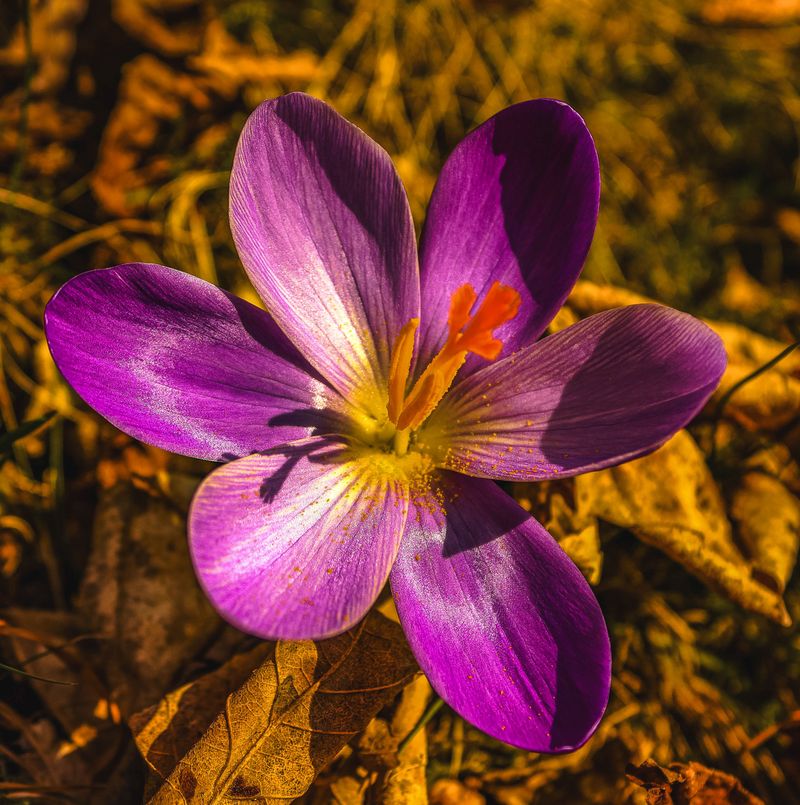
Most people think crocus only shows up in spring, but fall-blooming crocus breaks that assumption wide open. Crocus speciosus and its cousins burst into color just when the rest of the garden is winding down for the year.
These dainty flowers carry a quiet elegance that feels almost out of place in autumn. Soft purple, lilac, and white petals catch the low fall sun in the most satisfying way, glowing rather than glaring.
Your Virginia Garden Changes Every Week. Your Plan Should Too.
Gardening in Virginia changes quickly throughout the season. Every Friday you’ll receive a simple weekly plan showing exactly what to plant, prune, fertilize, harvest, and protect so you never miss the right timing.
Plant the small corms about three to four inches deep in a well-drained bed. They love full sun and will spread gradually into cheerful little colonies over the years.
Virginia gardeners have a real advantage here, since the state’s fall weather rarely turns harsh in September and October. That mild stretch gives fall crocus plenty of time to settle in and put on a full show.
One especially exciting variety is Crocus sativus, the saffron crocus. Its vivid orange stigmas can actually be harvested and used as saffron, one of the priciest spices by weight.
Even if you never cook with saffron, growing it feels like a small luxury tucked into your own backyard. The rich purple blooms alone are worth the cost of the bulb, harvest or not.
Water lightly after planting, then step back and let nature handle the rest. These autumn bulbs are remarkably self-sufficient once they settle into the ground and find their rhythm.
They naturalize well and come back reliably each year without much fuss on your part. Tuck them between perennials or along a sunny path, and let them offer a surprise burst of color just when the garden needs it most.
3. Nerine
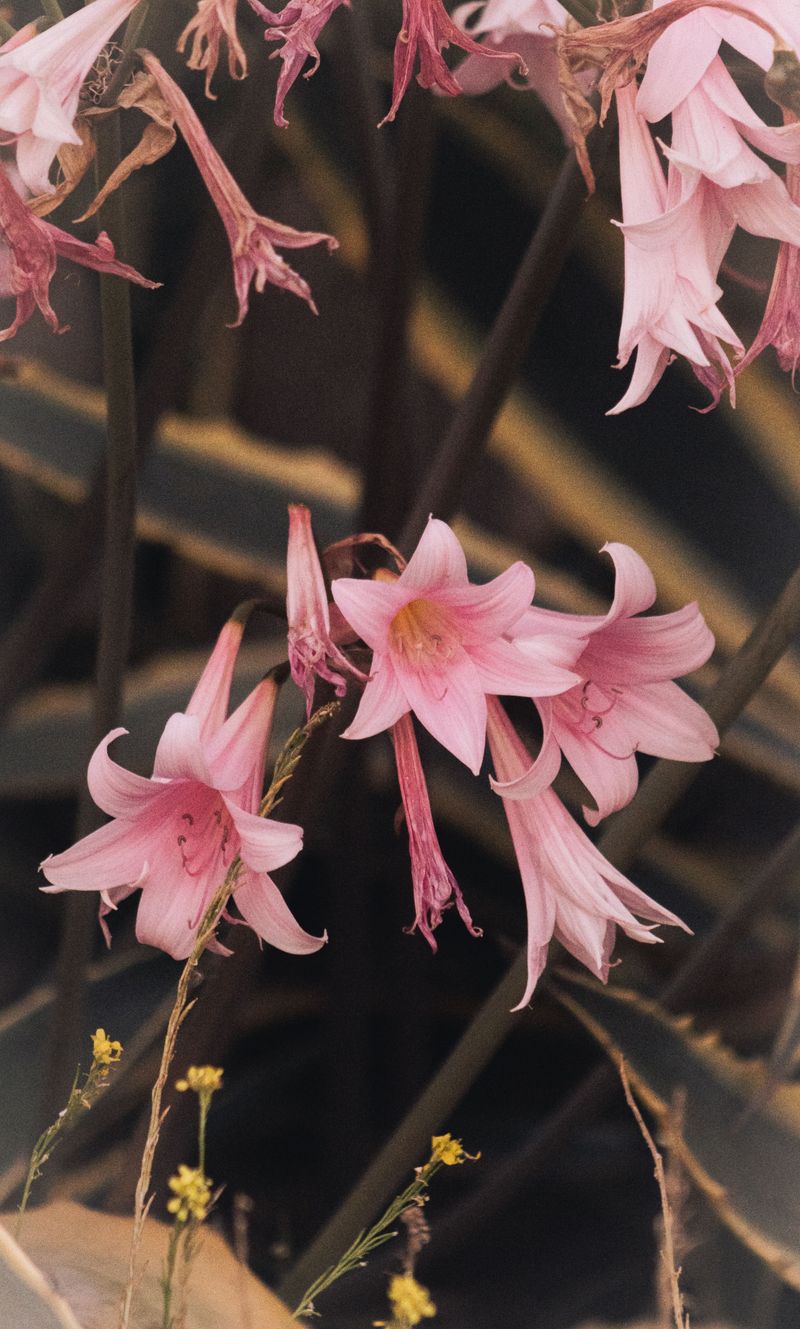
Nerine looks like someone dipped a lily in glitter and sent it straight to your garden. The spidery, wavy petals shimmer in shades of hot pink, coral, and soft white, catching light in a way few other fall flowers manage.
Native to South Africa, Nerine bowdenii is the hardiest species and a solid choice for gardeners in eastern and central Virginia.
It handles the milder Mid-Atlantic climate well, though it needs extra winter protection in the state’s cooler mountain regions.
Plant the bulbs in late summer with the neck just at or slightly above the soil surface. Full sun and sharp drainage are essential for these beauties to thrive and multiply over time.
Blooms appear on tall, leafless stems in October and sometimes into November, long after most other bulbs have finished their season. That late timing makes Nerine one of the most valuable additions to your autumn planting toolkit.
The flowers last a long time on the stem, both in the garden and in a vase indoors. Cut a few stems for an arrangement and enjoy that vivid pink color up close for days.
Nerine actually blooms better when the bulbs are slightly crowded, so resist the urge to divide too often. Let the clump build up over three or four years for the most spectacular, full display.
A south-facing wall or a raised bed provides the extra warmth Nerine loves heading into winter. Mulch lightly in late fall to protect the bulbs in colder pockets of the state.
Once established, this plant rewards neglect beautifully. Few autumn bulbs deliver this much drama with this little ongoing effort, season after season, once they find their footing in the ground.
4. Sternbergia
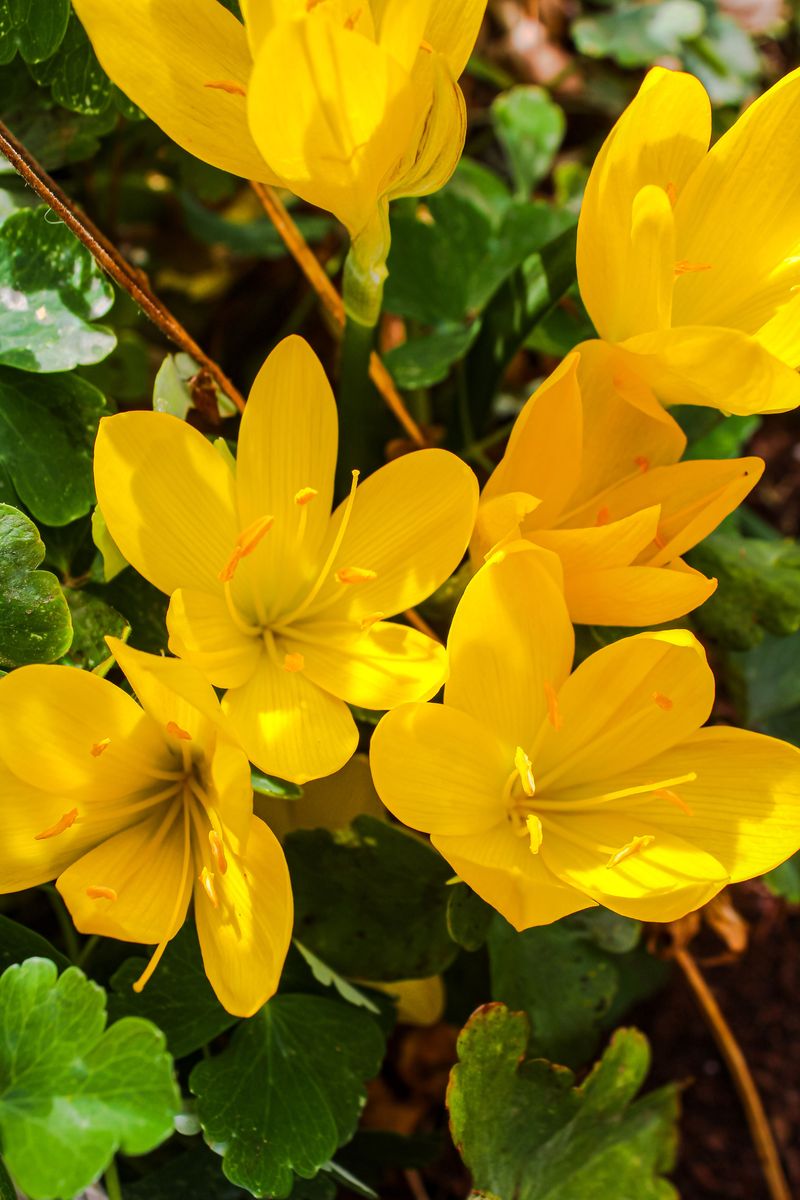
Imagine a crocus that decided to show up in gold instead of purple. That is basically Sternbergia lutea, a cheerful autumn bulb that glows like a tiny sun in the October garden.
Sometimes called the winter daffodil or lily of the field, Sternbergia carries a rich history behind its bright petals.
Some scholars have proposed it as a candidate for the ‘lily of the field’ mentioned in scripture, though this identification remains debated among historians.
The cup-shaped, butter-yellow flowers open in September and October on short stems close to the ground. Shiny, dark green leaves emerge alongside the blooms and stay attractive well into the winter months.
Plant the bulbs in late summer, about four inches deep, in a spot with excellent drainage. Sternbergia does not tolerate wet soil, so avoid low spots or heavy clay in the planting bed.
A sunny rock garden or a raised bed along a south-facing wall suits it perfectly well. Virginia’s climate suits this Mediterranean native well in the state’s warmer regions, though gardeners in cooler mountain areas may need to add winter mulch.
The golden color pops beautifully against autumn foliage and brown mulch. Plant a generous cluster of ten or more bulbs to make a statement that stops people in their tracks.
Sternbergia naturalizes slowly but steadily, building into a more impressive display each passing year. It is drought-tolerant once established, which is a real bonus during dry Virginia falls.
These autumn bulbs are deer-resistant too, which makes them even more appealing in rural or suburban gardens. Plant them now, and enjoy a small gold rush every October for years to come without much effort at all.
5. Cyclamen
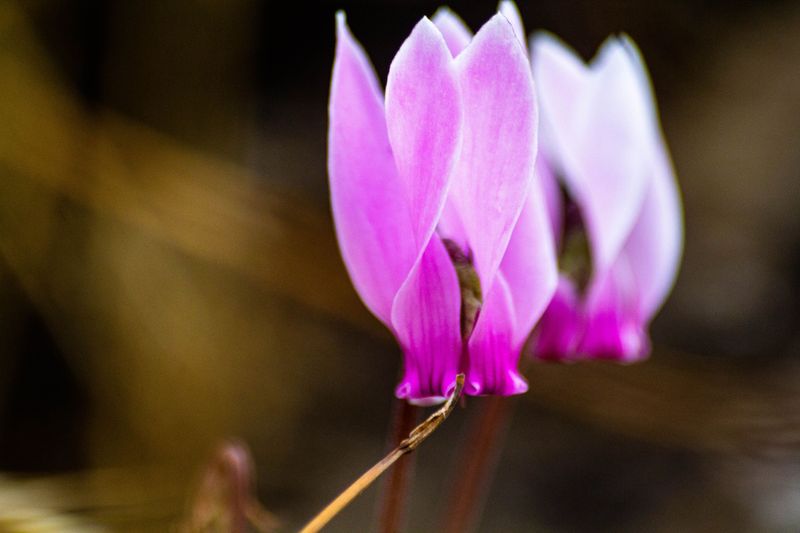
Hardy cyclamen is the quiet overachiever of the autumn bulb world. While showier plants hog the spotlight, Cyclamen hederifolium tucks itself under trees and puts on a refined, long-lasting display.
The swept-back petals in shades of pink, rose, and white look like tiny shooting stars frozen mid-flight. Below them, the patterned leaves emerge after bloom and stay stunning through winter and well into spring.
Plant the flat, disc-shaped tubers just below the soil surface in late summer. They thrive in dappled shade under deciduous trees, exactly where most other bulbs refuse to grow at all.
Virginia’s oak and maple canopies create ideal conditions for hardy cyclamen to spread and naturalize over time. A single tuber can eventually grow into a wide, carpet-like colony that needs very little attention from the gardener.
The flowers appear in September and October, often before the leaves fully emerge from the ground. That bare-stem bloom gives the planting a delicate, whimsical quality that few other autumn plants can match.
Cyclamen is also surprisingly tough, handling light frosts without flinching or losing its shape. The foliage even looks beautiful dusted with morning frost on a cold November day, adding texture to a quiet corner.
Ants play a fascinating role in spreading cyclamen seeds around the garden. They carry the seeds off for the sticky coating, then drop them nearby, which is how new little plants naturally appear each season.
These autumn bulbs ask for almost nothing once established. Plant them in a shady corner and let them quietly take over in the best possible way, spreading a little further with each passing year.
6. Toad Lily
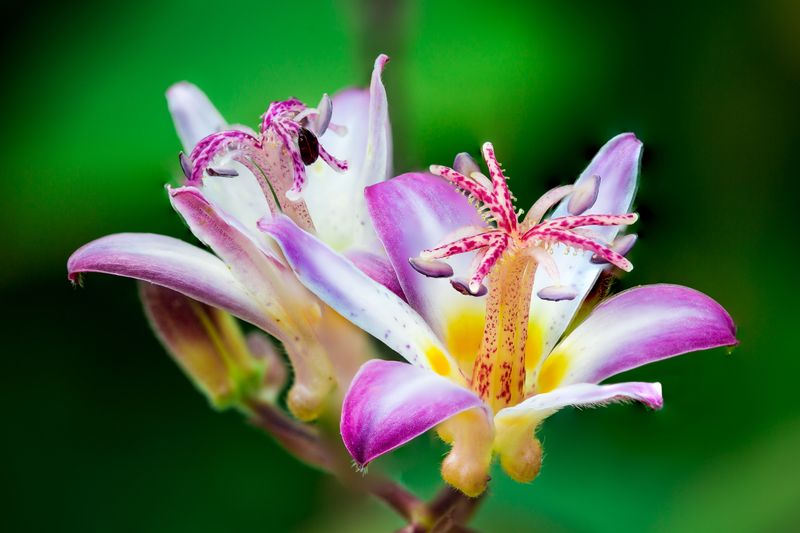
Toad lily earns its odd name from the speckled, spotted blooms that look like something a fantasy artist dreamed up. Tricyrtis species produce orchid-like flowers in shades of white, lavender, and purple with intricate dark spots.
These plants bloom in September and October, right when shaded garden spots desperately need some action. They are one of the few autumn bulbs that actually prefer shade over sun.
Plant toad lily rhizomes in a moist, humus-rich spot under tall trees or on a north-facing slope. Virginia’s climate supports the moist, humus-rich soil these shade lovers need, especially with some added organic matter.
The flowers are small but incredibly detailed up close. Lean in and you will find a tiny masterpiece of color and pattern that rivals any tropical orchid.
Plants grow to about two or three feet tall and spread slowly into a graceful clump. The arching stems hold multiple blooms along their length, creating a cascading effect that is genuinely beautiful.
Toad lily pairs wonderfully with hostas, ferns, and astilbe in a shade border. Those companions die back just as toad lily reaches its peak, so the timing works out perfectly.
Deer tend to leave toad lily alone, which is welcome news for gardeners in wooded neighborhoods. Slugs can be a minor issue in very wet spots, but a little gravel mulch discourages them quickly.
These autumn bulbs bring unexpected sophistication to forgotten shady corners. Once you grow toad lily, you will wonder how your garden ever managed without it.
7. Spider Lily
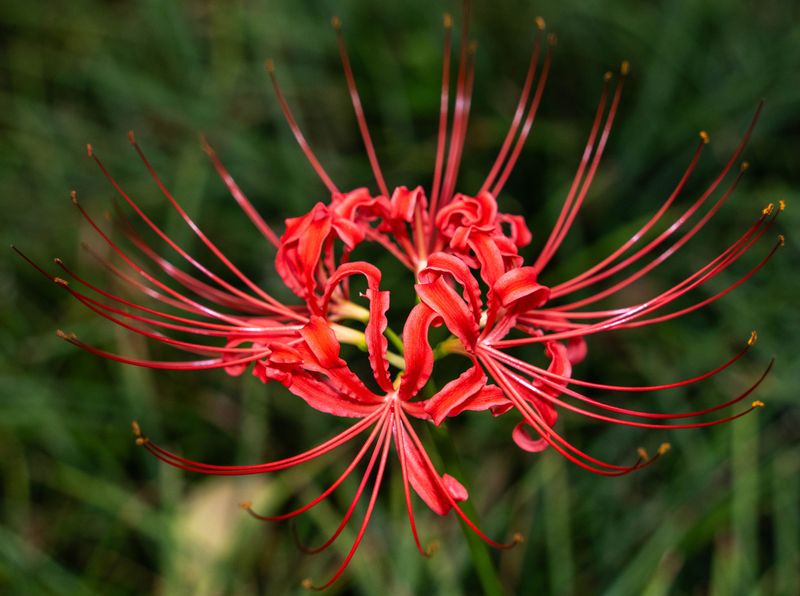
Spider lily is the kind of plant that tends to catch the eye of anyone passing by. Lycoris radiata shoots up fiery red blooms on bare stems in September, creating a strikingly vivid scene in the garden.
The long, curling stamens extend way beyond the petals, giving the flower its spidery, wild appearance. Clusters of six to eight blooms top each stem in a fireworks-burst arrangement that draws the eye immediately.
Like Colchicum, spider lily blooms without any foliage present. The strap-like leaves emerge after the flowers fade and stay green through winter, feeding the bulb for next year.
Plant the bulbs in late summer with the neck just above the soil surface. They prefer a sunny to partly shaded spot and adapt well to the clay-heavy soils common across much of the state’s warmer regions, though they are less reliable in the coldest mountain pockets.
Spider lily naturalizes aggressively once happy, spreading into wide, impressive drifts over several years. Plant a dozen bulbs now and expect a small colony within three or four seasons.
These autumn bulbs are deeply tied to cultural symbolism in Japan and China. They are often planted near temples and graveyards, earning the poetic nickname “red spider lily of the underworld.”
That history adds a layer of intrigue to an already captivating plant. Knowing the story makes each bloom feel like it carries a little extra weight and wonder.
Deer and rodents typically avoid spider lily because the bulbs are toxic. That built-in protection makes it one of the most carefree autumn bulbs you can grow in your Virginia garden.