Prairie Restoration Techniques Illinois Homeowners Are Trying In Suburban Yards
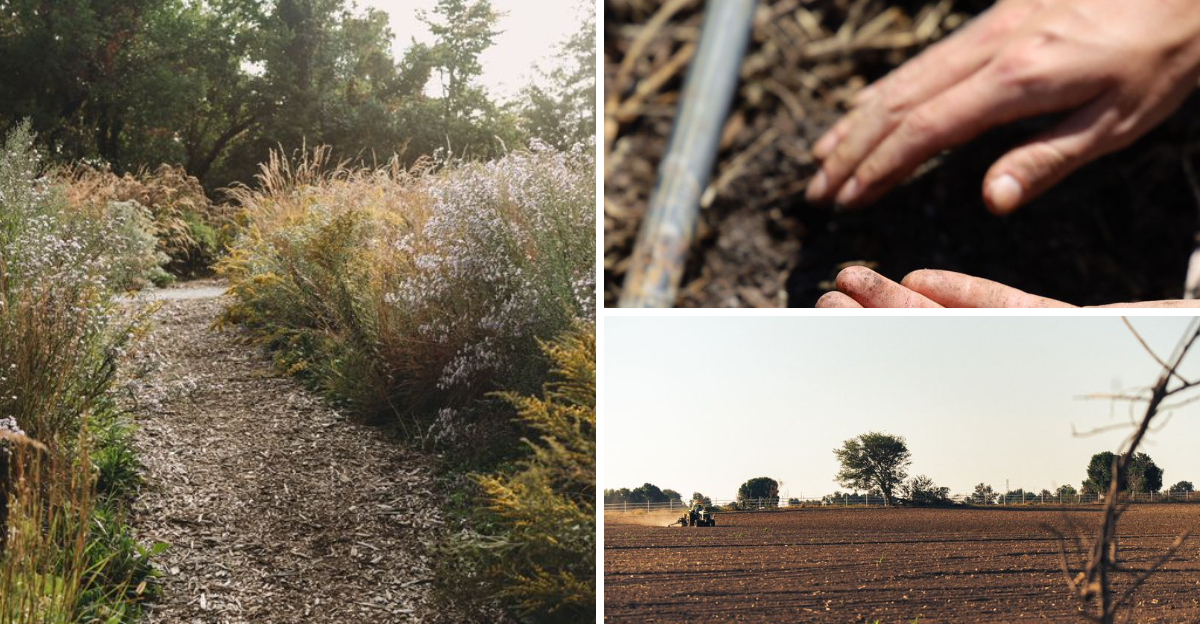
Illinois backyards are quietly shifting shape. Instead of manicured turf, homeowners are letting native grasses and wildflowers take root, and the change is easy to spot.
This isn’t abandoned land or neglected yard work. It’s prairie restoration, a deliberate return to the plants that shaped this region long before subdivisions and sprinkler systems arrived.
The appeal goes beyond looks. These root systems plunge several feet underground, pulling water deep into the soil and holding it there through dry spells that would leave a typical lawn crisp and brown.
Birds show up first. Then the pollinators. Then neighbors start asking questions over the fence. If your yard has felt more like a maintenance chore than a living space, this shift might be exactly the reset it needs.
1. Turf-To-Prairie Conversion
Your lawn is lying to you. It looks tidy, but beneath that green carpet is a monoculture that feeds almost nothing and drinks water at a steady clip.
Turf-to-prairie conversion is exactly what it sounds like. You remove the existing grass and replace it with native plants that evolved right here on the Midwest plains.
The process usually starts with smothering the old lawn. Homeowners lay cardboard or black plastic over the grass to block sunlight and break down the turf over several weeks.
Late spring or early summer works best for this step. Warmer soil speeds up the breakdown and gets you ready for fall planting.
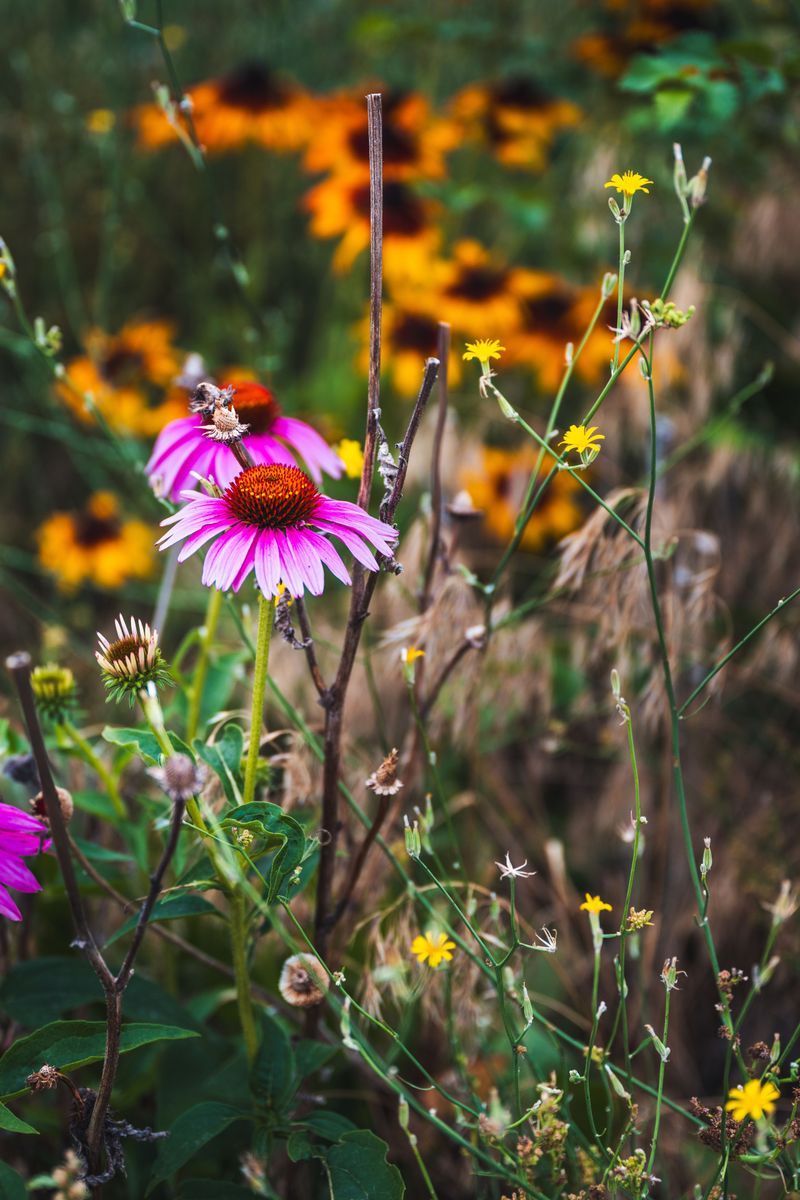
Once the old growth breaks down, you prep the soil and introduce native species. Popular choices include purple coneflower, wild bergamot, and big bluestem grass.
These plants have deep root systems, sometimes reaching ten feet down. Those roots hold soil during storms and pull water away from your foundation.
The conversion does not happen overnight. Many Illinois homeowners see a full, lush planting by the second or third growing season.
Patience is part of the deal. But watching monarchs and bumblebees show up by summer two makes every waiting day worth it.
Many suburban municipalities now offer rebates for lawn conversion projects. Check with your local conservation district before you start digging.
This kind of conversion is gaining ground across the state. Your neighbors might actually start asking questions, and that is a very good thing
2. Direct Seeding
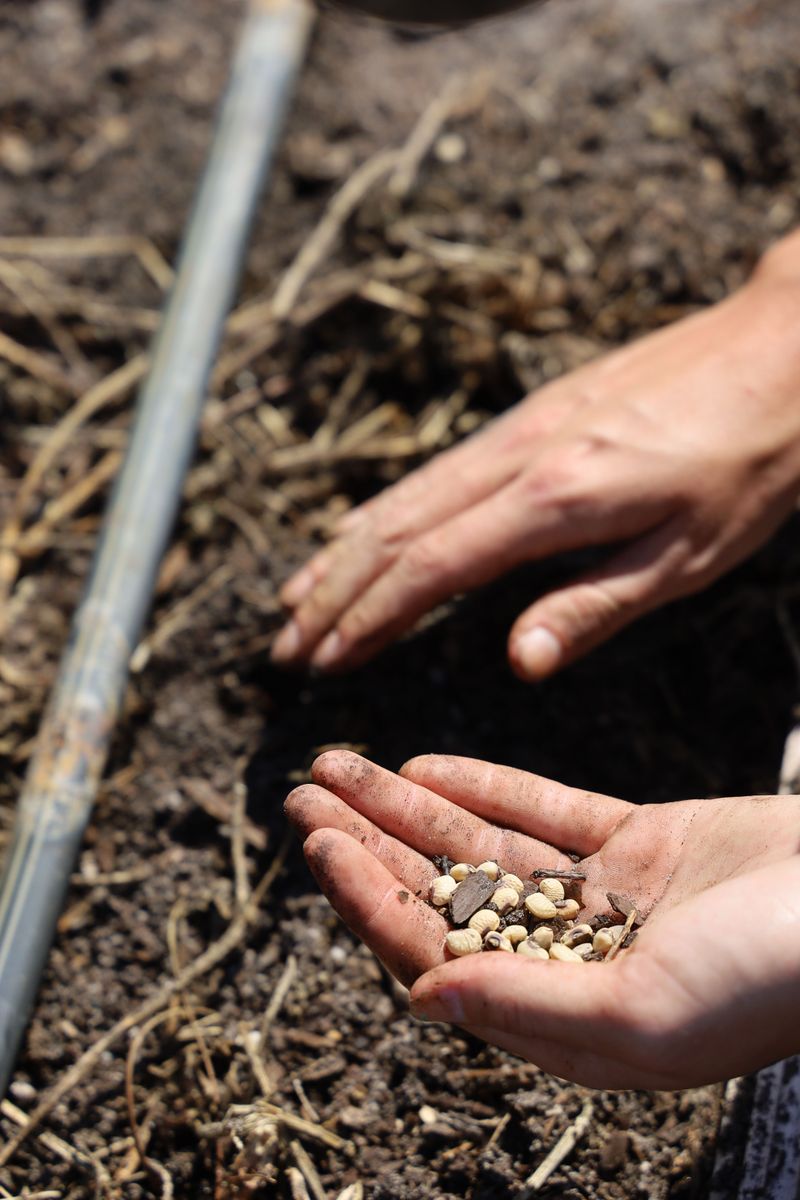
Grab a handful of seeds and feel the weight of an entire ecosystem in your palm. Direct seeding is the most hands-on, deeply satisfying way to start a prairie planting.
You scatter native seeds directly onto prepared ground, no transplants needed. It is low-cost, low-tech, and surprisingly effective when done right.
Soil preparation is everything with this method. You need a firm, weed-free seedbed so tiny native seeds can make solid contact with the ground.
Most experienced growers recommend fall seeding in the Midwest. Cold winter temperatures naturally break seed dormancy, a process called cold stratification.
Come spring, those seeds wake up right on schedule. You get germination that is timed perfectly to the natural growing season.
Your Illinois Garden Changes Every Week. Your Plan Should Too.
Gardening in Illinois changes quickly throughout the season. Every Friday you’ll receive a simple weekly plan showing exactly what to plant, prune, fertilize, harvest, and protect so you never miss the right timing.
The tricky part is the first year. Native seedlings grow roots before they grow leaves, so your planting may look sparse and weedy early on.
Do not panic and do not mow too soon. Give your seedlings space and time, and they will surprise you by midsummer.
Species like black-eyed Susan, prairie dropseed, and rattlesnake master do beautifully from direct seed. These are tough, proven performers for suburban settings.
Direct seeding rewards people who trust the process. Once established, a seed-grown prairie is incredibly resilient and deeply rooted in its landscape.
Few methods feel more authentic than scattering seeds where they belong. Nature has been doing this for thousands of years.
3. Hydroseeding, Drill Seeding, And Broadcast Seeding
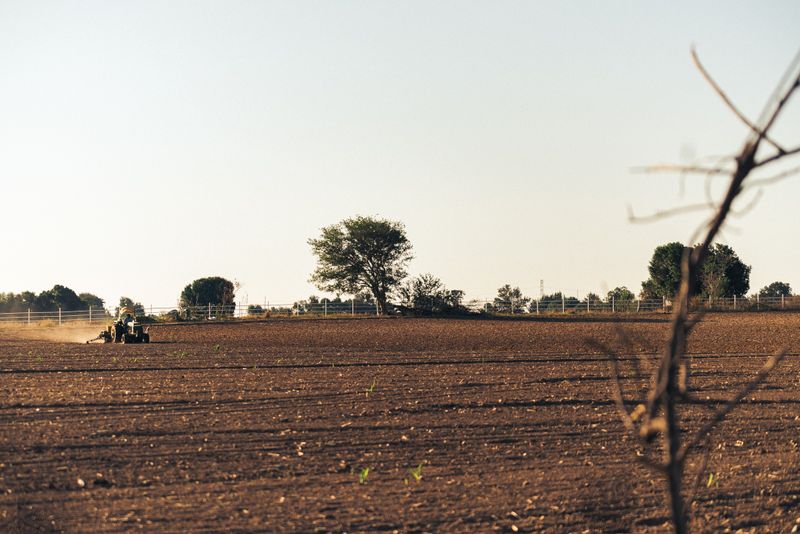
Not every yard gets restored one handful of seeds at a time. Larger properties and ambitious homeowners often turn to mechanical seeding methods for faster, more even coverage.
Hydroseeding sprays a wet mixture of seeds, mulch, and fertilizer across the ground. The slurry sticks to the soil and creates a protective layer while seeds germinate.
It works especially well on slopes where erosion is a concern. The mulch layer holds moisture and prevents seeds from washing away during rain events.
Drill seeding uses a specialized machine that cuts shallow rows into the soil. Seeds drop directly into those rows, giving them excellent soil contact from day one.
This method is often used on larger suburban lots or community green spaces. The precision placement leads to faster, more uniform germination across the whole area.
Broadcast seeding is the DIY-friendly cousin of the group. You use a hand-cranked or push spreader to distribute seeds evenly across a prepared bed.
It covers ground quickly and works well for medium-sized yards. Combining broadcast seeding with a light raking helps press seeds into the soil surface.
Each method has its ideal use case depending on yard size and terrain. Talking to a local prairie restoration specialist helps you choose the best fit.
All three approaches lead to long-lasting, low-maintenance native landscapes. The right seeding method sets the foundation for everything that follows.
4. Prescribed And Controlled Burns
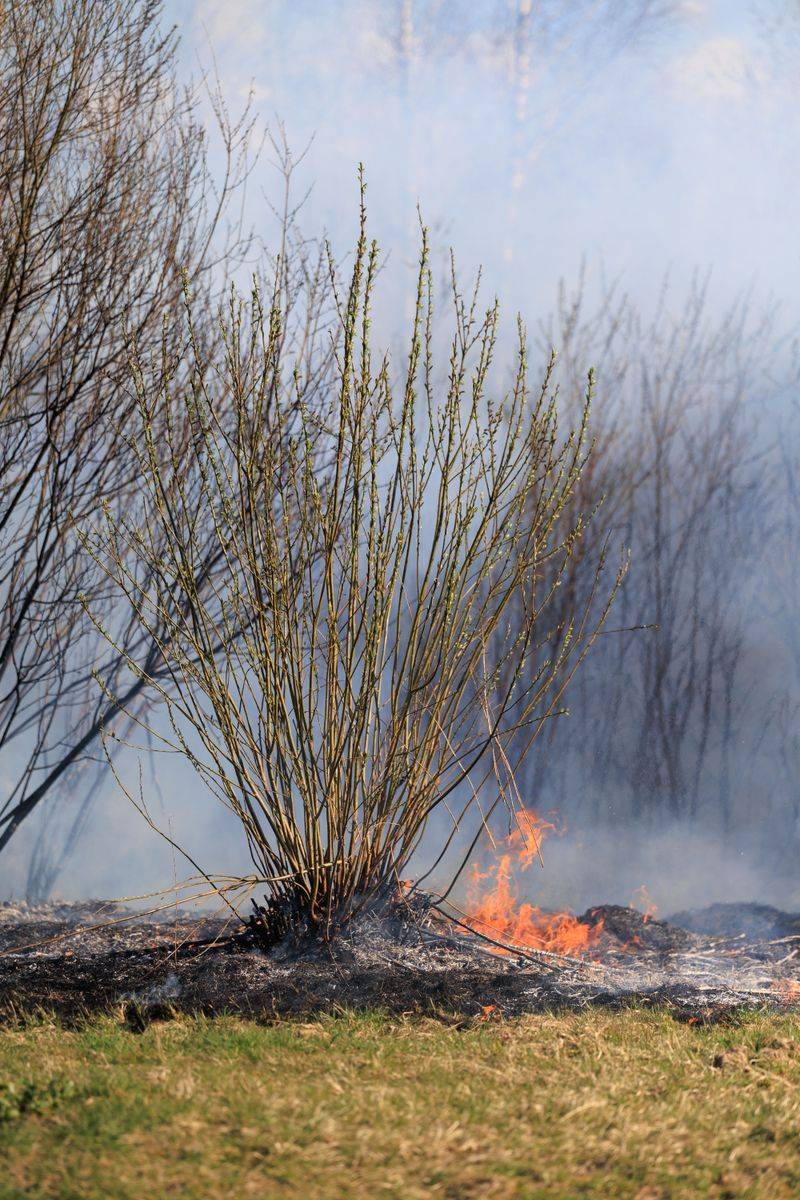
Fire sounds scary in a backyard context, but hear this out. Prescribed burns are one of the most effective tools in any prairie restoration toolkit.
Native prairie plants evolved with fire for thousands of years. Periodic burning clears accumulated plant material, releases nutrients, and gives native species a competitive edge.
Without occasional fire, invasive shrubs and trees creep into prairie plantings fast. A controlled burn resets the landscape and keeps the ecosystem in balance.
In suburban settings, burns are carefully planned and tightly managed. Illinois homeowners typically work with certified burn crews or county conservation staff to execute them safely.
Permits are required in most municipalities, and neighbors should be notified in advance. Wind conditions, soil moisture, and humidity all factor into burn timing decisions.
Burns are usually done in late winter or very early spring. At that point, the ground is still cold but the dry plant material from last season burns cleanly.
After a burn, the landscape looks stark and black for a few weeks. Then the native plants push up faster and stronger than before.
Many Illinois homeowners describe the post-burn spring flush as dramatic. The colors are more vivid, the density is greater, and the wildlife response is immediate.
Prairie restoration techniques that include fire tend to produce the most authentic and resilient results over time. It is old science, and it still works beautifully.
5. No-Mow Zones With Defined Paths
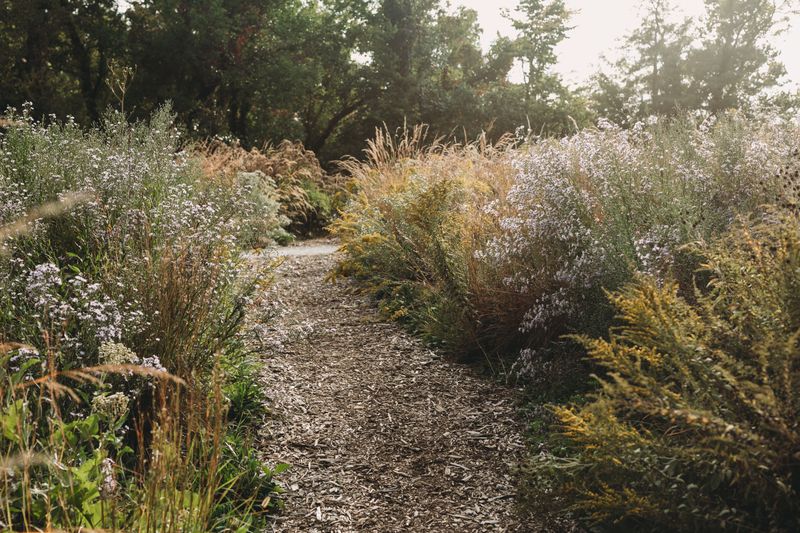
What if the secret to a stunning yard was simply doing less? No-mow zones are exactly that: designated areas where you step back and let native plants take over.
The concept is simple but the results are complex and beautiful. Native grasses and wildflowers grow freely in one section while a maintained path keeps the space feeling intentional.
That mown path is the key detail most people miss. Without it, a naturalized area can look neglected to neighbors and code enforcement officers.
A clean, defined edge signals that this is a choice, not an accident. It transforms a wild patch into a designed landscape feature that commands respect.
Paths can be mown grass, crushed gravel, or stepping stones. The material depends on your budget and how formal you want the overall look to feel.
No-mow zones reduce mowing time, cut water use, and eliminate fertilizer costs in those areas. The savings add up faster than most homeowners expect.
Wildlife benefits enormously from these undisturbed sections. Ground-nesting bees, fireflies, and toads all depend on areas where the ground is left alone.
Start small if the idea feels overwhelming. Even a ten-by-ten patch left unmowed can support dozens of native plant and insect species.
Prairie restoration techniques work at any scale, and no-mow zones prove that point perfectly. You do not need acres to make a real ecological difference.
6. Rain Gardens And Bioswales
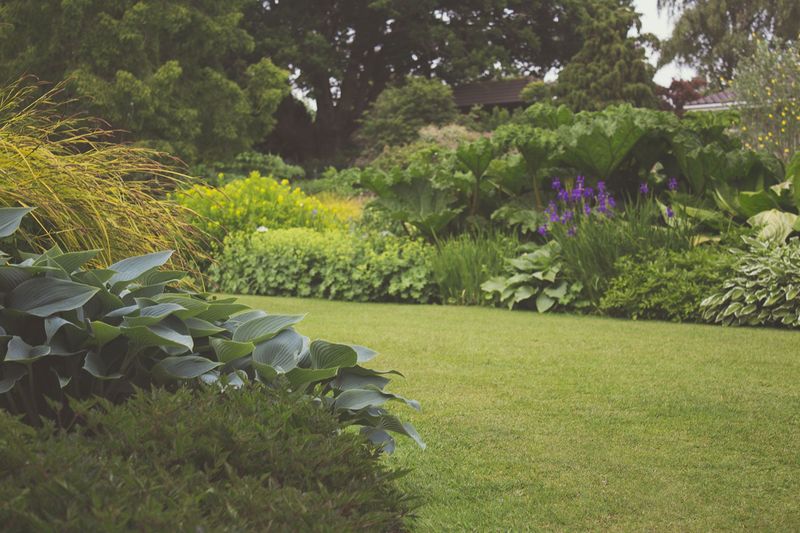
Every time it rains, your yard makes a decision. Water either soaks in slowly or rushes off into storm drains, carrying pollutants with it.
Rain gardens and bioswales give that water somewhere better to go. They are shallow, planted depressions designed to capture runoff and filter it naturally through plant roots and soil.
Native plants are the star players in both features. Species like swamp milkweed, blue flag iris, and prairie sedge thrive in wet-dry cycles that would stress most ornamentals.
A rain garden is typically installed in a low spot in the yard. It collects water from downspouts, driveways, or sloped lawn areas during and after storms.
Bioswales are elongated channels that slow and filter water as it moves across a property. They work especially well along driveways or property edges where runoff is heavy.
Both features meaningfully reduce basement flooding risk when sized correctly. They also recharge groundwater and reduce the load on municipal stormwater systems.
Installation requires some planning around soil type and drainage rates. A simple percolation test helps determine how quickly your soil absorbs water.
Many Illinois homeowners pair rain gardens with the broader goal of prairie restoration. The two approaches complement each other in function and in beauty.
Water-focused projects like these are especially valuable in suburban areas where impervious surfaces dominate. A rain garden is one of the more practical investments a yard can hold.
7. Invasive Species Removal
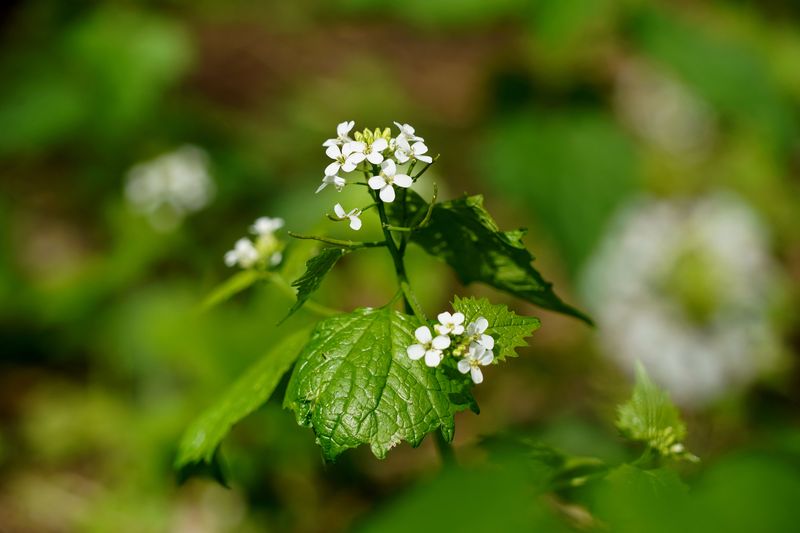
Before you can plant a prairie, you have to evict the squatters. Invasive species are aggressive non-native plants that crowd out native wildflowers and grasses before they get a chance.
Common culprits in the Chicago region include garlic mustard, Japanese honeysuckle, and buckthorn. These plants spread fast and outcompete native seedlings trying to establish.
Garlic mustard is particularly sneaky. It releases chemicals into the soil that suppress the growth of surrounding plants, a trick called allelopathy.
Removing invasives is hard work but deeply satisfying. Hand-pulling is effective for small infestations, especially when plants are young and roots are shallow.
Larger infestations often require targeted herbicide applications. A licensed applicator can treat problem areas without harming the native plants you want to keep.
Timing matters enormously with invasive removal. Garlic mustard, for example, should be pulled before it sets seed, or you will be managing it for years.
Buckthorn requires a different strategy. Cutting stems and immediately treating the cut surface with herbicide prevents vigorous resprouting from the root system.
Once invasives are cleared, native plants move in surprisingly fast. The soil already holds native seed banks from decades past, just waiting for an opening.
Most restoration projects typically begin with clearing space for what belongs here. Removing invasives is not just maintenance, it is an act of ecological repair that echoes forward for generations.
8. Formal Design Elements
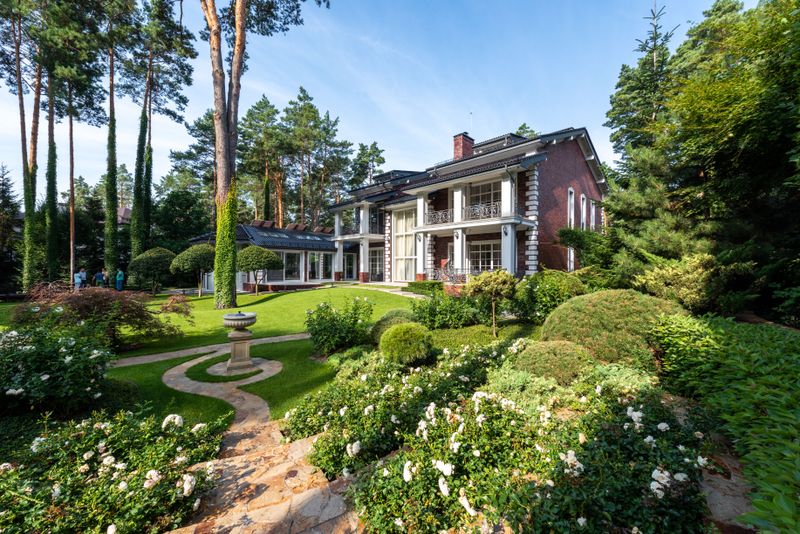
Prairie does not have to mean wild and weedy. Formal design elements bring structure to native plantings and make them neighborhood-approved without sacrificing ecological value.
Stone edging, defined borders, and symmetrical plant groupings signal intentional design. These cues tell passersby that someone thoughtful lives here and made deliberate choices.
Ornamental grasses like little bluestem and prairie dropseed work beautifully in structured arrangements. Their graceful forms and seasonal color shifts bring year-round visual interest to the yard.
Mixing native plants with traditional garden features is a growing trend. A native perennial bed framed by a simple wooden fence looks curated, not chaotic.
Focal points help anchor a prairie-inspired design. A large native shrub, a birdbath surrounded by coneflowers, or a boulder creates visual weight and draws the eye.
Color blocking is another technique borrowed from formal horticulture. Grouping plants by bloom color or season creates bold sweeps that read as intentional from the street.
Seasonal interest is a key design consideration. Choose species that offer something in every season: spring blooms, summer color, fall seed heads, and winter structure.
HOA concerns often melt away when native plantings look polished and maintained. A neat edge and a clearly designed layout go a long way toward community acceptance.
Smart design paired with native planting proves that ecological function and aesthetic beauty are not opposites. Your yard can heal the land and look incredible doing it.