The Best Time Of Day To Trim Roses In Michigan For Repeat Summer Blooms
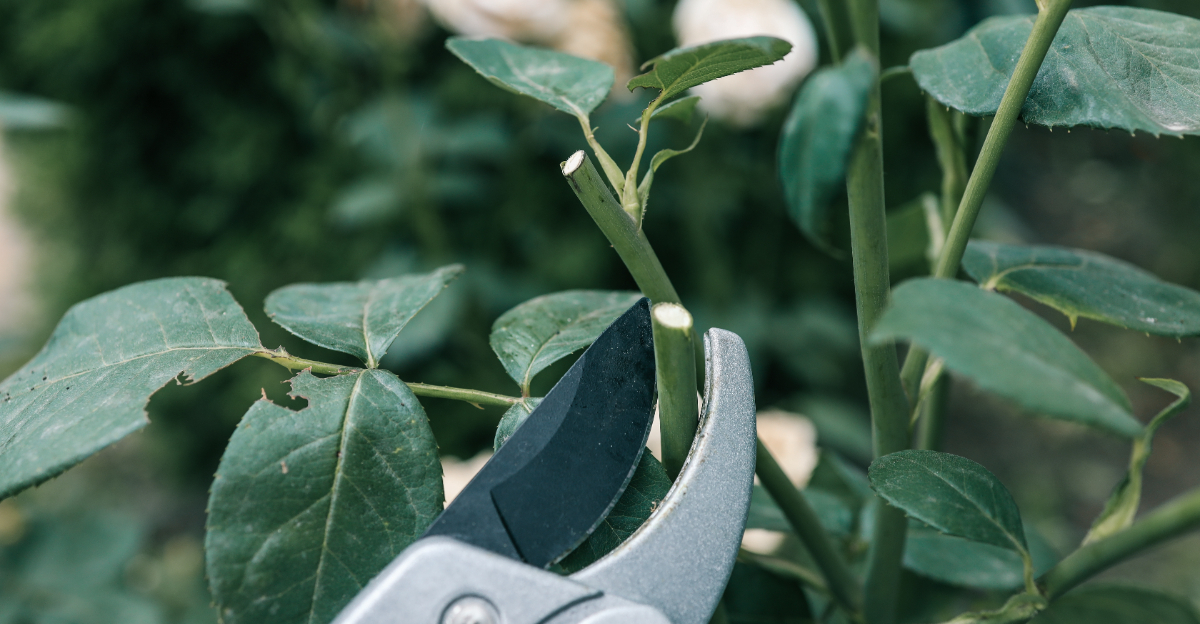
Deadheading and light trimming done at the right time of day in Michigan produces noticeably faster rebloom cycles than the same cuts made during the wrong conditions.
Most gardeners trim whenever they are in the garden and notice spent blooms without considering how heat, light intensity, and the plant’s internal water movement at different hours affect how quickly cut stems seal and redirect energy toward new buds.
Michigan’s summer mornings and afternoons create different physiological conditions in rose canes that influence everything from how cleanly a cut heals to how soon the next flush of bloom arrives.
Timing this one task deliberately adds measurable frequency to the rebloom cycle through the entire summer.
1. Early Morning After Dew Dries Is Best
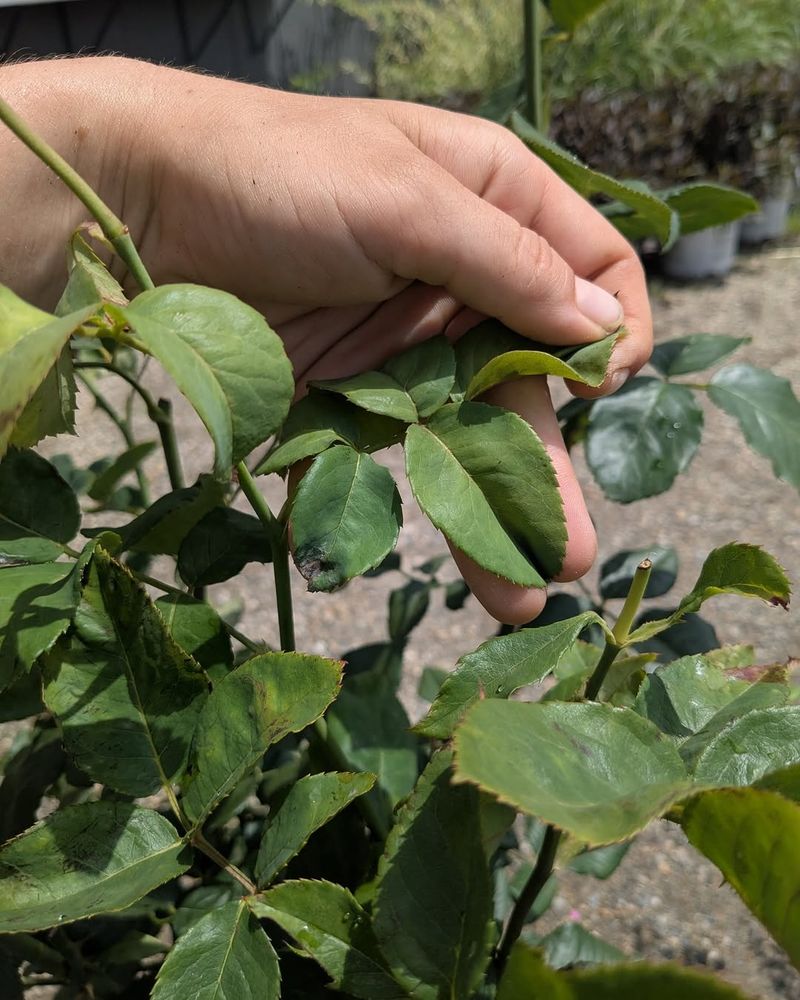
Most experienced rose growers will tell you that early morning is their favorite time to head out to the garden, and there is a very good reason for that.
After sunrise, the temperature is still cool and comfortable, which means the rose plant itself is under far less stress than it would be later in the afternoon.
Cooler plants respond better to trimming because the stems seal up more efficiently when they are not already working hard to stay hydrated in the heat.
Waiting until the dew has dried off the leaves is the key part of this timing. When you walk out too early and the foliage is still dripping wet, you risk spreading fungal spores from one stem to another with your pruning blades.
Give it just an hour or so after sunrise, and most Michigan summer mornings will have dried up enough to make trimming safe and smart. Another bonus of morning trimming is visibility.
You can clearly spot which flowers have faded, which stems look weak, and where the plant needs the most attention. The light is soft and even, making it easy to see your cuts without squinting into harsh sun.
Starting your rose care routine in the morning also sets a calm, enjoyable pace for the rest of your gardening day, and your roses will reward that small effort with faster, stronger repeat blooms throughout the season.
2. Do Not Trim While Leaves Are Wet

Water on rose leaves might look beautiful in photographs, but it creates a real problem when you are about to start trimming.
Wet foliage is one of the easiest ways for fungal diseases like black spot and powdery mildew to travel from one part of your rose bush to another.
Your pruning shears can pick up spores sitting on a damp leaf and carry them to a fresh cut stem in seconds, giving disease a direct entry point into the plant.
Michigan summers bring plenty of morning dew, and some regions deal with regular rain showers throughout the growing season.
Because of this, Michigan gardeners need to be especially thoughtful about checking foliage before reaching for their pruners.
Run your hand gently along a few leaves before you start. If they feel damp or cool to the touch, give the plant another thirty to sixty minutes to dry out naturally in the morning air.
Your Michigan Garden Changes Every Week. Your Plan Should Too.
Gardening in Michigan changes quickly throughout the season. Every Friday you’ll receive a simple weekly plan showing exactly what to plant, prune, fertilize, harvest, and protect so you never miss the right timing.
Overhead watering the night before can also leave leaves wet well into the next morning, which is yet another reason why watering at the soil level is a smarter habit for rose growers.
If you water at the base of the plant, the foliage stays dry and your trimming window stays open earlier.
Keeping leaves as dry as possible between trimmings is one of the simplest habits that leads to healthier, more disease-resistant roses that bloom more reliably all summer long.
3. Avoid Hot Afternoon Trimming

By the time afternoon rolls around on a hot Michigan summer day, your rose bushes have already been working hard for hours.
The sun beats down, the temperature climbs, and the plant focuses most of its energy on staying hydrated rather than growing.
Trimming roses during this window adds another layer of stress to a plant that is already pushed to its limits, and that combination rarely leads to fast, healthy regrowth. Wilted blooms are another challenge in the afternoon heat.
When a flower droops and fades under the midday sun, it can be tricky to tell whether it is truly spent or just temporarily wilted from the warmth.
Trimming a bloom that would have perked back up by evening means removing growth that did not actually need to go yet.
Waiting until morning gives you a much clearer picture of which flowers have genuinely finished their cycle and which ones just needed a cooler hour to revive.
Fresh cuts made during peak heat also lose moisture more quickly. The exposed stem tissue needs time to begin healing, and when the sun is at its strongest, that process is less efficient.
Think of it like getting a sunburn on a fresh scrape, the conditions simply are not ideal for recovery.
Skipping the afternoon trimming session and saving your pruners for the next morning is one of the easiest adjustments any Michigan rose grower can make for better repeat blooming results throughout the summer season.
4. Skip Late Evening Trimming

There is something tempting about heading out to the garden in the cool of the evening after a long summer day.
The temperature drops, the light turns golden, and it feels like the perfect time to catch up on rose care.
The problem is that late evening trimming leaves fresh cuts and any disturbed foliage sitting damp through the entire night, which is far from ideal for rose health.
Nighttime brings rising humidity, cooler air, and no sun to help dry out leaves or fresh stem cuts.
If you trim in the evening and any foliage gets splashed or disturbed in the process, that moisture sits on the plant for many hours before morning drying can begin.
Fungal diseases thrive in exactly these conditions, and roses are particularly vulnerable to them during Michigan’s humid summer nights. Evening trimming also makes it harder to see what you are doing accurately.
Even with good outdoor lighting, the soft shadows of dusk can make it difficult to spot the right leaf node, identify the best cut point, or notice signs of disease that you would catch easily in bright morning light.
Missing these details means you might not make the most effective cut for encouraging new blooms.
Saving your trimming for the morning after foliage has had time to dry gives you better visibility, a healthier plant environment, and a much smoother path toward those steady repeat blooms Michigan rose lovers look forward to all season.
5. Remove Faded Blooms Before Hips Form
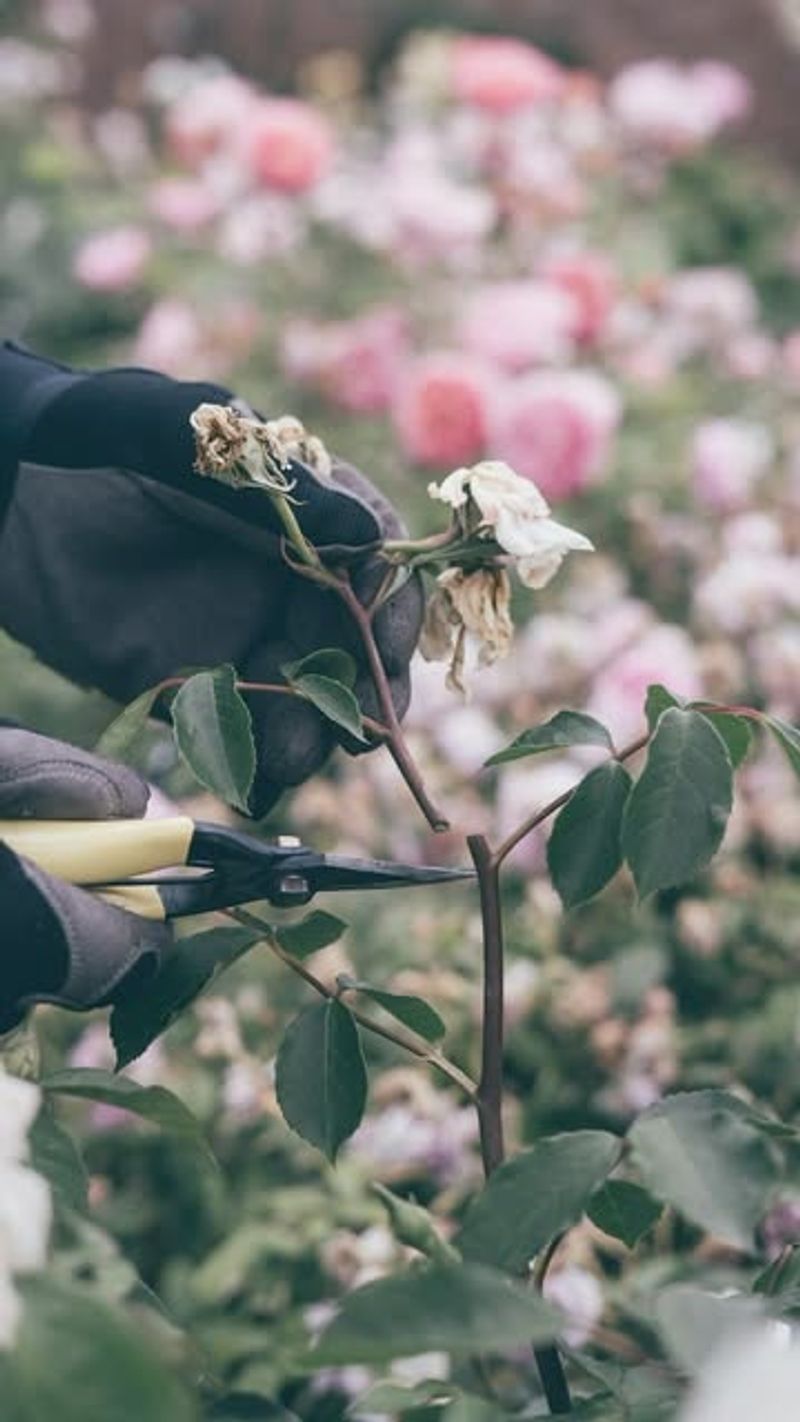
Repeat blooming roses have a built-in desire to produce seeds, and once a spent flower is left on the plant long enough, it will begin forming a hip, which is the seed pod of the rose.
Once that hip starts to develop, the plant shifts its energy away from producing new flowers and toward ripening that seed structure instead.
For gardeners who want a steady parade of blooms all summer, that is a trade-off worth avoiding.
Removing faded flowers promptly, a practice called deadheading, sends a clear signal to the plant that its job of reproducing is not finished yet.
The rose responds by pushing out new flower buds, which means more color, more fragrance, and more visual impact in your Michigan garden.
The timing matters here too, because the sooner you catch a fading bloom and remove it, the faster the plant can redirect that energy into fresh growth.
It is worth noting that this advice applies specifically to repeat blooming varieties, not to roses grown intentionally for their decorative hips in fall and winter.
Some gardeners love the look of bright red or orange hips on rugosa and species roses, and for those plants, leaving spent flowers in place is completely intentional.
For the classic hybrid teas, floribundas, and grandifloras that most Michigan gardeners grow for summer color, prompt deadheading is one of the most rewarding and straightforward habits you can build into your regular garden routine.
6. Cut Back To A Strong Leaf
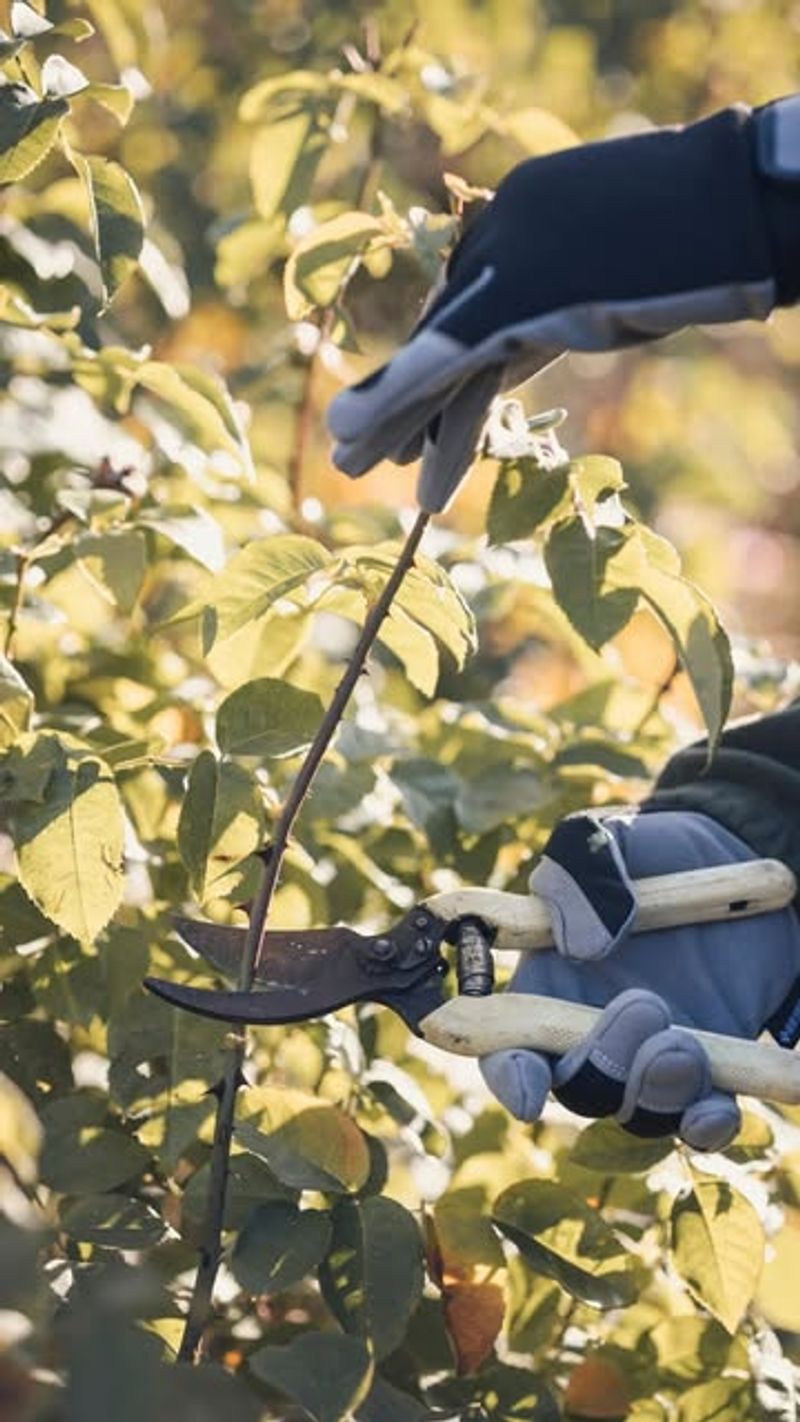
Knowing when to trim is only half the equation. Knowing exactly where to make your cut is just as important for encouraging strong repeat blooms.
The goal with summer trimming is to remove the faded flower and cut the stem back to a point where the plant has enough energy and structure to push out vigorous new growth.
That point is typically just above a healthy leaf with five or seven leaflets, depending on your variety. Look for an outward-facing bud sitting just above that strong leaf.
Cutting to an outward-facing bud encourages the new shoot to grow away from the center of the plant, which helps with airflow and gives each new bloom more space to develop.
Make your cut at a slight angle, about a quarter inch above the bud, so that water runs away from the cut rather than pooling on the exposed tissue.
Clean, sharp pruners make a big difference here because a ragged cut heals more slowly and can invite problems.
Dull blades crush stem tissue instead of slicing cleanly through it, which slows the healing process and can create entry points for disease.
Wiping your pruner blades with a clean cloth between plants is a quick habit that keeps things tidy and reduces the chance of spreading anything from one rose to another.
Getting your cut placement right each time you deadhead builds a stronger, more productive plant over the course of the full Michigan growing season.
7. Keep The Center Open For Airflow
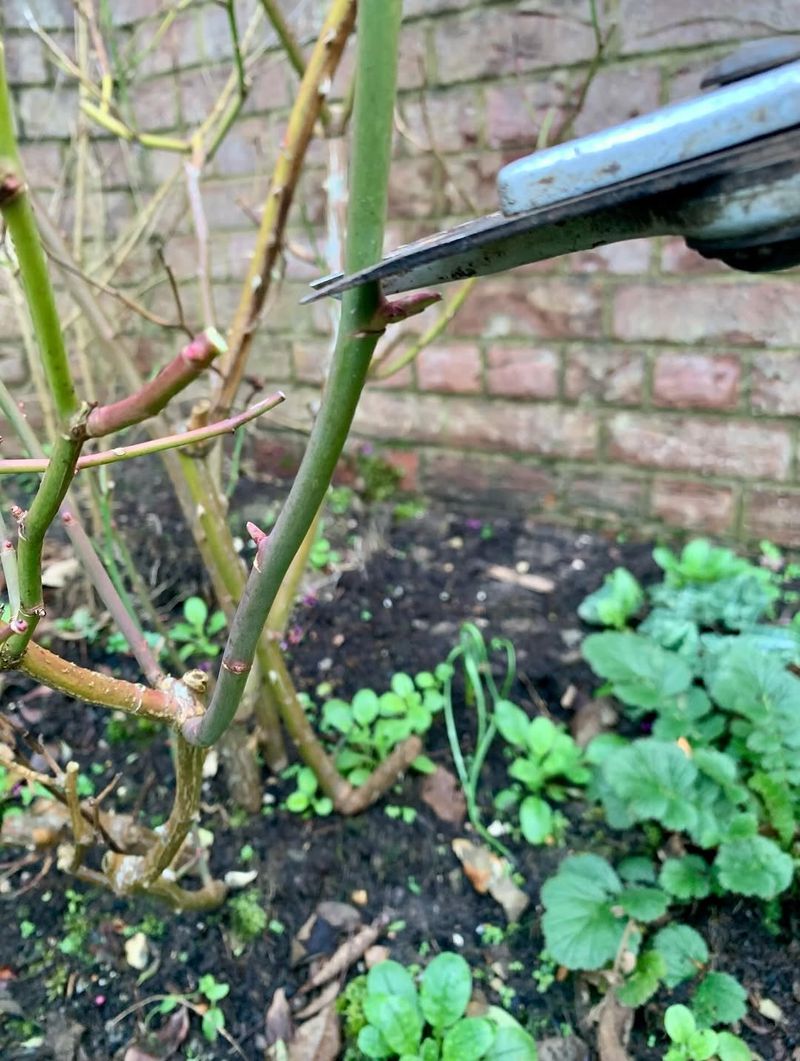
Airflow is one of the most underrated tools in a rose gardener’s toolkit. When air can move freely through a rose bush, leaves dry faster after rain or dew, and that drier environment makes it much harder for fungal diseases to take hold.
Light summer trimming, done consistently throughout the blooming season, can actually improve the health of your roses beyond just encouraging more flowers.
Each time you remove a faded bloom, take a quick look at the interior of the plant.
If you notice thin, weak stems crossing through the center, or small twiggy growth that is not producing anything useful, removing those pieces helps open up the canopy. You do not need to do a dramatic reshaping during summer.
Small, thoughtful cuts here and there keep the center from becoming a crowded, damp tangle where problems can quietly develop without you noticing.
Heavy reshaping and structural pruning should wait for the appropriate seasonal window, which for Michigan gardeners is typically late spring after the last frost threat has passed.
Summer is the time for light, targeted maintenance rather than major overhauls.
Keeping your focus on removing spent flowers, weak tips, and any growth that blocks airflow gives you the best of both worlds.
It gives you a healthier plant overall and a steady stream of fresh blooms that keeps your garden looking vibrant and full from June through the end of summer and into early fall.
8. Pair Morning Trimming With Steady Care

Morning trimming works best when it is part of a consistent care routine rather than a one-time effort.
Roses that receive steady attention throughout the growing season tend to rebloom more reliably, stay healthier, and look fuller than those that get occasional bursts of care followed by long stretches of neglect.
Building a simple morning routine around your roses does not take much time, but the results add up in a very satisfying way.
After trimming faded blooms in the morning once the foliage has dried, check the soil moisture around the base of each plant.
Roses in Michigan summers can dry out quickly during hot stretches, and consistent soil moisture is one of the most important factors in keeping them blooming steadily.
Water deeply at the soil level rather than from above, and always aim to finish watering early enough in the day that any splashed foliage has time to dry before evening arrives.
Mulching the root zone with a few inches of wood chips or shredded bark is another morning-friendly task that pays off all season.
Mulch keeps soil moisture more even, reduces weeds, and helps regulate soil temperature during heat waves.
Combining regular morning deadheading with deep watering, good mulch coverage, and leaf-level awareness gives your roses the complete support system they need to produce bloom after bloom.
Michigan summers can be unpredictable, but a steady morning routine gives your roses the best possible chance to thrive beautifully from start to finish.