What West Texas Gardeners Should Do The Moment Monsoon Season Actually Starts
The moment that first real monsoon storm rolls across West Texas and soaks the ground, everything changes, and your garden routine needs to keep up. Monsoon season out here is not the steady, predictable rainfall that other parts of the country get.
It is scattered, dramatic, and completely on its own schedule. One corner of your yard might get absolutely drenched while another stays bone dry, and figuring out which is which is part of the fun.
Sort of. That uneven moisture creates a genuinely mixed bag of situations: washed-out mulch, sudden weed explosions appearing out of nowhere, and standing water pooling around desert plants that have very strong opinions about drainage.
Knowing exactly what to do the moment real rain arrives puts you in a much stronger position to protect your soil and keep your landscape looking its best.
1. Check Drainage Before The Next Storm
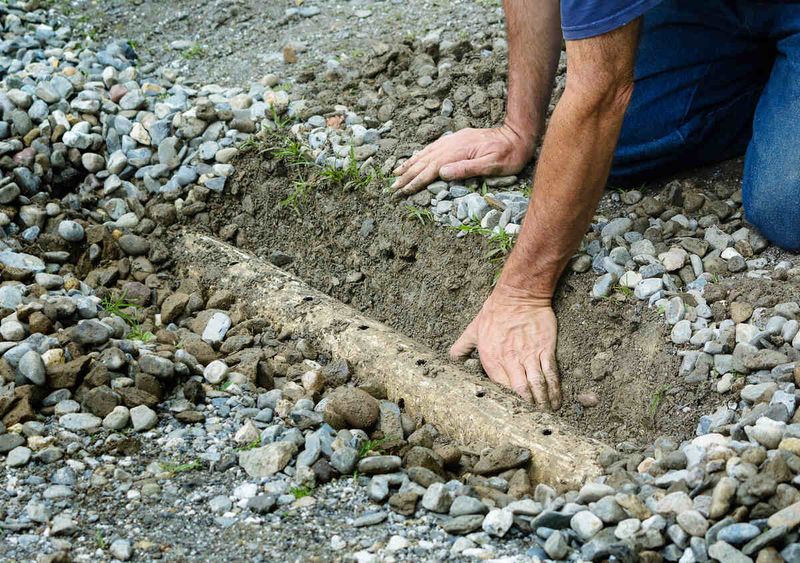
Water rushing down a gravel path after a sudden storm tells you a lot about where your drainage problems are hiding. The moment monsoon season brings real rain to your West Texas yard, walk the property and look carefully at how water moved.
Did it pool near the foundation? Did it carve small channels through a planting bed or wash gravel off the path?
Fresh storm tracks can show whether water is moving gently across the surface or cutting through the yard too quickly. That difference matters because West Texas landscapes often need help slowing runoff as much as moving it away from problem spots.
Drainage issues that stay hidden during dry months show up fast once summer storms arrive. Low spots, compacted caliche soil, and blocked drains all become obvious when water has nowhere to go.
Make a mental map or take photos of problem areas while they are still wet so you can address them before the next storm hits.
Fixing drainage in West Texas often means redirecting runoff with simple berms, adjusting the grade near beds, or clearing debris from drains and downspout exits. Even small changes can keep water moving away from plant roots and foundations.
Checking drainage right after the first real monsoon rain gives you the clearest picture of what your yard actually needs before conditions change again.
2. Repair Washed-Out Soil And Mulch
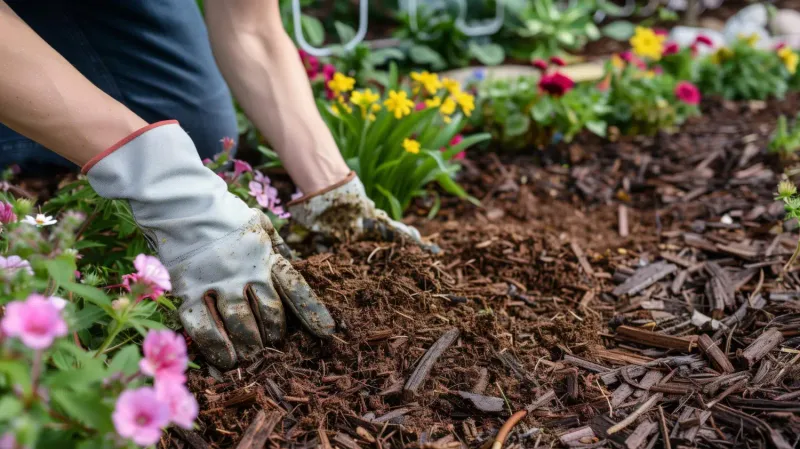
Mulch that shifted overnight after a strong monsoon storm is one of the most common sights in a West Texas garden once summer rain finally arrives.
Thin or poorly secured mulch layers can wash to the edge of a bed, pile up against plant stems, or expose bare soil that then bakes hard in the Texas sun between storms.
Spotting this early makes repairs much easier.
The pattern of the shifted mulch can also show where runoff is entering the bed too fast. If the same corner washes out after every storm, that spot may need a small berm, rock edging, or a thicker mulch layer that holds in place more reliably.
Start by checking all mulched beds after the first heavy rain. Look for areas where the soil surface is exposed or where mulch has bunched up unevenly.
Your Texas Garden Changes Every Week. Your Plan Should Too.
Gardening in Texas changes quickly throughout the season. Every Friday you’ll receive a simple weekly plan showing exactly what to plant, prune, fertilize, harvest, and protect so you never miss the right timing.
Gently rake displaced mulch back into place, making sure it stays a few inches away from the base of shrubs and perennials to prevent moisture buildup against stems.
Bare soil patches left unrepaired will crust over quickly in West Texas heat, making it harder for the next storm to soak in and easier for runoff to carry soil away.
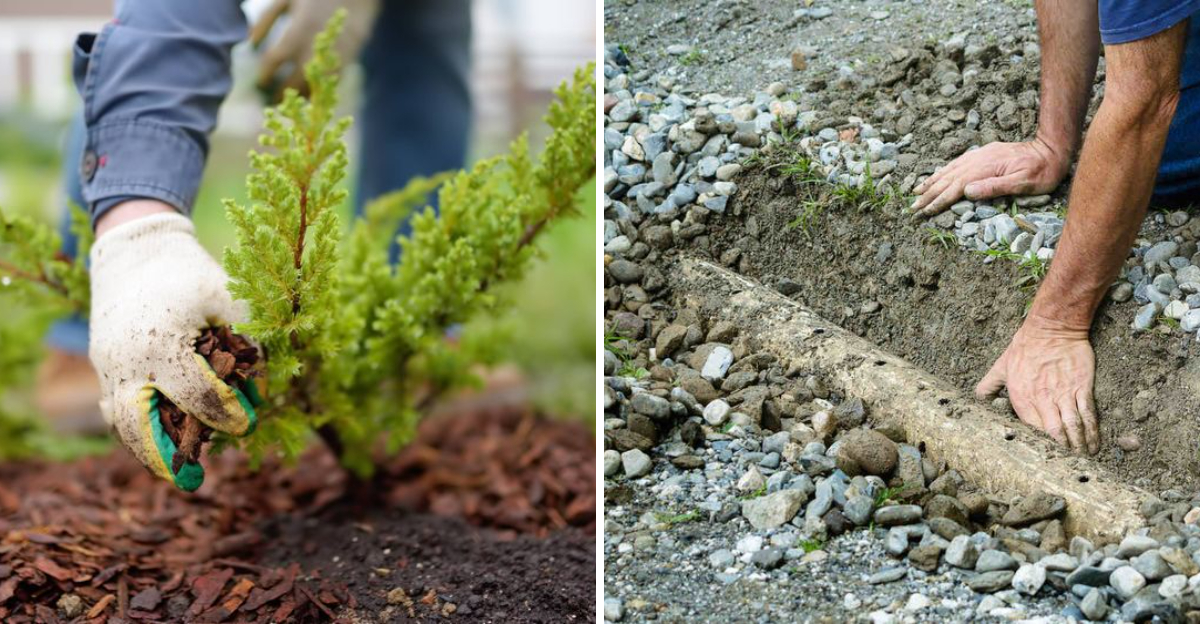
Topping up thin spots with a fresh layer of shredded wood mulch or decomposed granite helps protect the soil surface, reduce splash erosion, and hold moisture where roots can actually reach it between monsoon rain events.
3. Pull New Weeds While The Ground Is Soft
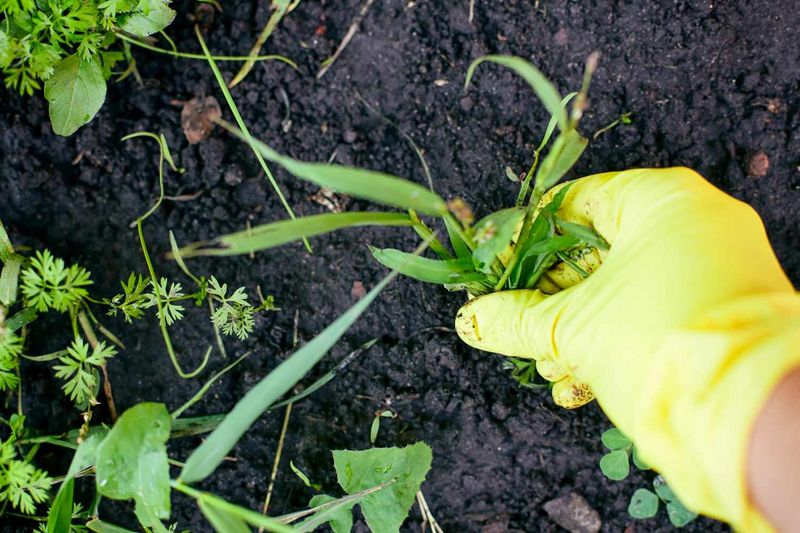
Weeds can appear almost overnight after monsoon rain soaks into dry West Texas soil, especially in spots where bare ground was just waiting for moisture to trigger dormant seeds.
The good news is that wet soil makes weed removal far easier than it ever is during dry months.
Roots slip out cleanly when the ground is soft, which means you can pull more weeds in less time with less effort.
Get outside within a day or two after a good monsoon soaking and work through your beds before the soil dries and hardens again. Focus on young weeds first since they pull out completely and have not yet set seed.
A quick pass while weeds are still small can prevent one rainstorm from turning into weeks of extra cleanup. Common West Texas monsoon weeds include puncturevine, spurge, and various grasses that take full advantage of summer moisture.
Avoid leaving pulled weeds on the soil surface if they have already flowered or formed seeds, since some can still manage to drop viable seeds even after being uprooted.
This is especially important with fast-spreading weeds that can recover quickly when warm, damp conditions continue.
Bag or compost them away from the garden instead. Staying ahead of weeds right at the start of monsoon season reduces the workload dramatically through the rest of the summer, especially in beds where bare soil was exposed before the rains arrived.
4. Pause Automatic Irrigation After Real Rain
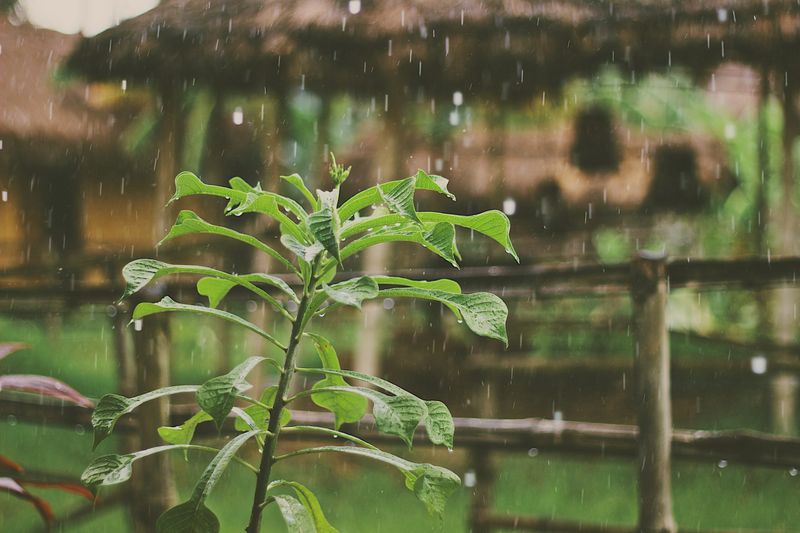
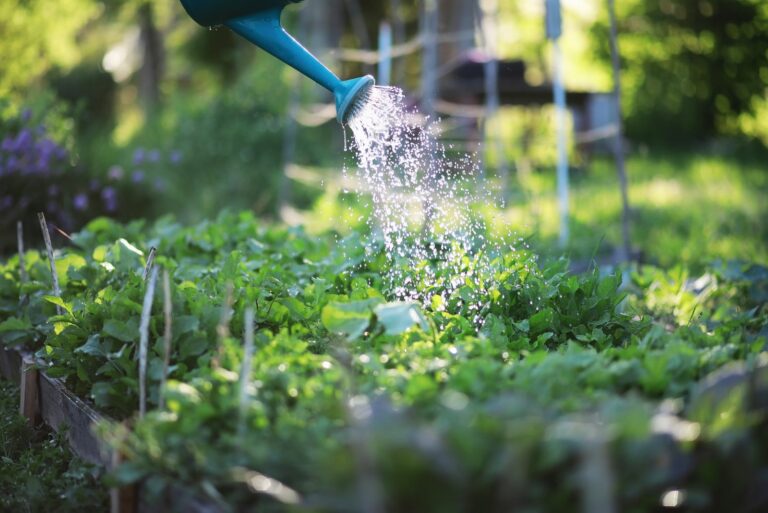
An irrigation timer running on schedule the morning after a solid monsoon soaking is one of the most common ways West Texas gardeners accidentally overwater their landscapes.
Automatic systems are convenient during dry stretches, but they have no way of knowing that two inches of rain fell overnight unless a rain sensor or smart controller is part of the setup.
Even a short delay can matter because West Texas soils may stay damp below the surface after the top layer already looks dry again. Checking the system right after a storm can save water and protect plant roots from sitting in oversaturated soil.
Walk the beds and press your finger a few inches into the soil before deciding whether to skip the next irrigation cycle.
If the soil feels moist at that depth, most established desert plants and native shrubs in a Texas xeriscape do not need supplemental water for several days.
Vegetable beds and container plants may need water sooner, so check those separately.
Skipping one or two irrigation cycles after real monsoon rain is not neglect, it is good water management. In West Texas, where water conservation matters year-round, letting plants use what the storm provided before adding more is a smart habit.
Adjusting your timer or switching to manual mode during active monsoon weeks can make a real difference in water use and plant health over the season.
5. Refresh Mulch To Hold Moisture And Reduce Splash
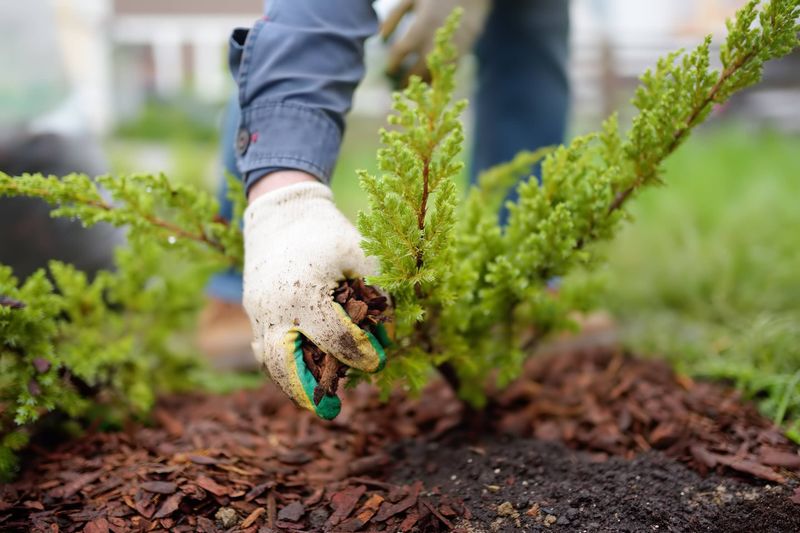
Soil splashing up onto plant leaves during a heavy monsoon rain is more than just a cosmetic problem.
That splash carries soil-borne pathogens directly onto foliage, and in the humid conditions that sometimes follow a West Texas summer thunderstorm, wet leaves with soil on them can become a setup for fungal issues.
A solid layer of mulch between the soil surface and the plant canopy dramatically reduces how much splash actually reaches the leaves. It also keeps the lower leaves cleaner, which makes it easier to spot real pest or disease problems before they spread through the bed.
If your mulch layer has thinned out from decomposition or washed away in earlier storms, topping it up right at the start of monsoon season makes a real difference.
Aim for a two to three inch layer of shredded wood mulch or a similar organic material in planting beds.
In gravel or decomposed granite areas, check that the layer is still thick enough to slow runoff and prevent direct soil exposure.
Fresh mulch also helps the soil hold onto monsoon moisture between storms, which matters a lot in West Texas where the ground can dry out surprisingly fast between summer rain events.
Keeping beds mulched through the season reduces the need for supplemental irrigation, moderates soil temperature during hot afternoons, and gives beneficial soil organisms a more stable environment to work in as monsoon rains continue.
6. Scout For Pest And Disease Problems After Humid Spells
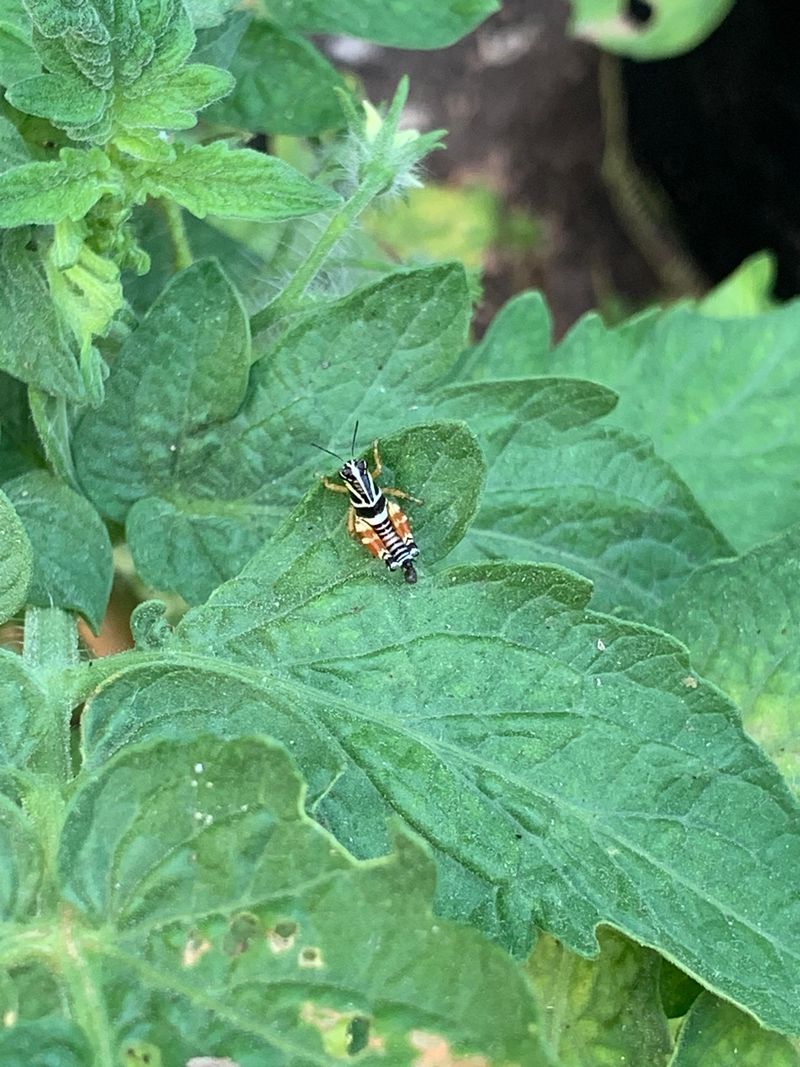
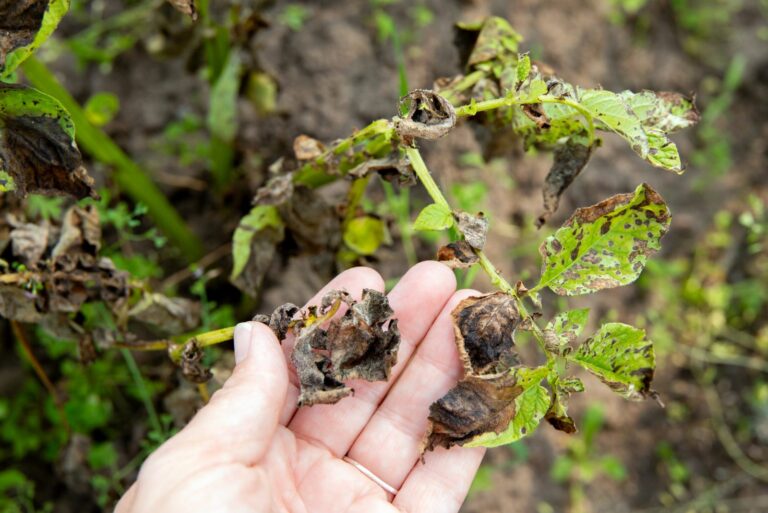
Humid nights after a West Texas monsoon thunderstorm feel almost foreign in a region known for dry heat, but that temporary humidity is enough to encourage certain pest and disease problems that rarely show up during the driest months.
Powdery mildew, fungal leaf spots, and aphid populations can all increase when warm, moist conditions linger after a storm.
Catching these problems early makes management much simpler.
Start scouting within a day or two after a humid stretch. Flip leaves over to check for soft-bodied insects, look for discoloration or fuzzy growth on leaf surfaces, and pay extra attention to plants that are already under stress from heat or crowding.
Vegetable beds, roses, and plants with dense foliage tend to show problems sooner than open, well-spaced native shrubs.
In most West Texas gardens, good airflow and proper plant spacing are the first lines of defense against disease during monsoon season.
Avoid overhead watering during humid periods, remove affected leaves carefully, and hold off on heavy fertilizing since lush new growth can attract soft-bodied insects.
Keeping a close eye on the garden after each storm cycle means you can respond quickly rather than dealing with a larger problem once conditions dry out again.
7. Plant Select Natives Only If Soil Moisture Stays Reliable
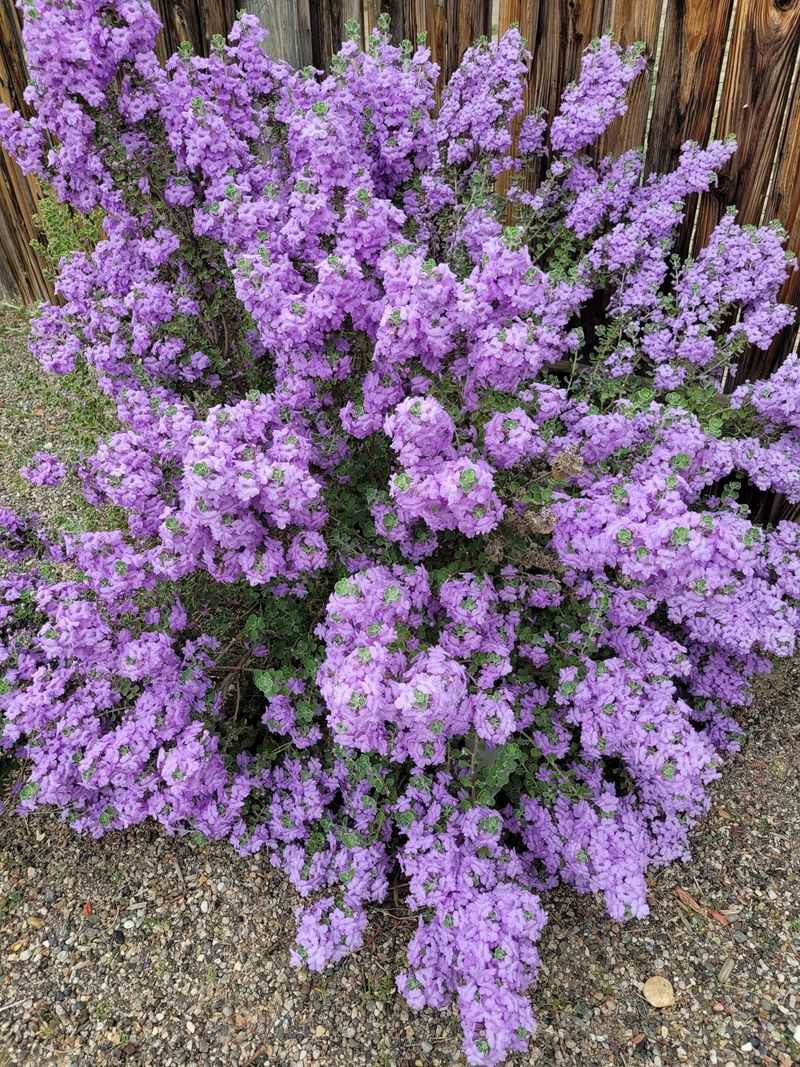
Monsoon season can feel like the perfect time to add new plants to a West Texas garden, and in some cases it really is, but only when the rain is actually showing up consistently enough to support new roots getting established.
A single storm followed by three weeks of dry heat is not the same as reliable monsoon moisture, and young plants put in the ground after one rain can struggle quickly if conditions shift.
If your area of West Texas has received multiple good soaking rains over the course of a week or two and the soil stays moist a few inches down between events, that is a reasonable window to plant tough native species.
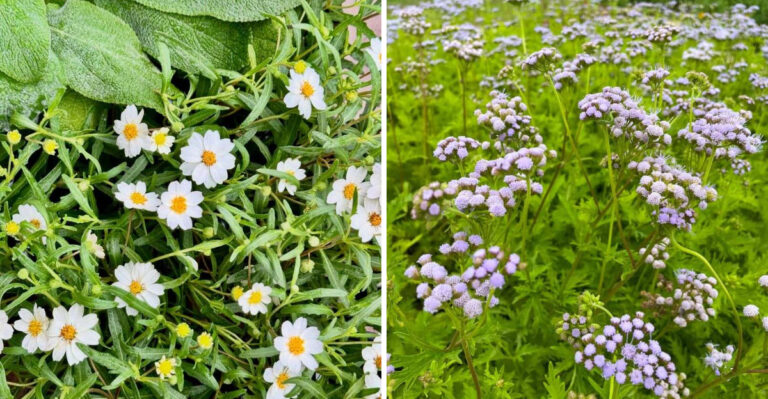
Good candidates include Texas sage, desert willow, black-foot daisy, and various native grasses that are adapted to the region’s boom-and-bust moisture cycles.
Even with good monsoon moisture, new transplants typically benefit from some supplemental watering during their first season. Check the soil around newly planted natives every few days and water when the top few inches dry out completely.
Planting during a reliable monsoon stretch reduces establishment stress compared to planting in spring or fall without rain, but staying attentive to actual soil conditions rather than assuming the storms will keep coming is the smarter approach in West Texas.
8. Let Native Plants Respond Without Overwatering
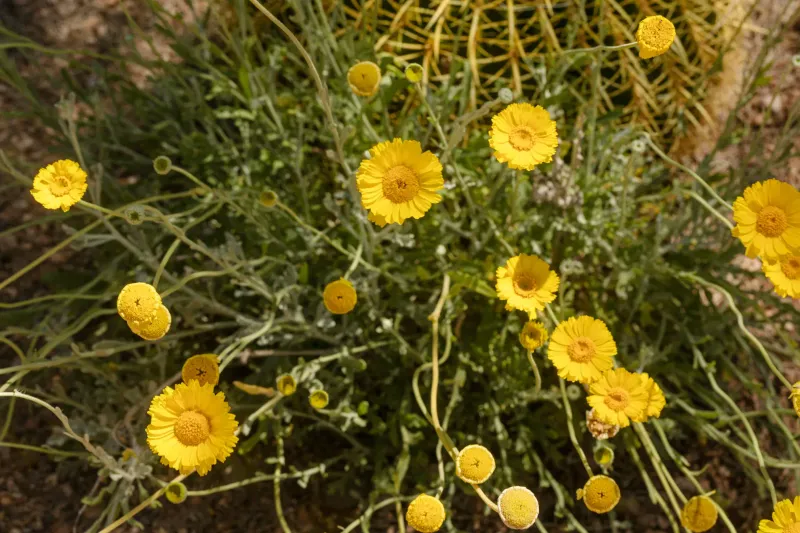
Native plants greening up after the first real monsoon rain is one of the most rewarding sights in a West Texas garden.
Shrubs like Texas sage, cenizo, and desert marigold that looked pale and quiet through the driest weeks of summer can transform surprisingly fast once genuine monsoon moisture reaches their roots.
That response is natural, and the best thing a gardener can do in most cases is simply step back and let it happen. That quick rebound is often a sign that the plant was waiting for the right moisture cue rather than needing constant rescue.
Overwatering established native plants during monsoon season is a common mistake, especially when gardeners feel the urge to help after months of hand-watering through a dry stretch.
Adding irrigation on top of monsoon rain can push soil moisture higher than desert-adapted natives actually prefer, which can lead to root stress, fungal issues, and soft growth that struggles in the heat.
Trust what the plants are showing you. If a native shrub is putting out new growth and looking healthy after a monsoon soaking, it does not need extra water.
Check the soil before reaching for the hose or turning the irrigation back on.
Established native plants in a well-designed West Texas xeriscape are remarkably capable of managing monsoon moisture on their own, and giving them space to do so is often the wisest gardening decision of the season.