This Common Florida Garden Product Can Create Bigger Yard Problems
Every Florida homeowner knows the struggle.
Weeds push up through mulch beds almost overnight, especially after a heavy summer rain. So when something promises to block weeds and keep beds looking clean, it is easy to grab a roll and get to work.
At first, it sounds like the perfect fix.
It gets tucked under mulch, hidden from view, and seems to do its job right away. The bed looks neat. The weeds slow down. The shortcut feels smart.
But many Florida gardeners find out the hard way that this tidy-looking solution can create much bigger headaches down the road.
The hot Florida sun, sandy soil, and heavy seasonal rains put it to a real test, and it rarely passes. It can work reasonably well under gravel paths or around hardscaping, but in mixed planting beds, the problems tend to build up over time.
What starts as a clean, simple solution slowly becomes a tangled, frustrating mess that costs more time and money to fix than skipping it entirely.
Here are eight reasons this common garden product causes bigger problems than it solves in Florida yards.
1. Landscape Fabric Is The Product
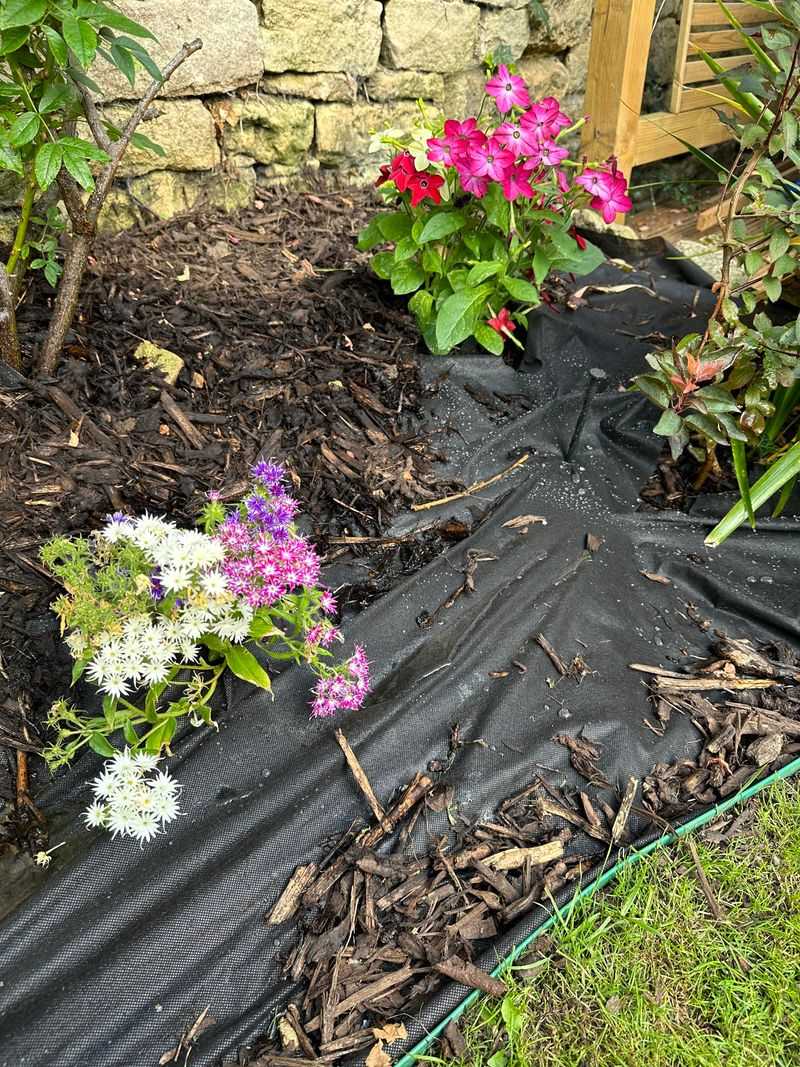
Walk into any Florida garden center and you will find rolls of landscape fabric stacked near the mulch bags.
It is marketed as a weed barrier, a moisture keeper, and a time saver all at once. Homeowners love the idea of putting something down once and forgetting about it.
The product goes by several names, including weed barrier fabric, weed cloth, and geotextile fabric. Whatever the label says, the goal is the same: block weeds from coming up through your mulch beds.
Florida homeowners deal with aggressive weed pressure almost year-round.
The warm climate, abundant rainfall, and long growing season mean weeds never really take a break. It makes sense that people want a physical barrier between the soil and the sunlight.
Landscape fabric seems to offer exactly that. You lay it down, pin it in place, cut holes for your plants, cover it with mulch, and call it done.
UF IFAS Extension notes that landscape fabric works reasonably well in certain situations, like under gravel paths or around hardscaping.
But in mixed planting beds with trees, shrubs, and perennials, the problems tend to build up over time.
What starts as a clean, tidy solution slowly becomes a tangled, frustrating mess that costs more time and money to fix than if you had skipped the fabric entirely.
2. Weeds Root Right Through It
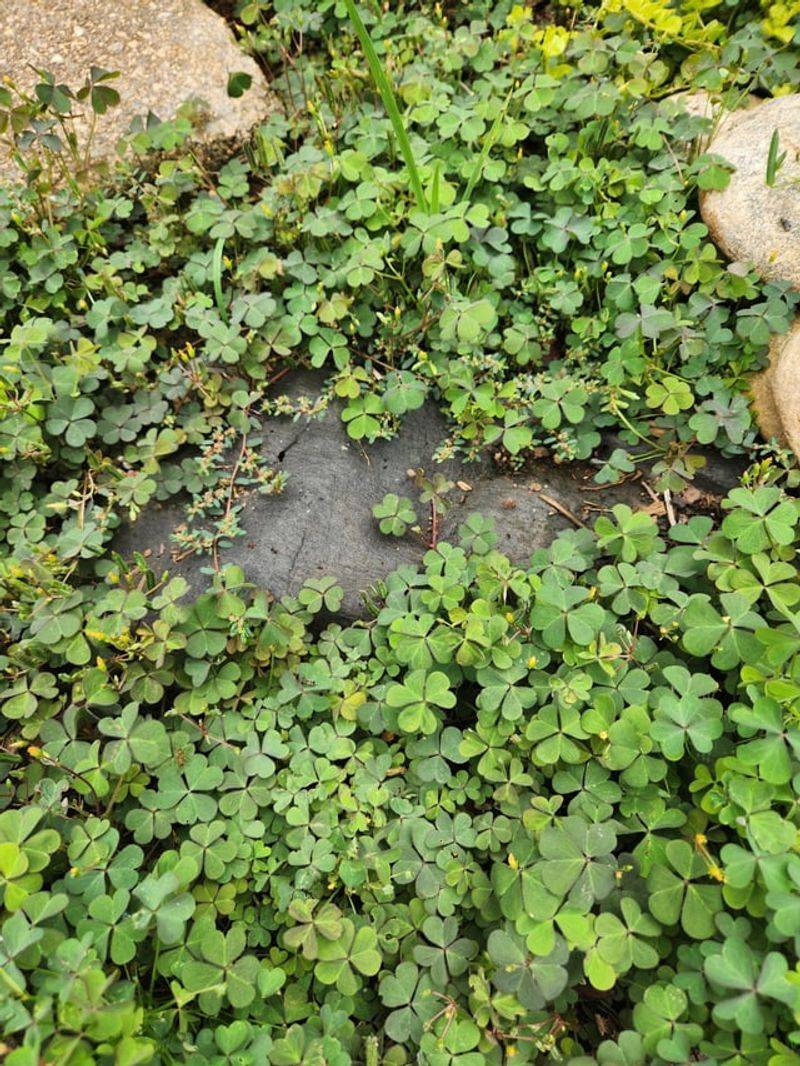
A stubborn Florida weed poking its head right up through a layer of mulch, roots tangled deep into the fabric below, is not a rare sight.
It happens constantly in Florida beds where landscape fabric has been installed. The fabric might slow weeds down at first, but it rarely stops them for long.
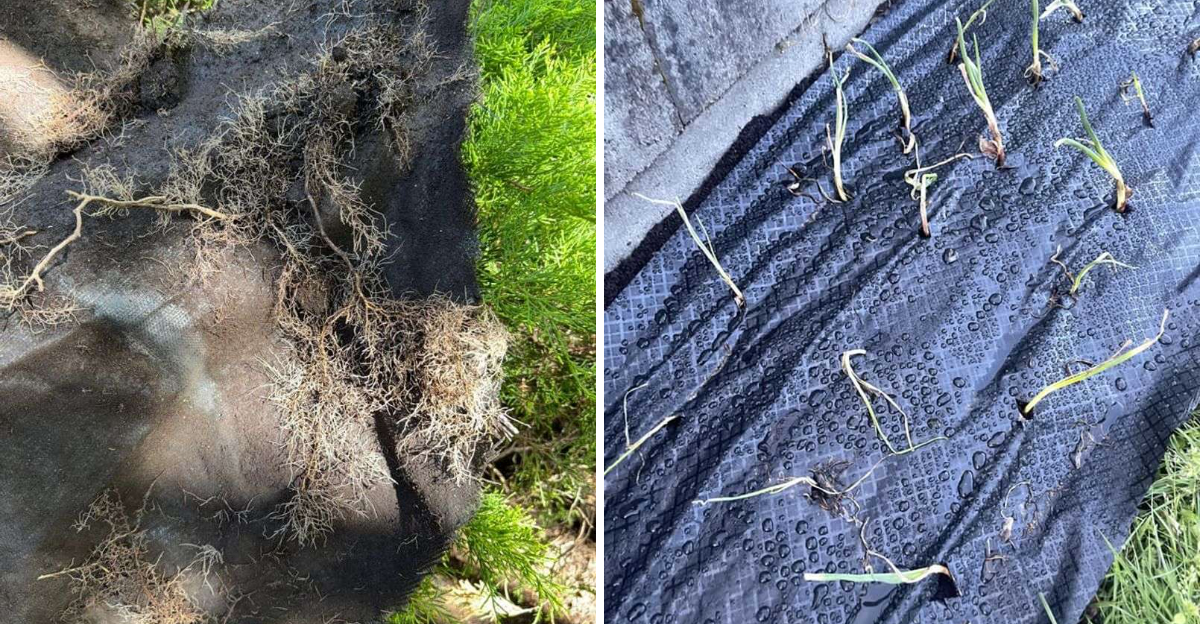
Seeds land on top of the mulch, germinate in the warm, moist layer sitting above the fabric, and send roots straight down through the weave.
UF IFAS Extension points out that weed seeds do not need to come from the soil below the fabric.
Your Florida Garden Changes Every Week. Your Plan Should Too.
Gardening in Florida changes quickly throughout the season. Every Friday you’ll receive a simple weekly plan showing exactly what to plant, prune, fertilize, harvest, and protect so you never miss the right timing.
They blow in on the wind, drop from birds, or wash in with rain. Once a seed sprouts in the mulch layer on top of the fabric, it roots itself right into the barrier material.
The fabric actually gives those roots something to grip. Pulling those weeds becomes much harder because the roots are woven into the fabric itself.
Sedges are a particularly tough problem in Florida.
Species like torpedo grass and nutsedge are aggressive enough to push straight through landscape fabric without much trouble.
So instead of having fewer weeds, many Florida homeowners end up with weeds that are harder to pull, harder to treat, and far more established than they would have been in a simple mulched bed without any fabric at all.
3. Soil Gets Cut Off From Mulch
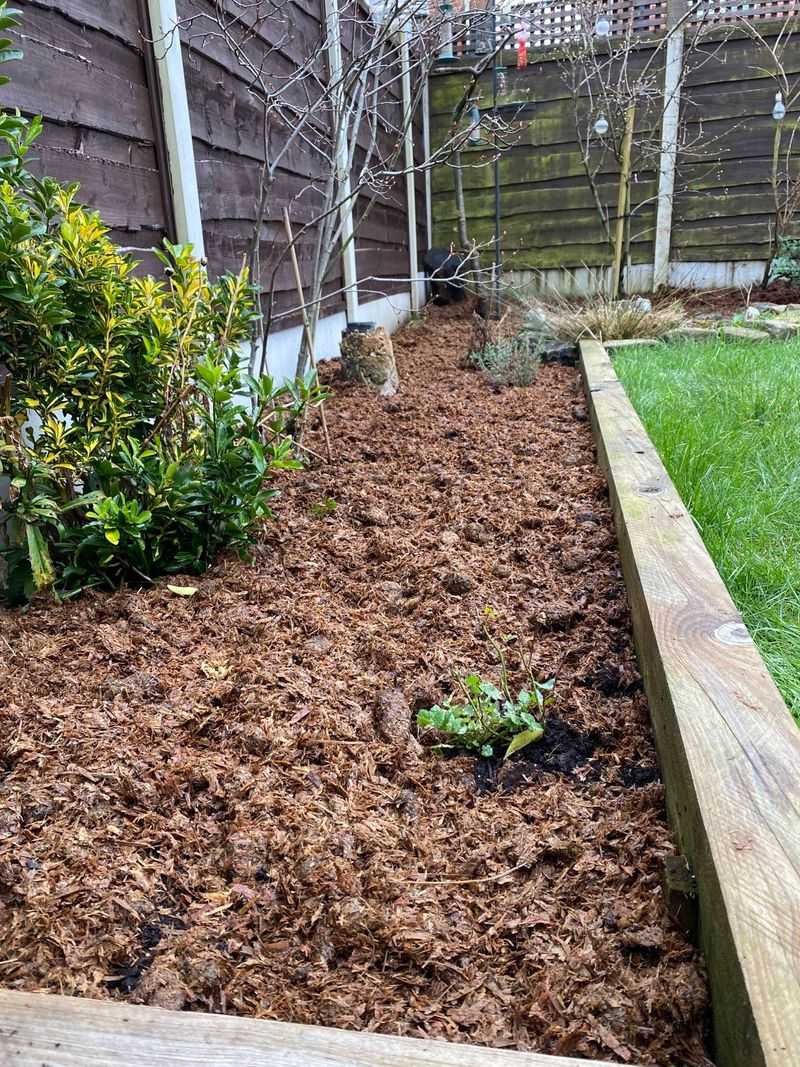
One of the best things about organic mulch is what happens after you put it down.
Pine bark, wood chips, and shredded leaves slowly break down over time. As they decompose, they add organic matter to the soil below.
That process feeds soil microbes, improves soil structure, and builds fertility naturally. It is a quiet, slow cycle that makes a big difference in the long run, especially in Florida where native sandy soil holds very little organic matter on its own.
Landscape fabric interrupts that cycle completely.
When fabric sits between the mulch and the soil, the decomposing organic material has nowhere to go. It piles up on top of the barrier instead of mixing into the ground where it can do any good.
The soil below the fabric stays sandy and nutrient-poor while the layer on top slowly turns into a soggy mat of decomposed mulch mixed with debris.
UF IFAS Extension emphasizes that building organic matter in Florida soils is one of the most important goals in landscape management.
Blocking that natural process with a fabric barrier means your plants miss out on a steady source of nutrition and improved soil texture.
Your beds may look neat on the surface, but underneath the fabric, the soil quality stays poor season after season.
4. Roots Tangle Into The Barrier
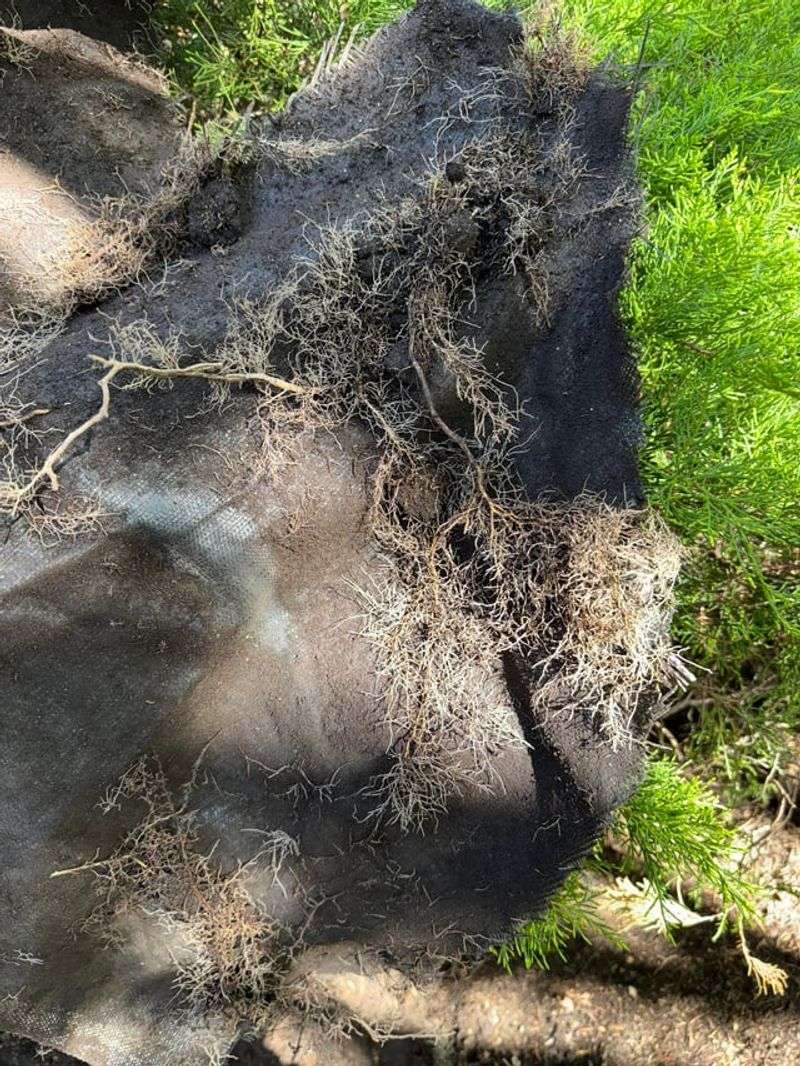
Grab a corner of old landscape fabric in a Florida bed and give it a pull. Chances are it will not come up clean.
Plant roots, both from your desirable plants and from weeds, grow horizontally across the fabric surface and push through any opening they can find.
Over a few seasons, the fabric becomes a root mat, woven together with your shrubs, your perennials, and every weed that ever took hold in the bed.
When you first install fabric, you cut neat holes for each plant. But roots do not stay inside those holes.
They spread outward in search of water and nutrients, find the edges of the cuts, push through the weave, and spread across the fabric surface.
Some roots even grow along the top of the fabric under the mulch layer, creating a dense tangle that is nearly impossible to separate cleanly.
UF IFAS research on Florida landscape management warns that this root entanglement can stress plants over time.
Roots that grow along the surface instead of down into the soil are more vulnerable to heat, drought, and physical damage.
When you eventually need to remove the fabric, whether to replant, renovate, or add amendments, you risk damaging the root systems of your established plants.
What started as a simple weed solution turns into a complicated renovation project that nobody planned for.
5. Water Moves Less Evenly
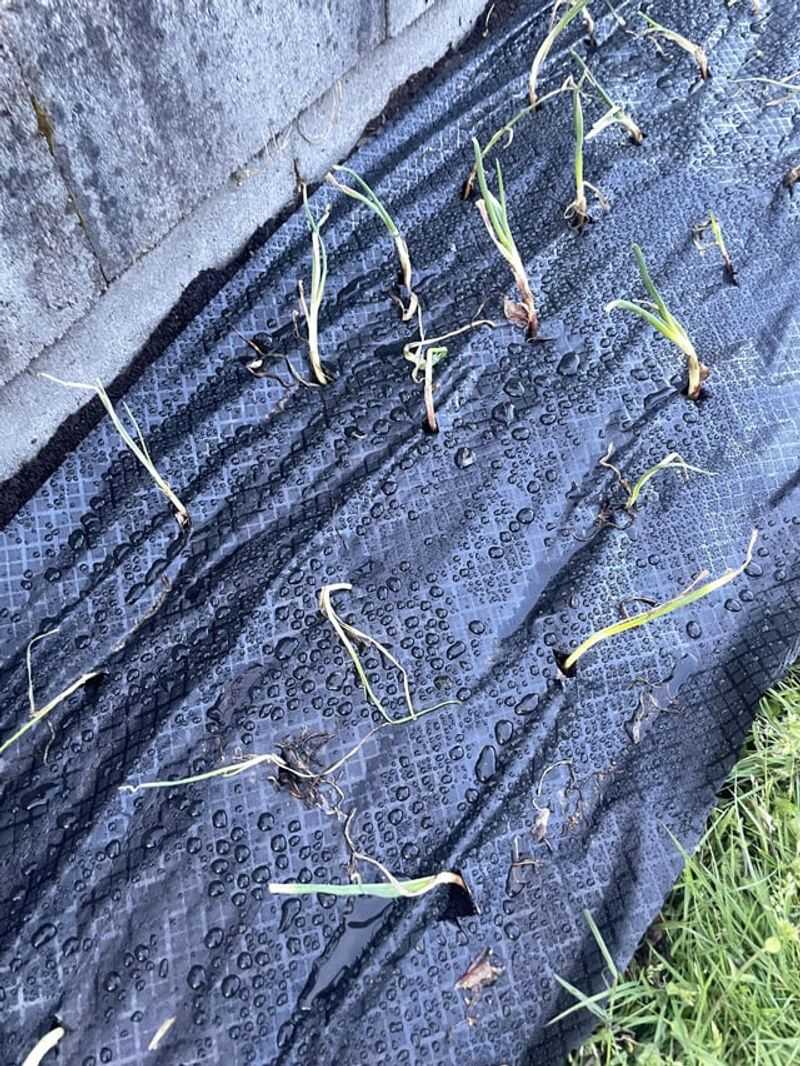
After a heavy Florida afternoon storm, water needs to move through your mulch and into the soil quickly.
Florida sandy soil is actually pretty good at absorbing water fast, which helps prevent flooding in most situations. But landscape fabric slows that process down.
Water hits the mulch, works its way through, and then sits on top of the fabric instead of soaking straight into the ground. That can create pooling, runoff, and uneven moisture across the bed.
UF IFAS Extension notes that proper irrigation and natural rainfall infiltration are critical in Florida landscapes.
When water cannot move freely through the soil profile, some areas stay soggy while others dry out. Plants in one corner of the bed might get too much moisture while plants a few feet away stay too dry.
That kind of uneven watering stresses plants and creates conditions that favor root rot and fungal issues, both of which are already common in humid Florida summers.
Over time, the fabric itself breaks down and becomes less permeable.
Silt, decomposed mulch, and organic debris clog the tiny pores in the material. What was once rated as water-permeable becomes nearly waterproof in practice.
Fixing the irrigation problem usually means pulling the whole fabric out and starting fresh anyway.
6. Heat Builds Under The Fabric
Florida summers are no joke.
Soil temperatures in a full-sun bed can climb well above 100 degrees Fahrenheit, and that heat stresses plant roots even before you add a layer of dark fabric to the mix.
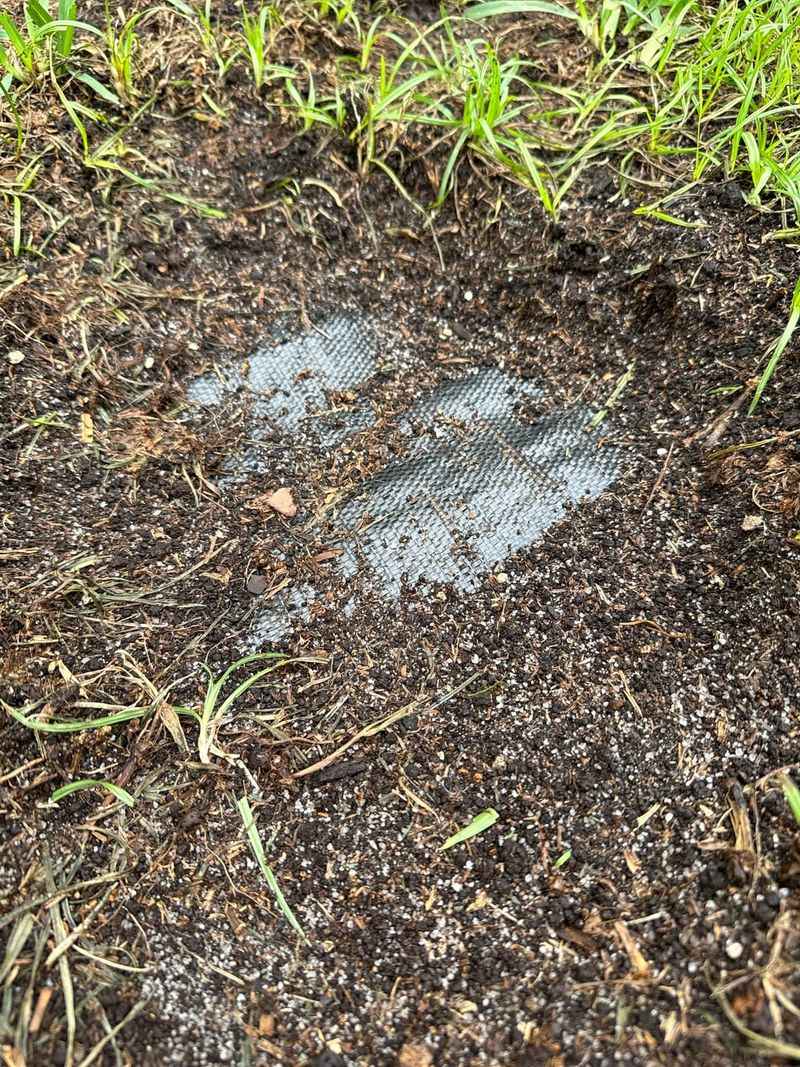
Landscape fabric, especially the black woven or plastic varieties, absorbs solar radiation and holds heat. The soil underneath can get significantly warmer than it would under a plain layer of organic mulch.
Root-zone heat stress is a real concern for Florida landscapes.
When soil temperatures rise too high, roots slow their activity, water uptake decreases, and plants show signs of stress even when they have been watered correctly.
UF IFAS Extension recommends keeping soil temperatures moderate by using proper mulch depth. A good layer of organic mulch insulates the soil and keeps it cooler.
Landscape fabric under that mulch reduces the insulating benefit and can actually concentrate heat near the root zone.
Bare fabric exposed at bed edges or around plant stems gets especially hot.
If the mulch shifts or thins over time and the fabric becomes exposed, it can heat up fast enough to harm tender roots and stems near the surface.
Newly planted shrubs and perennials are particularly vulnerable during their first Florida summer, and landscape fabric works against the goal of keeping their root zone cool and consistently moist during establishment.
7. Removal Turns Into A Mess
Nobody thinks about removal when they are installing landscape fabric. That is the problem.
The fabric goes down clean and flat, and it looks like a smart move. But a few years later, when it needs to come out, the job is anything but clean.
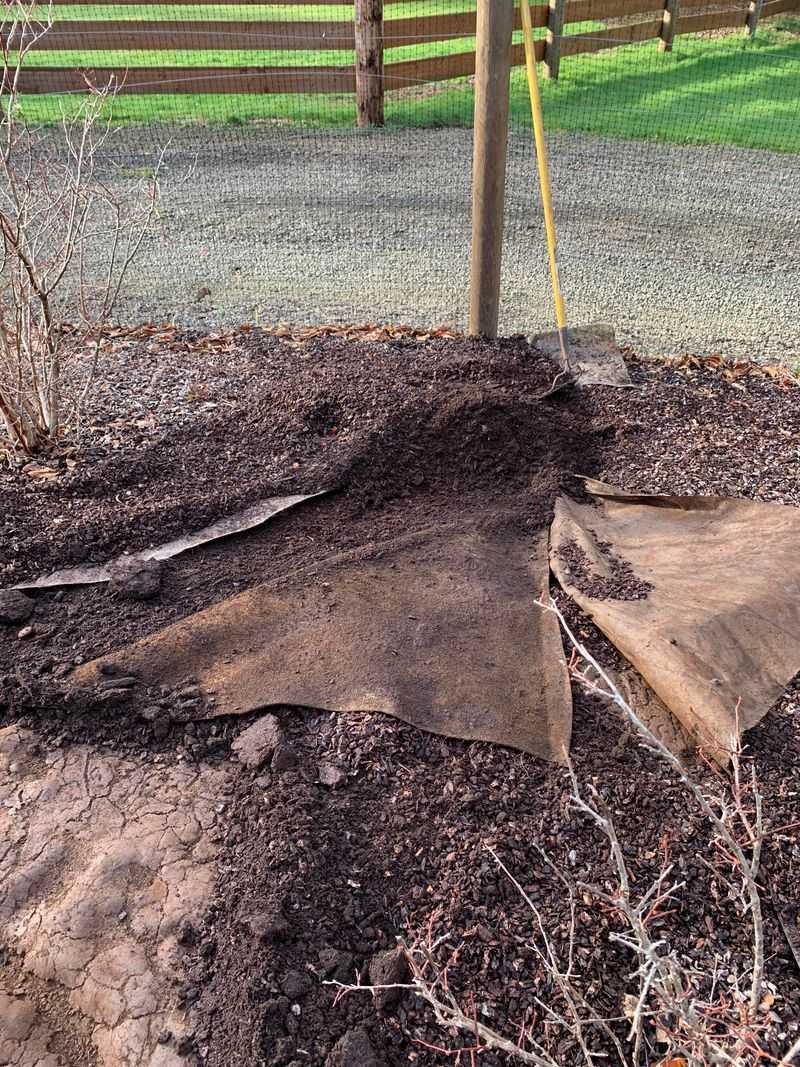
Old landscape fabric in Florida beds tends to shred into strips when you pull it. It breaks apart, leaves fragments in the soil, and wraps around roots so tightly that you cannot always tell where the plant ends and the fabric begins.
The physical work of removing degraded landscape fabric is exhausting.
You end up on your knees in a hot Florida garden bed, digging, cutting, and pulling at stubborn pieces of material that refuse to come out in one piece.
Any weeds that rooted into the fabric come up in sections, leaving pieces of root behind that will resprout.
UF IFAS guidance on bed renovation consistently recommends avoiding products that complicate future maintenance.
Landscape fabric is a prime example of a short-term fix that creates a long-term renovation challenge. Homeowners who have gone through a full fabric removal often say they would never install it again.
The hours spent pulling, cutting, and cleaning up that old barrier far outweigh any time saved on weeding during the years the fabric was in place.
8. Mulch Alone Often Works Better
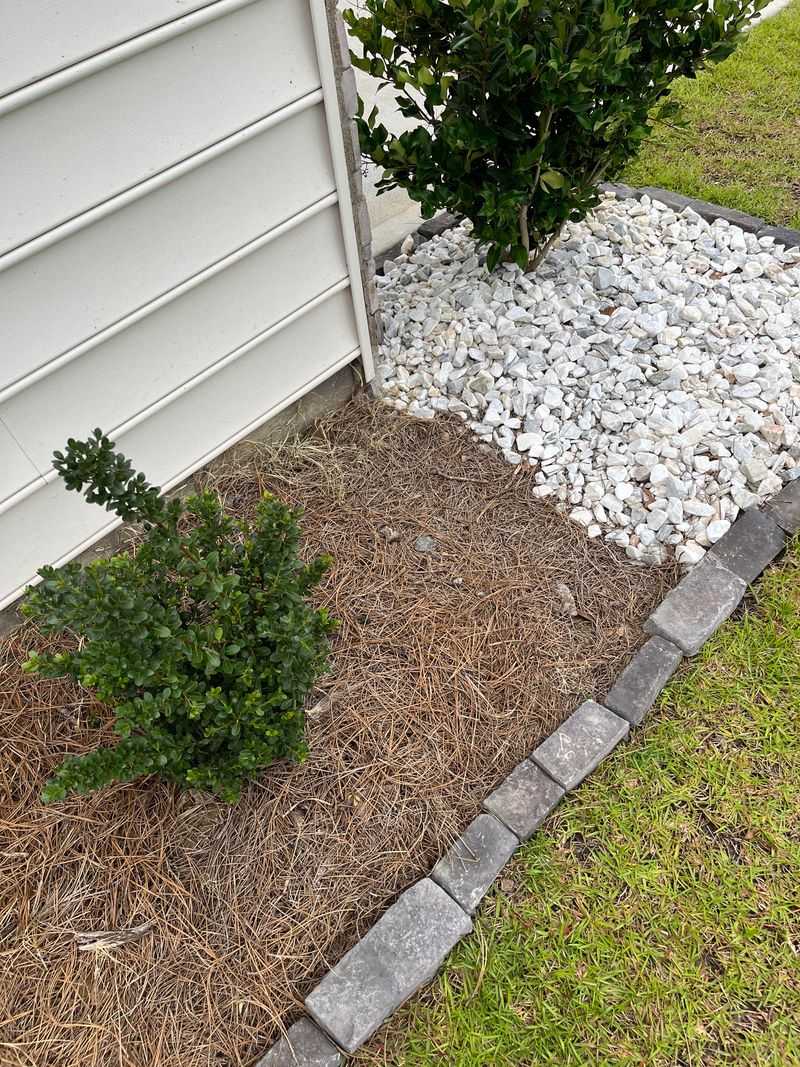
A thick, properly applied layer of mulch does a surprisingly good job on its own.
UF IFAS Extension recommends applying organic mulch at a depth of two to three inches in Florida landscape beds.
At that depth, mulch blocks sunlight from reaching weed seeds, holds soil moisture, moderates soil temperature, and feeds the soil as it breaks down.
That is a lot of work done by one simple material, with no fabric required underneath.
Hand weeding in a well-mulched bed is manageable when you stay on top of it. Young weeds that sprout in a fresh mulch layer pull out easily because their roots have not yet anchored deep into the soil.
Spending a few minutes in the bed every week or two keeps the weed population from getting out of hand.
It is far less work than dealing with weeds rooted into landscape fabric or spending a weekend tearing old barrier material out of an overgrown bed.
Choosing the right mulch matters in Florida.
Pine bark, pine straw, and shredded wood mulch are all good options recommended by UF IFAS for Florida-Friendly Landscaping.
They break down at a reasonable rate, add organic matter to the soil, and look attractive in beds.
Skipping the landscape fabric and investing in good mulch is a simpler, smarter, and genuinely more effective long-term strategy for Florida beds.