Why Texas Homeowners Are Ripping Out Bermuda And Planting Buffalo Grass Instead
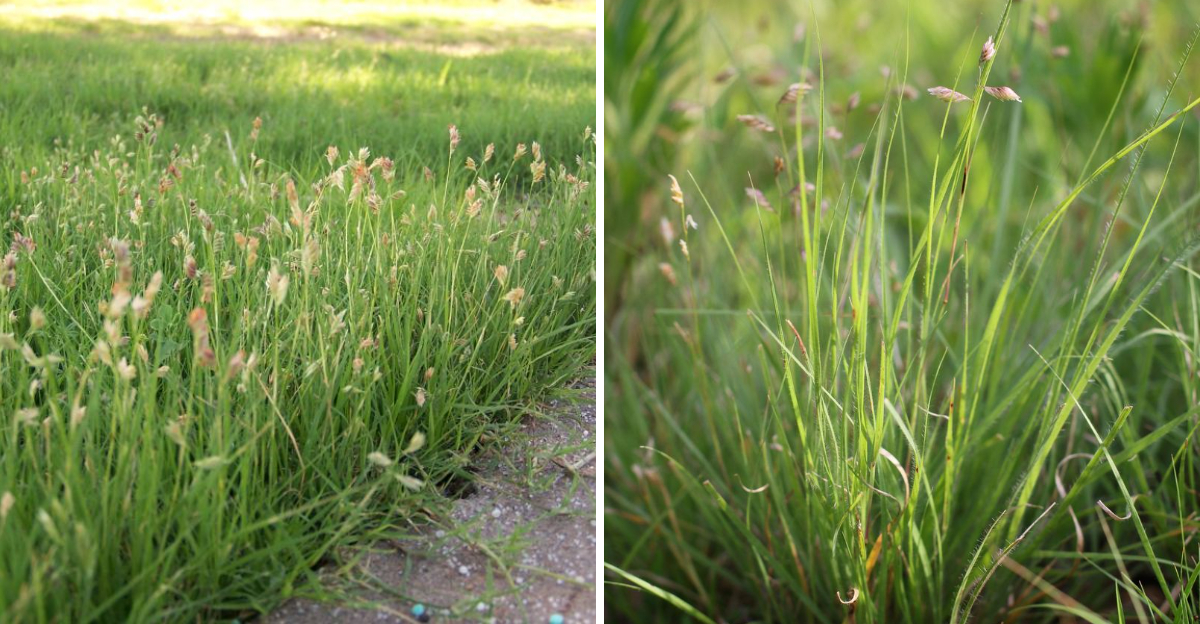
Bermuda grass has been the default Texas lawn choice for generations. It’s tough, it recovers fast, and it handles foot traffic well.
But a growing number of Texas homeowners are pulling it out entirely, and the reasons are starting to make a lot of sense to anyone who has dealt with Bermuda’s less talked about downsides.
Buffalo grass is quietly taking its place. And the people who have made the switch are not looking back. Bermuda is aggressive.
It creeps into garden beds, requires frequent mowing during its long growing season, and demands significantly more water than most homeowners realize when they’re first putting it in.
In a state where water restrictions are increasingly common and summer bills climb fast, that water demand becomes a real problem.
Buffalo grass, by contrast, is native to the Texas plains. It was literally growing here long before anyone had a lawn mower.
And it requires a fraction of the water, the mowing, and the overall effort that Bermuda demands.
1. Buffalo Grass Needs Less Water
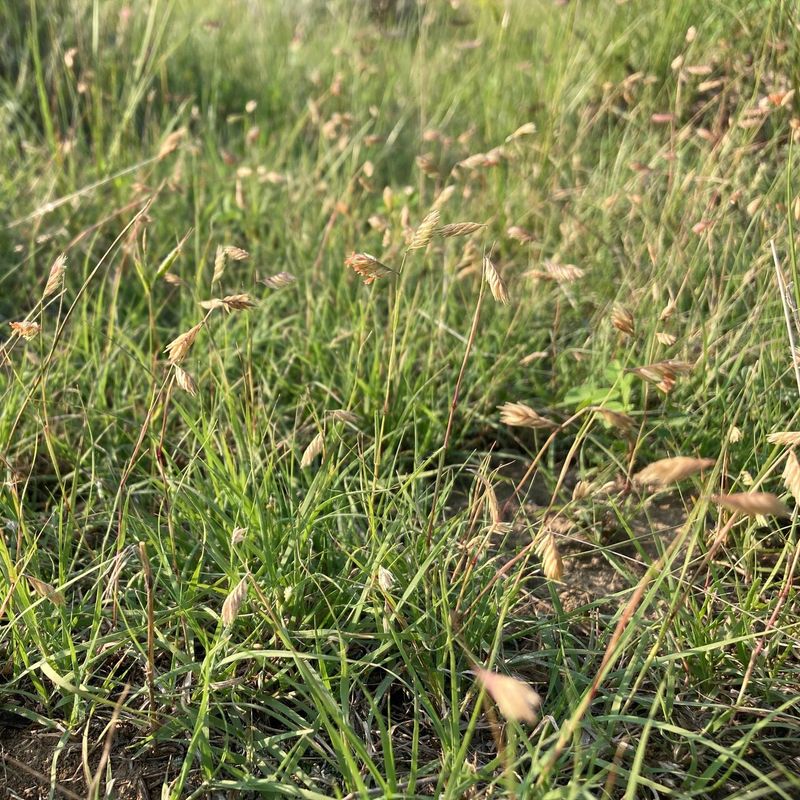
Water bills in Texas summers can feel like a second mortgage. When temperatures climb past 100 degrees and rain stays away for weeks at a time, keeping a Bermuda lawn green can cost a serious amount of money.
Buffalo grass changes that equation in a big way. Buffalo grass is naturally built for dry conditions. It evolved right here on the Great Plains, surviving on far less rainfall than most turf grasses need.
While Bermuda grass often needs about an inch of water per week during summer, buffalo grass can get by on much less once it is fully established in your yard.
Many Texas homeowners report cutting their lawn watering down by half or more after switching to buffalo grass. That adds up fast when you are paying city water rates through a long, hot summer.
Some neighborhoods even have watering restrictions during droughts, and buffalo grass handles those restrictions far better than Bermuda ever could.
The grass goes dormant during dry stretches rather than struggling and browning out permanently.
When rain returns, it bounces back quickly and looks healthy again without much help from you. That kind of natural resilience is hard to find in other common lawn grasses.
For homeowners near water-restricted areas or those simply tired of babying their lawn through every dry spell, the water savings alone make buffalo grass worth a serious look.
Saving water is good for your wallet and good for your community, especially during those long Texas droughts that seem to come around more often every year.
2. It Handles Heat Without Constant Babying
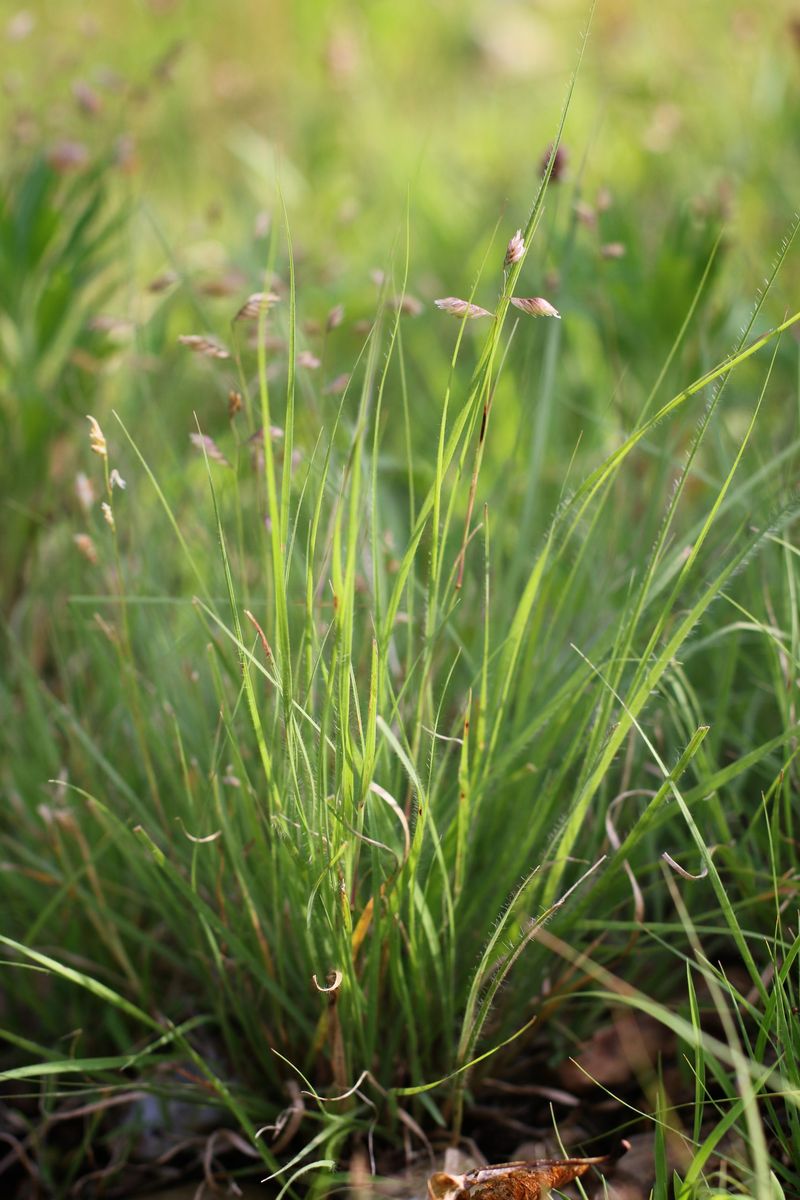
Anybody who has spent a Texas August watching their lawn turn into a crispy, straw-colored mess knows the frustration well.
Bermuda grass can handle heat, but it often needs a lot of support to stay looking good when temperatures stay above 95 degrees for weeks on end. Buffalo grass was literally born for this kind of weather.
Unlike many popular turf grasses, buffalo grass does not panic in the heat. It slows its growth, conserves moisture, and keeps itself alive without demanding constant irrigation or special treatments.
Your Texas Garden Changes Every Week. Your Plan Should Too.
Gardening in Texas changes quickly throughout the season. Every Friday you’ll receive a simple weekly plan showing exactly what to plant, prune, fertilize, harvest, and protect so you never miss the right timing.
Once it gets established in your yard, usually after one full growing season, it becomes remarkably self-sufficient through even the toughest Texas summers.
Homeowners who switch often describe the feeling as finally having a lawn that works with the Texas climate instead of fighting against it. You stop chasing the weather and start enjoying your yard instead.
That shift in mindset alone makes a big difference in how people feel about their outdoor space.
Buffalo grass does have one important requirement: it needs full sun to perform at its best. Shady spots under large trees are not ideal for it. But in open, sunny Texas yards, it thrives with very little intervention from the homeowner.
Did you know buffalo grass helped feed the massive herds of American bison that once roamed the plains? Those animals survived brutal summers on this grass alone, which tells you something about how tough it really is.
For Texas homeowners who want a lawn that can take the heat without constant attention, buffalo grass delivers that toughness season after season.
3. It Usually Requires Less Mowing
Weekends are precious. Nobody wants to spend every Saturday pushing a mower back and forth across the yard when there are better things to do.
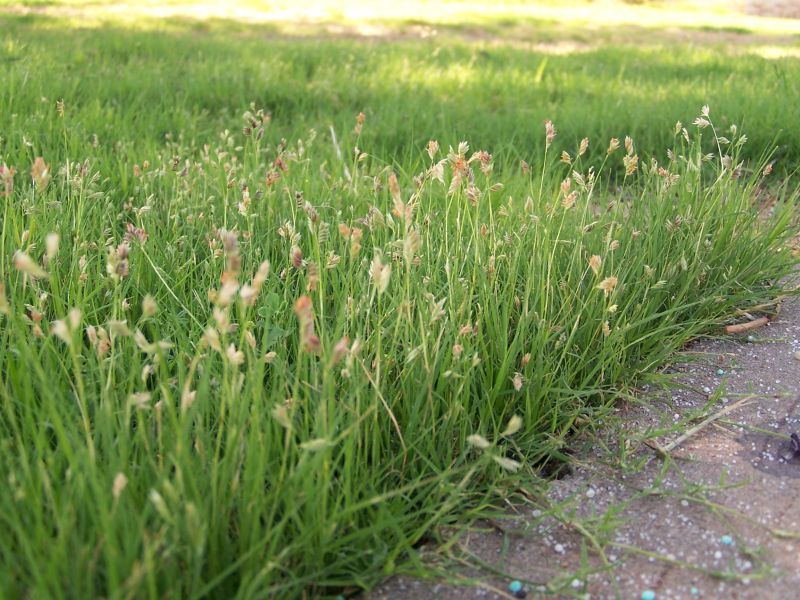
One of the most popular reasons Texas homeowners are switching to buffalo grass is simply that it does not grow as fast or as tall as Bermuda grass does.
Bermuda grass is a vigorous grower. Left alone for just a week or two in summer, it can get shaggy fast.
Buffalo grass grows at a much more relaxed pace. Many homeowners find they only need to mow it every two to three weeks during the growing season, and some choose to let it grow naturally without mowing at all for a soft, prairie-style look.
The natural height of buffalo grass tops out around four to six inches, which gives it a casual, low-profile appearance even without regular cutting.
That mellow, slightly wavy look actually suits modern Texas landscaping trends very well, especially in yards that feature native plants or rock gardens alongside the turf.
Less mowing also means less fuel, less wear on your equipment, and less time spent on lawn maintenance overall. Over a full summer season, those hours add up to a meaningful chunk of free time you could spend doing almost anything else you enjoy.
Families with young kids especially appreciate not having to schedule their weekends around lawn care. A buffalo grass yard gives you back your Saturdays in a way that Bermuda simply cannot match.
For anyone looking to simplify their outdoor routine without sacrificing a decent-looking lawn, this grass is a genuinely smart choice worth considering seriously.
4. It Fits Low-Maintenance Landscaping Trends
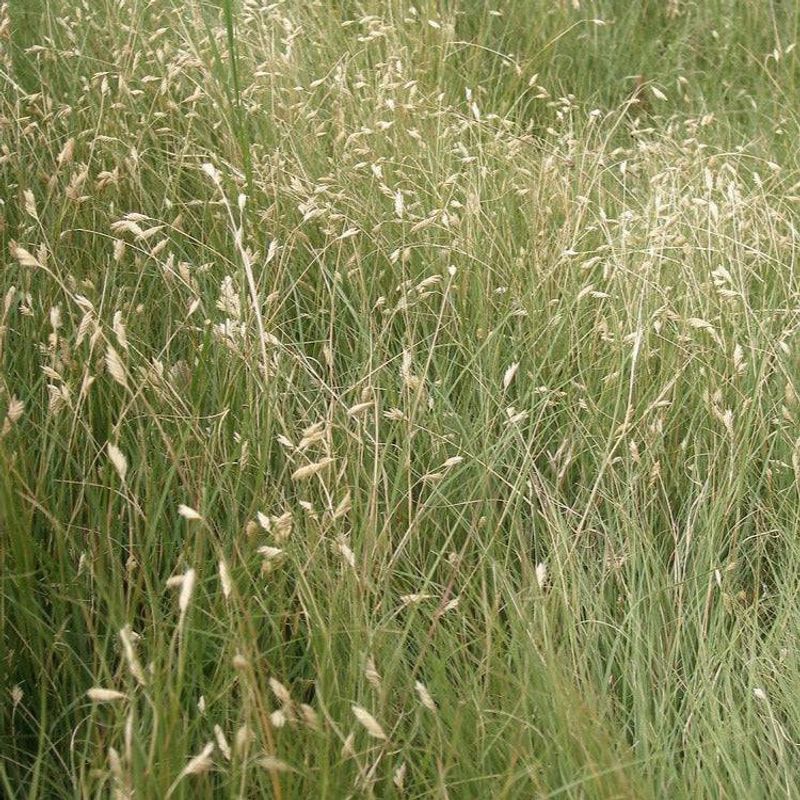
Landscaping trends in Texas have shifted a lot over the past decade. The old idea of a perfectly manicured, bright green lawn that needs constant attention is slowly giving way to something more practical and more in tune with the local environment.
Buffalo grass fits right into that new way of thinking about outdoor spaces. More homeowners are embracing what landscape designers call low-input or climate-adapted yards.
These are outdoor spaces designed to look attractive without requiring heavy watering schedules, frequent fertilizing, or weekly mowing sessions. Buffalo grass is one of the best turf options available for building that kind of yard in Texas.
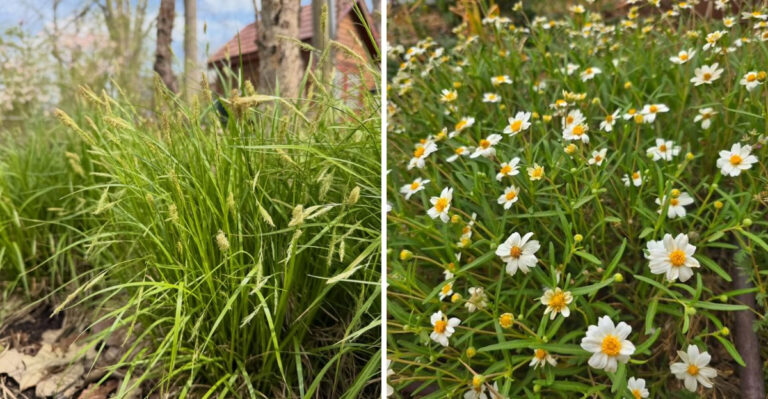
It pairs beautifully with native Texas plants like black-eyed Susans, Texas sage, and yucca. When combined with decorative gravel paths or stone edging, a buffalo grass yard can look intentional, stylish, and genuinely low-effort at the same time.
That combination is exactly what many modern Texas homeowners are searching for. Younger homeowners especially are drawn to this approach. They want outdoor spaces that look good without consuming huge amounts of time or resources every week.
Buffalo grass delivers that balance better than almost any other turf grass option available in the Texas market today.
Local water authorities across the state have even started promoting buffalo grass as part of water conservation programs. Some cities offer rebates to homeowners who replace thirsty turf with native or adapted grasses.
Switching to buffalo grass can sometimes put a little money back in your pocket right from the start, making the transition even more appealing for budget-minded Texas families looking to upgrade their yards.
5. It Can Reduce Fertilizer Needs
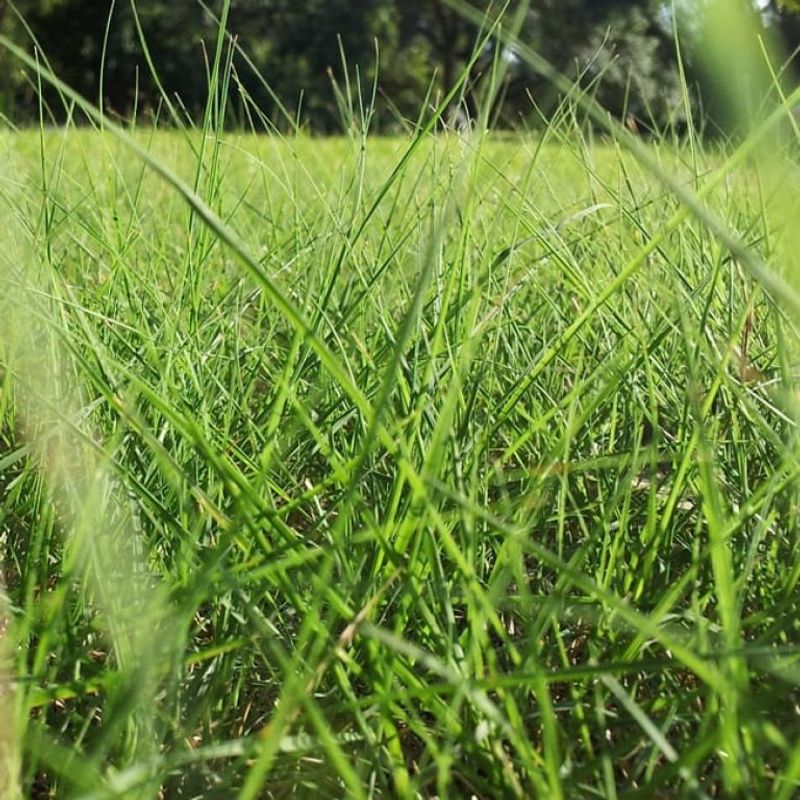
Keeping Bermuda grass looking its absolute best takes work. Beyond watering and mowing, Bermuda typically needs regular fertilizer applications throughout the growing season to stay thick, green, and healthy.
That means buying bags of fertilizer, spreading it correctly, and timing applications just right. Buffalo grass takes a much simpler approach.
Because buffalo grass evolved in native prairie conditions with naturally lean soils, it does not need the same level of feeding that Bermuda does.
In many Texas yards with well-drained, sunny conditions, buffalo grass can stay attractive and healthy with little to no added fertilizer at all. That is a meaningful difference in both effort and expense.
Fertilizer costs add up quickly over a Texas growing season. A typical Bermuda lawn might need three to four fertilizer applications per year to look its best.
Skipping most or all of those applications with buffalo grass can save a homeowner a noticeable amount of money annually, especially on larger lots where more product is needed.
There is also an environmental benefit worth mentioning. Excess fertilizer can wash off lawns during rain events and end up in local waterways, where it causes problems for aquatic ecosystems.
Using less fertilizer means less runoff and a smaller environmental footprint for your household overall.
Some homeowners do apply a light dose of nitrogen fertilizer in late spring to give their buffalo grass a boost heading into summer. But even that light touch is far less than what Bermuda typically demands.
For anyone trying to simplify their lawn care routine and trim their annual yard maintenance budget, the reduced fertilizer needs of buffalo grass make it a very attractive option.
6. It Creates A More Native-Looking Texas Lawn
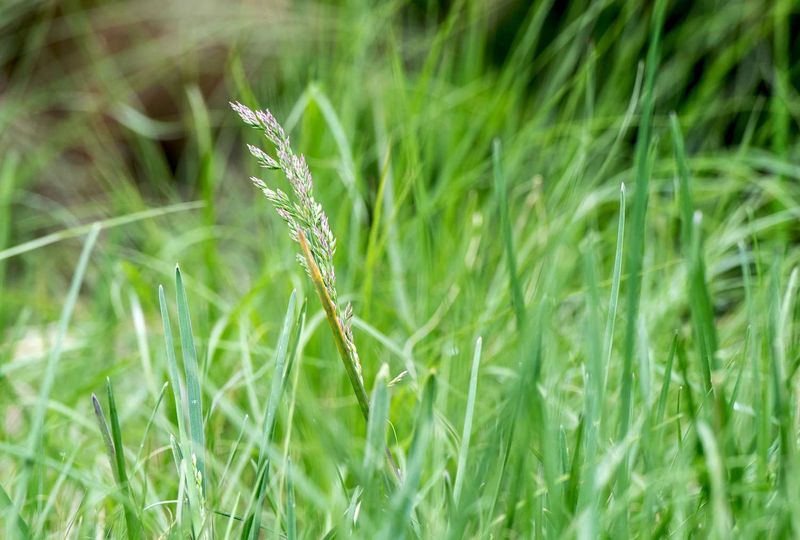
There is something special about a yard that looks like it actually belongs in Texas. Bermuda grass is common across the state, but it originally came from Africa and was introduced to American lawns over a century ago.
Buffalo grass, on the other hand, is genuinely native to the Texas plains and has been part of this landscape for thousands of years.
That native connection shows in how the grass looks and feels. Buffalo grass has a softer, slightly blue-green color and a gentle, flowing texture that gives yards a relaxed, prairie-inspired appearance.
It does not have the stiff, aggressive look of Bermuda. Instead, it feels natural and easy, like it grew there on its own without anyone forcing it.
Homeowners who care about supporting local ecosystems appreciate that buffalo grass provides habitat and food sources for native insects and small wildlife. It fits naturally into yards that also include native trees, wildflowers, and pollinator gardens.
The whole yard starts to feel like a connected, living part of the Texas landscape rather than a patch of imported turf.
Visitors often comment on how different a buffalo grass yard looks and feels underfoot. It has a softness and a character that many people find more appealing than the tight, uniform surface of a Bermuda lawn.
Walking barefoot on it during a cool Texas evening is a genuinely pleasant experience. For homeowners who want their outdoor space to reflect where they actually live, buffalo grass makes a strong statement.
It says this yard belongs to Texas, not just to a catalog of generic lawn options. That sense of place is something more and more homeowners are actively choosing to create.