The Pennsylvania Plants That Handle Western PA Weather Better Than Eastern PA Ones
Pennsylvania is not one climate. Anyone who has driven across the state knows that what’s happening weather wise in Pittsburgh is often a completely different story from what Philadelphia is dealing with on the same day.
Western PA gets more cloud cover, colder winters, heavier lake effect influence, and a growing season that behaves differently enough from the eastern part of the state to matter a great deal when it comes to what you plant.
Not every plant that thrives in Eastern PA can handle what Western PA consistently delivers.
Gardeners in the western part of the state know this from experience. Plants that come highly recommended, that perform beautifully in other parts of Pennsylvania, sometimes disappoint in Western PA’s conditions without any obvious explanation.
The explanation is almost always climate. The good news is that there are plants specifically well suited to Western PA’s particular weather patterns, and once you know what they are, gardening in that region gets a lot more rewarding.
1. Winterberry Holly
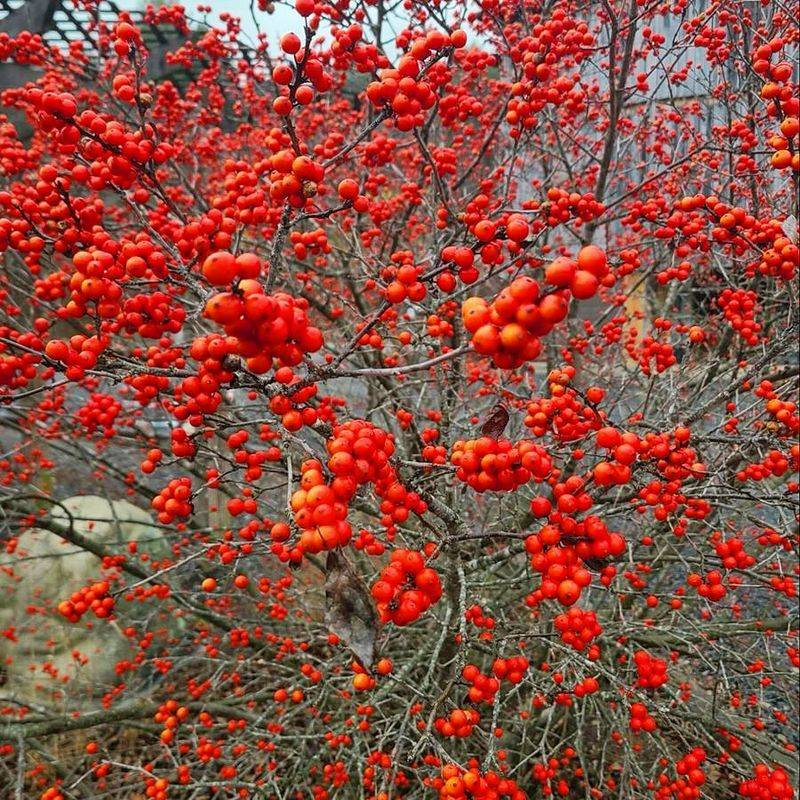
Few plants put on a winter show quite like Winterberry Holly. When everything else in the yard looks brown and bare, this native shrub bursts with clusters of bright red berries that practically glow against a gray Western PA sky.
It is one of those plants that makes neighbors stop and stare in January. Winterberry Holly is a native shrub that naturally grows in wet, low-lying areas across Pennsylvania.
That means it is already built for the soggy corners and heavy clay soils that frustrate so many gardeners in the western part of the state.
Rain gardens, damp ditches, and shaded low spots are exactly where this plant thrives. It does not need you to fix the drainage first.
You will want to plant both male and female shrubs near each other to get those famous red berries. One male plant can pollinate several females, so the setup is easy.
The berries also attract birds like cedar waxwings and robins, making your yard a lively spot even in the coldest months.
Winterberry Holly is also very cold-hardy, handling Pennsylvania winters without any special protection. It can grow in full sun or partial shade, which gives you flexibility in placement.
Most varieties reach between six and ten feet tall, so give it room to spread. Pruning is rarely needed, and pest problems are minimal.
If you want a low-maintenance native plant that earns its keep all year long, especially during the months when most gardens look dull, Winterberry Holly deserves a serious spot on your planting list.
2. Red Twig Dogwood
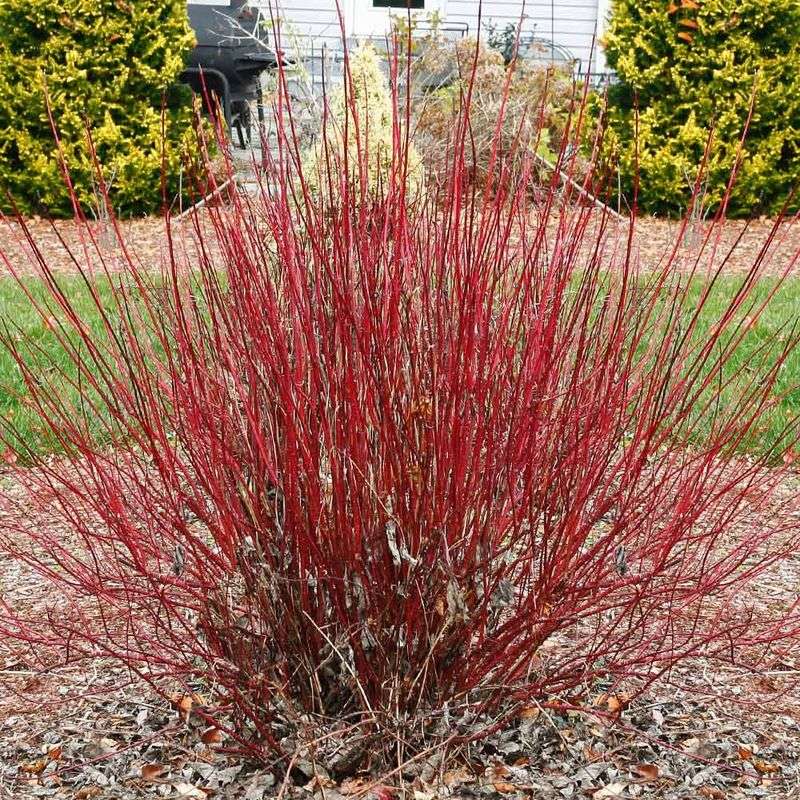
Walk past a Red Twig Dogwood in the middle of February and you will do a double take. Those blazing red stems stand out like fire against the snow and gray skies that Western PA is famous for.
It is one of the few shrubs that actually looks better in winter than in summer, which makes it a smart choice for year-round curb appeal.
Beyond its good looks, Red Twig Dogwood is a workhorse. It handles wet soil, clay, and soggy edges with ease.
Your Pennsylvania Garden Changes Every Week. Your Plan Should Too.
Gardening in Pennsylvania changes quickly throughout the season. Every Friday you’ll receive a simple weekly plan showing exactly what to plant, prune, fertilize, harvest, and protect so you never miss the right timing.
Plant it near a rain garden, along a fence line that stays muddy after storms, or at the edge of a low backyard corner. It will not just survive those conditions.
It will spread and fill in the space over time, which is exactly what you want from a shrub in a tricky spot.
Did you know that the stems are brightest when the plant is young? Older stems fade to a duller color, so many gardeners prune the shrub hard every couple of years to encourage fresh, vivid growth.
It sounds drastic, but the plant bounces back quickly and rewards you with the most intense red color the following winter. Wildlife also love this shrub. Birds feed on its small white berries in late summer and fall.
The dense branches provide shelter for nesting songbirds. Red Twig Dogwood works beautifully in both formal and naturalistic garden styles.
It is tough, flexible, and genuinely rewarding. For Western PA yards that deal with wet winters and heavy spring rains, this shrub is a reliable and colorful solution.
3. Serviceberry
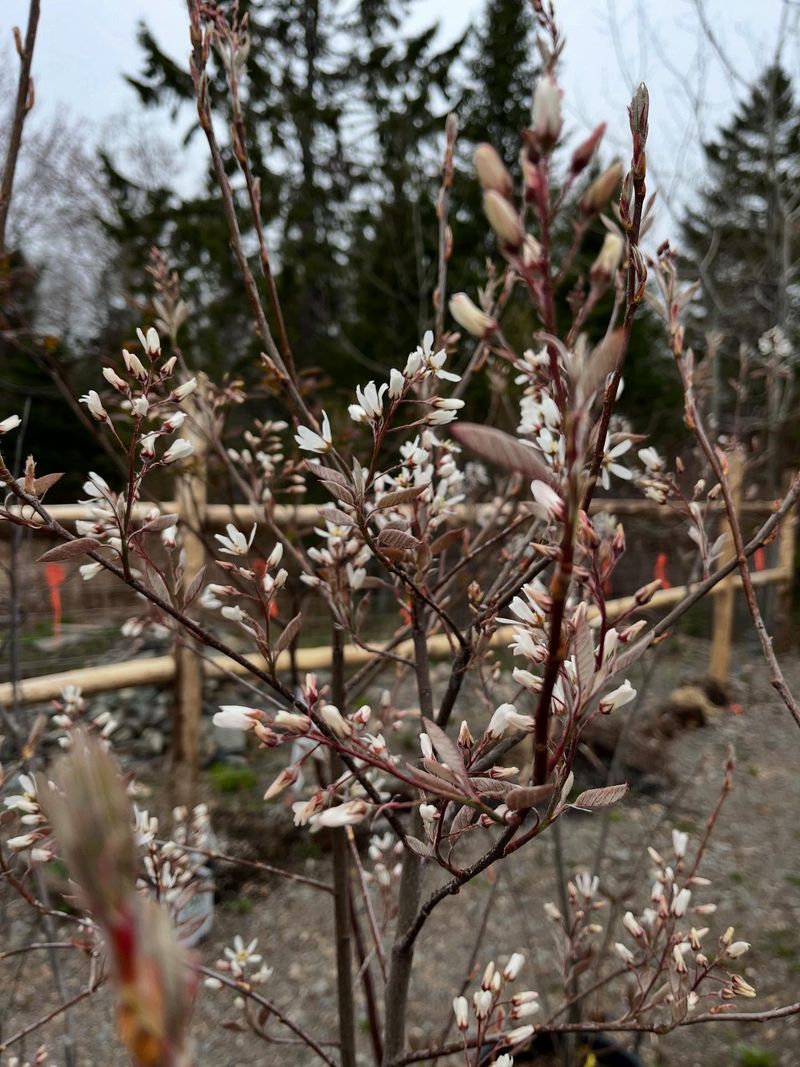
Every spring in Western PA, Serviceberry puts on one of the earliest flower shows in the yard. Before most trees have even thought about leafing out, this small native tree covers itself in delicate white blossoms that signal the end of winter.
It is a hopeful sight after months of cold, gray weather, and it earns serious admiration from anyone who sees it.
Serviceberry fits naturally into Western PA landscapes because it is native to Pennsylvania woodlands and hillier terrain.
It handles colder inland temperatures, variable spring weather, and even late frosts better than many ornamental trees sold at big box garden centers. You do not need to baby it through the season. It adapts and moves on.
After the spring flowers fade, Serviceberry produces small, sweet berries in early summer. The berries look like tiny blueberries and taste similar, though birds usually get to them before people do.
Robins, cedar waxwings, and catbirds absolutely love them. If you want to attract wildlife to your yard, few plants do it as reliably as this one.
Fall brings another reward. The leaves turn shades of orange, red, and gold before dropping, giving you a nice color display even in a small tree.
Serviceberry stays manageable in size, usually topping out between fifteen and twenty-five feet, which makes it a great choice for yards that cannot accommodate a large shade tree.
It grows well in sun or partial shade and tolerates the moist, slightly acidic soils common across much of Western Pennsylvania. It is a four-season performer that earns every inch of space it takes up.
4. Foamflower
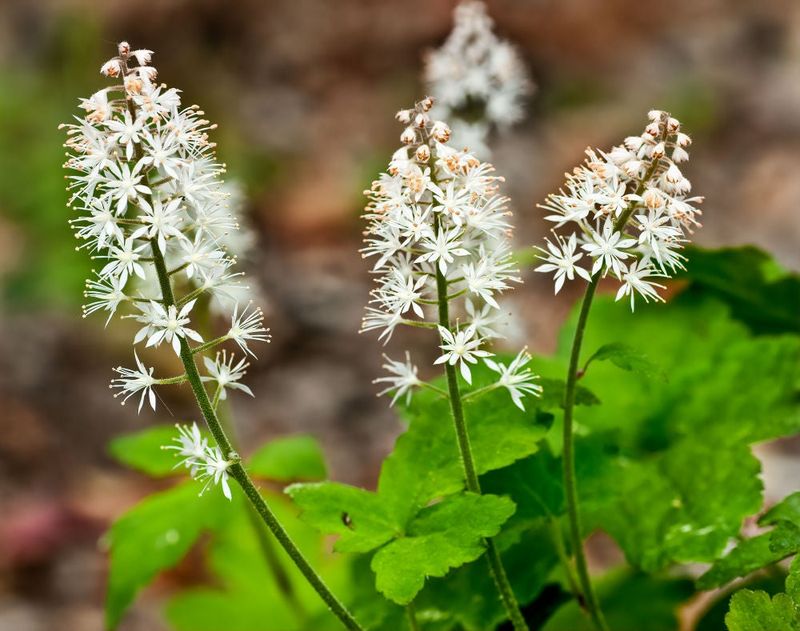
Shady gardens can feel like a puzzle. Most flowering plants want full sun, and the ones that tolerate shade often look dull or leggy.
Foamflower is the exception. It produces airy spikes of tiny white and pink blooms that rise above heart-shaped leaves in spring, turning a shaded corner of the yard into something genuinely charming.
Foamflower is native to eastern North American woodlands, and it feels right at home in Western PA. The region’s cooler summers, leafy soil, and shaded slopes give this plant exactly what it needs to perform well.
It does not like intense heat or dry conditions, which is why it can sometimes struggle in the warmer, sunnier parts of eastern Pennsylvania. In Western PA, the climate naturally suits it.
Planting Foamflower is straightforward. It prefers moist, well-drained soil rich in organic matter, the kind of soil you find under trees where leaves have been breaking down for years.
It spreads slowly by runners, eventually forming a low, attractive ground cover that keeps weeds from taking over shaded beds. That spreading habit is a bonus, not a problem.
Foamflower is also a pollinator magnet. Native bees and small butterflies visit the flowers regularly in spring.
The foliage stays attractive through most of the growing season, especially in varieties with patterned or burgundy-streaked leaves. It pairs beautifully with ferns, wild ginger, and Virginia bluebells in a woodland-style planting.
If your yard has a shady, moist area that you have struggled to fill with something that actually looks good, Foamflower is the answer you have been waiting for.
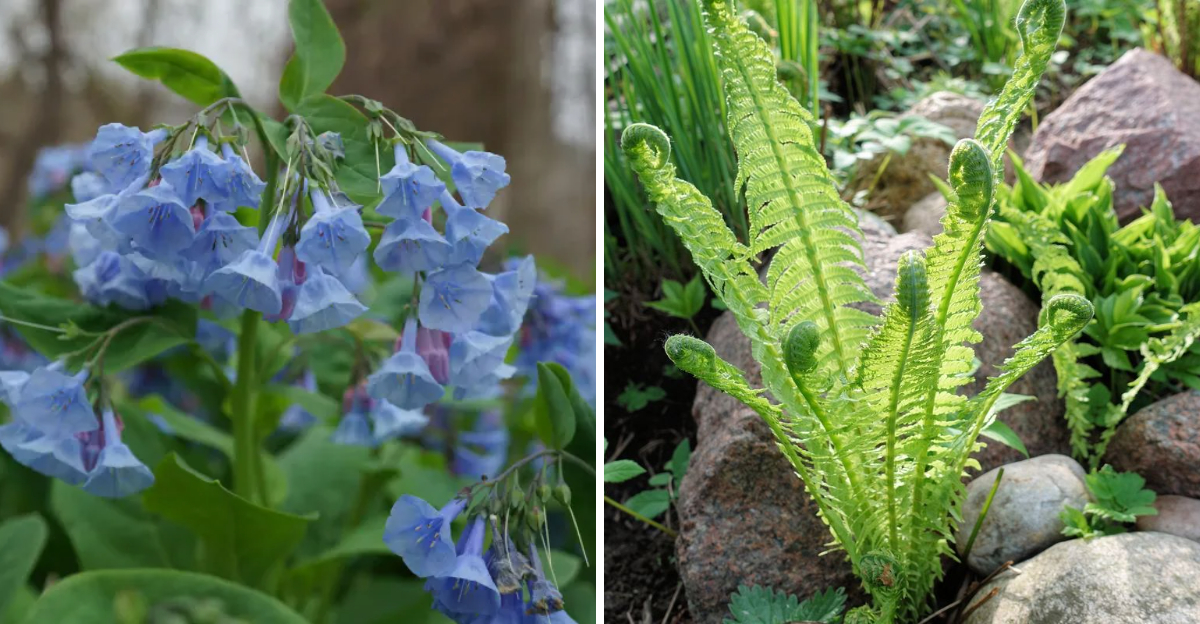
5. Virginia Bluebells
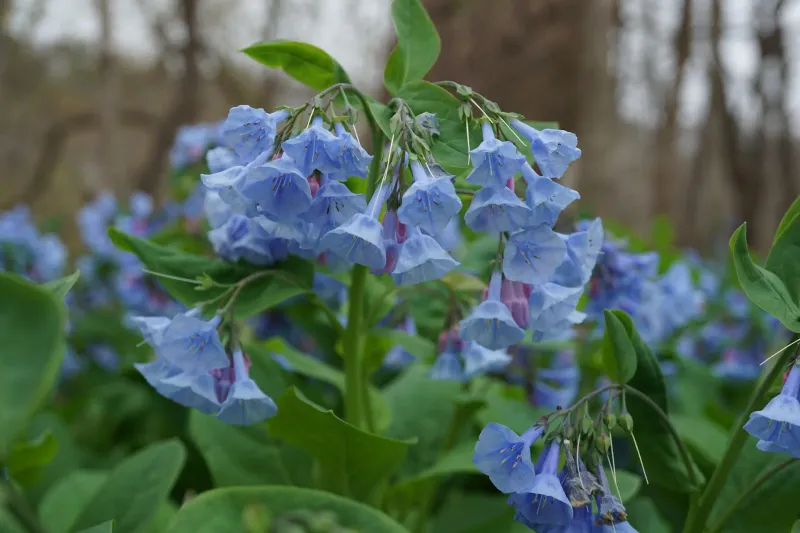
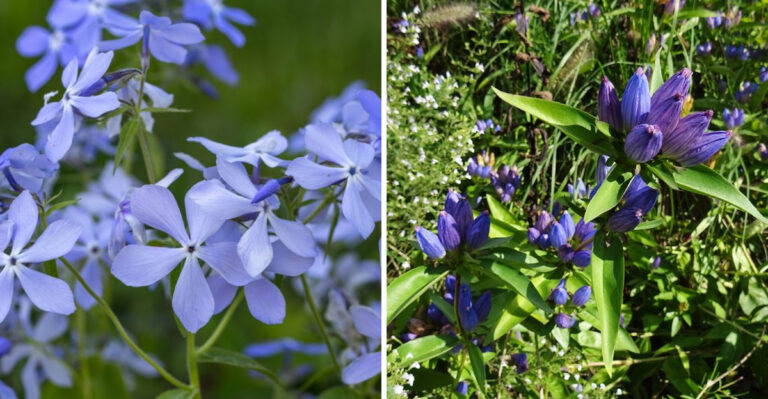
There is something almost magical about coming across a patch of Virginia Bluebells in full bloom.
The clusters of sky-blue, trumpet-shaped flowers seem to float above the ground in early spring, creating a color display that feels completely unexpected after a long Pennsylvania winter.
Gardeners who grow them often describe the first bloom of the season as one of their favorite moments in the yard.
Virginia Bluebells are spring ephemerals, meaning they bloom early, then quietly go dormant by summer. That life cycle is perfectly matched to Western PA’s cool, moist springs.
The plant takes full advantage of the light and moisture available before tree canopies fill in overhead. By the time summer heat arrives, the plant has already done its work and disappeared gracefully underground.
Because they go dormant, it helps to plant Virginia Bluebells alongside other perennials or ferns that will fill the space later in the season. Hostas, ferns, and wild ginger are good companions.
They mask the gap left behind when the bluebells fade without competing too aggressively during the spring bloom period.
These plants prefer moist, partly shaded spots with rich, loamy soil. Stream banks, shaded rain garden edges, and the north-facing sides of buildings are all good candidates.
They spread naturally over time by self-seeding, so a small planting can become a beautiful drifting mass in just a few years.
Virginia Bluebells are also deer-resistant, which is a real bonus in many Western PA neighborhoods where deer pressure can be significant. They are one of spring’s most rewarding native wildflowers.
6. Cardinal Flower
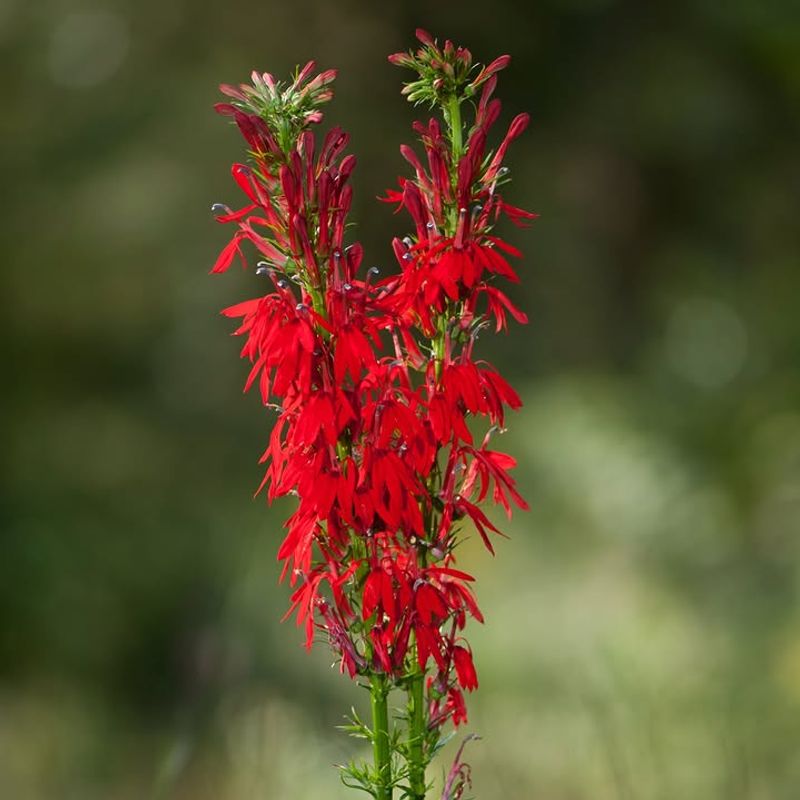
If you want hummingbirds in your yard, plant Cardinal Flower. The tall spikes of vivid scarlet blooms are practically irresistible to ruby-throated hummingbirds, and watching them hover and feed from these flowers is one of summer’s great backyard pleasures.
No fancy hummingbird feeder required. Just one well-placed clump of Cardinal Flower does the job.
Cardinal Flower is native to moist areas across Pennsylvania, and it thrives in the wet, low spots that plague many Western PA yards. Rain garden edges, stream banks, and soggy backyard corners that stay wet after heavy rains are ideal planting locations.
Rather than fighting the dampness in those areas, Cardinal Flower turns it into an advantage.
The plant blooms from midsummer into early fall, filling the gap when many spring perennials have finished and fall asters have not yet opened. That mid-season timing makes it especially valuable in a well-planned native garden.
The bright red color also stands out beautifully against green foliage, giving the yard a bold visual punch during the dog days of summer.
Cardinal Flower is a short-lived perennial, but it self-seeds reliably when conditions suit it. That means a healthy plant will leave behind offspring that fill the same spot year after year without replanting.
It prefers full sun to partial shade and consistently moist soil. Avoid planting it in dry, well-drained beds where it will struggle.
Pair it with Blue Lobelia and Joe-Pye Weed for a stunning native rain garden combination that also supports pollinators. Cardinal Flower rewards gardeners who match it to the right conditions with years of brilliant color and wildlife activity.
7. Ostrich Fern
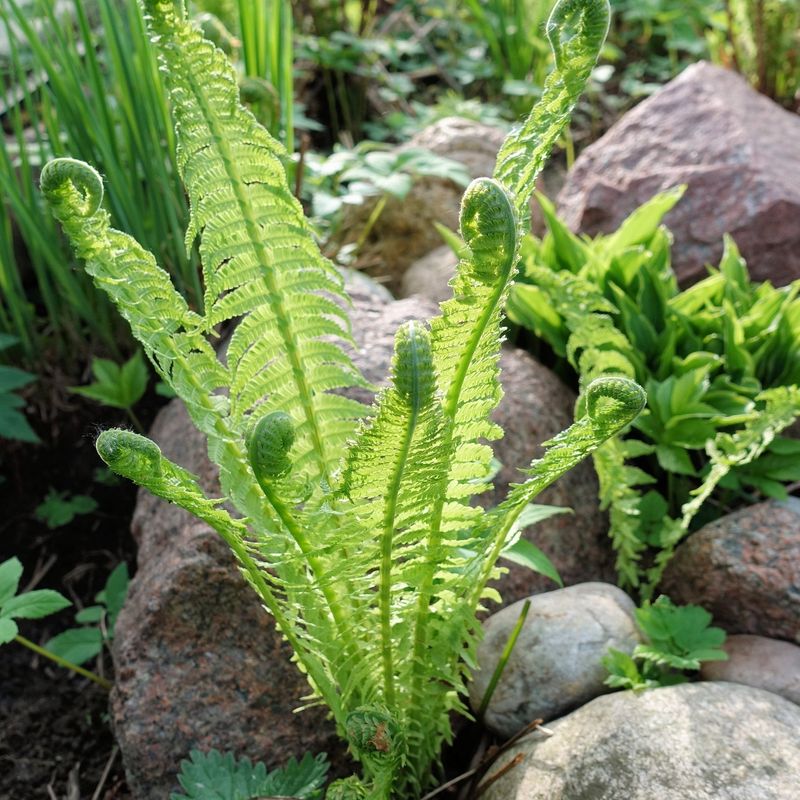
Dramatic is the right word for Ostrich Fern. The arching, bright green fronds can reach four to six feet tall, creating a lush, tropical-looking effect in shaded corners of the yard.
It is the kind of plant that makes a small space feel like a secret woodland retreat, and it does it without any fuss or special care.
Western PA’s cool, shaded areas and consistently moist soil are exactly what Ostrich Fern prefers. It naturally grows along stream banks and in low woodland areas across the northeastern United States, so the conditions in many Western PA backyards feel like home to it.
In warmer, sunnier parts of eastern Pennsylvania, it can struggle with heat and dry soil, but that is rarely a problem on the western side of the state.
Ostrich Fern spreads by underground runners, slowly forming large colonies over time. That spreading habit makes it excellent for filling in large shaded areas where grass refuses to grow.
Once established, it creates a dense, weed-suppressing mass of foliage that looks impressive from early spring through fall. It goes dormant in winter, but returns reliably each spring.
Fun fact: the young, tightly coiled fronds of Ostrich Fern, called fiddleheads, are edible and considered a spring delicacy in many parts of the northeastern United States. They are harvested before the fronds fully open and can be sauteed like asparagus.
Beyond that quirky bonus, Ostrich Fern provides excellent habitat for toads, salamanders, and ground-nesting birds. For shaded, moist Western PA yards, it is one of the most rewarding and visually striking native plants you can grow.