What Georgia Gardeners Should Do With Pepper Plants In July For A Bigger Fall Harvest
July is not the easiest month to be a pepper plant in Georgia, and honestly it’s not the easiest month to be the gardener growing them either.
The heat is serious, the humidity makes everything feel more intense than it already is, and dry spells have a habit of showing up right when plants are working hardest to produce.
Peppers can handle Georgia summers better than a lot of vegetables, but that doesn’t mean July care is something you can skip.
What happens in the garden right now has a real effect on how well plants perform heading into late summer and fall, when conditions ease up and production can really pick back up.
Steady moisture, careful harvesting, light feeding when plants need it, pest scouting, and smart root protection are the habits that give Georgia pepper plants their best shot at a strong finish to the season.
1. Keep Soil Moist But Not Soggy
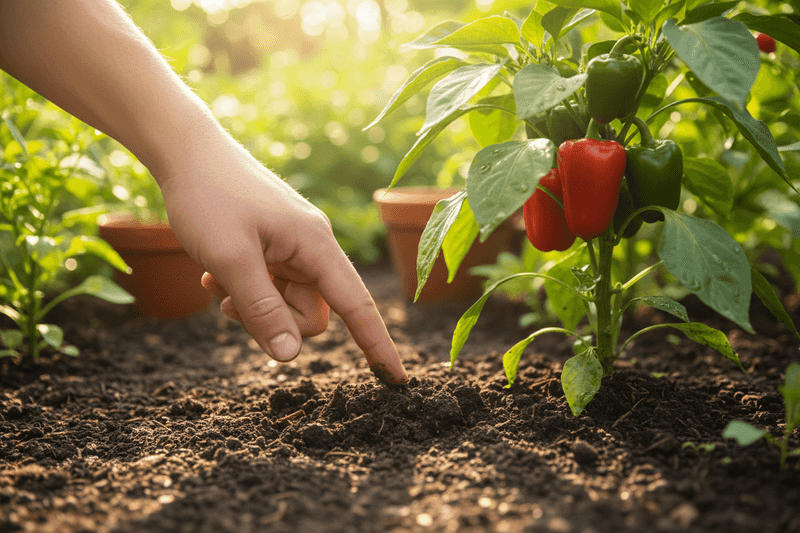
Drooping leaves on a pepper plant in the middle of a Georgia July afternoon can send a gardener into a panic, but sometimes that wilting is just the plant responding to intense heat rather than a lack of water.
Before reaching for the hose, press two fingers about an inch into the soil near the base of the plant.
If the soil still feels damp, the roots likely have enough moisture for now.
Pepper plants need consistent soil moisture to set and develop fruit properly. When the soil dries out completely between waterings, the plant may drop blossoms or fail to develop the peppers already forming on the stem.
On the other hand, soggy soil that stays wet for too long can stress the roots just as much as dry soil can.
In Georgia, summer rain can be unpredictable. A heavy thunderstorm might soak the garden one afternoon, and then a week of dry heat follows without a drop.
Checking soil moisture every day or two helps you water only when the plant genuinely needs it. Raised beds and containers tend to dry out faster than in-ground rows, so those may need attention more often.
Aim to keep the soil feeling evenly moist, like a wrung-out sponge, rather than swinging between bone dry and waterlogged.
That steady middle ground supports fruit development and helps reduce plant stress during the hottest stretch of the Georgia growing season.
2. Water At The Base Of The Plants
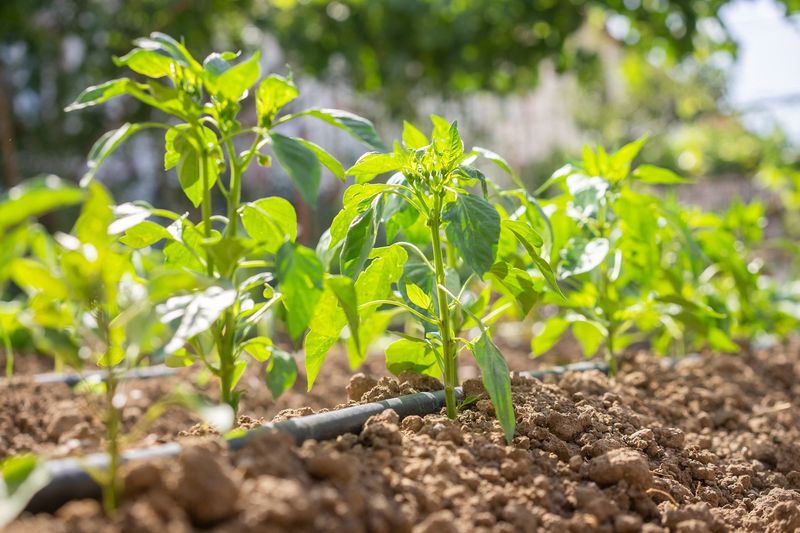
Wet foliage sitting under Georgia’s humid summer sky is an open invitation for fungal problems.
When water splashes onto pepper leaves and stays there through the evening, it creates conditions that can encourage leaf spots and other issues that weaken the plant over time.
Directing water straight to the soil at the base of the plant is one of the simplest ways to reduce that risk.
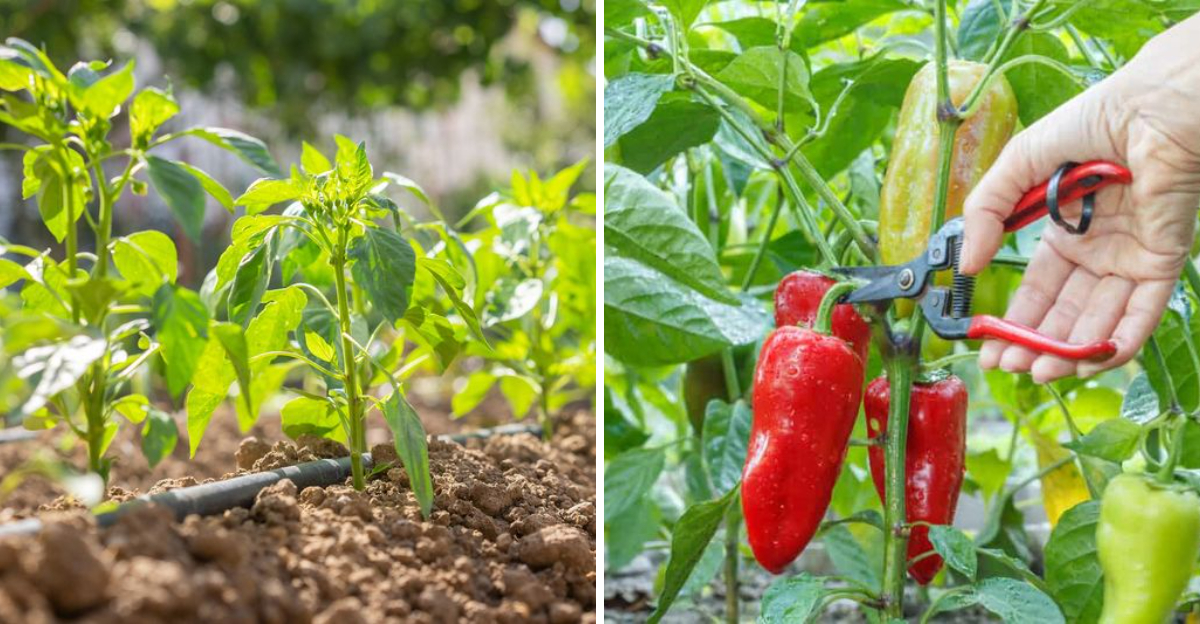
Soaker hoses and drip irrigation lines are well suited for pepper beds because they deliver water slowly and directly to the root zone without soaking the leaves or stems.
Your Georgia Garden Changes Every Week. Your Plan Should Too.
Gardening in Georgia changes quickly throughout the season. Every Friday you’ll receive a simple weekly plan showing exactly what to plant, prune, fertilize, harvest, and protect so you never miss the right timing.
Many Georgia home gardeners with smaller plots find that a watering wand with a gentle flow setting works just as well.
The goal is to get water down into the soil where the roots can actually use it, rather than letting it sit on top of the foliage or run off the surface.
Watering in the early morning tends to work better than watering in the evening.
Morning watering gives any accidental leaf splash a chance to dry off before nightfall, and it also means the soil soaks up moisture before the midday heat has a chance to evaporate it quickly.
Evening watering, especially overhead watering, leaves moisture on foliage overnight and increases the chance of fungal development.
A consistent base-watering habit during July can quietly support healthier plants and more reliable fruit set through the rest of the Georgia growing season.
3. Mulch To Save Moisture And Limit Weeds
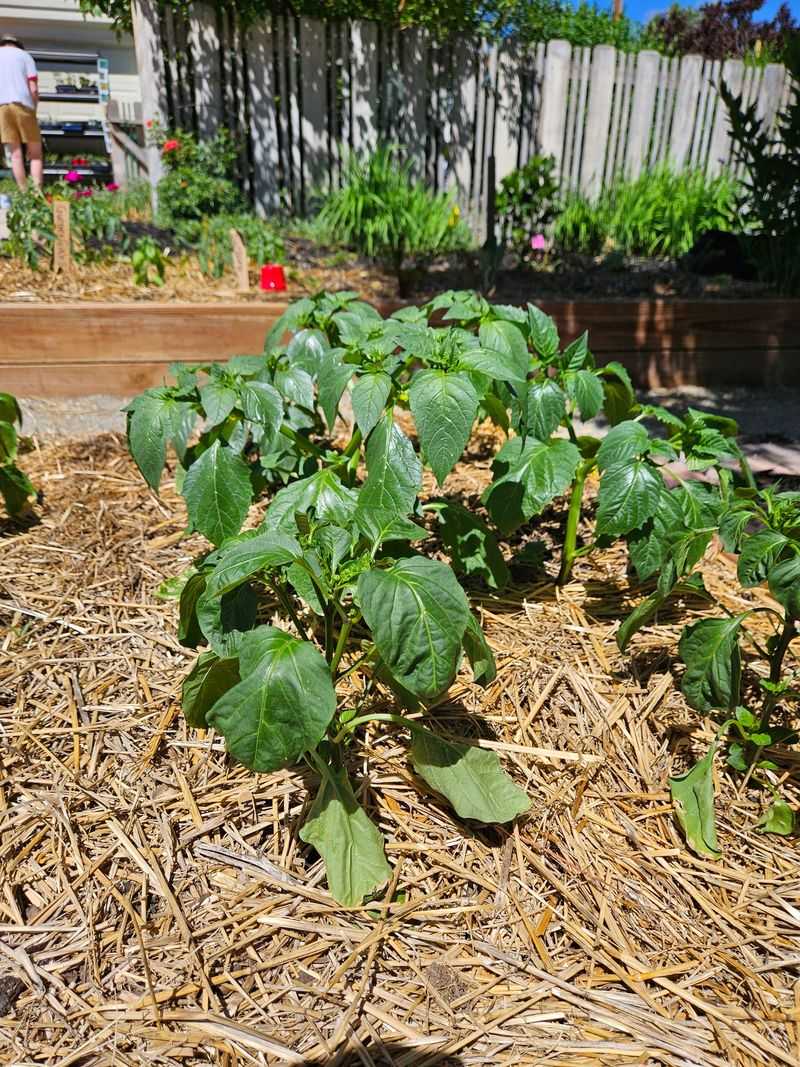
Bare soil in a Georgia summer garden bakes fast. On a hot July afternoon, unprotected soil around pepper plants can feel almost warm to the touch, and that surface heat works its way down to the roots over time.
A layer of mulch acts as a buffer between the intense summer sun and the soil beneath, helping to moderate temperature and slow moisture loss between waterings.
Straw, pine needles, and shredded leaves are all popular mulching options for Georgia vegetable gardens.
A layer about two to three inches thick spread around the base of each pepper plant can make a noticeable difference in how quickly the soil dries out after a good watering.
Mulch also suppresses weeds that would otherwise compete with pepper plants for water and nutrients during the summer months.
One detail worth watching is how close the mulch sits to the main stem of the plant. Mulch piled directly against the stem can hold moisture against the bark and create conditions that stress the base of the plant.
Pulling the mulch back an inch or two from the stem while still covering the surrounding soil gives the root zone insulation without trapping excess moisture at the crown. If mulch has broken down or thinned out since spring, July is a reasonable time to refresh it.
Keeping that protective layer in good shape through the rest of the Georgia summer supports steadier soil conditions and less plant stress heading into fall.
4. Harvest Mature Peppers Promptly
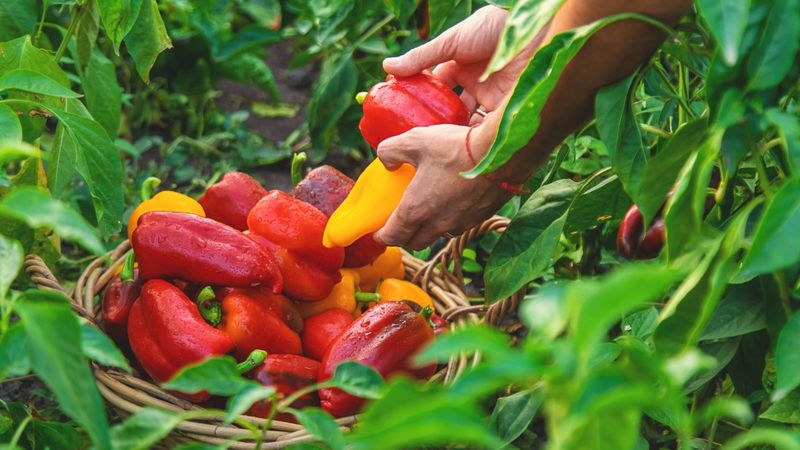
Ripe peppers left hanging on the plant too long in July are doing more than just sitting there looking colorful.
Every mature fruit still attached to a pepper plant is drawing energy and resources from the plant that could otherwise go toward developing the next round of flowers and young fruit.
In Georgia’s summer heat, that extra load can slow down production more than many gardeners expect.
Checking pepper plants every few days during July is a practical habit. Bell peppers, banana peppers, and sweet varieties are typically ready to harvest once they reach their full size and begin to show color change if the variety is meant to ripen beyond green.
Hot peppers like jalapenos and cayennes can be picked at the green stage or left to ripen to red, depending on personal preference. Either way, removing mature fruit regularly encourages the plant to keep producing.
Leaving overripe or soft peppers on the plant can also attract insects and create entry points for disease. A pepper that has gone past its prime and begins to soften is no longer benefiting the plant or the harvest.
Checking every plant carefully during each visit to the garden, rather than waiting for a big harvest day once a week, tends to keep plants in better productive shape.
Regular harvesting is one of the more straightforward ways to support continued fruit development on Georgia pepper plants through the rest of the summer and into fall.
5. Cut Peppers Instead Of Pulling Them
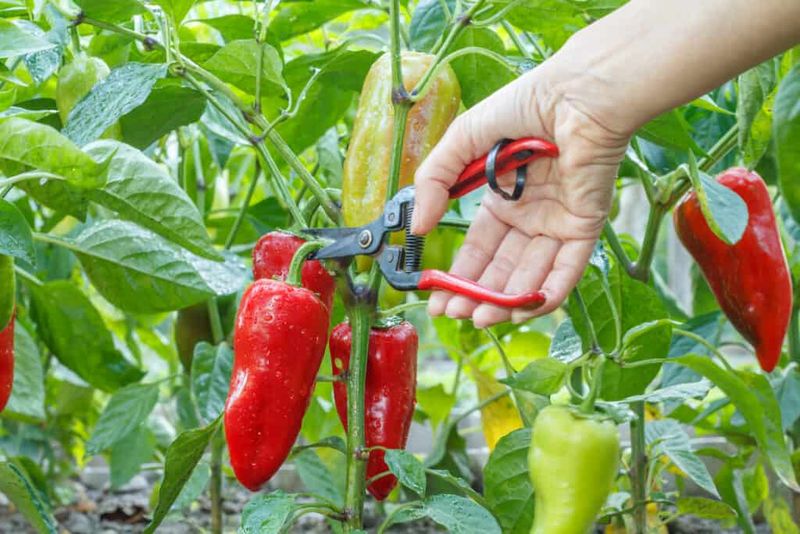
Grabbing a ripe pepper and giving it a firm pull might seem like the quickest way to harvest, but pepper branches are more brittle than they look. A sharp tug can snap a branch right off the plant, and that lost branch means fewer flowers and fruit for the rest of the season.
In July, when Georgia pepper plants are already dealing with heat stress and high humidity, losing a productive branch is a setback the plant does not need.
Using a small pair of pruning scissors, garden snips, or even clean kitchen scissors to cut peppers free from the plant makes a real difference.
Cutting the stem about a quarter inch above where the pepper attaches to the branch leaves the plant intact and reduces the chance of tearing or cracking the surrounding tissue.
Clean cuts also heal more easily than ragged tears, which can sometimes invite disease into open plant tissue.
Keeping a dedicated pair of garden scissors near the pepper bed makes this habit easier to stick with. Some Georgia gardeners keep a small pair clipped to their garden apron or tucked into a pocket so they are ready without any extra steps.
Once the habit of cutting rather than pulling becomes routine, it tends to feel just as fast as pulling, with far less risk of accidental branch loss.
That small change in technique can quietly add up to more productive plants and a better overall harvest as the season moves toward fall.
6. Side-Dress Only If Plants Need Nitrogen
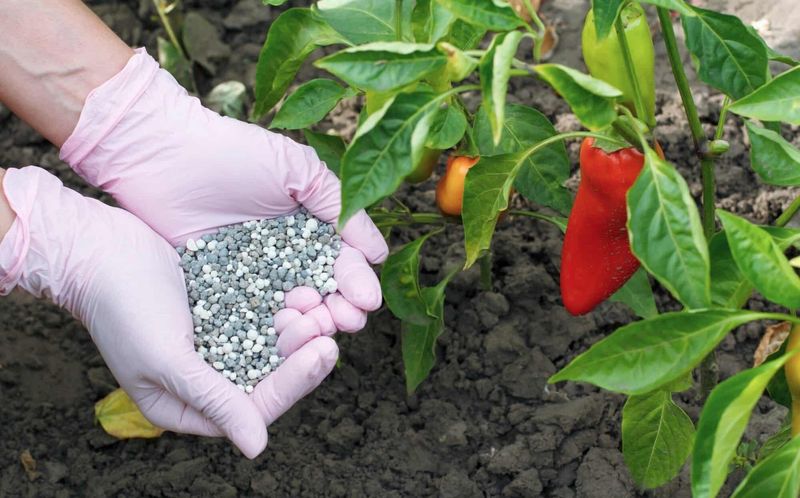
Fertilizing pepper plants in July feels intuitive when production seems to be slowing down, but adding nitrogen to a plant that does not actually need it can cause more trouble than it solves.
Too much nitrogen in midsummer pushes the plant to produce lush green growth at the expense of fruit development.
A pepper plant loaded with big, dark green leaves but very few new peppers is a common sign that nitrogen has been applied too generously.
Before adding any fertilizer, take a close look at the plant. Pale green or yellowish older leaves can sometimes suggest the plant is running low on nitrogen, while deep green, vigorously growing foliage usually means the plant has enough.
In Georgia’s summer heat, plants under stress from drought or pest pressure may also look pale, so it helps to rule out those causes before reaching for fertilizer.
When side-dressing does seem appropriate, applying a small amount of a balanced or lower-nitrogen fertilizer in a narrow band a few inches away from the base of the plant is a reasonable approach.
Keeping the fertilizer off the stems and watering it in gently helps move nutrients toward the roots without burning the plant.
Mid-July applications give the plant time to respond before the weather begins to shift in late summer.
Feeding lightly and only when the plant shows signs of needing support tends to produce better results than a heavy application made on a set schedule regardless of plant condition.
7. Scout Often For Insects And Plant Stress
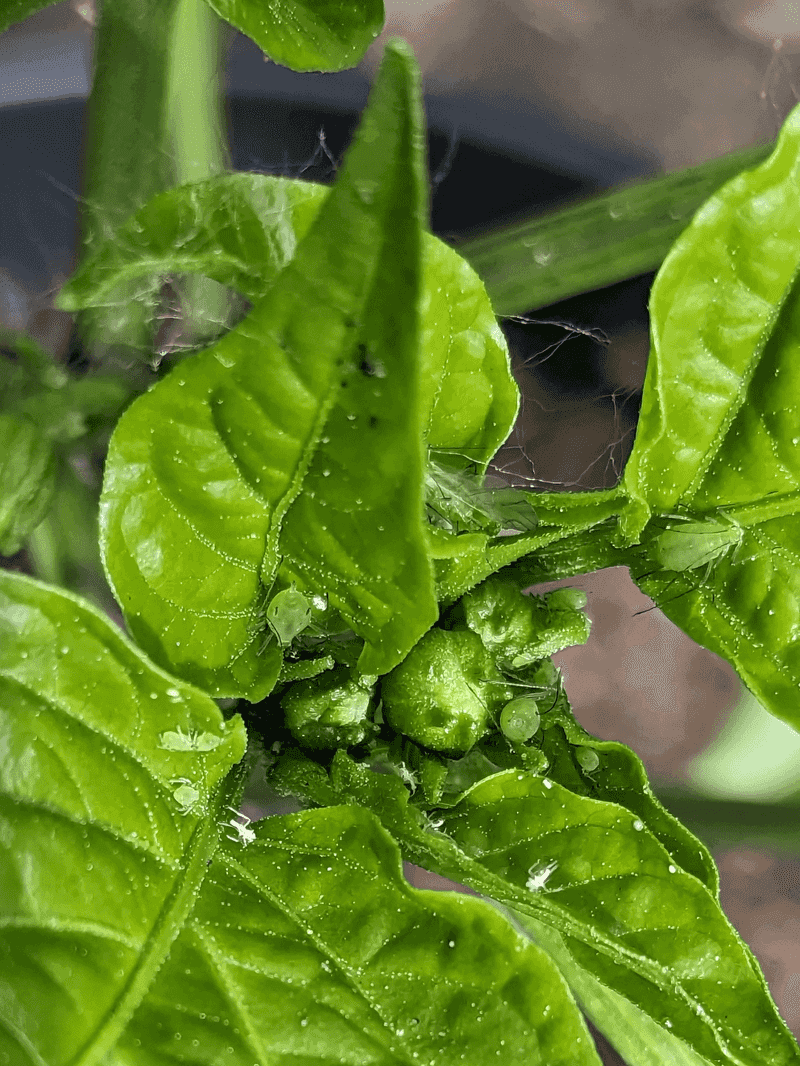
Aphids, spider mites, and pepper weevils tend to move quietly. By the time the damage is obvious from a standing position, a pest population may already be well established on the plant.
Walking through the garden and flipping over a few leaves every couple of days is one of the more effective ways to catch insect pressure before it becomes a serious problem for Georgia pepper plants in July.
Spider mites tend to show up during hot, dry stretches when plants are already under stress. Look for a fine stippling pattern on the upper surface of leaves, and check the undersides for tiny moving specks.
Aphids cluster along new growth and along stems, and their feeding can cause curling or distorted leaves. Pepper weevils are harder to spot but can cause buds and small fruit to drop before they develop properly.
Beyond insects, scouting also means watching for signs of general plant stress, like leaves that curl inward during the morning hours, stems that look pinched or discolored near the base, or fruit that develops soft spots or unusual markings.
Catching these signs early gives gardeners more options for responding.
In Georgia, July heat and humidity create conditions where both insect pressure and disease risk can rise at the same time, so regular scouting visits are more useful than occasional thorough checks.
Keeping a close eye on the plants through the rest of the summer supports healthier growth and a better chance at fall production.
8. Avoid Deep Cultivation Around Roots
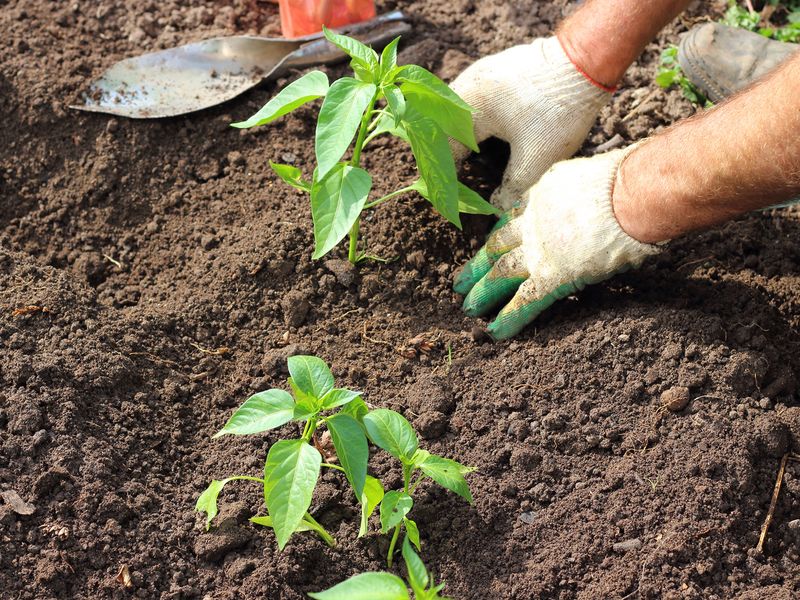
Pepper plants develop a network of shallow feeder roots that spread outward from the base just below the soil surface.
Pushing a hoe or cultivator tool too deep into the soil around these plants in July can slice through those roots without the gardener ever realizing it.
Root damage during peak summer stress can set a plant back significantly at exactly the time it needs all the energy it can get.
Weeds growing close to pepper plants are best removed by hand rather than by hoeing. Hand-pulling weeds near the base of the plant keeps the disturbance shallow and reduces the chance of accidentally damaging feeder roots.
For weeds a bit farther out from the stem, a very light surface scratch with a small cultivator tool is usually enough to break the weed’s grip without going deep enough to threaten the roots below.
A good layer of mulch around the base of each plant does a lot of the weed-control work passively, which means less cultivation is needed overall.
In Georgia gardens where mulch has been maintained consistently through the summer, weed pressure tends to be lower and the need for any soil disturbance is reduced.
Keeping cultivation shallow and minimal through July protects the root system that the plant depends on for moisture uptake and nutrient absorption.
Healthy, undisturbed roots give pepper plants a stronger foundation for continued production as Georgia summer heat gradually gives way to the more manageable temperatures of late summer and early fall.