What Florida Gardeners Do In July To Make Sure September Looks Great
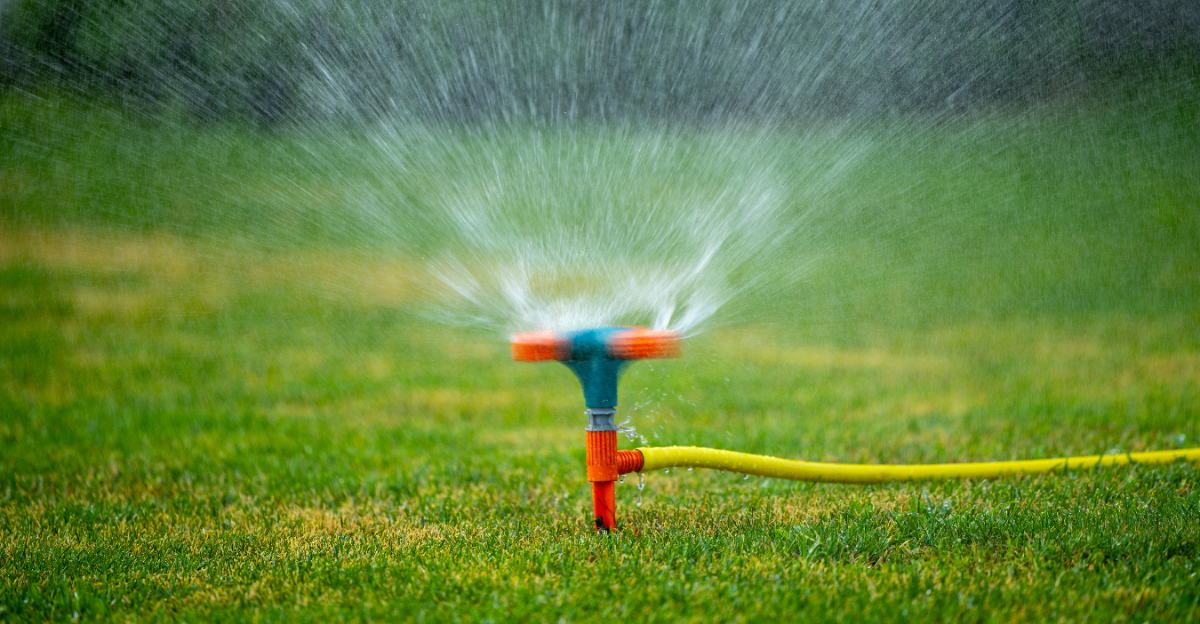
September in a Florida garden does not happen by accident. The yards that look genuinely good when the rainy season starts winding down are the ones where someone made the right moves in July.
That work happened two months earlier, when the heat was serious and the temptation to do nothing was strongest. July feels like a month to survive in a Florida garden.
The reality is that it is one of the more consequential months on the calendar for anyone who cares about what September delivers. Certain tasks done now set plants up to flush with new growth when conditions ease.
Others prevent the kind of decline that takes a full season to recover from. A few are about putting the right things in the ground while Florida’s rainy season is still doing the watering.
September is not that far away. What happens in the next few weeks shows up clearly when it arrives.
1. Refresh Mulch Before Late-Summer Heat Drains The Soil
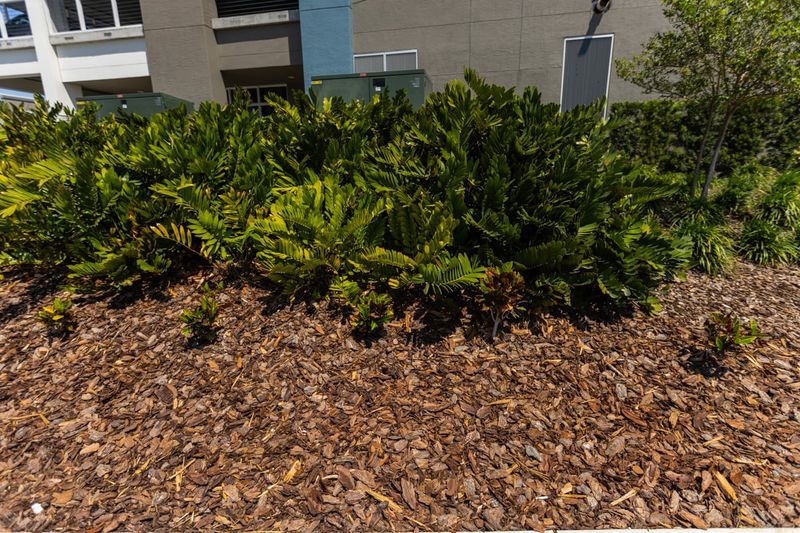
A thin ring of mulch around a young shrub might look fine from a distance. But sandy soil loses moisture faster than most gardeners expect during a dry spell between summer storms.
Refreshing mulch in July can help roots stay cooler, hold soil moisture more steadily, and give existing beds a cleaner look heading into late summer.
A two-to-three-inch layer works well for most beds, foundation plantings, and areas around young shrubs. Bare spots near containers and entry beds deserve attention too, since those areas tend to dry out quickly.
UF/IFAS recommends keeping mulch pulled back a few inches from stems, trunks, crowns, and any wall or foundation surface.
Mulch volcanoes piled against tree trunks can trap moisture and create problems over time. Thick, wet piles packed against plant crowns or wooden structures can cause similar issues.
The goal is an even, moderate layer that protects soil without smothering roots or blocking airflow at the base of plants.
When the mulch layer looks consistent and roots are no longer exposed at the soil surface, that is a good sign conditions are improving for the stretch ahead.
2. Trim Spent Growth Without Cutting Plants Back Hard
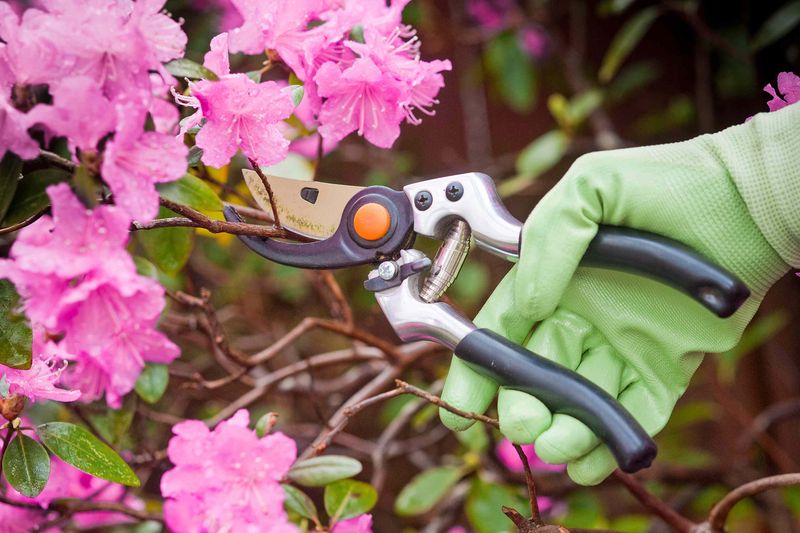
Spent flowers, crispy brown leaf tips, and ragged stem ends on summer bloomers can make a yard look worn down. The plants underneath may still be healthy.
Light cleanup in July can improve both airflow and appearance without putting extra stress on roots that are already working hard in peak summer conditions.
Removing faded blooms and trimming back messy tips are reasonable July tasks. Cutting away clearly damaged growth also helps many ornamentals, container plants, and flowering shrubs.
A light touch matters here. Hard cutbacks on most shrubs during July heat can push tender new growth that struggles to harden off before fall weather shifts.
UF/IFAS Extension guidance generally advises waiting on major shaping unless growth is clearly hazardous, diseased, or structurally damaged.
If a large tree limb looks broken or dangerous after a storm, contact a qualified arborist rather than attempting to handle it yourself.
Your Florida Garden Changes Every Week. Your Plan Should Too.
Gardening in Florida changes quickly throughout the season. Every Friday you’ll receive a simple weekly plan showing exactly what to plant, prune, fertilize, harvest, and protect so you never miss the right timing.
When plants look tidier and airflow improves around foliage without signs of new stress, the light cleanup is doing its job. It is improving the plant without pushing it too hard during the hottest weeks of the year.
3. Start Planning Fall Color Before Nurseries Get Picked Over
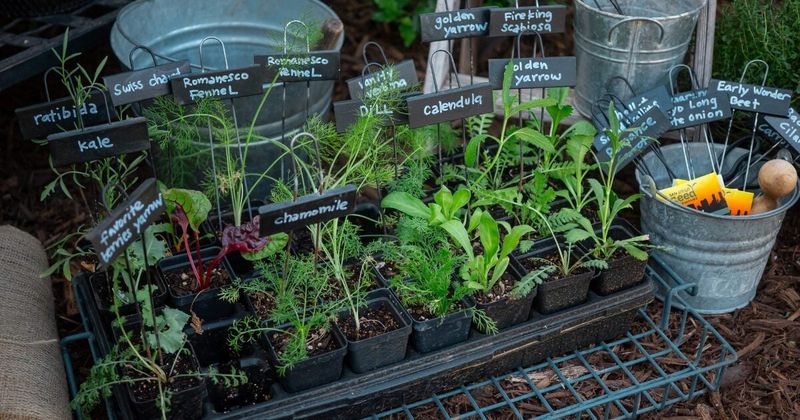
A nursery cart stacked with fresh pentas, blue porterweed, firebush, and late-season natives can empty out fast once August shoppers start looking for fall color.
Getting ahead of that rush starts with a plant list made in July, not a panicked trip to the nursery in late August when shelves are already thinning.
Think about which spots in the yard need color by September. Consider container refreshes, pollinator beds, entry plantings, and any area that looked flat by the end of last summer.
Checking with local nurseries or your county Extension office can help identify site-appropriate plants that will perform well heading into fall in your specific region.
Planning in July does not always mean planting immediately. For many spots, the smarter move is to make the list, scout available stock, and wait for a slightly cooler planting window in late August or early September.
Impulse buys of plants that are not suited to your sun, soil, or irrigation setup often disappoint by the time fall arrives.
When a clear plant list exists and local availability is confirmed, the yard has a much better chance of looking intentional. It is also more likely to look refreshed by the time September color season begins.
4. Watch Irrigation Gaps Before September Stress Shows
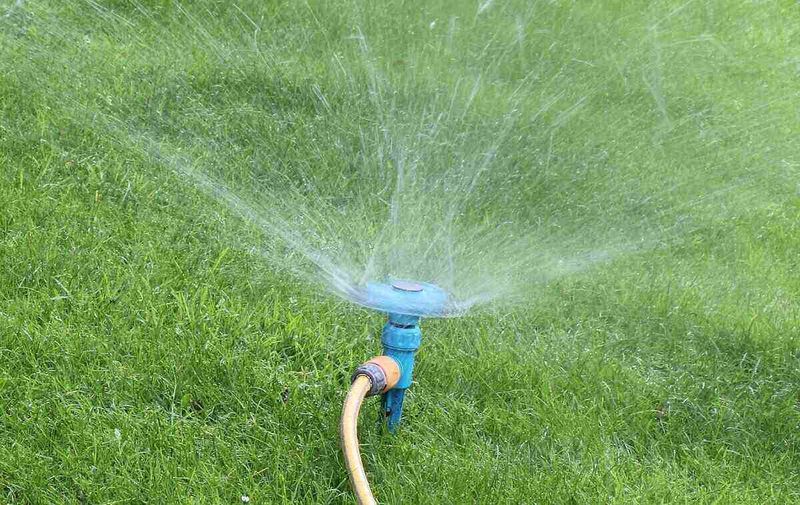
A sprinkler head that is slightly off-angle, a clogged drip emitter, or a zone that skips a foundation bed can go unnoticed for weeks during the rainy season. When a dry spell hits between summer storms, those gaps show up fast.
They appear as wilted shrubs, patchy turf, and stressed container plants that were quietly running short on moisture.
July is a practical time to walk each irrigation zone while the system runs. Look for dry arcs, blocked spray, overspray onto paved surfaces, and any container or patio pot that is not getting consistent coverage.
Sandy soil drains quickly, so even a short gap in coverage can stress roots faster than gardeners expect.
The goal is not watering more across the board. Overwatering causes its own problems, including root issues and fungal pressure.
The focus should be on confirming that water is actually reaching the root zone where each plant needs it. Check with your county, city, or water management district for current watering rules and scheduled restrictions before adjusting your system.
When every zone covers its target area evenly and no dry spots appear after a full cycle, the irrigation system is positioned well. It can support plants reliably through the rest of summer and into September.
5. Clean Up Fallen Fruit Before Pest Habits Set In
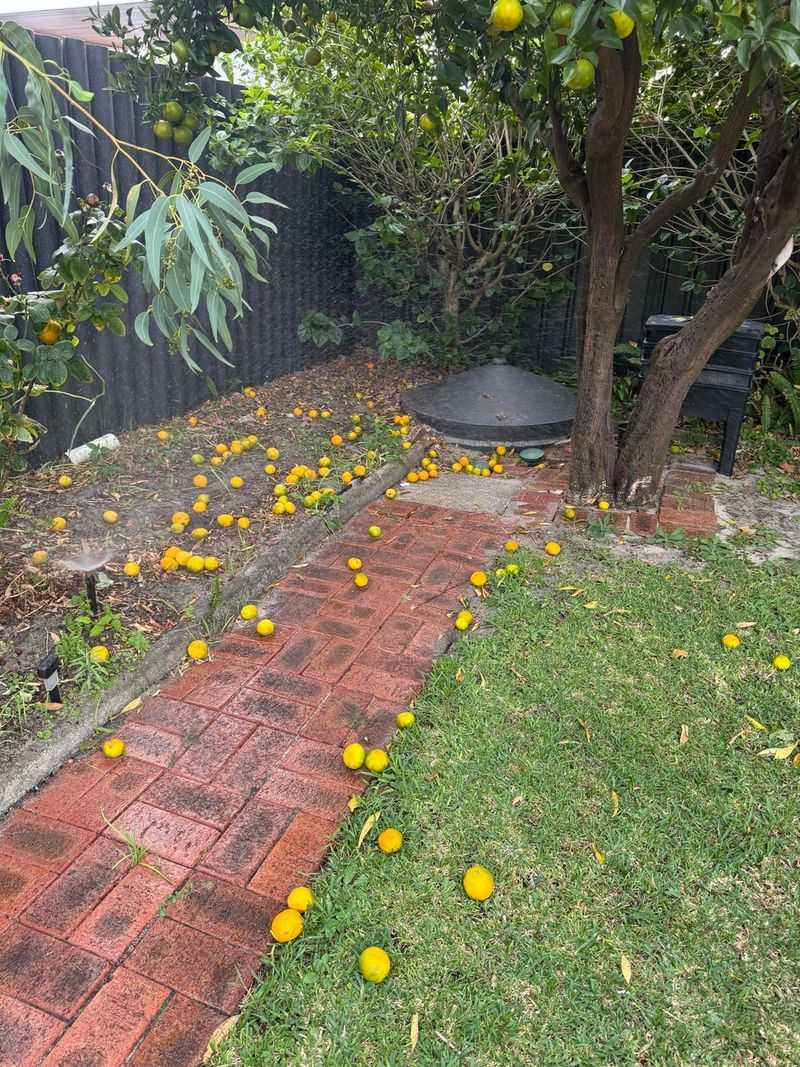
A few fallen mangoes under a backyard tree might seem harmless. But overripe fruit sitting in mulched beds quickly becomes a reliable food source for ants, flies, raccoons, and rats.
Once wildlife and insects find a consistent food source, the habit can be hard to break before September outdoor entertaining season arrives.
Picking up fruit drops regularly, even every few days during peak drop season, removes the attraction before it becomes a pattern. Secure compost bins so fruit scraps and kitchen waste are not accessible from outside.
Bird feeders are worth moving or cleaning more frequently in summer, since spilled seed can draw rodents and other unwanted visitors into garden beds.
Outdoor dining crumbs, pet food left outside, and unsecured garbage can contribute to the same problem. UF/IFAS and Florida-Friendly Landscaping guidance focuses on sanitation and exclusion as the first response for most common wildlife issues.
It favors those steps over trapping, poisoning, or handling animals. Keeping edible debris out of the landscape is a simple, low-effort step.
When fruit drops are cleared consistently and no signs of fresh pest activity appear, the yard is moving in a healthier direction. Check around the base of trees and in nearby beds as fall approaches.
6. Scout For Pests Before Late-Summer Damage Spreads
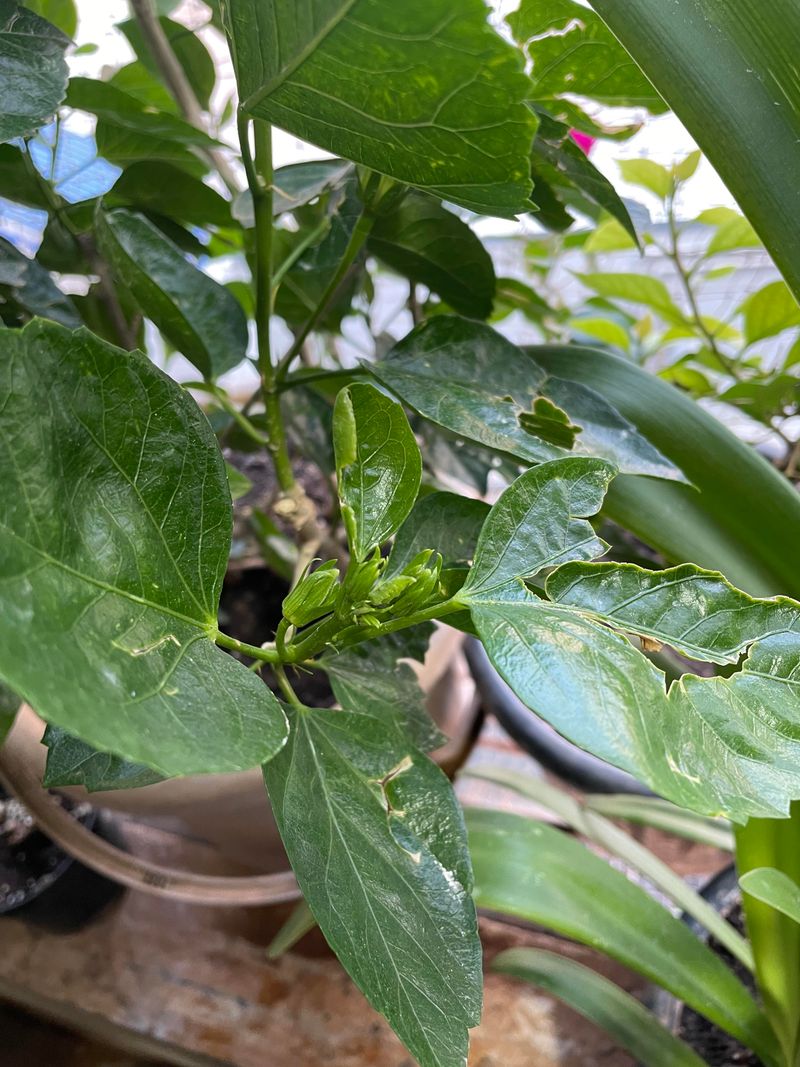
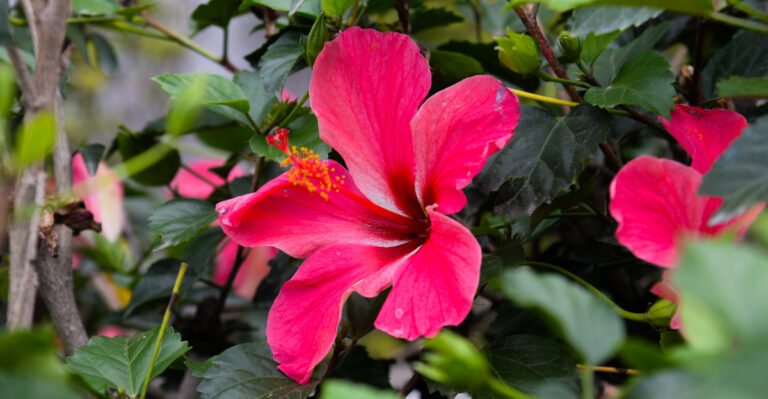
An outbreak on one hibiscus or a single citrus branch that goes unnoticed in July can spread across neighboring plants before the end of summer.
Catching pest problems early is far less disruptive than trying to manage a widespread infestation in August when plants are already under heat stress.
Scouting means looking carefully, not just glancing. Check the undersides of leaves, especially on tender new growth, where soft-bodied insects like whiteflies, aphids, and spider mites tend to cluster.
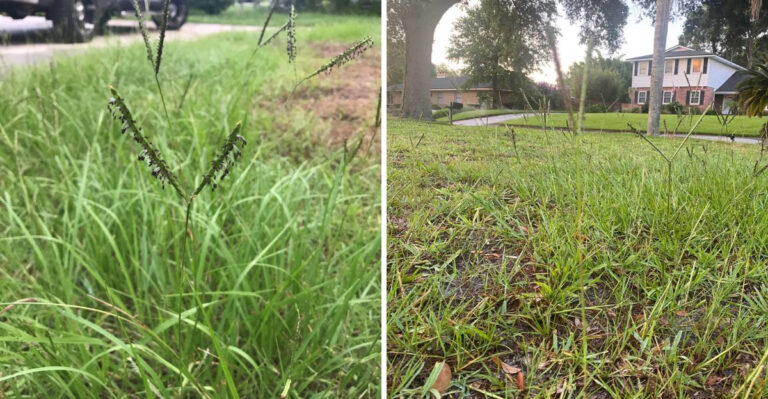
Examine stems, turf patches with thinning grass, and any plant that looks off-color or wilted without an obvious water explanation. Vegetable beds, ornamentals, and containers all deserve attention.
Identification comes before treatment. Reaching for a broad pesticide without knowing what pest is present can disrupt beneficial insects.
It can also create resistance issues and cause more harm than the original problem. UF/IFAS Extension and the Florida-Friendly Landscaping program both recommend identifying the pest first, then choosing the least disruptive management option.
If a product is used, always follow the label directions carefully.
When scouting turns up nothing unusual and new growth looks clean and undamaged, that is a reassuring sign. It shows the yard is holding up well through the most pest-active stretch of the warm season.
7. Give Containers A Midseason Reset For September Color
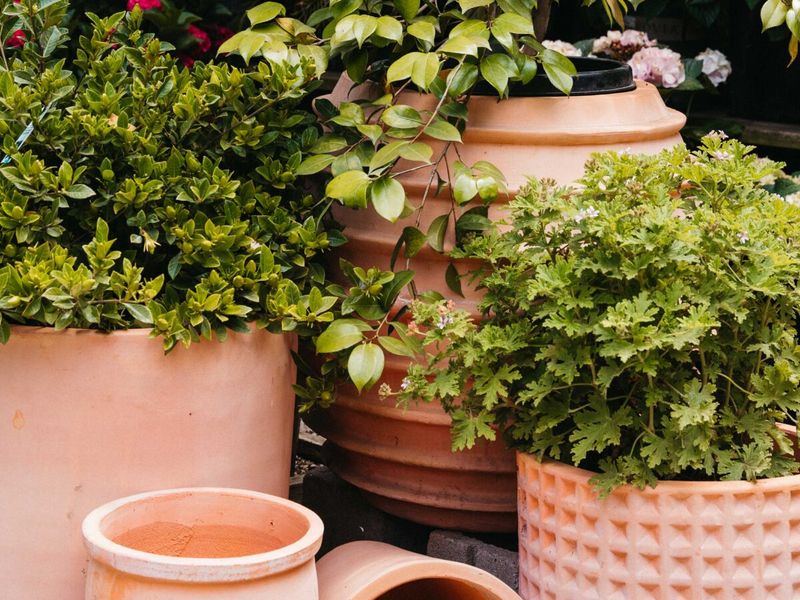
Patio pots that looked full and colorful in May can start looking rough by mid-July. Roots crowding the container and drainage holes blocked by mineral buildup can leave containers looking flat.
Tired annuals and broken-down potting mix can do the same well before fall entertaining season starts.
A midseason reset does not always mean replacing everything. Check drainage holes first and clear any blockages so water moves through freely.
Remove plants that are clearly past their useful stage and replace them with heat-tolerant options that can bridge the gap into September. Avoid potting mix that has become compacted, as roots need air space along with moisture.
Moving containers out of brutal afternoon sun exposure can extend the life of both the potting mix and the plants inside. Many warm-climate annuals and tropicals perform better with morning sun and afternoon shade during the hottest weeks.
Check local fertilizer ordinances before applying any fertilizer to containers, since some counties have seasonal restrictions.
When containers drain cleanly and plants look upright and healthy, the pots are in good shape. Visible new growth without signs of stress means they can carry color through the rest of summer and into early fall.
8. Hold Big Planting Plans Until Conditions Start To Ease
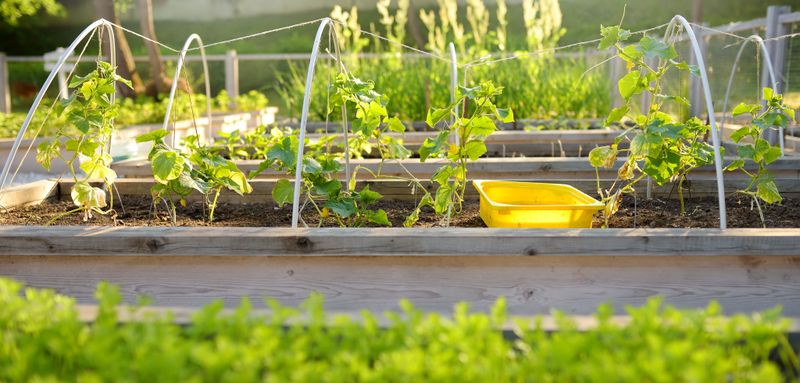
A big planting plan sketched out in early summer can be genuinely exciting. But July heat and humidity are not always the right conditions for large shrubs, new trees, or extensive bed redesigns.
Transplant stress hits new plants hard when soil temperatures are high, root systems have not had time to establish, and afternoon storms are unpredictable.
That does not mean July is wasted time for someone with big plans. Soil preparation, irrigation fixes, nursery scouting, and ordering plants for a late August or September installation are all productive July activities.
Walking the yard with a notebook, measuring beds, and confirming irrigation coverage before any digging starts can prevent expensive mistakes later.
Holding off on heavy digging and major installations until conditions ease slightly is a smart strategy, not procrastination. If planting absolutely cannot wait, new plants need consistent moisture at the root zone.
They also need protection from afternoon sun where possible and realistic expectations about establishment time. Check watering rules with your county or water management district before setting up any new irrigation to support fresh plantings.
When a clear plan exists, irrigation is confirmed, and the right plants are identified for each site, the yard is well-positioned. That sets it up for a strong and intentional fall planting season ahead.